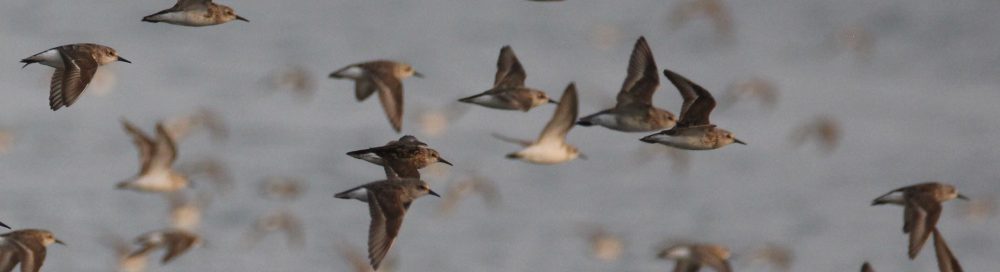
In reaction to my column on blue jays from a few weeks ago, John from the Monadnock Region wrote to say that he too grew up hearing that blue jays were “bad birds.” Blue jays warn other birds in the forest of a hunter’s presence (hence essentially ending the chances of a successful hunt) and rob the nests of other birds.
Those are indeed facts about blue jays, but he has since come to appreciate blue jays for their intelligence, vocalization range and beauty. Taking photos of blue jays in flight is a favorite hobby of his. (One of his shots may be found at birdsofnewengland.com on the “reader submitted photos” page.)
The email from John got me thinking about how stories we hear as children can stick with us for a long time, even into adulthood. Whether or not blue jays are “bad birds” is still a matter of opinion, but there are some things we heard way back when that are clearly not true.
Movies and television shows are often the culprits of this misinformation. Not that I’m blaming Hollywood; it has to embellish to make stories more interesting. Young people, however, often cannot separate fact from fiction and characterizations stick with them.
I grew up at a time when tarantula movies were popular. In the movies, of course, tarantulas are depicted as poisonous, man-eating creatures that can wipe out an entire town in a matter of hours. It was many years later that I learned tarantulas are basically harmless and the bites (which rarely happen) are akin to a bee sting.
Quicksand was a peril in many movies and television shows back in the day. At least two episodes of Gilligan’s Island come to mind. The scary part about how quicksand was depicted is that the patch came out of nowhere in the jungle. One second the actor was walking along a trail and the next he was neck deep and slowly sinking toward his demise.
Quicksand is a real thing, but not the deathtrap that is often portrayed in the movies. It is rare to come across quicksand and usually not the inescapable pit it is made out to be. In New England, we’re pretty safe from quicksand, so don’t worry about getting stuck while taking your walk in the woods. There have been reports of people getting stuck in beach areas, so a bit of caution should be used when walking alone along a sandy beach, but really the odds of coming across dangerous quicksand are astronomically in your favor.
A similar, but more common and less deadly danger to watch out for in New England is low tide along coastal areas. If you swim or canoe out during high tide, you better be aware of the extent of the tide and when low tide comes. You’ll either have to take a long way back or wait six or eight hours for high tide to return.
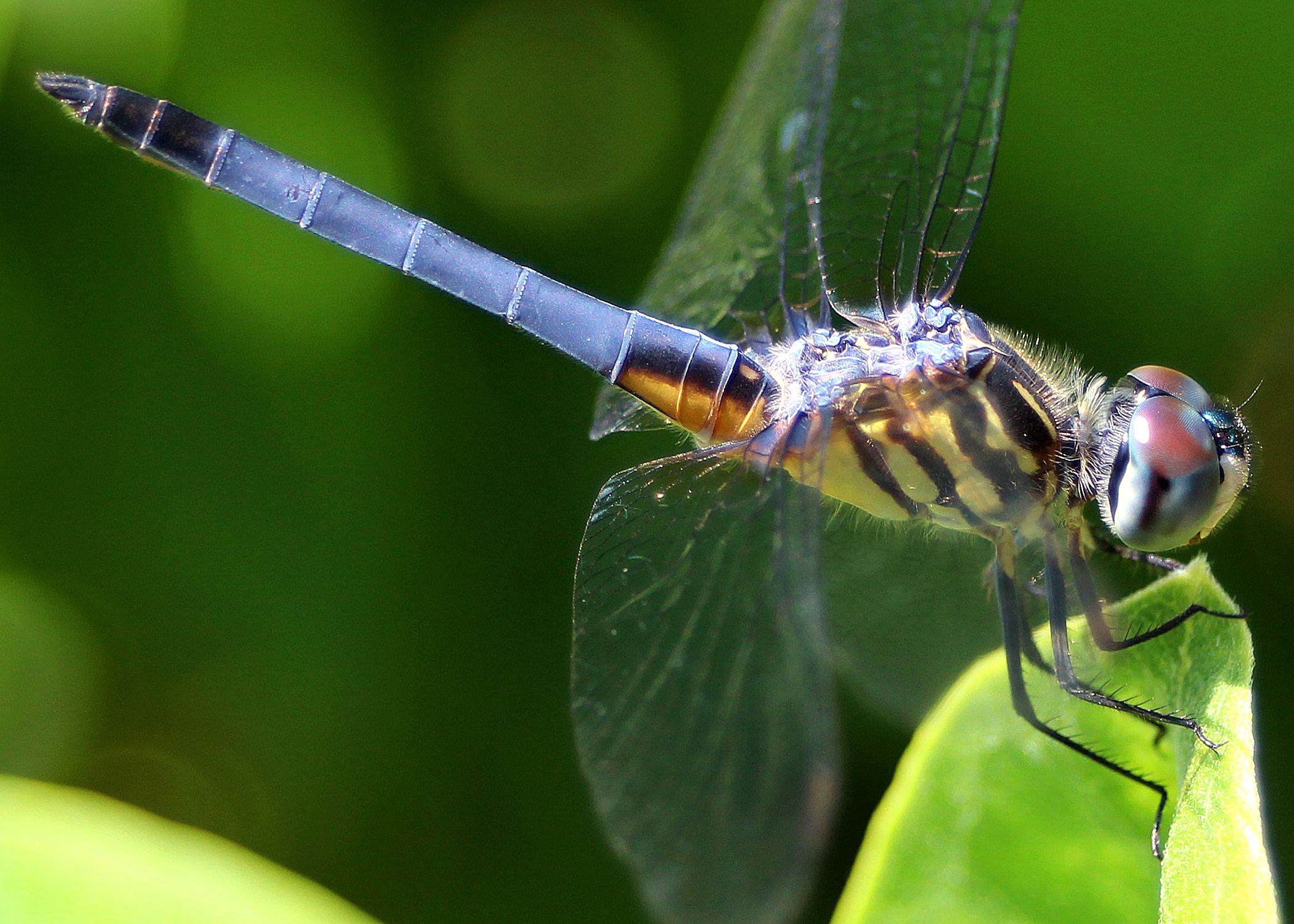
I was afraid of dragonflies when I was younger. I was 5 or 6 when an older neighborhood kid told us a story about one of his friends who was stung by a dragonfly. His friend was bedridden and the wound swelled up periodically. I panicked every time I saw a dragonfly and avoided them like the plague.
Of course, the story was not true, as I eventually came to realize as I got older. Dragonflies do not sting or bite. I mean, they bite mosquitoes by the hundreds, but not humans. It’s a good thing the older kid in the neighborhood didn’t tell us the myth about dragonflies sewing people’s mouths and eyes shut. I would have never left the house again.
I used to dislike earwigs and centipedes greatly when I was a kid. When I heard that earwigs crawl into people’s ears and lay their eggs, my disdain for them grew exponentially. Thankfully, I learned later that it is not true and eventually, my contempt for the insects lessened.
Myths about the animal kingdom abound. When heard as an adult, common sense can dispel most of these myths. Children, however, cannot always apply simple reasoning and the myths perpetuate.
What are your favorite (or least favorite) nature myths? Drop me a line and let me know. Bonus points if they apply to New England flora or fauna.
 Birds of New England.com
How interesting to read about Blue Jays, Dragonflies, Tarantulas and other reasonably innocent creatures. I too grew up in a family of hunters who were woe to hear a jay chattering away revealing to the deer that danger was afoot. Of course as I honed my woods skills I was not given away so easily in my older years and am happily shooting (with camera, no longer a hunter) in relative secrecy. Thank you for your enjoyable column.
“If ever there is tomorrow when we’re not together… there is something you must always remember. You are braver than you believe, stronger than you seem, and smarter than you think. But the most important thing is, even if we’re apart… I’ll always be with you.”– Winnie the Pooh
LikeLiked by 1 person
One myth th
LikeLiked by 1 person
My least-favorite myth is probably the one about lemmings suicidally hurling themselves over cliffs. They don’t do this, they never do this, they did it only in one “documentary.” It’s a very sad tale, actually, which makes it all the more frustrating to hear. (The upshot is that the filmmaker deliberately herded the poor terrorized creatures off of a cliff for the sake of creating an exciting narrative:
https://www.snopes.com/fact-check/white-wilderness-lemming-suicide/
Incidentally, in trying to remember what that film was called, I found this info at wikipedia that is full of other odd (and sometimes cruel) myths:
https://en.wikipedia.org/wiki/List_of_common_misconceptions#Biology
LikeLiked by 1 person
A lot of good ones on that Wikipedia page. Thanks for sending the link. Thanks for pointing out the lemming myth. Shameful filmmaking. Thanks for commenting.
LikeLiked by 2 people
I really appreciated your stories in the post. I’d never heard about the one with dragonflies. It’s so sweet and poignant, what one learns in childhood.
LikeLiked by 1 person
Love my Jays here in Epping!
LikeLiked by 1 person