For the Birds: A few more myths of the natural world

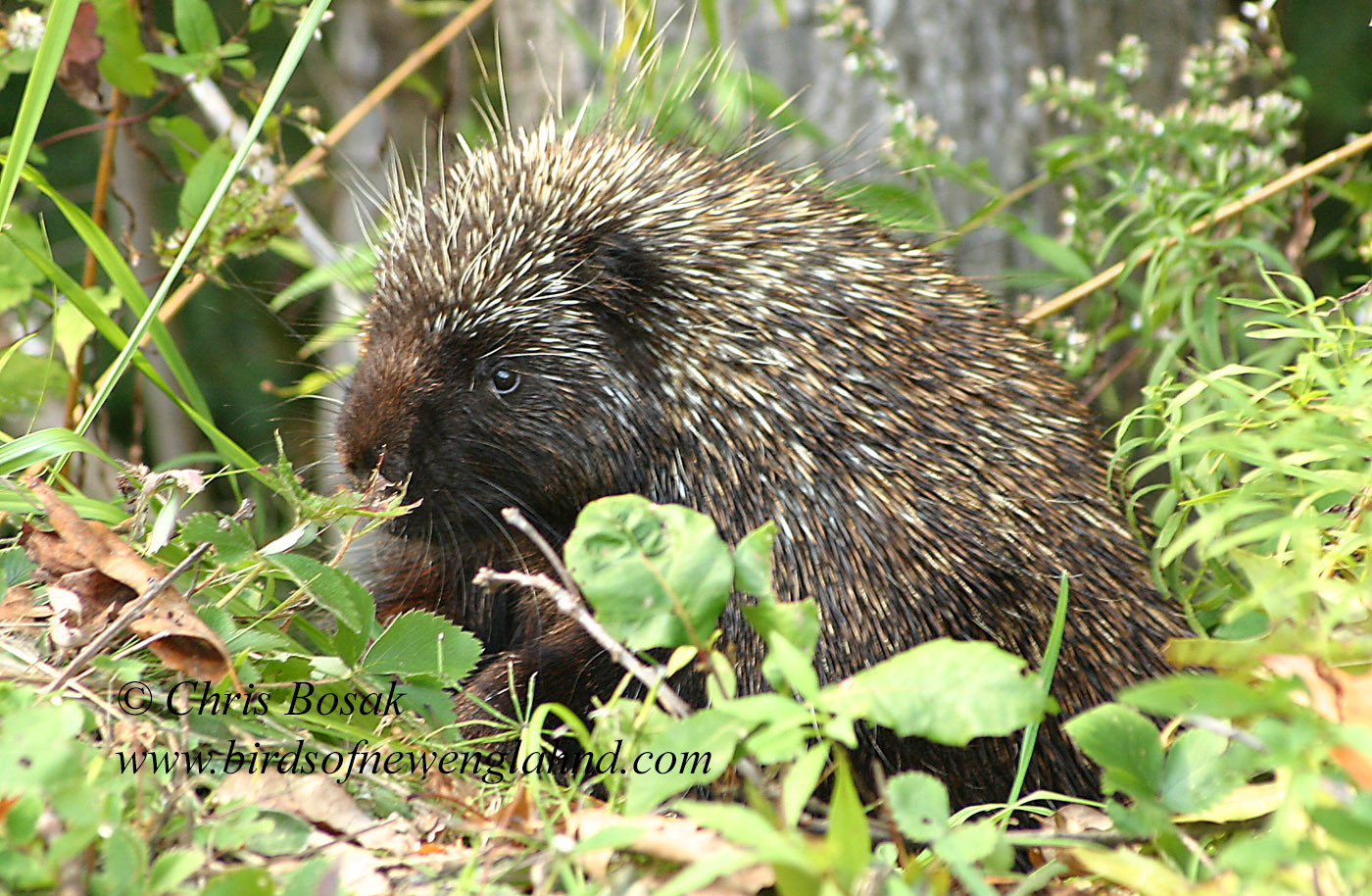
Photo by Chris Bosak – Porcupines do not shoot or throw their quills, contrary to popular belief.

A few weeks ago, I wrote about some common myths and misconceptions about the natural world. Dragonflies don’t sting or bite people, tarantulas aren’t deadly, and quicksand is not likely to swallow you up on your next walk in the woods.

In this column, we’ll look at a few more wildlife myths, compliments of readers who wrote in with their thoughts.

Al from Nelson wrote, “We have eight species of frogs in the Monadnock area (bullfrogs, green frogs, wood frogs, gray tree frogs, spring peeper, American toad, pickerel frog, leopard frog) and another three species in other parts of New England. Not one of them makes a ‘ribbit’ sound. I have heard that there is a frog that says ‘ribbit’ in southern California, where many TV shows, movies, and ads are made, and that’s why the media has frogs saying ‘ribbit.’ I don’t know for sure if that’s true, but it makes a nice yarn.”

Continue reading
For the Birds: Myths that seem funny now

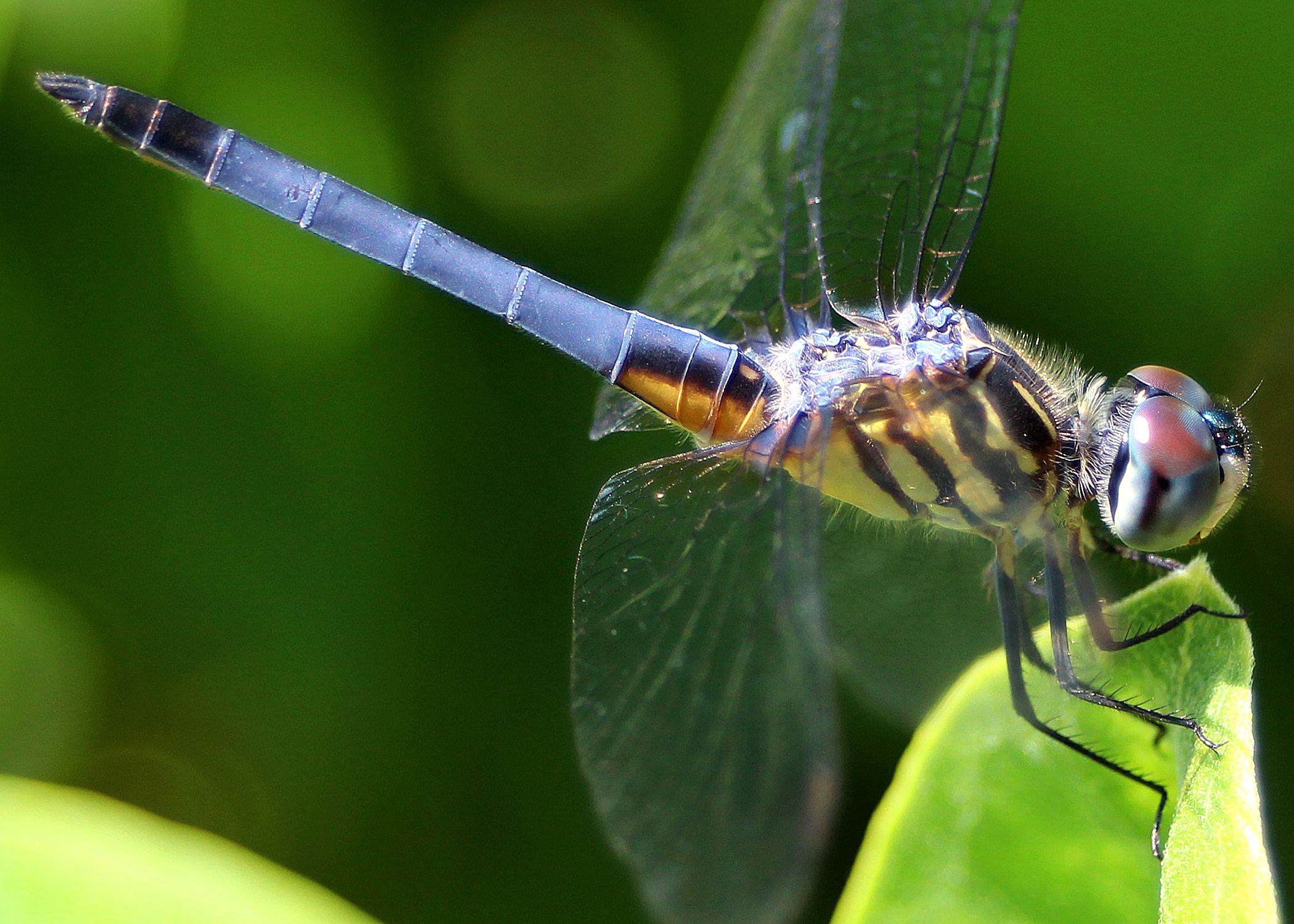
Photo by Chris Bosak – Dragonflies are harmless to humans.

In reaction to my column on blue jays from a few weeks ago, John from the Monadnock Region wrote to say that he too grew up hearing that blue jays were “bad birds.” Blue jays warn other birds in the forest of a hunter’s presence (hence essentially ending the chances of a successful hunt) and rob the nests of other birds.

Those are indeed facts about blue jays, but he has since come to appreciate blue jays for their intelligence, vocalization range and beauty. Taking photos of blue jays in flight is a favorite hobby of his. (One of his shots may be found at birdsofnewengland.com on the “reader submitted photos” page.)

The email from John got me thinking about how stories we hear as children can stick with us for a long time, even into adulthood. Whether or not blue jays are “bad birds” is still a matter of opinion, but there are some things we heard way back when that are clearly not true.

Continue reading