For the Birds: Looking back on a fine 2022

It already seems as if 2022 is a mere dot in the rearview mirror. Before it fades even more, I want to present my annual “top birding moments of the year” column. It’s a tradition that goes back several years and is one of my favorite columns to write. I also encourage readers to send to me their favorite birding (or wildlife) moments of 2022.

10. Bears! On my drive home from looking at land in far north New Hampshire, I noticed three dark blobs at the far edge of a huge field. I hit the brakes, turned around and pulled over. The blobs were three bears — a mother and two cubs. Bears are becoming increasingly common throughout New England. I hope we learn to co-exist peacefully. 

Continue reading
For the Birds: Hawks in a New England winter

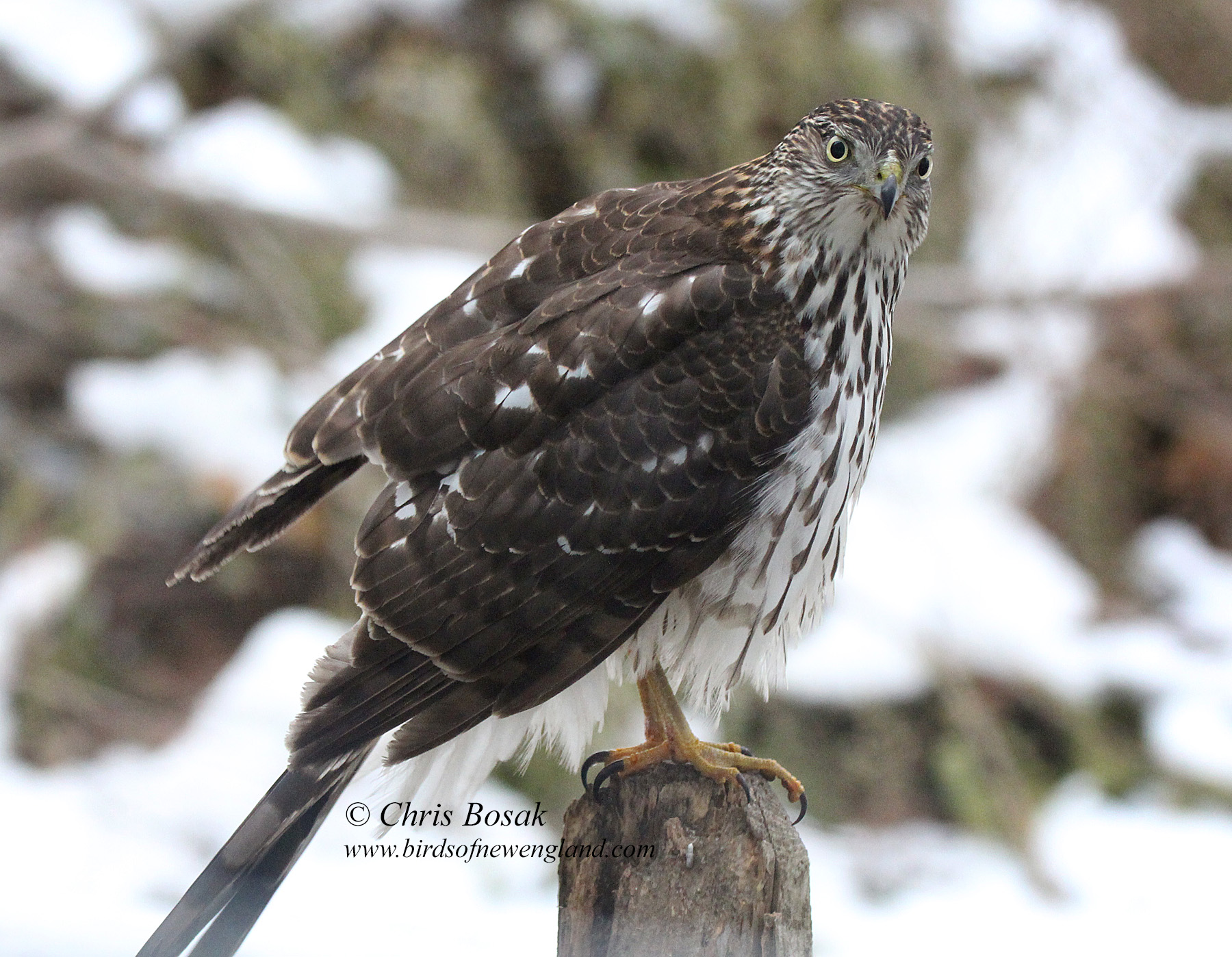
Photo by Chris Bosak – Young Cooper’s hawk in New England, January 2023.

It is not uncommon for birders at designated hawk watch sites to see more than 1,000 hawks in a single day. The fall hawk migration is most certainly a sight to see, particularly if the conditions are right.

With the sheer number of hawks and other birds of prey that migrate south through New England in the fall, it is tough to imagine that any of them remain in our region once the migration is over. But, of course, we do see a fair amount of hawks throughout the winter months in New England. 

Red-tailed hawks, red-shouldered hawks and our accipiters, sharp-shinned and Cooper’s hawks, are the most common hawks we see in New England during the winter. Other birds of prey that we continue to see in our coldest months are the peregrine falcon, vultures and, of course, bald eagles, which congregate in large numbers where water remains unfrozen.

Continue reading

More American wigeon photos

Photo by Chris Bosak – An American wigeon in Norwalk, CT.

I posted one American wigeon photograph last month to accompany my Christmas Bird Count article. Here are a few more shots of this interesting duck.

Here is the description of the American wigeon by AllAboutBirds.com, a website of the Cornell Lab of Ornithology. “Quiet lakes and wetlands come alive with the breezy whistle of the American Wigeon, a dabbling duck with pizzazz. Breeding males have a green eye patch and a conspicuous white crown, earning them the nickname “baldpate.” Females are brushed in warm browns with a gray-brown head and a smudge around the eye. Noisy groups congregate during fall and winter, plucking plants with their short gooselike bill from wetlands and fields or nibbling plants from the water’s surface. Despite being common their populations are declining.” Click here for further information.

Photo by Chris Bosak – An American wigeon in Norwalk, CT.
Photo by Chris Bosak – A female American wigeon in Norwalk, CT.

For the Birds: Winter birding delights

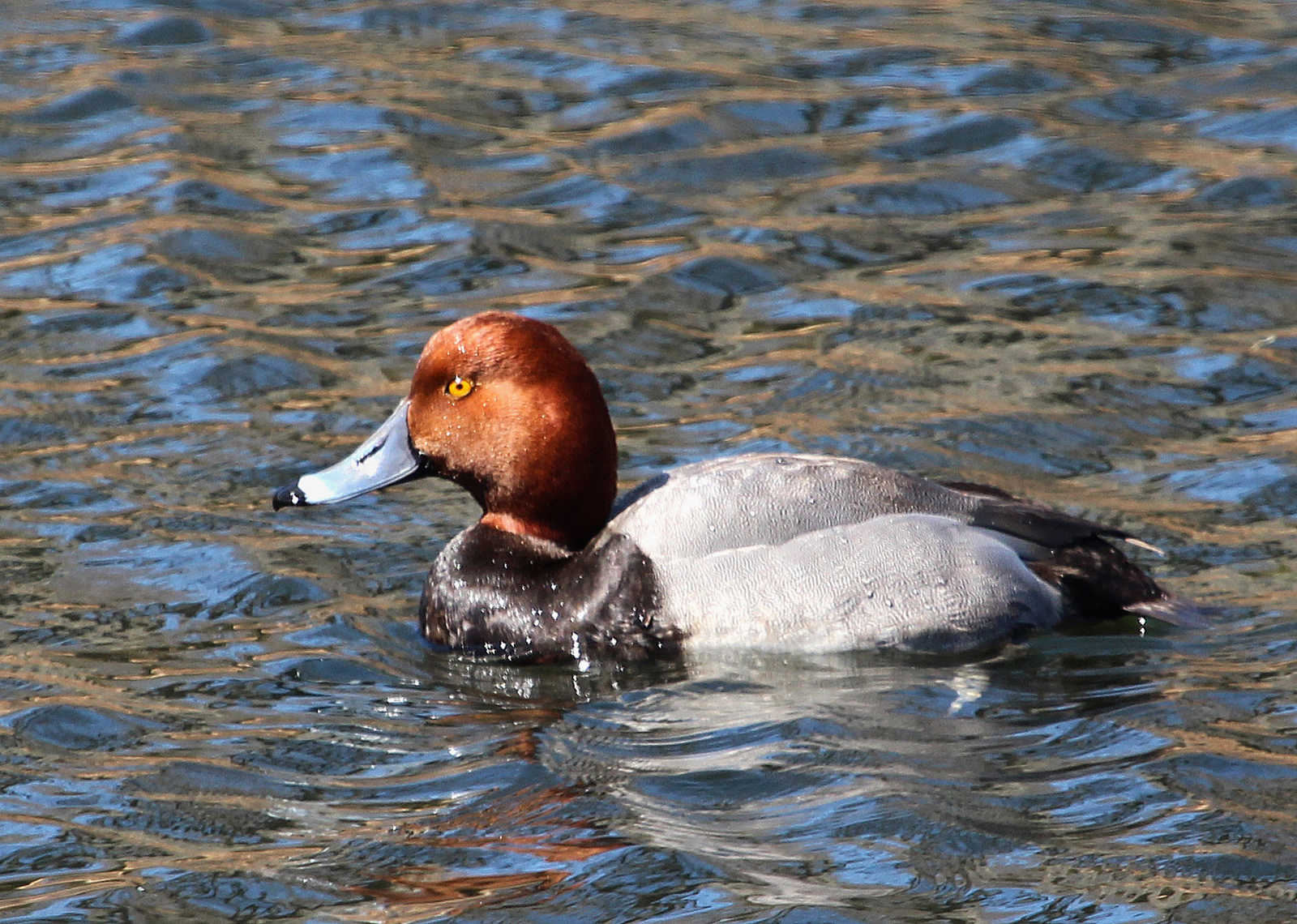
Photo by Chris Bosak Redhead seen in a New England pond.

There may be a hot-looking red head at the lake or perhaps a bleach-blonde beauty.

Oh, and don’t forget about that Icelandic number that’s been hanging out at New England beaches.

Don’t worry, you have the right column. I’m still talking about birds.

The aforementioned attractions are just a few of the unusual birds that may be seen in the area during winter.

News of such sightings travel quickly along the grapevine, but Rare Bird Alerts are also available to everyone with access to the internet. Simply do an internet search for “rare birds” for the state or specific location you are interested in. Dedicated birders keep the alert lists updated and it is extremely helpful when you’re trying to track down something rare or unusual, or just interested in knowing what’s out there.

Continue reading