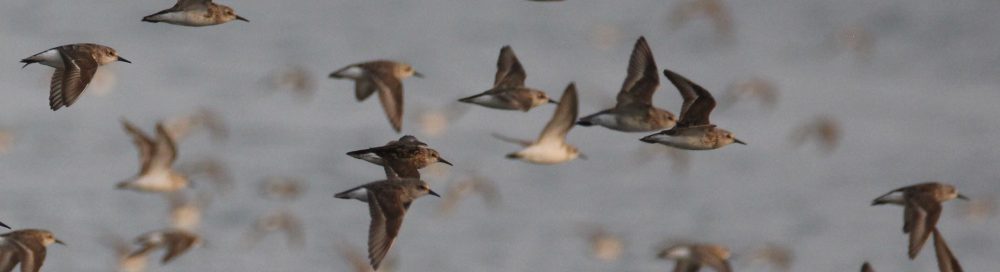
It is a time of transition for birdwatchers as we move from fall to winter. This being New England, it is safe to say that the winter birdwatching season starts in November despite the calendar saying winter doesn’t start until December 21.
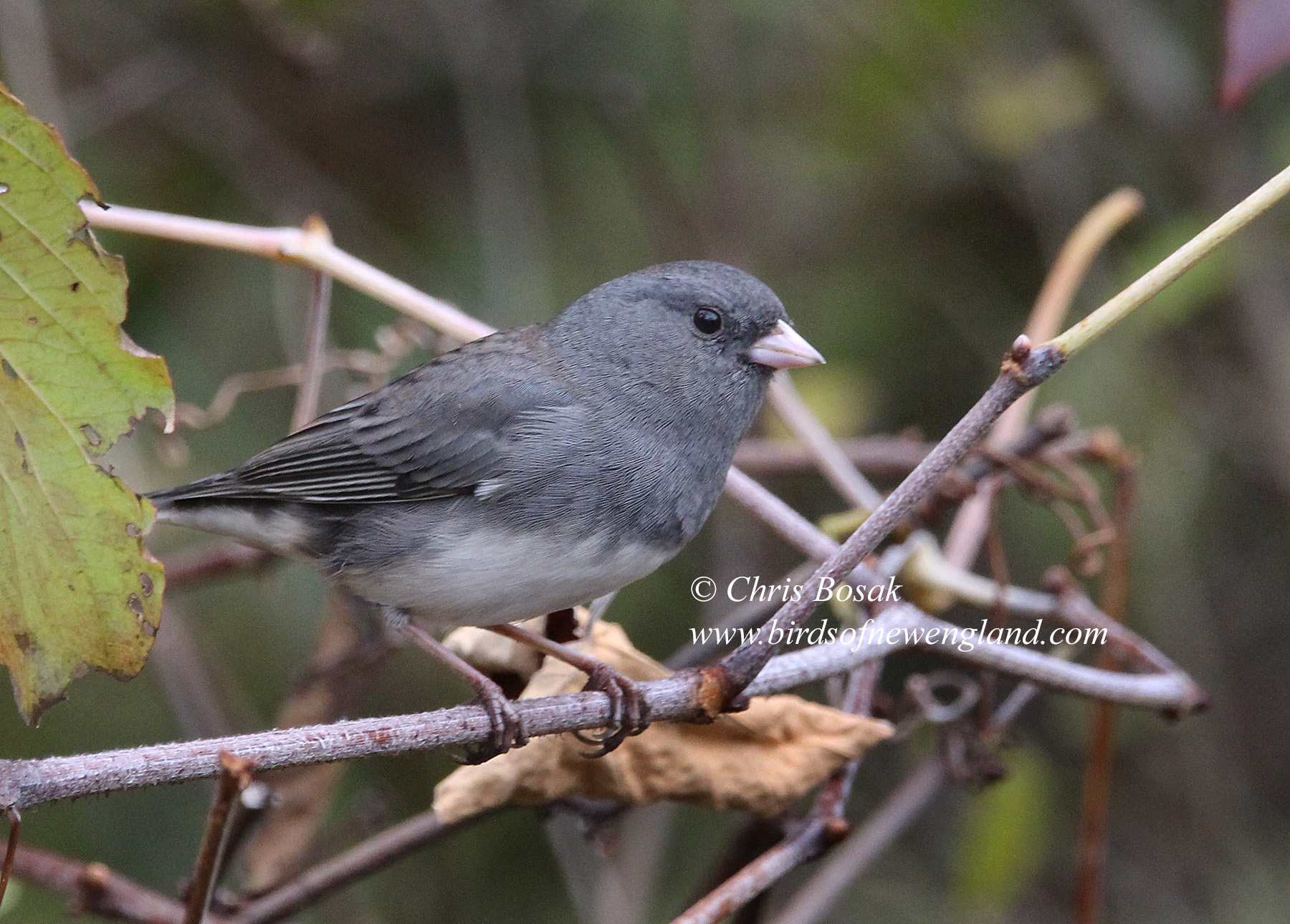
It is not quite fully the winter birdwatching season as there are a few lingering fall migrants passing through and the typical winter birds have just started to arrive. As I pull Into my driveway these days, I am greeted by several dozen juncos flushing in every direction. I hadn’t seen them in these numbers since the transition from winter to spring earlier this year.
White-throated sparrows are also back in force. I don’t see tons of these handsome sparrows in my yard or at my feeder, but I do see them in great numbers during my walks in the woods. Hearing their “Old Sam Peabody” song over and over makes the transition to cold weather a bit more bearable.
The action at bird feeders may still be slow for a few weeks as natural food is still fairly abundant. There are plenty of leftover seeds, nuts and berries to be found in the wild by industrious birds. Once those food sources become more scarce as the winter progresses, the birds will return to feeders in larger numbers.
While it is sad to see our songbirds disappear for the next several months, it does mean that the birds that live farther north will come down and take their place. It remains to be seen which birds, if any, will irrupt into New England this winter. An irruption is when birds that we typically don’t see, or see only a few, visit in large numbers due to lack of food up north or other variables.
Birds such as pine siskins, redpolls, purple finches, red-breasted nuthatches, and evening grosbeaks are birds that commonly irrupt into New England. Snowy owls are as well, and it remains to be seen how many of these Arctic wonders will give New England birdwatchers a thrill this winter.
Winter also means duck season. Ducks are some of my favorite birds to watch so I always look forward to their return in late fall and early winter. Larger bodies of water that do not completely freeze over in the winter are the best places to find ducks throughout these cold months, although any water is fair game before the freeze. Birds such as hooded mergansers, common mergansers, ring-necked ducks and gadwall will become fairly regular sightings over the next few weeks and months. If you venture to Long Island Sound or the ocean, you will be treated with wintering loons, red-breasted mergansers, long-tailed ducks, goldeneye and, perhaps, eiders and scooters.
Even though it is cold and oftentimes dreary, winter holds plenty of opportunities for New England birdwatchers. It can be a little more difficult to find the inspiration to get out there looking for birds in subzero temperatures, but the rewards are worth it. Finding the time can also be an issue as the daylight hours are far fewer than in the summer and many people go to work and come home in darkness, but again, if you can find the time, it is always worthwhile.
 Birds of New England.com
We have seen a sudden drop off of visitors this fall. Are others seeing this ?
LikeLike
Thanks for writing. Others have said the same thing. I think once natural food sources start to fade, they birds will return to feeders in normal numbers. Thanks again for writing.
LikeLiked by 1 person