
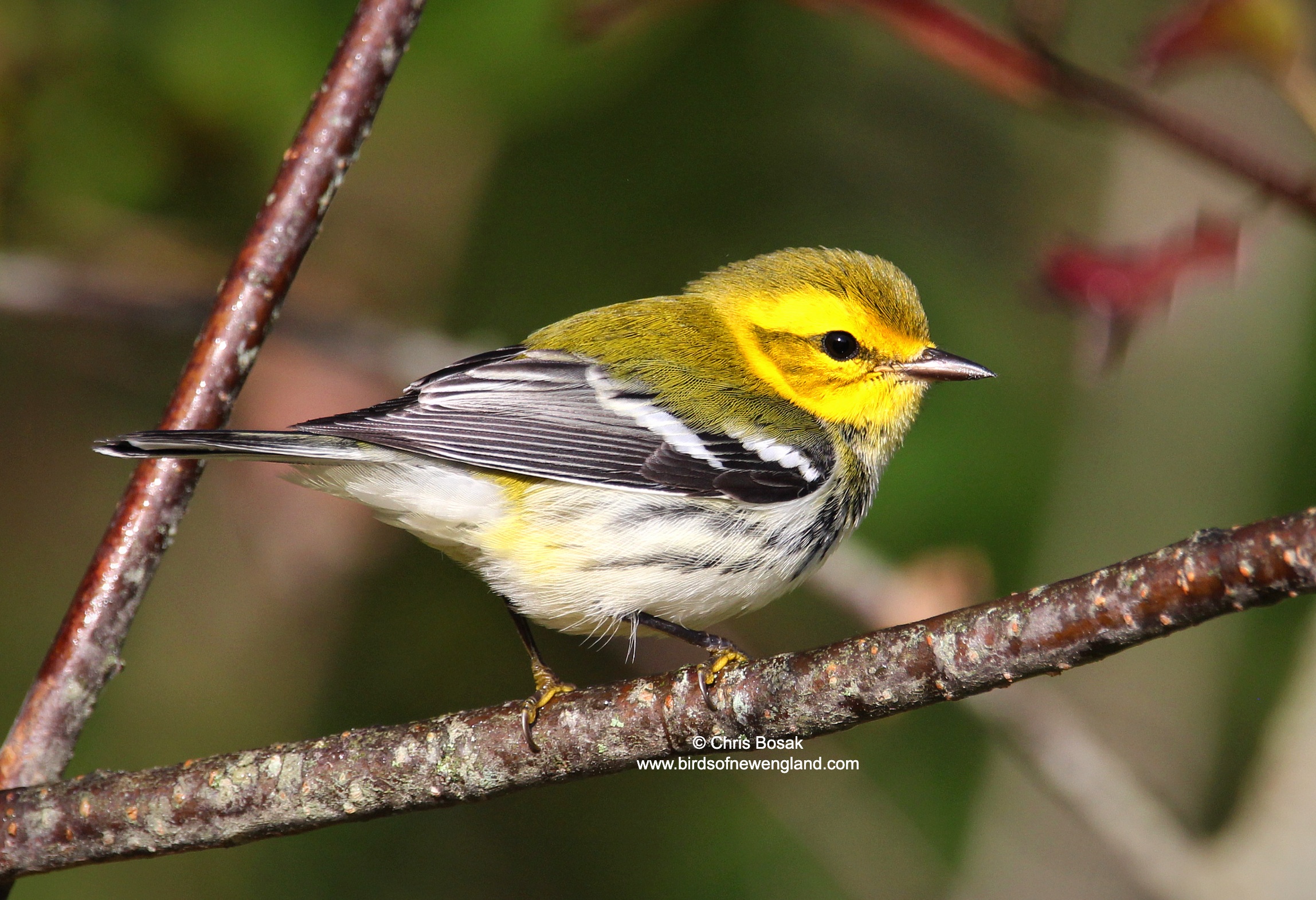
Fall is a great time to watch birds, but it’s much different than watching birds in the spring. It’s quieter, sometimes harder to find the birds and many of the birds don’t look the same.
It’s quieter because most of the birds are not singing. In the spring, birds are singing constantly as the urgency of securing a territory, finding a mate and breeding is foremost on their minds. The songs of perhaps dozens of birds overlap and it can be difficult to isolate the songs of a single species.
That urgency has long passed by the time fall comes around, and foremost on their minds is getting to their winter grounds safely. That doesn’t mean they are silent, however. Fall is when you hear more calls than songs as the birds issue warnings to other birds and try to remain in contact more quietly.
The difference between a call and song is obvious in most species. Songs, of course, are melodic and beautiful. Calls are often a single chip note given once or several times over and over. Some species, however, like the black-capped chickadee, tufted titmouse, and blue jay, have more complex calls that could easily be mistaken for songs.
The cardinal is a good bird to illustrate the difference between a song and a call. The song, as we all know, is a loud, melodic whistle. The call is a sharp chip note. The song is a welcome sound in late winter or early spring when New Englanders are growing weary of short, cold days and long, even colder nights. For the most part, the call is the only sound we hear from cardinals in the fall.
The birds are sometimes harder to find as all of the trees and bushes are fully leafed out. During the spring migration, many of the trees and bushes are bare or only starting to leaf out, offering better chances to find birds. They are also less shy about showing themselves as the possibility of finding a mate always exists.
In the fall, birds are more worried about laying low and working their way south. While the leaves on the trees and bushes will eventually fade and fall off, they are still hanging in there and giving the birds ample cover.
Many species do not look the same for the same reasons we don’t hear them sing in the fall. The desire to secure a territory or attract a mate is over, so there is no reason to wear attractive, flashy plumage.
The scarlet tanager is the prime example. Male scarlet tanagers are perhaps the most sought-after birds in the spring by birdwatchers with their brilliant red and black plumage. The same bird that caused so much excitement in May and June is a muted yellowish-green and black on the southward journey.
The fall, of course, also includes the first-year birds that were born in May or June (or July for some species). Immature males of most species do not yet resemble adult males, adding confusion to fall birdwatching. Many young males, however, are starting to resemble adults.
This fall, I saw a young male rose-breasted grosbeak showing faint signs of getting his trademark red triangle on his chest. I also saw a young ruby-throated hummingbird with a single red feather on its throat, or gorget.
On the other hand, many birds look the same in the fall as they do in the spring, adult or immature. This happens often with monomorphic species (male and female look the same) and year-round New England birds, chickadees, titmice, blue jays, and mourning doves among them.
Looking the same or looking different. Singing or not singing. Hard to find or easy to find. Spring or fall. The important thing is to be out there looking.
 Birds of New England.com
LOL, my feeder Jays are screamin’ blue bloody murder, my Chickadees are dee dee dee-ing everywhere and my finches, nuthatches, cardinals, bluebirds, warblers, sparrows and the like are all in full shout especially if I don’t get my feeders out quickly at the break of dawn. Demanding darlings. (we must bring our feeders in at dark due to our aggressive bruin friends)
LikeLiked by 1 person
LOL, my feeder Jays are screamin’ blue bloody murder, my Chickadees are dee dee dee-ing everywhere and my finches, nuthatches, cardinals, bluebirds, warblers, sparrows and the like are all in full shout especially if I don’t get my feeders out quickly at the break of dawn. Demanding darlings. (we must bring our feeders in at dark due to our aggressive bruin friends)
LikeLiked by 1 person