
Happy holidays, and merry and blessed Christmas to all. Thank you for your support of Birds of New England.


Happy holidays, and merry and blessed Christmas to all. Thank you for your support of Birds of New England.
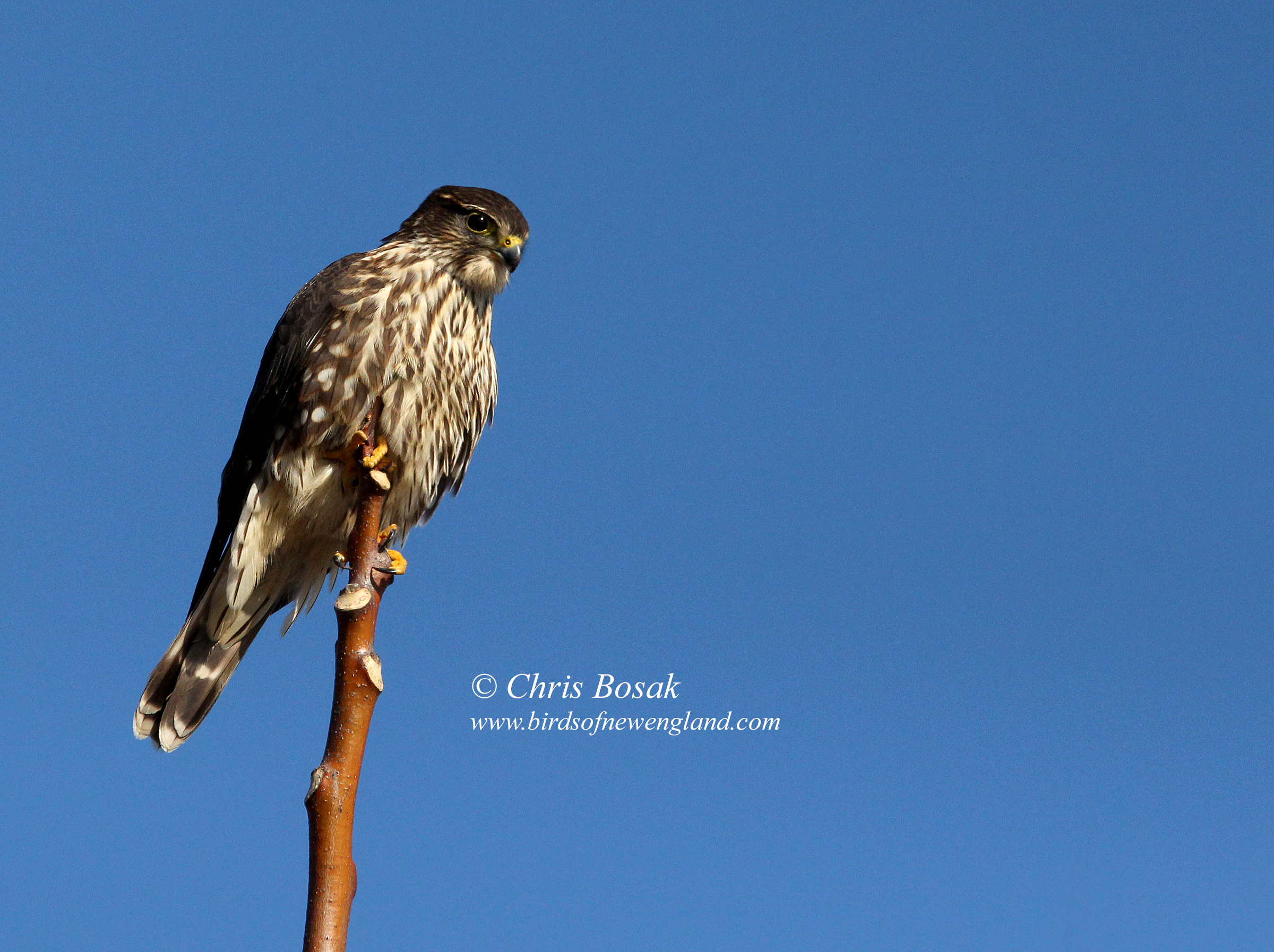
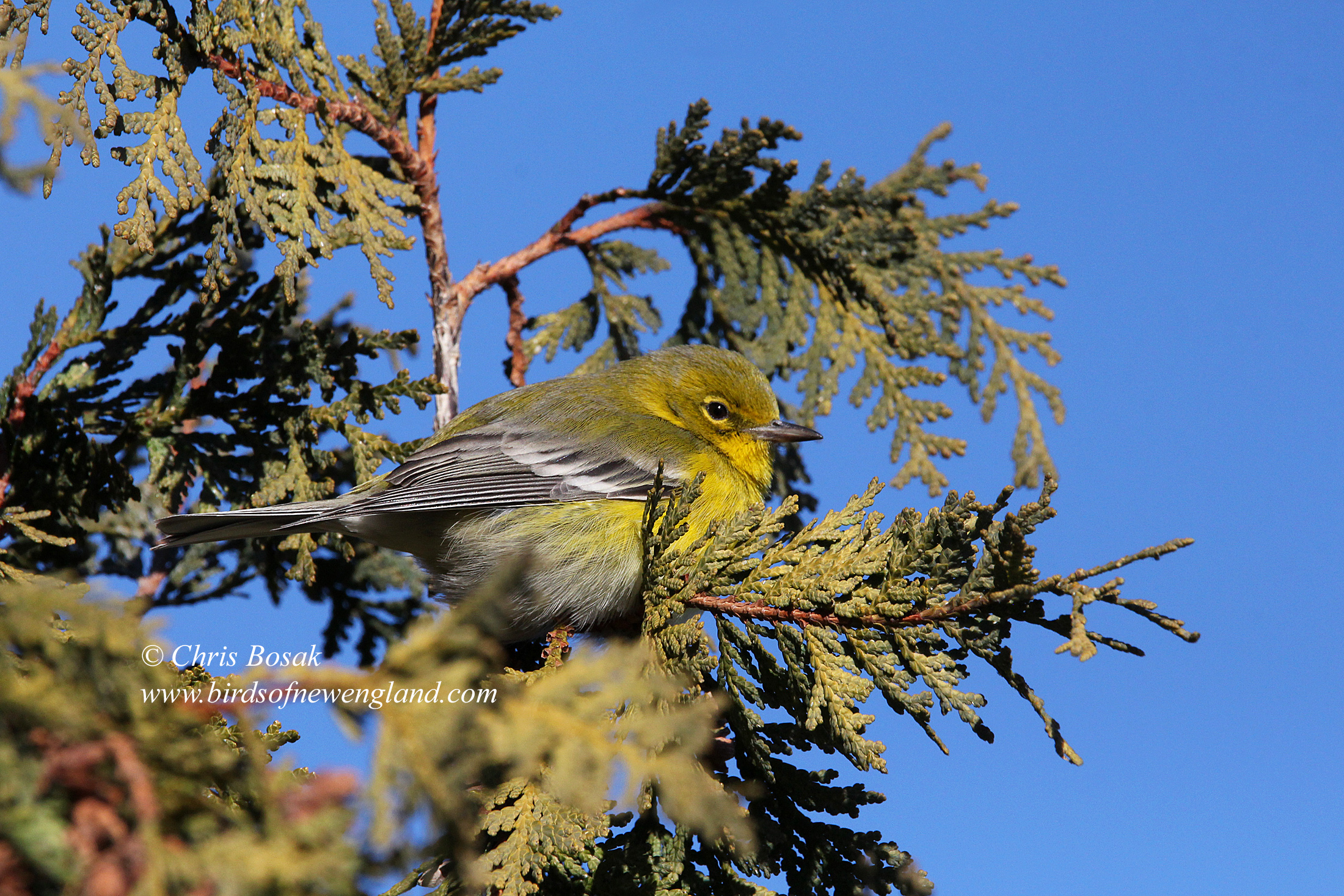
On Sunday (December 22, 2024), I participated, as usual, in the Christmas Bird Count and covered my usual area of coastal Norwalk (SW Connecticut). Instead of my usual birding partner Frank, I covered the area with Adam and Jo. It was 13 degrees when we started and didn’t seem to get much warmer as the day went on. In fact, the wind picked up and made it seem even colder. The things we do for the birds.
We had a successful day with plenty of highlights, including bald eagle, peregrine falcon, merlin, pipit, pine warbler, yellow-rumped warblerf and both types of kinglet.
Here are some photo highlights of the day:
Continue reading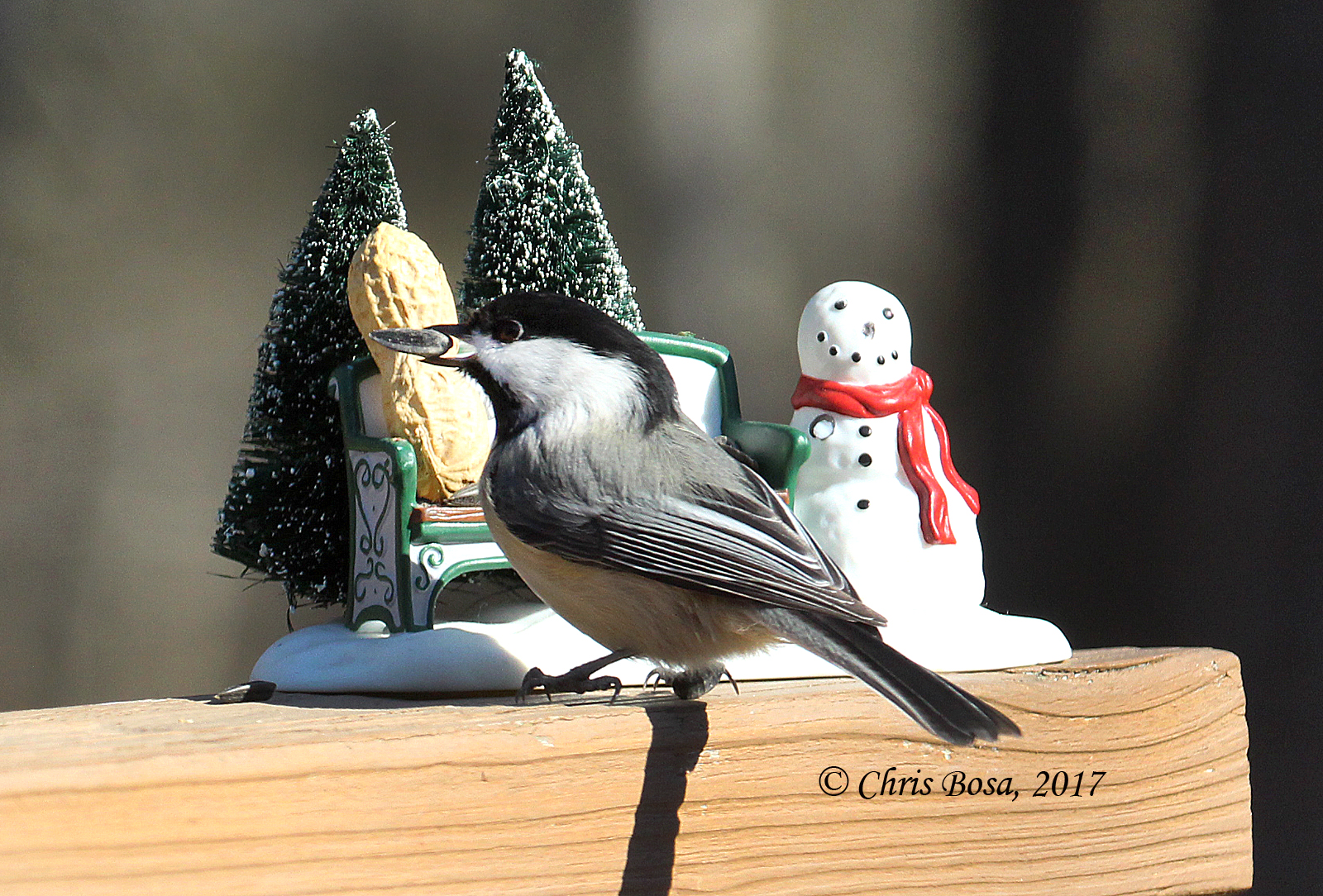
Gift-giving for birdwatchers has changed so much over the last few years.
It wasn’t long ago that a good field guide was the ideal gift for the birder on your list. The only question was which field guide to get. Sibley, Peterson, Audubon? The field guide debate was always fun to watch from the sidelines as birders extolled the virtues of their favorite. Can it fit in your back pocket? Are they photos or drawings? Does it show the various plumages?
Now, physical field guides have all but been replaced by digital ones on the phone. It happened in the blink of an eye. One year, birders are flipping through the pages of a book trying to confirm a species; the next, they are scrolling through their phones.
Continue reading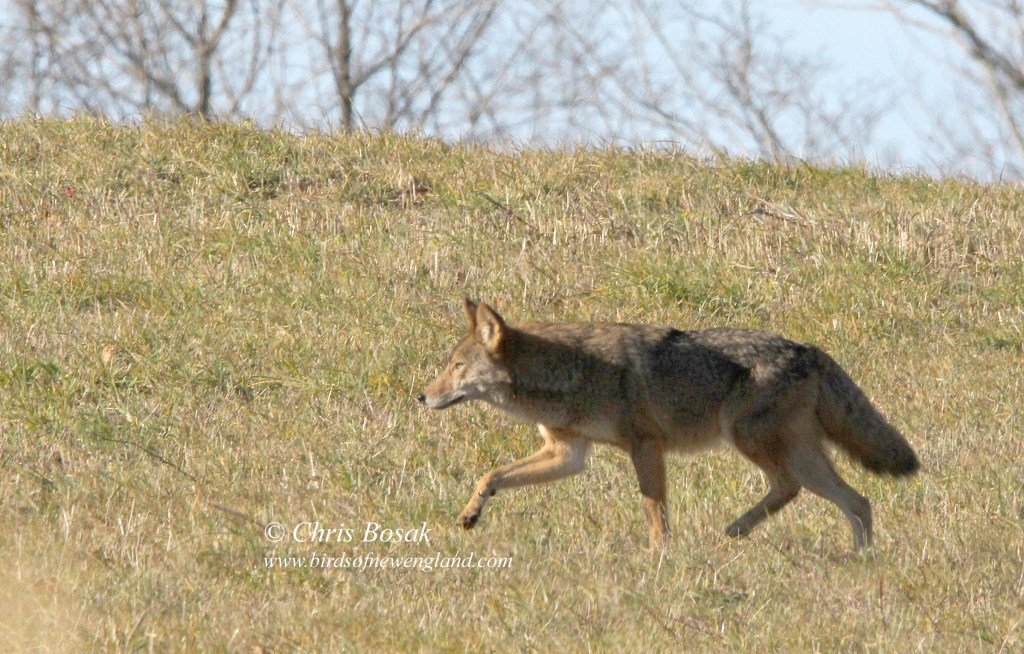
My experience with the coyote the other day got me curious about the species. As I mentioned last week, coyotes are fairly common throughout all of New England these days, but I’ve seen them on only a few occasions.
The recent sighting was my closest encounter with a coyote to date and the only one so far that afforded a photo opp. As is often the case, once I get a decent photo of a species, I do a deep dive into its life history.
Here are some interesting facts (at least I found them interesting) about the eastern coyote, gleaned from several sources on the internet.
Continue reading
My usual walk at a park near my home starts with a slight downhill trail abutting a huge field. The trail soon branches off in two directions: right leads into the woods, and left takes you along a wide trail with brushy habitat on either side.
Nine times out of ten, I take the trail to the left. The brushy habitat is home to a greater number and variety of birds than the narrow trail through the woods. While the left trail is rather wide, approximately 15 feet, the brush on either side is tall and thick and blocks the view of what lies immediately on either side.
There is one spot along the trail, however, where the brush is matted down, exposing a crumbled rock wall and an expansive view of the field. For the adventurous, this spot also offers a chance to gingerly walk on the matted-down brush, step on some of the fallen rocks from the wall and jump down into the field on the other side.
Continue reading
This is the time of year when I typically write my Thanksgiving column on wild turkeys. This year, however, instead of sharing facts about wild turkeys, I’m going to do something a little different.
I got to thinking about what other birds are associated with Thanksgiving. I couldn’t think of any off the top of my head because the turkey completely dominates the modern Thanksgiving holiday. Instead of giving up, I turned to the internet, and, as usual, it didn’t disappoint.
Continue reading
There are certain birds I have unusually good luck finding, and there are those that I have unusually bad luck finding.
Waterfowl, especially hooded and common mergansers, seem to show up everywhere I go from late fall through early spring. Baltimore orioles may as well be my spirit bird for as often as I see them in the spring and summer. Yellow-bellied sapsuckers are supposed to be “uncommon” where I live in New England, but that doesn’t stop me from finding them frequently.
Owls, on the other hand, have proven to be exceedingly elusive over the years. Sure, owls aren’t an everyday occurrence, but for the amount of time I spend outdoors, you’d think I would stumble upon one more often than I do, which is almost never.
Continue readingHere are some photos of house finches and purple finches, for comparison.
Males
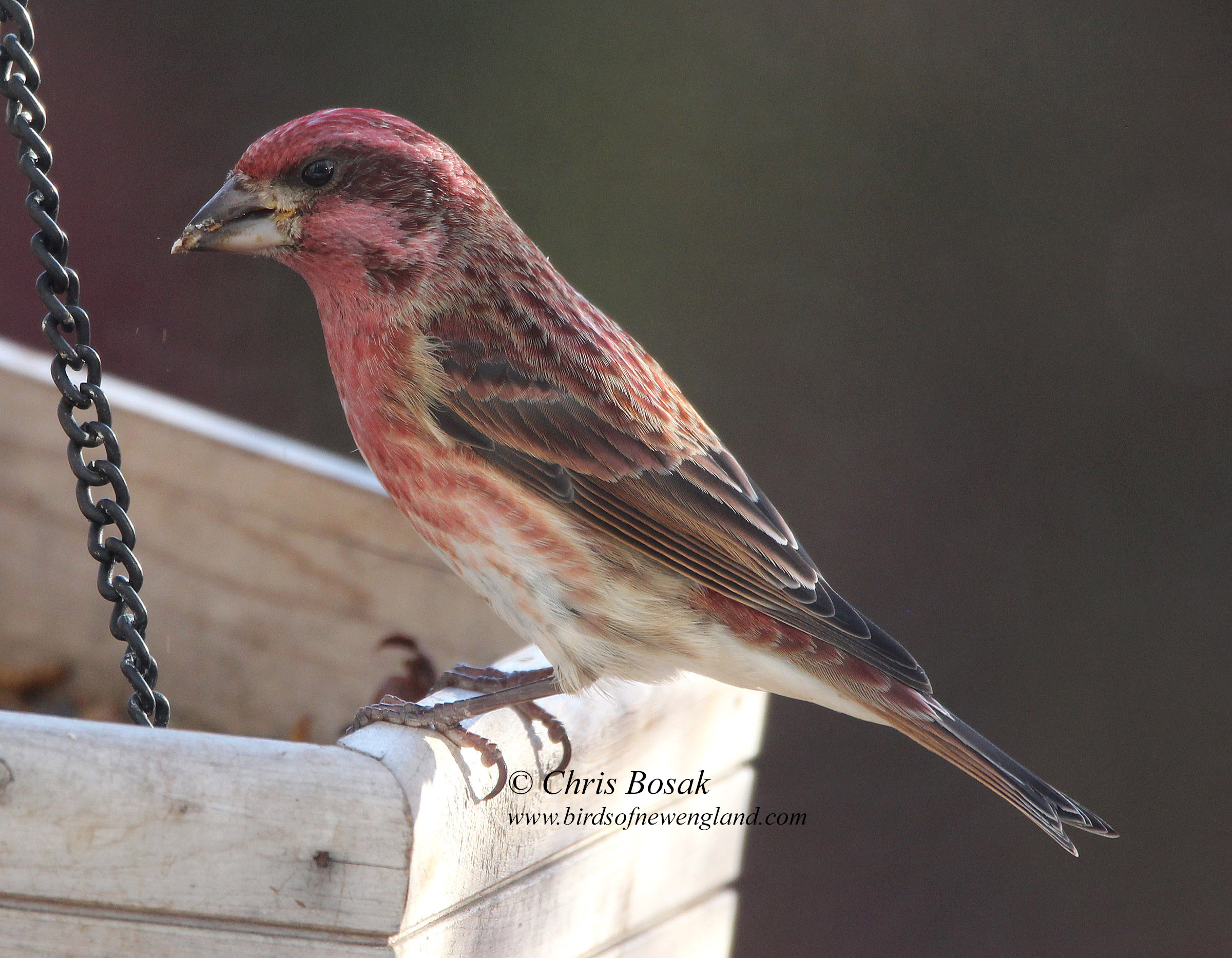
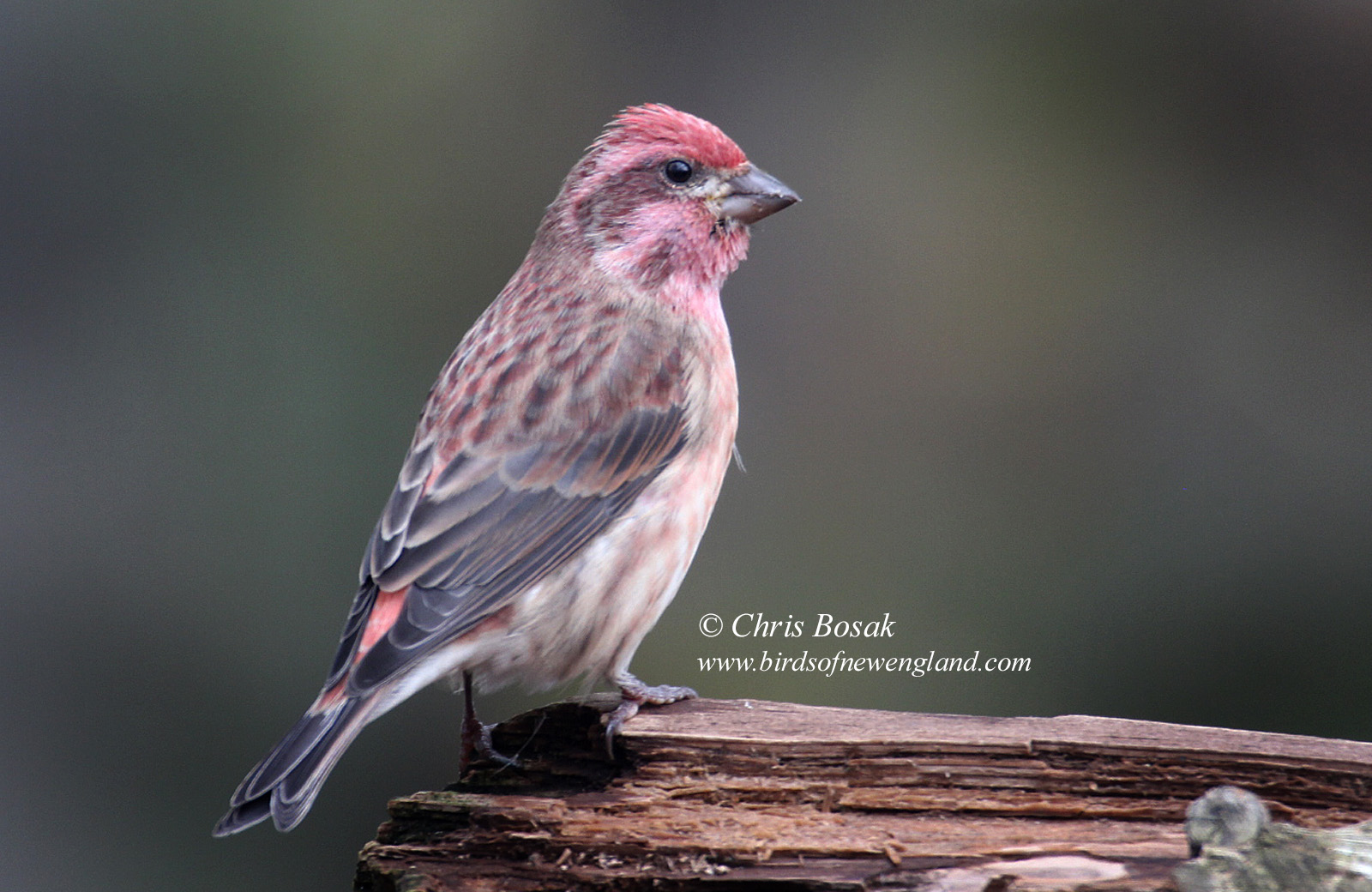
Something looked a little off at the birdfeeders. I get more house finches at my feeders than I can count, but as I entered the living room and glanced out the window, the five brown birds eating seeds didn’t look like the birds I have become so accustomed to seeing.
Nor did they look like house sparrows, another brown bird I have become all too accustomed to seeing at the feeders.
Continue readingHere’s another shot of the female downy woodpecker looking for food by tearing apart a dormant wasp’s nest.

 Birds of New England.com