
Christmas card 6 from Birds of New England
2


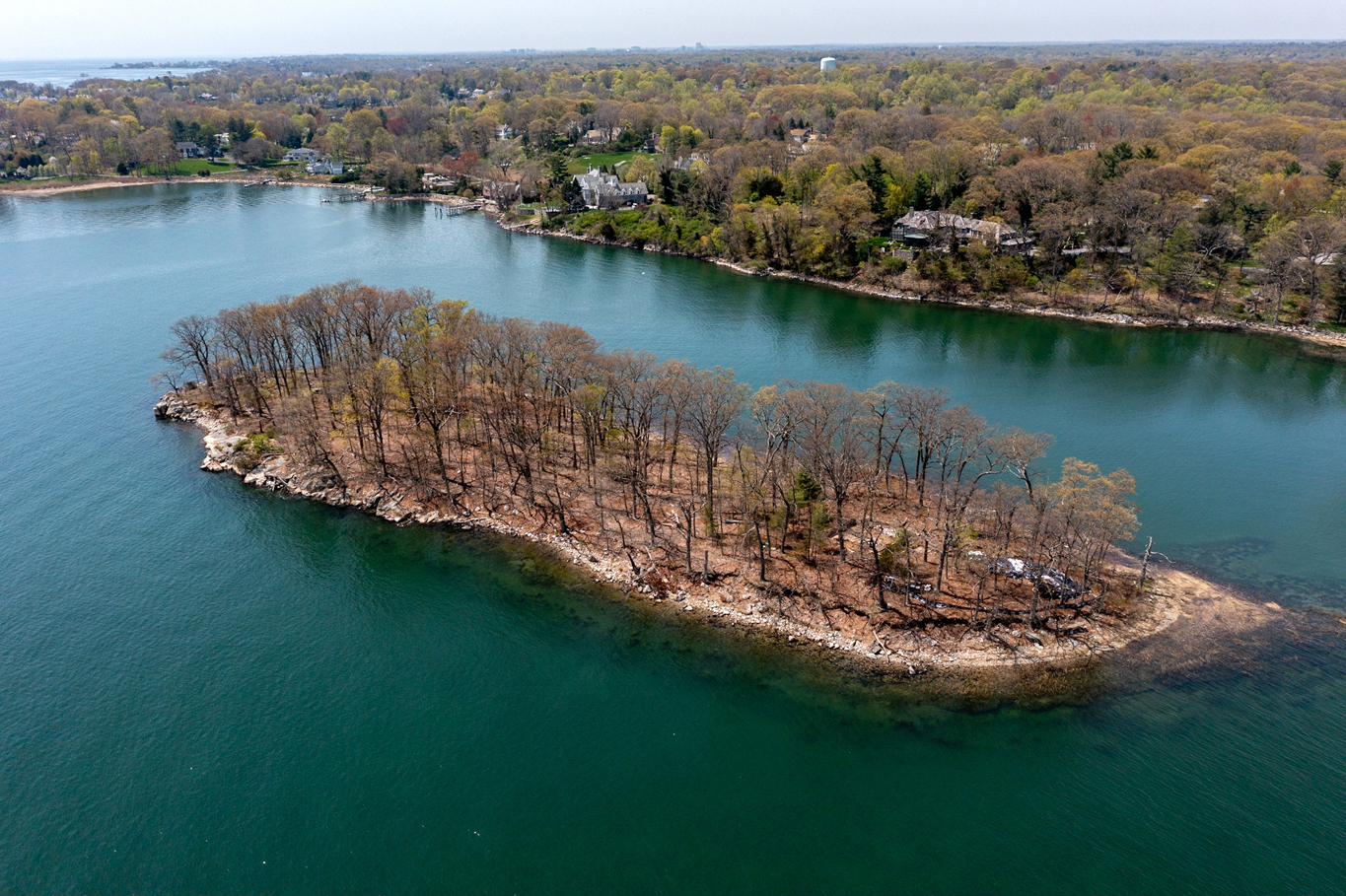
Here’s a release from my friends at the Norwalk Land Trust:
The Norwalk Land Trust is looking for a donor to contribute $60,000 towards the final cost of remediating Hoyt Island in return for naming a new bird sanctuary on the entire the three-acre tract on Long Island Sound after himself/herself or a family member or loved one.
D. Seeley Hubbard, president of the NLT, said a tax-deductible donation is “a wonderful opportunity for an environmentalist to establish in the spirit of the season an enduring legacy with the movement to conserve the ecological vitality of Long Island Sound.”
Additional information is available from NLT director Midge Kennedy at (203) 838-9985. The island is a natural habitat for 149 species of birds–some of whom are rare or endangered–and other wildlife and native plants. Once the preserve is complete, the island will be closed to humans other than two people designated by the donor.
Continue reading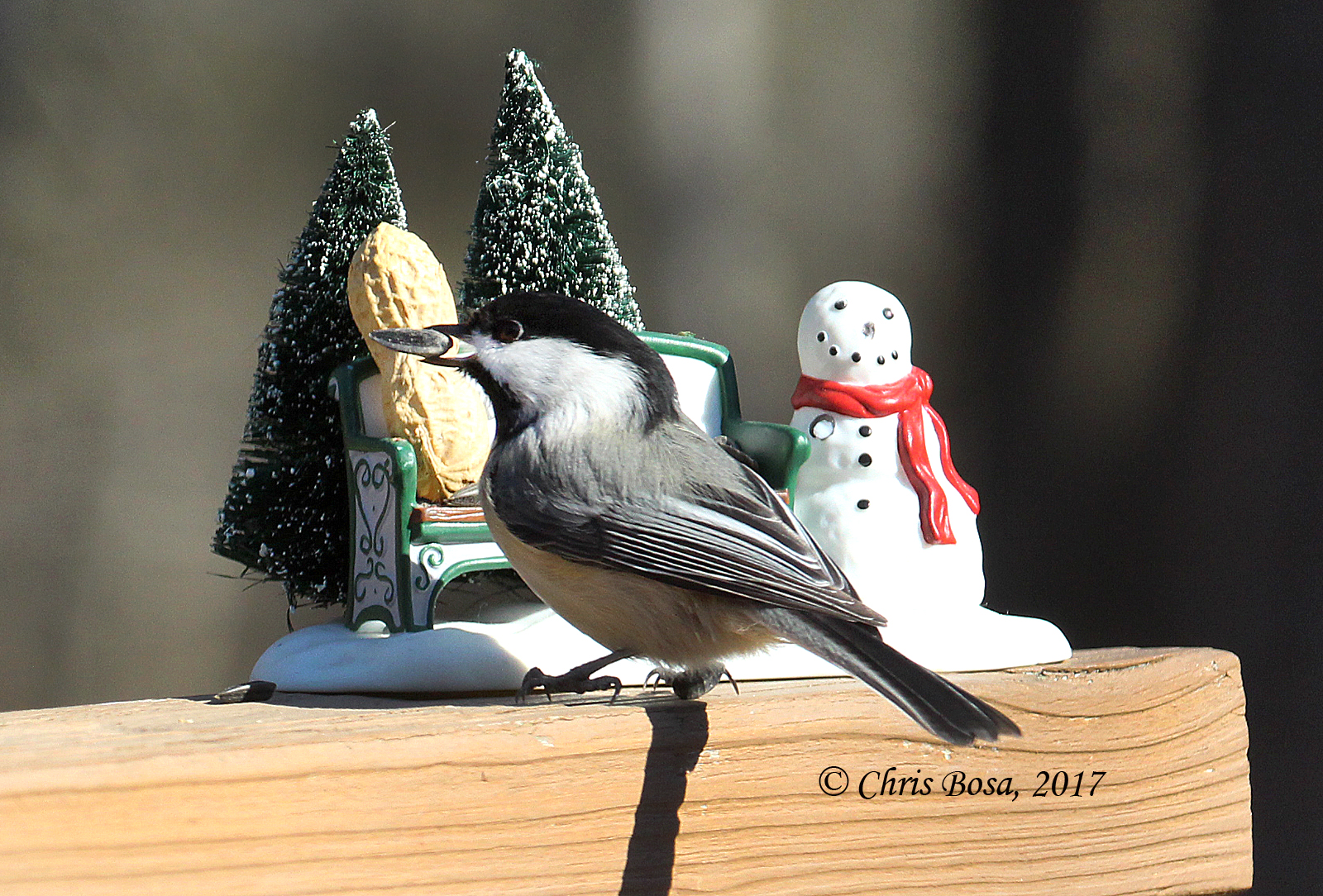
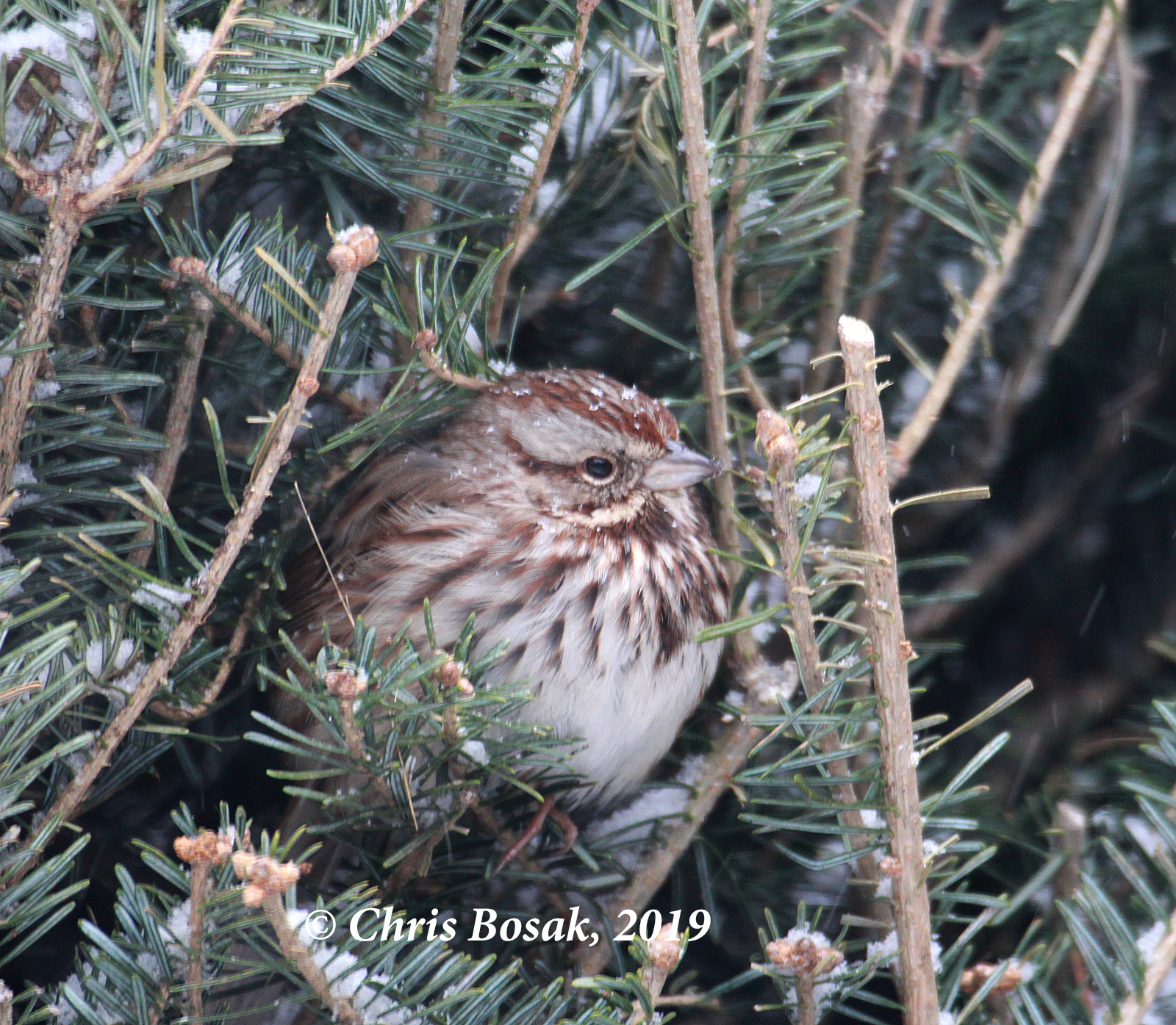
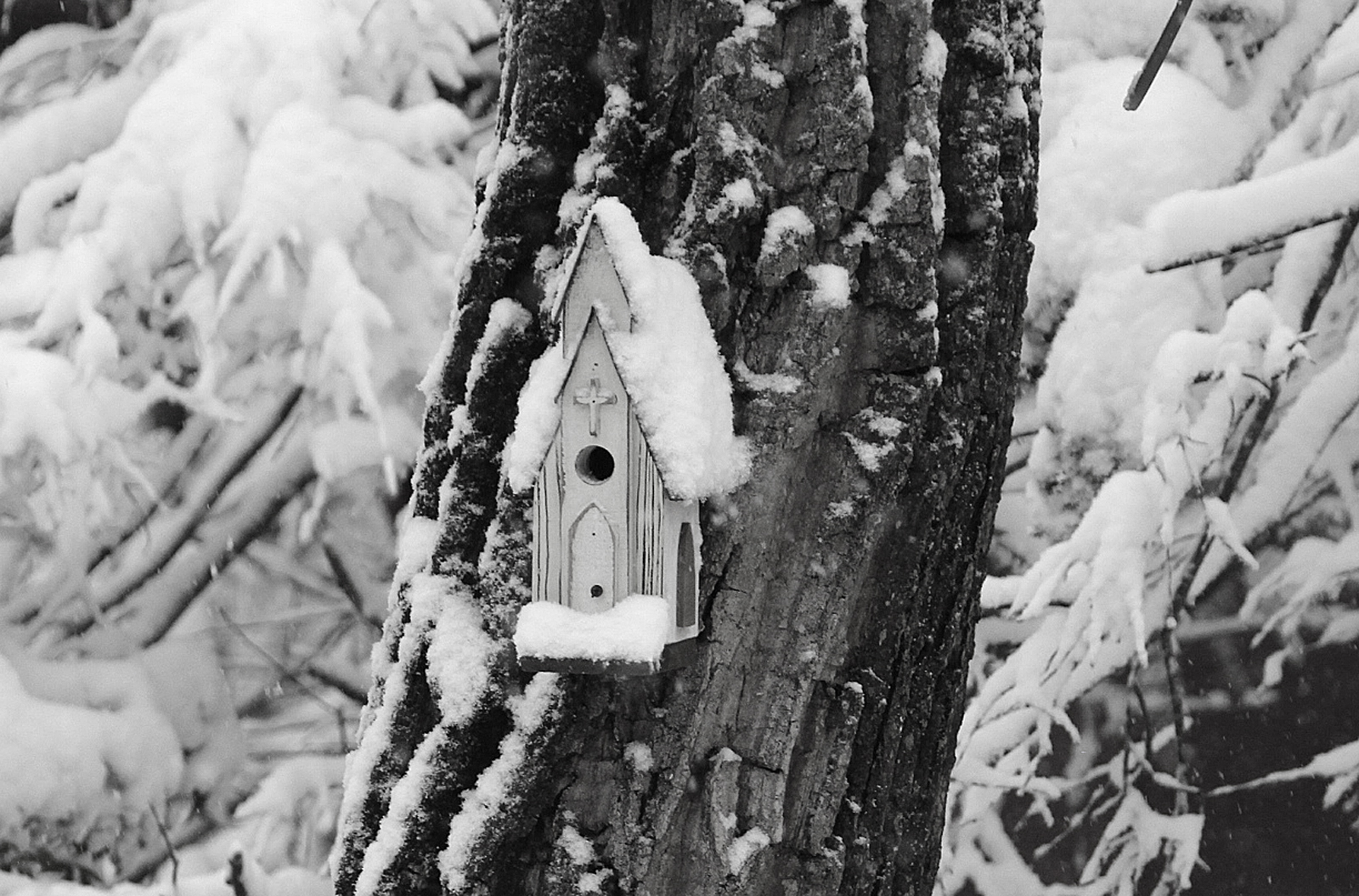
Here’s a Christmas column I wrote 6 years ago (Andrew is now 18). I stumbled across it on the internet and figured I’d rerun it. Why not? I thought the introductory story was pretty funny and I remember the day well. Some of the gift ideas may be out of date as this is an unedited version of the original column.
…
My son Andrew, now 12, needed a new pair of pants for school. And he needed them for the next day. Unfortunately it was a Sunday afternoon during the holiday shopping season.
Oh boy. Let’s get this over with, I said to myself. I avoid shopping malls and plazas at all costs all year round, let alone during a weekend a few weeks before Christmas.
It was even worse than I imagined. Parking was not an issue. There were plenty of spots far from the entrance and I don’t mind walking a few extra steps to avoid fighting over the closer spots.
Continue reading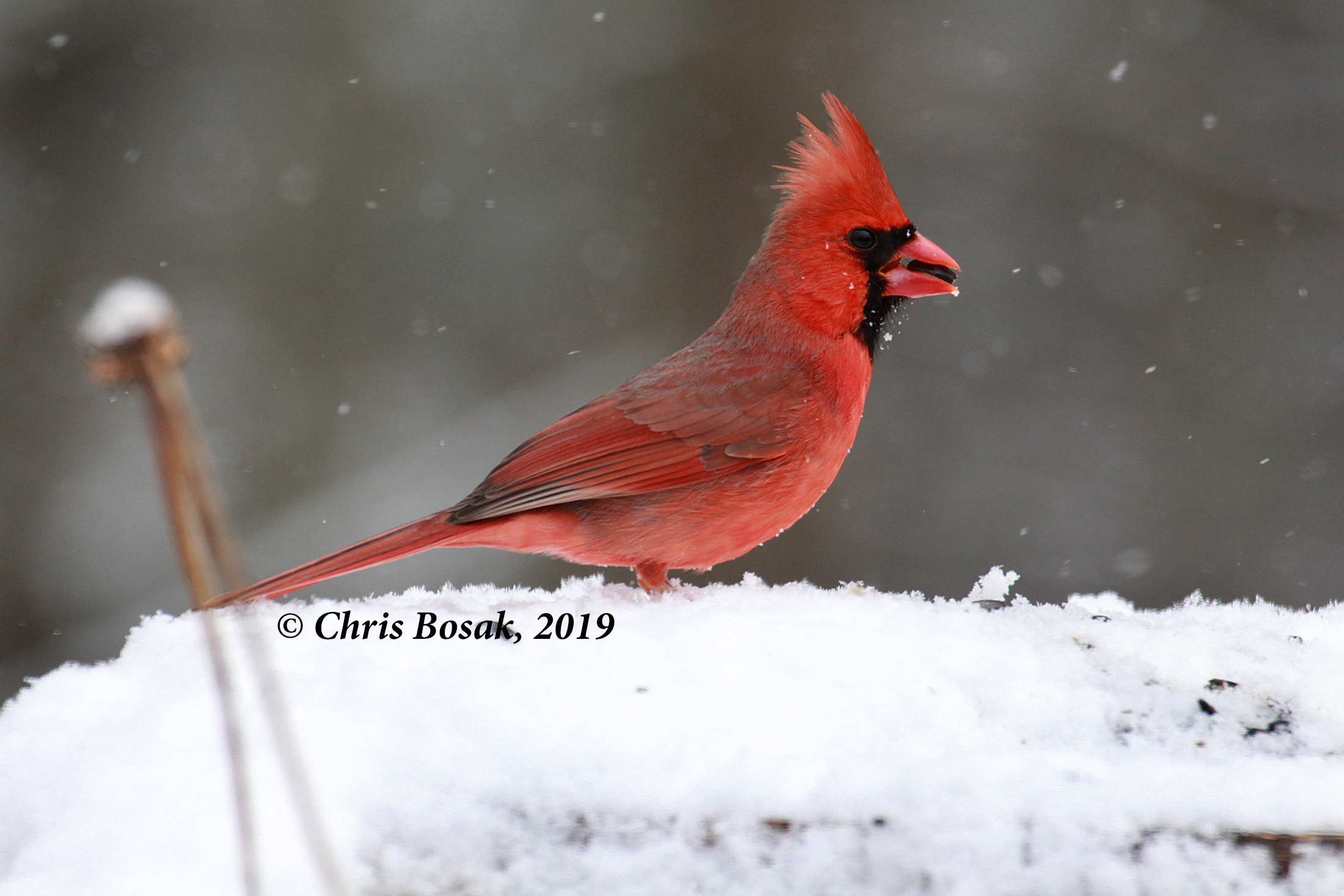

Christmas is a week away. Merry Christmas and Happy Holidays to all. Thanks for your support throughout the year. Every day leading up to Christmas I’ll post a winter-themed bird photo I have taken over the years. What better way to kick it off than with this beauty?

I find myself saying “that’s one of my favorite birds“ a lot. I know that list should be relatively short so as to not water down the significance of the birds on it, but it’s a list that grows and never gets pared down.
I have always been fond of the Carolina wren, but in recent years I have become more enamored with that little brown bird. Not surprisingly, it’s on that list.
Carolina wrens are a bit more brightly colored and a bit more loquacious than the other wrens we see in New England. That is saying a lot as the house wren is quite the loud talker as well.
Continue reading
A snowy owl at a Connecticut beach caused a big rift among birdwatchers last month.
Many people were posting its location, and others felt it was inappropriate and dangerous to the bird to post its whereabouts. On top of that, many people took exception to some photographers who were getting too close and being too aggressive with their craft.
I wasn’t there to see the bird or the behavior of the spectators, but I have certainly seen aggressive photographers before and most definitely do not condone their behavior. However, I have also seen non-photographers get annoyed at photographers for no legitimate reason. Like most situations, the truth is likely somewhere in the middle and dependent upon where you fall in the “how close is too close” spectrum.
I found myself in the vicinity of the beach last week and couldn’t resist trying to find the owl. It had been seen and photographed reliably for about two weeks before my visit. In fact, I met a birder in the parking lot that morning who had seen the owl the previous day.
Continue reading Birds of New England.com