Latest For the Birds column: Maybe it’s a Black-crowned Night Heron

Here’s the latest For the Birds column. Thanks for supporting BirdsofNewEngland.com
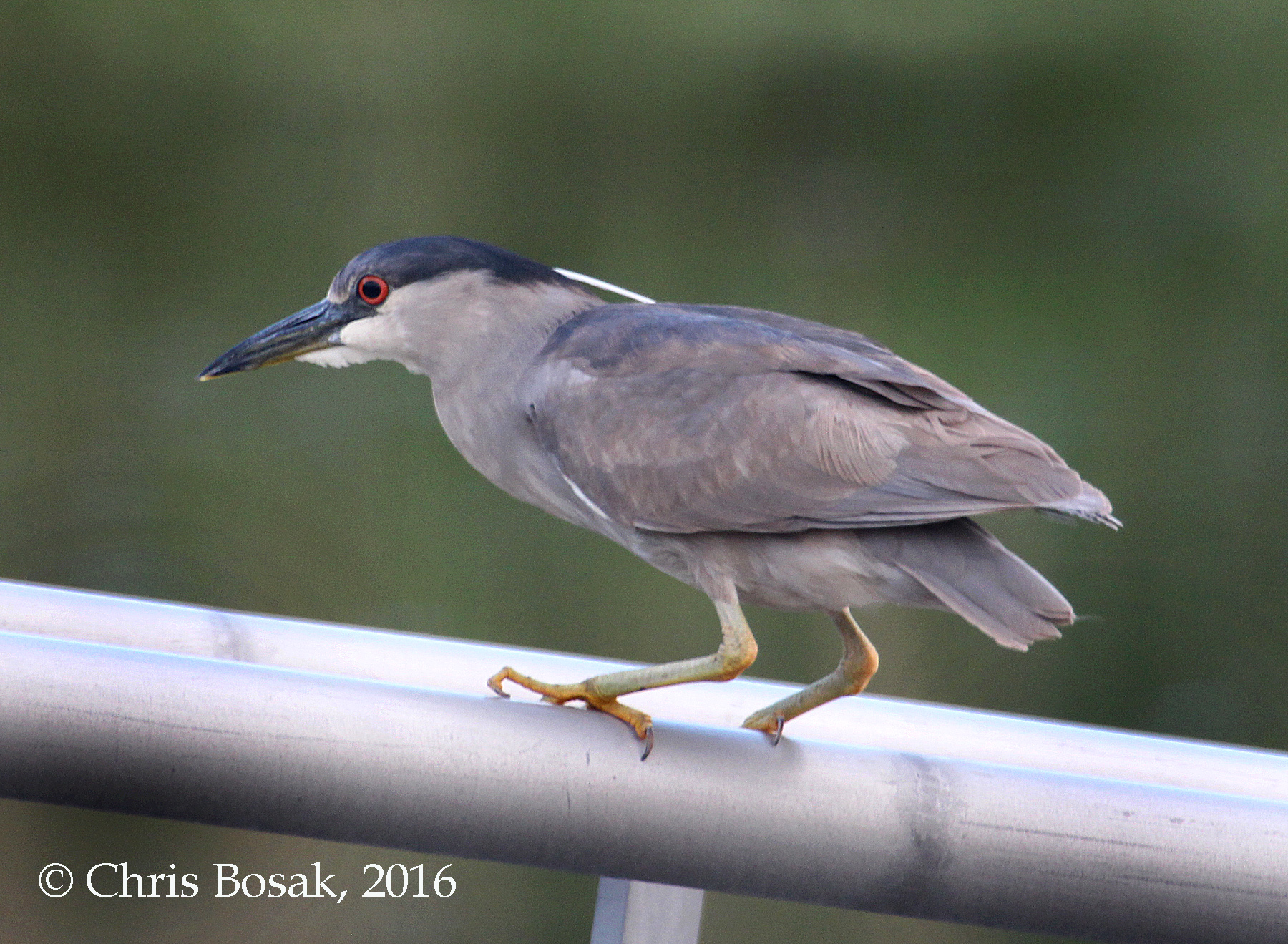
Photo by Chris Bosak A Black-crowned Night Heron perches on a railing at a marina along the Norwalk River, Norwalk, Conn., spring 2016.

Photo by Chris Bosak
A Black-crowned Night Heron perches on a railing at a marina along the Norwalk River, Norwalk, Conn., spring 2016.

I receive several “what type of bird is this?” requests. I like helping out in that way and look forward to opening the email when I see that in a subject line. I like the challenge that I know is coming.

Sometimes the identification is easy, especially when a photo is included. Sometimes the identification is more difficult, especially when there is no photo included and I’m going strictly on a text description. I like those challenges, too.

I’m amazed at how often the unknown bird turns out to be a black-crowned night heron.

I receive a letter from someone saying they saw a larger bird by the water that they had never seen before. The bird is described as being stocky, large, gray, short-necked or long-necked.

How can a bird be short-necked and long-necked at same time? Like all waders, black-crowned night herons sometimes stand with their neck outstretched and sometimes with their neck curled against their bodies, giving them a stocky appearance.
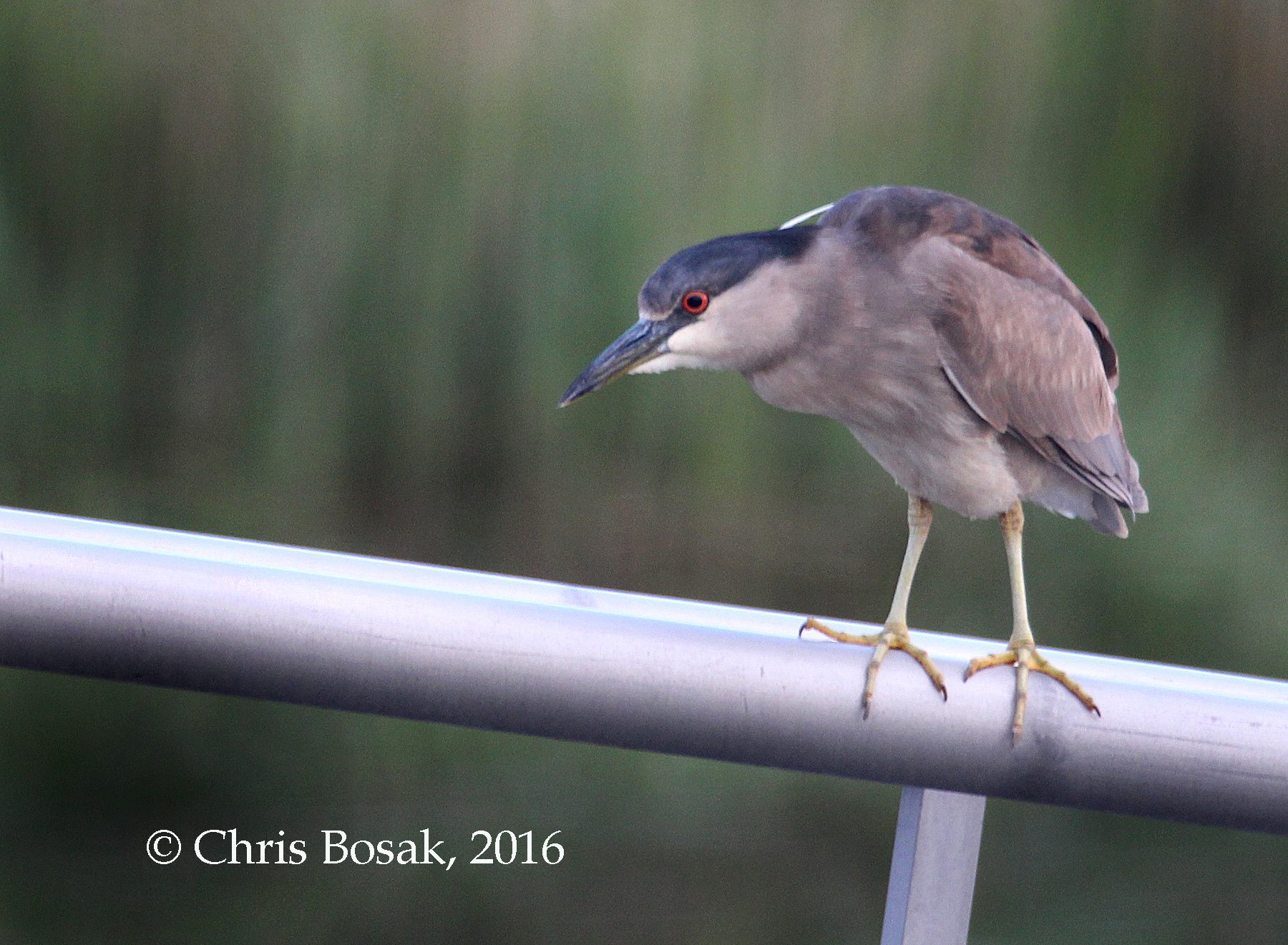
Photo by Chris Bosak A Black-crowned Night Heron perches on a railing at a marina along the Norwalk River, Norwalk, Conn., spring 2016.

Photo by Chris Bosak
A Black-crowned Night Heron perches on a railing at a marina along the Norwalk River, Norwalk, Conn., spring 2016.

Sometimes people recognize the black-crowned night heron as a heron. Sometimes they are mistaken for a duck. It’s a logical guess because the herons are always near water.

At dusk, black-crowned night herons can easily be mistaken for a gull, especially while in flight. They are about the same size as our larger gulls.

The black-crowned night herons is a stocky wader with gray-and-blue plumage and brilliant red eyes. Adding an element of confusion to the mix is that immature birds are just as big but have mottled brown plumage and orange or red eyes. Many field guides don’t include the immature plumage so it really leaves a beginning birder hanging.

I was fooled by this when I was a novice birder. I was taking a guided walk along a small river in southwestern New Hampshire when two large brown birds flew out of a tree overhanging the water. It was only a quick glimpse and I immediately thought they were green herons. What else could it be? I thought to myself.

“Two immature black-crowned night herons,” the leader of the walk said suddenly.

Wow, I thought. I didn’t even know they lived around here. In fact, in that recollection I’m probably giving myself too much credit. I likely had never even heard of black-crowned night herons at that point. This was long before I had become familiar with the birds of southern New England, along Long Island Sound, where black-crowned night herons are much more common.

It was on that same walk that I learned field guides can cause confusion in another way, too — by not including female plumage on the same page. We saw a group of about six large ducks on the river. They had dull white and gray bodies and light brown heads.

“Common mergansers,” the leader said.

I looked up “common merganser” in my field guide. I was confused. It showed a bright white bird with black markings, a dark green head and a red bill. Another birder in the group, more experienced than I was at the time, told me: “That’s the male in the field guide. Those are females in the river.”

It was the last day I used that field guide.

But back to the black-crowned night herons … I think another reason people don’t know them is that they are overshadowed by their taller, more ectomorphic cousins. Everyone knows great blue herons, but not everyone is familiar with black-crowned night herons, especially people who do not live near water. Black-crowned night herons are mostly seen around brackish water, but are also fairly common around freshwater.

Another point of confusion is that they are just as often seen perched in trees near water as they are actually wading in the water. Great blue herons, by contrast, are almost always seen either hunting in the water or flying. They are seen perched in trees on occasion, but not as often as black-crowned night herons. It is a sight to behold, however, when you do spot a great blue heron perched at the tip of a towering evergreen. Indeed, that was one of the sights that took me from a casual watcher of birds to an obsessed birdwatcher and photographer.

That sighting is unmistakable. Almost everyone would recognize a great blue heron perched on the top of tree. Not everyone would know a black-crowned night heron.

They are not a favorite bird to many people as, in addition to crabs and fish, they also eat young birds and bird eggs. The black-crowned night heron is worth getting to know, however. It’s an interesting and handsome bird that’s here to stay.
Latest For the Birds column: A ‘tame’ Green Heron

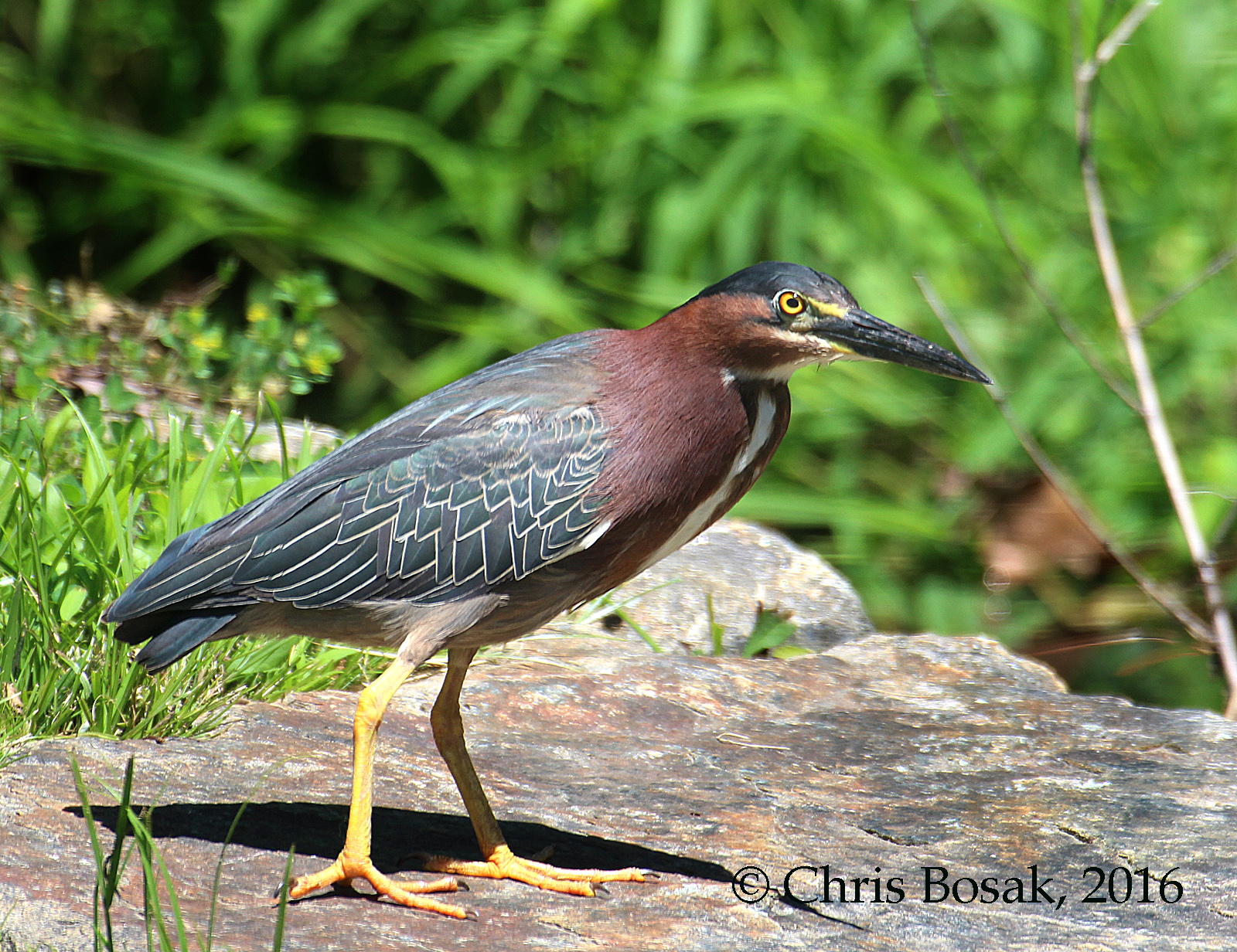
Photo by Chris Bosak A Green Heron stands on a rock in Darien, Conn., spring 2016.

Photo by Chris Bosak
A Green Heron stands on a rock in Darien, Conn., spring 2016.

Birds have different degrees of tameness. That is obvious, of course, by comparing different species.

In New England, the House Sparrow will hop around your feet eating dropped french fries. On the other hand, some birds are so shy you hardly ever see them.

In the backyard, Black-capped Chickadees will sometimes eat seeds right out of your hand, while Northern Cardinals fly away when you approach the Continue reading

Sticking to the water theme: Black-crowned Night Heron

Photo by Chris Bosak A Black-crowned Night Heron perches on a railing at a marina along the Norwalk River, Norwalk, Conn., spring 2016.

Photo by Chris Bosak
A Black-crowned Night Heron perches on a railing at a marina along the Norwalk River, Norwalk, Conn., spring 2016.

My last few posts have been about Wood Ducks. It’s not everyday you come across “brave” female Wood Ducks with babies, so why not get some mileage out of it?

We’ll switch gears a bit for this posting with some photos of a Black-crowned Night Heron I saw while walking into work on day last week along the Norwalk River. Black-crowned Night Herons may be seen throughout New England, both Continue reading

Walking into work today: Great Egret

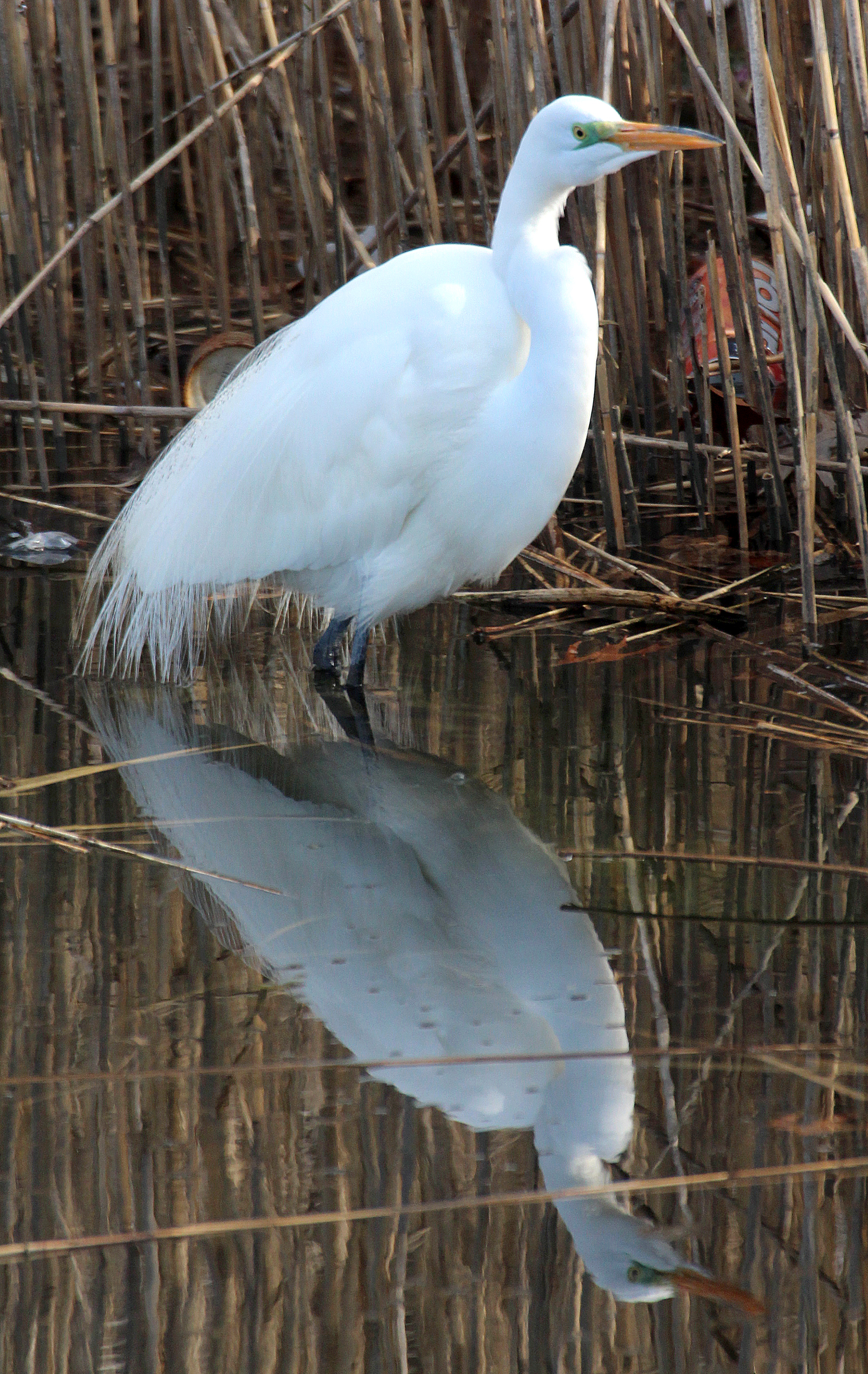
Photo by Chris Bosak A Great Egret stands on a deck railing overlooking the Norwalk River in Norwalk, Conn., April 2016.

Photo by Chris Bosak
A Great Egret stands on a deck railing overlooking the Norwalk River in Norwalk, Conn., April 2016.

I parked the car at work, opened the door to get out and noticed a Great Egret standing on the railing of the boardwalk that runs along the Norwalk River. I closed the door, opened the car window, grabbed a few shots of the egret and watched as a guy on his phone completely clueless about his surroundings walked directly toward the impressive bird and chased it away. I was a bit miffed, but then again, let he who has never walked around on the phone completely clueless about his surroundings cast the first stone.

Oh well, not a bad shot anyway, especially with the considerable grayness of the day.

Egrets return to New England

Photo by Chris Bosak A Great Egret stands in the Norwalk River in this April 2016 photo.

Photo by Chris Bosak
A Great Egret stands in the Norwalk River in this April 2016 photo.

I saw my FOY egret today. In birding speak, FOY is ‘first of the year.’ So, in other words, today I saw my first egret of 2016 in New England. It was a Great Egret and it lurked among the tall grasses on the edge of the Norwalk River near where I work.

Soon, Great Egrets will become pretty much a daily sighting and Snowy Egrets will become increasingly common as well. If you’re from Florida, egrets are a daily occurrence year-round. If you’re from New England, the arrival of egrets in March or April is another welcomed sign of spring.

Sorry about all the garbage in the grasses. The snowy and cold April weather we’ve had lately has delayed the spring clean-ups.

Impressive wingspan on Great Blue Heron

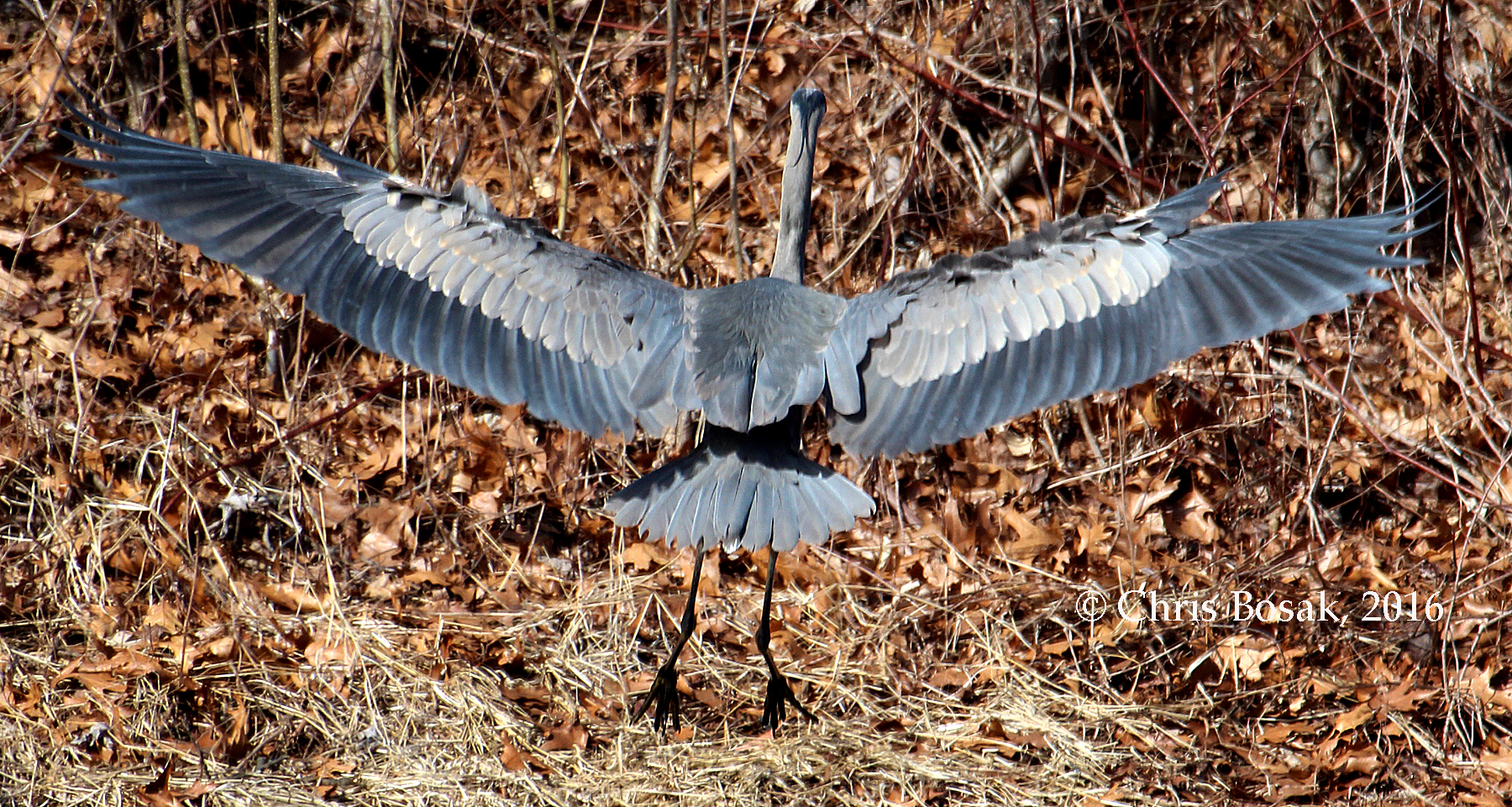
Photo by Chris Bosak A Great Blue Heron comes in for a landing at a pond in New England, March 2016.

Photo by Chris Bosak
A Great Blue Heron comes in for a landing at a pond in New England, March 2016.

Not the best photo, but gives you a good idea of just how big Great Blue Herons are — especially with wings outstretched.

They are tall and skinny when standing but have a wingspan of about 6 feet. That is about the same as a Bald Eagle (although some female Bald Eagles get even bigger.)

Great Blue Herons rank high on my “favorite bird” list. I have tons of photos to prove it. Below are a few more I’ve taken over the years.

Continue reading

Just some other birds I saw that day

https://birdsofnewengland.com/wp-content/uploads/2016/03/killdeer.jpg

Photo by Chris Bosak
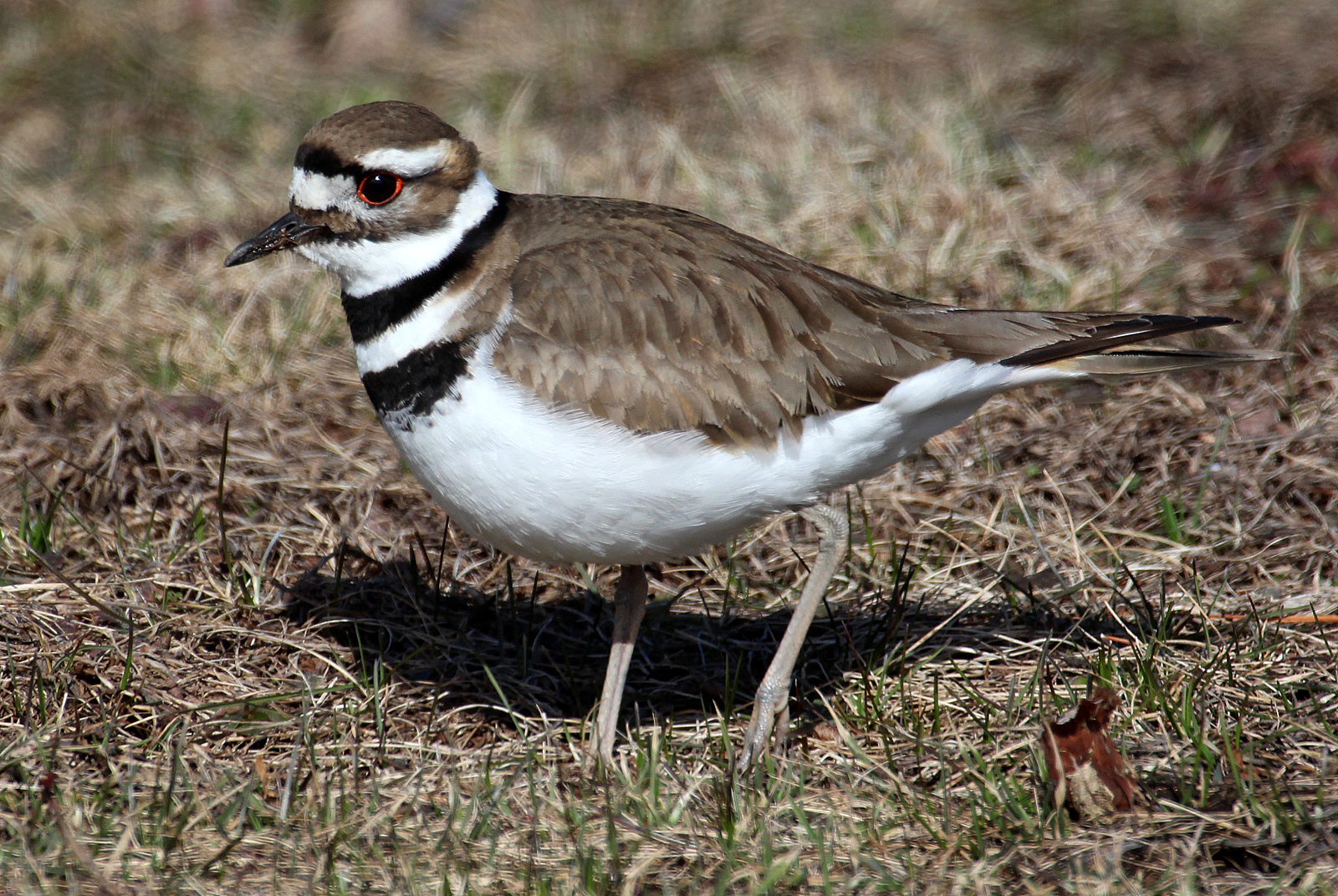
A Killdeer walks along the ground at Spring Grove Cemetery in Darien, Conn., March 2016.

Last week I posted about the Green-winged Teal I saw at a small pond at a cemetery Darien. I’m a big duck person so I get a little excited when I see a duck I don’t often see.

But the teal wasn’t the only good bird I saw that day. Here are a few more. (Above) Killdeer nest in the cemetery every year, so it’s good to know they are back. (Spring is close.) Last year I was lucky enough to capture the copulation of the pair. Click here for that link. Below, I can’t resist photographing a Great Blue Heron when the opportunity presents itself, regardless of how many Great Blue Heron photos I have already.

https://birdsofnewengland.com/wp-content/uploads/2016/03/great-blue-heron.jpg

Photo by Chris Bosak
A Great Blue Heron looks for food at Spring Grove Cemetery in Darien, Conn., March 2016.

Cover shot of Darien Times, featuring bird shot by yours truly

Chris Bosak photo of Black-crowned Night Heron on page one of The Darien Times, Thursday, August. 20, 2015.

Chris Bosak photo of Black-crowned Night Heron on page one of The Darien Times, Thursday, August. 20, 2015.

Here’s part of the front page of the Thursday, Aug. 20, 2015, Darien Times, featuring my shot of the Black-crowned Night Heron. Thanks to Darien Times Editor Susan Shultz. More editors should have such good taste. 🙂

Black-crowned Night Heron and their big red eyes

Photo by Chris Bosak A Black-crowned Night Heron looks for food in Holly Pond in Stamford in summer 2015.

Photo by Chris Bosak
A Black-crowned Night Heron looks for food in Holly Pond in Stamford in summer 2015.

I finally got my big camera lens back. I sent it to the “shop” months ago. “Oh, it will be back soon,” I heard week after week. But it’s back for real now. The next morning I drove by Holly Pond on the Stamford/Darien border and noticed a few Black-crowned Night Herons perched on rocks and branches exposed from the low tide. So I got between the sun and birds and tried out my newly fixed lens. it’s good to have it back.

More shots of the birds are below. Thanks for checking out http://www.birdsofnewengland.com

Continue reading

For the Birds Column: Difference between Snowy and Great Egrets

Photo by Chris Bosak A Snowy Egret looks for food in Norwalk Harbor.

Photo by Chris Bosak
A Snowy Egret looks for food in Norwalk Harbor.

Here’s my latest For the Birds column, which describes the differences between Snowy Egrets and Great Egrets. For the Birds runs each week in the daily newspapers of Norwalk, Conn., and Keene, N.H. If you are out of those areas, tell your local newspaper about For the Birds and perhaps the column can get up and running there, too.

Here’s the column:

There are not many birds out there that have feet a different color than their legs.

From the top of their legs to the bottom of their “toes,” most birds are uniform in color. With many birds, such as songbirds and small shorebirds, the topic is fairly insignificant because their legs and feet are so small and rarely seen Continue reading