For the Birds: Phoebe would be a better ‘harbinger of spring’

Photo by Chris Bosak An Eastern Phoebe perches on a branch in Selleck's Woods in Darien, Conn., in late March 2015.

The American robin has long been known as a harbinger of spring. In fact, of all the “signs of spring” that we see each March, the robin is perhaps the most popular.

I certainly have no problem with anyone getting excited about seeing a robin in early spring. Anything that offers hope and optimism is a good thing. 

Many robins, however, have been around all winter in New England. They just haven’t been as visible as they are in the spring and summer. In winter, many robins travel in large flocks throughout the woods looking for leftover berries, and other morsels.

To me anyway, the eastern phoebe would be the perfect harbinger of spring bird. 

Unlike robins, phoebes do not winter in New England and return only in the spring. In fact, eastern phoebes show up in New England pretty much on the dot of spring. This year, my first sighting of an eastern phoebe was March 21, one day after the official start of spring. 

Continue reading
For the Birds: March madness in terms of weather

March comes in like a lion and goes out like a lamb. If only it were that simple.

This March, like many before it, seems to be toggling between lion and lamb daily. One day last week, I was at the beach photographing oystercatchers and other shorebirds. The next day, I watched out my window as several inches of snow fell. As with any snowfall, I enjoyed watching my feeder birds. This day’s visitors included bluebirds, Carolina wrens, chickadees, titmice, nuthatches, juncos, woodpeckers, and other feeder birds.

Such is life in New England in March, and even early April, as outdoor enthusiasts are subjected to the whims of mother nature. Thankfully, there is birdwatching to be done regardless of the weather.

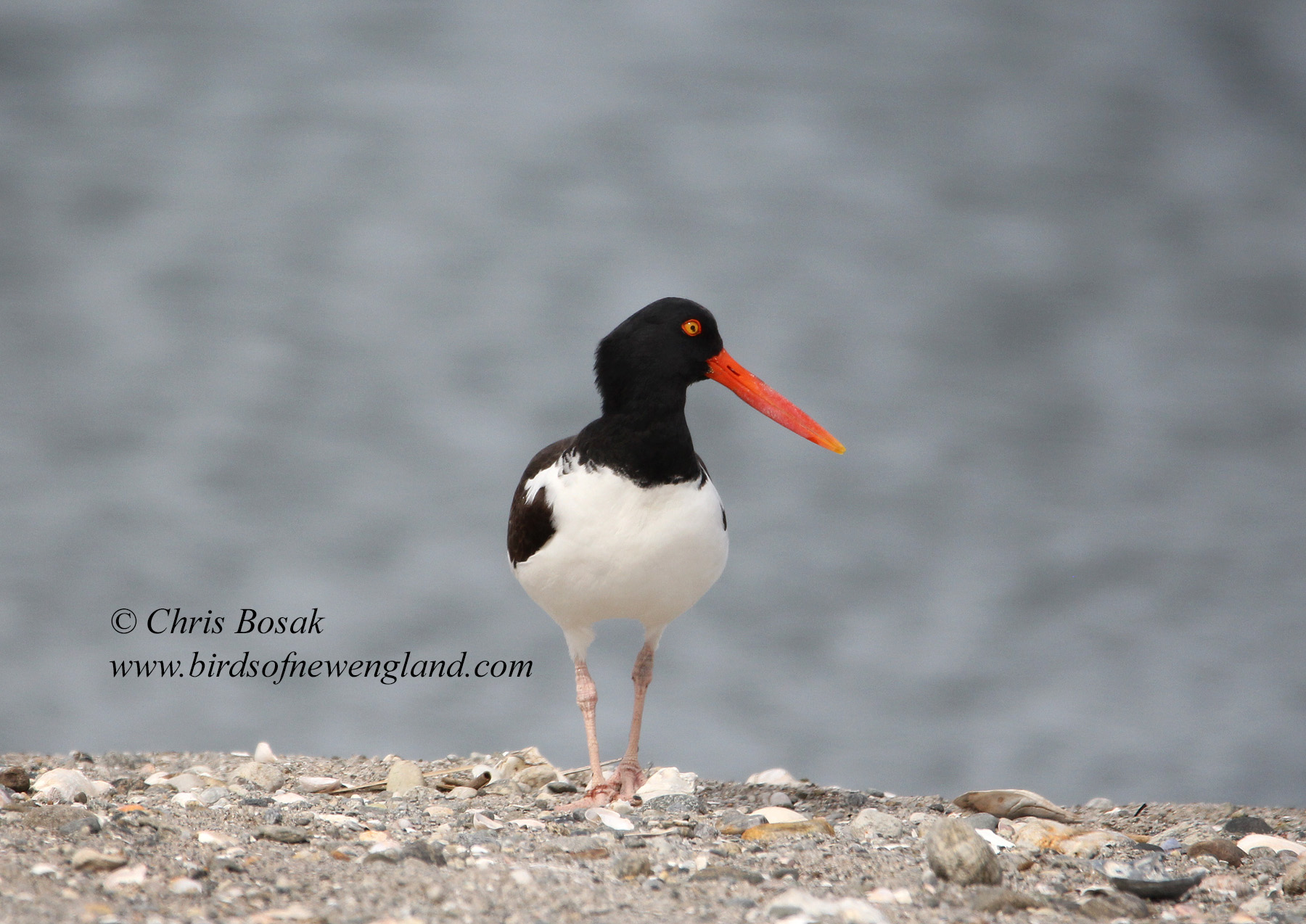
As I mentioned earlier, I spent a few hours last week at a Connecticut beach watching and photographing shorebirds along the edge of Long Island Sound. The stars of the show, of course, were the American oystercatchers. Oystercatchers have always been a favorite of mine, and seeing their carrot-like bills in March is an underrated, yet certain, sign of spring.

Continue reading

Phoebes are back – another sign of spring

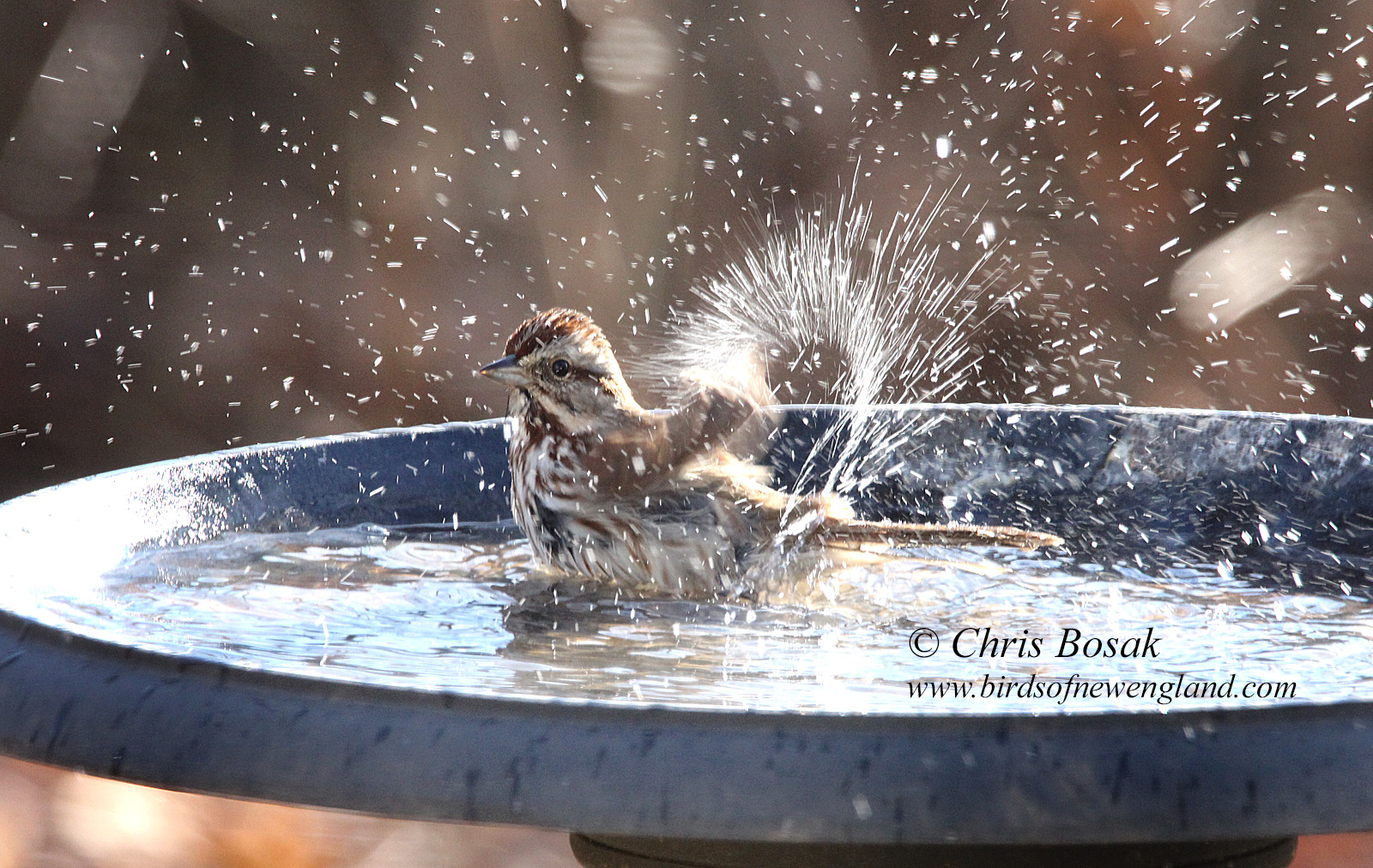
Photo by Chris Bosak An Eastern Phoebe visits a bird bath in Danbury, Conn., March 2016.
Photo by Chris Bosak – An Eastern Phoebe visits a bird bath in New England.

Eastern phoebes are singing their namesake song and flitting among the trees at work today. Their return is right on cue with the official start of spring.

For the Birds: Spring thoughts

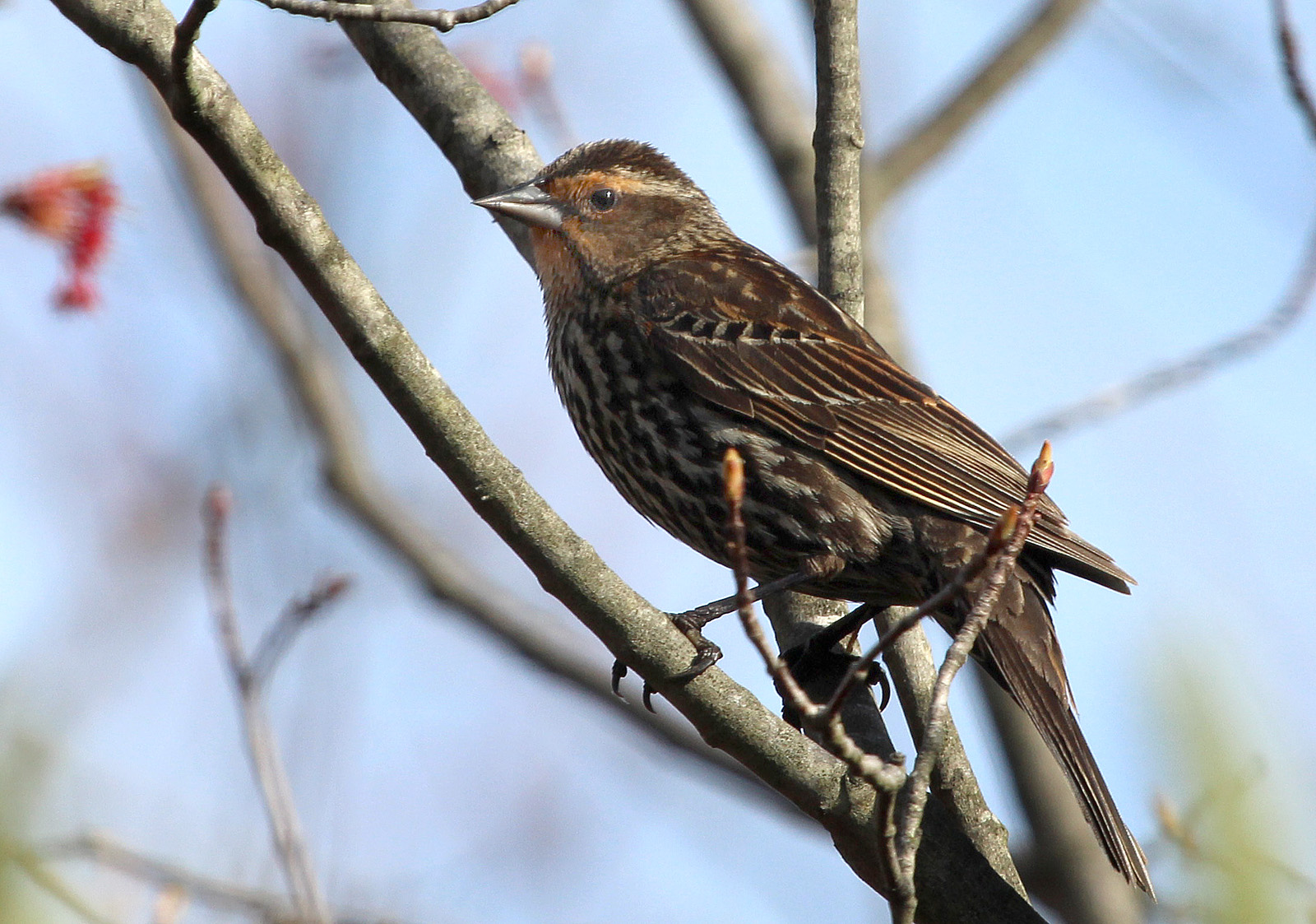
Photo by Chris Bosak A female Red-winged Blackbird perches on a tree in New England.

I often preach about enjoying what nature hands you regardless of the season, but I have to admit that my thoughts drifted toward spring a few times this week.

It wasn’t the general mildness of this winter that got me thinking about spring. In fact, I’m still holding out hope for more snow, although that may be an unpopular thought.

But three separate incidences steered my mind toward spring recently. First I noticed buds on the trees that line my street and the crocuses are in full bloom in the garden. Then I visited the neighborhood pond and heard the wonderful chorus of red-winged blackbirds. Finally, I dug deep into my video archive and came across “Spring and Summer Songbirds of the Backyard,” a short documentary narrated by George Harrison (no, not the former Beatle).

With so much mild weather, I wasn’t caught off guard by seeing the buds on the trees or the crocuses in bloom.

Continue reading

For the Birds: Mixed bag of birding news

Sharing some birding news from the area and beyond:

Several readers have responded to last week’s column about bluebirds. The spectacular and adored birds are becoming a common sighting in New Hampshire throughout the winter. Jim from Keene, who also made an appearance in last week’s column, wrote in this week to say he had eight bluebirds congregating around his birdhouse. The birds stayed for about 15 minutes. It was the same birdhouse that was used by bluebirds last year, so hopefully that is a good sign of things to come this spring.

I mentioned last week that eastern bluebirds were the only bluebirds that live in the East. That being said, a mountain bluebird has been seen at Great Bay National Wildlife Refuge in Newington, as reported on the birding news page of the American Birding Association’s website. As of this writing, the last sighting was reported on February 28. Visit aba.org/birding-news/ for updates.

Continue reading

For the Birds: Bluebirds brighten a New England winter

Photo by Chris Bosak An eastern bluebird braves a New England winter and visit a backyard for mealworms, winter 2020.

I did two bird talks in New Hampshire last weekend and loved meeting everyone and talking about birds for a while.

In both talks, many questions and comments were about bluebirds. Everybody loves bluebirds, and these talks only confirmed that is true. And why not? They are beautiful birds and many of them are hardy enough to stay with us all winter. 

I have found that New Englanders appreciate the birds that stick with us year-round. When I did an informal survey many years ago to determine New England’s favorite bird, the chickadee and cardinal were the top two species named. Both birds, of course, are with us spring, summer, fall and winter. 

Continue reading

For the Birds: Red-winged blackbirds getting an early jump

Photo by Chris Bosak A red-winged blackbird sings from the top of a tree at Happy Landings in Brookfield, Conn., spring 2017.

Winter officially may still have about four weeks to go and, in New England, goodness knows how many weeks or months left unofficially, but it’s not too early to start discussing spring migration.

I’m not trying to jinx the mild weather we’ve had and cause a winter that lingers into May like some of our recent winters. Even if winter does roar back, there are still plenty of birdwatching opportunities to be had. It’s a hobby for all seasons.

Regardless of what happens in the weeks ahead, signs of spring from the world of birds are here already. One morning as I walked to fill the feeders I noticed the extremely pleasant and welcomed sounds of cardinals, Carolina wrens and song sparrows singing their hearts out.  

Red-winged blackbirds, one of the earliest signs of spring, have returned already to many parts of New England. Pat from Sandwich wrote to say she had six red-winged blackbirds in her backyard last week. There have been other reports of red-winged blackbirds in New Hampshire, including one report by Brian of Keene, who included the sighting on the American Birding Association’s bird news website.

Continue reading

For the Birds: Winter birdbath brings them in

Attracting birds to a birdbath is one of the more underrated joys of the hobby.

Perhaps it is because I failed on my first several attempts to get birds to visit the birdbath I offered. I started to think it was a waste of time to even try, but about then, I glanced out at the birdbath and saw a magnolia warbler cleaning itself. Of course, birds such as magnolia warblers are not going to visit your birdbath too often, but to see even the most common of birds at a birdbath is a thrill.

Many people focus the majority of their attention on bird feeding, and rightfully so, as that has a high success rate of attracting birds. Bird houses are another aspect of the hobby that get a lot of attention, particularly bluebird boxes. That is also understandable as it is nice to know that you are helping to assure the next generation of birds.

I have found that far fewer people discuss the birds that show up at their birdbath. It is a bit trickier to attract birds to a birdbath than to a feeder, but when it does happen, it makes the extra effort well worth it. 

Continue reading

For the Birds: Variations for a variety of reasons

Photo by Chris Bosak A downy woodpecker with yellow coloration visits a suet feeder in Danbury, CT, May 2019.

Birds don’t always look like they do in field guides.

There are variations within a bird species due to obvious reasons such as age, time of year or sex. Immature birds take time to achieve adult plumage. That could be a few months or, in the case of the bald eagle, four or five years. Male wood ducks, one of the most splendid birds in New England during breeding season, is a dull brown duck after shedding its breeding feathers. Sexually dimorphic birds, such as cardinals, have obvious differences between males and females.

Sometimes, even the sun can make birds look different. Grackles may appear purple, green, blue or black, depending on how the light hits it. Male indigo buntings can look spectacular or rather ordinary depending on the sun.

There are also regional differences among bird species. Blue jays in New England, I have found, are much brighter and larger than the blue jays in Florida. I’m also surprised when I see how small the blue jays are when I visit my brother in southern Florida.

Some bird species have different morphs. Most of the red-tailed hawks in New England are lighter overall than their western counterparts. This is also commonly referred to as a phase. The best example of a morph I can think of is not a bird at all, but the gray squirrel. Gray squirrels also come in white and black. In fact, in some parts of the country, black gray squirrels are the norm and gray ones are the rarity.

Continue reading

For the Birds: Count the birds

Photo by Chris Bosak A Carolina wren perches on a branch following a snowfall in New England, Jan. 2022.

Note: This was written for my New Hampshire audience, but the Great Backyard Bird Count applies to all.

I have received a few emails from folks who have seen evening grosbeaks this winter. There have not been many emails regarding pine siskins or purple finches, and not a single one about redpolls.

As had become typical, there have been plenty of emails about Carolina wrens and red-bellied woodpeckers.

The birds mentioned in the first paragraph as known as irruptive species in New England. Some years we see many of them, some years we see a few and some years we don’t see any. The birds in the second paragraph are species that are expanding their range northward and are now fairly common throughout the southern and middle parts of New England.

Continue reading