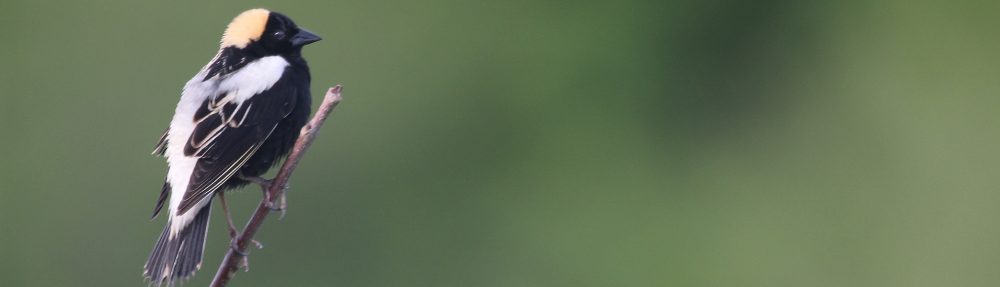
For the Birds: The other bird families that highlight spring in New England

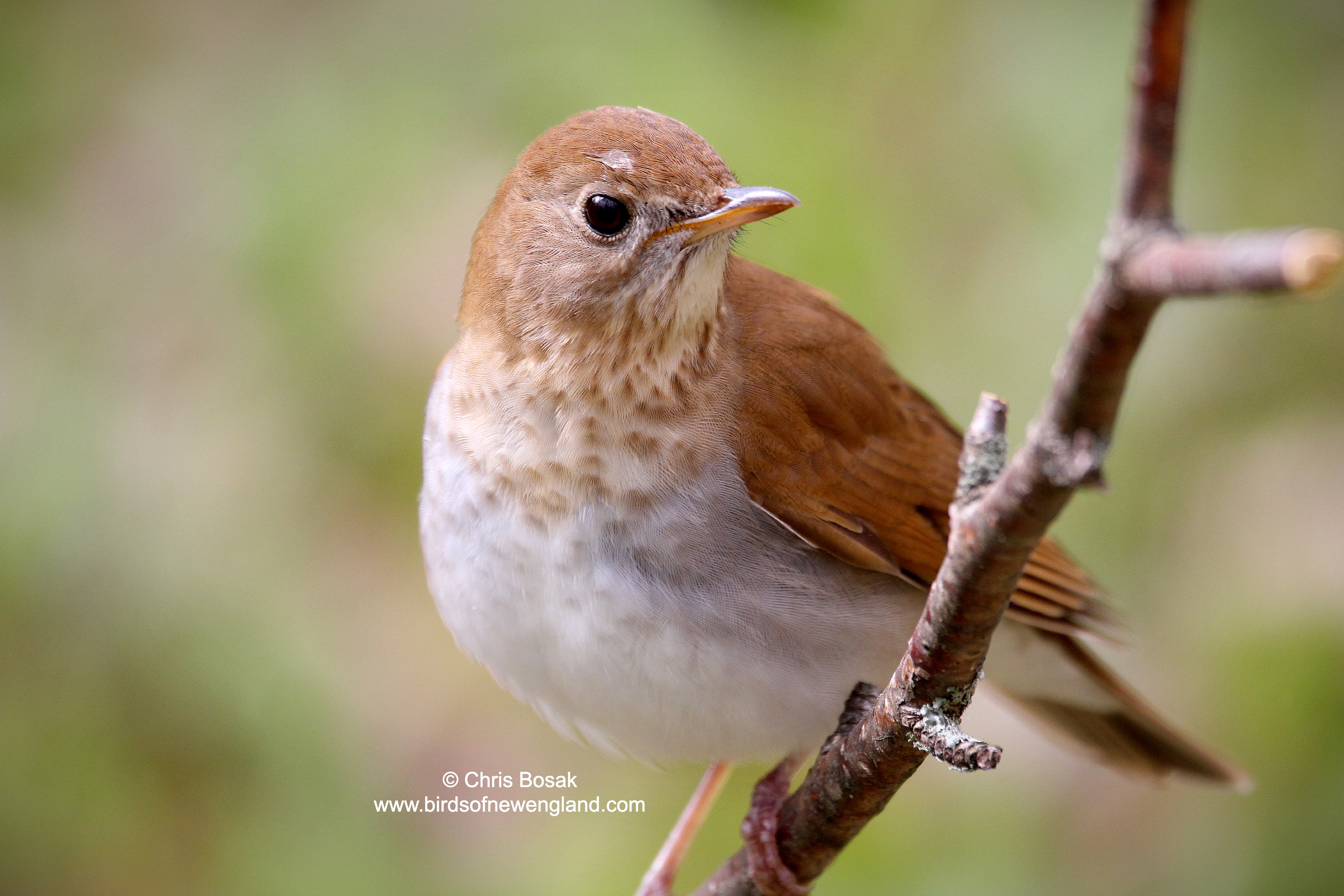
Photo by Chris Bosak – A veery stakes out territory in New England, spring 2025.

Warblers get all the press, but they are hardly the only bird family that passes through in great numbers in the spring. 

I’m guilty myself of fixating on warblers, both in my birdwatching and writing. It’s hard not to as they are a fascinating family of birds and a joy to see in the spring. They come in a wide variety of colors, which is a welcome sight after a long, gray New England winter. 

But enough about warblers, at least for now. Let’s focus on some of the other families that brighten our spring.

The other day, during a morning walk, I saw a great-crested flycatcher, wood thrush, red-eyed vireo and field sparrow. They are all members of families that have several species that either migrate through or nest in New England. 

We don’t often think of sparrows as migrants as several types remain here all winter. I also think house sparrows are so ubiquitous that they are the only birds some people think about when they hear the word sparrow. But over the past few days, I’ve seen chipping sparrows, swamp sparrows and field sparrows. Don’t forget that eastern towhees are sparrows too. I’m growing more and more fond of the sparrow family as time goes on – house sparrows excluded. 

Continue reading
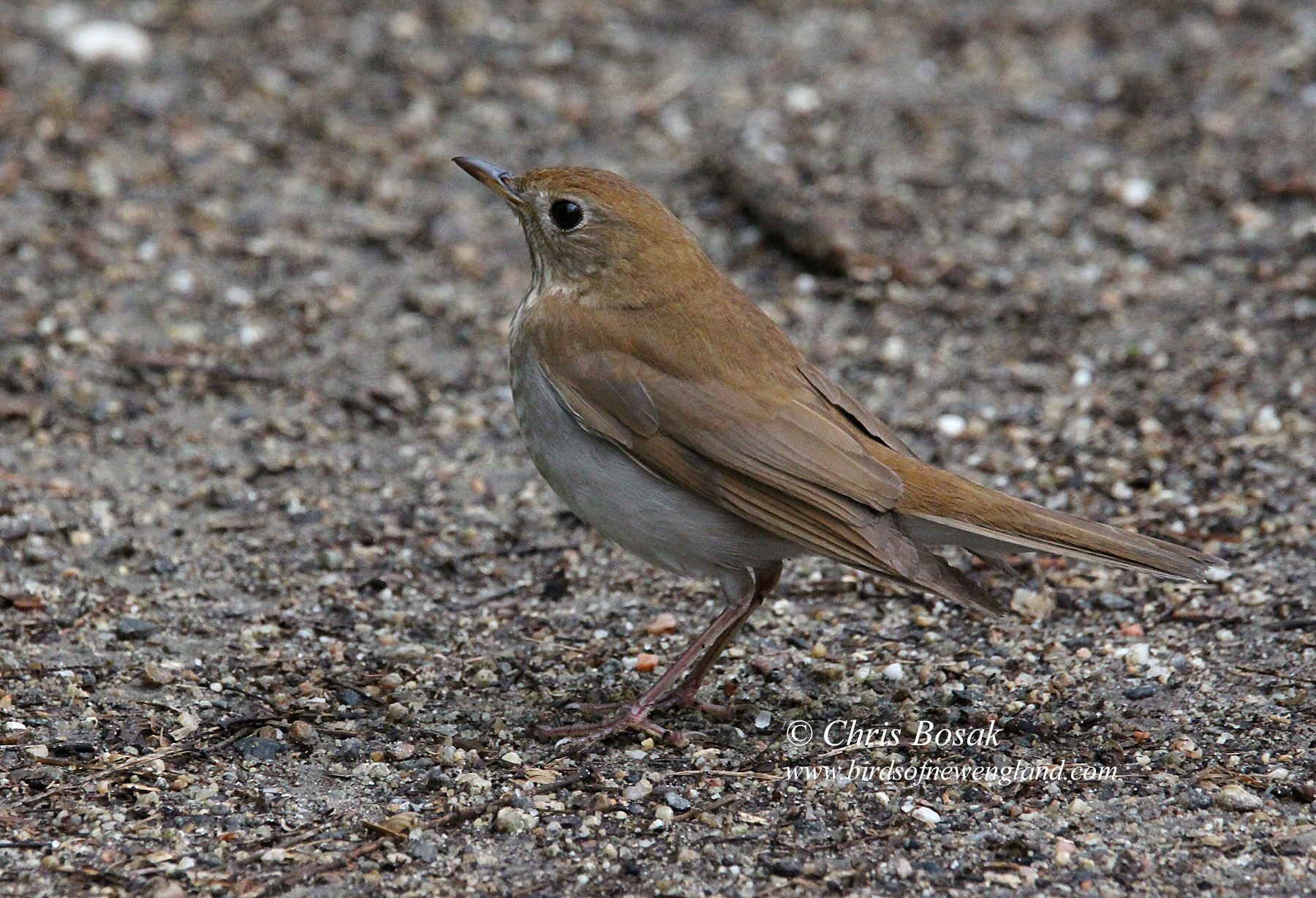
For the Birds: Thrushes captivate in appearance and song

Visions of warblers, tanagers, orioles and grosbeaks may dance in the heads of birdwatchers in May, but the woods and fields are filled with a myriad of other types of birds as well.

While birds such as vireos and flycatchers continue to fascinate (and confuse) me, it has been thrushes that have captured a large portion of my attention so far this spring. 

Wood thrushes in particular have been plentiful and conspicuous on my walks. By conspicuous, I mean I hear their flute-like songs several times as I wander through the woods. They can be amazingly difficult to find even as the song makes it seem like the bird is right in front of you. My actual find rate on wood thrushes is embarrassingly low — about on par with my batting average from my high school baseball days.

When I do find the bird, I can’t help but stand there and marvel at it. How can that awesomely musical song come from a relatively nondescript bird about seven inches long? Lang Elliot, who is well-known for his bird recordings, wrote: “The song of the wood thrush is undeniably one of the most beautiful of all forest melodies.”

Continue reading