Unknown's avatar

About Chris Bosak

Bird columnist and nature photographer based in New England.

Latest For the Birds column: Maybe it’s a Black-crowned Night Heron

Here’s the latest For the Birds column. Thanks for supporting BirdsofNewEngland.com
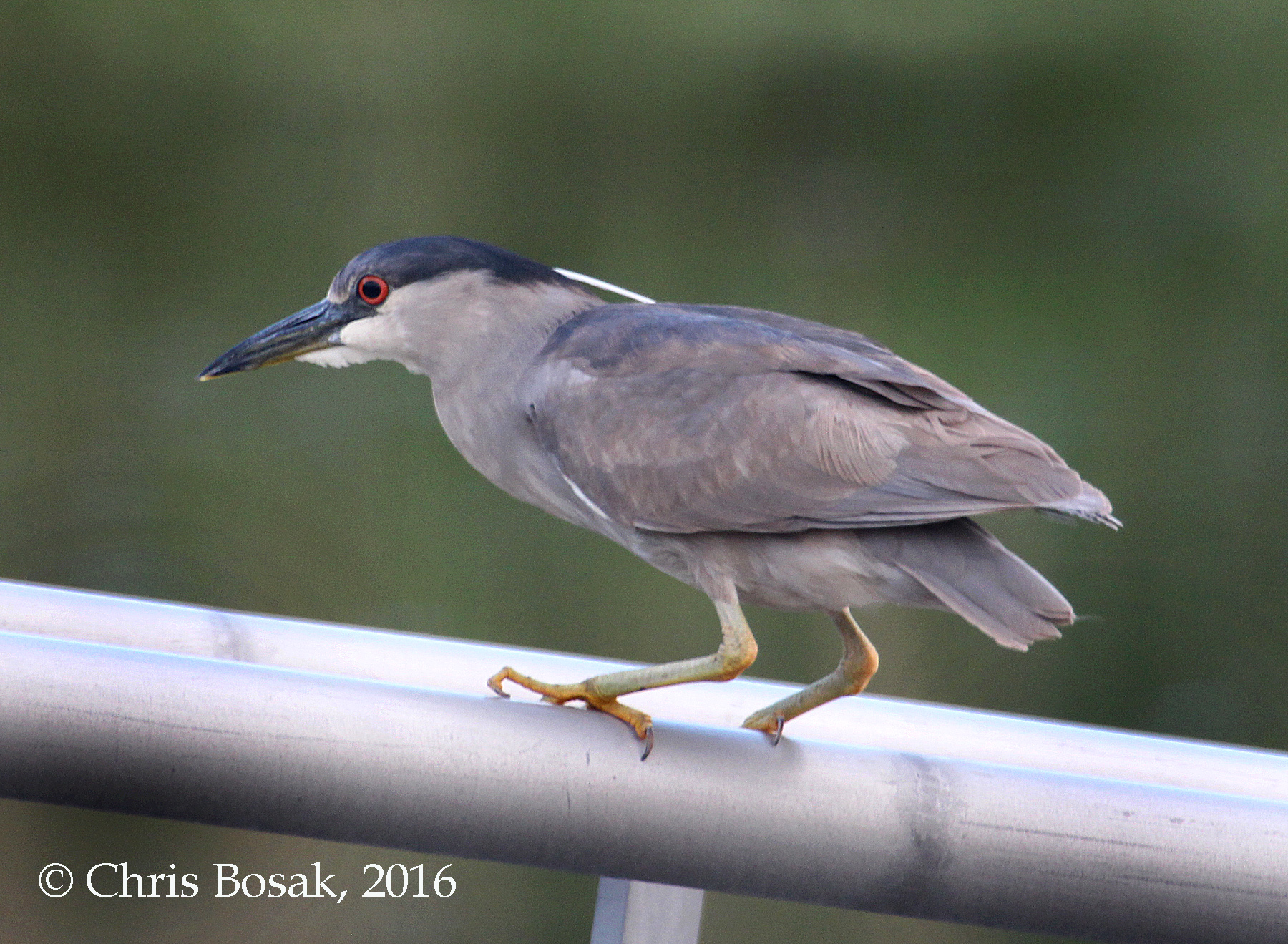
Photo by Chris Bosak A Black-crowned Night Heron perches on a railing at a marina along the Norwalk River, Norwalk, Conn., spring 2016.

Photo by Chris Bosak
A Black-crowned Night Heron perches on a railing at a marina along the Norwalk River, Norwalk, Conn., spring 2016.

I receive several “what type of bird is this?” requests. I like helping out in that way and look forward to opening the email when I see that in a subject line. I like the challenge that I know is coming.

Sometimes the identification is easy, especially when a photo is included. Sometimes the identification is more difficult, especially when there is no photo included and I’m going strictly on a text description. I like those challenges, too.

I’m amazed at how often the unknown bird turns out to be a black-crowned night heron.

I receive a letter from someone saying they saw a larger bird by the water that they had never seen before. The bird is described as being stocky, large, gray, short-necked or long-necked.

How can a bird be short-necked and long-necked at same time? Like all waders, black-crowned night herons sometimes stand with their neck outstretched and sometimes with their neck curled against their bodies, giving them a stocky appearance.
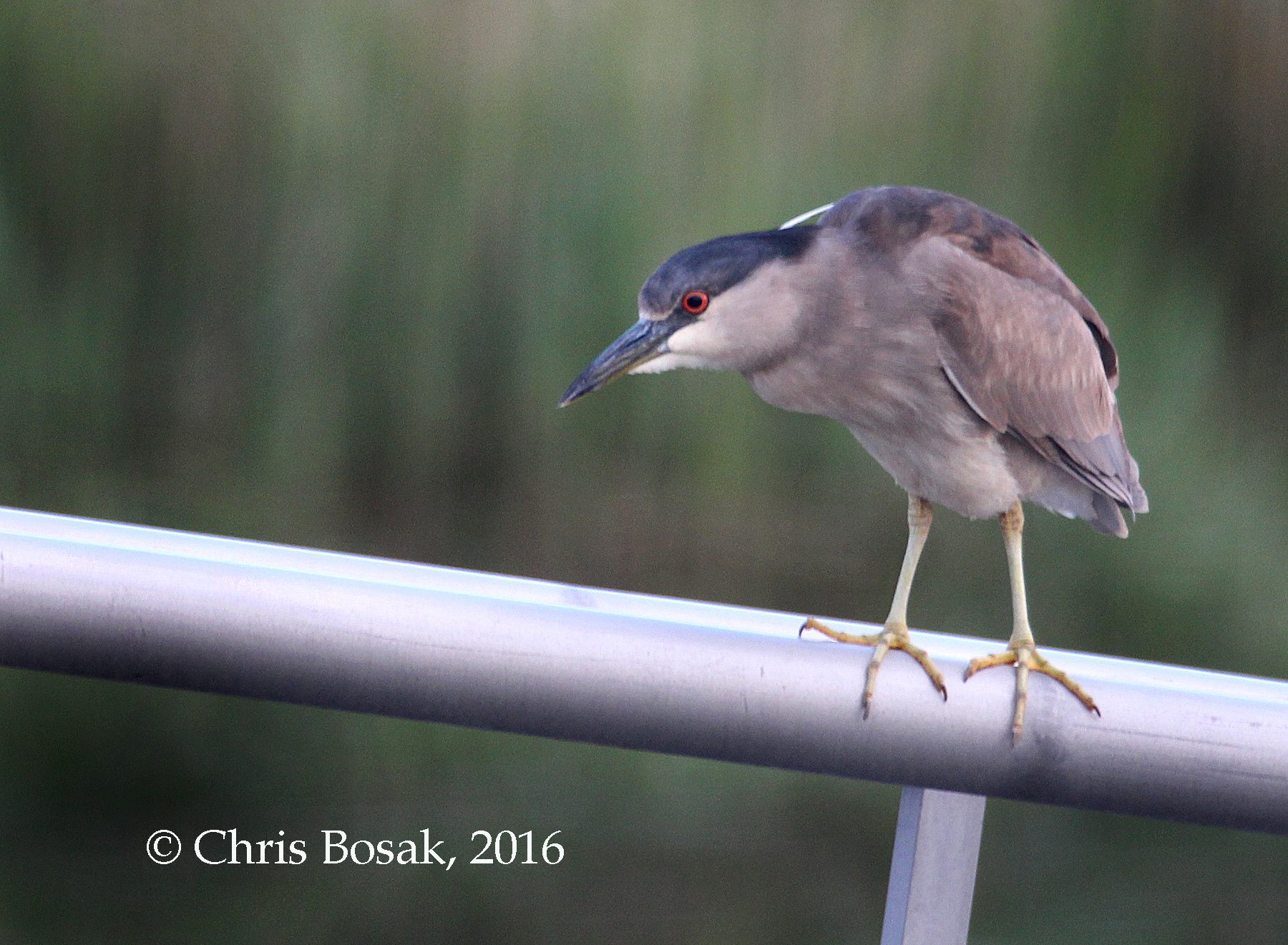
Photo by Chris Bosak A Black-crowned Night Heron perches on a railing at a marina along the Norwalk River, Norwalk, Conn., spring 2016.

Photo by Chris Bosak
A Black-crowned Night Heron perches on a railing at a marina along the Norwalk River, Norwalk, Conn., spring 2016.

Sometimes people recognize the black-crowned night heron as a heron. Sometimes they are mistaken for a duck. It’s a logical guess because the herons are always near water.

At dusk, black-crowned night herons can easily be mistaken for a gull, especially while in flight. They are about the same size as our larger gulls.

The black-crowned night herons is a stocky wader with gray-and-blue plumage and brilliant red eyes. Adding an element of confusion to the mix is that immature birds are just as big but have mottled brown plumage and orange or red eyes. Many field guides don’t include the immature plumage so it really leaves a beginning birder hanging.

I was fooled by this when I was a novice birder. I was taking a guided walk along a small river in southwestern New Hampshire when two large brown birds flew out of a tree overhanging the water. It was only a quick glimpse and I immediately thought they were green herons. What else could it be? I thought to myself.

“Two immature black-crowned night herons,” the leader of the walk said suddenly.

Wow, I thought. I didn’t even know they lived around here. In fact, in that recollection I’m probably giving myself too much credit. I likely had never even heard of black-crowned night herons at that point. This was long before I had become familiar with the birds of southern New England, along Long Island Sound, where black-crowned night herons are much more common.

It was on that same walk that I learned field guides can cause confusion in another way, too — by not including female plumage on the same page. We saw a group of about six large ducks on the river. They had dull white and gray bodies and light brown heads.

“Common mergansers,” the leader said.

I looked up “common merganser” in my field guide. I was confused. It showed a bright white bird with black markings, a dark green head and a red bill. Another birder in the group, more experienced than I was at the time, told me: “That’s the male in the field guide. Those are females in the river.”

It was the last day I used that field guide.

But back to the black-crowned night herons … I think another reason people don’t know them is that they are overshadowed by their taller, more ectomorphic cousins. Everyone knows great blue herons, but not everyone is familiar with black-crowned night herons, especially people who do not live near water. Black-crowned night herons are mostly seen around brackish water, but are also fairly common around freshwater.

Another point of confusion is that they are just as often seen perched in trees near water as they are actually wading in the water. Great blue herons, by contrast, are almost always seen either hunting in the water or flying. They are seen perched in trees on occasion, but not as often as black-crowned night herons. It is a sight to behold, however, when you do spot a great blue heron perched at the tip of a towering evergreen. Indeed, that was one of the sights that took me from a casual watcher of birds to an obsessed birdwatcher and photographer.

That sighting is unmistakable. Almost everyone would recognize a great blue heron perched on the top of tree. Not everyone would know a black-crowned night heron.

They are not a favorite bird to many people as, in addition to crabs and fish, they also eat young birds and bird eggs. The black-crowned night heron is worth getting to know, however. It’s an interesting and handsome bird that’s here to stay.
Latest For the Birds column: A ‘tame’ Green Heron

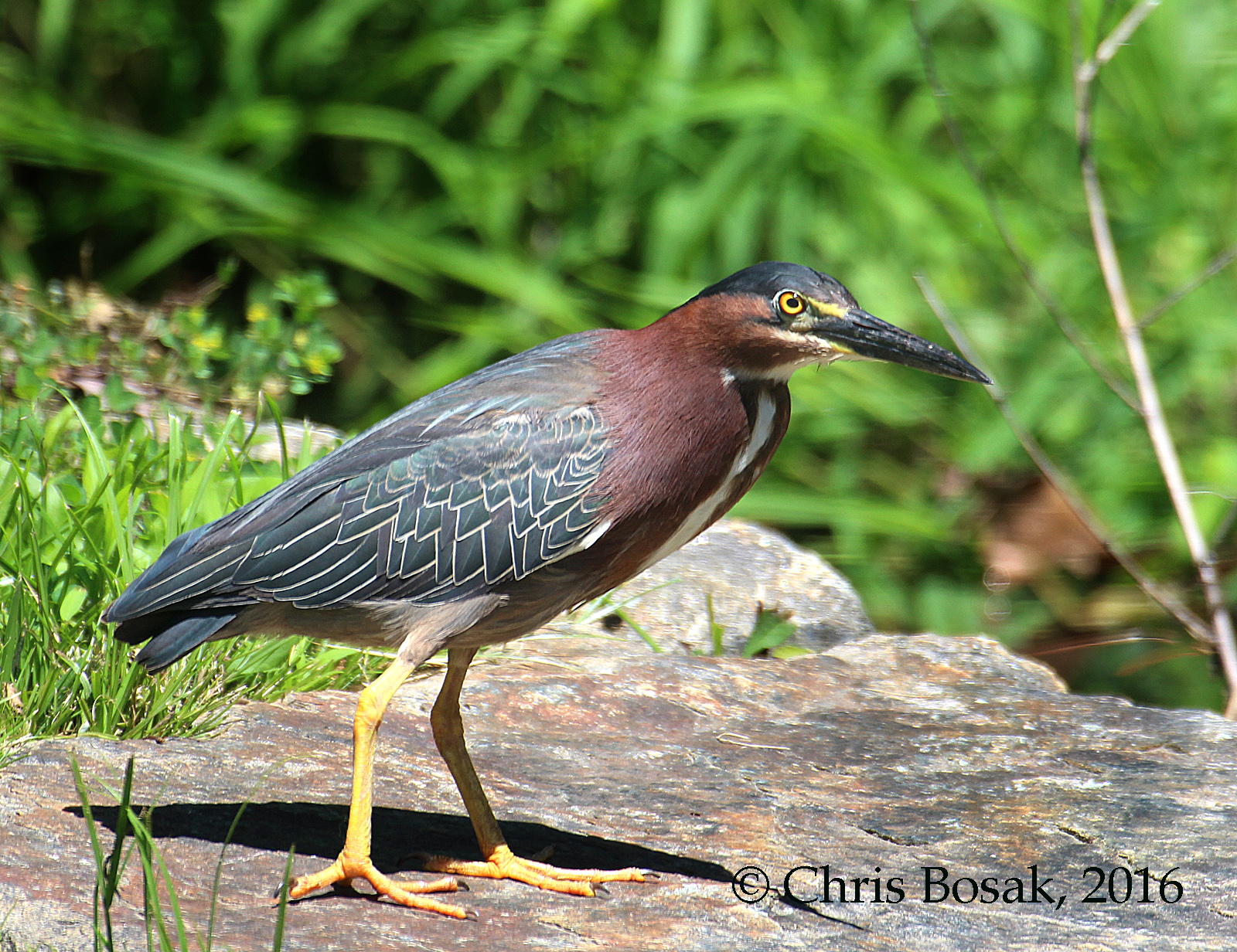
Photo by Chris Bosak A Green Heron stands on a rock in Darien, Conn., spring 2016.

Photo by Chris Bosak
A Green Heron stands on a rock in Darien, Conn., spring 2016.

Birds have different degrees of tameness. That is obvious, of course, by comparing different species.

In New England, the House Sparrow will hop around your feet eating dropped french fries. On the other hand, some birds are so shy you hardly ever see them.

In the backyard, Black-capped Chickadees will sometimes eat seeds right out of your hand, while Northern Cardinals fly away when you approach the Continue reading

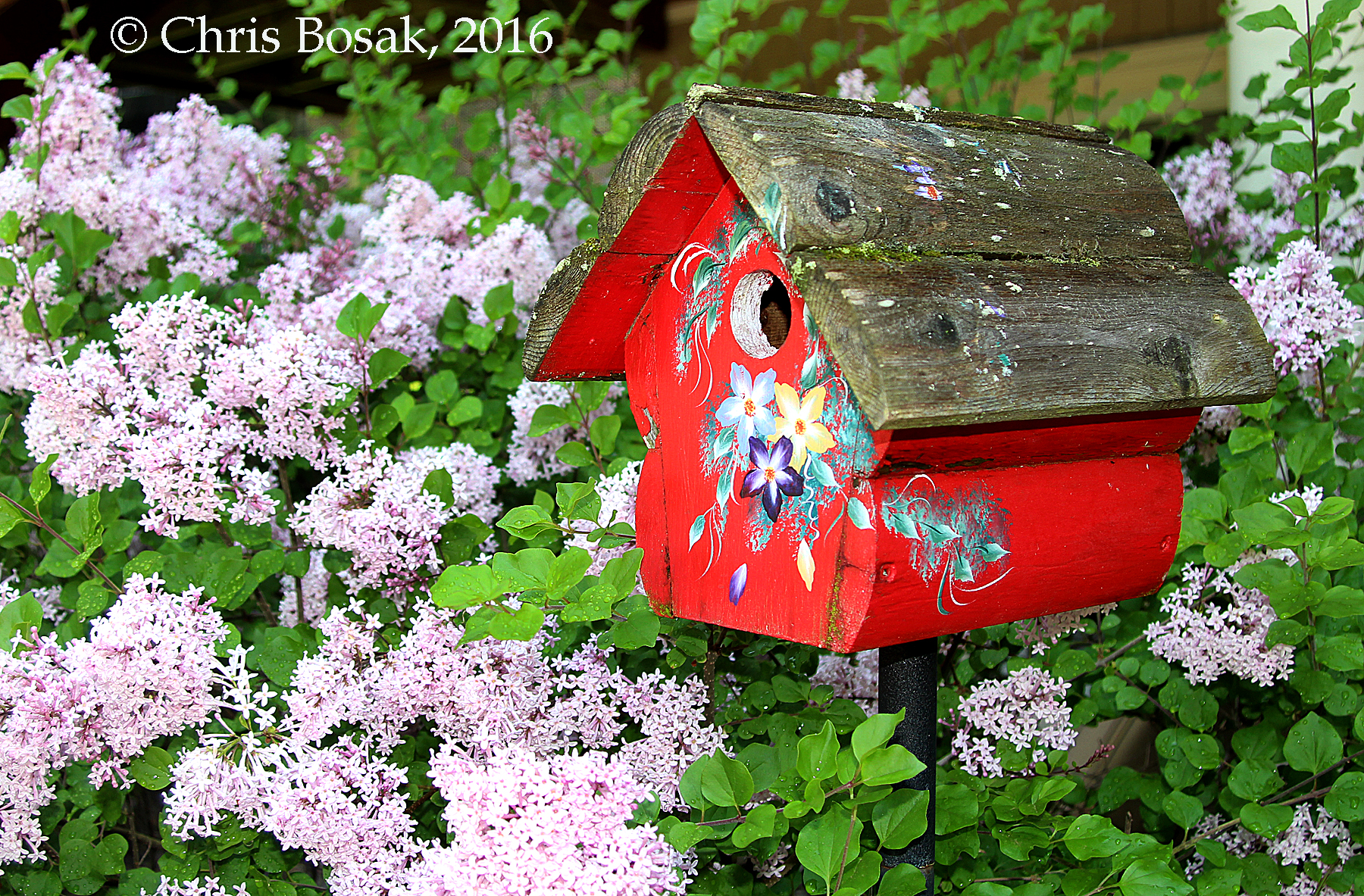
A happy little birdhouse photo

Photo by Chris Bosak A birdhouse surrounded by blooming lilacs. A Black-capped Chickadee family has used this house for the last two years.

Photo by Chris Bosak
A birdhouse surrounded by blooming lilacs. A Black-capped Chickadee family has used this house for the last two years.

For no reason other than I like this shot and wanted to share it … here’s a happy little birdhouse photo for you. To make it even more happy, a Black-capped Chickadee family has used this house for the last two years.

Sticking to the water theme: Black-crowned Night Heron

Photo by Chris Bosak A Black-crowned Night Heron perches on a railing at a marina along the Norwalk River, Norwalk, Conn., spring 2016.

Photo by Chris Bosak
A Black-crowned Night Heron perches on a railing at a marina along the Norwalk River, Norwalk, Conn., spring 2016.

My last few posts have been about Wood Ducks. It’s not everyday you come across “brave” female Wood Ducks with babies, so why not get some mileage out of it?

We’ll switch gears a bit for this posting with some photos of a Black-crowned Night Heron I saw while walking into work on day last week along the Norwalk River. Black-crowned Night Herons may be seen throughout New England, both Continue reading

One more Wood Duck photo (I promise)

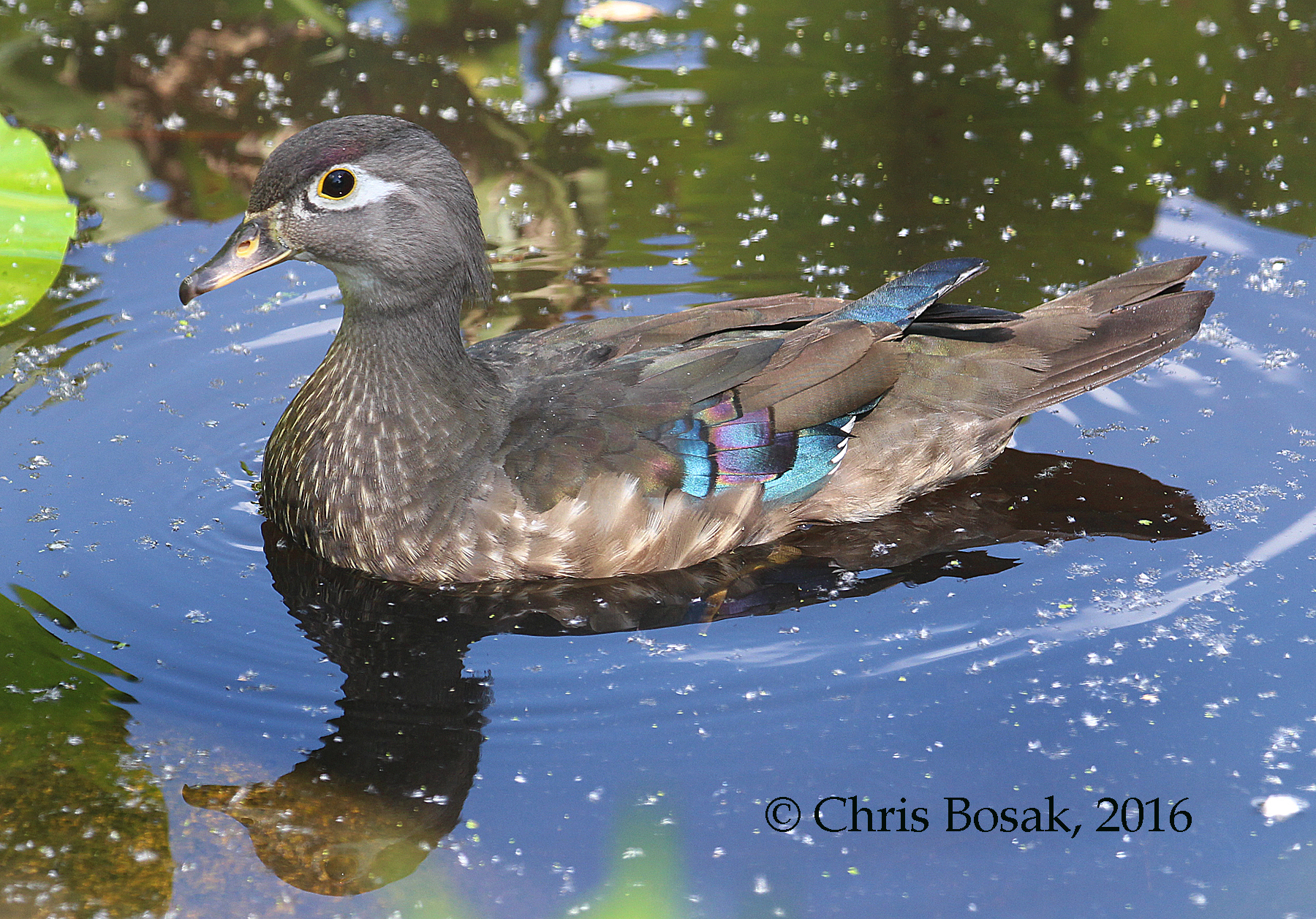
Photo by Chris Bosak A female Wood Duck swims at Wood's Pond in Norwalk, spring 2016.

Photo by Chris Bosak
A female Wood Duck swims at Wood’s Pond in Norwalk, spring 2016.

I’ve already done two posts about the Wood Ducks I saw the other day. Here’s one more of a female Wood Duck. They are beautiful in their own right, even if the male Wood Ducks grab all the attention with their fancy plumage.

More Wood Duck photos

Photo by Chris Bosak A Wood Duck swims at Wood's Pond in Norwalk, spring 2016.

Photo by Chris Bosak
A Wood Duck swims at Wood’s Pond in Norwalk, spring 2016.

The other day I posted a few photos of female Wood Ducks and their chicks. Well, here are some more — some with the chicks and some Continue reading

Latest For the Birds column: Wood Ducks show a tame side

Here’s the latest For the Birds column, which runs weekly in The Hour (Norwalk, Conn.) and The Keene (NH) Sentinel.

Photo by Chris Bosak A Wood Duck mother swims with one of her babies at Woods Ponds in Norwalk, Conn., spring 2016.

Photo by Chris Bosak
A Wood Duck mother swims with one of her babies at Woods Ponds in Norwalk, Conn., spring 2016.

The Mallards were scattered along the grass and I didn’t think twice about it. I’m used to Mallards being tame and not walking away, or even flinching, when someone draws near.

With many Mallards, even with babies in tow, they show little or no fear of humans. In fact, many even welcome the approach of humans as the ducks hope to get some food.

Photo by Chris Bosak A Wood Duck mother swims with two of her babies at Woods Ponds in Norwalk, Conn., spring 2016.

Photo by Chris Bosak
A Wood Duck mother swims with two of her babies at Woods Ponds in Norwalk, Conn., spring 2016.

But in this particular flock of ducks, two females and their babies quickly retreated to the nearby pond. These ducks weren’t Mallards at all, but rather they were Wood Ducks. Two female Wood Ducks and their babies were “hanging out” with the Mallards in the grass near the pond before I pulled into the parking lot.

While the Mallards in the group, which consisted of most of the birds, did not even bother to wake up from their midday nap, the Wood Ducks’ instincts told them to retreat.

But the scene was still extremely surprising to me. First of all, you don’t always see Wood Ducks hanging out with Mallards. And, second of all, Continue reading

More photos of those young groundhogs

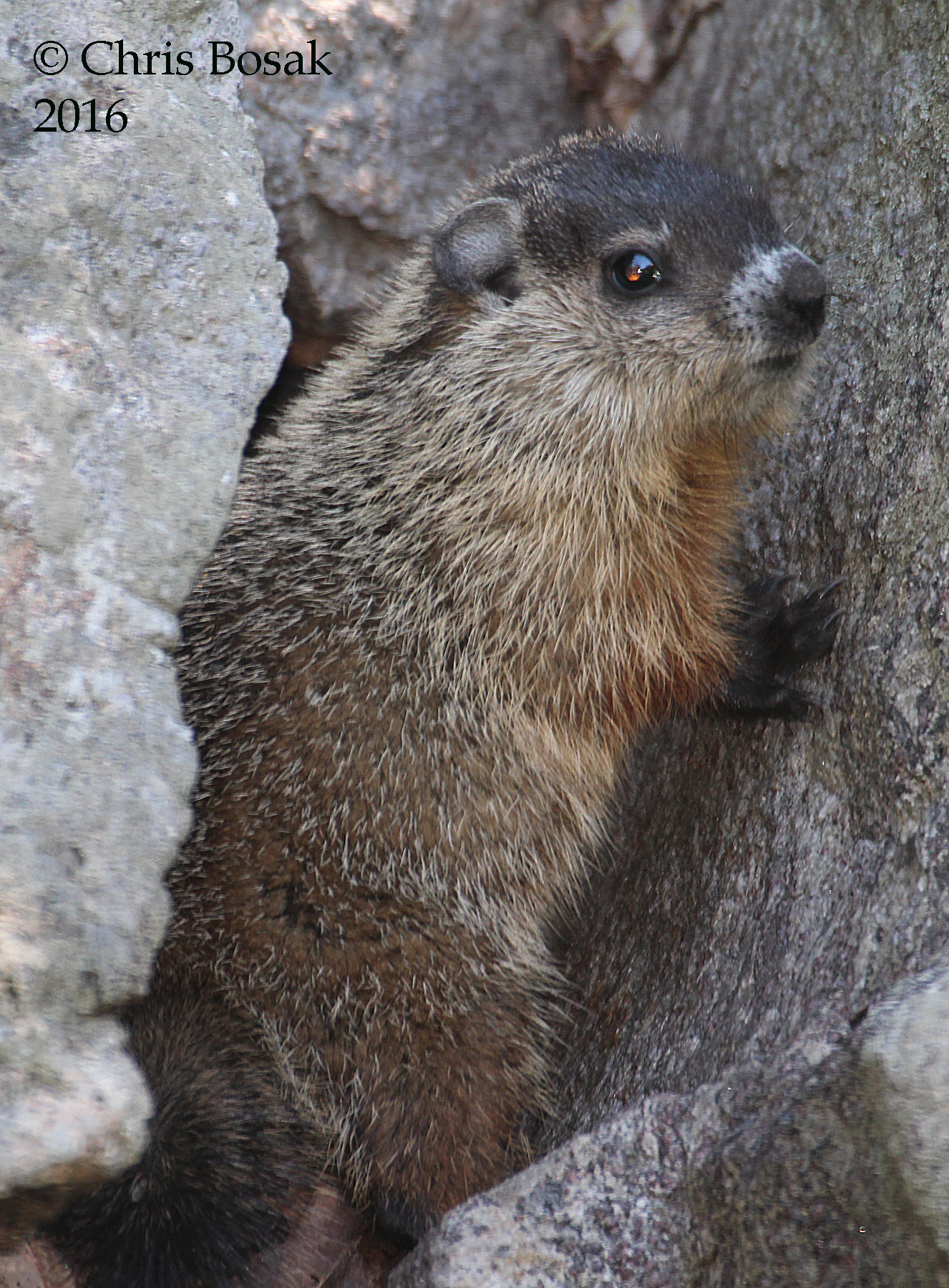
Photo by Chris Bosak A young groundhog stands between two rocks in Danbury, Conn., 2016.

Photo by Chris Bosak
A young groundhog stands between two rocks in Danbury, Conn., 2016.

Because we can’t get enough of those young groundhogs — at least until they grow up.

Below are some shots of them during a Continue reading

They’re so cute when they’re young

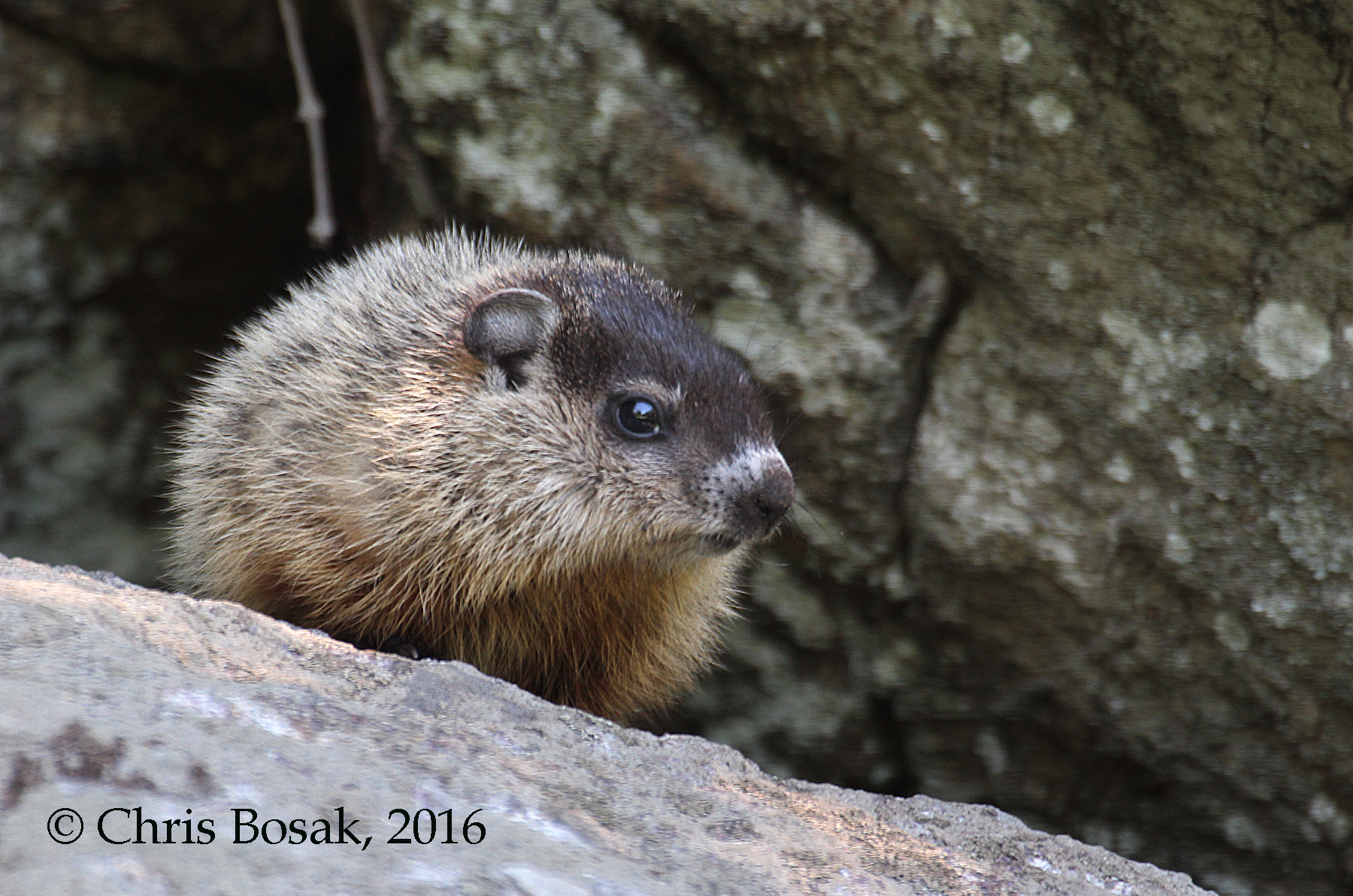
Photo by Chris Bosak A young groundhog stands on a rock in Danbury, Conn., spring 2016.

Photo by Chris Bosak
A young groundhog stands on a rock in Danbury, Conn., spring 2016.

These guys or gals will grow up to eat vegetables out of your garden, dig holes on your property and wreak havoc on your yard. But for now, aren’t they cute?

(Personally, I think they are pretty neat at whatever age.)

I saw these young groundhogs (or woodchucks) near my house the other day.

Photo by Chris Bosak A young groundhog stands on a rock in Danbury, Conn., spring 2016.

Photo by Chris Bosak
A young groundhog stands on a rock in Danbury, Conn., spring 2016.

Photo by Chris Bosak A young groundhog rests on a rock in Danbury, Conn., 2016.

Photo by Chris Bosak
A young groundhog rests on a rock in Danbury, Conn., 2016.

Osprey continue to thrive in Connecticut

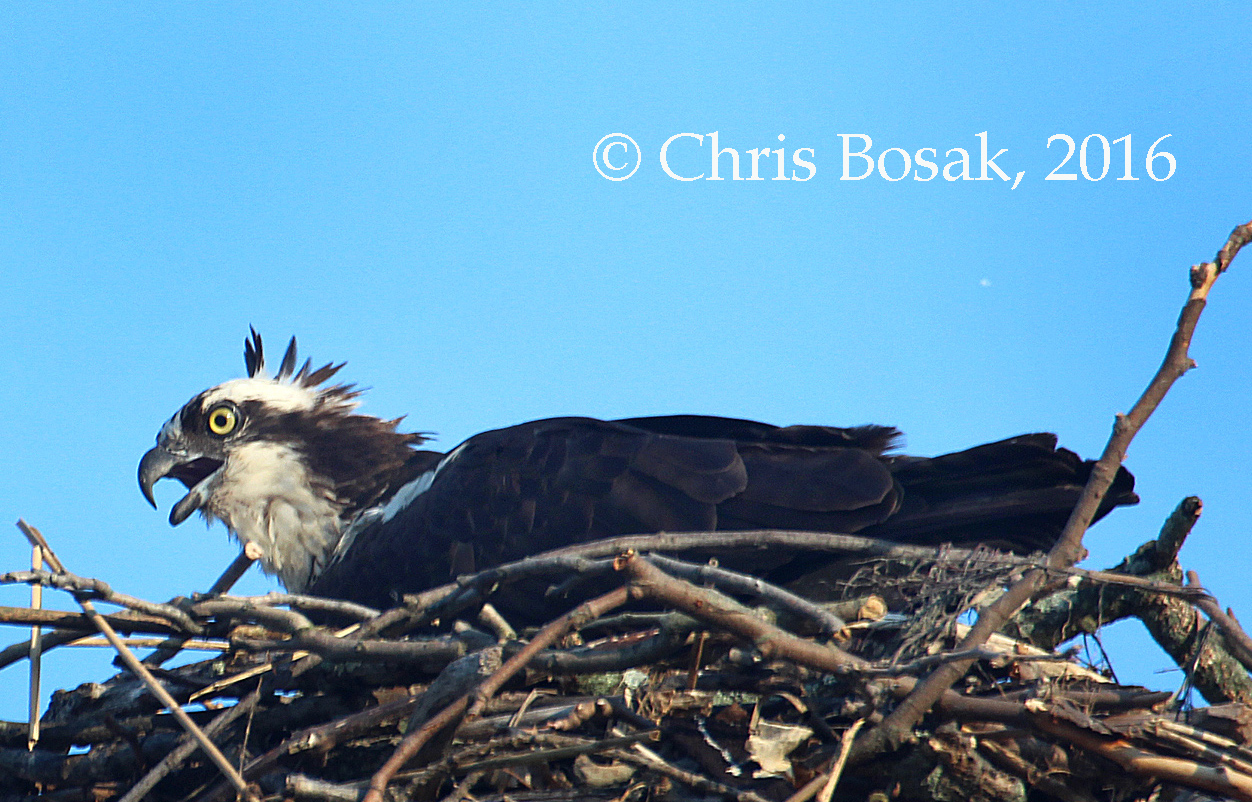
Photo by Chris Bosak An Osprey sits in a nest at Veterans Park in Norwalk, Conn., spring 2016.

Photo by Chris Bosak
An Osprey sits in a nest at Veterans Park in Norwalk, Conn., spring 2016.

You know a bird species is doing well in an area when you take a short break from work to get a nice photo of the bird and return to work a handful of minutes later with good results. The Osprey in coastal Connecticut is one such bird and area. Southern Connecticut, of course, is not the only place where “fish hawks” are thriving. They are doing well up and down the East Coast and many parts inland, too. They nest along salt, br Continue reading