
Here are a few more photos of the eastern bluebirds I saw at the cemetery a few weeks ago. Here’s the original post with story.

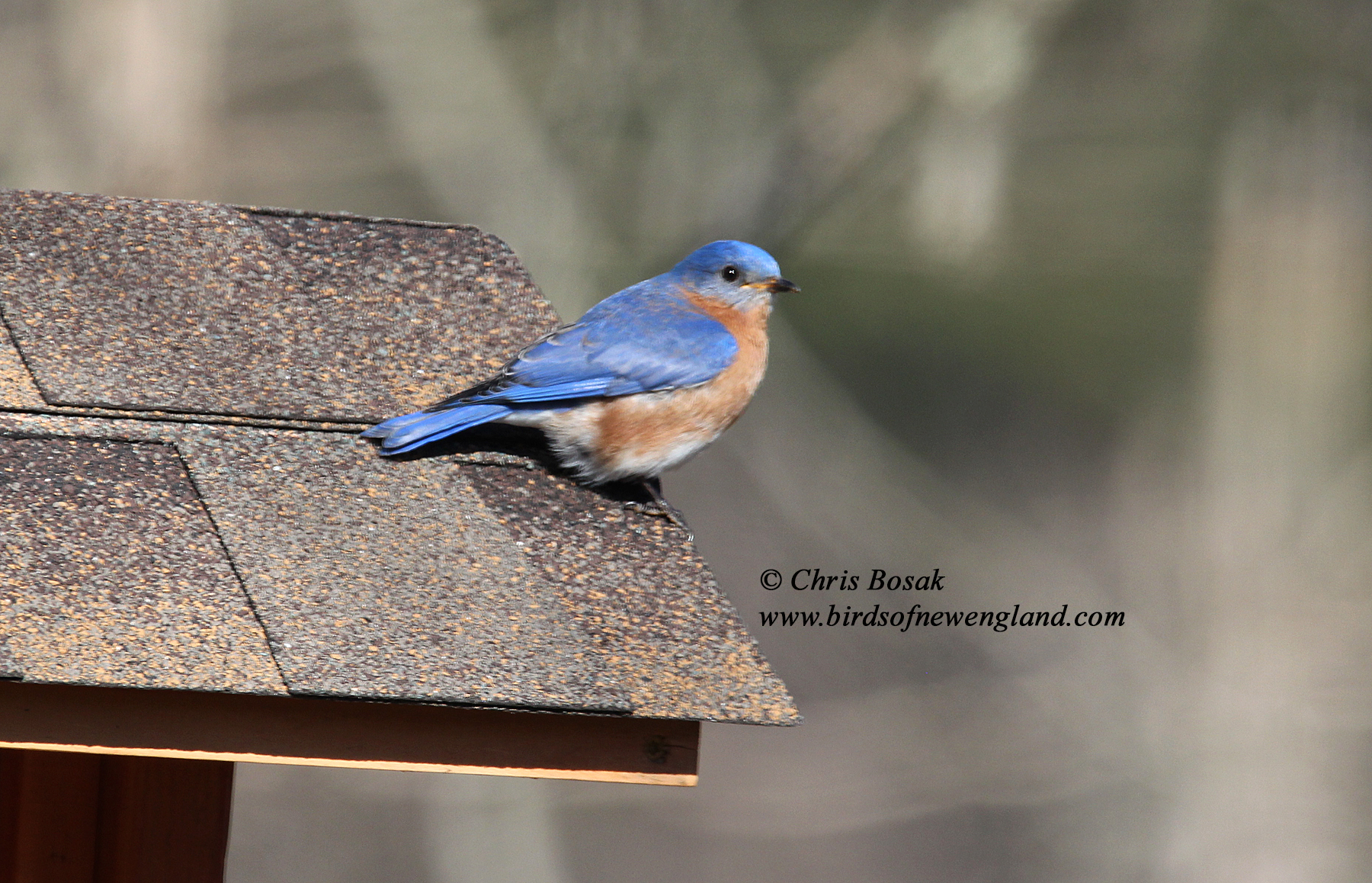

Here are a few more photos of the eastern bluebirds I saw at the cemetery a few weeks ago. Here’s the original post with story.
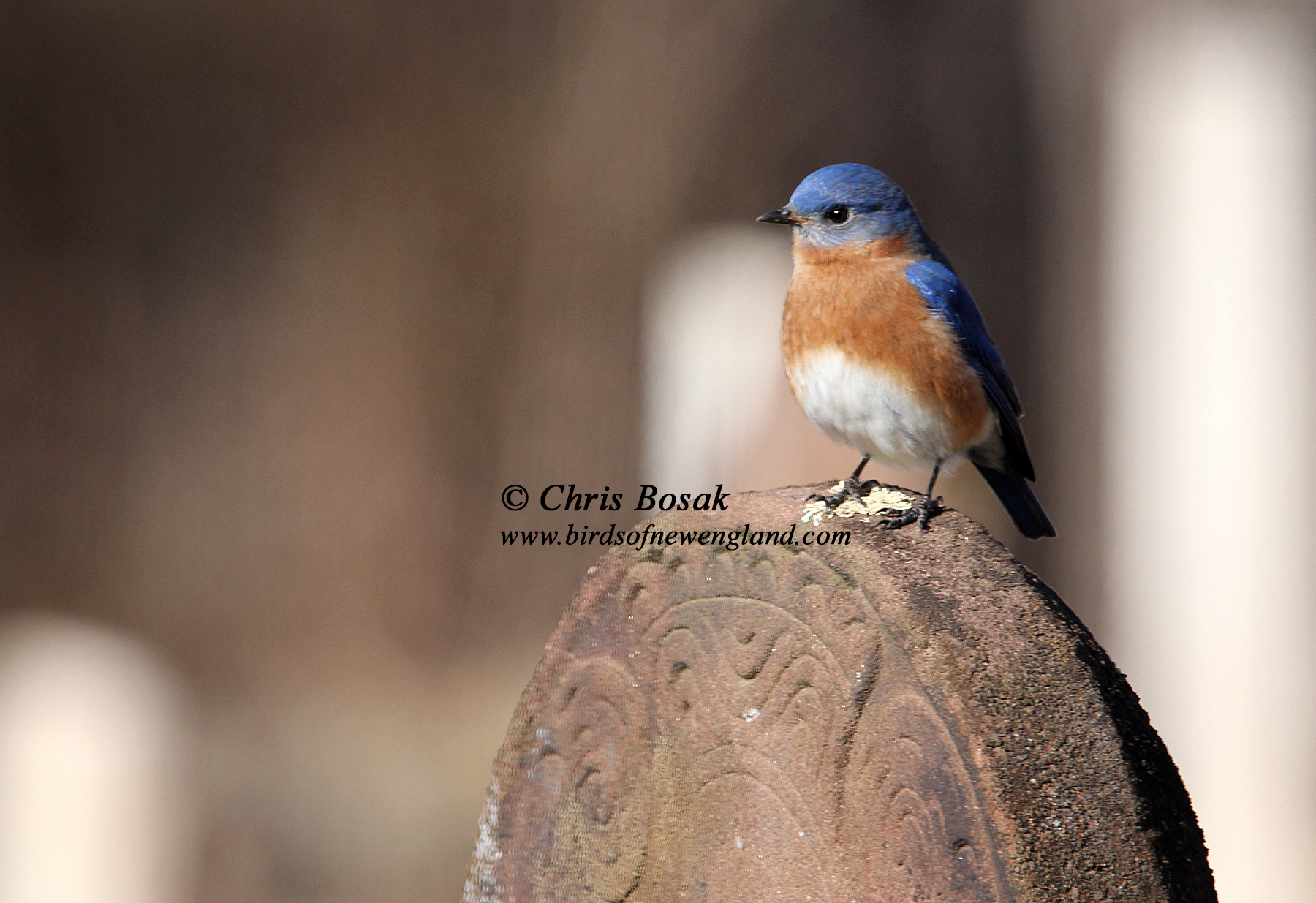
It looks like another Winter of the Bluebird.
In recent years, I have proclaimed our coldest season as the Winter of … whatever bird is being seen in unusually high numbers that winter. I remember the Winter of the Snowy Owl in 2014 and the Winter of the Barred Owl in 2019 (that winter was crazy with all the owls being seen throughout New England.) Juncos and robins have also made the list.
But this year, for the second time in three years, it has to be the Winter of the Bluebird. It is the first repeat selection. I should probably mention here that this is strictly my own proclamation based on my personal experiences and emails received from readers. There is absolutely nothing scientific about this.
I’ve seen bluebirds in a variety of locations this winter. I haven’t been lucky enough to attract them to my house, but I have received several emails from readers who have seen bluebirds in their yards. Many readers have sent along photos, which I appreciate and post to my blog.
Continue reading
March is a good time to look for ducks, assuming, of course, there is some open water.
I took a short drive the other day to a large reservoir and found that the water was still largely frozen. There were plenty of open spots, however, and one, in particular, caught my attention. I saw mallards from a distance and zeroed in to see if anything else was lurking there.
The mallards I had seen were not mallards at all but a pair of American black ducks. Male and female black ducks resemble female mallards from a distance with their overall bland coloring and similar size and shape. A closer look revealed the black duck’s darker coloration. Male black ducks also have a yellow bill, similar to a male mallard’s bill. The females of both species have duller bills.
Continue reading
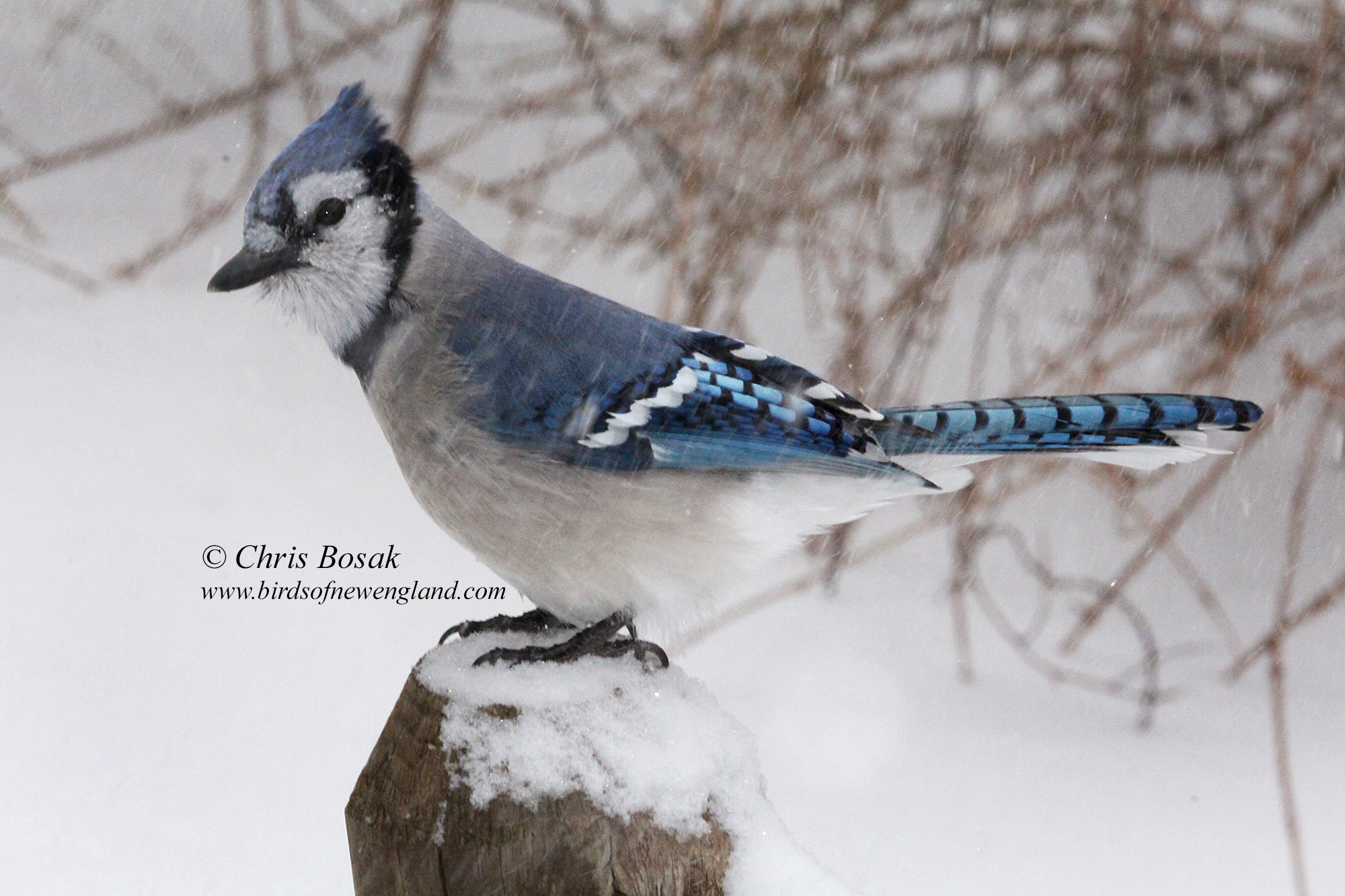
It appears to be a good winter for juncos, blue jays and goldfinches, based on feedback from readers. Other than a few reports of pine siskins, it doesn’t seem to be a particularly strong winter for the typical irruptive species as sightings of redpolls, grosbeaks and red-breasted nuthatches have been scarce.
I’ll add American robin to the list of birds that have been seen in abundance this winter. This doesn’t mean that spring is here already, of course. As I write this, a winter storm is predicted for the next day. Several more weeks of winter-like weather are ahead of us, I’m sorry to say.
Continue reading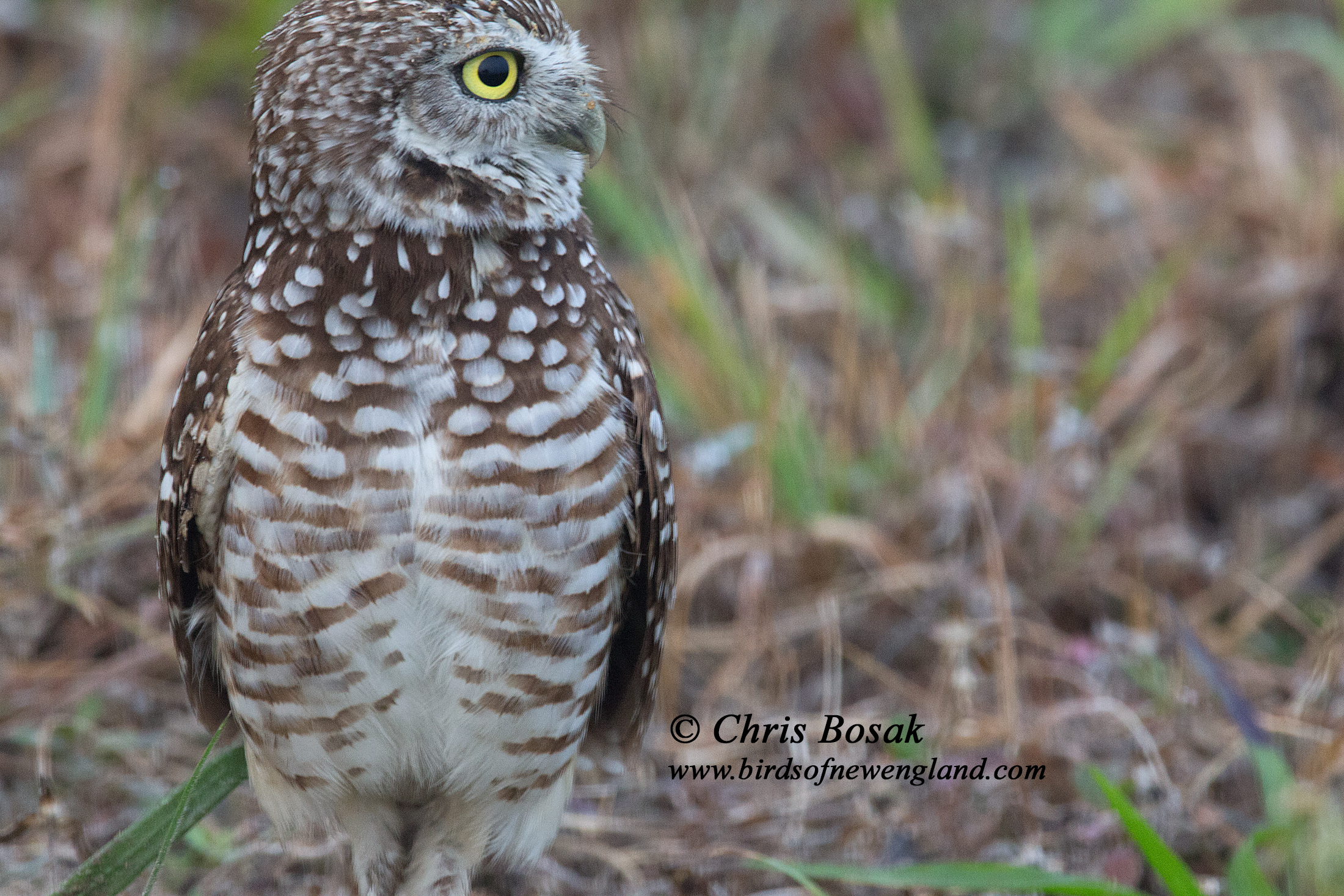
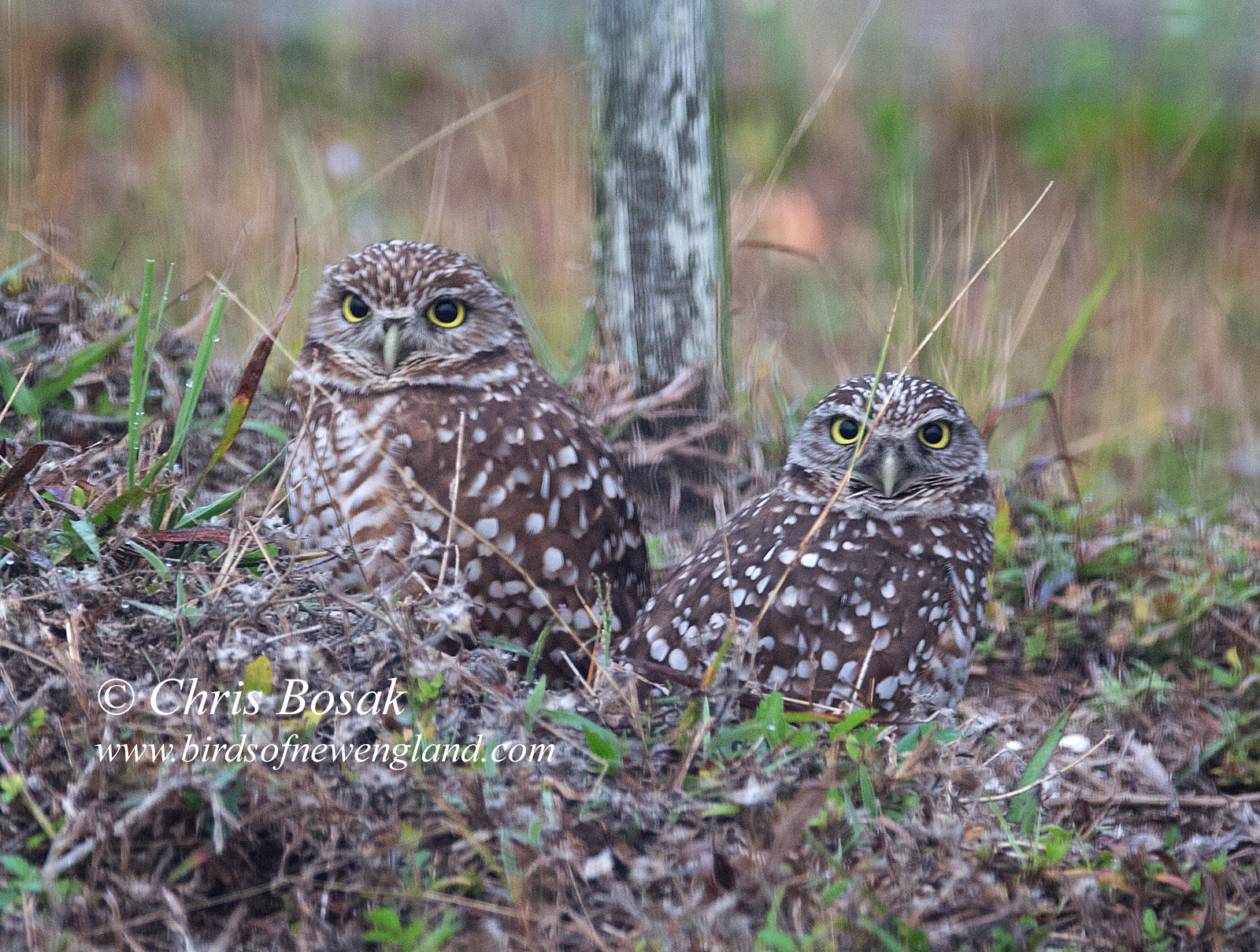
I know it’s out of my turf, but I can’t post just one photo of the burrowing owls I saw during a recent trip to southwestern Florida. So here are a few more. Click here for more photos from Florida.

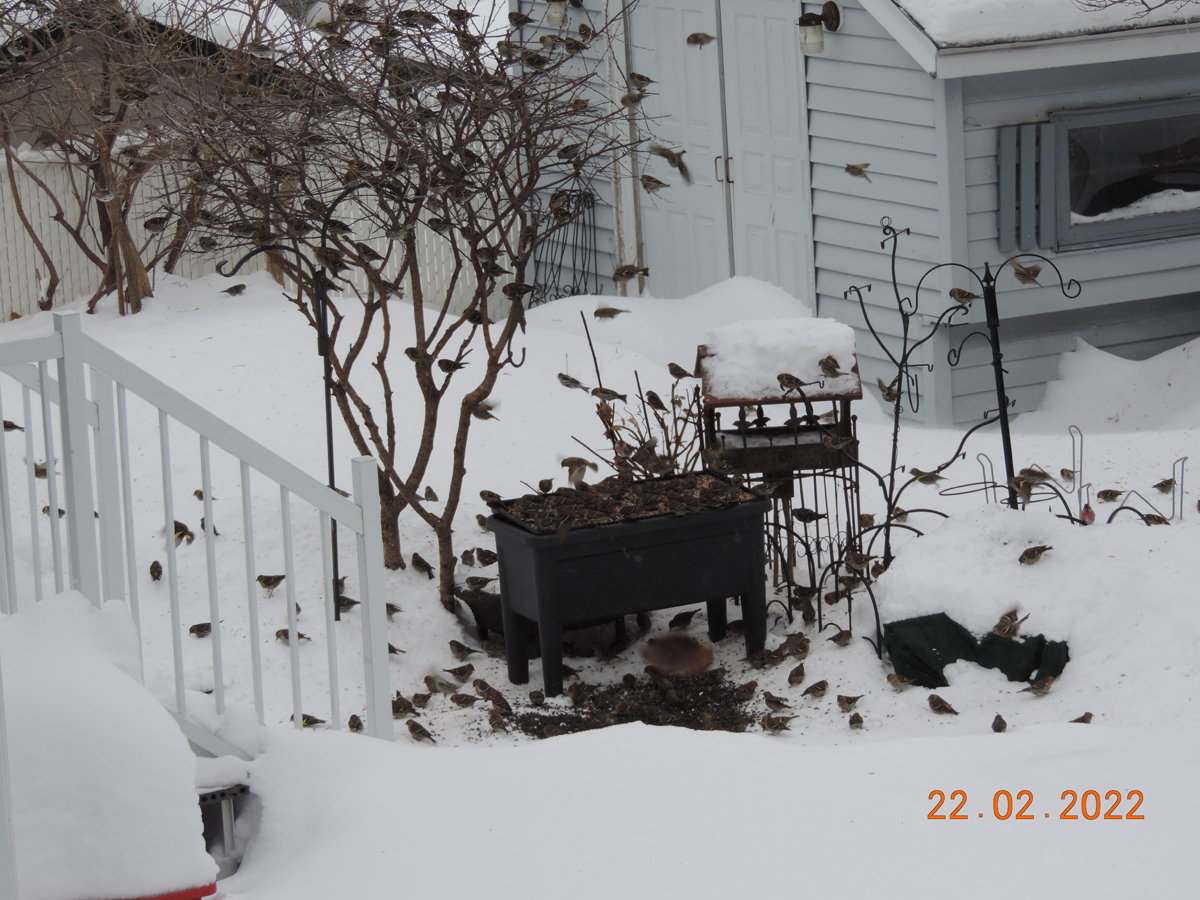
My friend Andrée from Quebec sent me a bunch of photos from her yard this winter. The siskin and redpoll numbers are staggering. The photos speak for themselves … Thanks Andrée.
The reports keep coming in, so why not dedicate another column to what our neighbors are seeing in their yards?
Eric from Surry wrote to say he can’t keep up with the goldfinches and pine siskins and their appetites for thistle (Nyjer) seed. He said it’s been a while since goldfinches have visited his yard in large numbers, but this winter has been different.
Eric also has a few Carolina wrens that have been around all winter, while juncos have been around in large numbers. The juncos, as well as a handful of cardinals visit early, so Eric has to make sure the feeders are filled before dawn. Now that’s dedication to the birds and this great hobby. He also gets the usual woodpeckers in addition to red-bellied woodpeckers and yellow-bellied sapsuckers.
Continue reading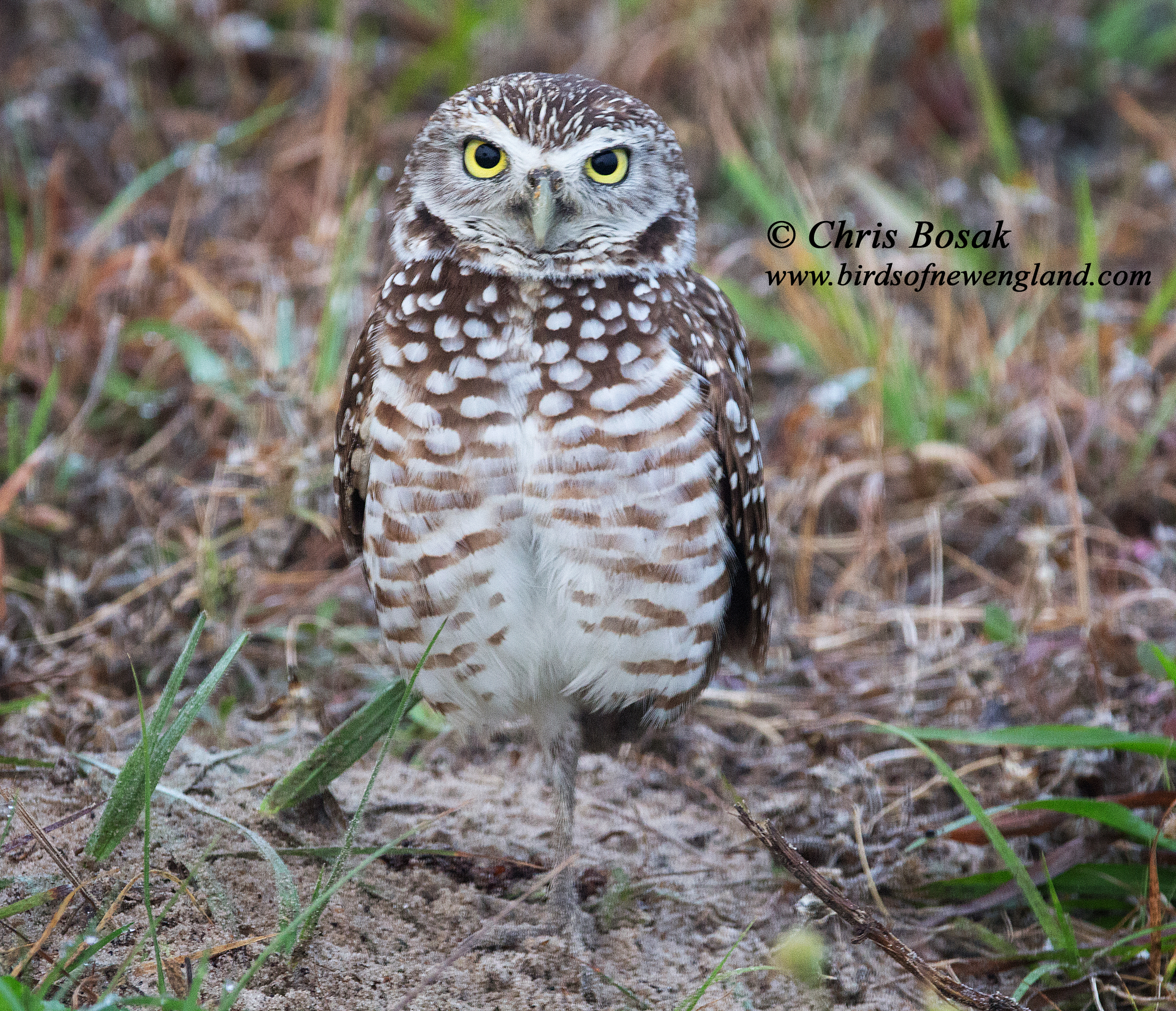
I ventured out of New England last week to visit my brother in southwestern Florida. Here are a few shots I got in my travels. Two of my brothers and I went to Marco Island to see burrowing owls, but came up empty. We arrived in the middle of the afternoon and they were all hunkered in their burrows. By chance, two days later I was in Cape Coral, which is the other hotspot for these beautiful birds. I got up early and found my target.
Thanks for looking and indulging me. Back to New England for my next post.
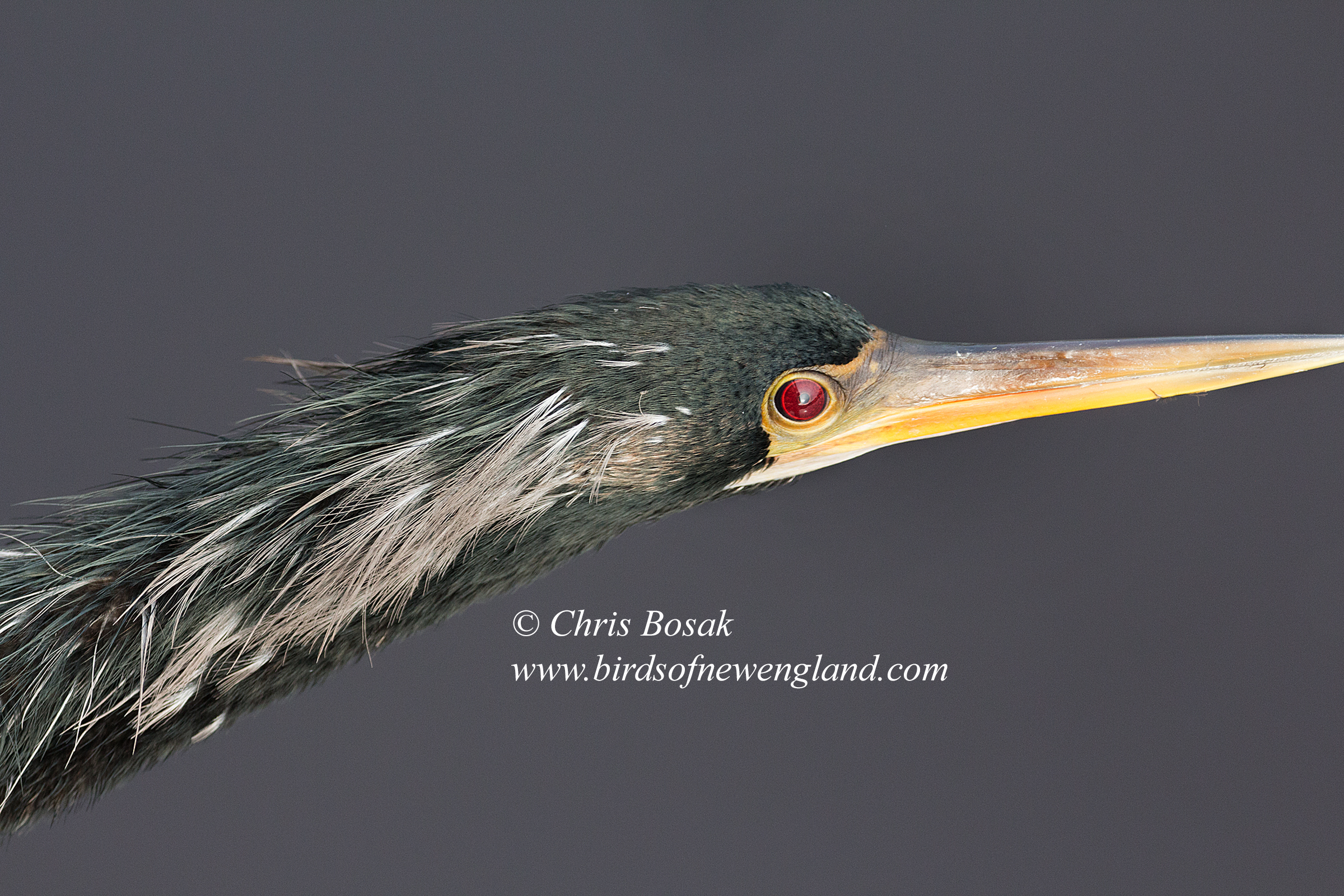
I often receive photos of birds from readers, but it’s not often that I get poems about our New England birds. Cyndy Martell from Peterborough, N.H., sent in this tribute to American goldfinches, which have been plentiful in her yard this winter.
Winter Goldfinches Galore
(A Phenomenon One Cannot Ignore)
By Cyndy Martell
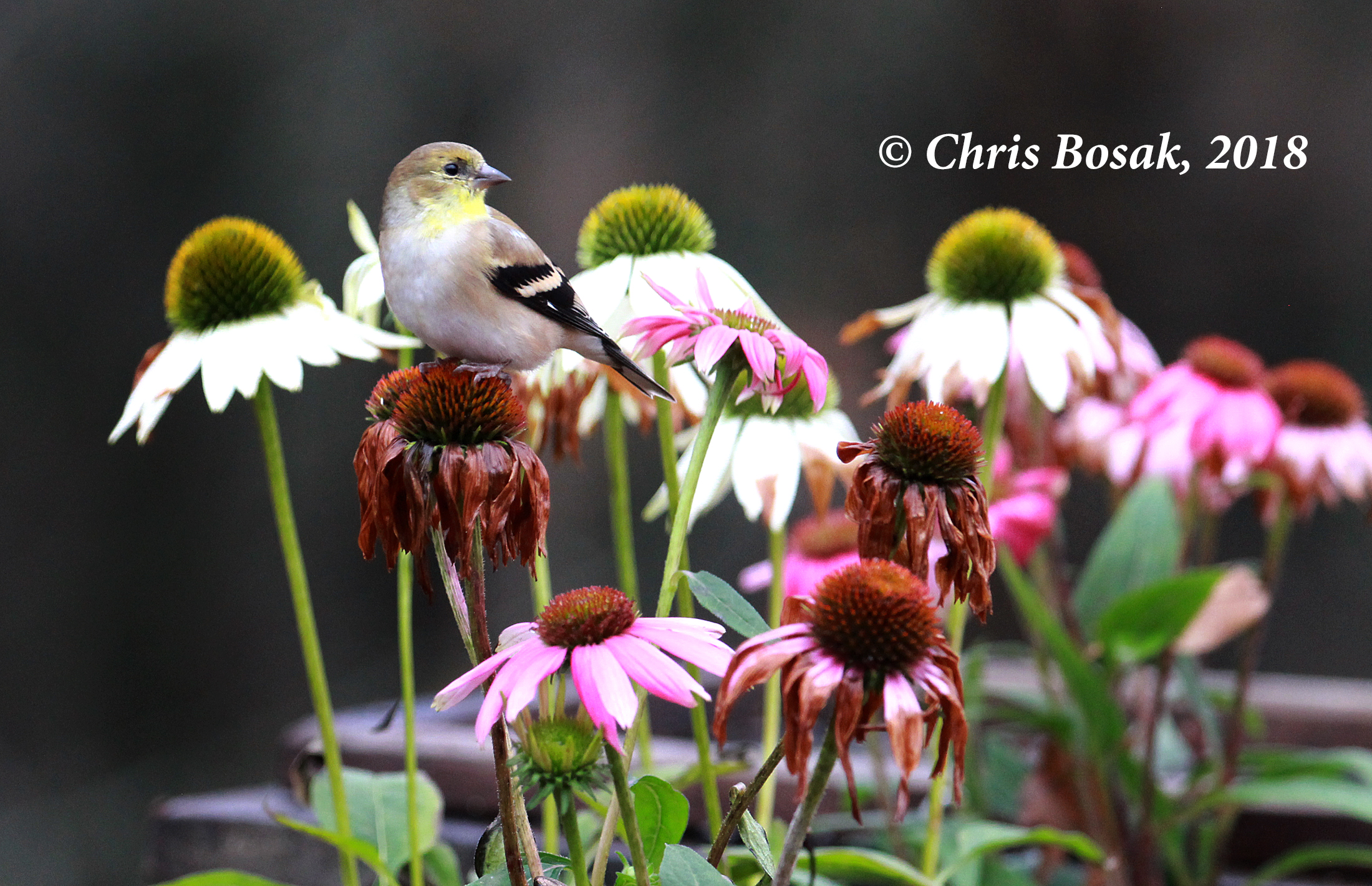
So many Goldfinches
Clutching the feeders
Is frustrating at best
To accurately calculate.
So many Goldfinches
Bouncing on branches
Of bushy trampolines
Ever ready to evacuate.
So many Goldfinches
Take flight impulsively
Crashing into windows
Sadly sealing their fate.
So many Goldfinches
Studied by Chickadees
Who sit and just wait
But are seldom irate.
So many Goldfinches
Not in summer gold
But in winter’s green
Singing in sweet debate.

At a certain point, my shared driveway splits in two. My neighbor is off to the right. I’m on the left. A row of about 10 eastern hemlocks separates the driveways.
The other day as I drove down the driveway before it splits, I noticed hundreds of little hemlock cones under the trees. Maybe thousands. It instantly brought me back to one of my favorite winter birding moments.
I was still relatively new to birdwatching when I took a long walk in Pisgah State Park. The park has several entrance points. The one I used on this day was my favorite entrance. The trail from the parking lot leads down a long hill. Once at the bottom of the hill, it’s like the rest of the world is a million miles away. No houses, cars or anything. Just woods and other interesting habitats to explore and enjoy.
Continue reading Birds of New England.com