For the Birds column: Snow is no problem for birds

Photo by Chris Bosak A Tufted Titmouse and White-breasted Nuthatch share a feeder during a snowstorm in Danbury, Conn., Jan. 23, 2016.

Photo by Chris Bosak
A Tufted Titmouse and White-breasted Nuthatch share a feeder during a snowstorm in Danbury, Conn., Jan. 23, 2016.

Here’s the latest For the Birds column, which runs weekly in The Hour (Norwalk, Conn.) and Keene (NH) Sentinel:

One of my favorite times to watch birds is when the snow is falling. Not a driving snow with icy temperatures and high winds, but an otherwise rather pleasant day with frozen crystals falling from the sky and covering everything with a fresh coat of white.

I do not shy away from taking walks to look for birds when the snow is actively falling, in fact I thoroughly enjoy walks at such times. But I also enjoy very much watching the activity at the feeders during snow falls.

As long as the snow is not falling at too fast a rate, the birds will continue coming to feeders. Indeed, during light and moderate snow falls the birds may be seen at higher-than-usual …
Click here for the rest


Pintail drake close up. The latest For the Birds column

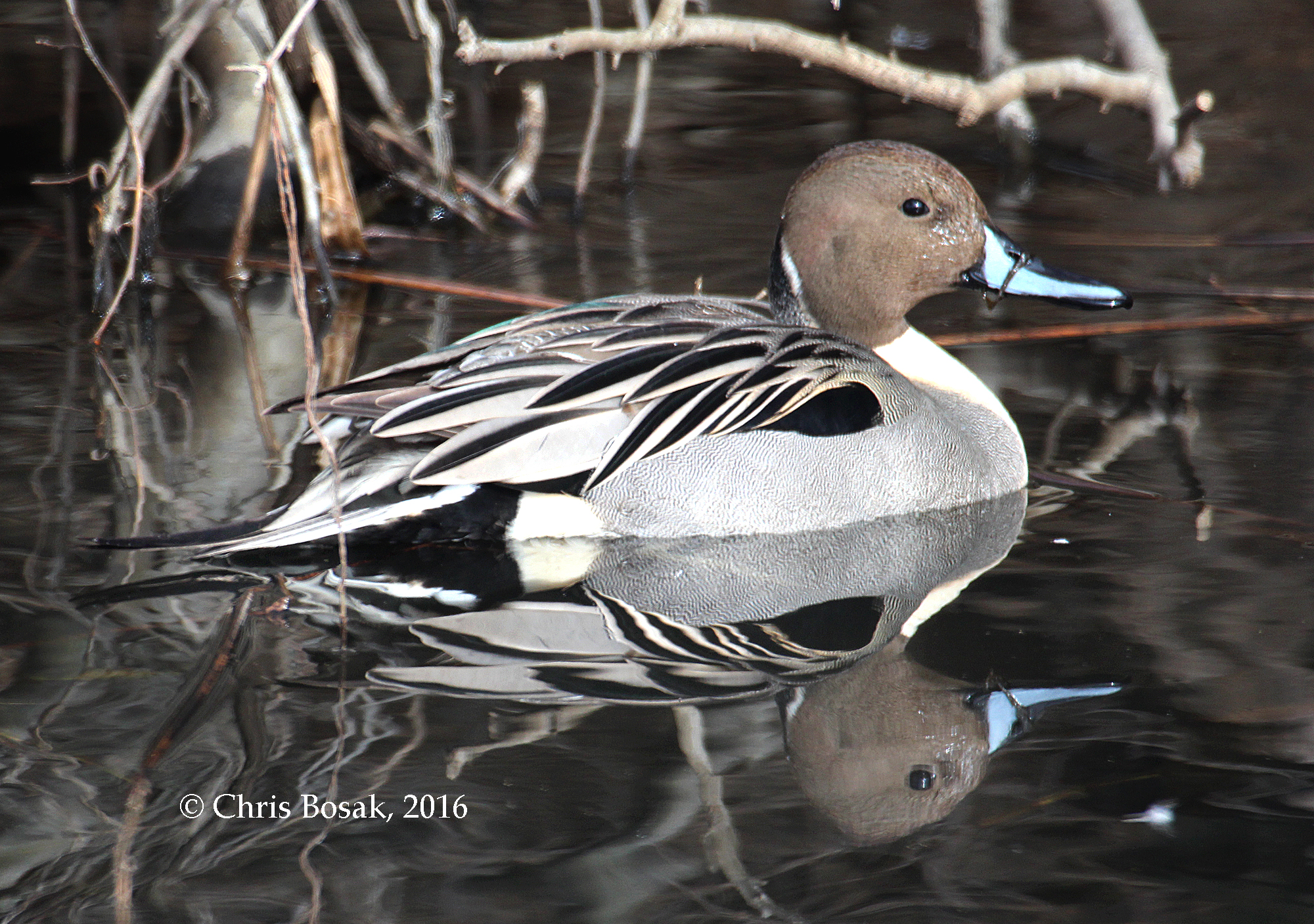
Photo by Chris Bosak A Northern Pintail drake in a pond in Danbury, Conn., Jan. 2016.

Photo by Chris Bosak
A Northern Pintail drake in a pond in Danbury, Conn., Jan. 2016.

Here’s my latest For the Birds Column about a Northern Pintail drake I saw last week. Exciting sighting!

These are the moments nature photographers hope for. Every once in a great while you come across a bird you really want to photograph and the subject is extraordinarily brave, cooperative and within reach of a zoom lens.

Sometimes you even have your camera handy when those moments come around.

Such was the case last weekend when I drove past a pond in Danbury. The pond was small and nearly butted up against the road. I glanced over at the pond, as I always do, and this time saw a most welcomed visitor among the usual Mallards. A lone Northern Pintail drake swam among the greenheads, appearing indifferent to the cars driving past on the fairly busy road.

I found the nearest safe place to turn around. I drove past the pond again, this time on the opposite side of the road, and confirmed my initial identification. I turned around yet again and pulled onto the shoulder as far as I could next to the pond.

The Mallards — two males and two females — and the pintail all stayed put and ignored me. I already had the passenger’s side window down and the radio turned off.

Actually having my trusty camera with me, I go that out and started photographing the duck.

The ducks went about their day and, despite …

Read the rest here.

Latest For the Birds column: Gearing up for National Bird Feeding Month

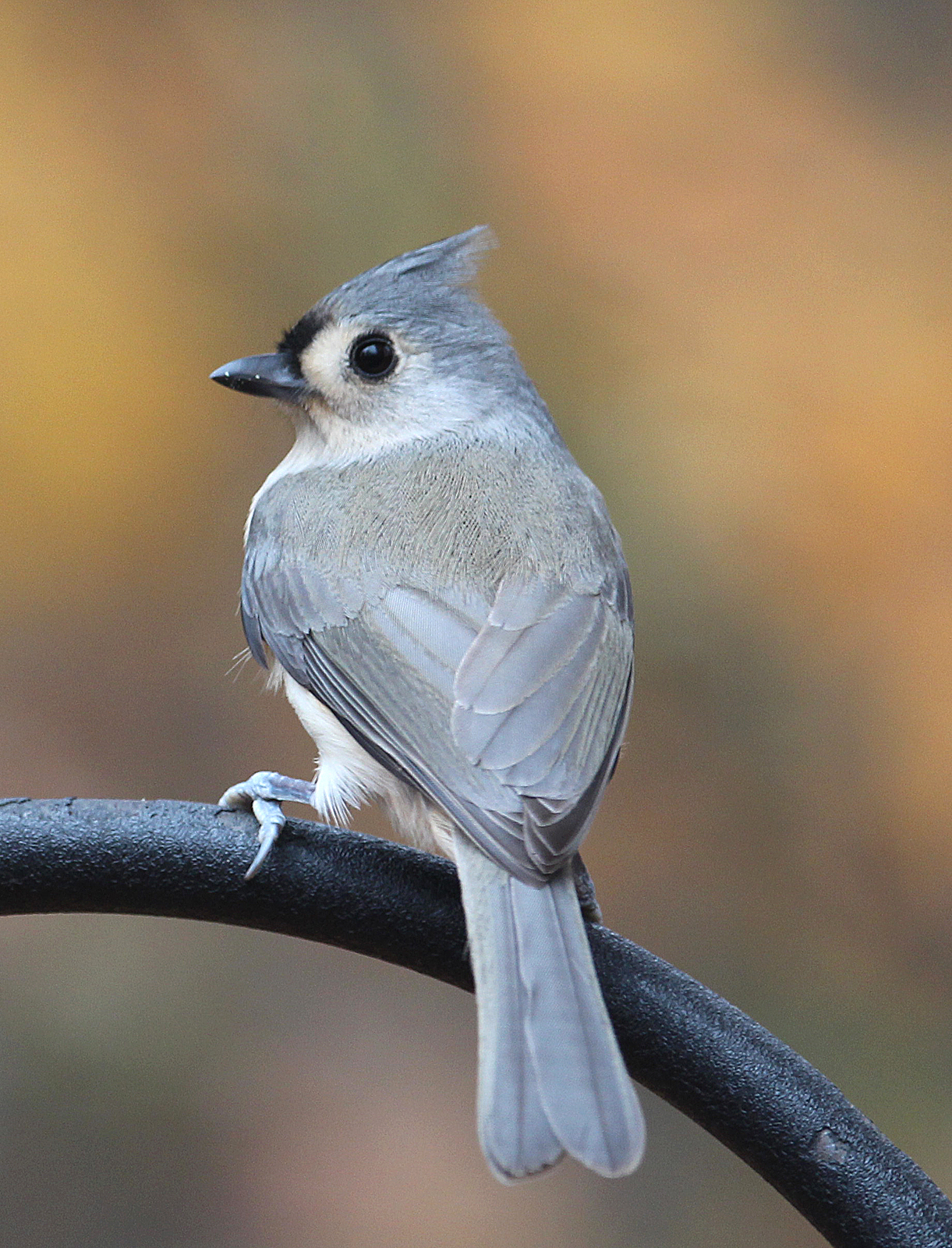
Photo by Chris Bosak A Tufted Timouse perches near a feeding station in New England, fall 2015.

Photo by Chris Bosak
A Tufted Timouse perches near a feeding station in New England, fall 2015.

February may be a few weeks away, but there’s no harm in being prepared for what’s in store.

February is a big month in the birdwatching world. It’s a cold month in the middle of winter, but a little birding and bird feeding will help make the cold more tolerable.

First of all, February is National Bird Feeding Month. I don’t normally get too excited about national this month or that, but I’ll celebrate anything that gives me an excuse to do more birdwatching. National Bird Feeding Month was first proclaimed in 1994.

Also, February is always the month of the Great Backyard Bird Count. I’ll write more about this citizen science project in a later column, but just so you can mark your calendars, this year it will be held the weekend of Feb. 12-15.

For now, in honor of National Bird Feeding Month, here are a few tips on how to attract birds to your yard in the typically cold month of February.

Suet is a must. Whether you use pre-packaged suet cakes or make your own out of beef fat (the store-bought cakes are much, much easier), suet should be an offering in the winter. I can count on one hand the number of minutes a bird is not at my suet feeder. Usually it’s a Downy Woodpecker, but also seen are Hairy Woodpeckers, Red-breasted Woodpeckers, White-breasted Nuthatches, and Carolina Wrens. Occasionally, chickadees and titmice visit the suet as well.

Who knows? You may even get lucky and have a Pileated Woodpecker come visit. I had one at my suet feeder about 10 years

Click here for the rest …

For the Birds column: Another big Snowy Owl irruption year?

Here’s my For the Birds column from last week. Another big Snowy Owl irruption year? We’ll see …

Photo by Chris Bosak A Snowy Owl flies across the beach at The Coastal Center at Milford Point in early March 2014.

Photo by Chris Bosak
A Snowy Owl flies across the beach at The Coastal Center at Milford Point in early March 2014.

The historic Snowy Owl irruption of the 2013-14 winter is still fresh in many people’s minds. I know it’s still on the top of my mind. Could we be in store for another one this winter?

We’ll have to wait and see, of course, but if what is happening in Minnesota, Wisconsin and Michigan already is any indication, the chances are pretty good. We’ve barely turned the calendar over to November and sightings in those states are booming. Typically it is mid to late November when the Snowy Owls start showing up.

The Snowy Owl that delighted hundreds of visitors at Calf Pasture Beach in 2008, however, showed up in early November. This year the sightings in the Midwest came even earlier, starting as early as Oct. 20, according to the folks at eBird. eBird is an online database of bird sightings with much of the data submitted by citizen scientists.

Continue reading

Common Loons are a year-rounder for New England

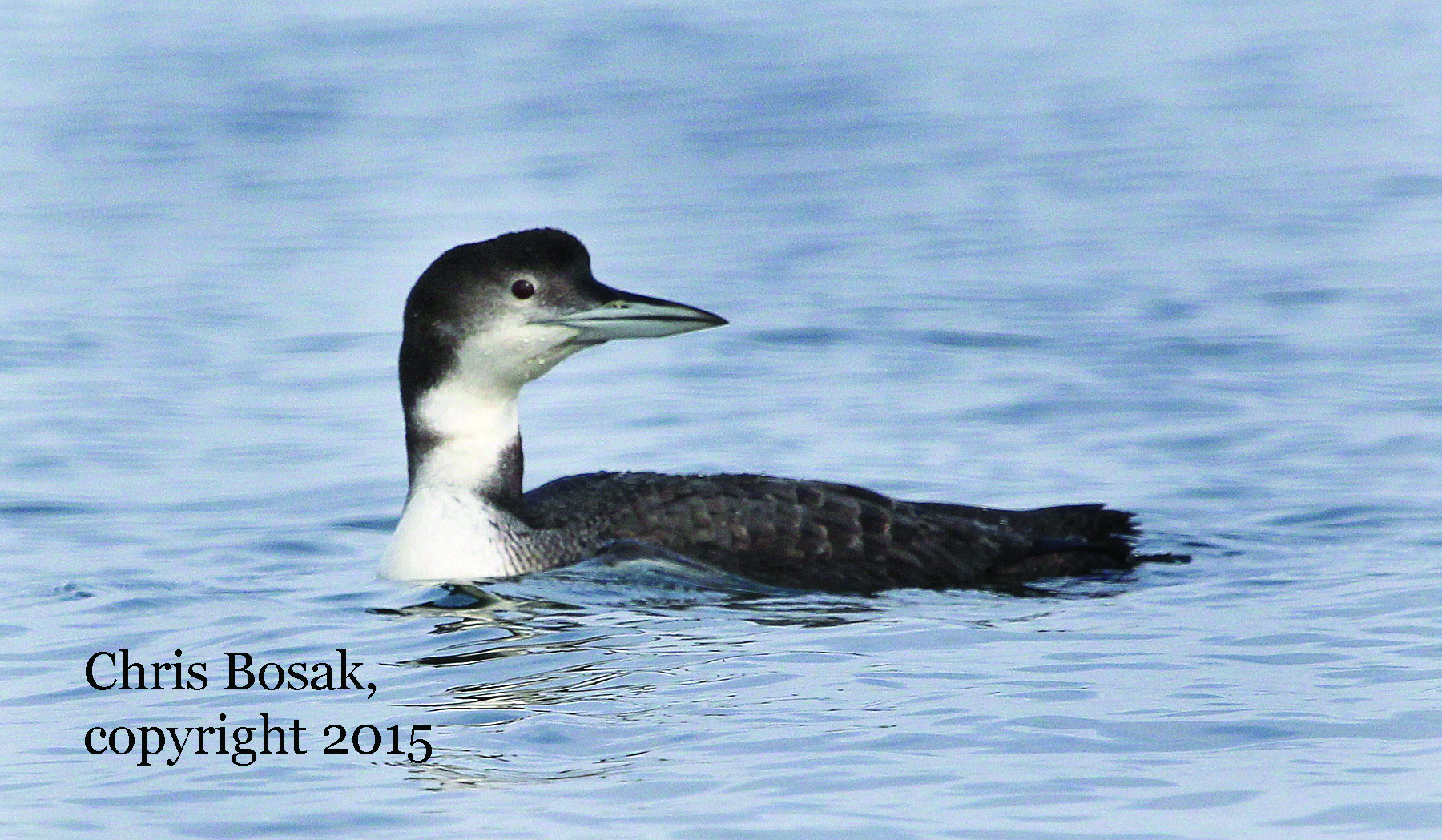
Photo by Chris Bosak A Common Loon seen during a recent winter in Long Island Sound off the coast of Norwalk, Conn. Loons feature a more drab plumage in the winter.

Photo by Chris Bosak
A Common Loon seen during a recent winter in Long Island Sound off the coast of Norwalk, Conn. Loons feature a more drab plumage in the winter.

Here’s my latest For the Birds column regarding Common Loons being a year-round New England bird. It was inspired by the release of a study that determined that loons are loyal to both summer and winter sites. Enjoy and thanks for checking out http://www.BirdsofNewEngland.com

Common Loons are a year-round New England bird. You won’t see them at the same place in the summer and winter, but they are true to our region. In the summer, head to the northern New England lakes and ponds and you’ll see loons. Those waters will be void of loons in the winter. In fact, there’s a very strong possibility that those waters will be frozen in the winter. But head to southern coastal New England in the winter, and you’ll see loons. Some loons head farther south for the winter months, but many spend their winters on Long Island Sound or off the Atlantic coast. As a bonus, these wintering grounds also play host to a fair amount of Red-throated Loons, too. But these waters are void of loons in the summer. So, unlike say, for instance, a Black-capped Chickadee, which can be seen

Read the rest of the column here.

For the Birds column: Milkweed and Monarchs

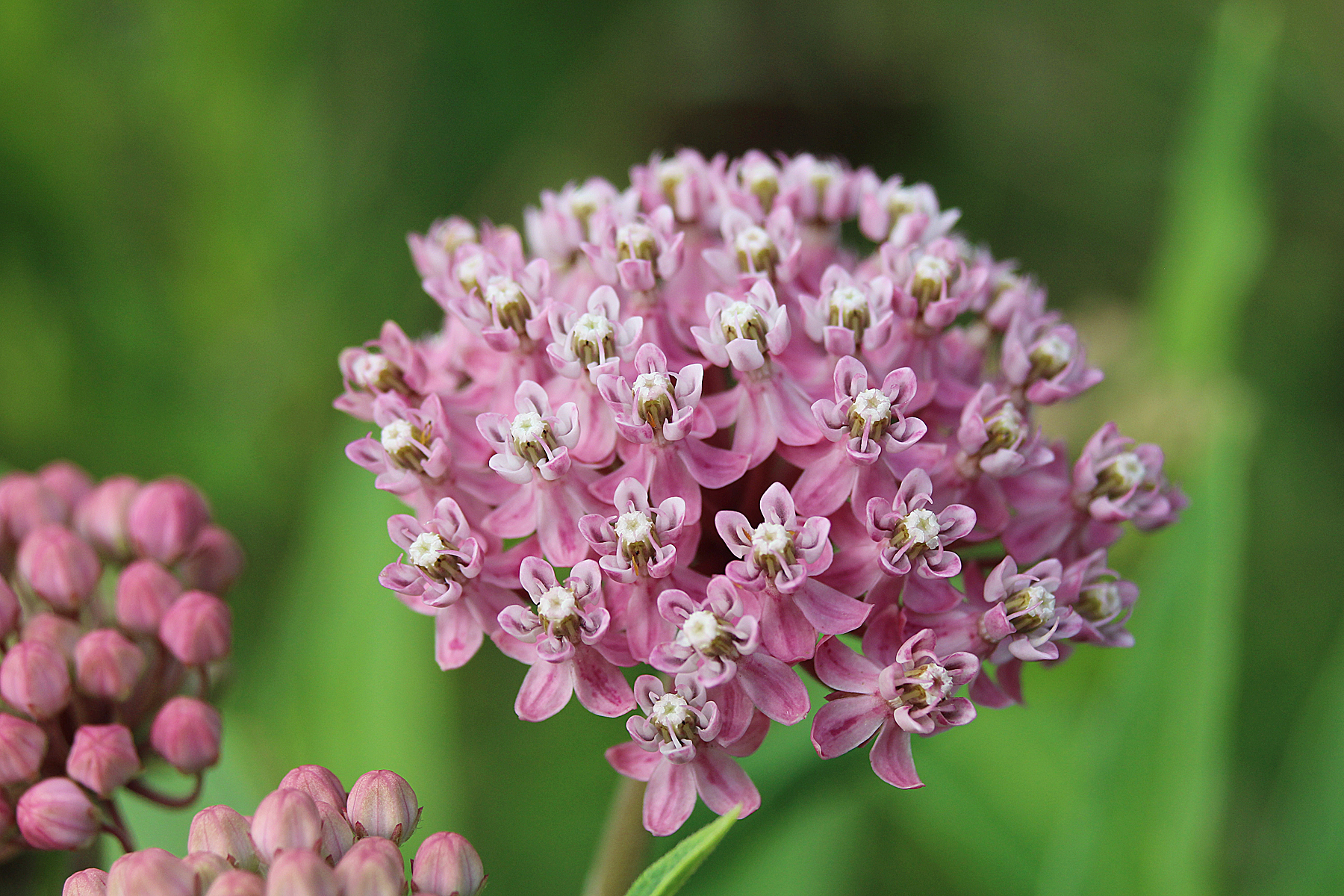
Photo by Chris Bosak Milkweed flowers bud in a meadow in Stamford, July 2015.

Photo by Chris Bosak
Milkweed flowers bud in a meadow in Stamford, July 2015.

Here’s my latest For the Birds column, which runs weekly in The Hour (Norwalk, CT) and The Keene Sentinel in New Hampshire.

Why do so many people consider milkweed a useless weed?

Perhaps because it is so prevalent (or at least used to be). Perhaps because it grows in vacant parking lots and in cracks in sidewalks. Perhaps because that’s what we’ve been told and trained to think all these years. Or it could be because is has the word ‘weed’ right in its name.

Whatever the reason it’s time to change the way we think about milkweed. Here are some quick facts about the beautiful and valuable plant:

Click here for the rest of the column.

Latest For the Birds column: Answering some more bird questions

Last week I addressed a question that was submitted to me by a reader. This week I’ll continue to draw inspiration from my readers and quickly address some more questions and comments that came my way.

One question regarded a one-legged hummingbird. A reader delighted in the antics of a group of hummingbirds at her feeder. As many as four hummingbirds were visiting at one time. The reader noticed that one of the birds had only a stump for a leg. So, can a one-legged hummingbird survive in the wild?

Before I answer that, just a quick note to say that things are not always as they appear. Many birds appear to have only one leg, but often either the leg is tucked away into the bird’s body or the angle from which you see the bird makes it look like it is missing a leg. Waders (herons, egrets), shorebirds and waterfowl often stand on one leg.

But in this case, since the reader saw a stump instead of a leg, it’s likely the bird did indeed have only one leg. Obviously it’s not ideal, but birds that spend most of their time either flying or perched in trees, such as songbirds and hummingbirds, can indeed survive in the wild. Their wings

Click here for the rest of the column

When is nesting season over?

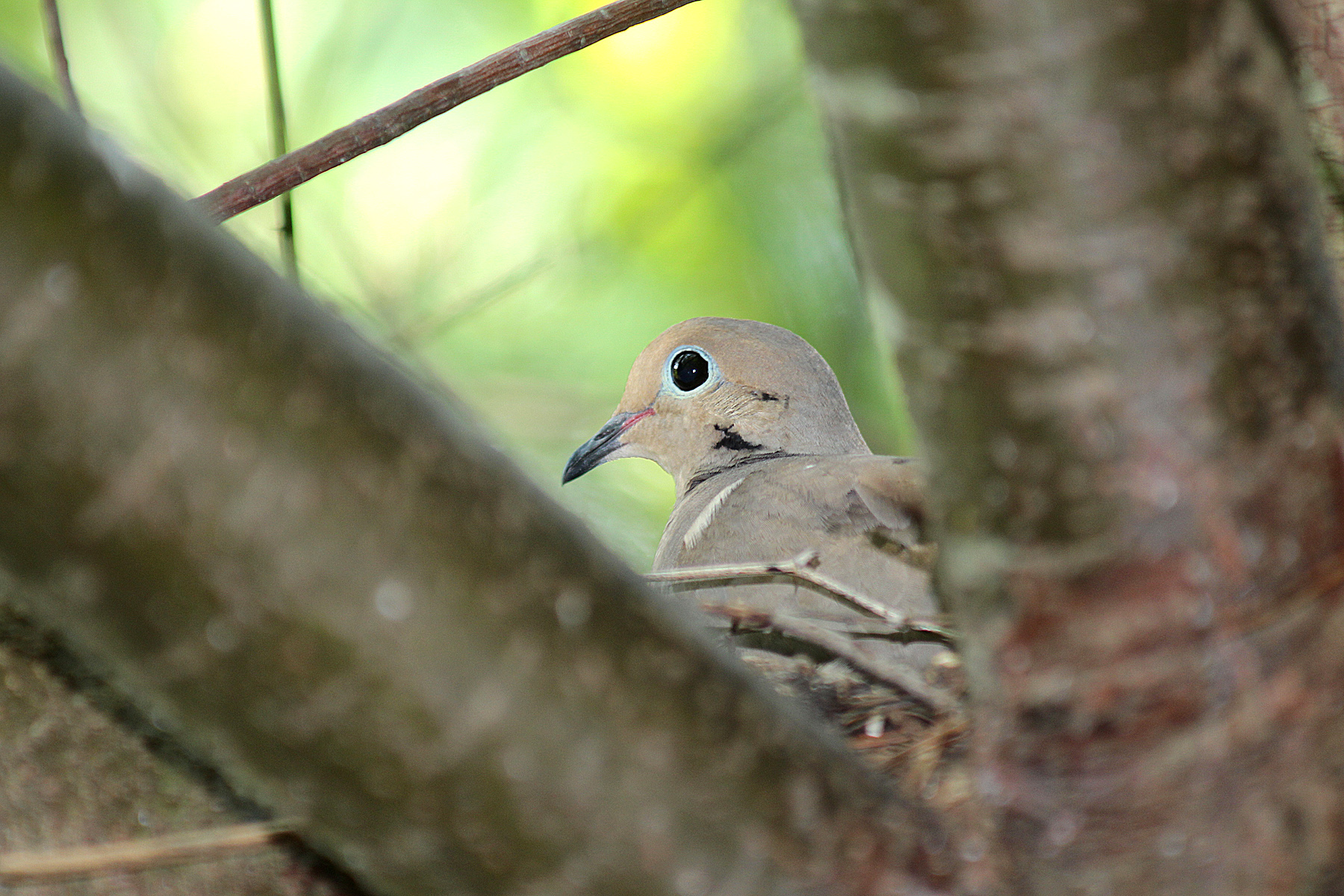
Photo by Chris Bosak A Mourning Dove sits on a nest in early July at Sellecks/Dunlap Woods in Darien.

Photo by Chris Bosak
A Mourning Dove sits on a nest in early July at Sellecks/Dunlap Woods in Darien.

Procrastinators rejoice. I’m going to give you an excuse to put off a few chores for another month or so.

Do you have trees on your property that need to come down? Bushes that need to be pruned? Perhaps a field or meadow that needs to be mowed?

Well, I’m not only giving you permission (not that you need that anyway) to hold off for a while, but urging you to do so.

An interesting email came my way this week from a New Hampshire couple. They had purchased property about 25 years ago that at the time was an abandoned Christmas tree lot. Most of the trees are now dead or dying and need to come down. The couple, to their credit, wants to make sure the nesting season is over before they go forward with any of the work.

So, just when is it safe to take down trees or cut fields that may house nesting birds?

There’s no exact date, of course. In general, though,

Click here for the rest of the article …

For the Birds Column: Difference between Snowy and Great Egrets

Photo by Chris Bosak A Snowy Egret looks for food in Norwalk Harbor.

Photo by Chris Bosak
A Snowy Egret looks for food in Norwalk Harbor.

Here’s my latest For the Birds column, which describes the differences between Snowy Egrets and Great Egrets. For the Birds runs each week in the daily newspapers of Norwalk, Conn., and Keene, N.H. If you are out of those areas, tell your local newspaper about For the Birds and perhaps the column can get up and running there, too.

Here’s the column:

There are not many birds out there that have feet a different color than their legs.

From the top of their legs to the bottom of their “toes,” most birds are uniform in color. With many birds, such as songbirds and small shorebirds, the topic is fairly insignificant because their legs and feet are so small and rarely seen Continue reading

How do birds know when a new feeder is out?

Here’s my latest For the Birds Column, which runs weekly in The Hour (Norwalk, Conn.) and The Keene (N.H.) Sentinel:

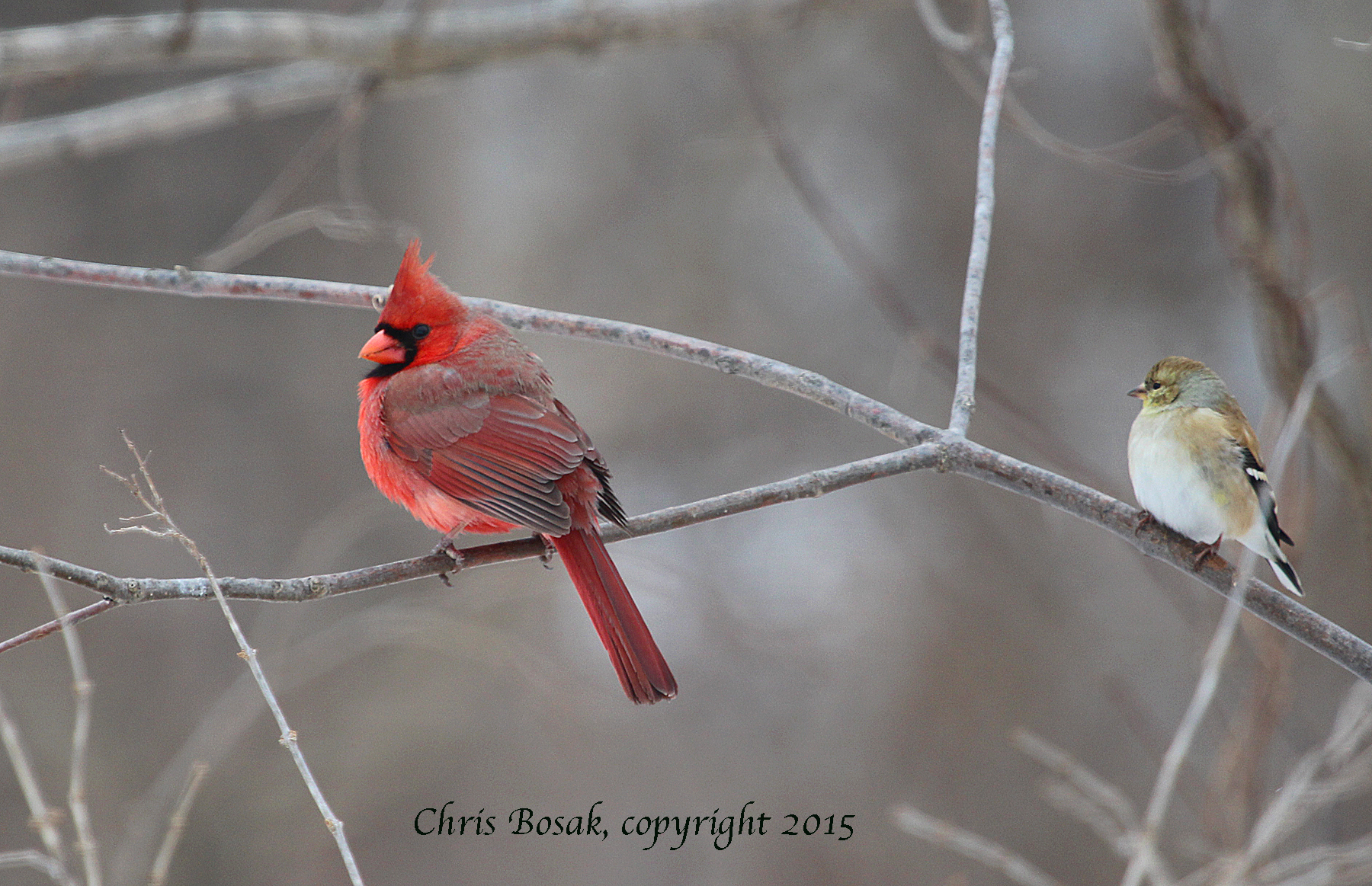
Photo by Chris Bosak A Northern Cardinal, left, and an American Goldfinch perch in a tree near a feeding station at Cove Island Wildlife Sanctuary in Stamford, Conn., in March 2015.

Photo by Chris Bosak
A Northern Cardinal, left, and an American Goldfinch perch in a tree near a feeding station at Cove Island Wildlife Sanctuary in Stamford, Conn., in March 2015.


An interesting question came my way via email the other day. It came from a long-time Norwalk resident who wondered how the goldfinches in her yard knew that she suddenly switched to Nyjer seed. She had never seen goldfinches before at her feeders, but when she put up a sock feeder filled with the small, black seeds, the goldfinches came within one day.

“How did they know? Are they sock experts? Do they have X-Ray eyes that could penetrate the sock and see the thistle? Does thistle smell so they could sniff a trail? Do they have scouts always watching every yard?”

Great question. As a quick aside, what is commonly referred to as thistle seed is really either niger or the trademarked name Nyjer seed.

Whatever you call it, how do the birds know it’s there? Common sense may dictate that they smell it. How else could they know? But most birds, including our favorite backyard birds, have a poor sense of smell. Also, the seeds are largely odorless so even if the birds did have a strong sense of smell, it’s unlikely they’d be able to pick up the scent anyway. It’s not like a neighbor barbecuing chicken on a breezy day. The most likely scenario is that the birds saw the new feeder and recognized it — probably from past experience — as a food source. American Goldfinches are very nomadic  …

Read the rest of the column here.