Gardening with Melinda: Grow a High Yield Vegetable Garden This Season

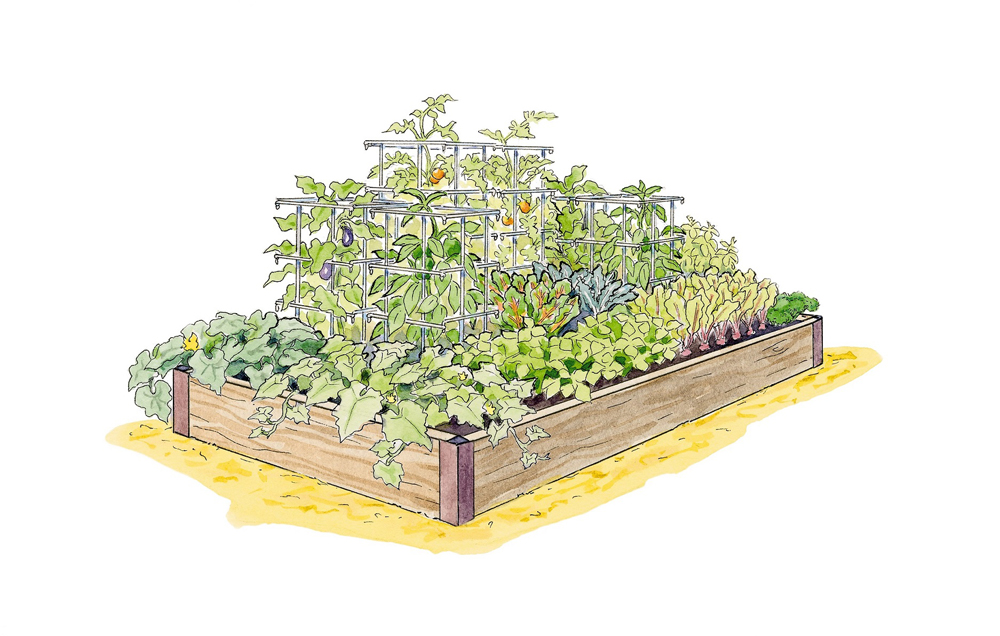
Image by Gardener’s Supply Company he High Yield Vegetable Garden Plan enables gardeners to grow more than 50 pounds of produce in only 18 square feet of space.

Image by Gardener’s Supply Company
he High Yield Vegetable Garden Plan enables gardeners to grow more than 50 pounds of produce in only 18 square feet of space.

By Melinda Myers

Spend less time and money while growing a bounty of flavorful vegetables this growing season. Increase your harvest, even in small garden spaces, with proper planning and easy care, high yielding vegetables.

A productive garden starts with a plan, but choosing the best vegetables to grow and where to plant them can be overwhelming.

You can break out the graph paper and pencils to design your garden or turn to technology for help. Many websites and apps provide ready-to-use garden plans or planning guidelines. Gardener’s Supply (gardeners.com) offers free pre-planned gardens that do the planning for you.  Reduce maintenance by Continue reading

Gardening: Bring in the birds this winter

Photo credit – Gardener’s Supply Company

Photo credit – Gardener’s Supply Company

By Melinda Myers

Brighten your winter days by inviting birds into your landscape. Their beauty and motion help enliven the garden and lighten your spirit. Not only do they provide entertainment, but also an opportunity for all ages to stay involved with nature year-round.

Increase the number of visitors to your yard by including all the essentials these winged visitors need; food, shelter and water.

Plants are the easiest way to bring birds into your landscape. These natural feeders provide seasonal food and shelter for the birds. Take a walk through your yard and look for trees, shrubs and perennials that provide food and evergreens that provide year-round shelter.  Plan on adding a few of their favorites that provide food and shelter and seasonal beauty you can enjoy. Continue reading

Gardening: Add some eye candy to your garden this fall

Photo credit: Longfield Gardens Dutch Master daffodils, Involve tulips and Muscari provide several layers of color in the garden.

Photo credit: Longfield Gardens
Dutch Master daffodils, Involve tulips and Muscari provide several layers of color in the garden.

By Melinda Myers
Shorten the winter season with the help of spring flowering bulbs that you plant in fall. These beauties often provide the first bit of color, fragrance and winter relief each year.

Look for new and unique ways to incorporate bulbs into your landscape. Create a seasonal water feature with a river of blue scillas and grape hyacinths meandering through the garden. Welcome visitors with a front door or walkway garden that blooms from early spring through early summer and is loaded with crocus, tulips, daffodils and allium.

Don’t overlook those shady spots. Many of these locations provide enough early season sun, before the trees leaf out, for bulbs to grow and flower. Use more shade tolerant spring bloomers like snowdrops, grape hyacinths, scillas, anemones, daffodils, fritillarias and Camassias in shady areas among hostas, ferns and other shade tolerant perennials.

Whether you’re new or experienced, growing bulbs is an easy endeavor. Just follow these simple steps to a beautiful spring garden.

Selection

Purchase bulbs that are dense and firm, and free of bruises or mold. Shop early for the best selection. Mail order sources will ship your Continue reading

Gardening: Turn Yard Waste into Gardener’s Gold – Compost

Another column by Melinda Myers, well-known gardening and columnist: 

Gardener’s Supply Company Tumbler composters are great for small spaces and make loading, unloading and turning much easier.

Gardener’s Supply Company
Tumbler composters are great for small spaces and make loading, unloading and turning much easier.

Save time and money by turning landscape trimmings into a valuable soil amendment.

The idea is simple, just collect disease- and insect-free plant debris into a heap and let it decompose into a fine, nutrient rich material that helps improve the soil. Don’t add meat, dairy, invasive plants, weeds that have gone to seed or perennial weeds that can take root and grow in your compost pile.

Speed things up by layering yard waste with soil or compost, adding a bit of fertilizer to each layer and moistening to a consistency of a damp sponge. Further speed up the process by making the pile at least three-feet tall and wide.

Turn the pile as time allows, moving the more decomposed materials from the center to the outside of the pile. It’s a great work out and speeds up the decomposition. The more effort you put into composting the sooner you have rich organic matter for your garden.

Build the pile in a location that is convenient for adding raw materials and harvesting the finished compost. Consider placing the pile near a water source to make moistening the pile easier.  Avoid poorly drained locations that may lead to the pile of compost becoming waterlogged.  Soggy materials break down more slowly and may smell.   Continue reading

New garden feature at www.BirdsofNewEngland.com

https://birdsofnewengland.com/wp-content/uploads/2016/09/fawn.jpg

Photo by Melinda Myers, LLC
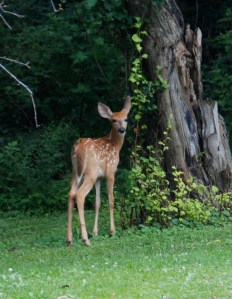
Deer damage can be devastating to vegetable and flower gardens, making fencing, repellents and other tactics essential.

I’m happy to introduce a new feature and page for http://www.BirdsofNewEngland.com

It’s a garden column from Melinda Myers, a well-known gardener and columnist. I have read her garden column in Birds and Blooms for years. Her columns will appear from time to time with permission on http://www.BirdsofNewEngland.com.

Here’s the first one. I hope you enjoy this occasional series.

Five Ways to Protect Your Garden from the Deer
By Melinda Myers

Don’t let your vegetable and fall flower gardens succumb to hungry deer. Even if you’re lucky enough to be deer-free now, be vigilant and prepared to prevent damage as these beautiful creatures move into your landscape to dine. Here are five tactics to help you in the battle against these hungry animals.

Fencing is the best, though not always practical, way to control deer. Install a 4- to 5-foot-high fence around small garden areas. This is usually enough to keep out deer that seem to avoid small confined spaces.  The larger the area, the more likely deer will enter. Some gardeners report success surrounding their garden or landscape with strands of fishing line set at 12” and 36” above the ground.

Low voltage electric fencing or posts baited with a deer repellent are also options. Just be sure to check with your local municipality before installing this type of fencing.

Scare tactics are less effective on deer in urban environments. They are used to human scents and sounds. Many gardeners report success with motion sensor sprinklers. As the deer passes in front of the motion sensor it starts the sprinkler and sends them running. Just be sure to turn off the sprinkler when you go out to garden.

Repellents that make plants taste or smell bad to deer can also help.  You will find products containing things like garlic, hot pepper oil, and predator urine.  Apply them before the animals start feeding for the best results. And reapply as directed on the label. Look for products like Deer Ban (summitchemical.com) that are easy to apply, odorless and last a long time.

Include deer resistant plants whenever possible. Even though no plant is one hundred percent deer-proof, there are those the deer are less likely to eat. Include plants rated as rarely or seldom damaged by deer.  And be sure to provide additional protection if you include plants known to be frequently or severely damaged.

Constantly monitor and evaluate the effectiveness of the methods used.  Deer often change their feeding location and preferred food. And if the populations are high and the deer are hungry, they will eat just about anything. Be willing to change things up if one method is not working. Using multiple tactics will help increase your level of success.

So don’t let hungry deer stop you from gardening.  Be vigilant and persistent and send them elsewhere to dine.

Gardening expert Melinda Myers has more than 30 years of horticulture experience and has written over 20 gardening books, including  Small Space Gardening  and the  Midwest Gardener’s Handbook . She hosts The Great Courses “How to Grow Anything:  Food Gardening For Everyone ” DVD set  and the nationally syndicated  Melinda’s Garden Moment  TV & radio segments. Myers is a columnist and contributing editor for  Birds & Blooms  magazine and was commissioned by Summit Responsible Solutions for her expertise to write this article. Myers’ website is www.melindamyers.com.