
Snow has been scarce so far in southern New England (not that I’m complaining), so when it does snow I make sure to have the feeders filled and the camera handy.



Snow has been scarce so far in southern New England (not that I’m complaining), so when it does snow I make sure to have the feeders filled and the camera handy.

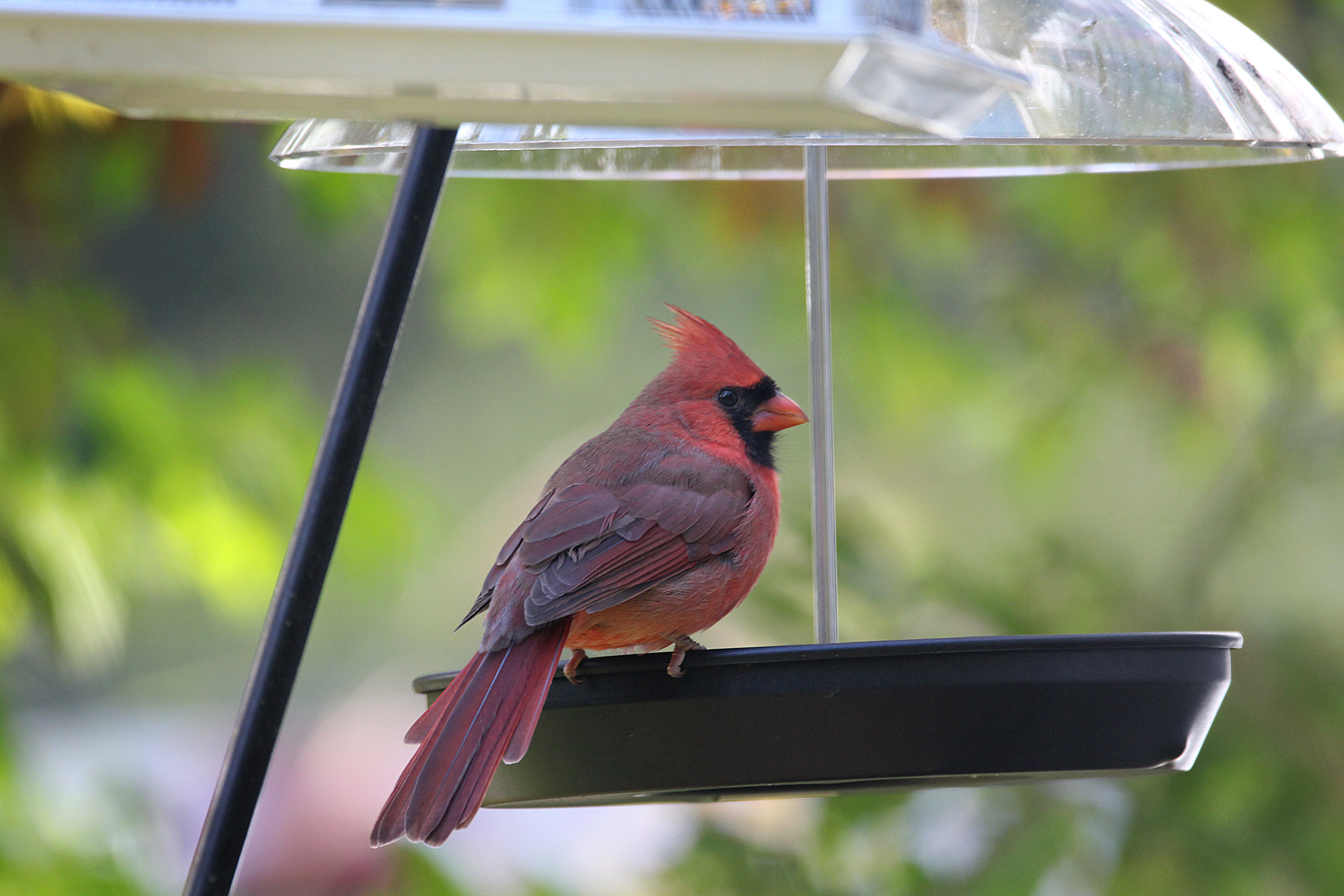
I recently received two Kingsyard brand feeders, and they are bringing in the birds at a pretty good clip. I like the platform feeder (seen above) for its partial dome cover. The cover keeps the rain out of the tray, which was a problem I had with my previous platform feeder. Birds don’t like wet, soggy seeds.
The other feeder is shaped like a house and looks nice hanging on the hook whether there are birds on it or not. Of course, it looks better when birds are on it. I also like that it has three separate chambers for the food so you can offer a mix of seeds and other foods, such as mealworms.
I’m looking forward to seeing what birds will show up over the course of the winter. #kingsyard

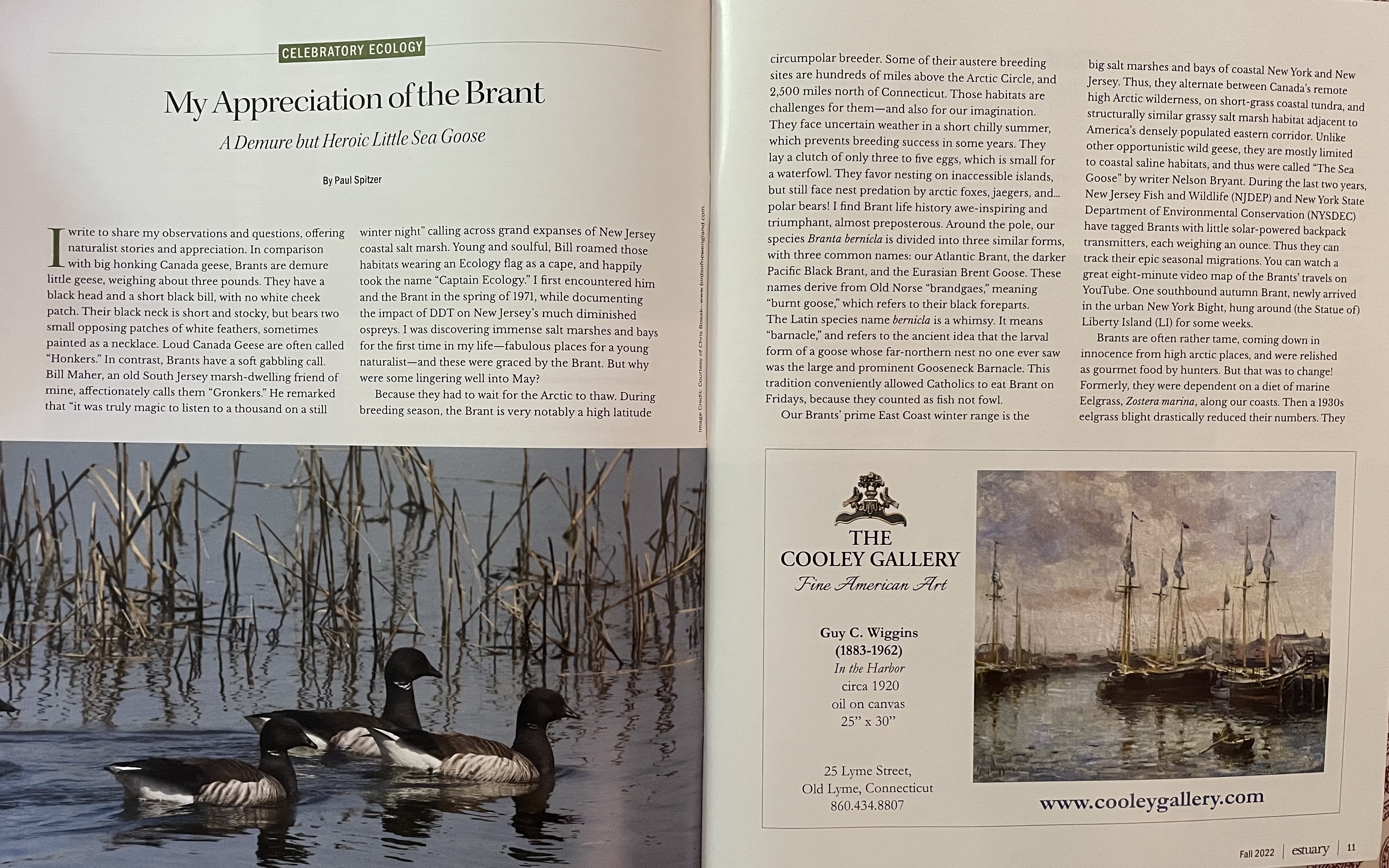
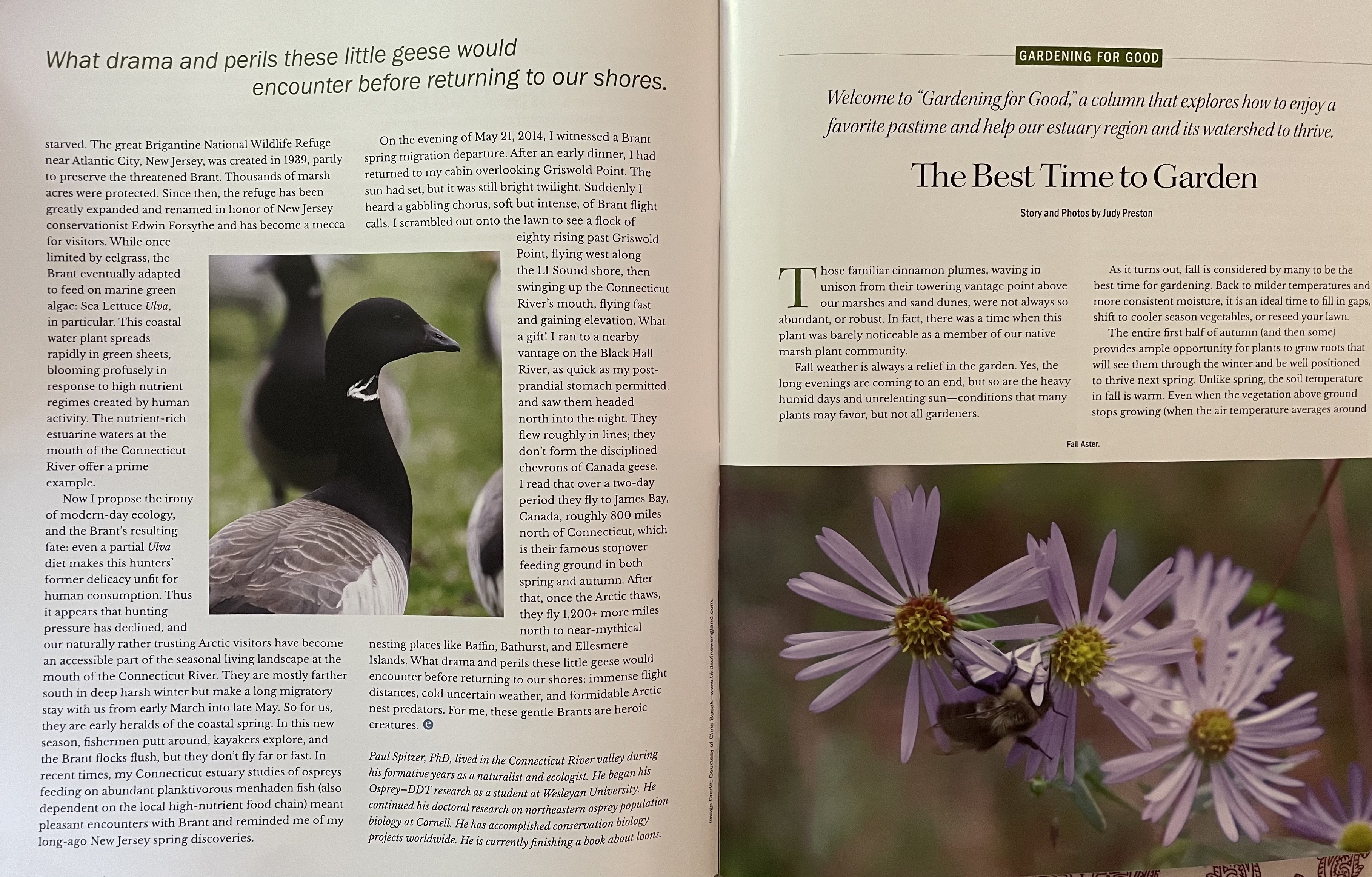
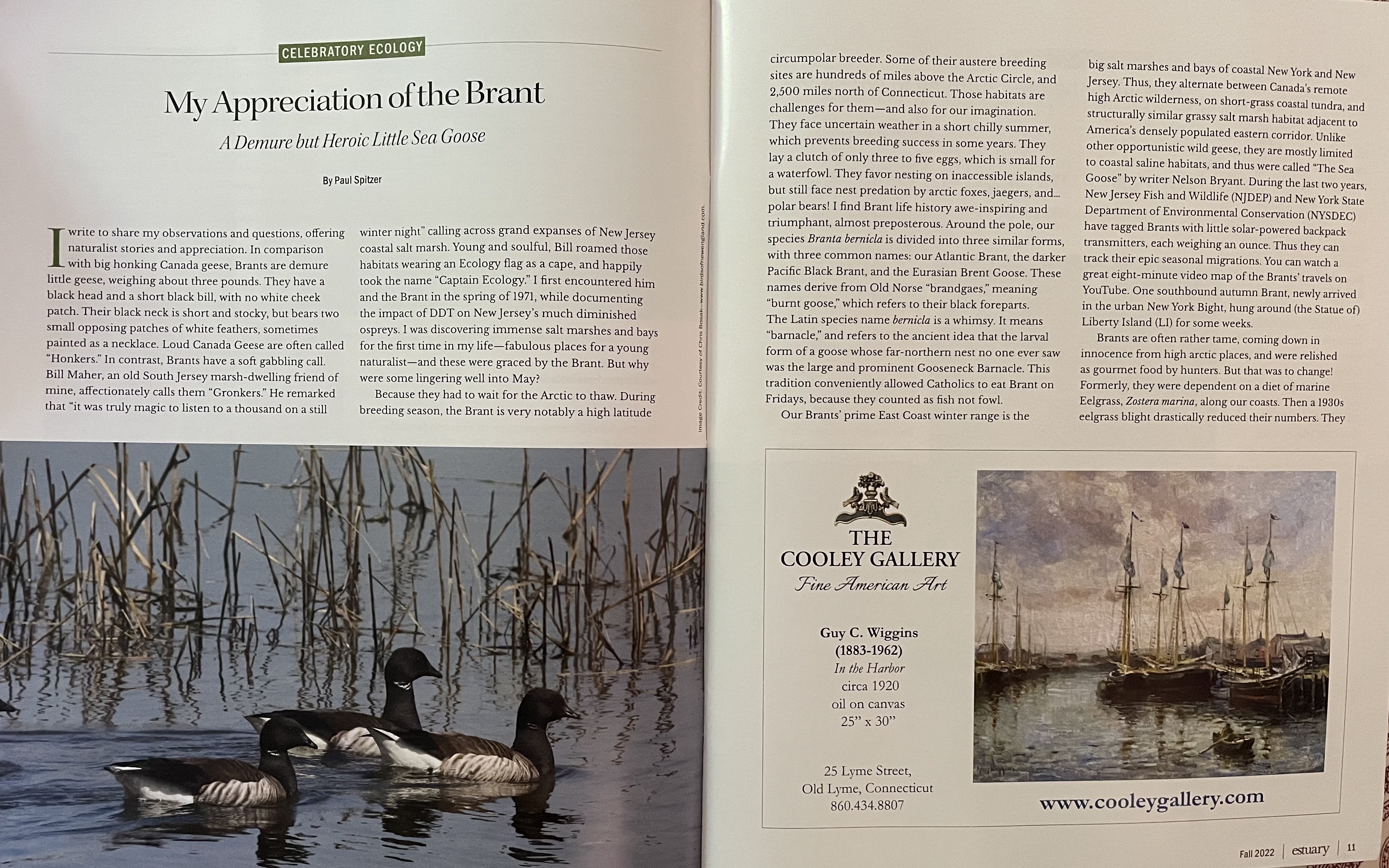
Two of my brant photos were published in the latest issue of Estuary magazine, which is dedicated to “Life on the Connecticut River.”
The magazine is quite impressive in quality and full of interesting information about the river.
Its website may be found here.
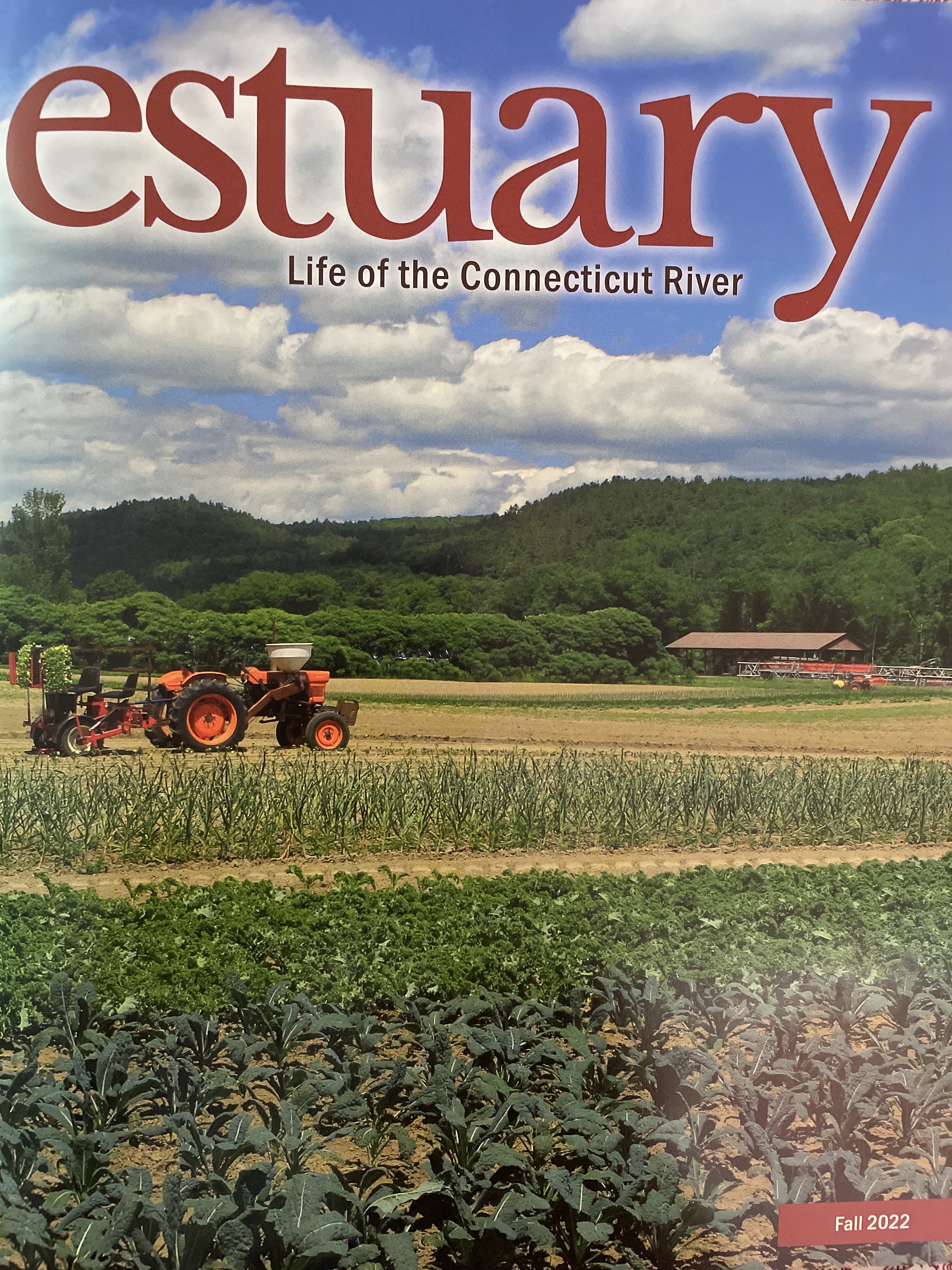
Here’s the latest cover.
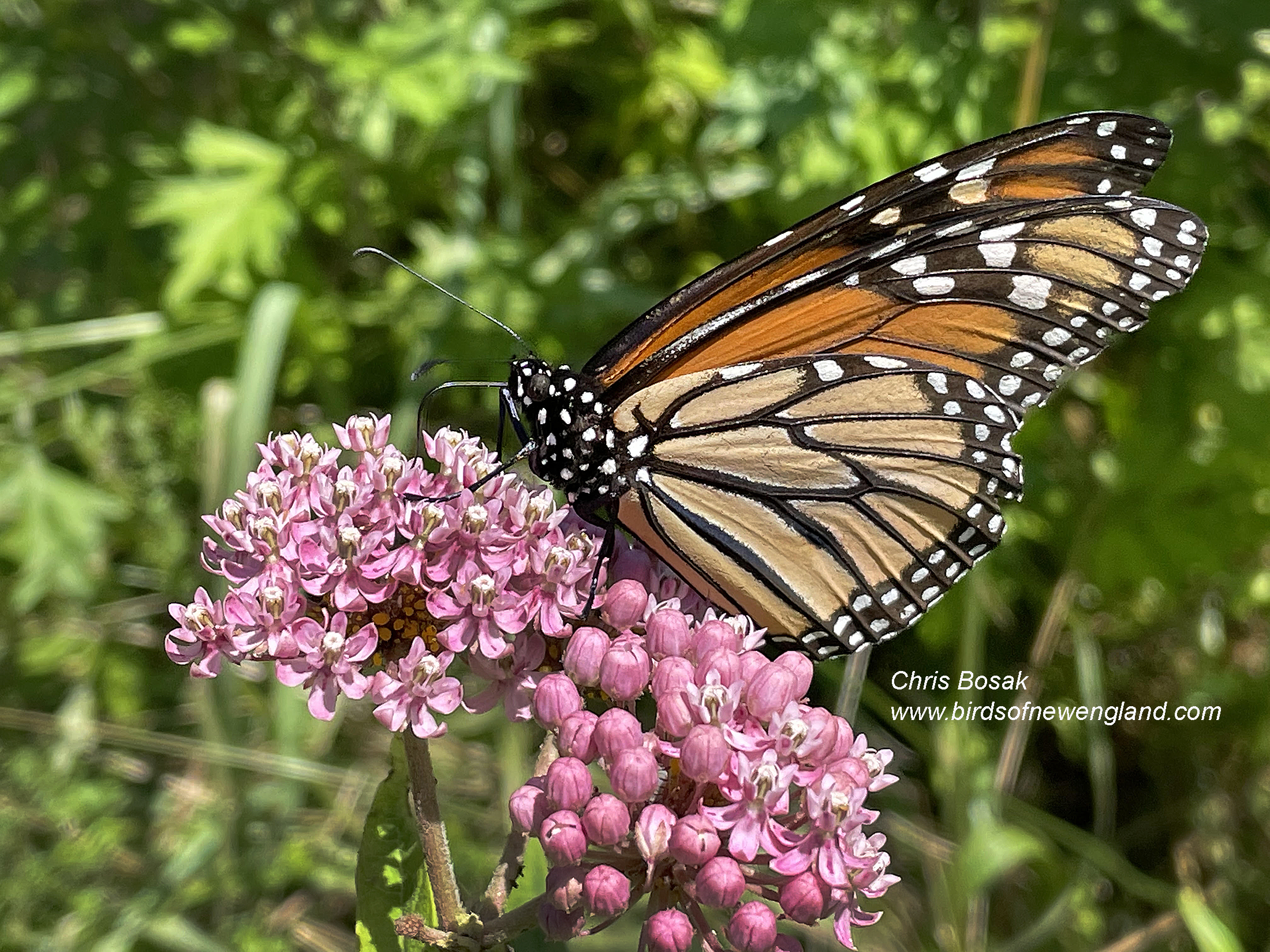
Monarchs and milkweed are a natural combination. This butterfly stayed put as I walked by, so I figured I’d take out the phone the grab a shot.
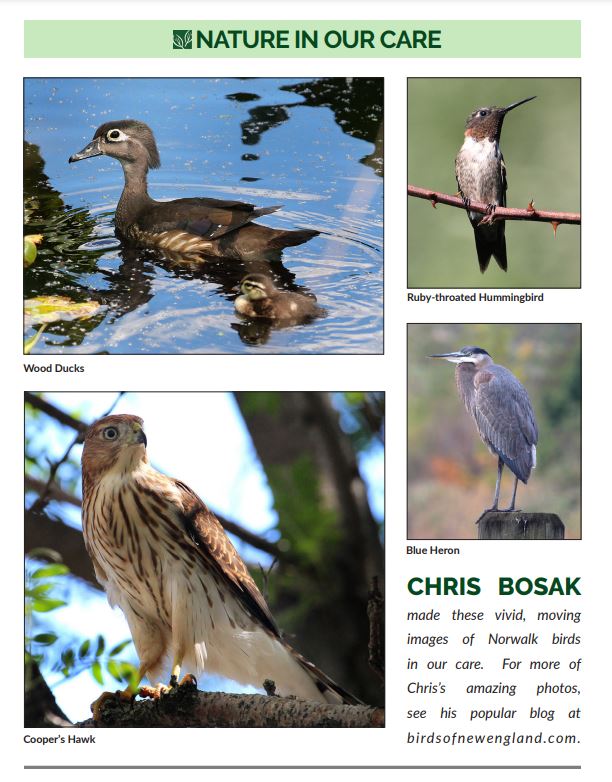
Some of my bird photographs were featured in the latest issue of the Norwalk (CT) Land Trust’s newsletter. I am a big supporter of all land trusts and have a special affinity for the ones in Norwalk and Darien, Connecticut.
Happy Fourth of July from BirdsofNewEngland.com!


It may be early in the summer season, but it seems like a good time to prepare for the hot days ahead.
Here are some things you can do to protect and help birds this summer:
Feeding hummingbirds is one of the great joys of summer in New England. No matter how many times they have visited already, it is always a thrill to see one land on your feeder, or better yet, feed from flowers planted in your yard. It is important, however, to keep the sugar water fresh and the feeder clean.
Sugar water should be changed every couple of days during hot weather. It can be a bit cumbersome, I know, but it is worth the effort as it keeps the birds happy and safe. Also, sugar water should be made with four parts water and one part sugar, and that’s it. No red dye. It’s unnecessary and potentially harmful to the tiny birds.
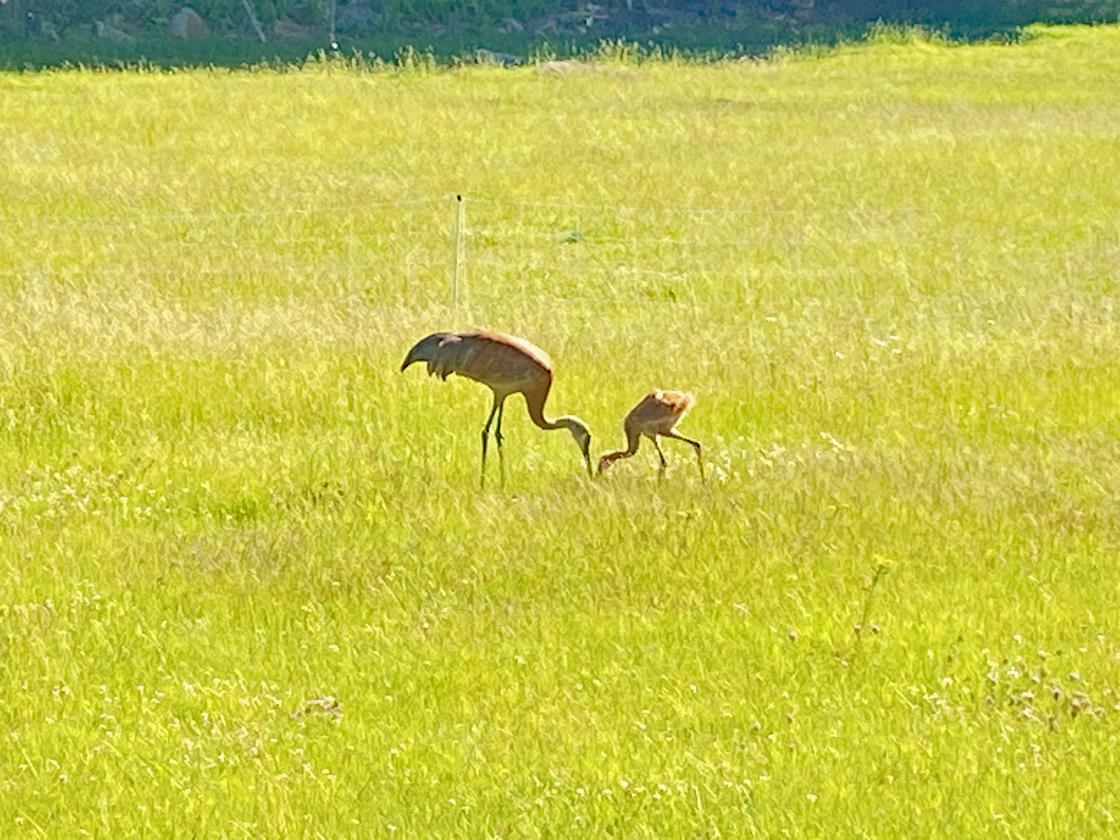
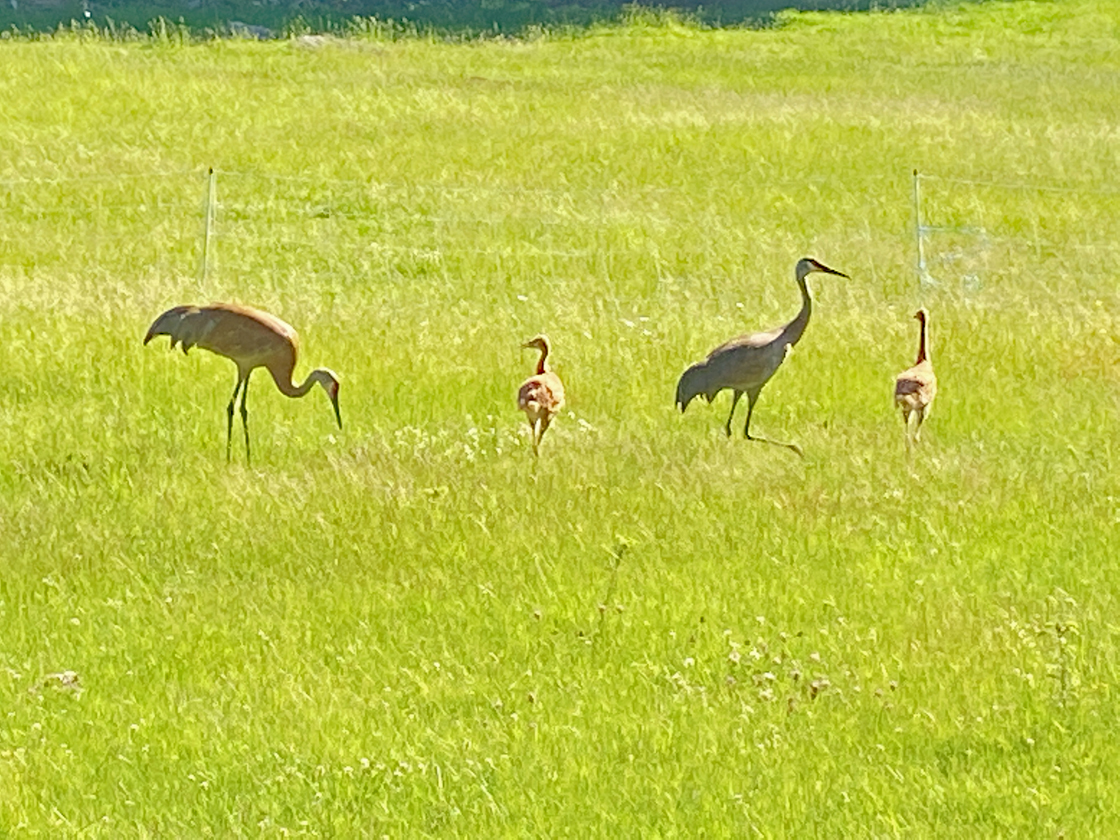
Kevin Peters sent in these terrific photos of a sandhill crane family he saw last week (mid-June 2022) east of Plainfield, Massachusetts. I’ll add these to the Reader Submitted Photos page on this site, but I thought sandhill cranes in New England warranted a post of its own. According to eBird reports, other people have reported sandhill crane sightings in the Berkshire region this year. Numerous sources say sandhill crane sightings are increasing in New England. Definitely something to keep an eye on. Thanks for the photos Kevin!
Baby Robin Eric and I
by James G. Smart
On the morning of July 1, this year (2021), I walked out between our screened-in porch and a row of arbor vitae trees. I saw a cute little toad. Ah, how nice I thought. Not far from the toad was a bigger surprise—a baby robin, looking cold and afraid. We had had a strong wind storm the night before and I saw where the robin’s nest was overturned. I ran to my wife, Eleanore, and asked “Should we let nature take its course”? Or should we rescue the baby robin, knowing full well, we would rescue the baby robin.
Thus began the story of Eric. I decided to name him after Leif Erickson, the ancient traveler and wanderer. Eleanore thought I should be sole parent realizing his diet had to be consistent and that live worms would soon be his main diet.
Eleanore fixed up a nice cardboard box for him padded with paper towels. I returned outside and picked him up. He had no feathers on his rump. It was just red skin with hair on it. His little feet felt uncomfortable on my hand, a sensation I had never had before. Of course he has scratchy feet I said to myself—he’s a bird! I placed him in the box, went to the kitchen in search of food, found some blue berries and some leftover cooked farina. That was his first diet in his new home. He was so anxious to eat, it was hard to feed him. He yakked so much his bill often knocked the food out of my fingers. But he got enough.
 Birds of New England.com