For the Birds: Choose the binoculars that best your individual needs

Photo by Chris Bosak A Scarlet Tanager sings in a tree in Danbury, Conn., July 2016.

It’s hard to know who or what to believe anymore. One news channel will tell you one thing and the rival channel will tell you the opposite.

Sometimes, things you see with your own eyes are denied or distorted by the media or politicians. I believe that is called gaslighting, but I’m not entirely sure what that recently overused phrase actually means. Again, people seem to have different opinions on how to use the term.

It comes down to trusting your own instincts. The internet, the major source of “news” for so many people these days, is littered with opinions masquerading as facts.

I kept seeing a click-bait ad showing a banana with the text saying something along the lines of “these are the top 10 foods to avoid.” Are bananas bad for you? I asked myself. I did an internet search to find the “facts” and was amused with the results. Of the 10 stories that came up on the first page of the search, five said bananas were good for you and five said they were bad for you. (I think the argument against bananas is that they are high in sugars. The banana positive articles highlighted the vitamins and minerals in the fruit.)

Continue reading

For the Birds: An owl experience to remember

Photo by Chris Bosak A young Barred Owl rests on a branch in Danbury, Conn., spring 2016.

Owls have always been somewhat of a blind spot for me in terms of finding birds. I love owls (who doesn’t?) and spend inordinate amounts of time in their habitat, but rarely do I see these mystical birds.

It’s not that I never see them. I’ve seen the occasional barred owl and a few great-horned owls in my day, and even snowy owls a handful of times, but the sightings are few and far between.

There was a winter a few years back when everyone was seeing barred owls. I was able to see a few during that spurt. Remember the “winter of the snowy owl?” The Arctic birds were showing up everywhere along the coast and even inland. I saw three snowy owls that winter. Then there was the great gray owl that delighted birders in Newport in 2017. I saw that one too. Under “normal” circumstances, however, my owl sightings are rare.

With my actual owl sightings at a minimum, I was happy to vicariously experience a neat owl experience relayed to me by Mary Ellen of Keene. Mind you, she and her family live not far from downtown Keene.

Continue reading

Happy Fourth of July from BirdsofNewEngland

Happy Fourth of July everyone. Thanks for your support of http://www.birdsofnewengland.com

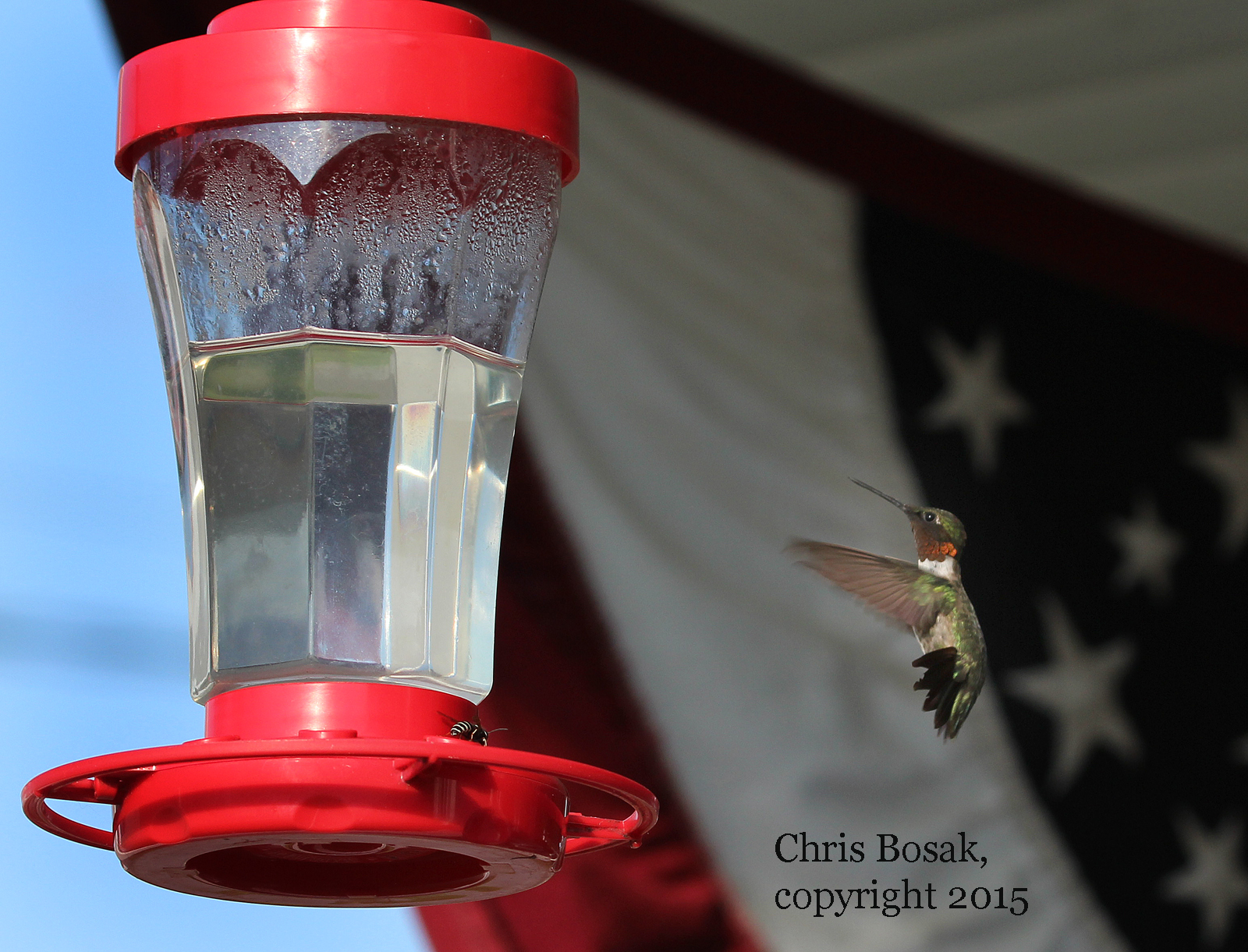
Ruby-throated Hummingbird at Errol Hotel in Errol, NH.
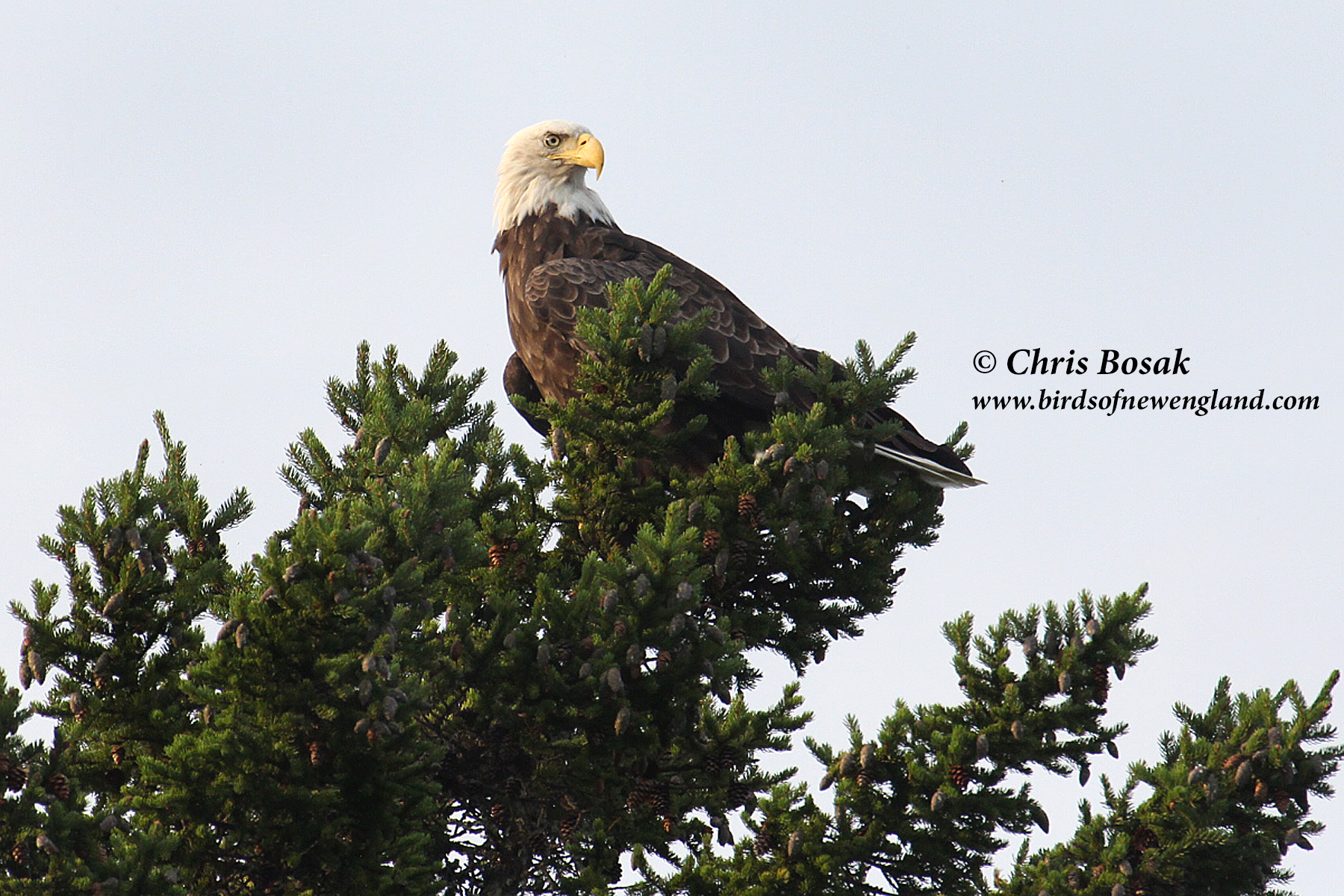
Photo by Chris Bosak A bald eagle looks over a lake in northern New Hampshire, July 2020.

Fritillary cooperates for photo

Photo by Chris Bosak

This meadow fritillary was nice enough to sit still for an iPhone photo during this evening’s walk, so I figured I may as well post it.

For the Birds: Blue jays need to eat too

Photo by Chris Bosak A blue jay perches on a branch in New England.

It’s no secret that Facebook is rife with links to a lot of really dumb articles. Many of the links are either clickbait or gateways to completely useless drivel. 

I learned a long time ago to not even bother clicking on the links because they inevitably lead to disappointment. But, I came across an article on Facebook the other day that I just had to click on. The headline for the post read, “Why You Should Avoid Inviting Blue Jays into Your Yard.”

I know some people have issues with blue jays, but I had never seen an article devoted to keeping blue jays out of people’s backyards. I’ve seen plenty of articles on how to keep squirrels, bears, house sparrows and grackles away from feeders, but never blue jays.

Blue Jays are strikingly beautiful birds and native to the U.S. Why would anyone want to keep blue jays away from feeders?

Continue reading

Rose-breasted grosbeak after meal

Photo by Chris Bosak – A rose-breasted grosbeak perches on a branch after eating berries, spring 2024 New England.

This male rose-breasted grosbeak must have just finished eating berries. It must be hard to eat and not make a mess with a bill like that.

A few more veery shots

Photo by Chris Bosak – Veery in New England, May 2024.

Here are a few more shots of the veery I encountered on a recent walk in New England. Here is the original For the Birds post.

Photo by Chris Bosak – Veery in New England, May 2024.

Catbirds delight

Photo by Chris Bosak – Gray catbird, May 2024, New England.

Catbirds always brighten up a spring, summer or fall walk. Here’s a brave one I came across singing his heart out a few weeks ago.


Photo by Chris Bosak – Gray catbird, May 2024, New England.

Incidentals about on bird walks

Photo by Chris Bosak – A squirrel finds a meal in New England, May 2024.

Birds aren’t the only animals you encounter during walks in the woods in New England. Squirrels, including red and gray, are a common “incidental” sightings.

Photo by Chris Bosak – A squirrel finds a meal in New England, May 2024.

For the Birds: Strong kick off to spring migration

Photo by Chris Bosak – Field sparrow sings from perch, New England, April 2024.

Note: This article was originally published in early May and the story is based on a walk taken on April 29.

It was one of those “quick walks” that ended up being a three-hour birding journey.

I hit the trail shortly after sunrise and was immediately greeted by the awesome cacophony of bird sounds that can only happen during spring migration. The loud voices of cardinals, robins, and Carolina wrens were the dominant sounds. American crows cawed in the distance and red-winged blackbirds belted out their “conk-a-ree” songs from a nearby field. That was all good stuff, of course, but the real auditory treats came from birds with less conspicuous songs.

The softer calls of field sparrows and savannah sparrows emanated from the field, and a high-pitched, nearly inaudible, song came from the top of a maple tree near the parking lot.

It was a warbler, but which one? Since it was the beginning of spring migration and my warbler song identification skills are rusty, it took me a few seconds to realize it was a prairie warbler singing up there.

Continue reading