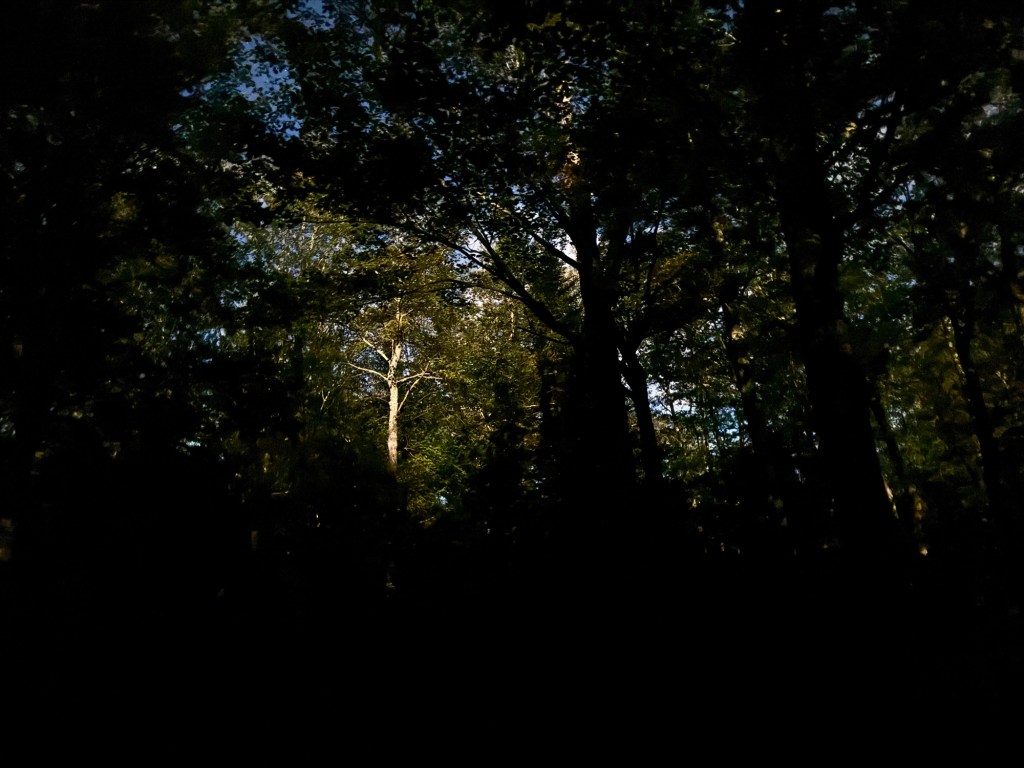
That’s not a spotlight, that’s the moon rising over the opposite tree line. It’s otherwise pitch dark. Pillsbury State Park, NH.
That’s not a spotlight, that’s the moon rising over the opposite tree line. It’s otherwise pitch dark. Pillsbury State Park, NH.
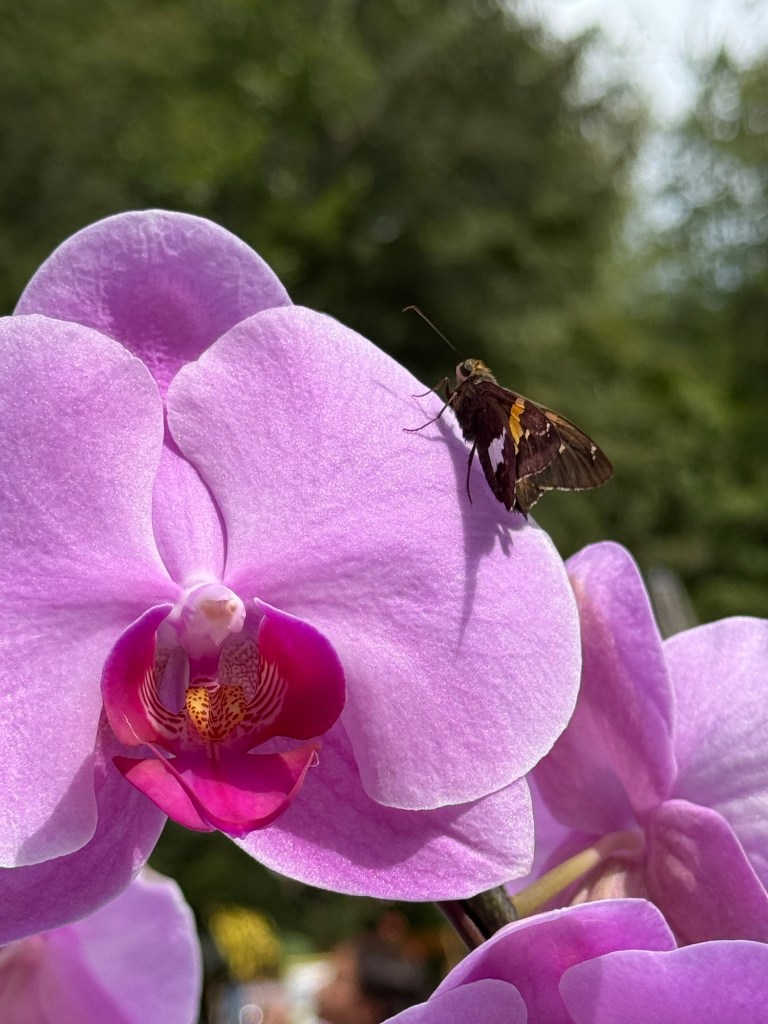
I saw this skipper on an orchid at an event this morning. Thought it looked cool, so figured I’d share it.
I’ve written about a lot of different types of birds over the last 30 years. There are some birds I’ve likely written about hundreds of times, and some only a handful of times.
If I searched my “For the Birds” folder for chickadee, robin or woodpecker, I’d get hundreds of hits. If I searched for vireo or flycatcher, I’d get far fewer hits, but still a decent amount.
There’s one bird family found in New England I’m not sure I’ve ever written about or even mentioned within a column. It’s the rail family. Rails are small to medium-sized chicken-like birds of the marshes. The reasons I haven’t written about them before are fairly obvious: rails are not very common, live in a habitat that is difficult for humans to traverse and are extremely secretive.
New England has a few members of the rail family. Virginia rail is the most common and the one most likely to be seen in New Hampshire. Sora is the other most likely candidate in New Hampshire. Clapper rails may be found along the coastal regions of New England.
There are also yellow rails, black rails and king rails found in New England, but they are rarely seen. Virginia rail is the best bet, but even that is a chore.
Continue reading
Answering a few questions from readers:
John from Swanzey asked a few weeks ago when it is safe to prune bushes and hedges so as not to disturb any birds that might be nesting there. It’s a great question and one that is not as easily answered as one may think.
Spring and early summer are obviously not good times, as many of our songbirds use this type of habitat for nesting. Robins, doves, blue jays and catbirds immediately come to mind as they are common backyard birds in New England. Many other birds, such as yellow warblers and American redstarts, use shrubby areas for nesting as well, although they tend to use more wild areas rather than backyard bushes.
But what about mid and late summer? It should be safe then, right? Not necessarily.
Continue reading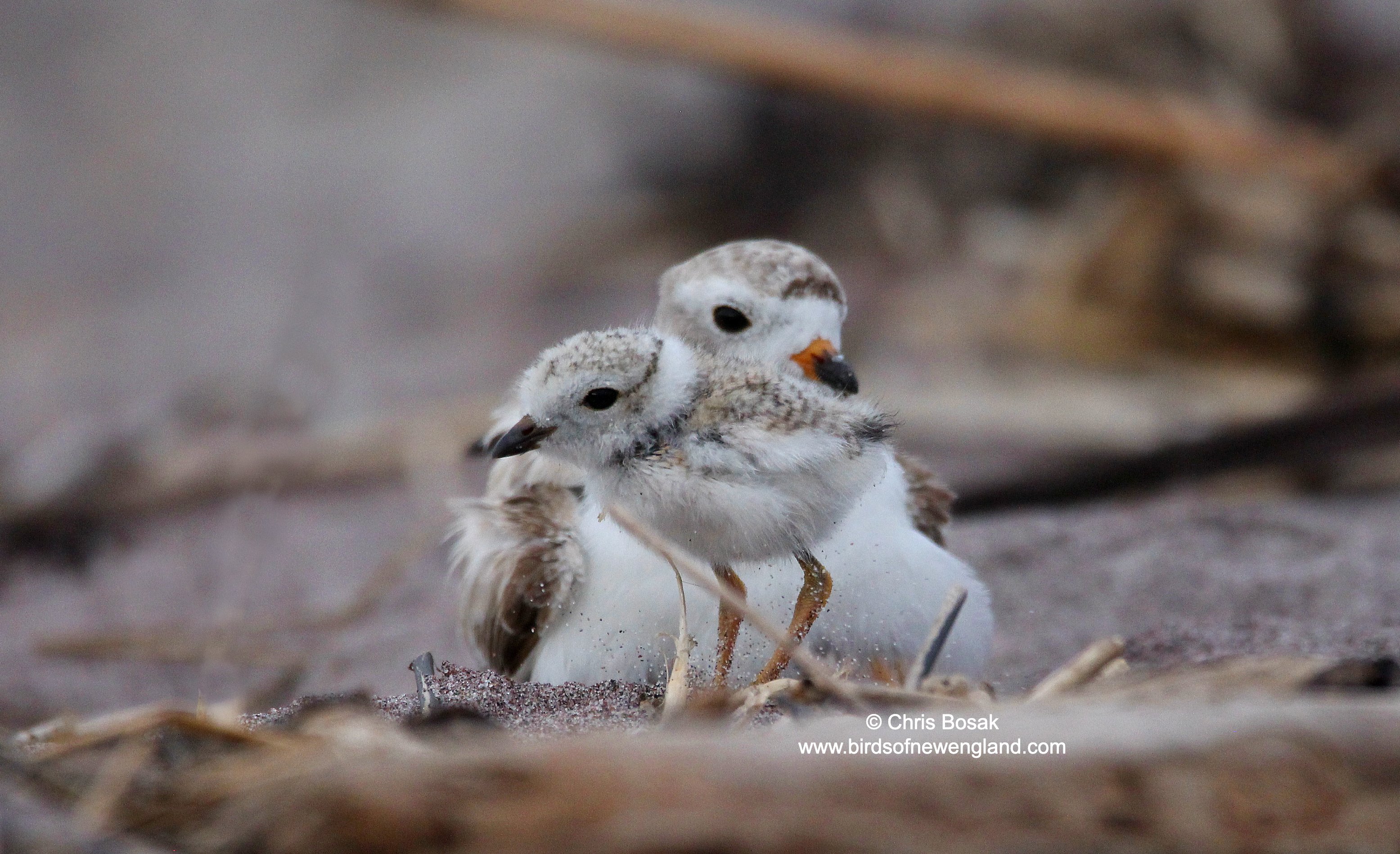
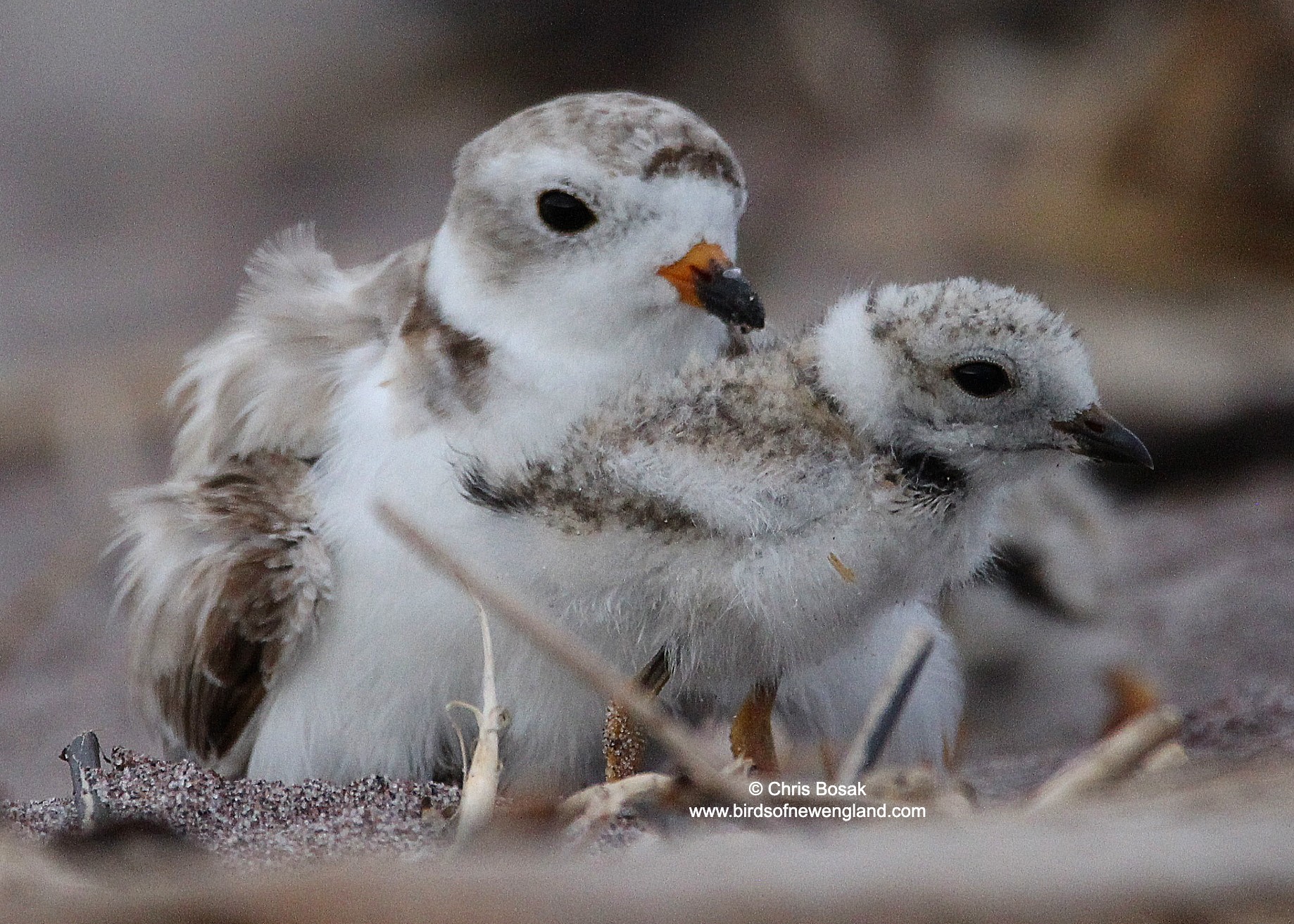
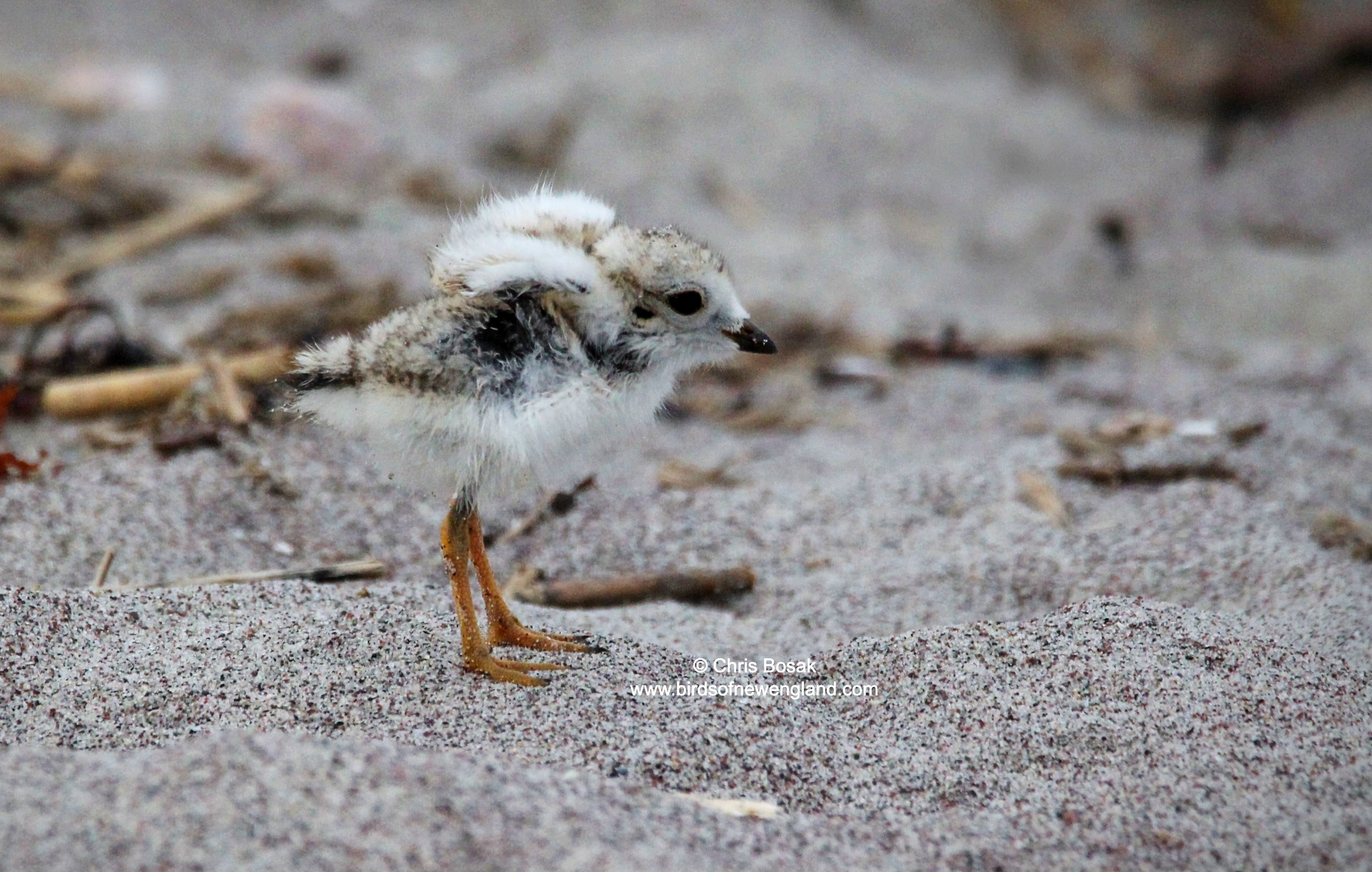
Here are a few shots of piping plover chicks with an attentive parent nearby. I got these shots on the same day as my recent visit to a beach in southern Connecticut. Cute hardly begins to describe these little birds. Here are some shots of oystercatchers (including a chick) I got on the same day.
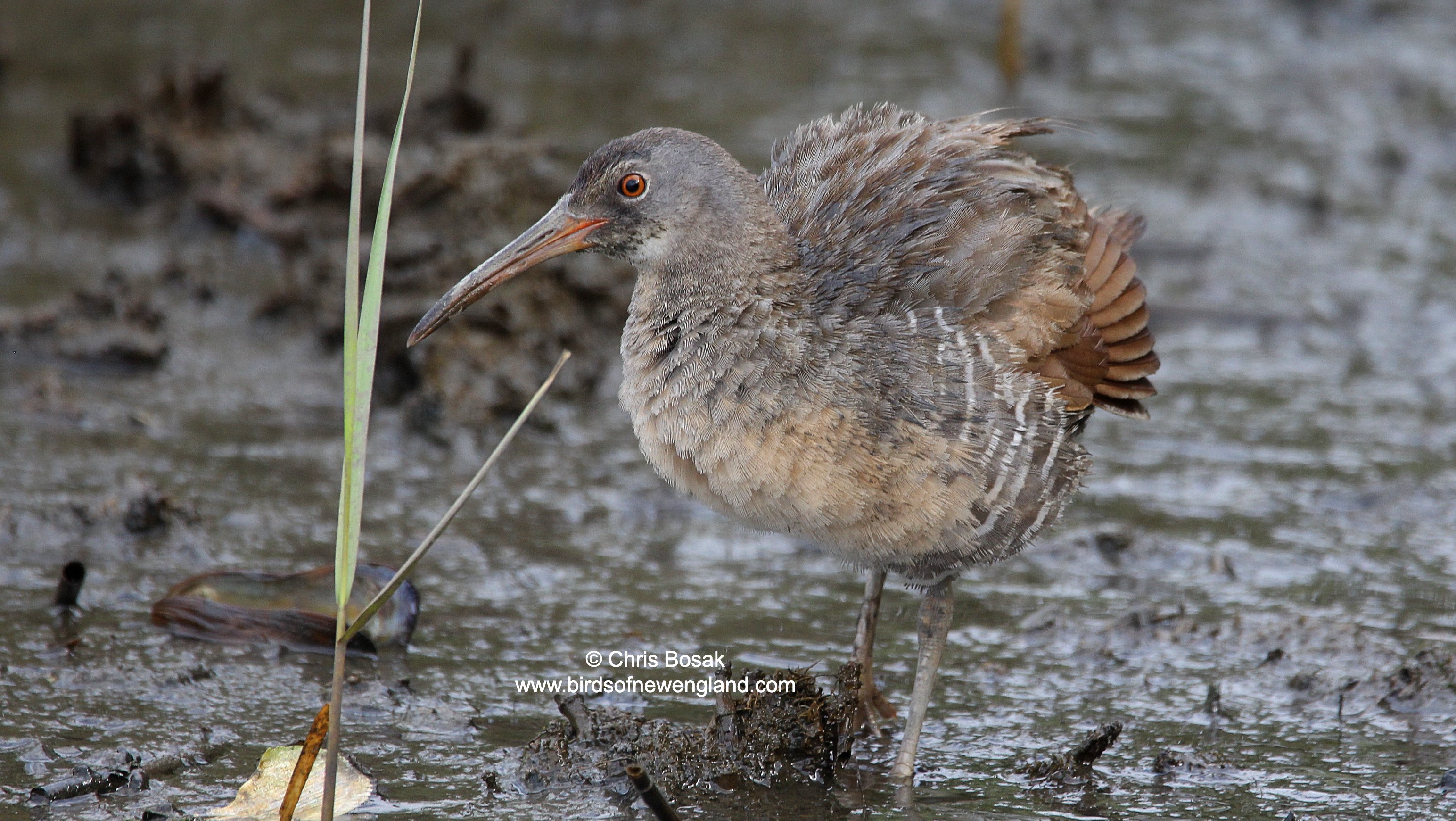
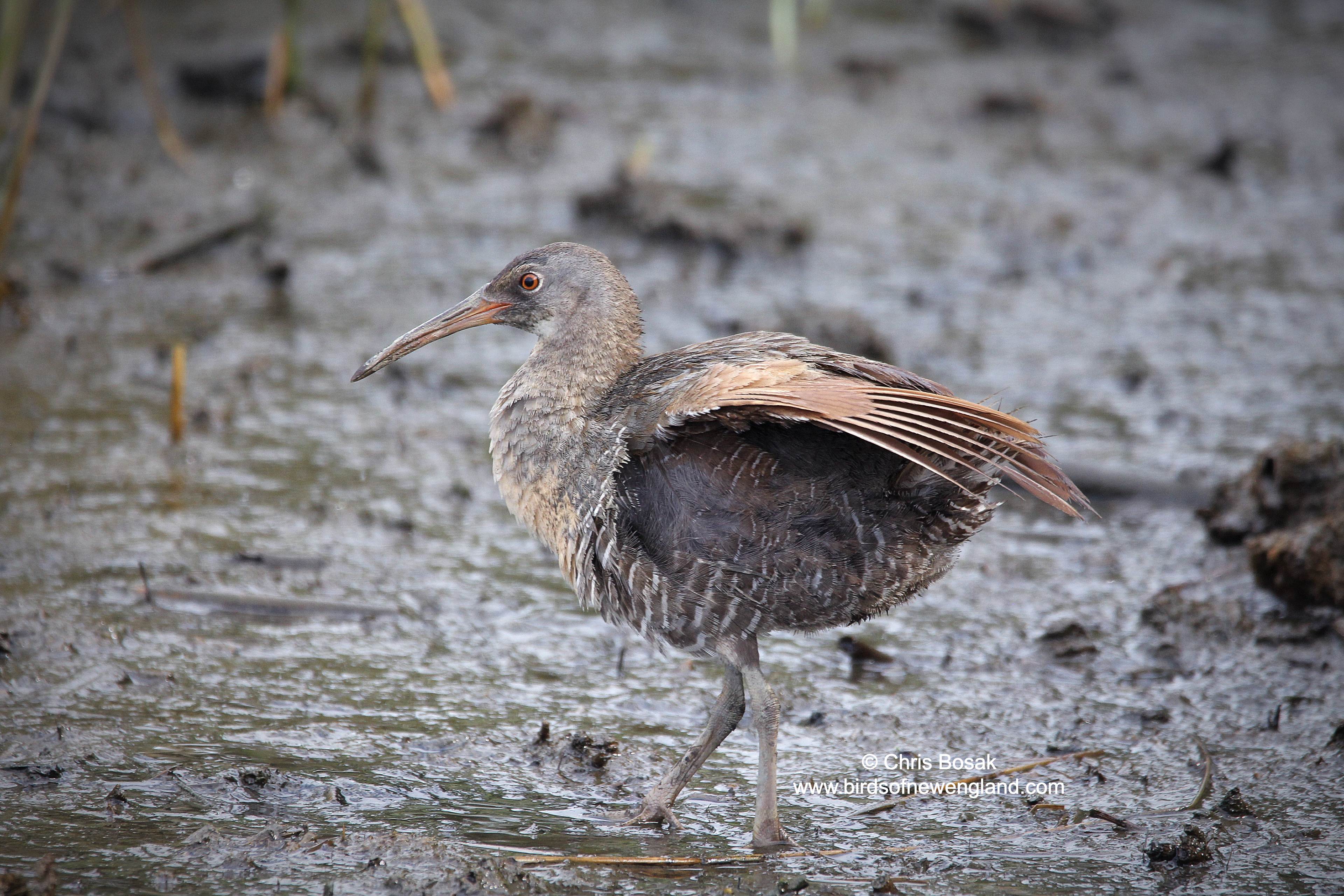
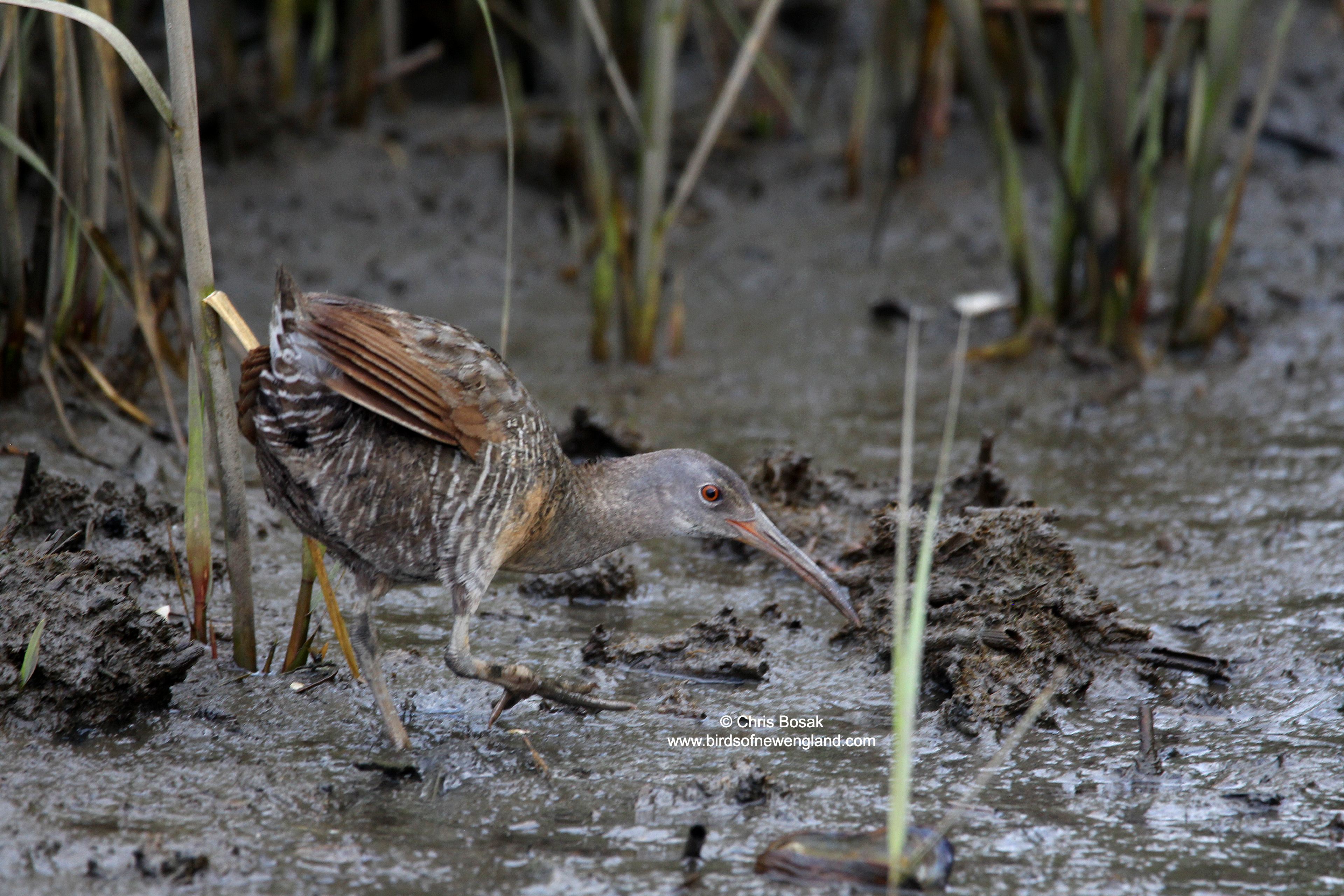
Rails are shy birds of the marshlands. Clapper rails are usually heard before they are seen, if they are seen at all. I stood in the muck at low tide for several minutes, and finally, this clapper rail decided to come out of the vegetation and walk along the mud for a few seconds. Several rails were calling back and forth in the marsh.
My brother and I were on our favorite birding trail in my old hometown of Erie, Pennsylvania, when one of those fantastic bird flurries happened.
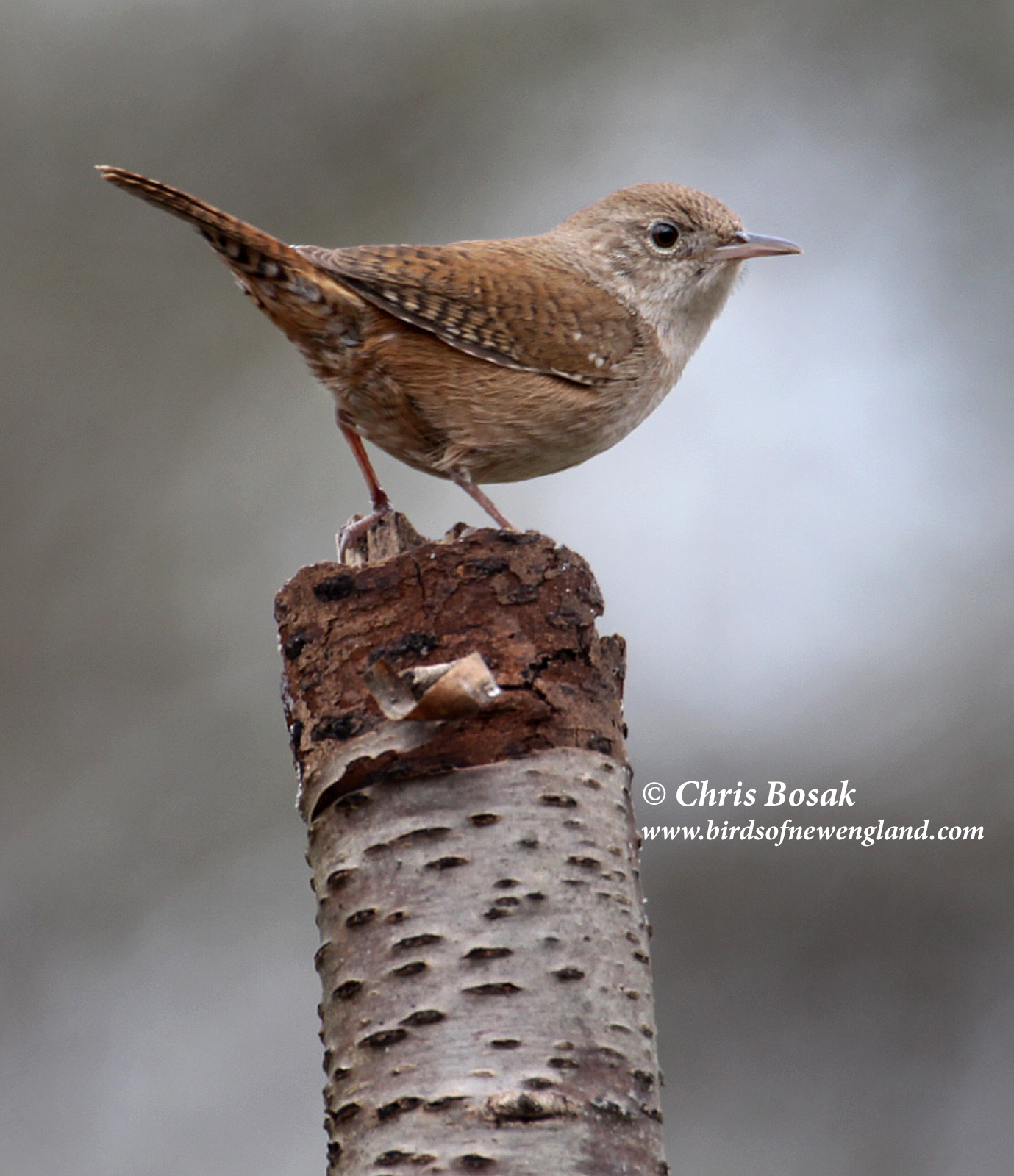
It was mid-May and the flurry consisted of four or five types of warblers, two brown thrashers, a blue-gray gnatcatcher, Baltimore orioles, a house wren and a few other species. When the flurry died down and I entered the species into my eBird report, I noticed something that struck me as odd.
When I entered house wren, the only option that came up was northern house wren. What the heck is that? I thought. I assumed that was the species I’ve always known as house wren, but I still wondered where the “northern” came from.
A quick internet search confirmed that the new official name for the house wren species that occurs in the U.S. is northern house wren. The southern house wren, formerly considered the same species as the northern, lives south of the U.S. and there are also five separate Caribbean endemic species. The split and name changes happened in 2024. Somehow, I missed the memo until now.
Continue reading
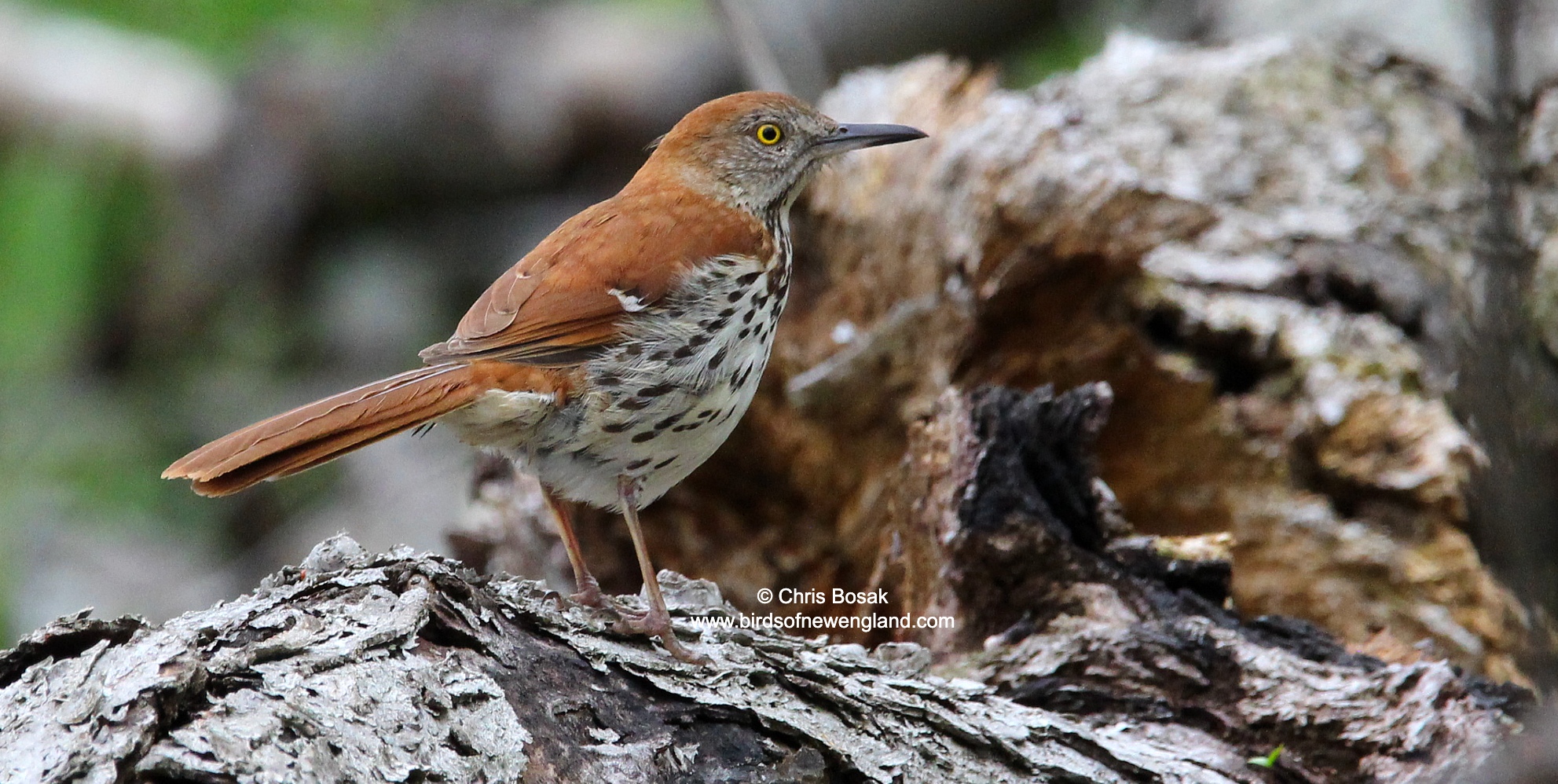
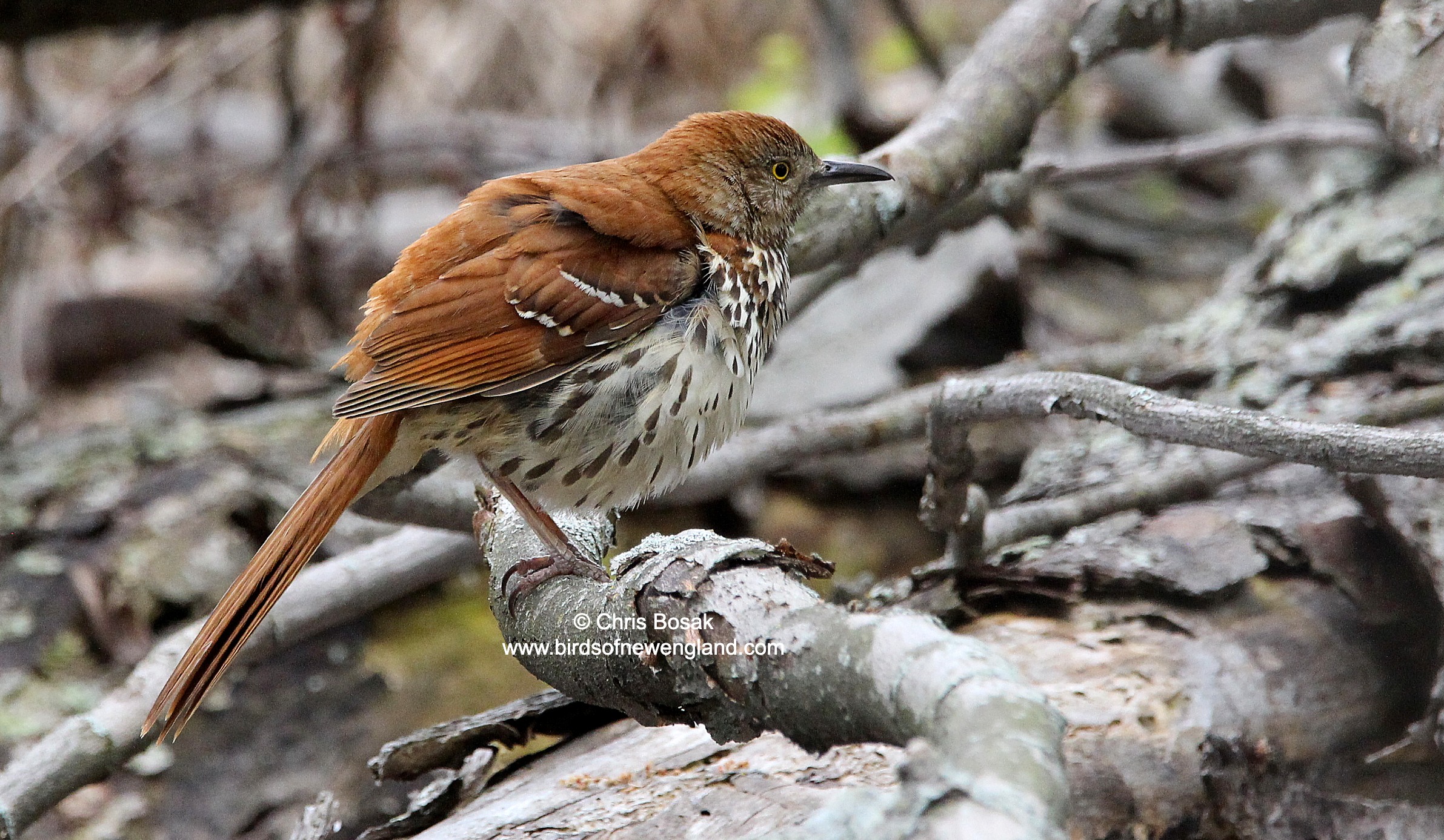
Brown thrashers are one of my favorite birds. I think I’ve now said that about 88 birds or more. But, really, brown thrashers are one of those birds that make me stop in my tracks every time I see one. In this case, I saw two. Thrashers are usually quite timid and do not allow for a close approach. I didn’t even try to get closer to these birds because I knew what the result would be. So, I let my zoom lens do the work from a distance that would not disturb the birds.
Below are a few shots of just one thrasher. (Just the name itself is awesome.)
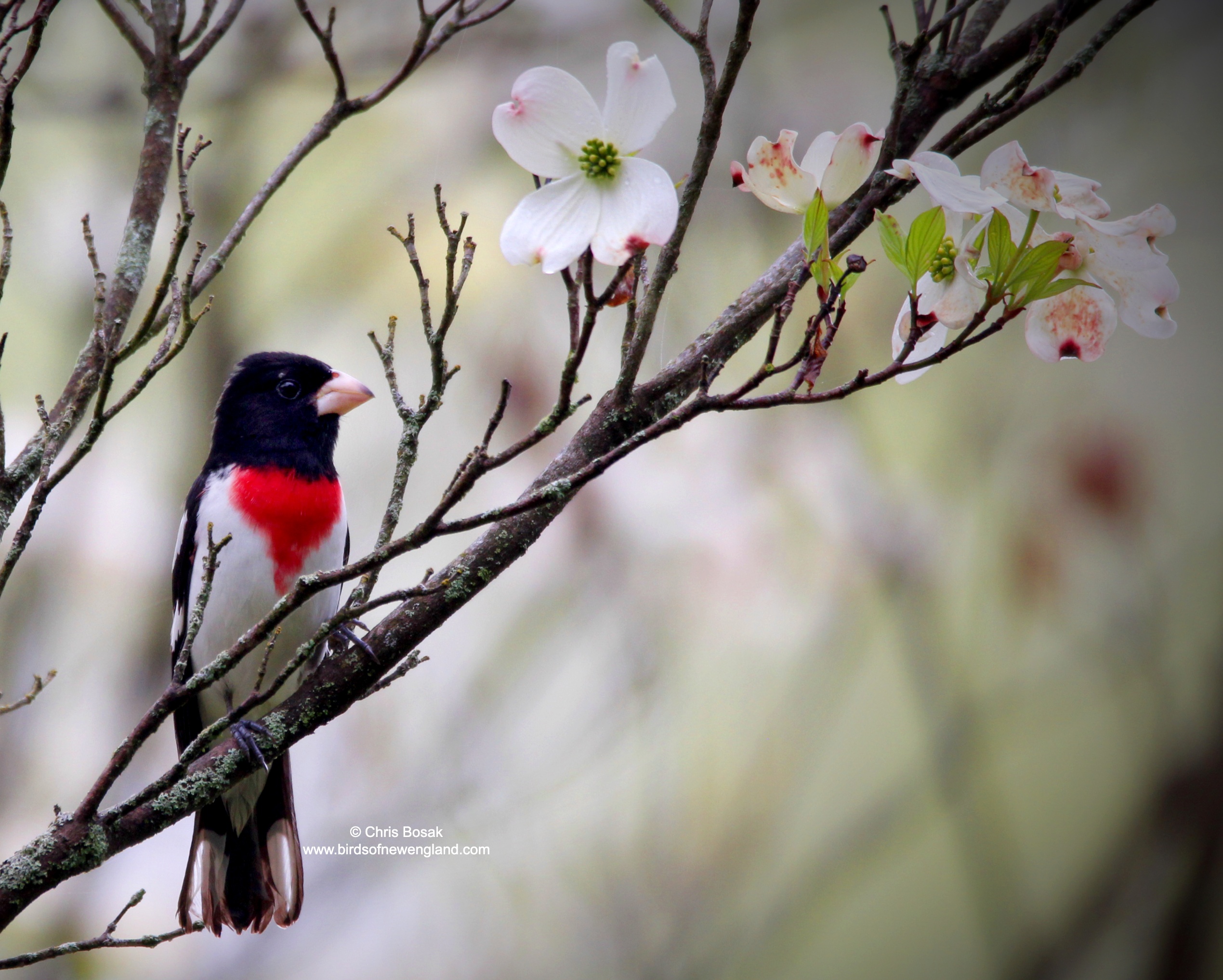
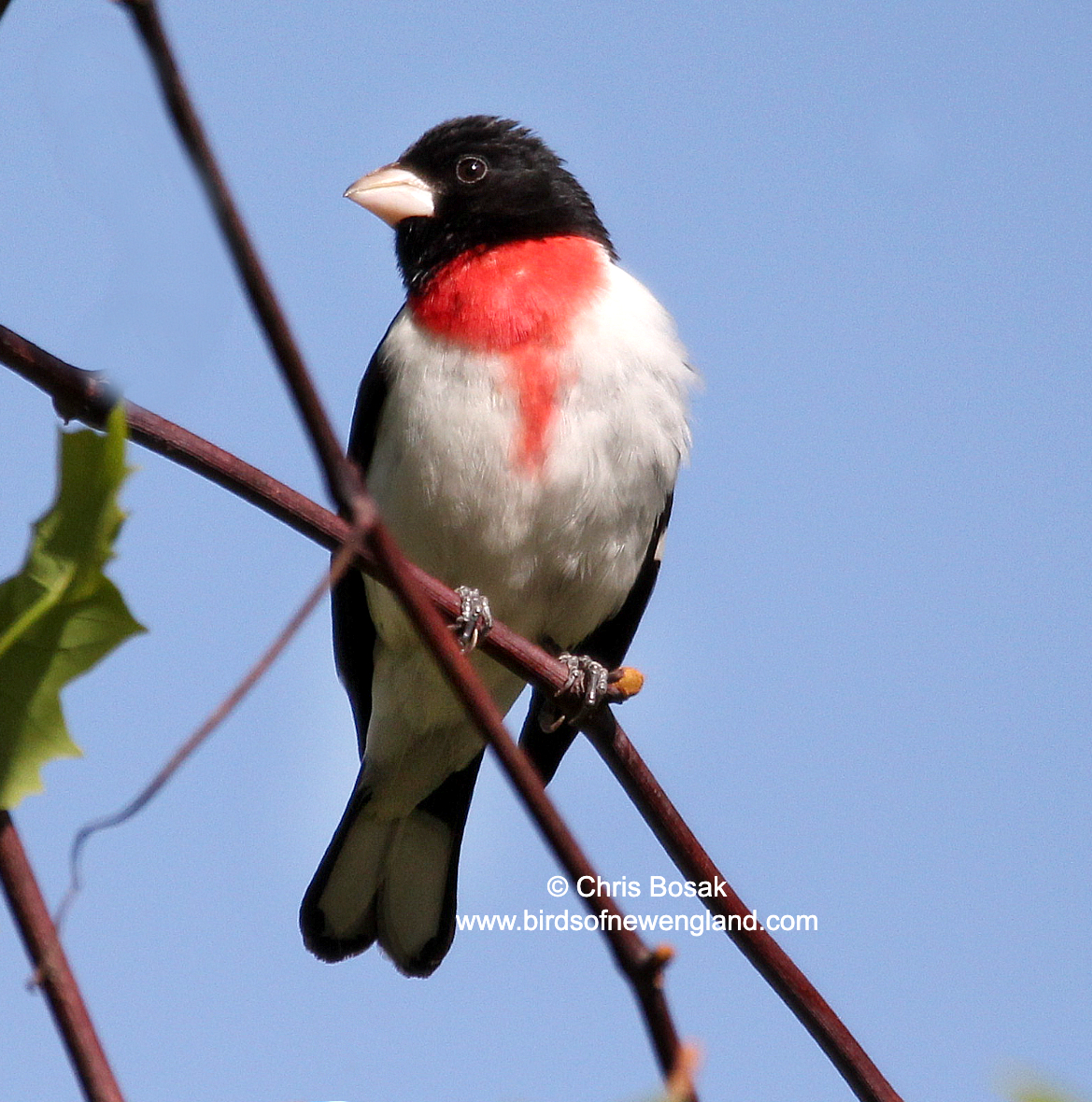
Yesterday, I used a photo of a rose-breasted grosbeak for my Singing in the Spring series. Today, I’m including a few bonus shots of a male rose-breasted grosbeak. You gotta love spring migration.
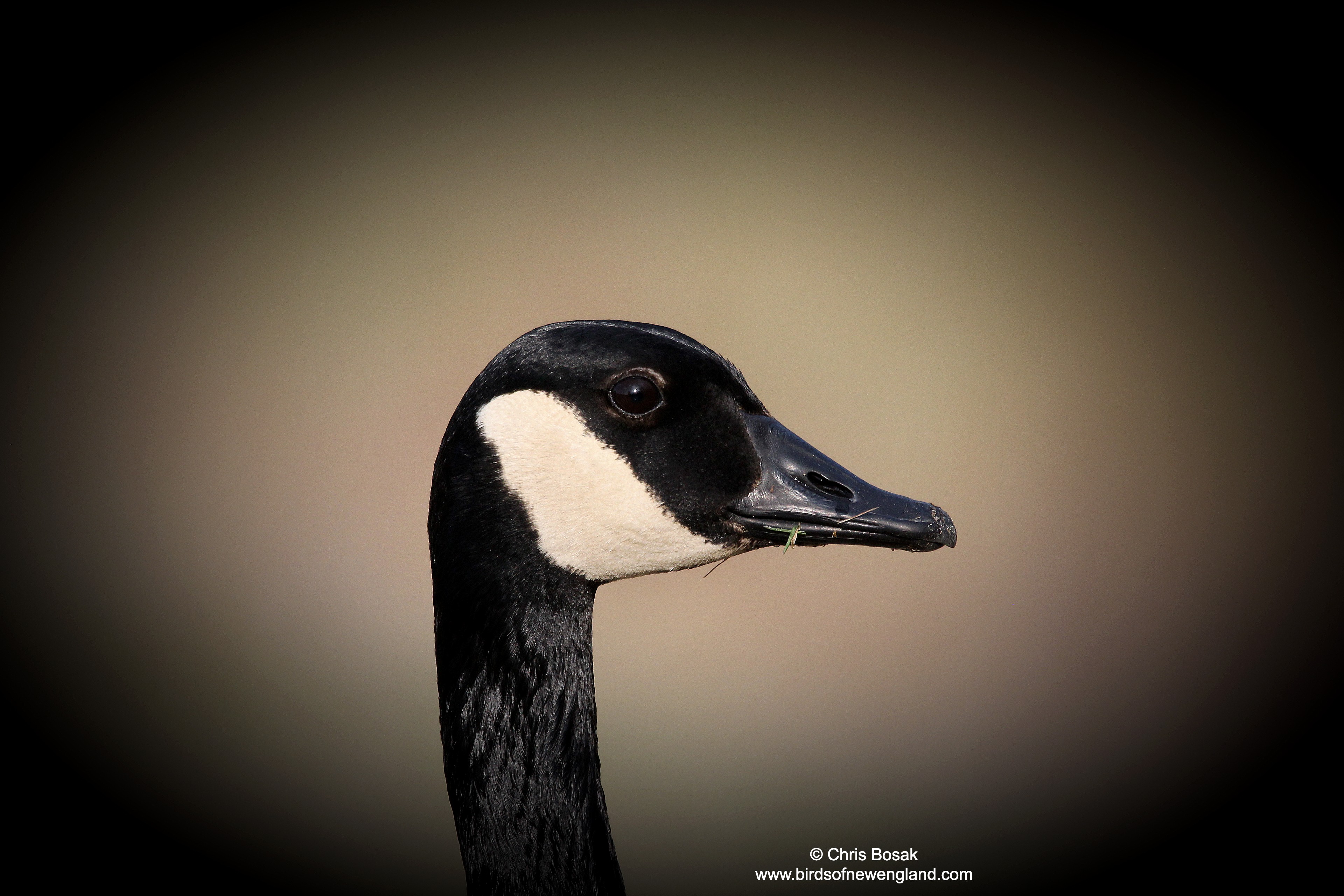
Here’s an interesting shot I took of a Canada goose the other day. I used the vignette feature to make the goose stand out more.

