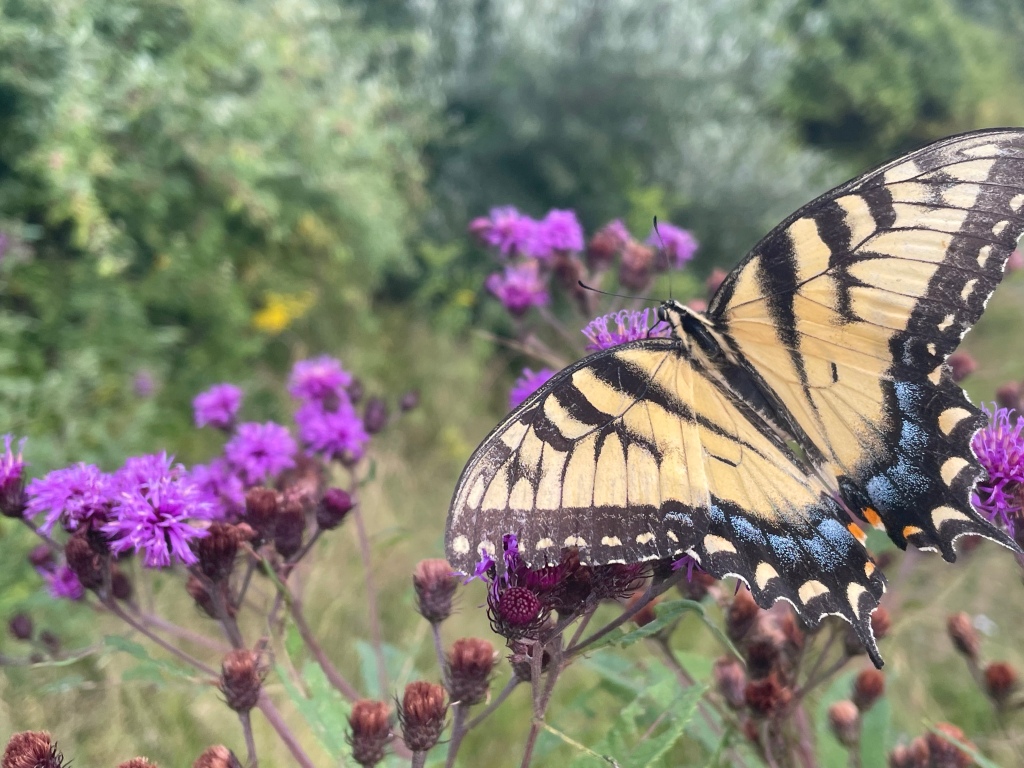
Here’s a nice scene I came across today while taking a walk in southern Connecticut. Swallowtail butterfly on ironweed. Ironweed and goldenrod are in bloom together making this Viking fan very happy.

Here’s a nice scene I came across today while taking a walk in southern Connecticut. Swallowtail butterfly on ironweed. Ironweed and goldenrod are in bloom together making this Viking fan very happy.
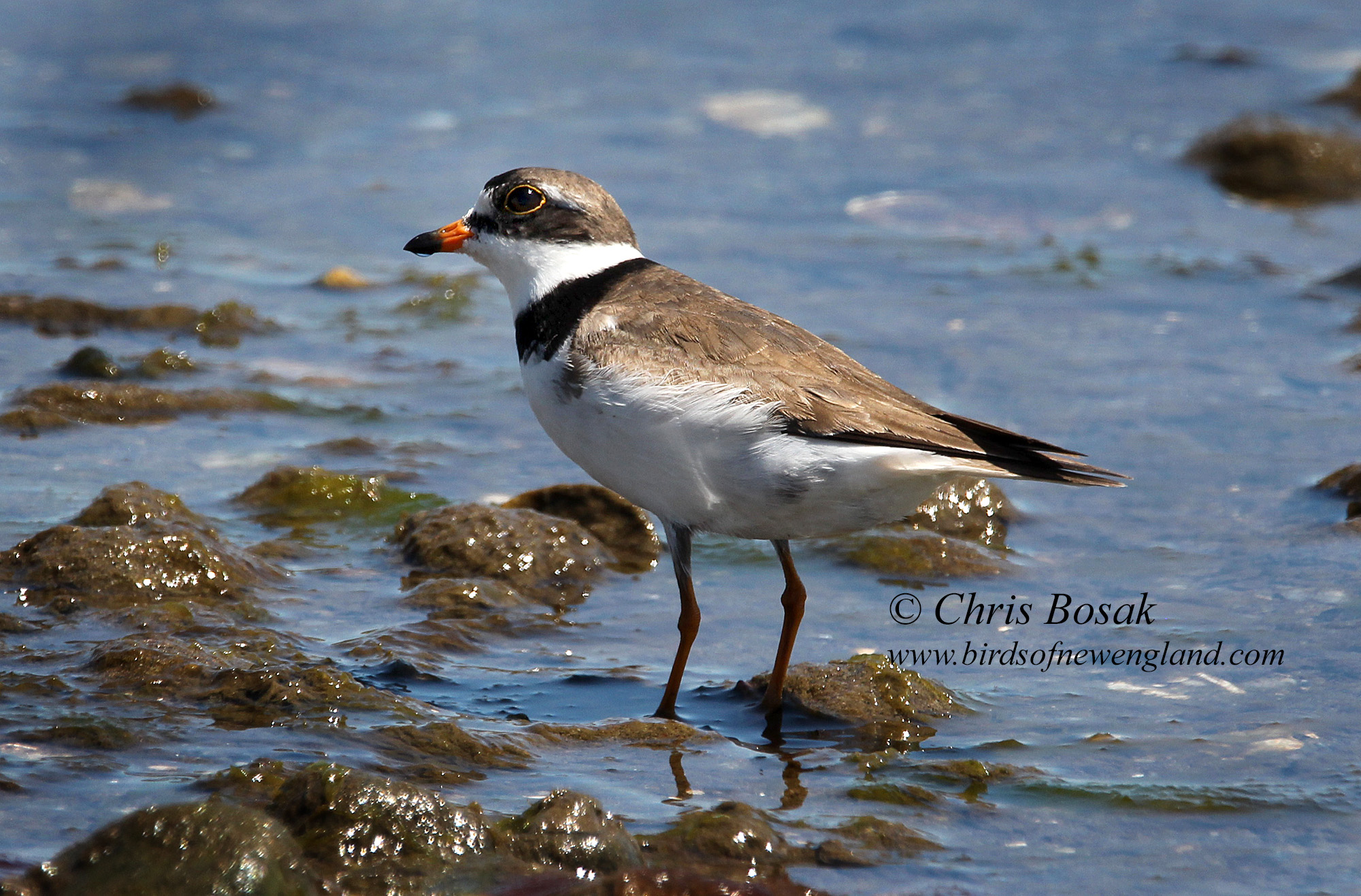
A good summer day at Connecticut Audubon Society Coastal Center at Milford Point. Always good birding, regardless of season.
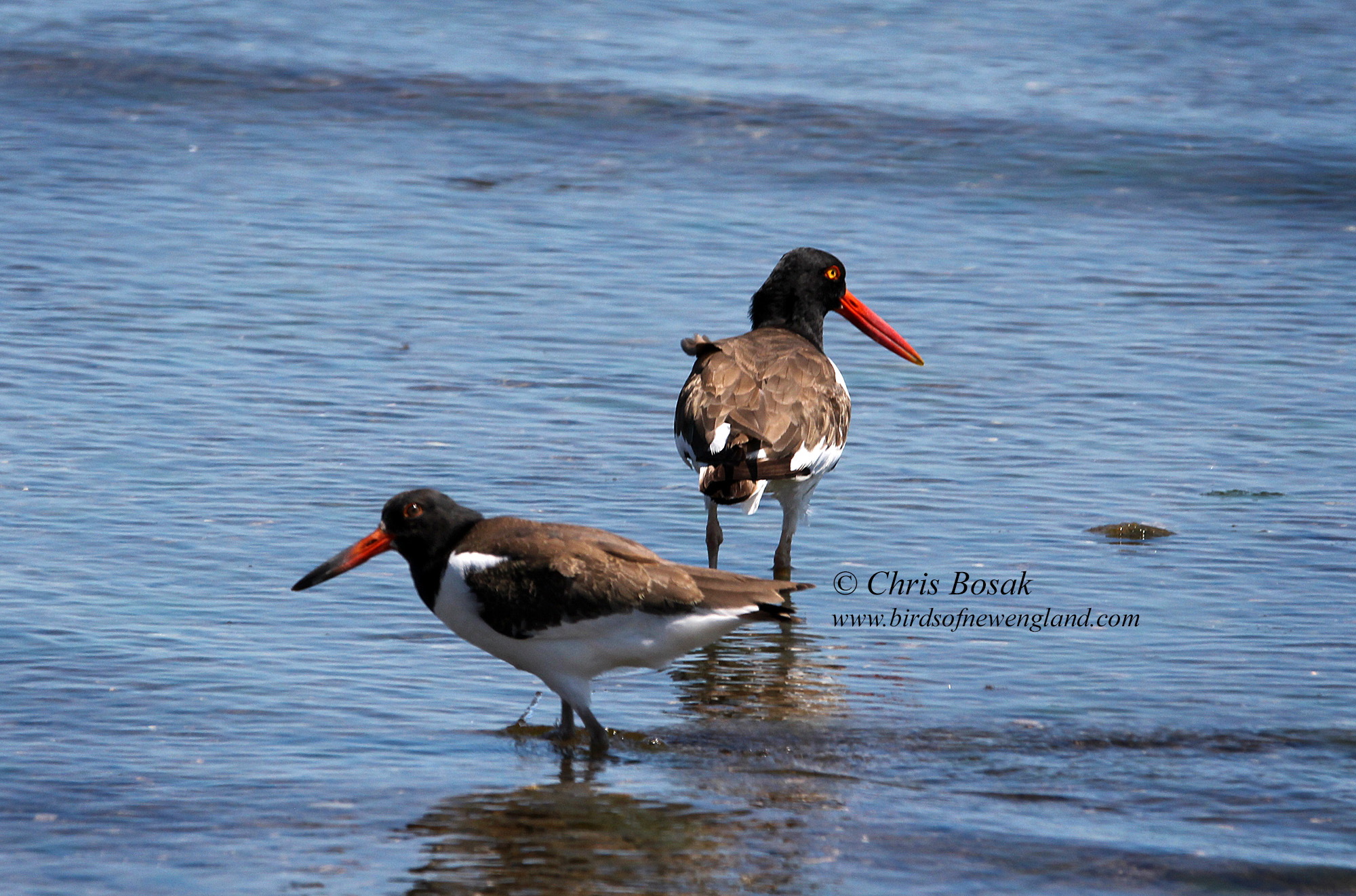
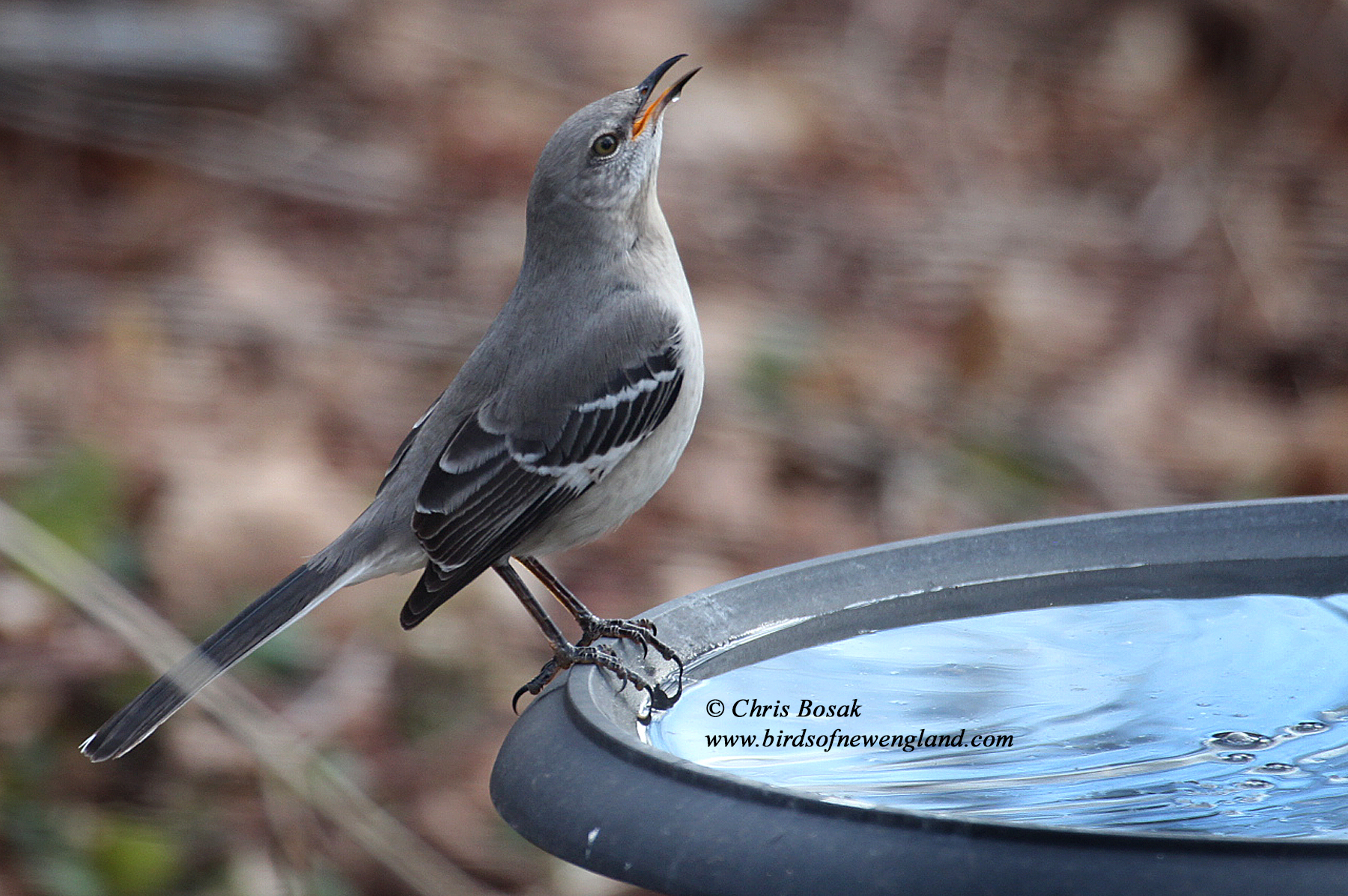
Here are a few photos of birds keeping cool during hot times. The weather in New England has been muggy with off-and-on rain showers for days now. Hopefully these photos will help you keep cool.
Continue reading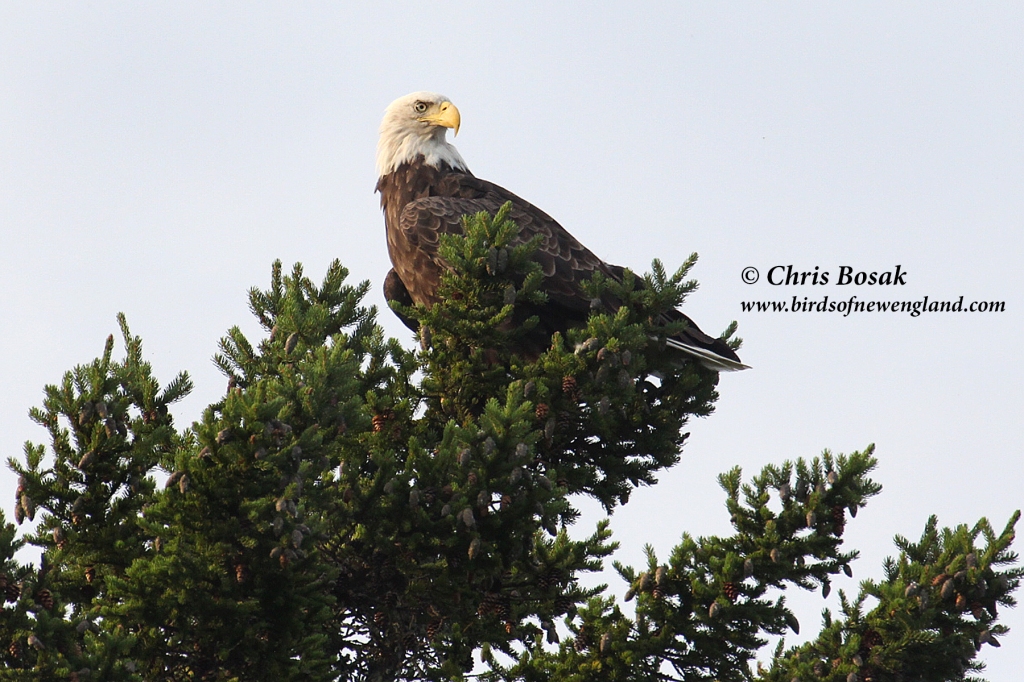
Always thankful to live in the greatest country in the world. Happy Fourth everyone!
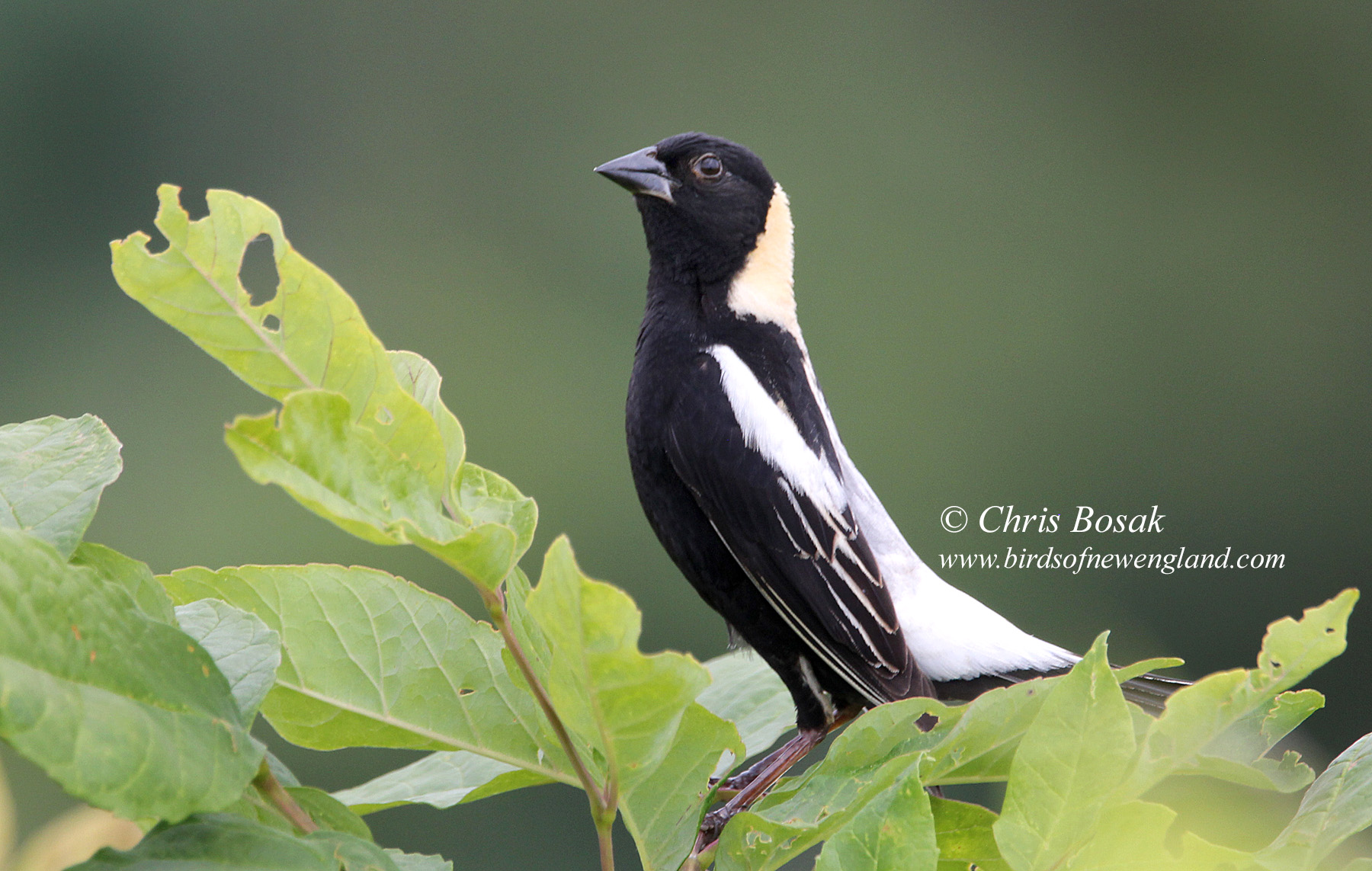
I went to my usual bobolink hot spot in southern Connecticut for my annual photo shoot with the enchanting birds and, as usual, it was an enriching experience.
Bobolinks grace our fields and meadows during the spring and summer months and are as interesting to listen to as they are to look at. I can usually spot one almost right away keeping watch on a tall blade of wild grass. Shortly after that, I hear a few males singing their bubbly, tinkling song as they fly in circles above the meadow. To me, their song sounds like a video game from the 1980s.
Bobolinks are members of the blackbird family. They require field or meadow habitat to breed. Unfortunately, that habitat is disappearing and the habitat that does remain is often tricky to maintain for bobolinks because of agricultural purposes. Bobolinks build a cup-shaped nest within the tall grasses. It is recommended that farmers do not mow fields with nesting bobolinks until after the young birds have fledged. Mid-July or even early August is usually a safe time.
According to the Cornell Lab of Ornithology, the bobolink population has declined cumulatively since 1966 by about 56 percent. They rank 14 out of 20 on the Continental Concern Score. That puts them on the Yellow Watch list, which means they are at risk of extinction without conservation actions.
It would be a shame to lose bobolinks, even years and years from now, as they are handsome and charismatic birds. Males are mostly black with white backs, rumps and upper wing feathers. The back of their head and neck are dull yellow. Like many species, females are dull in color to protect them and their nests. Females are still lookers with yellowish heads, buffy brown plumage underneath and streaked backs.
Continue readingI went to my usual bobolink hot spot in southern Connecticut for my annual photo shoot with the enchanting birds and, as usual, it was an enriching experience.
Bobolinks grace our fields and meadows during the spring and summer months and are as interesting to listen to as they are to look at. I can usually spot one almost right away keeping watch on a tall blade of wild grass. Shortly after that, I hear a few males singing their bubbly, tinkling song as they fly in circles above the meadow. To me, their song sounds like a video game from the 1980s.
Continue reading
I’m lucky enough to work at a place where there is a small wild area with a circular trail running along the outer edge. The entire tail takes about five minutes to walk, but at least it’s something.
For such a small area, there are varied habitats such a meadow, woods, thickets, stream and a very small pond. I’ve seen wildlife such as deer, garter and water snakes, wild turkeys, Canada geese, hooded mergansers and a variety of songbirds. I’m sure there are otters, minks, muskrats and plenty of other critters that I haven’t been lucky enough to see yet.
The other day, I took a short break and visited the area. I heard a yellow warbler in the thickets, and a few goldfinches flitted among the meadow. Then I heard a song I did not recognize in a tree overhead. I launched my Merlin app, and it identified the songster as an orchard oriole. That made sense because I have seen orchard orioles in the area before.
Continue reading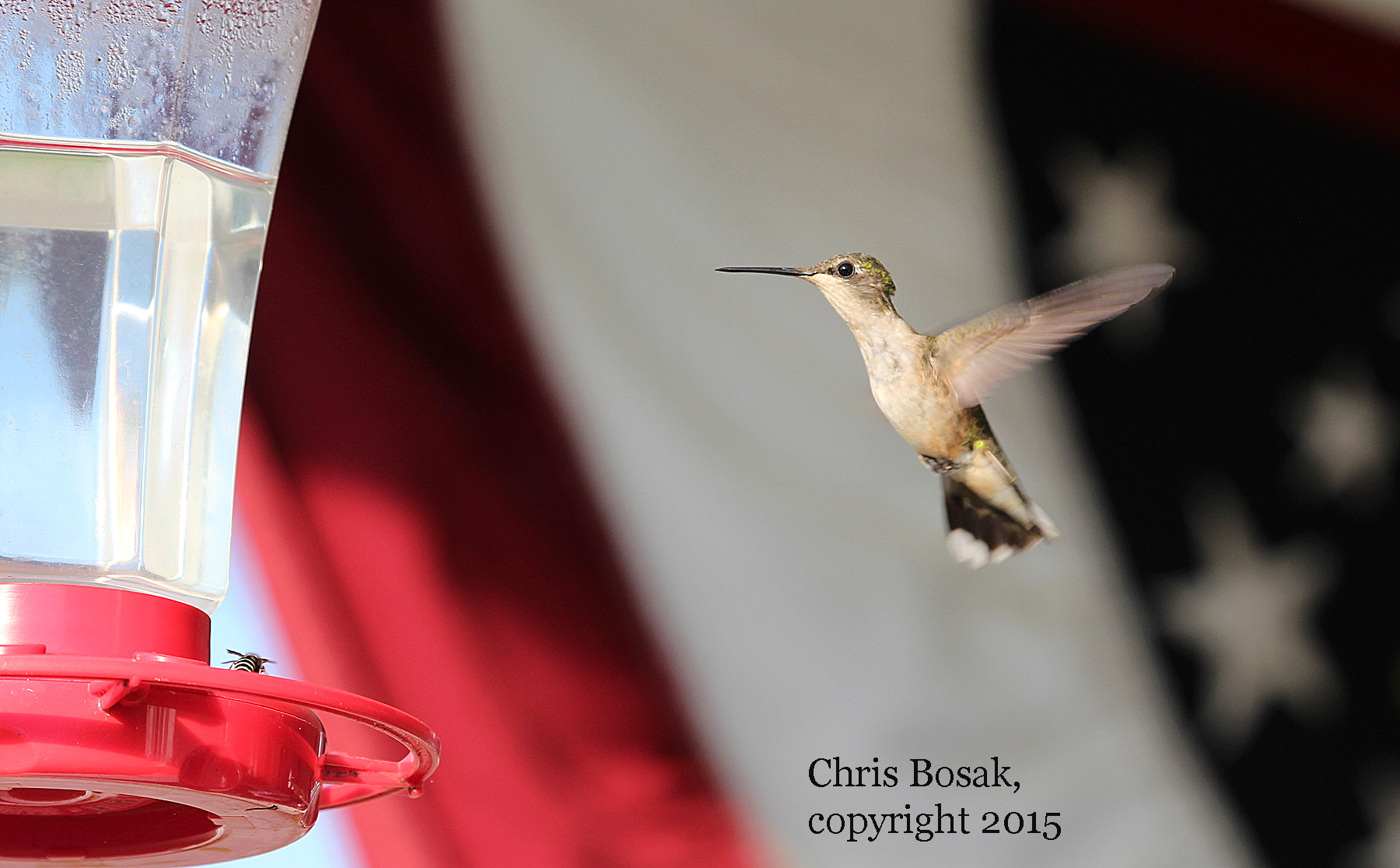
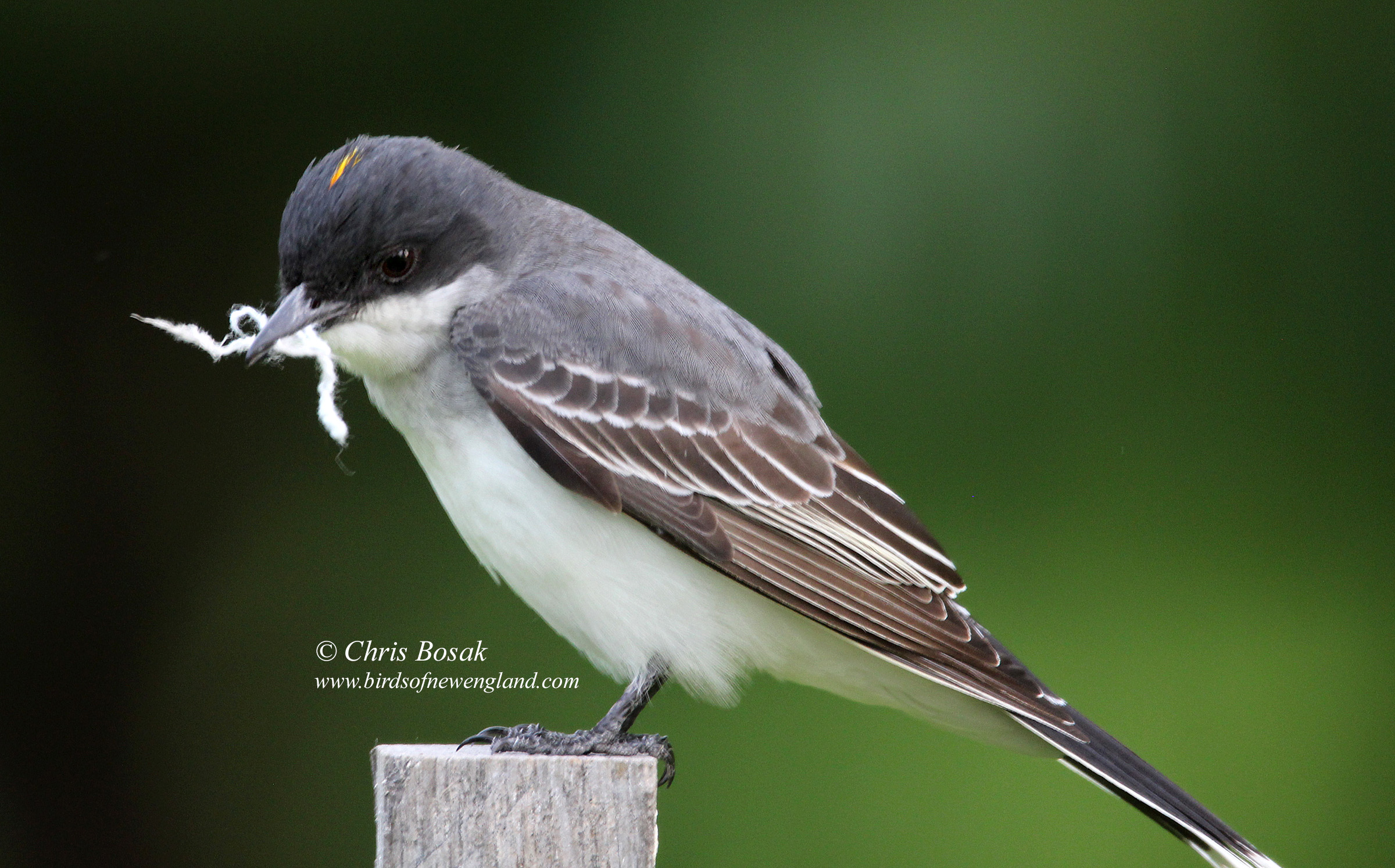
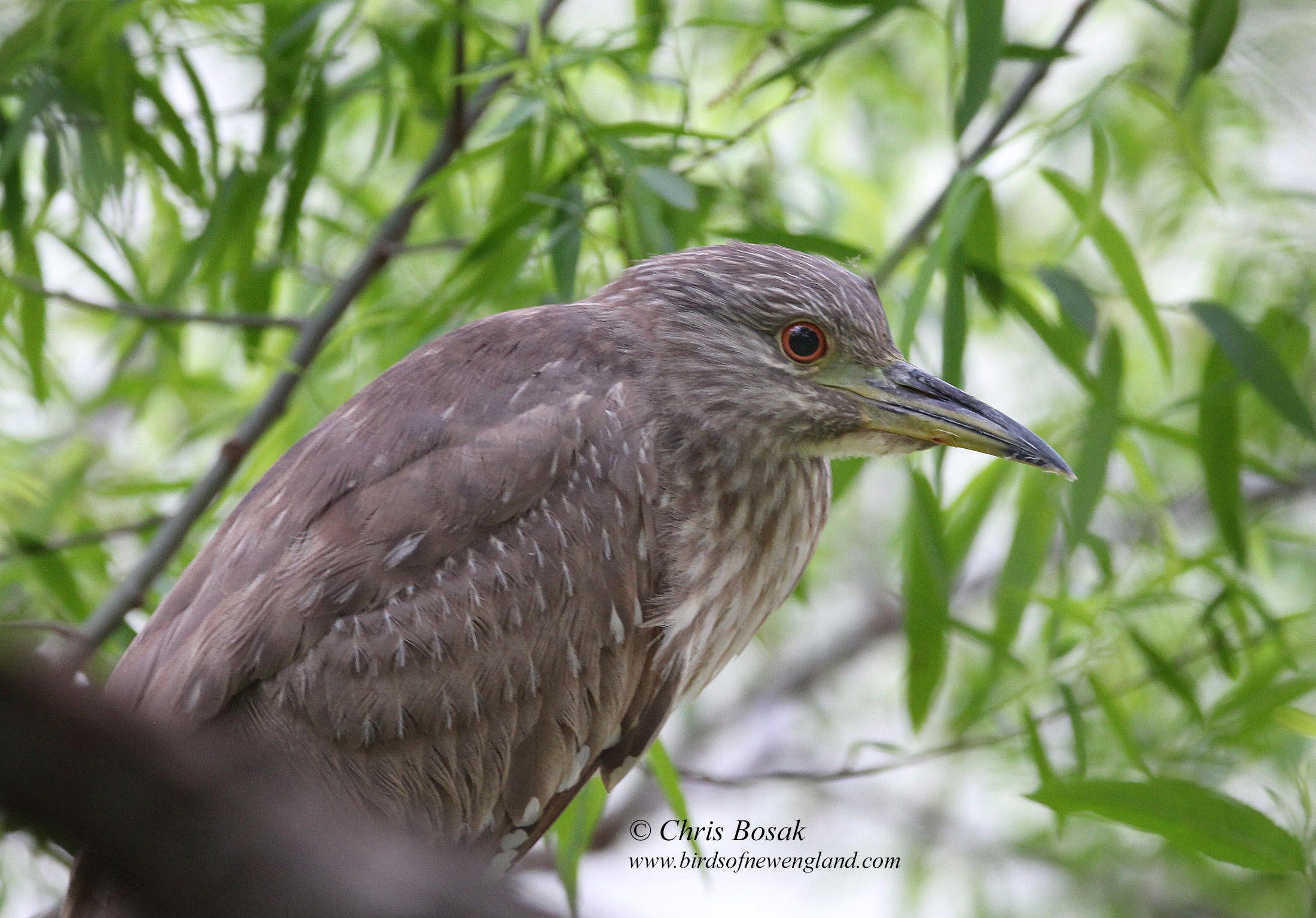
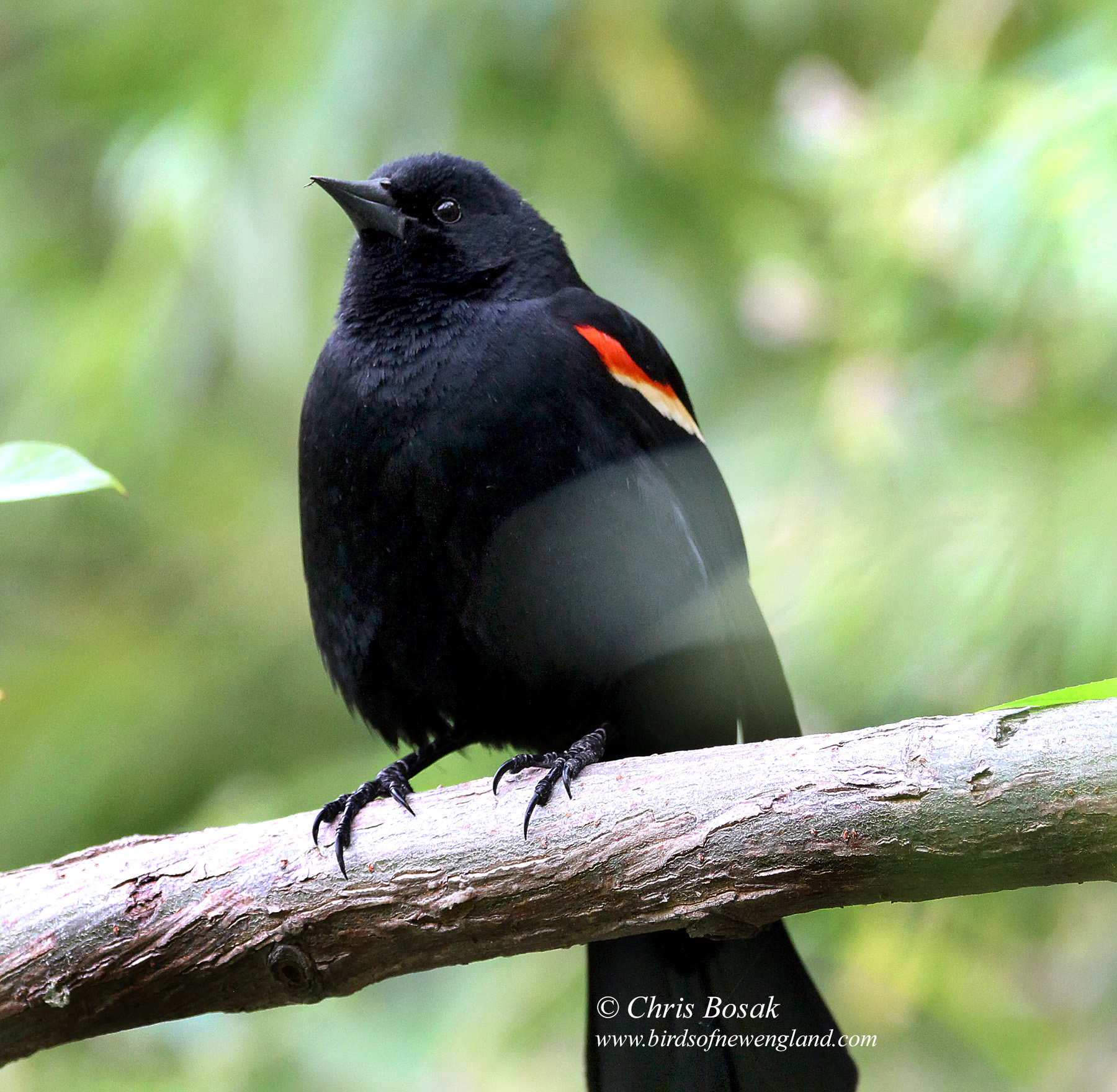
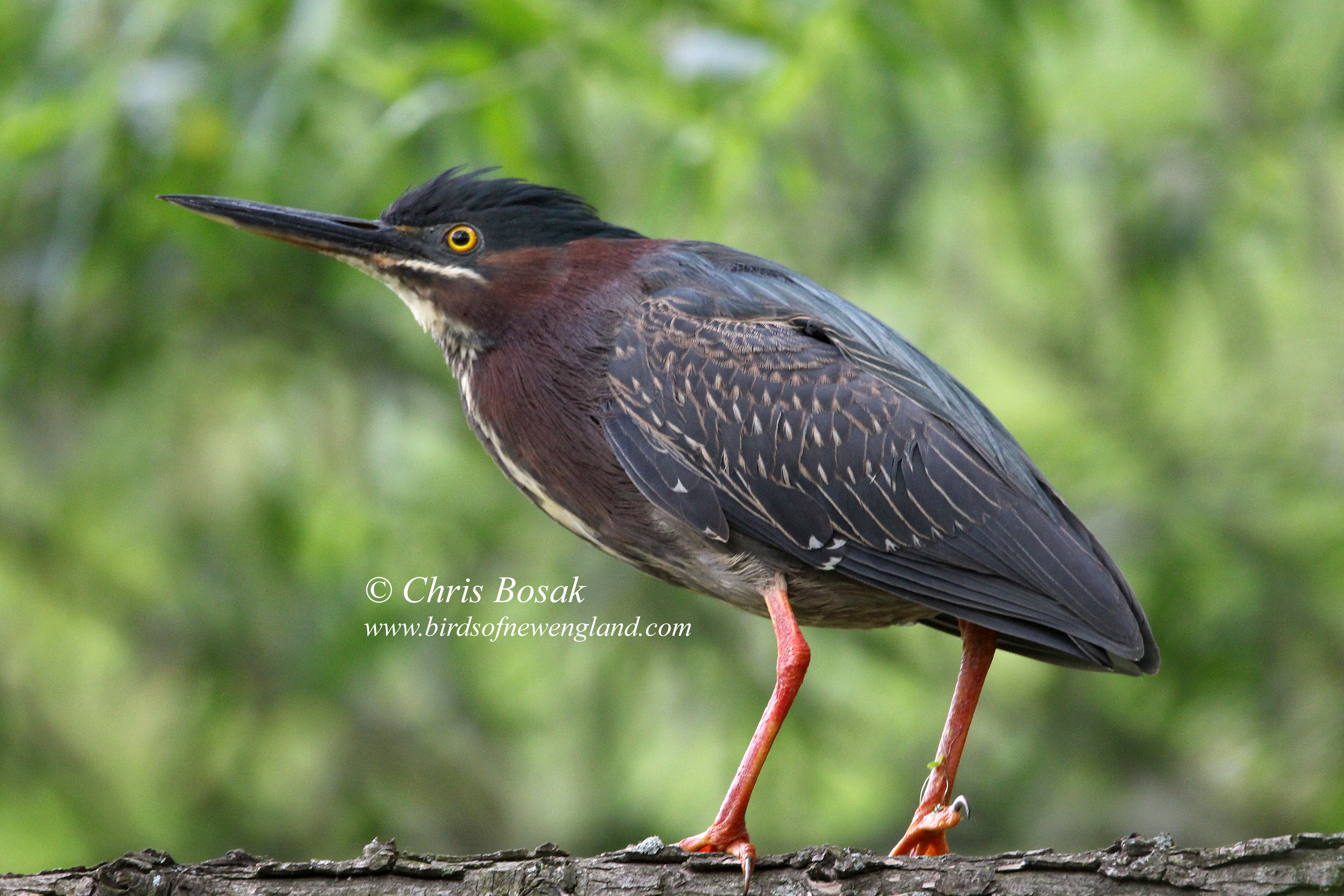
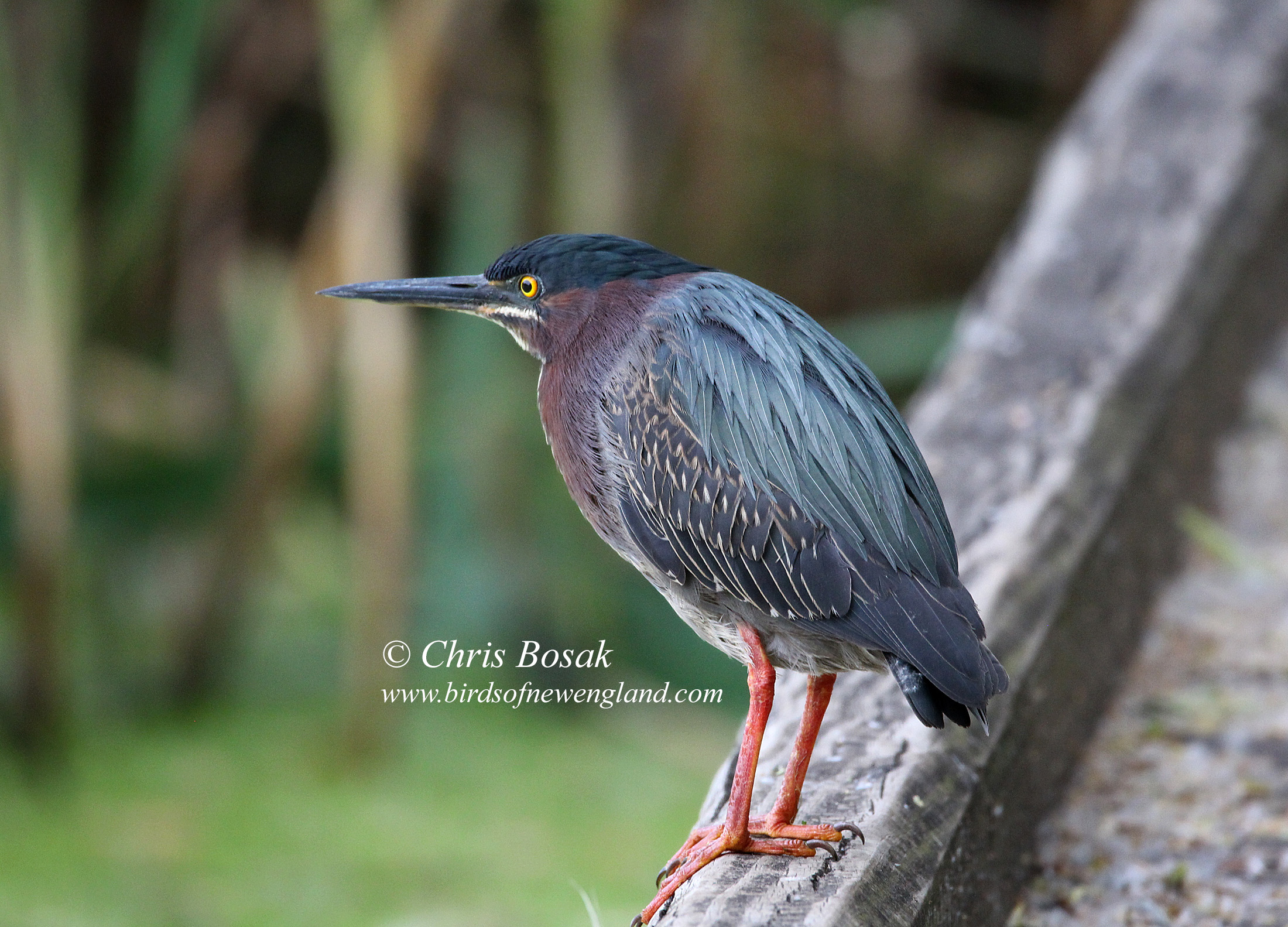
The other day, I posted a few photos of a green heron I saw at Patterson Park in Baltimore while I was visiting my son in school. Here are a few of the other birds I saw during the walk. Here’s the link to the green heron if you missed it.

 Birds of New England.com