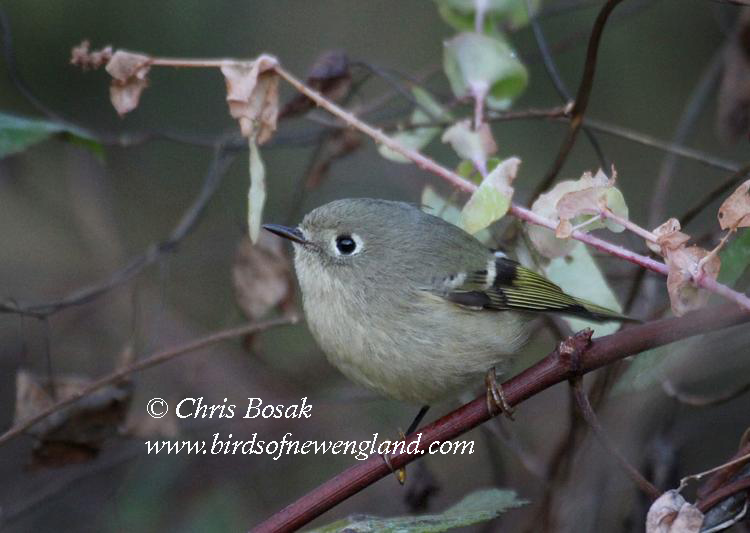
Photo by Chris Bosak — Ruby-crowned kinglets nest in northern Canada.
I’m lucky enough to work at a place where there is a small wild area with a circular trail running along the outer edge. The entire tail takes about five minutes to walk, but at least it’s something.
For such a small area, there are varied habitats such a meadow, woods, thickets, stream and a very small pond. I’ve seen wildlife such as deer, garter and water snakes, wild turkeys, Canada geese, hooded mergansers and a variety of songbirds. I’m sure there are otters, minks, muskrats and plenty of other critters that I haven’t been lucky enough to see yet.
The other day, I took a short break and visited the area. I heard a yellow warbler in the thickets, and a few goldfinches flitted among the meadow. Then I heard a song I did not recognize in a tree overhead. I launched my Merlin app, and it identified the songster as an orchard oriole. That made sense because I have seen orchard orioles in the area before.
Photo by Chris Bosak – A blue-winged warbler sings from a perch in New England, spring 2023.
Another warbler season is in the books.
Sure, there are still the late-migrant stragglers that will be seen into mid-June and, of course, the ones that will nest and stay with us all summer, but the peak of the warbler season has, sadly, passed.
For me personally, I did not see a huge variety of warblers, but I did see plenty of the more common warbler species over the last few weeks.
The warbler sightings, for me, started in late April with a walk that yielded dozens of yellow-rumped warblers. Over the last few weeks, it has been largely blue-winged warblers, common yellowthroats and American redstarts. In the last week or so, yellow warblers have been showing up more and more on my walks and are becoming the dominant warbler species.
Those are also the main warblers that will nest in my area of New England. Each part of New England has its common nesting warblers and, thankfully, we will get to see them throughout the summer. If we are lucky, we’ll see their youngsters too.
It has been fun over the last couple of years getting to know the American redstart and blue-winged warbler better. I found a few places where redstarts nest, and I visit there frequently in late spring into early summer. Redstarts are, in my opinion anyway, one of the more interesting-looking birds and remind me of Halloween every time I see one. The black and orange coloring is unique in the warbler world. At least among the ones we see in New England.
Blue-winged warblers are largely yellow, like many warblers that nest or pass through New England, but their unique, black eye straight gives them a different type of look – almost like a little bandit. Blue-winged warblers are also unique and fairly easy to find from their insect-like call. It appears to be a rather subtle call, but it can be heard from far away, especially during an early morning walk when the world is still quiet and calm.
Yellow warblers and common yellowthroats will nest throughout New England. In both cases, the birds are usually heard before they are seen. That is if they are seen at all, as they like to hang out in brushy areas and remain hidden if possible. Yellowthroats often like to stay low to the ground in their skulking.
I’ve focused on warblers in this column, but I also had some good luck finding other colorful songbirds such as rose-breasted grosbeak, indigo bunting and scarlet tanager. I watched a female rose-breasted grosbeak collect nesting material a few weeks ago. It’s good to know they will be sticking around and raising young here.
With spring migration mostly behind us, what’s next for birders? Birds won’t be as noisy or active as they have been over the last several weeks, and the variety won’t be as great, but watching them raise young is always a highlight of late spring and early summer. Of course, many birds have had their first broods already, but the nesting and rearing will last for the next few months.
Every season has something to offer birdwatchers. There’s always something interesting to observe so be sure to get out there as much as possible.
Photo by Chris Bosak
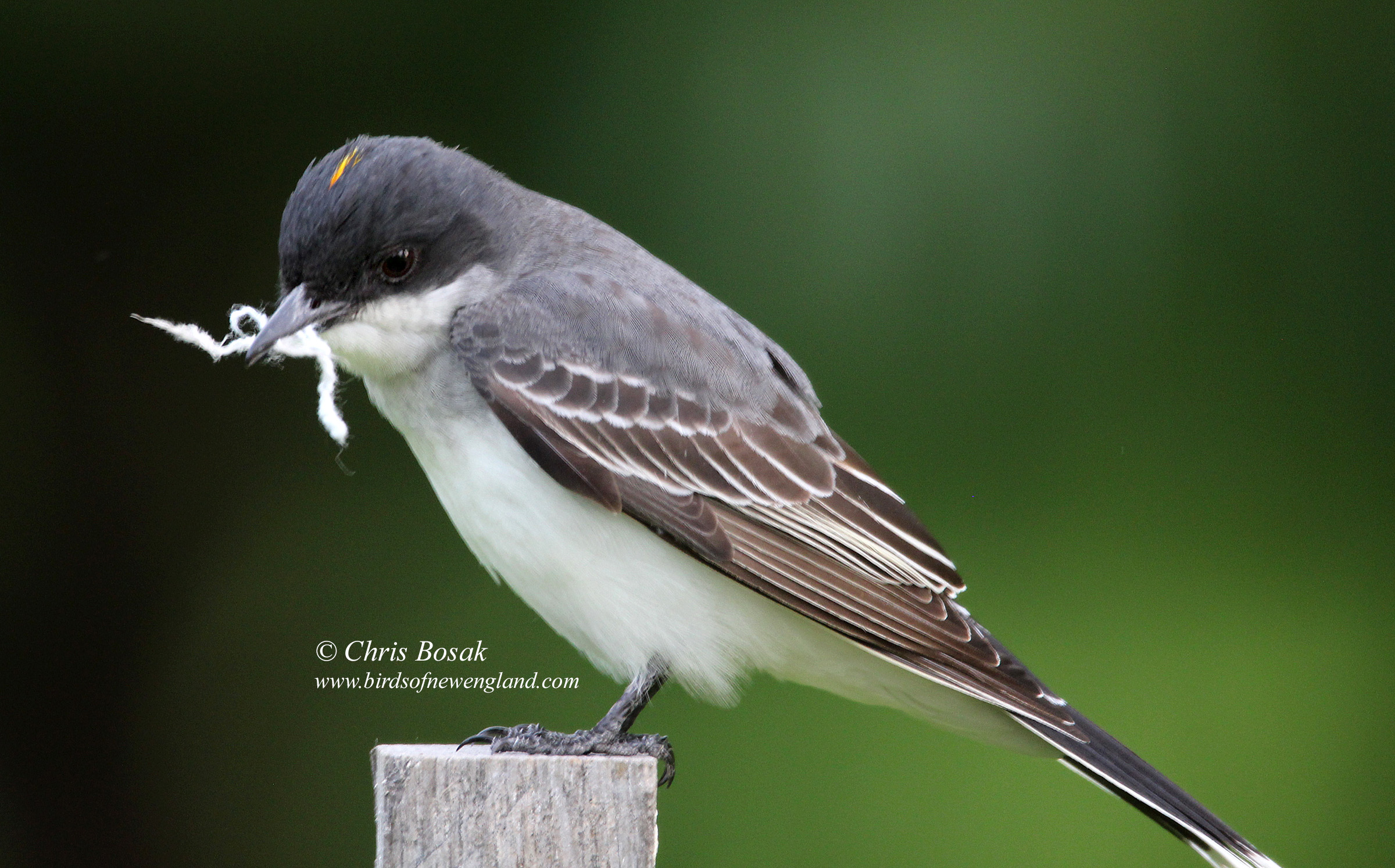
An eastern kingbird gathers nesting material in Patterson Park in Baltimore in spring 2023.
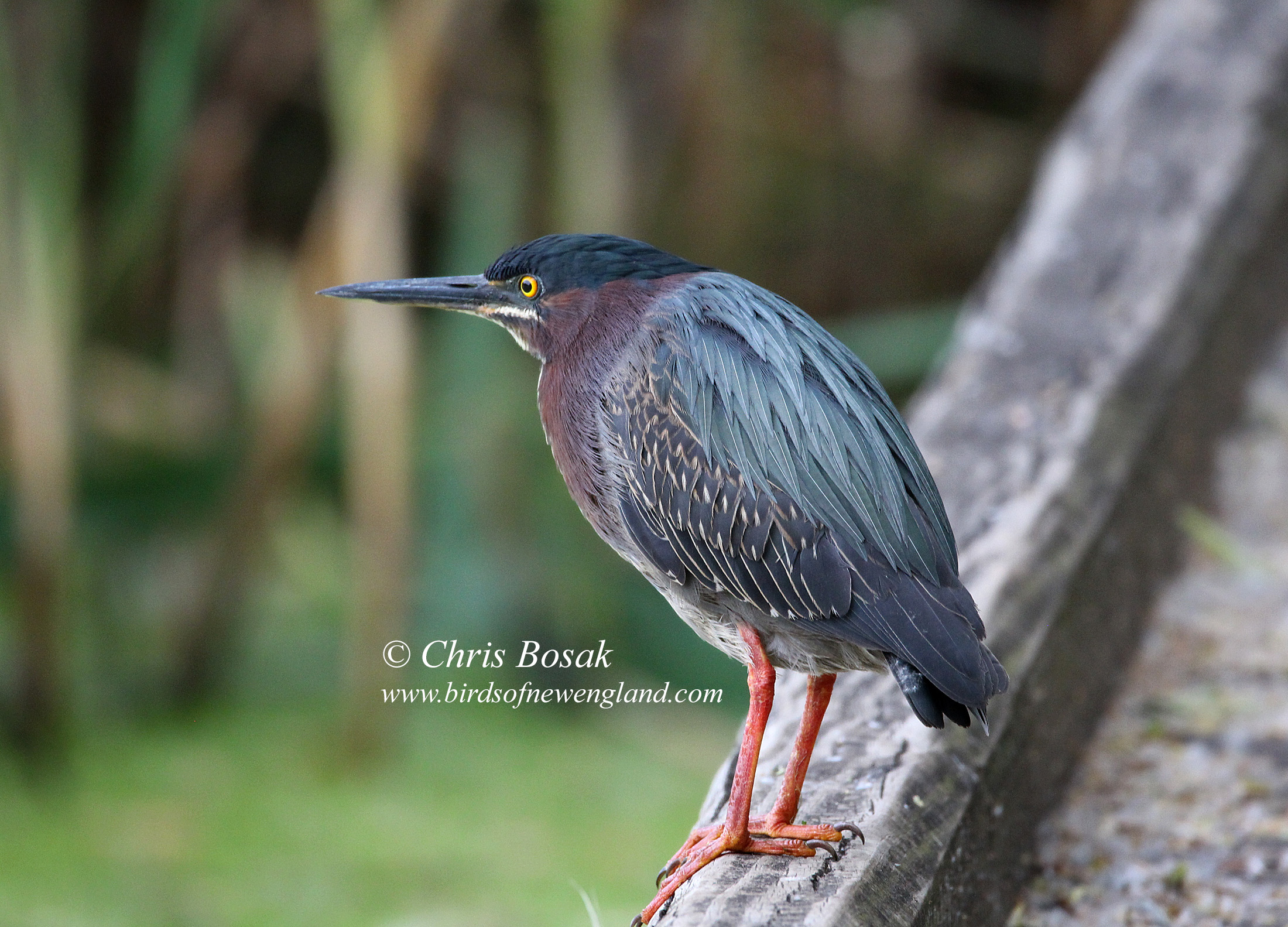
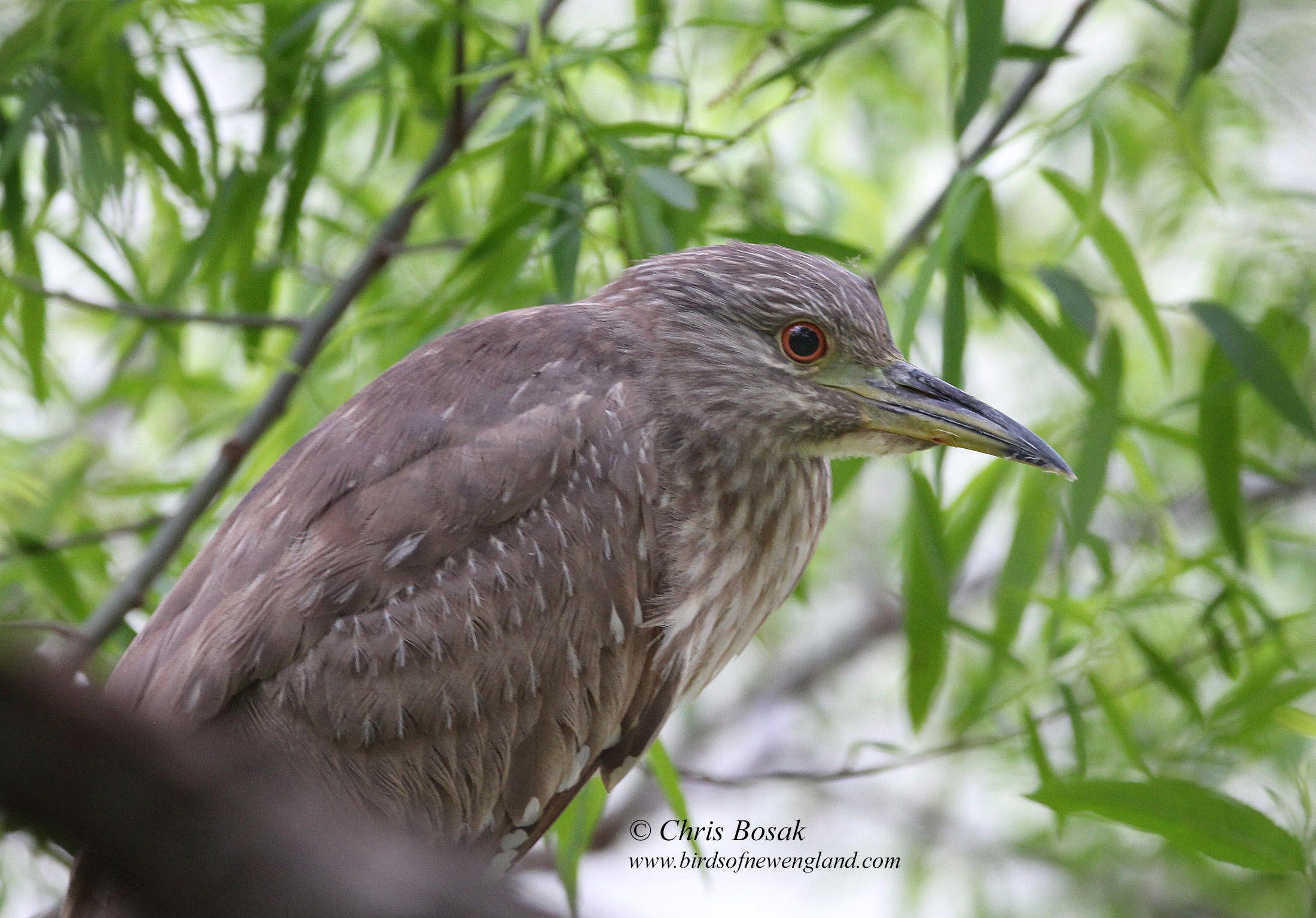
The other day, I posted a few photos of a green heron I saw at Patterson Park in Baltimore while I was visiting my son in school. Here are a few of the other birds I saw during the walk. Here’s the link to the green heron if you missed it.
Photo by Chris Bosak
An immature black-crowned night heron at Patterson Park in Baltimore, spring 2023.Photo by Chris Bosak
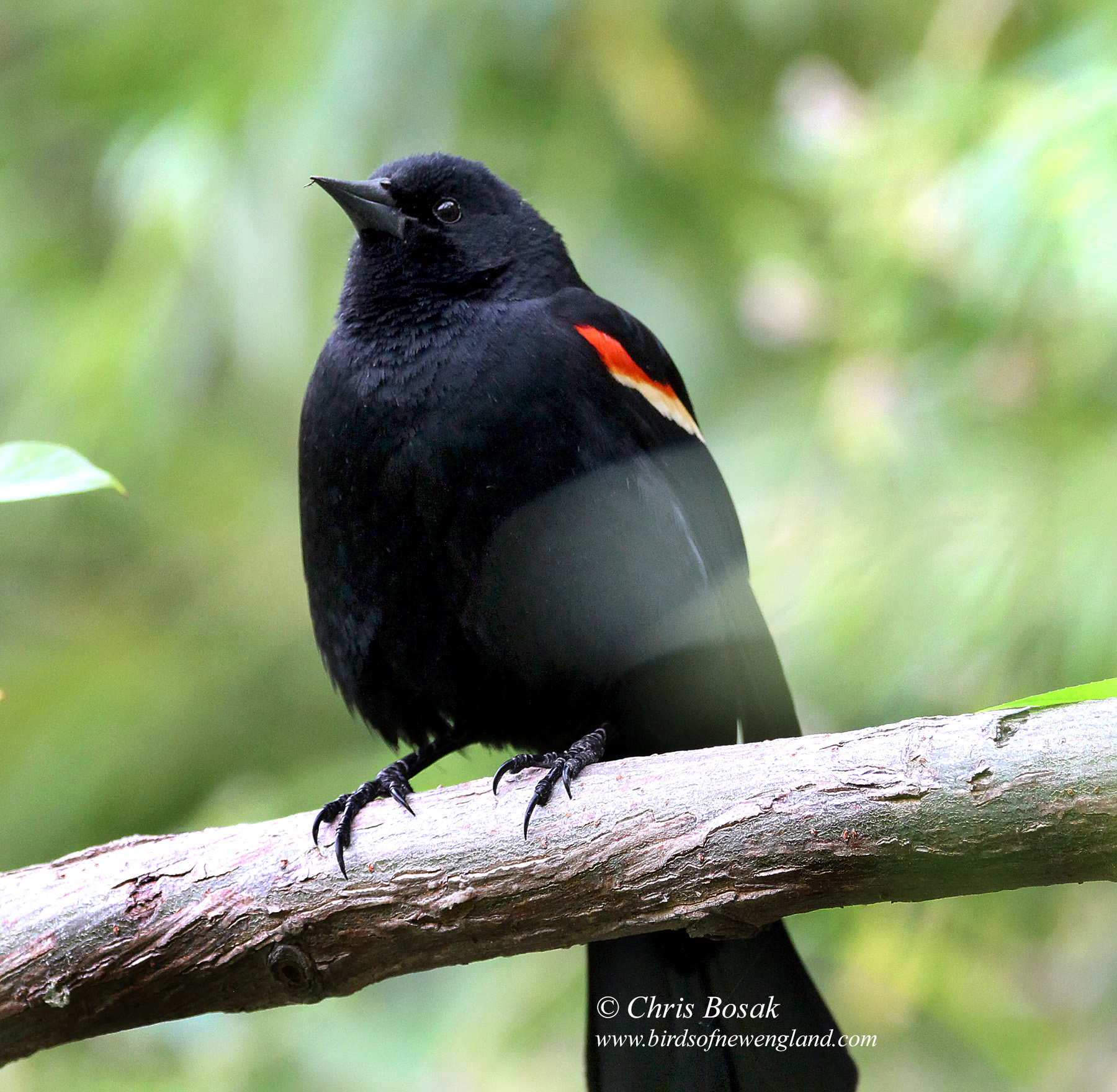
A northern flicker forages for ants on the ground at Patterson Park in Baltimore, spring 2023.Photo by Chris Bosak – Red-winged blackbird.
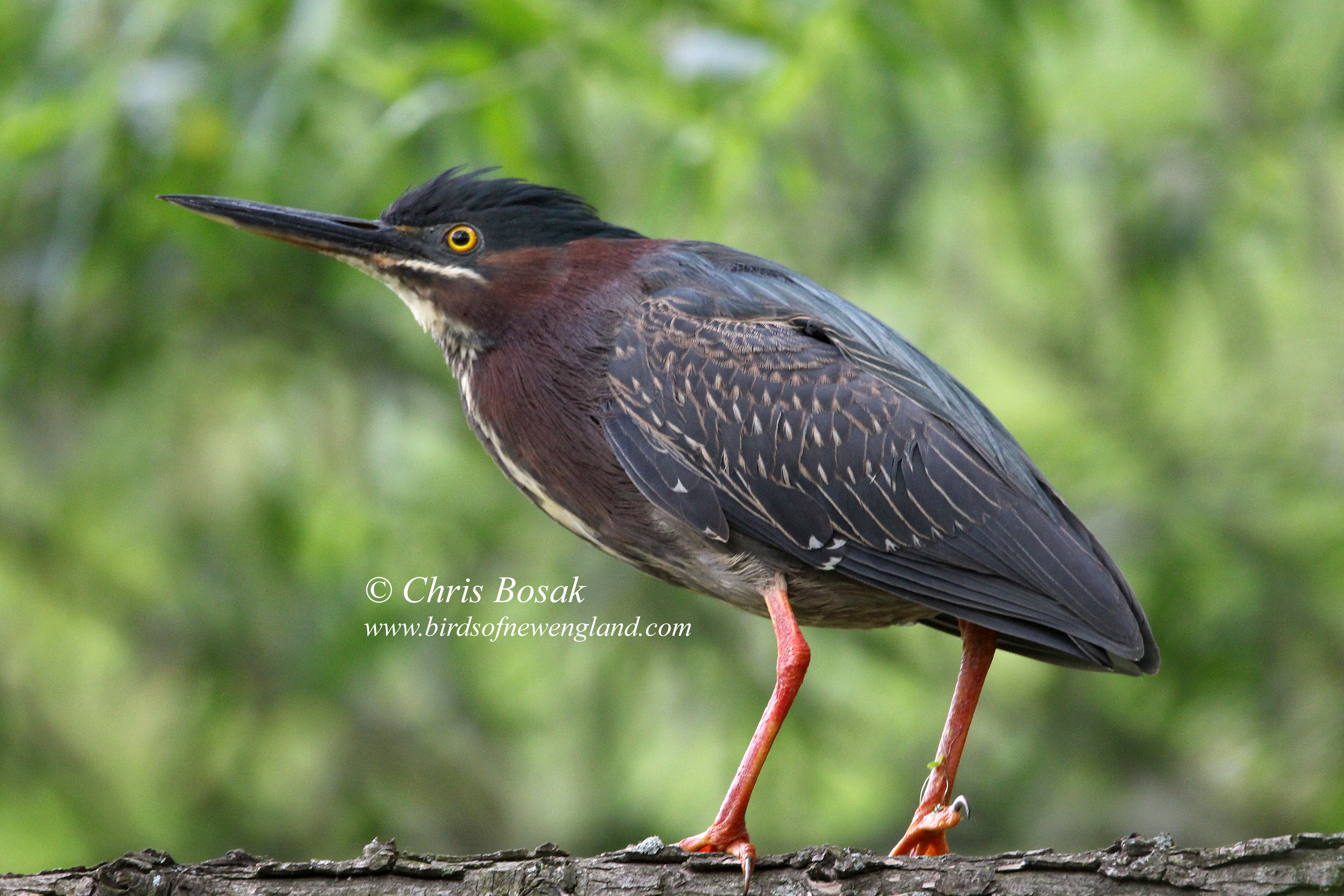
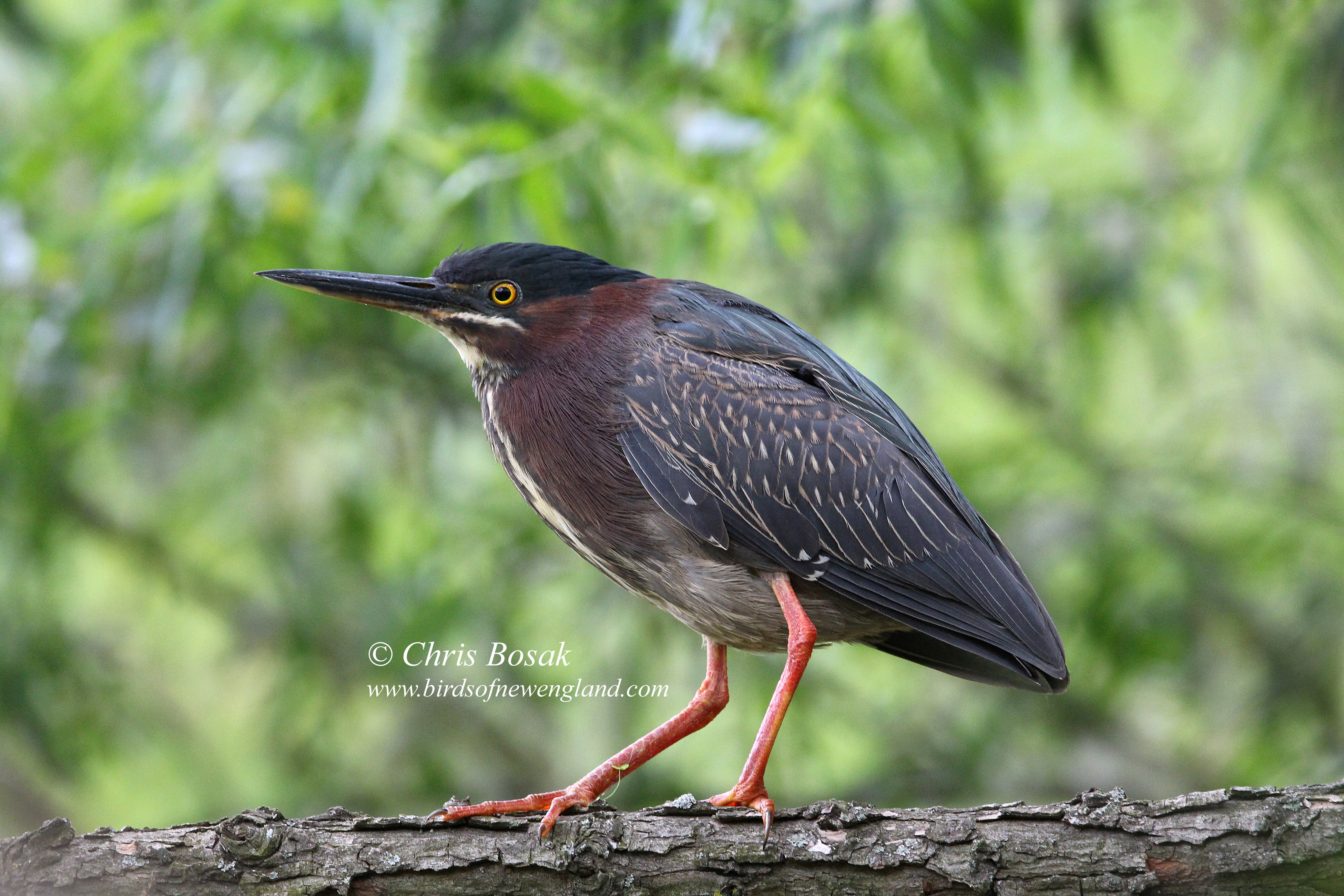
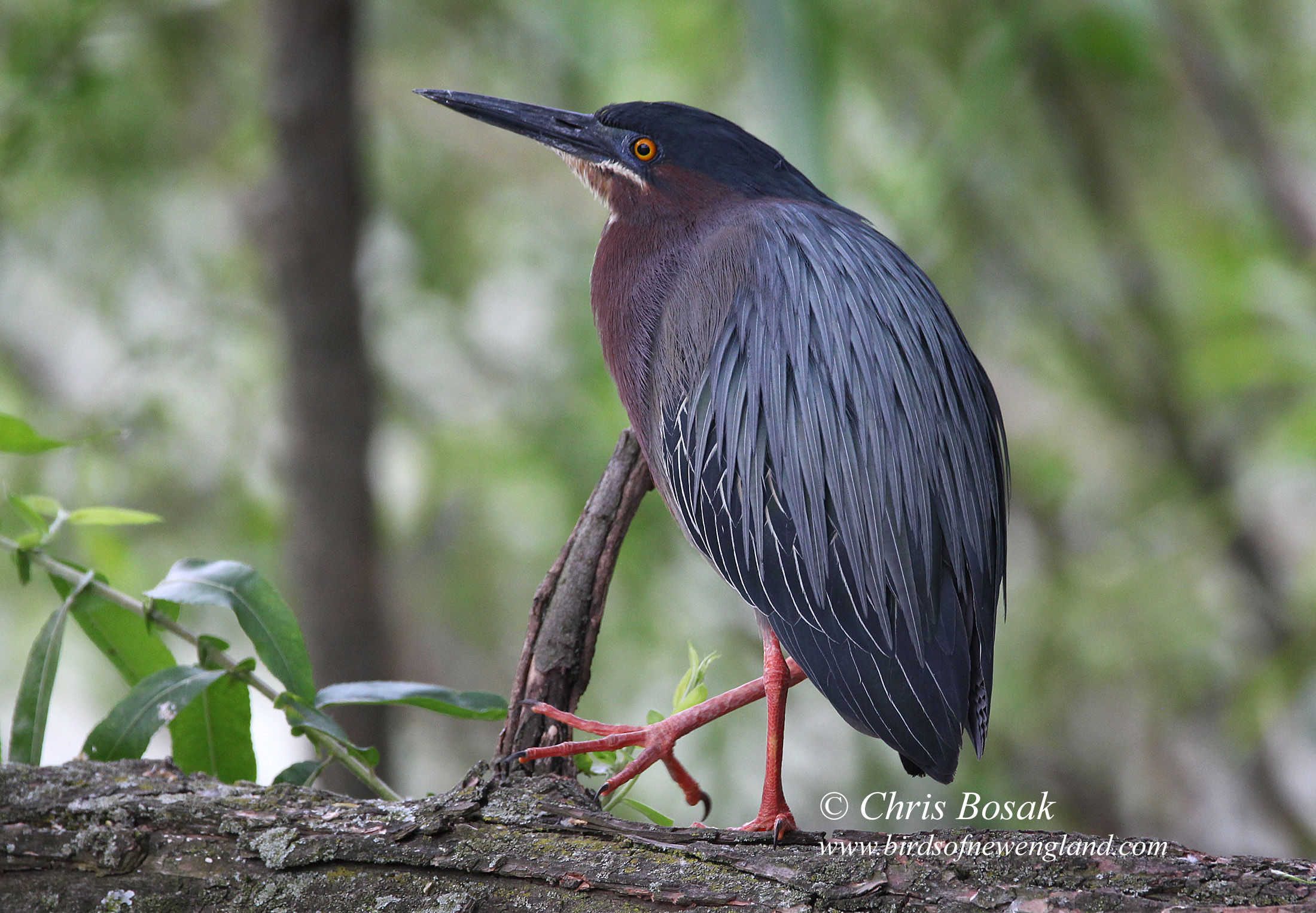
Waders (herons, egrets, bitterns) are one of the easier birds to photograph. I’m not saying they are easy by any stretch, but compared to other types of birds like warblers or other songbirds, they are easier. Waders are bigger, which alone makes for an easier photograph, but they can also often be approached stealth-like to fill the frame even more. Plus, they are all pretty cool looking. Green herons are among my favorite waders, and some of my better photos over the years have been of green herons.
I got these photos at Patterson Park in Baltimore, Maryland, when I was visiting my son at school a few weeks ago. Not New England, I know, but still acceptable on this site.
Sometimes you just have to be patient. I tell myself that every year but rarely, if ever, do I heed my own advice.
I am so eager for the spring migration to hit full swing that I start tromping through the woods starting in mid-April expecting to see all the explosive colors of the northward songbird migration through New England.
Walk after walk in late April and early May yields some great birds but not the full-on spring spectacle. Finally, one day in mid-May, I get that walk I have been waiting for with colorful birds all around. Patience is key, sure, but that’s easier said than done.
That walk happened for me the other day when I got up early and hit the nearest park. The action started right away with an eastern towhee. It was one of the few towhees I saw on the walk compared to the dozens of towhees I had seen during my late April walks. Most of the towhees have either moved north or settled into their nesting season and are remaining quiet and out of sight.
Then I heard a familiar song from the tree above me. The distinctive “chick-bree” call could only be a scarlet tanager. Despite their awesome coloration, male scarlet tanagers can still be difficult to find among the leafed-out canopy. I had little trouble finding this guy, however, as he flew from one tree to the next revealing its impossibly red plumage in the golden morning light of the rising sun.
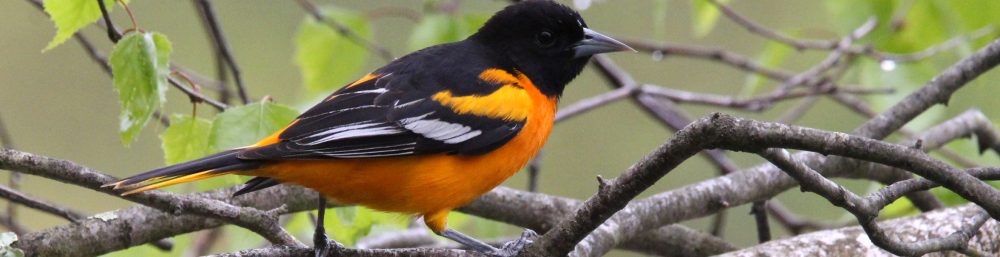
As I continued down the trail, the colors continued: the beautiful red upside-down triangle of the rose-breasted grosbeak, the electric orange of the Baltimore oriole, the dazzling blue of the indigo bunting, the bright yellow of the blue-winged warbler and the slightly darker yellow of the yellow warbler. Bobolinks and red-winged blackbirds brought life to the meadow.
The great sightings didn’t stop with the colorful birds as there were plenty of “dull” birds to see as well. Among the highlights were yellow-billed cuckoo, field sparrow and ovenbird. And lots of catbirds. Lots and lots of catbirds.
The sounds of the birds add to the magic. The insect-like buzzy song of the blue-winged warbler and tropical-like odd song of the cuckoo stood out among the rest.
It was the walk I had been anticipating for nearly a year. I enjoy New England year-round and each month has its special gifts for birdwatchers, but that mid-May walk when everything comes together never gets old.
If only the magic lasted longer. It’s called the peak of migration for a reason. Just as it has to build to its high point, so too will it now taper off as birds continue to push north or settle into nesting and go quiet.
Enjoy these days while they last. The color and variety are spectacular and unmatched by any other time of year.
Photo by Chris Bosak – Scarlet tanager in New England, May 2023.
A full column is forthcoming on this walk, but it was a good one. Here are a bunch of photos from the walk on the morning of May 18, 2023. Good variety and color. Gotta love mid-May.
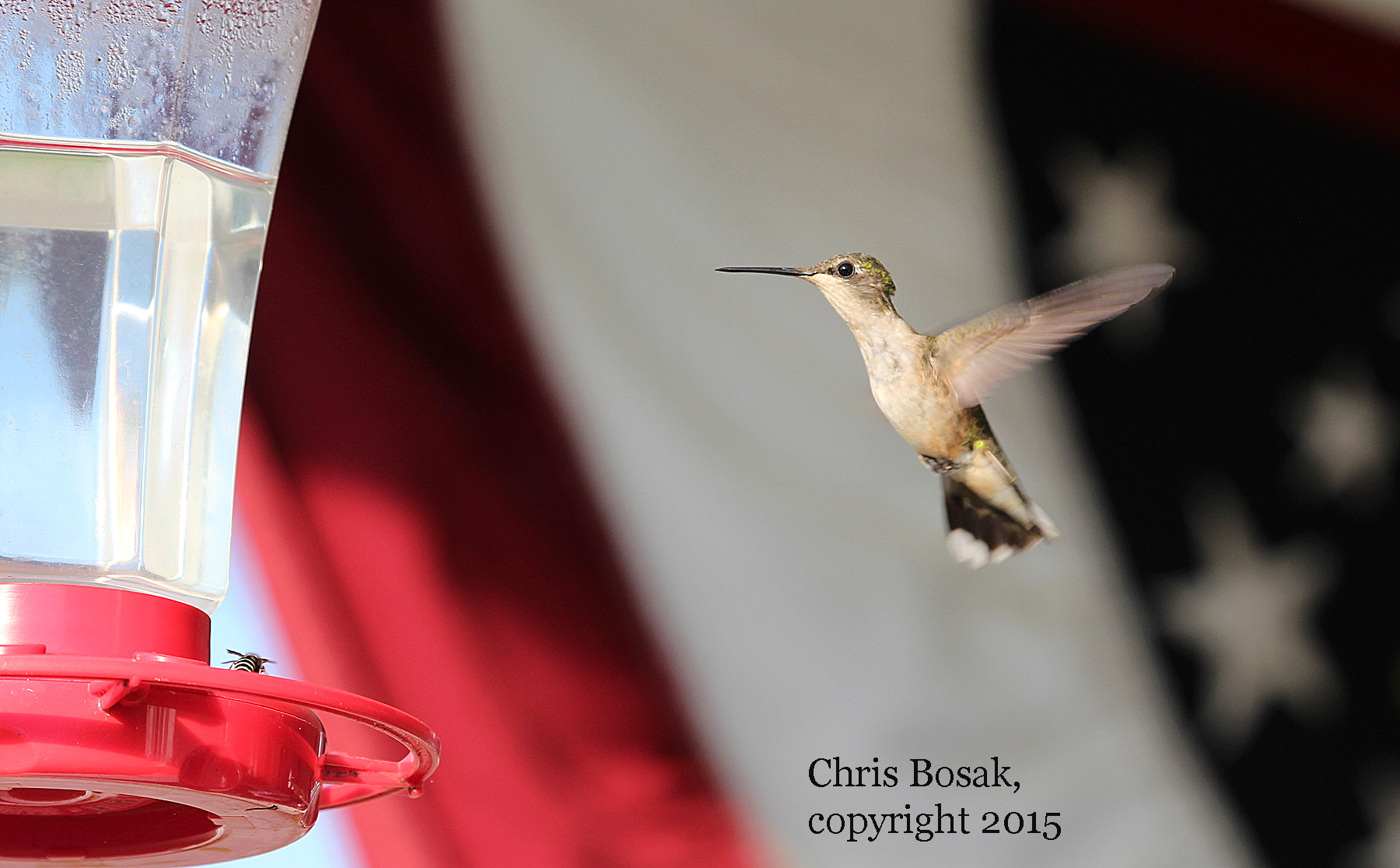
Photo by Chris Bosak – Indigo bunting in New England, May 2023. Photo by Chris Bosak – Male rose-breasted grosbeak in New England, May 2023. Photo by Chris Bosak – Female rose-breasted grosbeak with nesting material in New England, May 2023. Photo by Chris Bosak – Red-tailed hawk in New England, May 2023. Photo by Chris Bosak – Yellow-billed cuckoo with dragonfly in New England, May 2023. Photo by Chris Bosak – Great-crested flycatcher in New England, May 2023. Photo by Chris Bosak – Chestnut-sided warbler in New England, May 2023. Photo by Chris Bosak – Ruby-throated hummingbird takes a perch in New England, May 2023.
Photo by Chris Bosak
A chipmunk looks up after grabbing sunflower seeds from a feeder in Danbury, Conn., during the summer of 2018.
So, what is up with the chipmunk population this spring?
It’s well past the time when they should be lurking and scampering around our backyards and woodlands. The last few years the little imps have been ubiquitous and, depending on your perspective, entertaining or annoying us nonstop.
This year? I’ve seen only a handful, and others have expressed similar observations. I’ll share what others have written based on my request in last week’s column. At the end, I’ll share what my favorite wildlife expert has to say on the topic.
First, the people like me who have noticed a lack of chipmunks this spring:
“I finally saw a chipmunk at our house yesterday,” wrote Susan of Nelson. “Just one so far. We have plenty of gray and red squirrels, and it has been weird not to see chipmunks.”




 Birds of New England.com