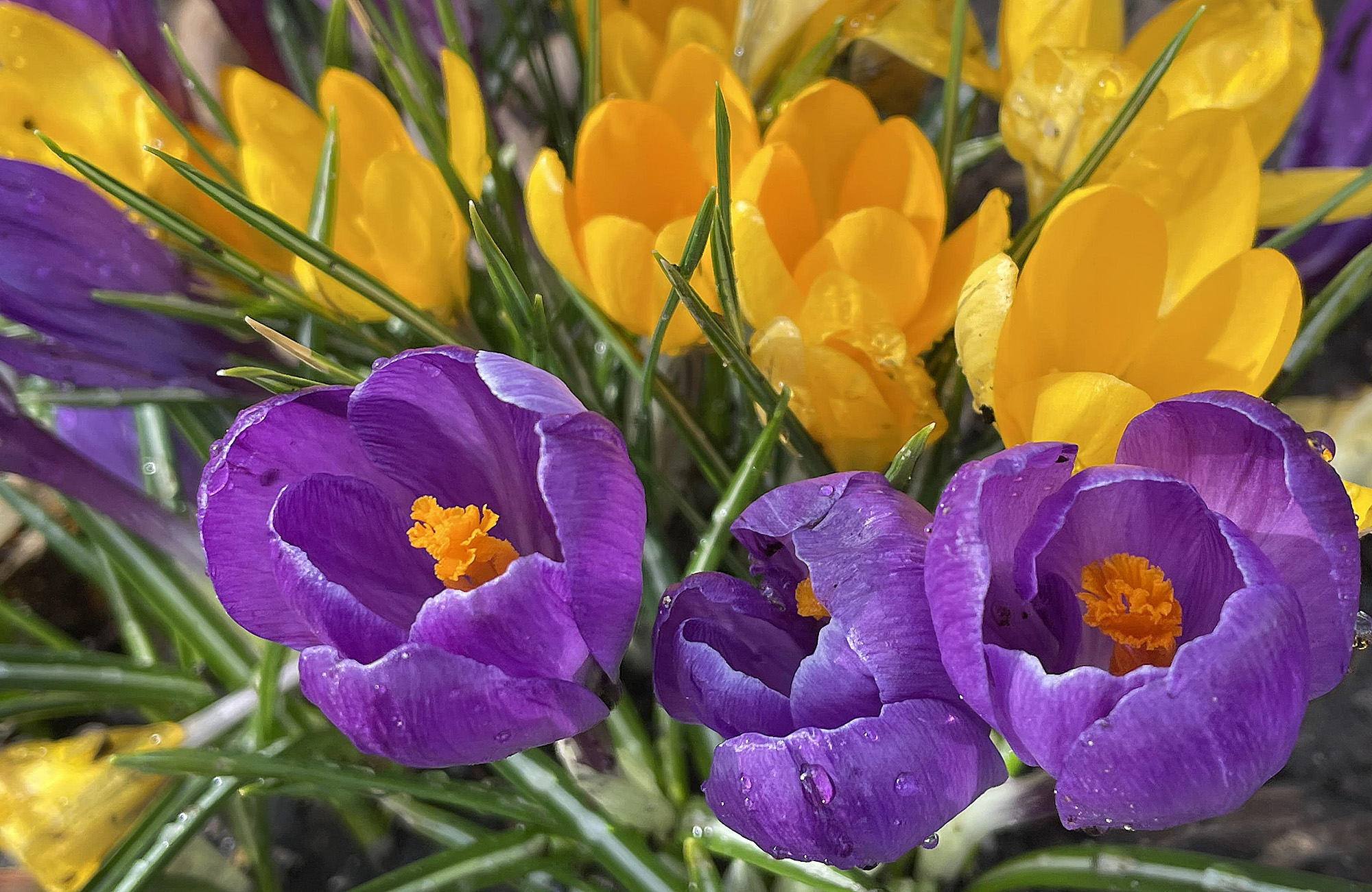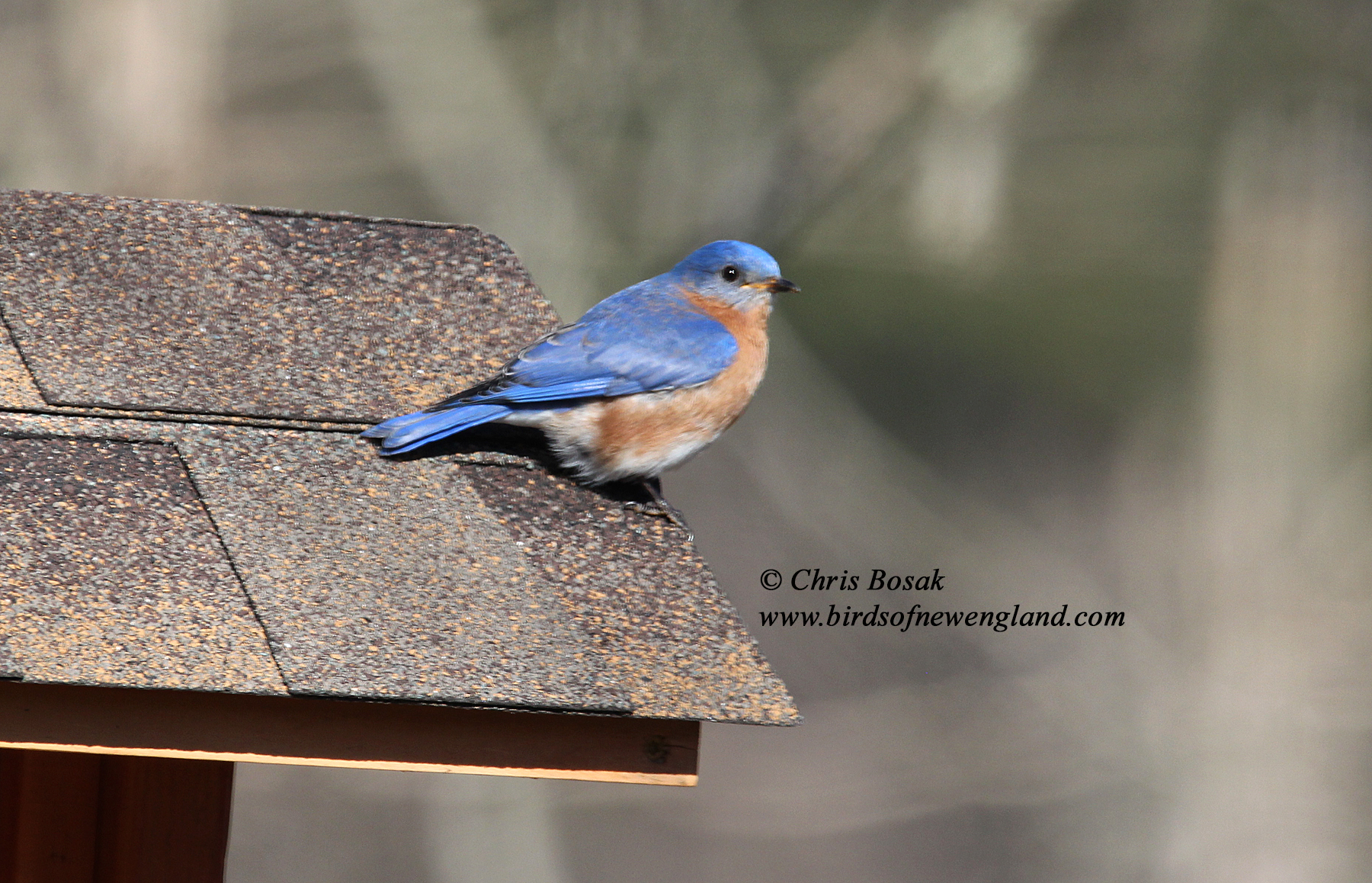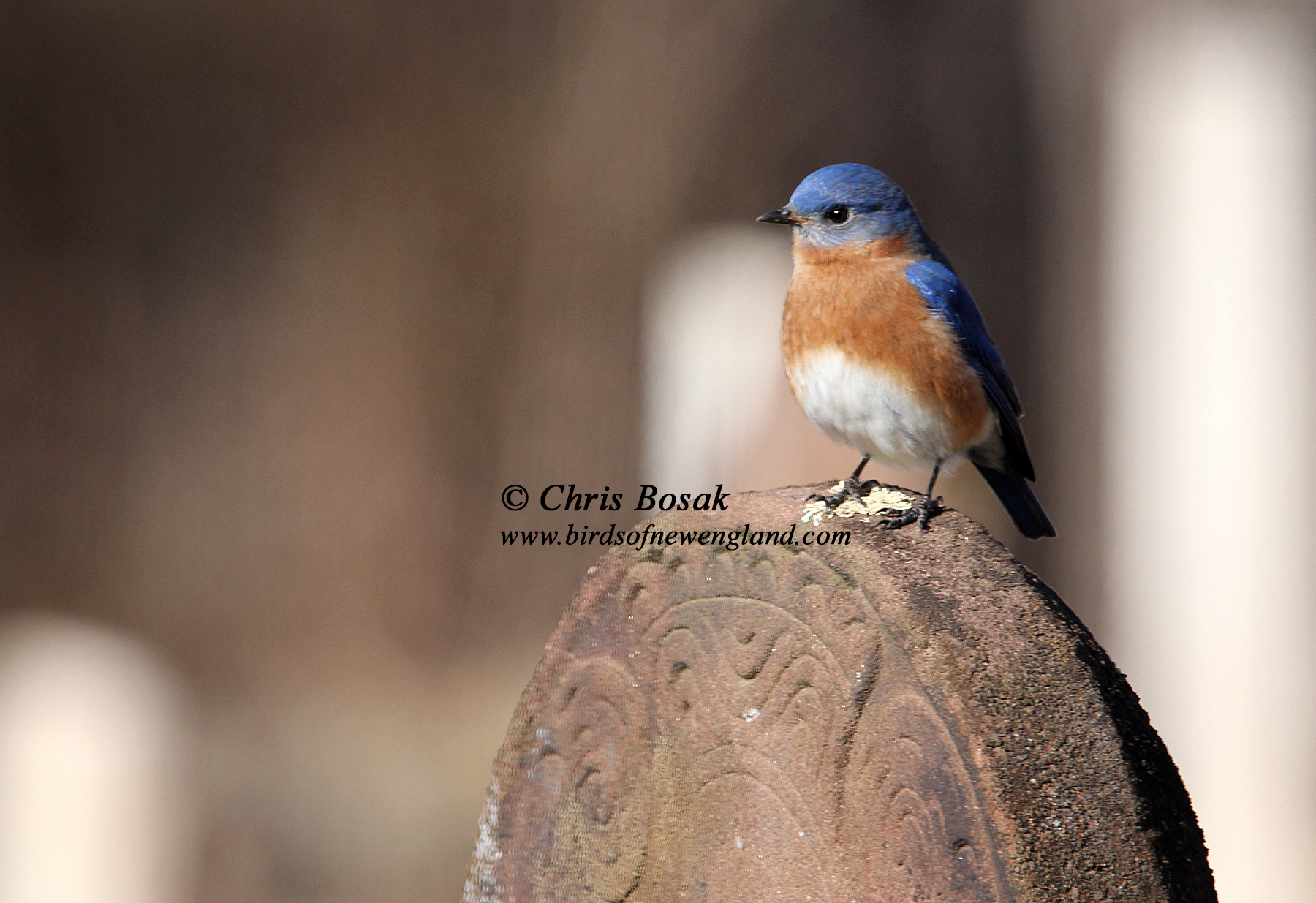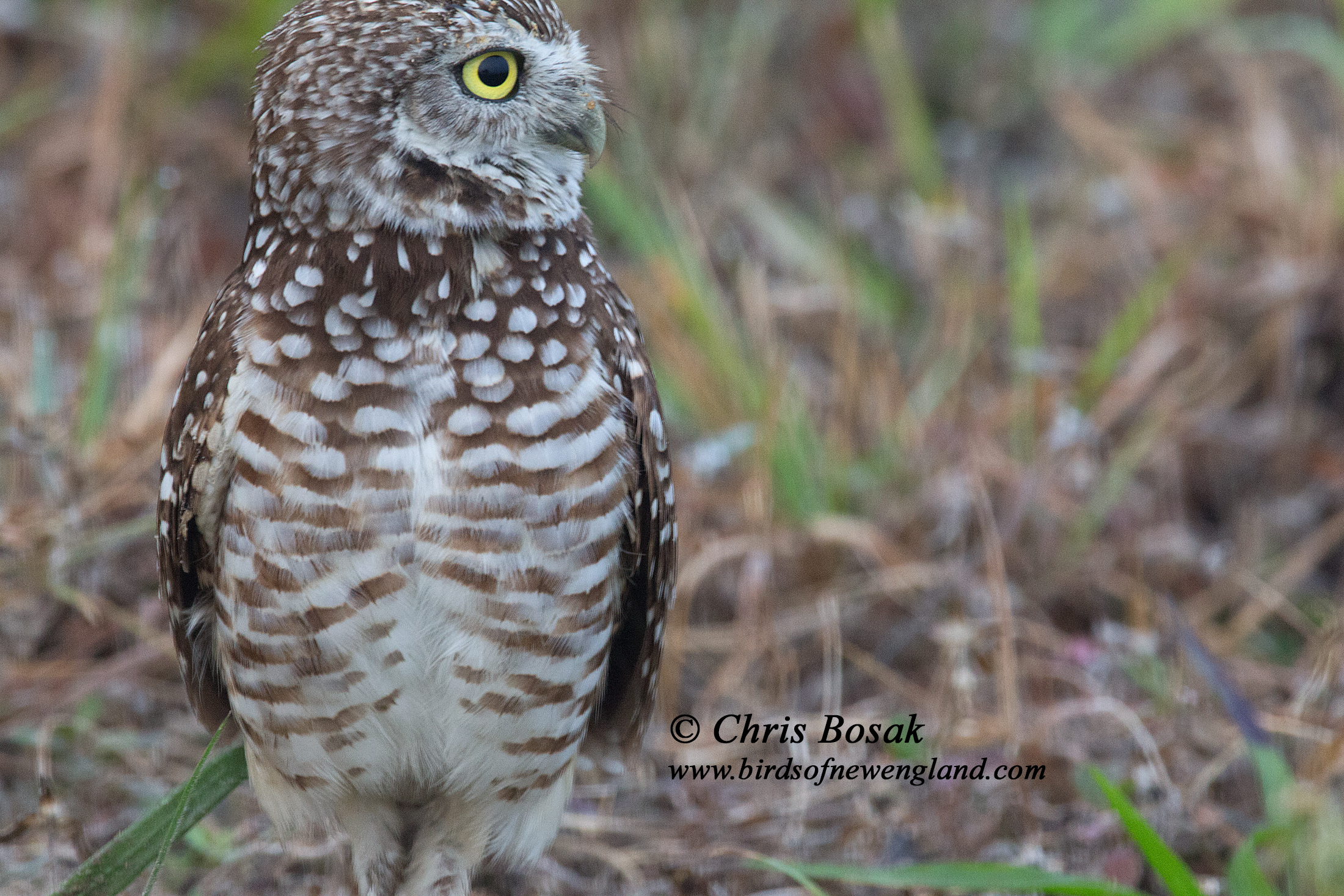
Christmas card 2 from Birds of New England

Photo by Chris Bosak A northern cardinal grabs a seed from a feeder in Danbury, CT, March 2019.

Christmas card 1 from Birds of New England

Photo by Chris Bosak An eastern bluebird braves a New England winter and visit a backyard for mealworms, winter 2020.

Christmas is a week away. Merry Christmas and Happy Holidays to all. Thanks for your support throughout the year. Every day leading up to Christmas I’ll post a winter-themed bird photo I have taken over the years. What better way to kick it off than with this beauty?

For the Birds: Carolina wren climbs in the pecking order

Photo by Chris Bosak A Carolina wren visits to a New England backyard, January 2021.

I find myself saying “that’s one of my favorite birds“ a lot. I know that list should be relatively short so as to not water down the significance of the birds on it, but it’s a list that grows and never gets pared down.

I have always been fond of the Carolina wren, but in recent years I have become more enamored with that little brown bird. Not surprisingly, it’s on that list.

Carolina wrens are a bit more brightly colored and a bit more loquacious than the other wrens we see in New England. That is saying a lot as the house wren is quite the loud talker as well.

Continue reading

For the Birds: The birder’s journey

Photo by Chris Bosak A snow bunting eats seeds on a beach in Connecticut, fall 2021.

A snowy owl at a Connecticut beach caused a big rift among birdwatchers last month.

Many people were posting its location, and others felt it was inappropriate and dangerous to the bird to post its whereabouts. On top of that, many people took exception to some photographers who were getting too close and being too aggressive with their craft.

I wasn’t there to see the bird or the behavior of the spectators, but I have certainly seen aggressive photographers before and most definitely do not condone their behavior. However, I have also seen non-photographers get annoyed at photographers for no legitimate reason. Like most situations, the truth is likely somewhere in the middle and dependent upon where you fall in the “how close is too close” spectrum.

I found myself in the vicinity of the beach last week and couldn’t resist trying to find the owl. It had been seen and photographed reliably for about two weeks before my visit. In fact, I met a birder in the parking lot that morning who had seen the owl the previous day.

Continue reading

For the Birds: Beginner to expert, do what suits you

Photo by Chris Bosak A blackpoll warbler eats berries in New England, November 2021.

Birdwatching can be as easy or as difficult as you want to make it. I’ve said it before, but that is one of the things I like most about the hobby.

If you are content being able to identify a handful of birds, then that’s fine as long as you enjoy it. If you can’t sleep unless you know the species, age and sex of every bird you see, then that’s fine as well.

Most of us, including myself, fall somewhere in the middle. The middle, of course, is a pretty vast area. Knowing a robin, blue jay, cardinal and a few other species is in one area of the middle. Knowing your sparrows, shorebirds, gulls and ducks falls in another area of the middle.

Continue reading

A cooperative chickadee

Photo by Chris Bosak A black-ca

For as common, tame and lovable as chickadees are, they can be difficult to photograph because of their tiny size (you have to be close) and constant movement. This one sat still long enough for a few photos the other day.

Photo by Chris Bosak A black-capped chickadee perches in a bush in New England, fall 2021.

A few more kinglet photos

As a follow-up to my last post, which featured the “small, but mighty kinglet,” here are a few more photos of these little dynamos. New England has two types of kinglets: ruby-crowned and golden-crowned. Here are examples of each. Despite their names, the “crown” is not the best way to determine an ID as the crown is not often displayed. Instead, look at their eyes. Ruby-crowned kinglets have a broken eyering (think of a ruby ring) and golden-crowned kinglets have a black streak through their eye.

Photo by Chris Bosak A Golden-crowned Kinglet rests on a branch in Selleck’s/Dunlap Woods in Darien in Nov. 2013.
Continue reading

For the Birds: The small, but mighty kinglet

People like large birds. Eagles, hawks, owls, even herons and waterfowl, get birders and non-birders alike excited.

Smaller birds? Sure, birders get excited about smaller birds too, but for non-birders, these birds have to bring something appealing to the table.

Everyone likes cardinals. They’re bright red. Everyone likes chickadees. They’re cute, tame and active. Non-birders are split on blue jays. Some like them because they are blue (and fairly large), and some dislike them because they heard jays are bully birds and they can’t let it go.

In fact, many smaller birds go completely unnoticed by non-birders, even when the birds make their presence rather obvious. A flock of white-throated sparrows or dark-eyed juncos can dart in every direction right in front of a non-birder and it will be as if nothing ever happened. A birder, however, will stop dead in his or her tracks, reach for the binoculars and try to find the little birds in the brush just to confirm an ID.

Continue reading

Great blue heron photo shoot

Photo by Chris Bosak A great blue heron at a pond in New England, November 2021.

I saw this great blue heron on the edge of a small pond. It obliged as I took a few photos and continued on my way.

For the Birds: Readers take over

Photo by Chris Bosak A red-bellied woodpecker perches on a log.

You’ve heard from me; now find out what others are seeing out there.

Red-bellied woodpeckers continue to proliferate in southern New Hampshire. It wasn’t too many years ago that these large, handsome and sometimes aggressive birds were extremely rare sightings in the Granite State. Their northern expansion has been impressive and now they are seen with much greater frequency throughout the southern part of the state.

I wouldn’t say they are common sightings here yet, but they are getting there. They are now very common in Connecticut, Massachusetts and Rhode Island, so it stands to reason New Hampshire and Vermont are next.

In the last few weeks, I have heard from Monadnock Region residents Cindy and Richard who have each hosted red-bellied woodpeckers at their feeders recently. Cindy from Keene wrote that her bird visits every day. She wrote that the bird’s red head is “almost neon” when the sun hits it just right.

Continue reading