

It’s time for my favorite column of the year; a look back at my top 10 birding highlights from the previous year.
For all its faults, 2021 was a pretty good year for birdwatching. One thing that is not on this list for the first time in nearly 20 years is the Christmas Bird Count. I look forward to the all-day event for months leading up to it, but I had to bail on my birding partner Frank this year. An as-of-yet undiagnosed foot ailment that comes and goes was acting up, so I had to sit out this year’s CBC. Bummer.
But the year did include several highlights. Here are the top 10:
10. Crossbills. A sizable flock of red crossbills entertained New England birdwatchers at a Connecticut beach in March. They flew from spruce to spruce and the birder paparazzi followed their every move. Crossbills are unique in that their upper and lower bills cross rather than meet uniformly. The adaptation helps them get at seeds in spruce cones. Read story here.
9. Loons. If I see loons in any given year, it will make this list. I was camping with Katie at Woodford State Park in Vermont and I was hopeful but not optimistic that we’d see loons. Sure enough, despite the campground being fully booked, a pair of loons swam at the far end of the lake.
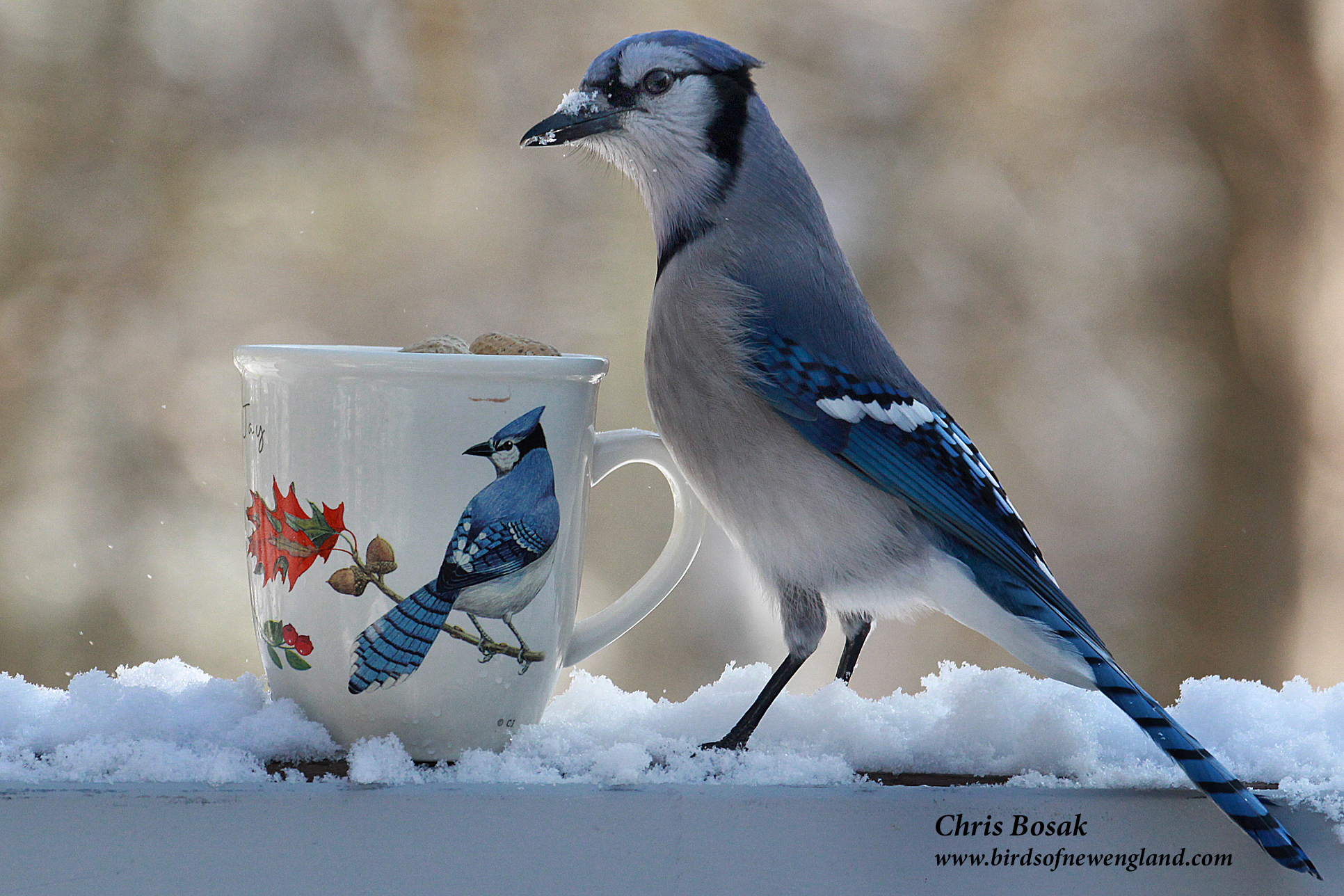
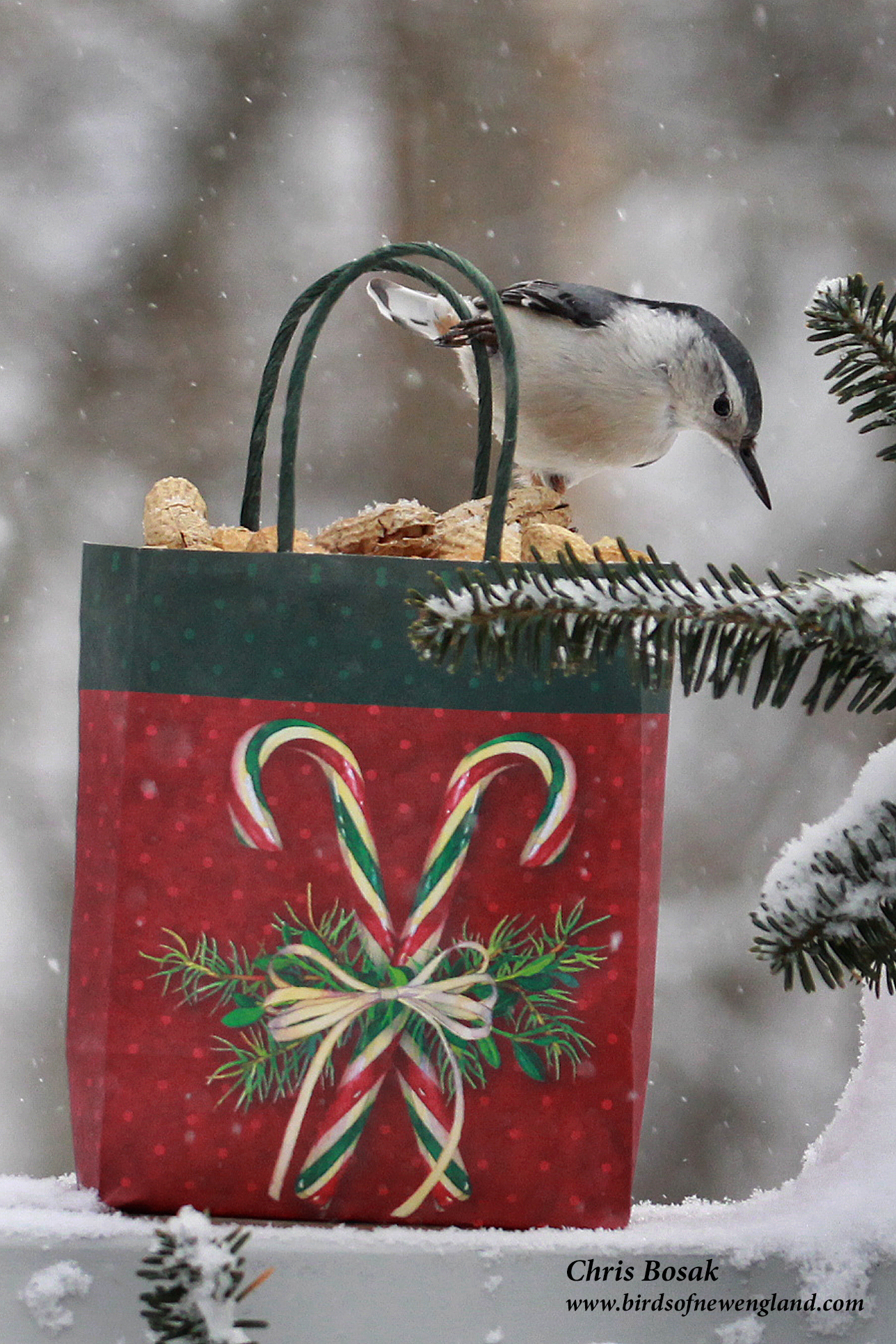
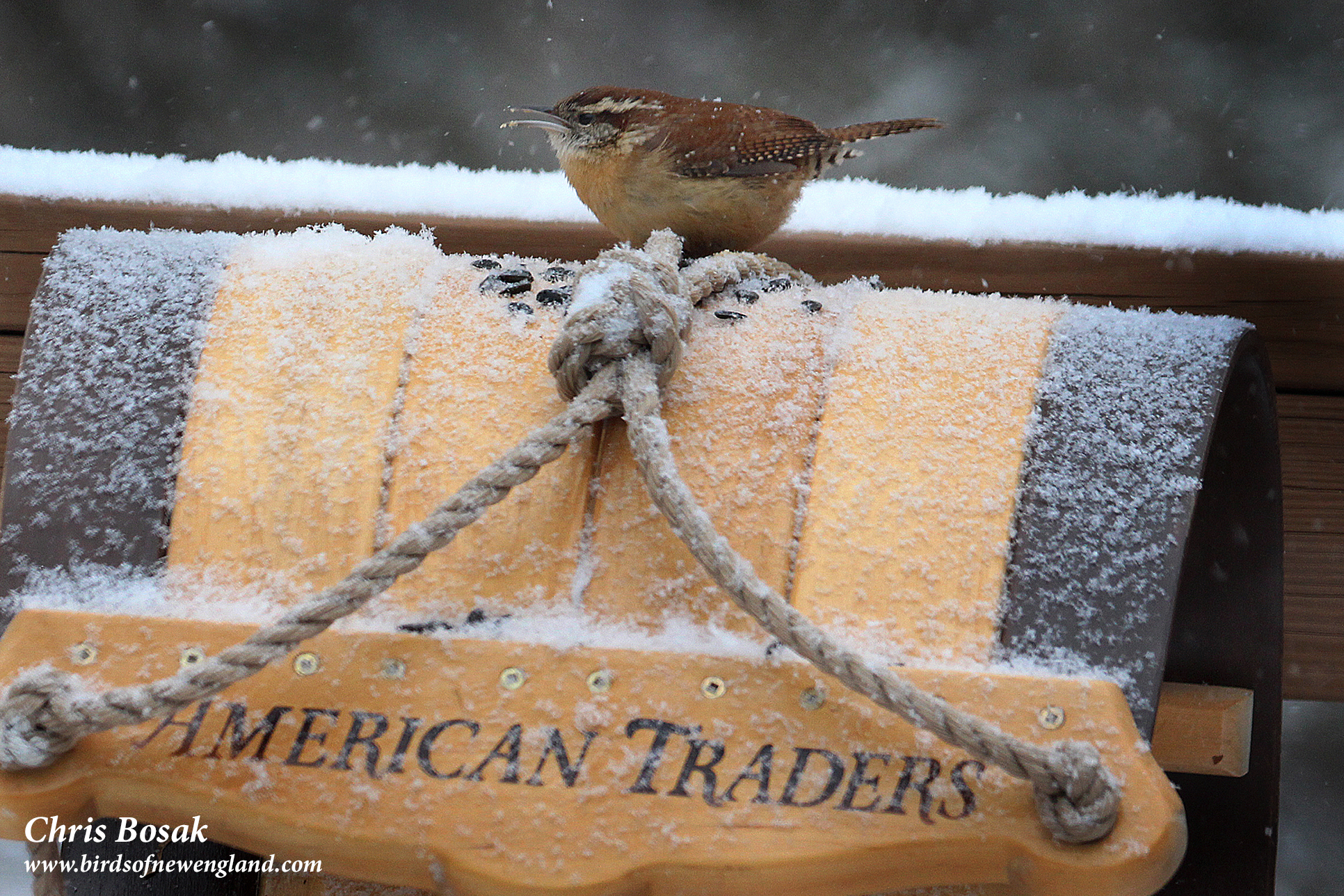
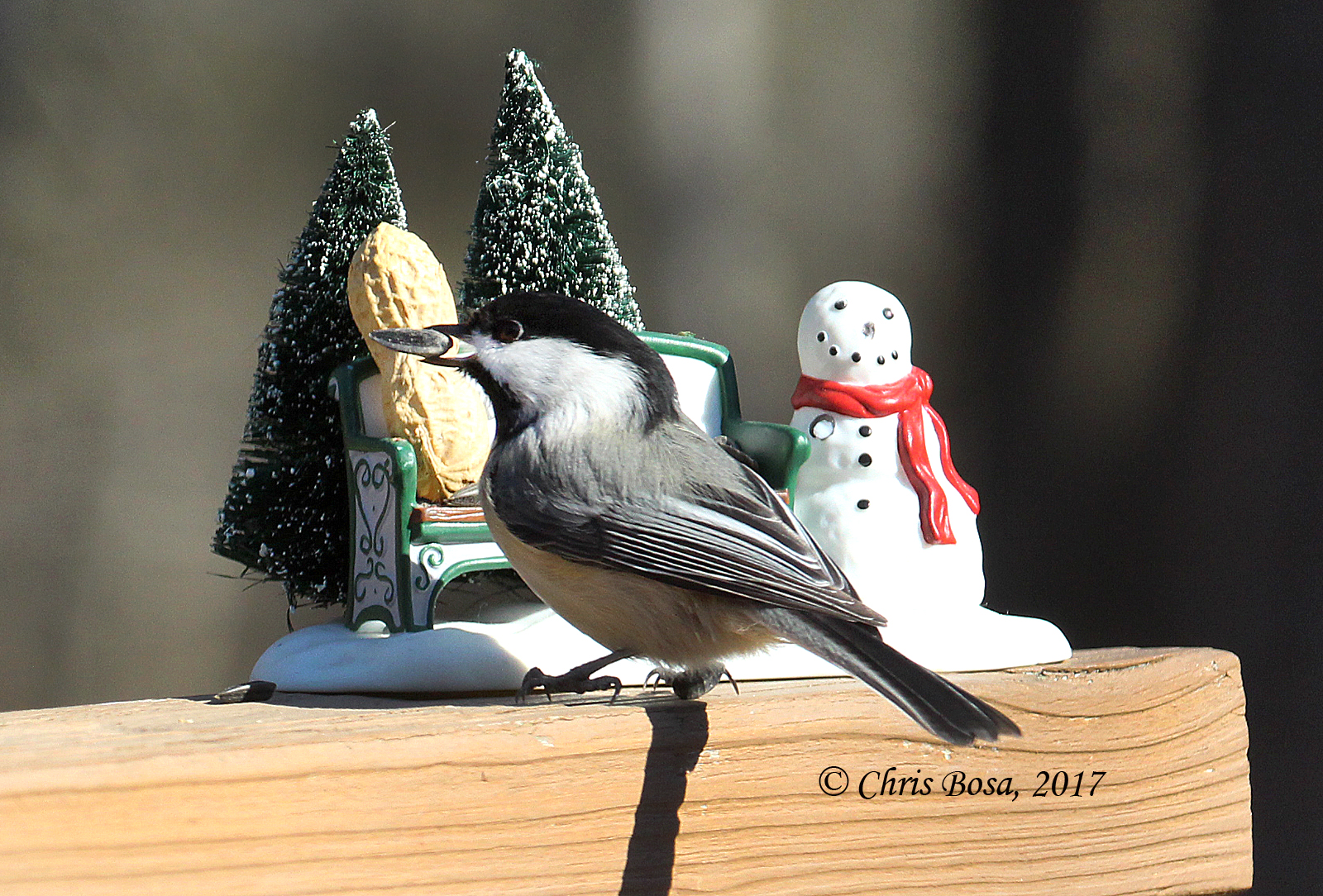
8. Feeder birds. My new home is not the birding paradise that my old place in the woods was, but a fair number of birds visit. I get most of the usual suspects, but the highlight was a small number of red-breasted nuthatches that came regularly last winter. Read story here.
7. Fall warblers. Birding in the fall can be tricky with the songbirds passing through in their non-breeding plumage. Warblers can be particularly tricky. But this fall, I had a few walks whereby palm warblers and yellow-rumped warblers (two that are relatively easy to recognize in the fall) were very numerous. It was like a little flashback to spring ahead of the long winter. Read story here.
6. Clapper rail. Katie and I walked along a marsh in the spring and heard the unmistakable call of a clapper rail. We looked at an opening in the marsh and the unusual bird ran across the mudflat and disappeared into the tall marsh grasses.
5. No owl, but buntings. I walked the length of a Connecticut beach where a snowy owl had been being seen reliably for quite some time. I came up empty on the owl, but did enjoy the snow buntings and larks that were there. Read story here.
4. Cooperative indigo bunting. Indigo buntings are a thrill to see regardless of the circumstances. One August afternoon, I came across a brilliant male indigo bunting singing from an obvious perch close to the trail. Bird photography should always be so simple. Read story here.
3. Road eagle. Anyone who drives to work knows the daily commute can get rather monotonous. One morning, as I passed a swollen part of a creek where wood ducks occasionally swim, I noticed a large bird perched on a snag over the water. It was an immature bald eagle either resting or looking for prey in or around the water. A break from the norm, for sure. Read story here.
2. Continuing For the Birds. I have written my For the Birds column for well over 20 years now. I enjoy writing it as much, if not more, than people enjoy reading it. I love hearing from long-time readers as well as new readers. A lot has changed in the world over the past 20-plus years, but New England’s passion for nature has only gotten stronger.
1. Bobcat! Without question, this was the nature highlight of the year. I spotted the bobcat from afar in a field and walked in its direction. It kept walking and going about its day. When it stopped and sat in the field, I stopped and grabbed a few shots with the camera. Then I slowly walked backward away from the impressive animal. Read story here.
I can’t wait to see what 2022 brings. In many ways, it’s off to a poor start, but let’s remain positive and create some great nature highlights. Drop me a line and let me know your highlights.





 Birds of New England.com