For the Birds: Sandhill crane not on my Bingo card

Sandhill crane, Presque Isle, Erie, Pa., May 2025.

What is rare and causes excitement in one area is often commonplace and taken for granted in other areas.

For instance, a roseate spoonbill caused quite a stir in southern New England a few years ago. People came from all over the region to see it. If you visit the right places in Florida, however, roseate spoonbills, while I’m sure still appreciated, are no big deal to the locals.

Conversely, there are birds common to New England that sometimes stray into other regions where they are not common and are a thrill for the people in that region.

Last week, while visiting my brother in Erie, Pennsylvania, I had one of those out-of-place bird experiences. We were walking along a trail looking for warblers and other migrating songbirds when I heard in the distance a very loud song from a bird that I did not recognize. Even though I didn’t know what the song was right away, I knew it was something special as I was certain I had never heard it before. The call was extremely distinctive, loud and carried a long way. 

My brother had his Merlin app activated and sandhill crane came up. I had no idea that there were sandhill cranes at Presque Isle State Park as we have visited there frequently and had never seen, heard or even heard mention of the large birds being there before.

Continue reading
For the Birds: Wrens, bobolinks and cranes (yes, cranes)

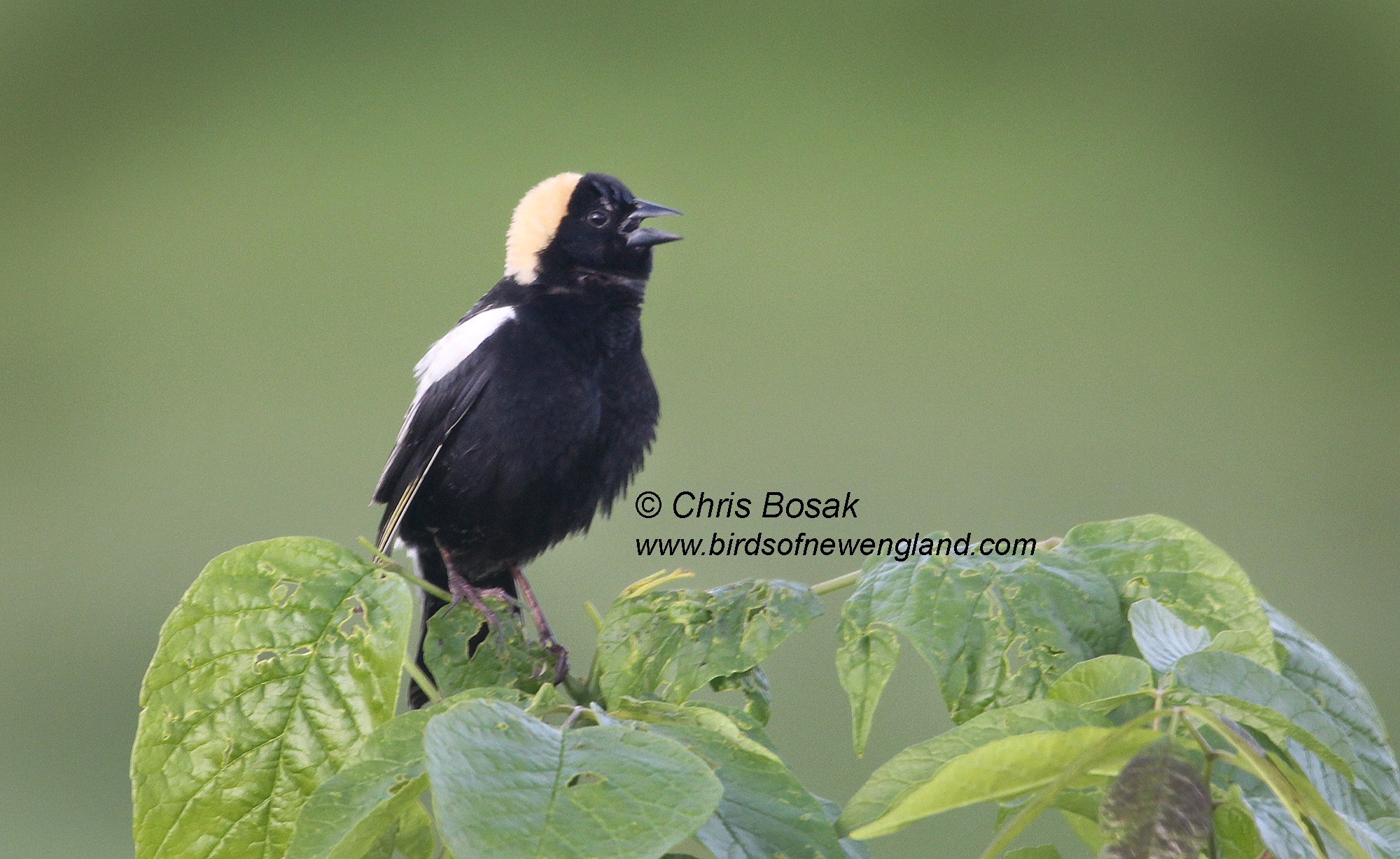
Photo by Chris Bosak – Bobolink in New England field.

House wrens and American goldfinches have been my main source of avian entertainment this past week.

Both of these birds nest, on average, later than most other songbirds. While birds such as phoebes and robins get started in March or April, house wrens and goldfinches start in late spring/early summer. I hear the disjointed, but still rather cheerful, song of the house wren every time I walk out my door. The goldfinches are more quiet, but highly visible in their bright yellow plumage going back and forth to the nest site.

Goldfinches feed their babies a vegetarian/seed diet so the early insect hatch that prompts so many other songbirds to nest is of no practical to goldfinches. Rather, they must wait until flowers to bloom and go to seed before raising their young. Their primary diet consists of milkweed, thistle and other “weeds.”

Continue reading

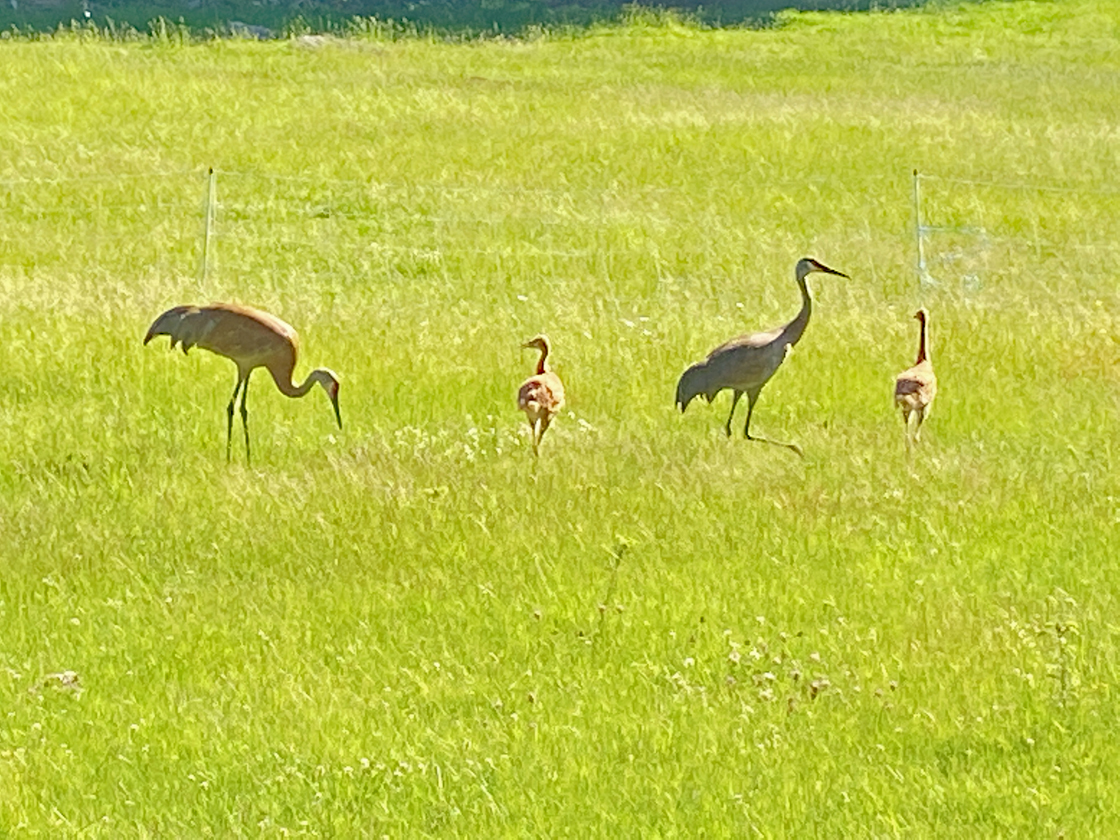
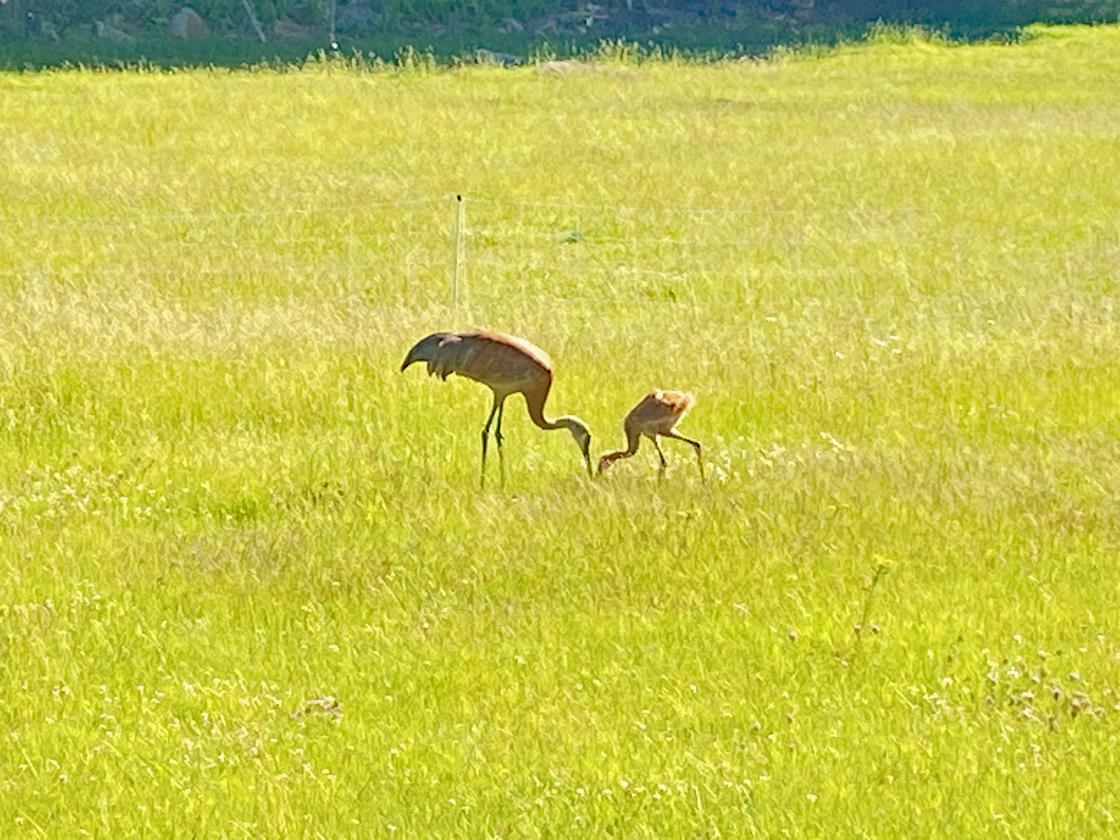
Sandhill Cranes in New England

Kevin Peters sent in these terrific photos of a sandhill crane family he saw last week (mid-June 2022) east of Plainfield, Massachusetts. I’ll add these to the Reader Submitted Photos page on this site, but I thought sandhill cranes in New England warranted a post of its own. According to eBird reports, other people have reported sandhill crane sightings in the Berkshire region this year. Numerous sources say sandhill crane sightings are increasing in New England. Definitely something to keep an eye on. Thanks for the photos Kevin!