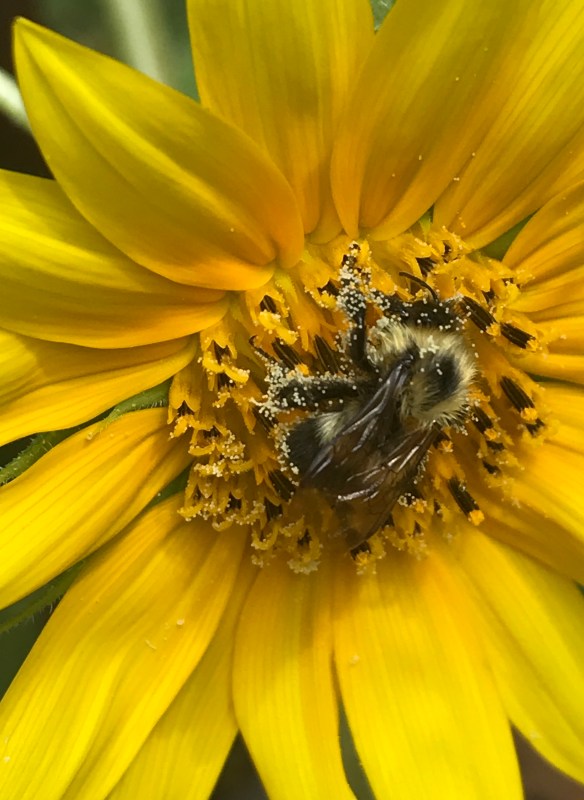
The best part of this iPhone photo — aside from showing a pollinator at work — is that the sunflower is a ‘volunteer’ from spilled birdseed. I have a few of them this year.
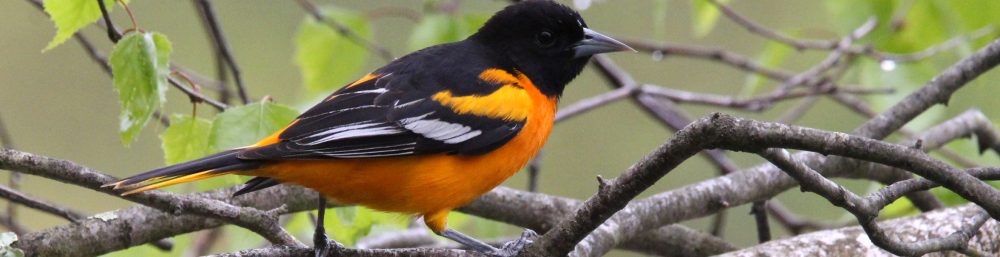

The best part of this iPhone photo — aside from showing a pollinator at work — is that the sunflower is a ‘volunteer’ from spilled birdseed. I have a few of them this year.
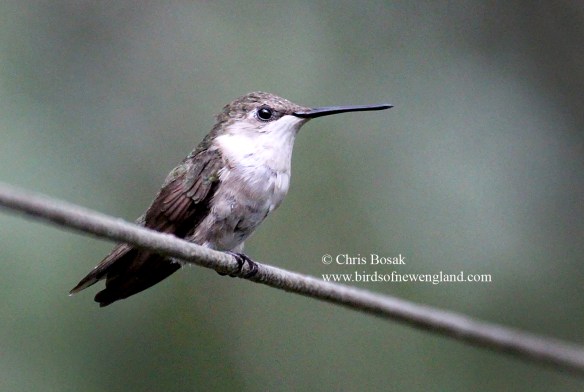
This dainty-looking lady is the queen of my backyard — just ask the other hummingbirds that dare get too close to “her” feeder.
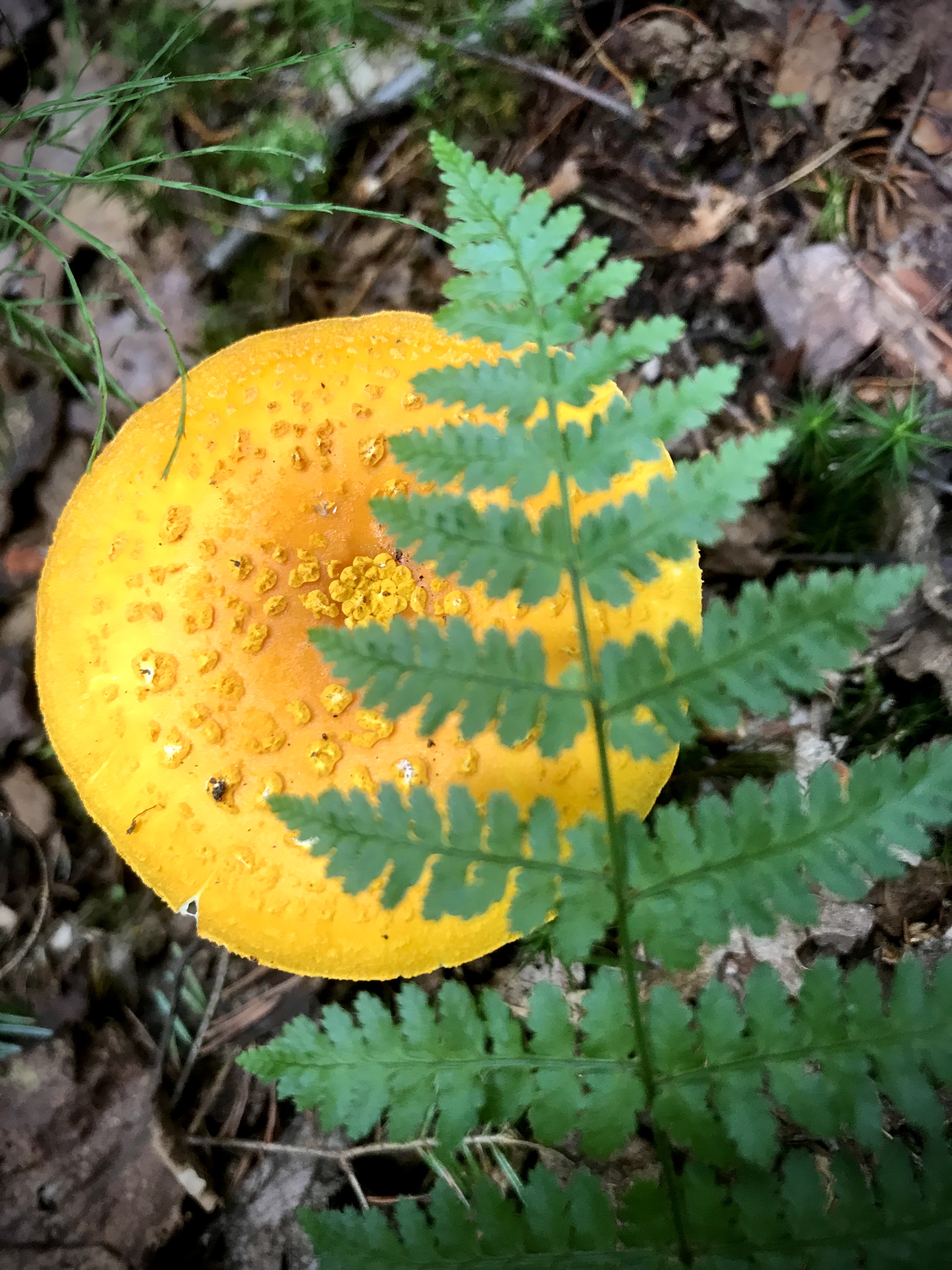
Like many New Englanders, I’ve been out of power since Tuesday afternoon. Based on the condition of my neighborhood, it may be a while until I’m back online. What a mess. So, with limited resources, here’s an extra photo from my recent trip up north. It was taken with my iPhone and I’m posting this with my iPhone.

It’s going on 30 years that I have been making frequent trips to the northern tip of New Hampshire to look for moose and other wildlife. Thirty years? Hard to believe.
I’ve seen a lot of changes in the Great North Woods over the decades, some positive and some negative. Granted, the trips have become less frequent lately, but I still try to make it up at least once a year.
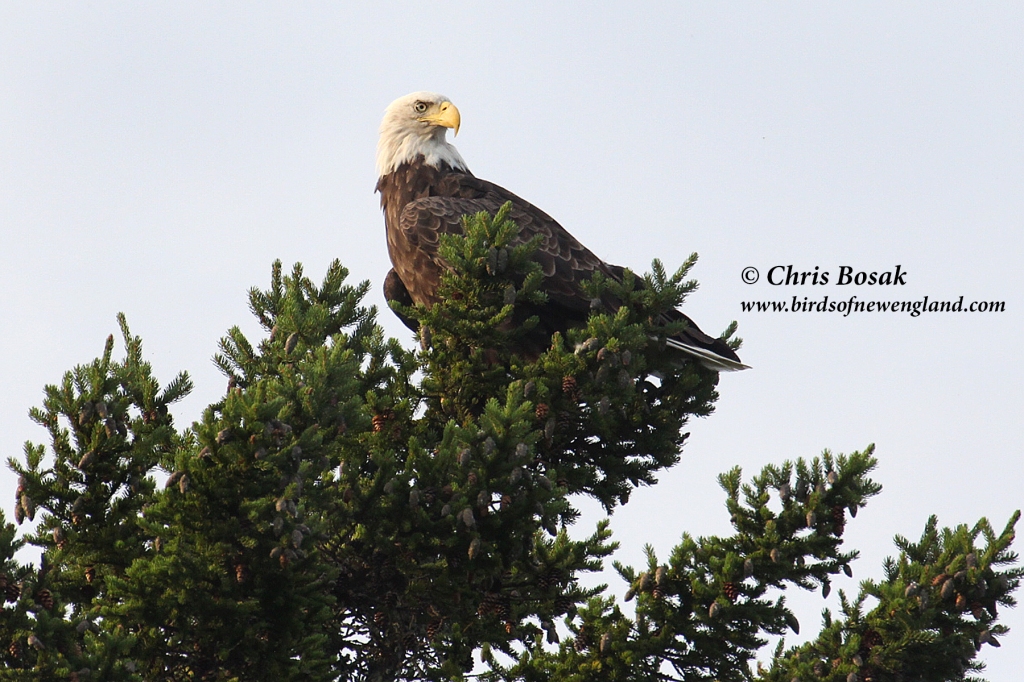
A positive I have noticed is an increase in loon and bald eagle sightings. Both those species have bounced back from low population numbers and now seem to be doing much better. That is thanks in large part to groups like the Loon Preservation Committee, which Continue reading

I always get lots of mileage out of my trips to northern New England. Here are a few more shots Continue reading
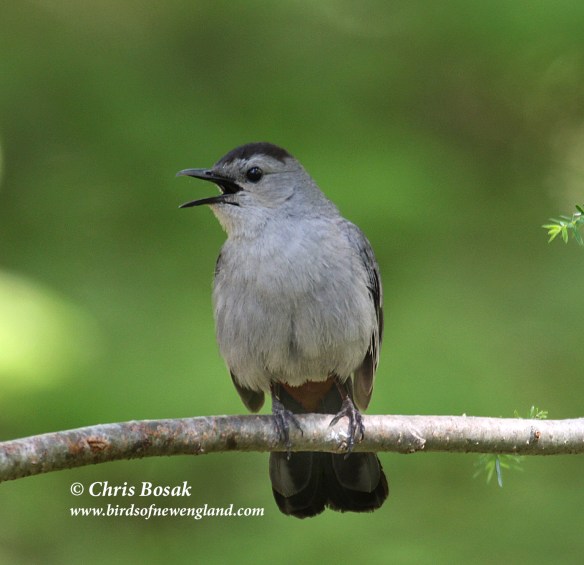
Look up “wood duck” in a cheap field guide and you’ll likely see a beautiful duck with green, pewter, tan, white and even some blue plumage. That is, indeed, a wood duck — a male wood duck in its breeding plumage.
If you saw a female wood duck, immature wood duck or male wood duck in its non-breeding plumage, you’d never find it in that field guide and you’d have a hard time believing someone who told you it was a wood duck because it looks nothing like the beautiful bird in the field guide.
Sometimes field guides lie. Well, they leave out a lot of the truth at least. There are top-quality field guides out there and even they can’t portray every bird in every possible plumage. Between the breeding, non-breeding and transitional plumages, it’s impossible to fit every variation of every bird into a book. That’s not even to mention all the other plumage oddities, such as leucism, albinoism and other conditions.
The same can be said for bird sounds as well. There are dozens of apps and websites out there now that feature bird sounds, but as terrific and helpful as they are, they can’t Continue reading
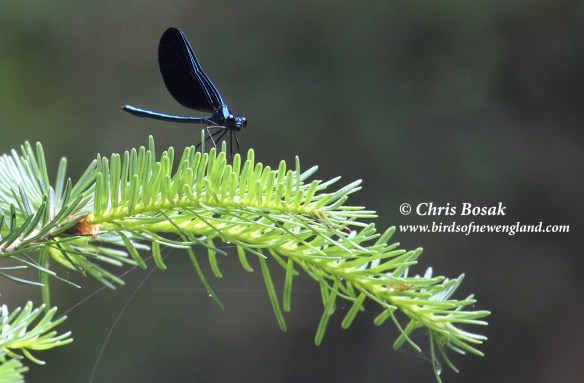
Here are a few more photos of my trip to northern New Hampshire (Pittsburg and Lake Umbagog). Yes, there will probably be yet another post or two coming up …

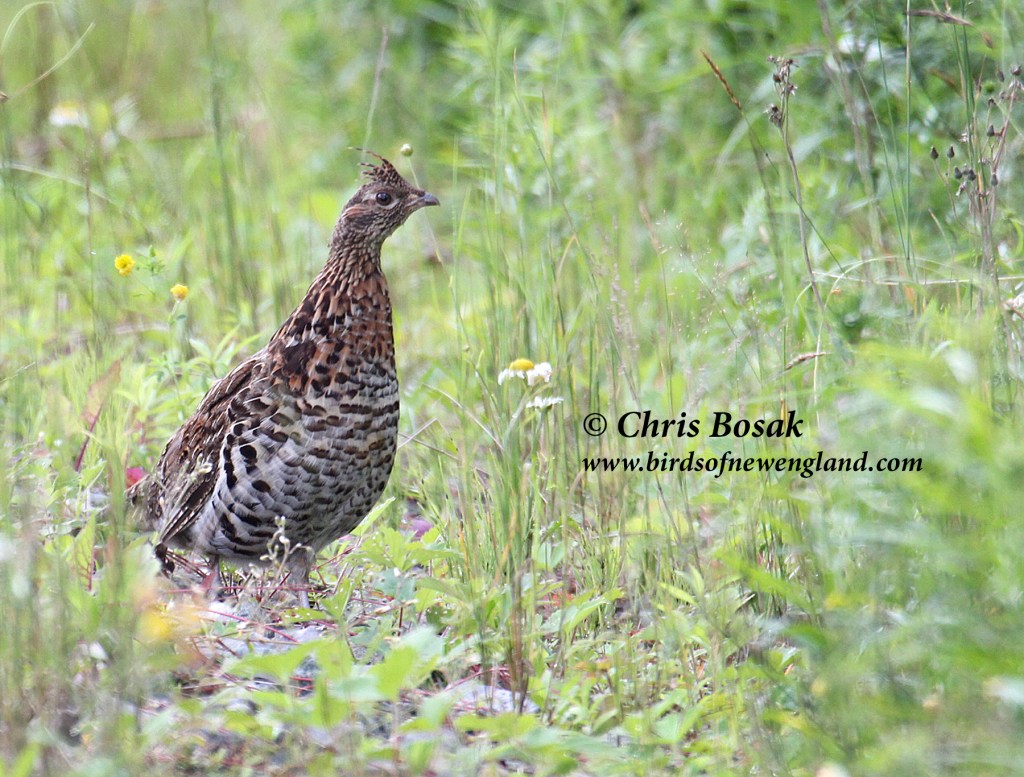
As I had mentioned in previous posts, I have been going up to visit the Great North Woods for nearly 30 years now and I’ve never seen so many turkeys as I did on this trip. They were Continue reading
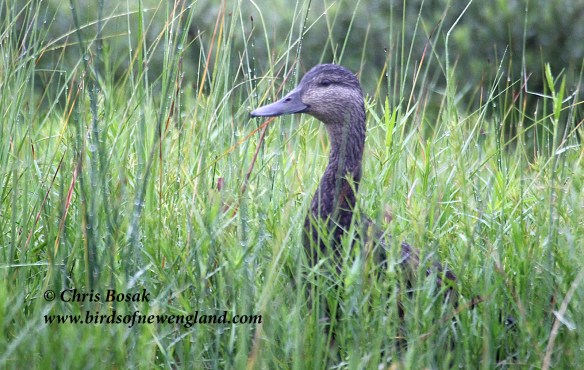
Here are a few more shots from northern New England, admittedly not as cool as yesterday’s moose post.

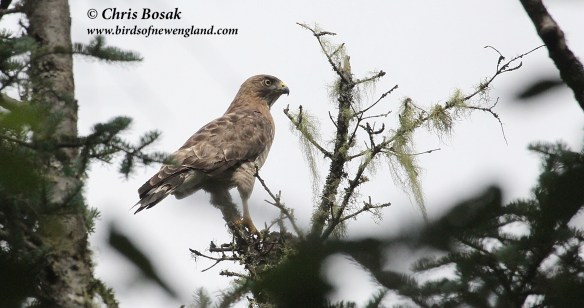
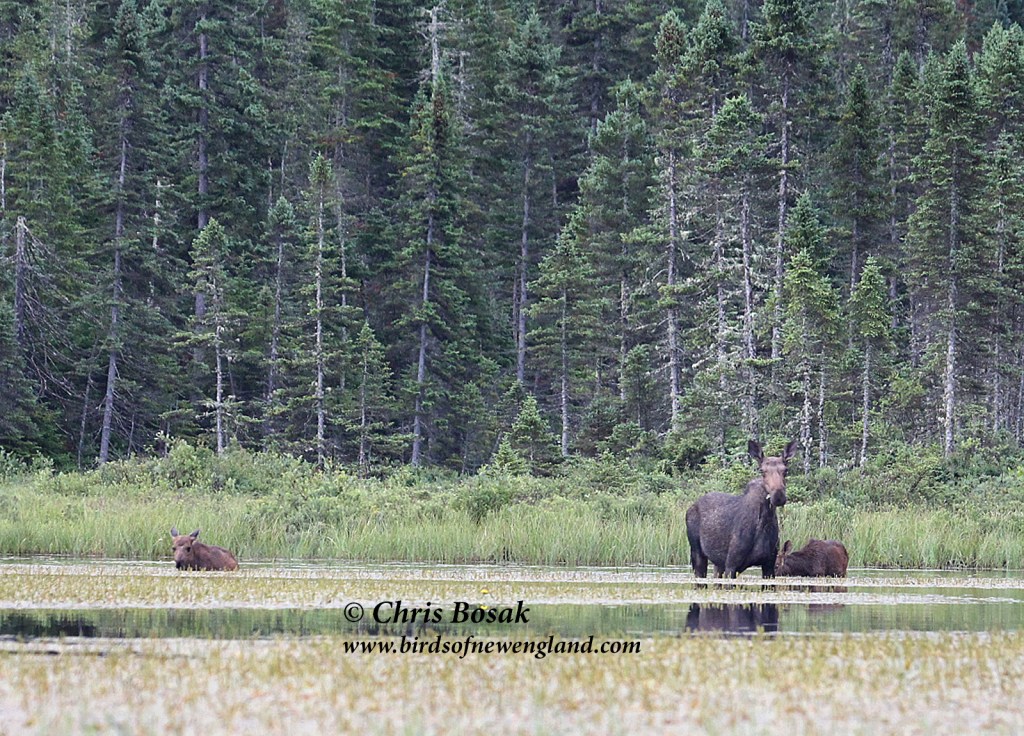
People come to the North Country for a lot of reasons: fishing, hunting, endless ATV and snowmobile trails, wildlife watching, etc. Those who are here wildlife watching (and I think I can speak for many people) have moose as their primary target. Unfortunately, the moose population throughout New England has declined dramatically over the last several years. Biologists blame most of the decline on winter ticks, which are thriving in the warmer winters and wreaking havoc on moose.
A fair number of moose remain, which is the good news, but the decline makes it that much harder to find them. Driving along Route 3 in Pittsburg, N.H., for instance, used to be a guarantee for moose sightings. Cars would line up in the evening around the salt licks and wait for the moose to show up. The salt licks are no longer and the remaining moose are scattered throughout the vast forest. It now takes a lot more skill, knowledge and luck to find a moose in northern New Hampshire. Mostly luck.
I was lucky and fortunate enough the other morning to find a moose — three moose, actually, as it was a cow with twin calves. I launched the canoe on a popular pond (fen, really) in Pittsburg, N.H, Monday morning, waited out a heavy rainfall under the cover of evergreens, relaunched after the rain, paddled around a corner and saw the three moose. They were the first moose I had seen in years and I stopped the canoe a good distance from them and admired the scene. I was beyond thrilled to see the moose, of course, but I was equally happy to see the twins. I hope they both grow up to be healthy adults and do not succumb to winter ticks like so many other moose. I hope they are a sign that things are turning around for New England’s moose population. That’s probably being naive, but I can always hope.
That’s been my only moose sighting on this trip north so far. I’ll keep searching.


With work pleading with employees to use vacation time and half (or more) of the country pretty sketchy at the moment, I did what I’ve been wanting to do for years: take another summer vacation to northern New England — specifically northern New Hampshire and the boreal forest.
The trip started in Errol on Lake Umbagog and now continues in Pittsburg, which borders Canada. Here are a few photos I’ve managed so far. More to come — of course.
The main target is moose. New England’s largest mammal, however, is having a rough go of it of late. Here’s why.

 Birds of New England.com