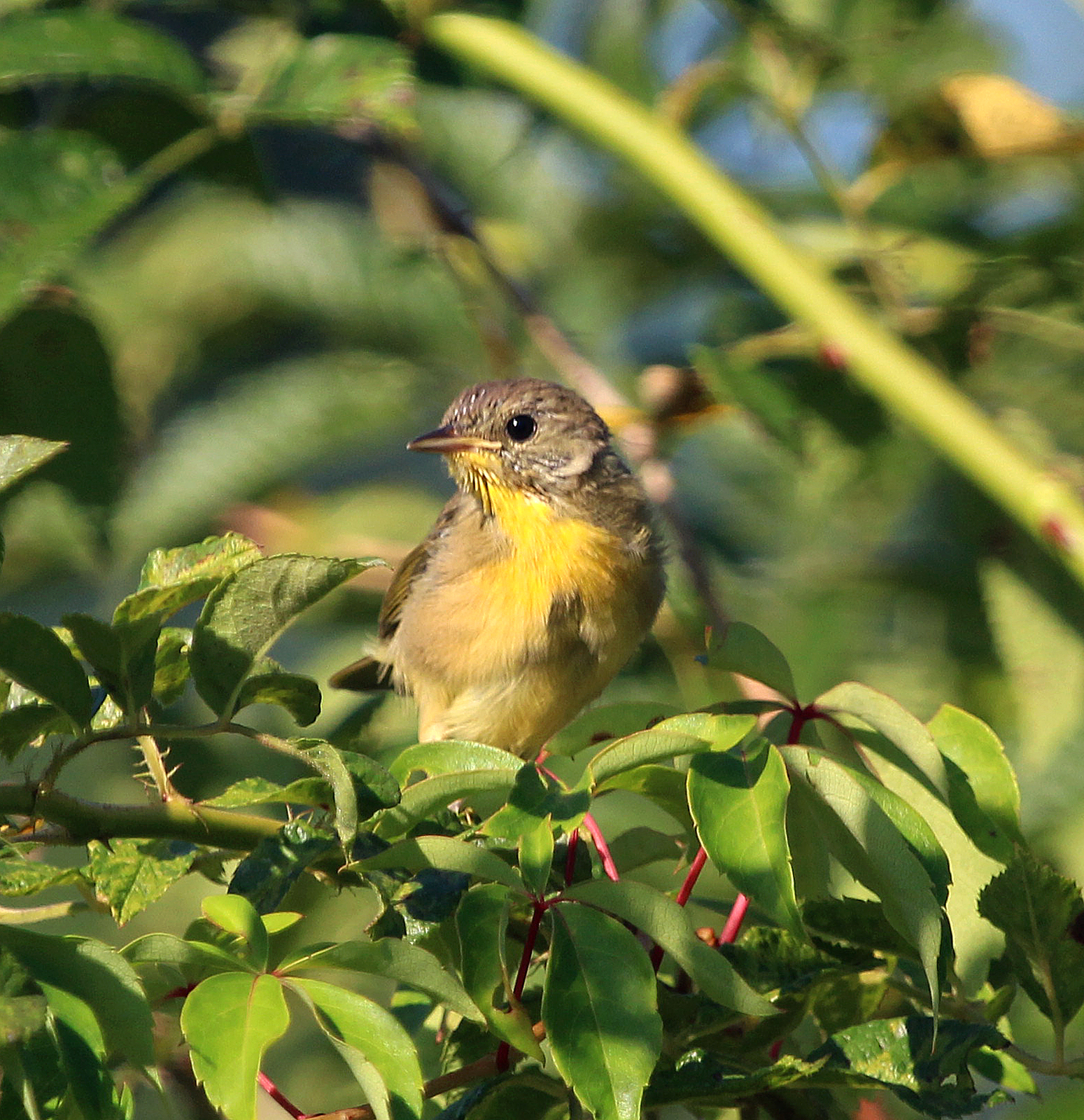
Tricky fall migration

Photo by Chris Bosak A female Common Yellowthroat perches in a tree in West Norwalk late this summer.

Photo by Chris Bosak
A female Common Yellowthroat perches in a tree in West Norwalk late this summer.

Here’s the latest For the Birds column, which runs weekly in The Hour (Norwalk, CT) and The Keene Sentinel (Keene, N.H.)

I’ve mentioned before that the fall migration, for the most part, is less ballyhooed by the birding community.

There are many reasons for this. The spring migration is so eagerly anticipated because it follows winter (usually a harsh one in New England) and birders are itching to see signs of rejuvenation in the natural world. The early flowers do a good job of heightening our spirits, but there’s nothing like the birds’ returning to really get us out of the winter doldrums.

The spring migration is also marked with a wide variety of colorful birds, most notably the warblers and other songbirds that pass through in April and May. The males are in their bright breeding plumage and singing their hearts out. The females are not as brightly colored and not as vocal, but are still a sight for sore eyes in the spring. The birds have a real sense of urgency in the spring migration, too. They need to get to their breeding grounds to get a good nesting spot and get down to th Continue reading

Ruby-throated Hummingbird drinking from berry

Photo by Chris Bosak A female Ruby-throated Hummingbird sips juice from a berry in Norwalk, Conn., summer 2014.

Photo by Chris Bosak
A female Ruby-throated Hummingbird sips juice from a berry in Norwalk, Conn., summer 2014.

Here are some more photos to accompany my most recent column in The Hour (Norwalk, Conn.) and The Keene Sentinel (Keene, N.H.)

Click here for the column.

Click below for more photos

Continue reading

Photo for next For the Birds column

Photo by Chris Bosak A Least Tern flies over its nesting grounds at Milford Point in Milford, CT, in June 2014.

Photo by Chris Bosak
A Least Tern flies over its nesting grounds at Milford Point in Milford, CT, in June 2014.

Here’s a sneak peek at the photo that will accompany my next For the Birds column that will appear in The Hour (Norwalk, CT) tomorrow (Thursday, July 10) and The Keene Sentinel on Monday, July 14. Check those newspapers’ respective websites to see the column soon.

If you live in New England and your local newspaper does not carry “For the Birds,” give the editor a call and suggest that they pick it up. They can contact me via this website. Thanks!

Find a baby deer? Leave it alone, it’s just fine

Here’s a column I wrote about a year ago that ran in The Hour (Norwalk, Ct.) and The Keene Sentinel (Keene, N.H). It is about finding baby deer that are “abandoned” — but not really abandoned, of course. Since it is that time of year again when people may stumble across baby animals, I figured I’d put this column out there again.

Photo by Chris Bosak A fawn hides in the woods, June 2013.

Photo by Chris Bosak
A fawn hides in the woods, June 2013.

What do old tennis balls, my boys’ penchant for baseball, and a nearby school have to do with this nature column?

Hang in there, you’ll find out soon enough.

First, let’s back up to winter. During snowless winter days I like to wander around the woods surrounding tennis courts and collect as many old tennis balls as I can. My boys used to love to join me in this endeavor. Now they kind of just tolerate the venture.

So why would I spend time and put up with the invariable scratches that come with such an outing? To have plenty of fodder for batting practice in the backyard. I live next to a school and the property is divided by a chain link fence about eight feet high. It makes for the perfect home run derby fence. I don’t have the bank account to fix all the broken windows that using a real baseball would cause, so we use old tennis balls.

The boys are getting bigger and stronger so lots of tennis balls go flying over the fence. Sometimes four or five pitches in a row are lost in the small p Continue reading

An interview with David Allen Sibley

Example of Sibley guide's second edition.

Example of Sibley guide’s second edition.

David Allen Sibley, the renowned birdwatcher and field guide author/artist, was kind enough to grant me and The Hour an interview about his recently released second edition of The Sibley Guide to Birds. I picked him up at the train station, drove to The Hour offices in Norwalk, and did the interview. I was hoping for some time to do some birdwatching, but alas, time was tight and it just didn’t happen. Not really anyway (read the column ((link attached)) for more details.)He sat down with The Hour photographer Erik Trautmann and me and I fired a bunch of random birding questions at him. We started, of course, with the field guides but then, as my interviews normally do, we headed off in all kinds of directions.It was a great time and I’m glad David took the time to do the interview in our office. Click here for the column and accompanying video of a portion of the interview. I will add to this website more audio of the interview in the coming days.

Thanks for visiting http://www.BirdsofNewEngland.com


For the Birds column: Greenberg to speak about Passenger Pigeon book at Yale

Contributed image Cover of Joel Greenberg's "A Feathered River Across the Sky."

Contributed image
Cover of Joel Greenberg’s “A Feathered River Across the Sky.”

Here’s an excerpt from my latest For the Birds column, which will be in print in The Hour tomorrow. Full story is available online now, click on link below.

….

Joel Greenberg says the story of the Passenger Pigeon is unique in three ways: the species’ sheer abundance; its vast flocks; and its rapid descent to extinction.

To expand on that a bit: The Passenger Pigeon likely numbered in the billions in the mid 1800s. Its flocks were so monumentally large that naturalist John James Audubon wrote that a single flock darkened the sun for three days. Finally, the species went from billions of individual birds to zero in matter of about 40 years.

Greenberg is the author of “A Feathered River Across the Sky: The Passenger Pigeon’s Flight to Extinction,” which was published in January by Bloomsbury USA. He is also working on an accompanying documentary entitled “From Billions to None.”

Species in peril today are protected by various laws and, for the most part, have the human race rooting for them to survive. That was not the case with the Passenger Pigeon.

“Hunters, instead of saying ‘let’s lay off a bit,’ took the other attitude,” Greenberg said. “They said ‘this bird is disappearing so I’m going to kill as many as I can before they are gone.’ There were a handful of individuals expressing concern, but not many.”

But, Greenberg points out, …

Click here for the rest of the column.

Why are birds attacking my windows?

My latest For the Birds column was prompted by a question I received from a reader. It was a good question and one I’ve received several times in the past. So here’s my attempt at answering the question: “Why are birds attacking my windows?” (By the way, if you have a bird question for me, feel free to send it to bozclark@earthlink.net.)

Photo by Chris Bosak A Northern Cardinal eats berries from a cedar tree.

Photo by Chris Bosak
A Northern Cardinal eats berries from a cedar tree.

The good news is that signs of spring are everywhere in the birding world. The bad news is that this winter doesn’t seem to want to loosen its grip.

So for now let’s focus on the signs of spring and think warm thoughts. Not quite bird related, but I’ve noticed several plants poking out of the ground already. A nearby bed of daylilies has produced several of the plants jutting out about an inch already.
In the bird world, yes, American Robins have been seen in large numbers, but they are not necessarily a sign of spring as many robins stick with us throughout winter. To me, a sure sign of spring is hearing cardinals sing for the first time. Cardinals have been “chipping” or calling all winter to keep in contact with each other, but I’ve heard on a few occasions cardinals singing their famous songs. I assume they were male cardinals, but female cardinals also sing. Cardinals also have a variety of loud, whistling songs.

Read the rest of the column by clicking here.

A poem about this New England winter

I hope everyone enjoyed the warm weekend as much as I did. I know I got out and did a little birdwatching without my heavy winter jacket.

But, of course, the warm temperatures were short-lived. It’s colder today already and will only get colder as the week goes on. There’s even the possibility of some more snow later in the week.

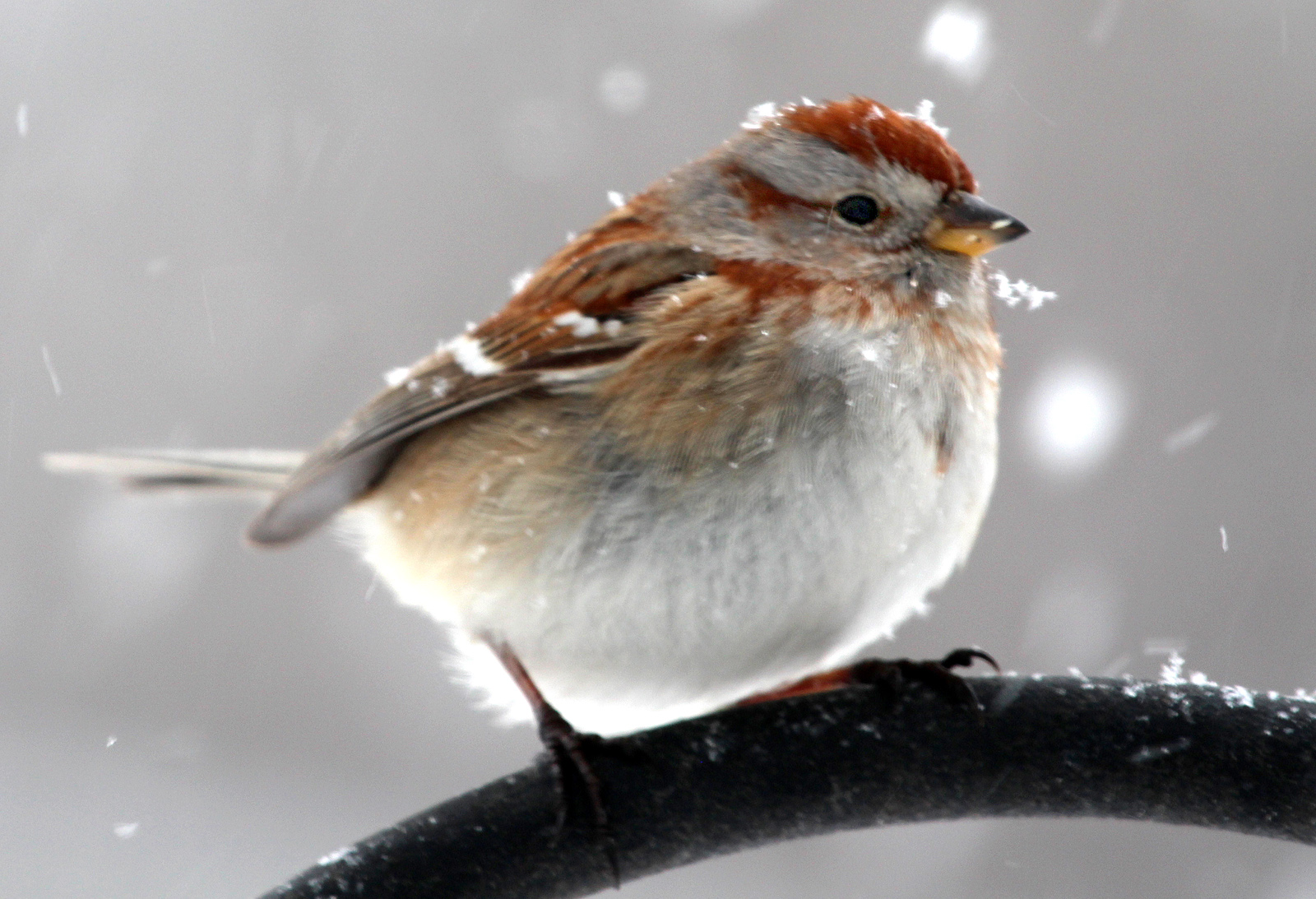
Photo by Chris Bosak An American Tree Sparrow perches near a feeding station during the snowstorm of Feb. 13, 2014.

Photo by Chris Bosak
An American Tree Sparrow perches near a feeding station during the snowstorm of Feb. 13, 2014.

So, with that mind, here’s a poem contributed by a reader of my “For the Birds” column.

I’m not from Montana or Alaska –
What’s all this snow – I must ask ya?
I’ve been shoveling snow for weeks –
It’s no surprise my knees feel weak.
Windshield scrapers, snow and ice –
Only a warm fire will suffice.
Bring in the kindling and the wood –
Let mother nature behave as she would.

Poem by Mary Ann Ancker of West Norwalk, Conn.

It’s a robin kind of winter

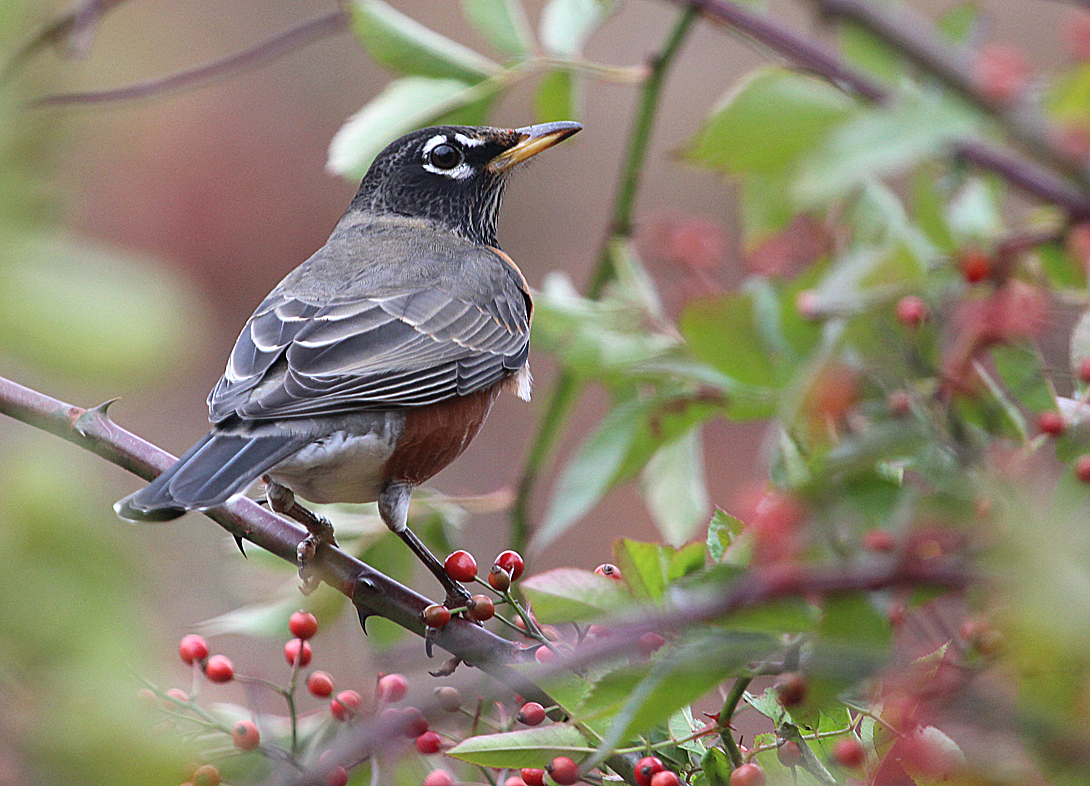
Photo by Chris Bosak American Robin in Selleck's Woods in fall 2013.

Photo by Chris Bosak
American Robin in Selleck’s Woods in fall 2013.

I’ve written a lot about American Robins this winter — and do so again in this week’s For the Birds column — but the demand for such information is great as everyone seems to be seeing tons of robins this winter.

Here’s an excerpt from the column: “True, they are known as a harbinger of spring, but American Robins are with us all year here in New England. Some robins migrate south to warmer places, but many robins stick with us throughout winter, too, surviving on berries, crab apples and other natural foods they can find in the woods and our backyards. Robins are usually found in flocks, some rather impressive, during the winter.”

Click here for the rest of the column.

It was really comments and questions from readers that prompted the column. Here are some comments I have received from readers.

Jack from Norwalk, Conn., wrote: “Saw around 10:30 this AM small flock of Robins just 30 yds West from junction of S Continue reading

Birds and the cold and snow

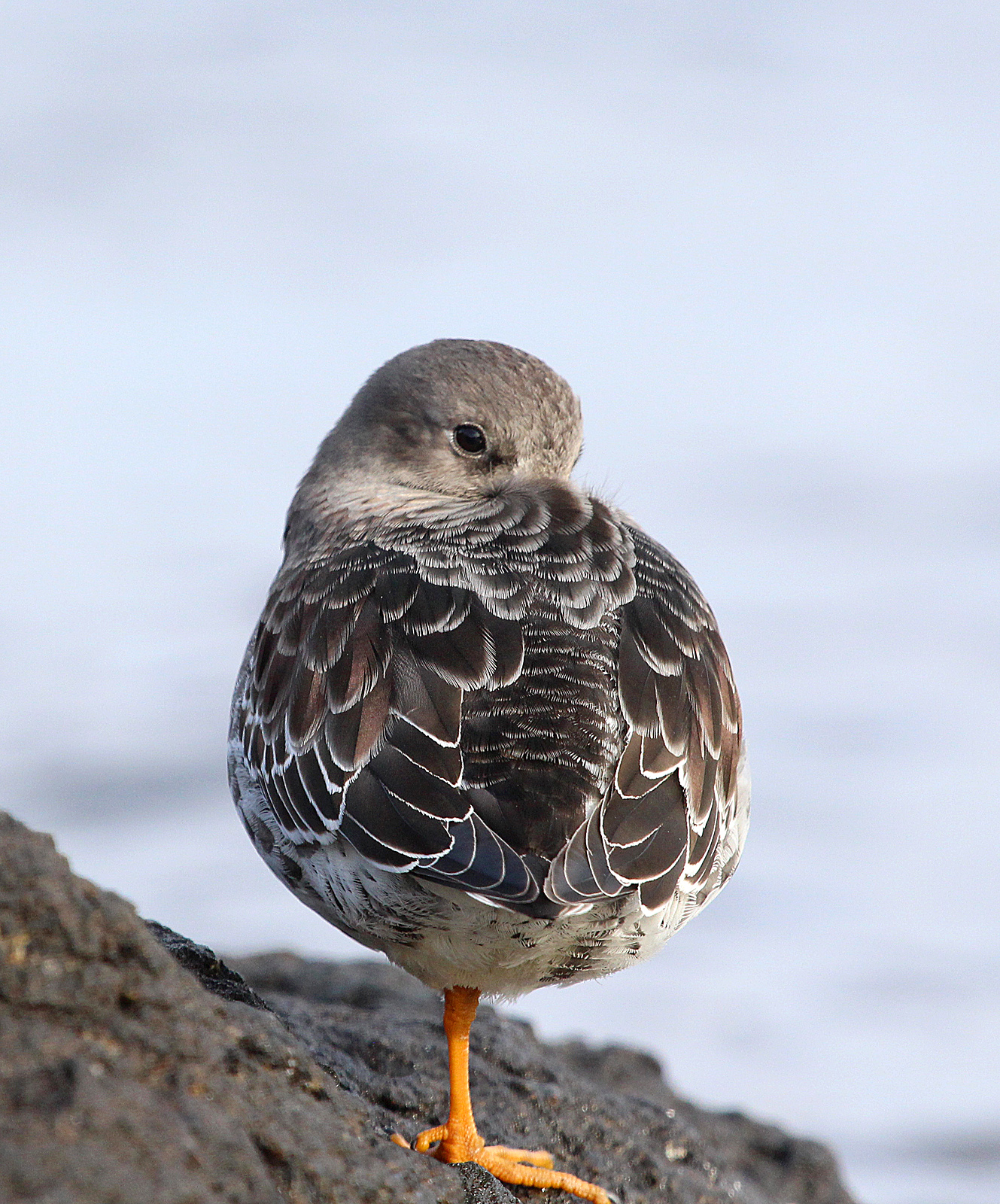
Photo by Chris Bosak Purple Sandpiper on rocky island off the coast of Darien, CT. (Dec. 2013)

Photo by Chris Bosak
Purple Sandpiper on rocky island off the coast of Darien, CT. (Dec. 2013)

Here we go again. Another snowstorm is due to hit New England tonight. That mean’s slippery roads and canceled school (if you’re a pessimist) or sled riding and canceled school (if you’re an optimist or kid).

It also means another tough night for our birds. But don’t fret, the birds will be just fine. They’ve been surviving our winters for years and years and will continue to do so.

Here’s my latest For the Birds column about how birds survive winters such as this:

Granted it’s been only three winters since The Hour has moved its offices to East Norwalk along the Norwalk River, but this is clearly the longest the river has been frozen over in that time. Instead of seeing rippling water and the accompanying ducks, geese and swans I usually see, for the last few weeks I’ve looked out the window and seen only a wide, serpentine-like expanse of white. Yes, this winter has been a tough one in New England. Extended freezing temperatures, short thaws (if any at all) and lots of snow. Humans can simply crank up the heat in their cars and homes if they are cold. But what about the birds? How do they survive tough winters like this? Birds and other animals have been surviving harsh winters for eons. True, a small percentage of birds will perish during the winter. This is particularly true of individual birds of a species that typically heads south for the winter. Most Great Blue Herons move south for the winter. Some stick around New England and brave the cold.

To read the rest, click here.