A Day on Merganser Lake
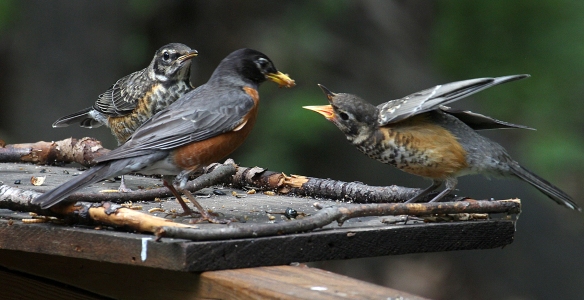
The bluebirds have stopped visiting, unfortunately, but a family of robins is still coming around daily. Here they are eating mealworms.
A Day on Merganser Lake
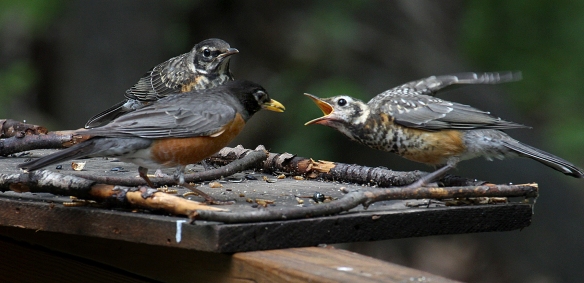
The bluebirds have stopped visiting, unfortunately, but a family of robins is still coming around daily. Here they are eating mealworms.
It’s been a busy spring around here for sure. The bluebirds have youngsters, the grosbeaks are regular visitors and the female ruby-throated hummingbird is back to her old tricks of dominating the backyard.
There have been plenty of other highlights, but I want to share what others throughout the region have been seeing.
I received an interesting email from Roxanne of Swanzey. She noticed a blue jay hanging upside down bat-like. She assumed it was sick, injured or dead, but 15 minutes later the bird perched upright and soon after flew away. As it turns out, blue jays sometimes roost upside down. Who knew?
Roxanne sent me a photo of the upside-down bird, which I posted on my website, www.birdsofnewengland.com, under the “Reader-Submitted Photos” tab.
Allen from Fitzwilliam sent in photos of a female purple finch gathering fleece placed into a small cage. The wool comes from a neighbor’s sheep. Birds often gather animal fur to use as nest material.
Allen also sent in photos of a Baltimore oriole eating grape jelly from a feeder. I’ve never had luck attracting orioles to my feeders, but this year I did have a male oriole visit my suet cake feeder several times. I had orange halves, grape jelly and sugar water available as well, but the oriole ignored it all in favor of suet. Even individual birds of the same species have their particular tastes.
Lenny from Greenfield sent in several photos including rose-breasted grosbeaks, purple finches and brown thrashers. It’s been a few years since I’ve seen a thrasher. That’s not a good sign.
Mimi from Troy sent in a nice list of yard birds, including nesting bluebirds. She also had yellow-rumped warblers visit for the first time. In all, she has seen more than 30 species in her yard this spring. She also included a message that I’m sure many would agree with: “Thank goodness the birds are able to bring me joy and solace during these trying times and fill me with joy.”
Celia from Keene was disappointed with the recent snow day in May but was rewarded by seeing an indigo bunting and rose-breasted grosbeak at her feeder at the same time. “Those colorful birds made my day,” she wrote.
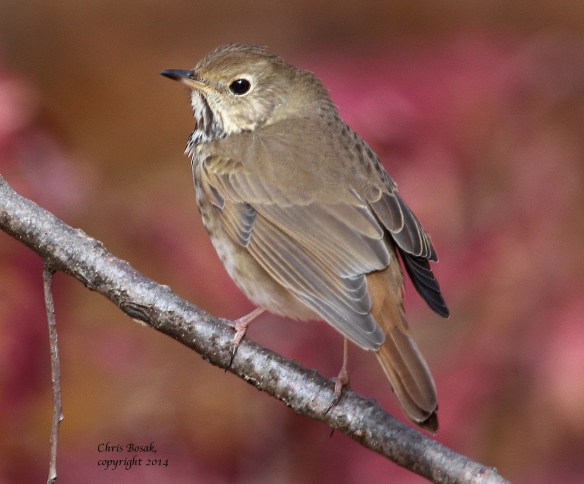
I’ll conclude with a poem sent to me by Jackie Cleary of Westmoreland. I’ve seen and heard a lot of thrushes this spring (wood thrush, hermit thrush and veery) so the poem was timely indeed. Thanks to Jackie for the beautiful poem, titled “Thrush Time.”
We keep the thrushes’ hours in summer;
Gently pulled from sleep
By their double rhythmic trills,
Like a pleasant saw
Which severs the night from the day;
And when the break is made
They retire to their hidden woodland business ‘Til they must sing the day to sleep, And us along with it.
We keep the thrushes’ hours.

A Day on Merganser Lake
The tiny and cute chipping sparrow is one of the more commonly seen sparrows this time of year in New England. I have found a few nests over the years (including this year) and I’m always amazed at how small the nests are. I’ve never ventured close enough to see the eggs but I can imagine they are quite small, maybe jelly bean or marble sized. Spring migration may be over (for the most part) but the nesting season is exciting in its own right.

A Day on Merganser Lake
I wondered to myself, would a bird land on an axe if I left it in the backyard. A gray catbird answered my question a few minutes later. Gotta love those catbirds.

A Day on Merganser Lake
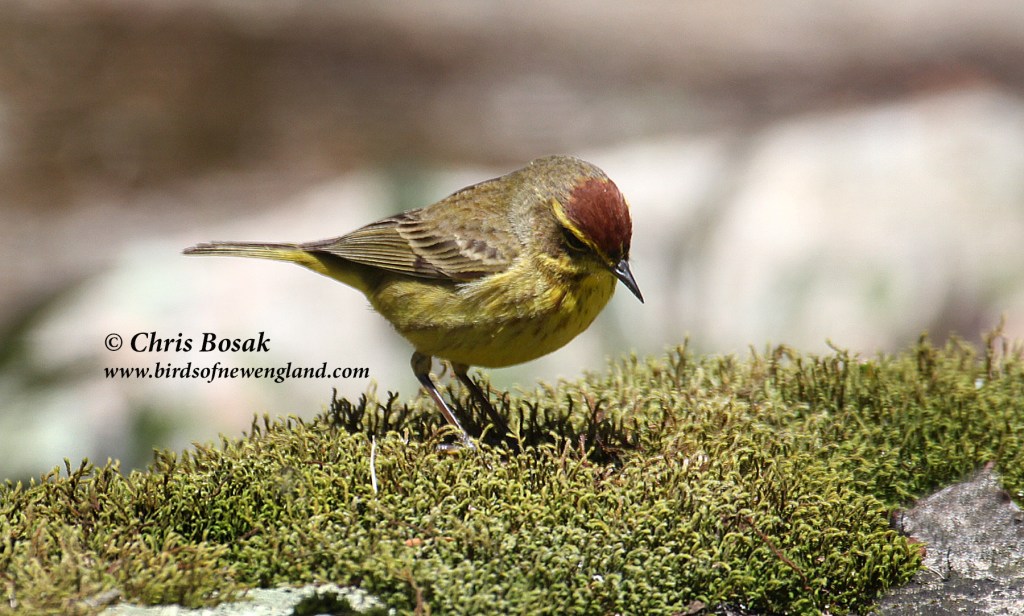
Warbler season, sadly, is done for the year. The warblers that remain are the nesters, which is exciting in its own right. Here’s a throwback photo of a palm warbler I saw back in April. Palm warblers are one of the first warblers to arrive in New England each spring.
A Day on Merganser Lake
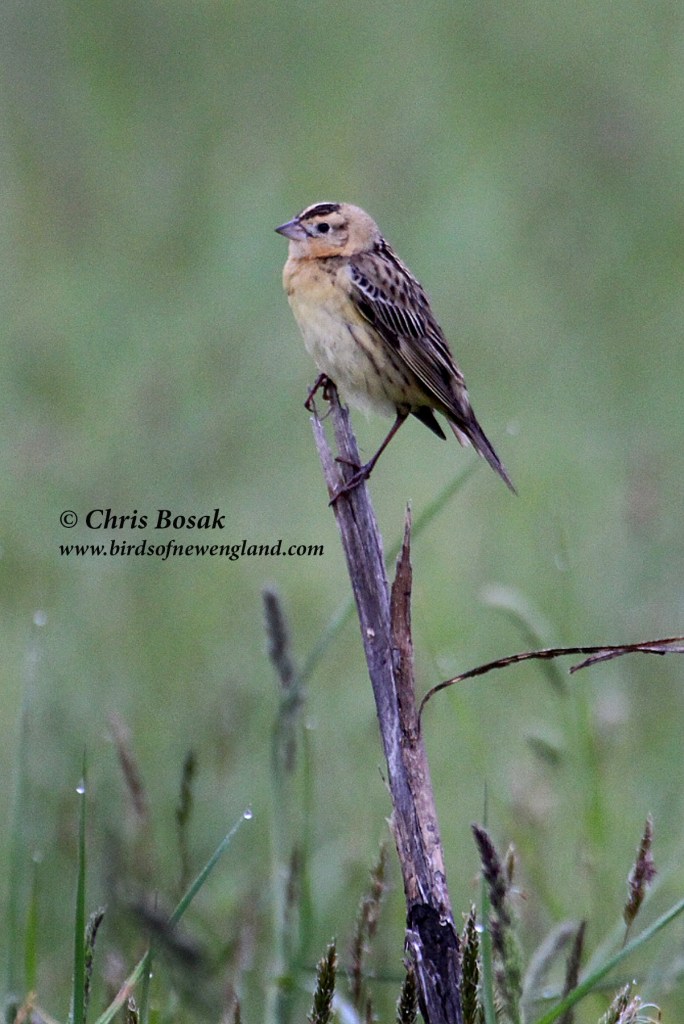
Yesterday, I showed a male and female American redstart as an example of sexual dimorphism (male and female look different.) Today, here’s the bobolink, a beloved bird of our fields. Another good example of dimorphism. Click here for yesterday’s post.
Here’s the male …


A Day on Merganser Lake
Like most warblers, American redstarts are dimorphic. (From Wikipedia: Sexual dimorphism is the condition where the two sexes of the same species exhibit different characteristics beyond the differences in their sexual organs.) In other words, males and females look different from each other. Females are usually duller in color so as to not attract the attention of predators. Cardinals are one of the most obvious examples. Chickadees and many other birds are sexually monomorphic. I got these shots of male and female redstarts yesterday and those terms came to mind.
Here’s the male …

A Day on Merganser Lake
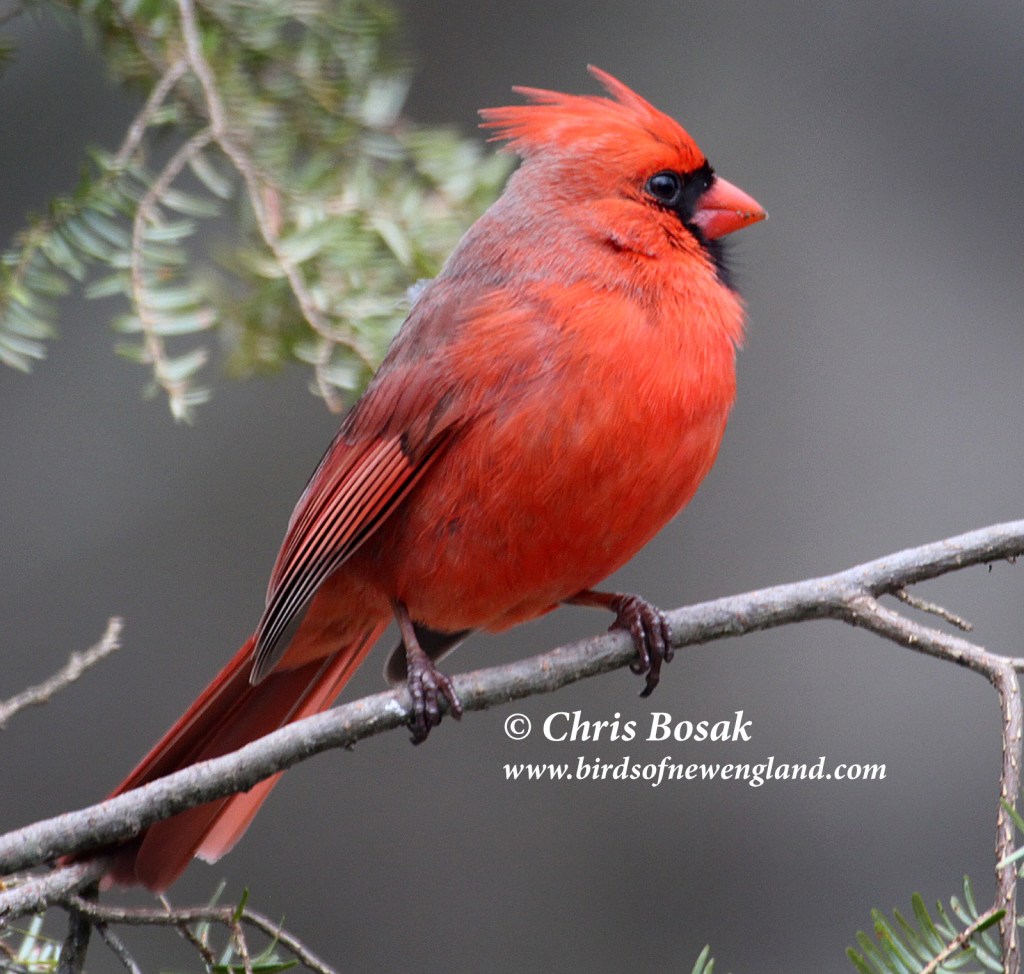
Can’t go wrong with a random cardinal photo. Happy last day of May!

A Day on Merganser Lake
They aren’t birds, but these two young white-tailed deer bucks made for a nice photo opp during a recent walk in the woods.
A Day on Merganser Lake
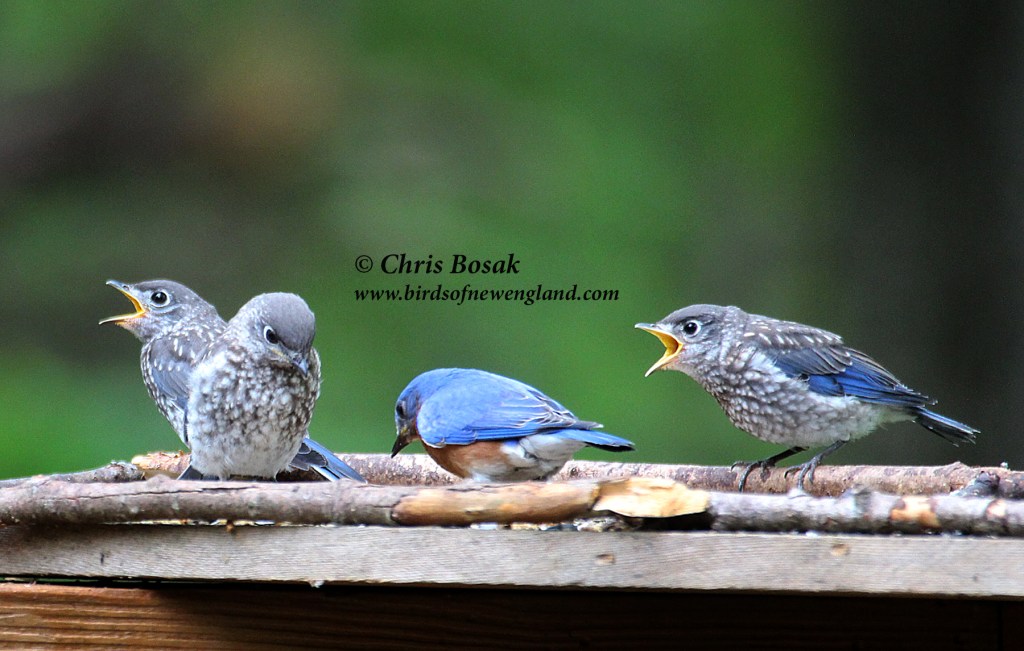
With two teenage boys I can relate to the photo above. I originally thought the bluebird pair that has been coming around since February had only one youngster. Then, all these birds showed up a few hours later. Click here for yesterday’s post, which provides more context.


 Birds of New England.com