House Wren picks out his territory

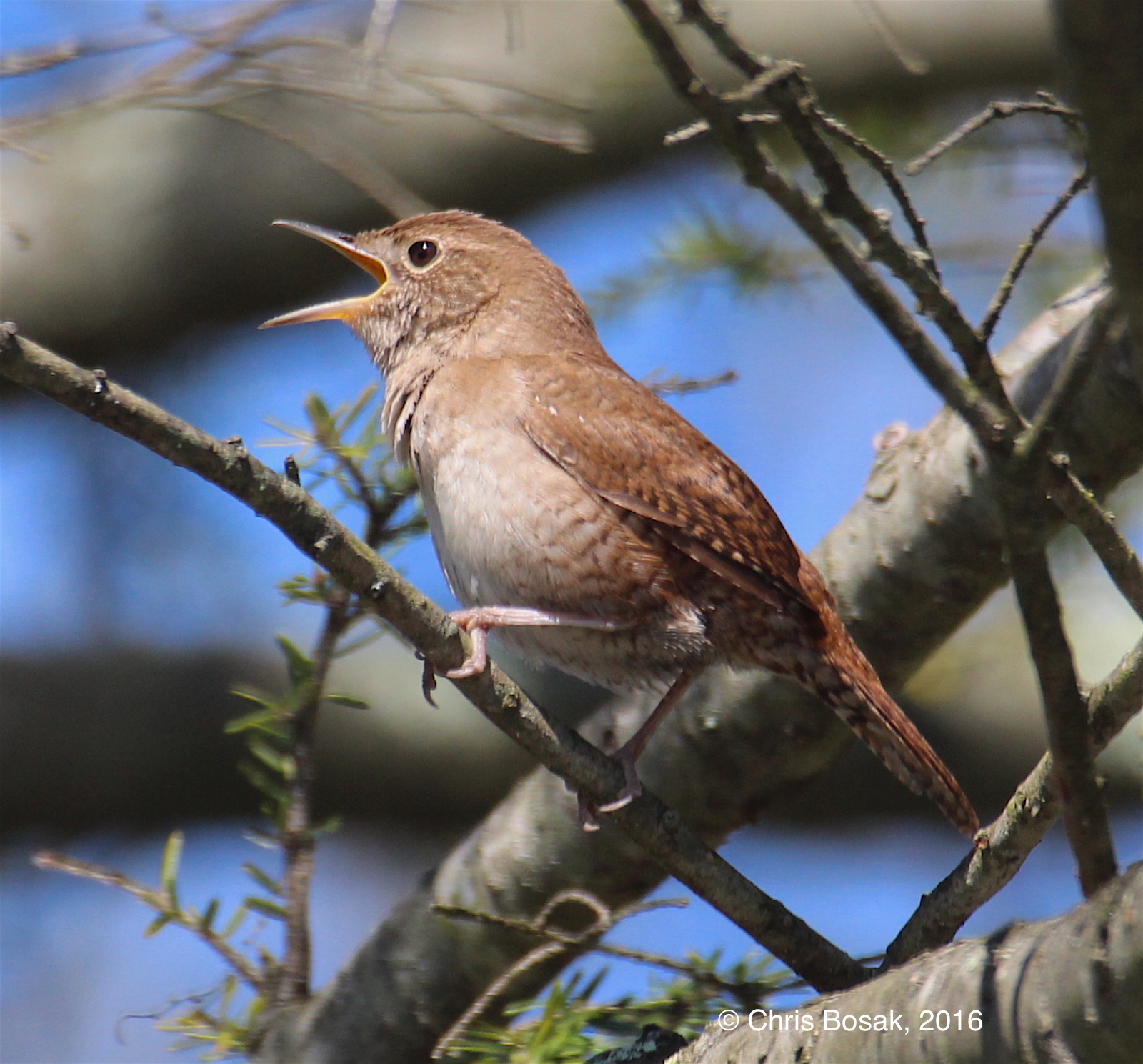
A House Wren sings in a tree during the nesting season 2016.

A House Wren sings in a tree during the nesting season 2016.

The other day I heard the familiar sound of a House Wren returning from the south and claiming his territory. He check out a few of the bird houses on my property and then perched in nearby trees to sings its song. They are loud and charismatic birds.

I watched one check out at least two houses on my property. To my knowledge, he didn’t pick either one. He didn’t even pick one to start a “dummy nest,” whereby to fool predators that may be watching the put a few sticks in house.

Oh well, there’s still time. Not every House Wren has picked its spot yet.
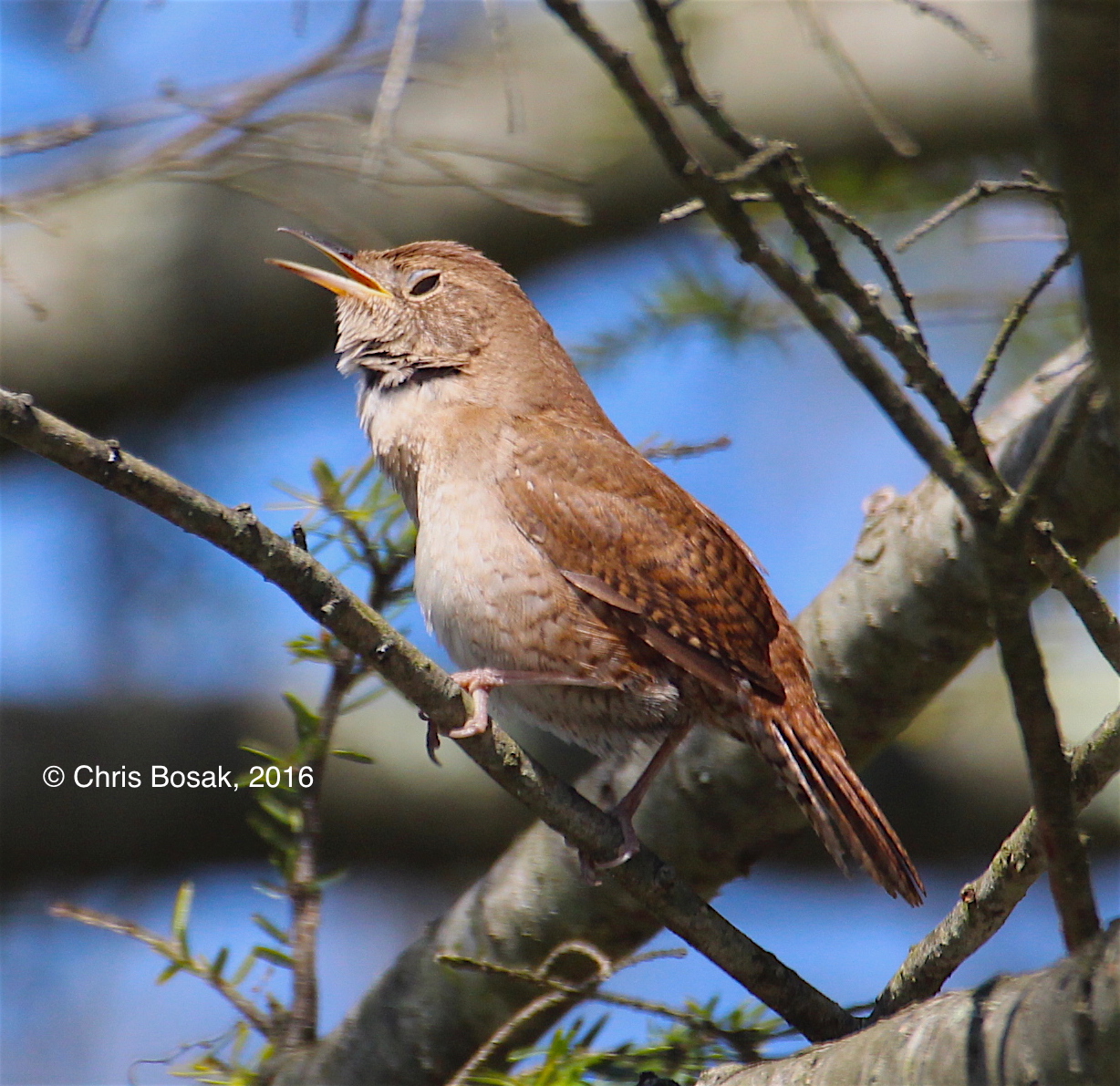
A House Wren sings in a tree during the nesting season 2016.

A House Wren sings in a tree during the nesting season 2016.

A House Wren sings in a tree during the nesting season 2016.

A House Wren sings in a tree during the nesting season 2016.

For the Birds Column: Difference between Snowy and Great Egrets

Photo by Chris Bosak A Snowy Egret looks for food in Norwalk Harbor.

Photo by Chris Bosak
A Snowy Egret looks for food in Norwalk Harbor.

Here’s my latest For the Birds column, which describes the differences between Snowy Egrets and Great Egrets. For the Birds runs each week in the daily newspapers of Norwalk, Conn., and Keene, N.H. If you are out of those areas, tell your local newspaper about For the Birds and perhaps the column can get up and running there, too.

Here’s the column:

There are not many birds out there that have feet a different color than their legs.

From the top of their legs to the bottom of their “toes,” most birds are uniform in color. With many birds, such as songbirds and small shorebirds, the topic is fairly insignificant because their legs and feet are so small and rarely seen Continue reading

It’s that time of year again. Warblers abound.

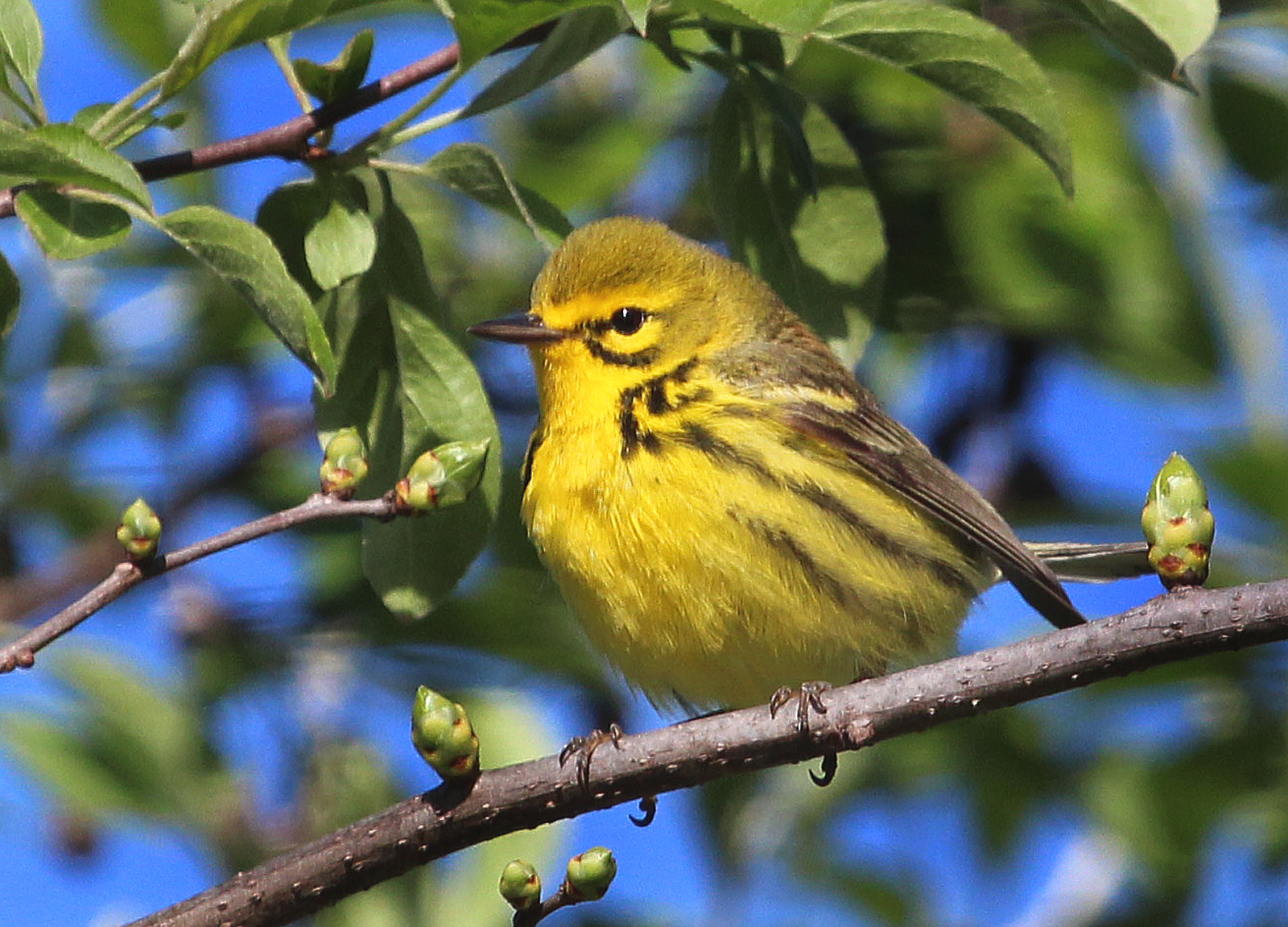
Photo by Chris Bosak A Prairie Warbler perches in a tree at Selleck's/Dunlap Woods on May 5, 2014.

Photo by Chris Bosak
A Prairie Warbler perches in a tree at Selleck’s/Dunlap Woods on May 5, 2014.

I took a quick walk before work this morning. As usual, I was running behind getting my third-grader to school, so I had only about 15 minutes for this walk. But it was enough to know that we are in what many birders consider the most exciting two weeks of the year. The warbler migration started with a trickle a few weeks ago in New England. Based on what I saw on my quick walk this morning, the warbler season is picking up fast. A Prairie Warbler was the first bird I saw — not a bad start to a walk. A few Yellow Warblers darted here and there, too. Yellow Warblers nest at Selleck’s Woods, so hopefully they are looking to set up shop for the summer.

The walk included a few other warbler species as well as the sounds of other colorful songbirds, such as Baltimore Orioles and Blue-gray Gnatcatchers. It’s a great time to be out there. Let me know what you are seeing.

Here’s a post from last year featuring some of the warblers you may see out there this time of year. Click here.

A few more Osprey photos

Photo by Chrisi Bosak An Osprey flies into its nest with nesting material at Veterans Park in Norwalk, Conn., April 29, 2015.

Photo by Chrisi Bosak
An Osprey flies into its nest with nesting material at Veterans Park in Norwalk, Conn., April 29, 2015.

Here are a few more photos of the new Osprey nest at Veterans Park in Norwalk, Conn. See previous post for more information about the nest and its Continue reading

Long-tailed Ducks in transition

Photo by Chris Bosak A pair of Long-tailed Ducks in transition plumage swims in Long Island Sound, April 2015.

Photo by Chris Bosak
A pair of Long-tailed Ducks in transition plumage swims in Long Island Sound, April 2015.

Here’s a shot of a pair of Long-tailed Ducks transitioning from their mostly white winter plumage to their mostly dark summer plumage. Some birds looks the same year-round and some birds look different in the summer and winter. Most ducks (but not all) go through a few different plumages as the year goes on.

These Long-tailed Ducks (formerly Oldsquaw) will be heading to their Arctic breeding grounds soon. When they are along coastal New England in the winter, we see their white plumage. It’s one of the few birds, in my opinion anyway, that look more decorated in the winter than in the summer. Take the Common Loon for instance. It sports its famous black-and-white spotted plumage in the summer, but changes to a much more drab grayish plumage in the winter.

We are lucky to have many Arctic nesters spend their winters in New England. It’s interesting to see their plumage transitions, giving us a glimpse of what they look like when they are “up north.”

Brant, Brant and more Brant

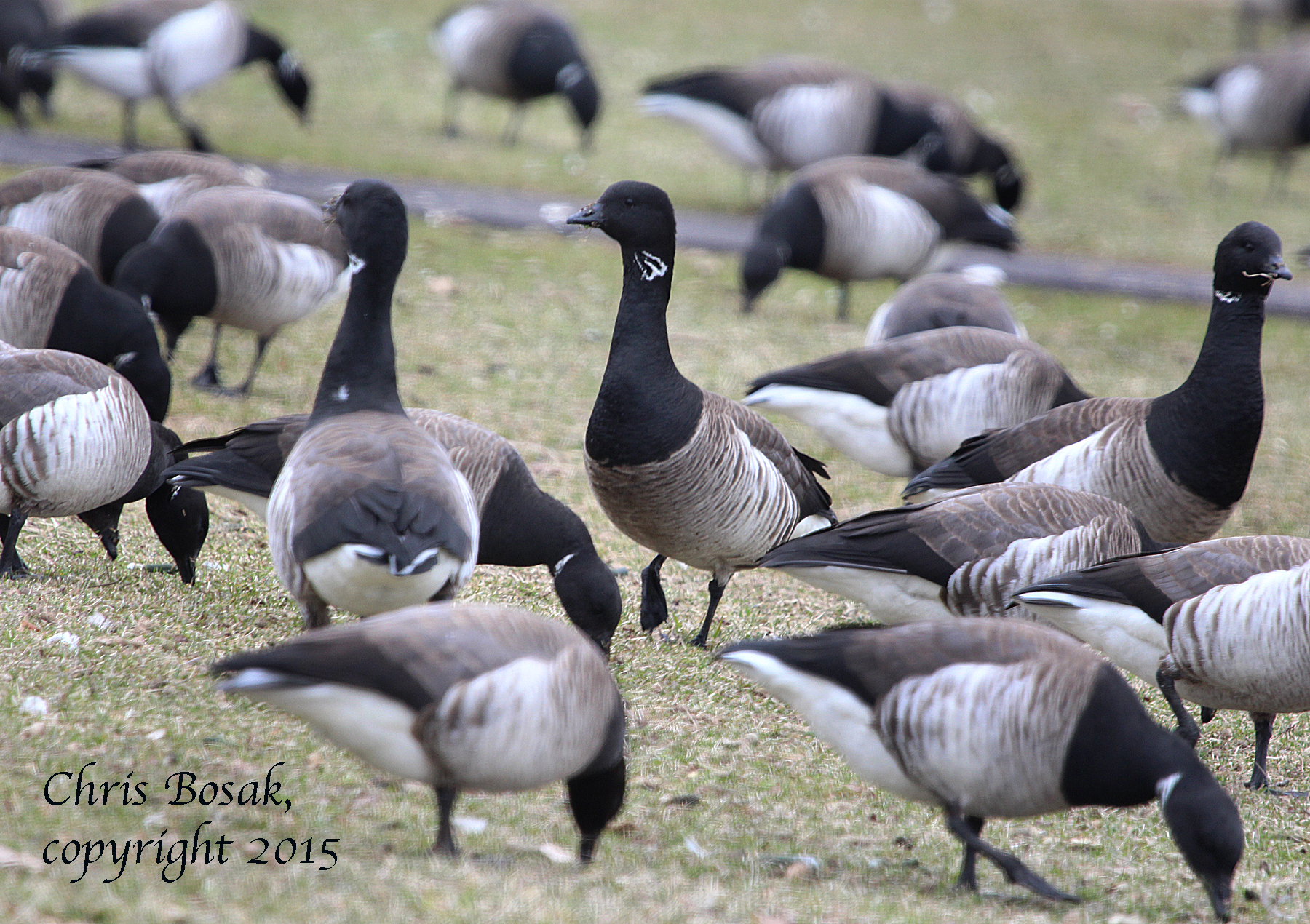
Photo by Chris Bosak A large flock of Brant at Calf Pasture Beach, April 2015.

Photo by Chris Bosak
A large flock of Brant at Calf Pasture Beach, April 2015.

I love seeing Brant along Long Island Sound. It’s fascinating knowing a bird that is so close in the winter will be spending its summer in the Arctic. Of course, lots of birds we see in New England during the winter _ especially waterfowl _ nest far north of here, but few are as easily seen as Brant.

Brant, which look similar to Canada Geese but are smaller and have different markings, gather in massive flocks along parts of Long Island Sound from late fall to early spring. Many Brant are Continue reading

Must be spring, the phoebes are back

Photo by Chris Bosak An Eastern Phoebe perches on a branch in Selleck's Woods in Darien, Conn., in late March 2015.

Photo by Chris Bosak
An Eastern Phoebe perches on a branch in Selleck’s Woods in Darien, Conn., in late March 2015.

A very quiet walk in a patch of woods the other day suddenly turned interesting when a lone Eastern Phoebe made an appearance. Overall, the phoebe is somewhat drab, but its habit of bobbing its tail constantly gives its identity away immediately.

I’ve always liked phoebes despite their nondescript appearance and quiet voice. Perhaps it’s because they migrate so early and offer some hope that winter is finally in the rearview mirror.

I’ve been seeing them almost daily now, so it’s nice to know spring is here. Phoebes, just like chickadees and several birds, are named after the song they sing.


House Finches and eye disease

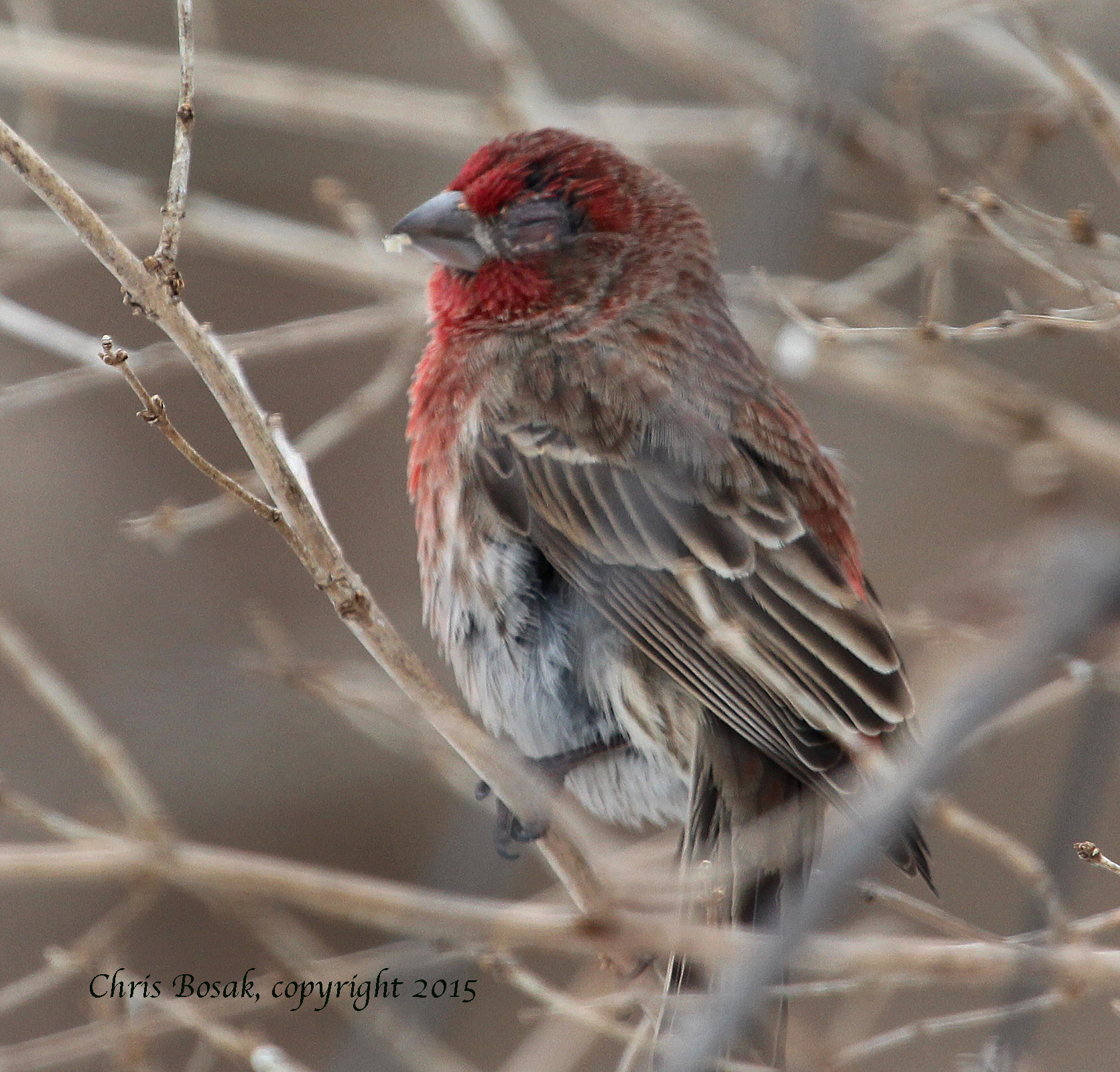
Photo by Chris Bosak A House Finch with an eye disease visits a feeder station in Stamford, Conn., March 2015

Photo by Chris Bosak
A House Finch with an eye disease visits a feeder station in Stamford, Conn., March 2015

It had been a while since I saw a House Finch with Mycoplasma gallisepticum, an eye disease that inflicts many House Finches in the eastern U.S.

The other day, however, I was watching a feeder station in Stamford, Conn., when a lone male House Finches showed up. With my new-found appreciation for House Finches (click here for more on that) I was happy to see the bird. Then the bird adjusted itself on a branch near the feeder and I noticed it had the disease. Poor thing.

Based on Project FeederWatch observations that alerted ornithologists to the problem, the Cornell Lab of Ornithology started the House Finch Disease Survey in 1994. Much was discovered about the disease, but obviously it has not gone away. The project has since been defunded, but Project FeederWatch participants can still report House Finches with this disease. It’s may seem like a small way to help, but it’s something. Every little bit helps when it comes to bird study.

For a lot more information on House Finches and the eye disease, click here.

Photo by Chris Bosak A House Finch with an eye disease visits a feeder station in Stamford, Conn., March 2015

Photo by Chris Bosak
A House Finch with an eye disease visits a feeder station in Stamford, Conn., March 2015

Can you spot the difference?

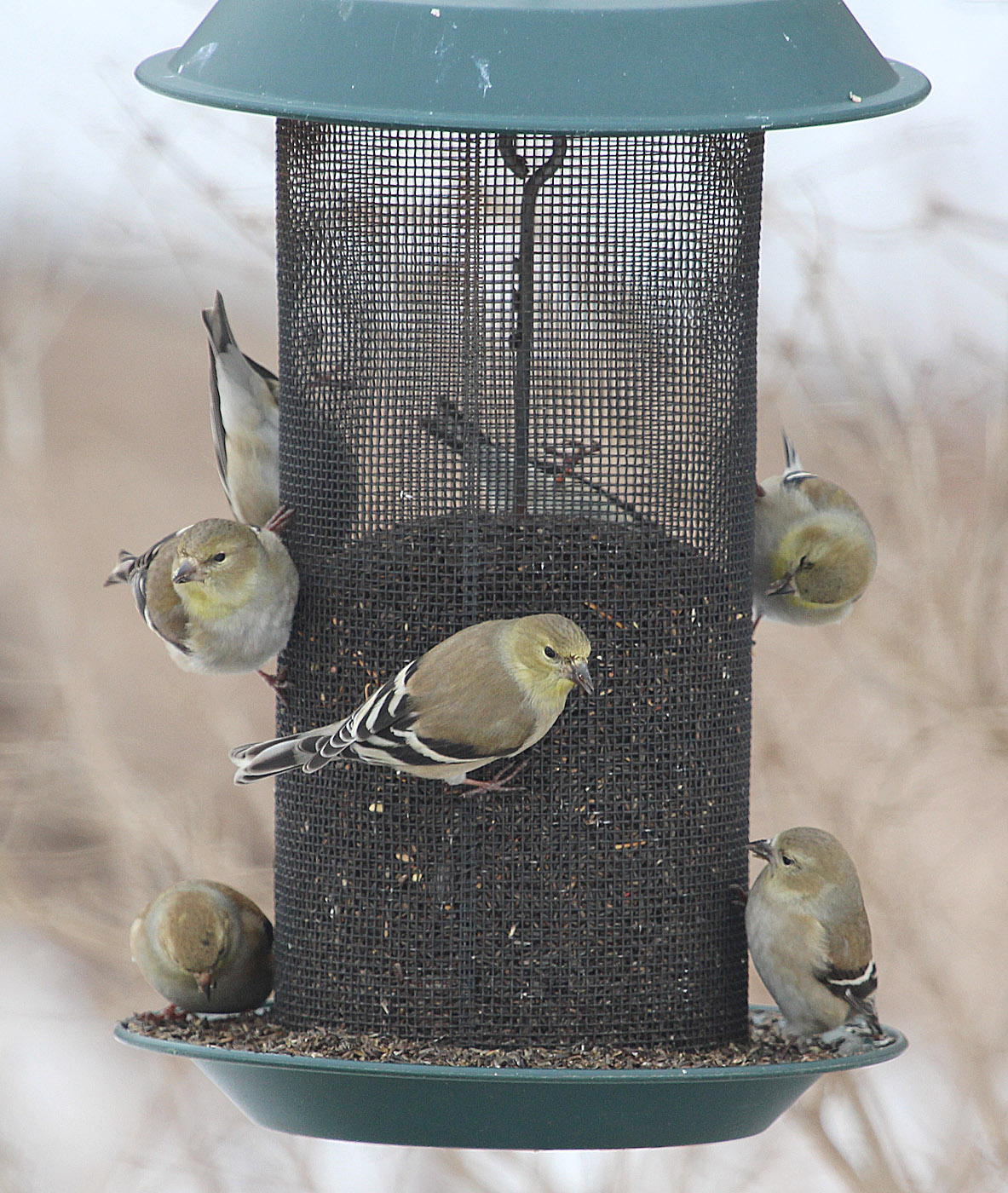
Photo by Chris Bosak American Goldfinches eat from a feeder at Cove Island Park in Stamford, March 2015.

Photo by Chris Bosak
American Goldfinches eat from a feeder at Cove Island Park in Stamford, March 2015.

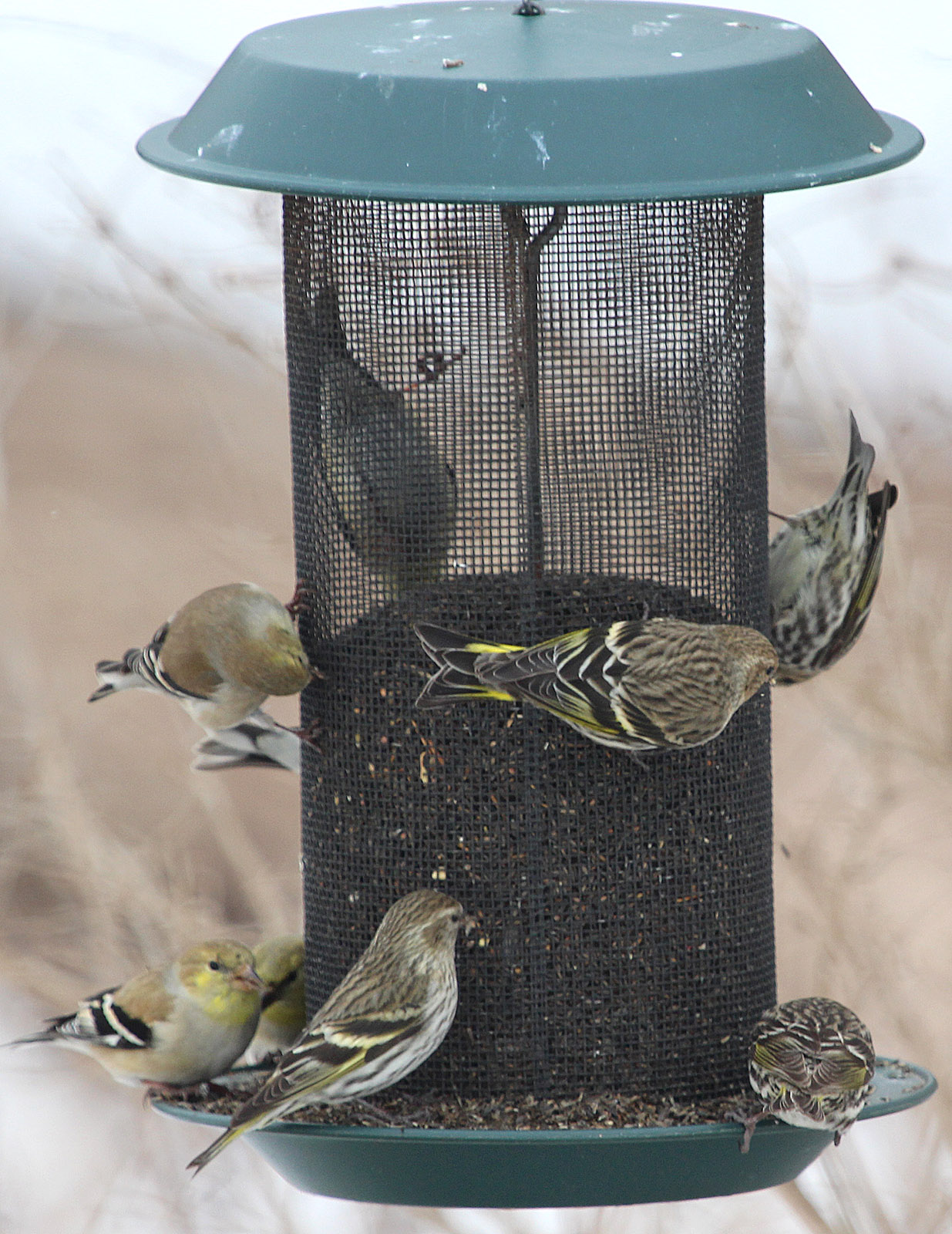
Photo by Chris Bosak Pine Siskins and American Goldfinches share a Nyjer feeder at Cove Island Park in Stamford, March 2015.

Photo by Chris Bosak
Pine Siskins and American Goldfinches share a Nyjer feeder at Cove Island Park in Stamford, March 2015.

What’s the difference between these two photos?

It’s not one of those find 10 subtle differences puzzles, but rather a pretty simple quiz and lesson in paying attention closely to your feeders. These photos were taken about 10 minutes apart the other day at Cove Island Wildlife Sanctuary in Stamford, Conn.

The top photo, taken first, shows all American Goldfinches on a feeder offering Nyjer seeds. At first glance the next photo appears to show a bunch of American Goldfinches, too. But there’s more to that seco Continue reading

Clearing out my 2014 photos, Take 5: Gray Catbird

Photo by Chris Bosak A Gray Catbird perches on a thorny branch in Selleck's/Dunlap Woods in summer 2014.

Photo by Chris Bosak
A Gray Catbird perches on a thorny branch in Selleck’s/Dunlap Woods in summer 2014.

Here’s my next photo in the series of 2014 photos that I never got around to looking at and posting.

I probably overlooked this photo because I have so many Gray Catbird photos. In the summer in southern New England, birds can sometimes be scarce as they are busy raising families and hiding from potential predators. Catbirds, however, always seem to be around. They aren’t always in the open, but they are more so than the other birds. Birders and nature photographers with itchy “clicking fingers” are thankful for the photo ops Gray Catbirds give us in the summer.