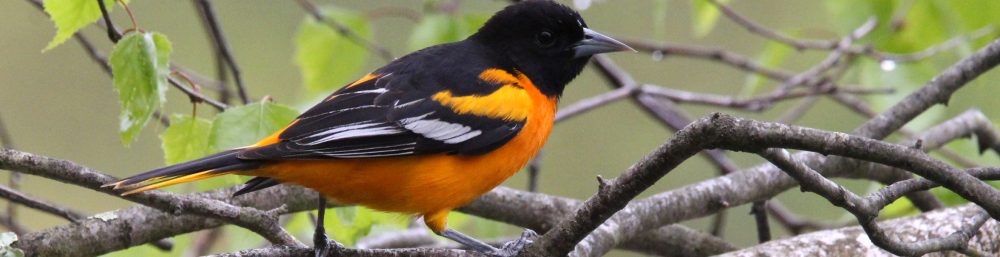
I’ve looked for birds in New England from top to bottom this month. At the beginning of July, I drove to Pittsburg, NH, near the Canadian border, and last week, I visited a beach/nature preserve on Long Island Sound in southern Connecticut.
Yes, technically, northern Maine would be top of New England, but let’s not split hairs here.
It was quite a contrast in habitat and birdlife between the two points, from the boreal forest up north to the marsh and shoreline down south.
The boreal forest of northern New England will always be my favorite habitat (mostly because of the possibility of seeing moose), but the shore was pretty special too. This was a mid-summer visit. The birds at each point will be entirely different in the middle of winter, which is interesting to think about.
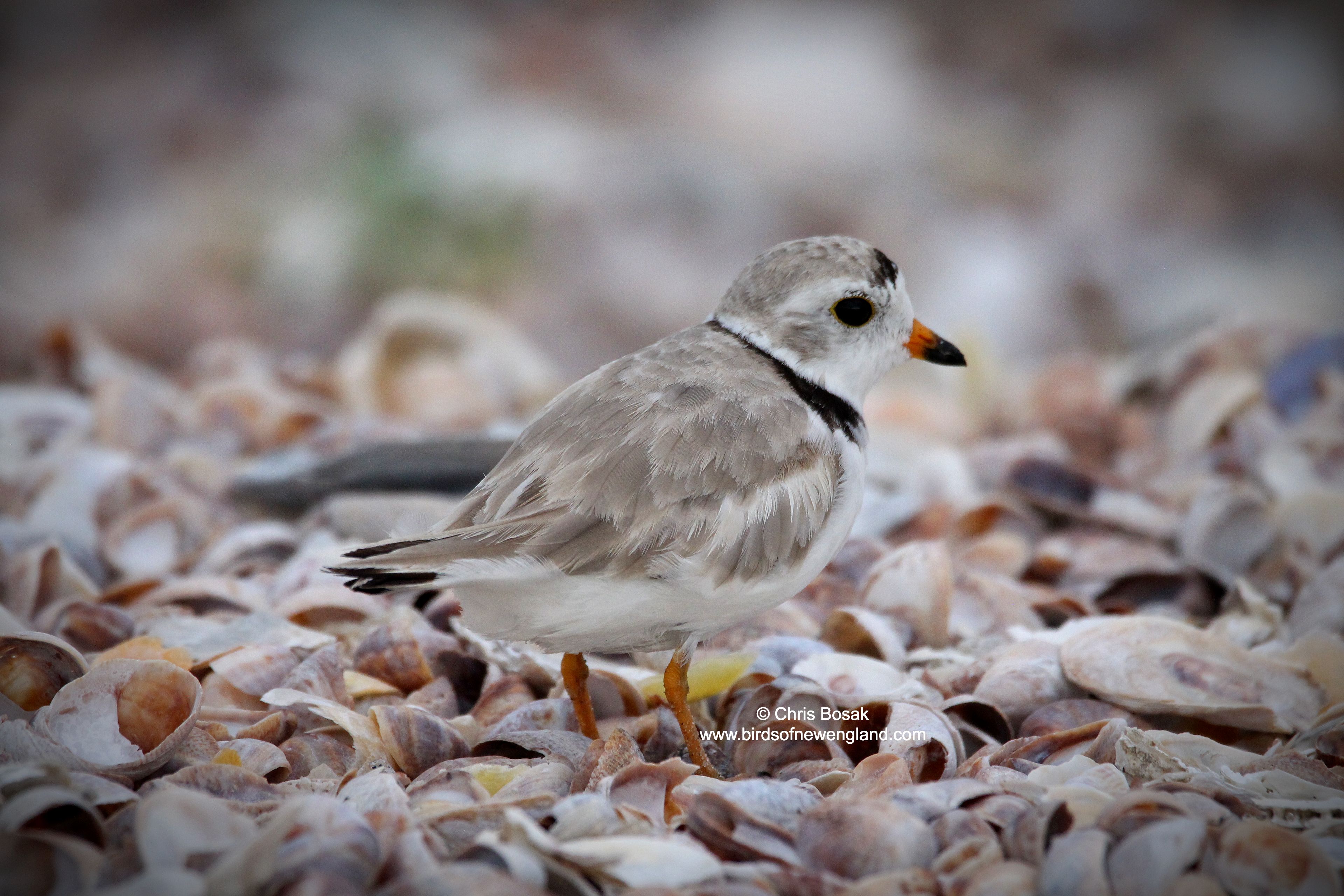
Up north, the highlights were common loon, bald eagle, magnolia warbler, Canada warbler, American bittern and red-breasted nuthatch. Down south, my favorite sightings were American oystercatcher, piping plover, clapper rail, least tern, snowy egret and yellow-crowned night heron. I also had an unexpected sighting of a long-tailed duck, which is a bird common on Long Island Sound in the winter, but not during the summer.
Surprisingly, there were very few bird species that I saw at both locations. Sure, there are lots of birds that may be seen on both extremes of New England, but for me personally, on these trips, only a handful made both lists. Among them were Canada goose, great blue heron, double-crested cormorant and grackle.
It was interesting to see the loons up north. Obviously, they are a highlight species anytime I see one. The interesting thing is that loons may be seen up north in the summer but not in southern New England. In the winter, the loons have disappeared from the north, but may be seen south on Long Island Sound, albeit in drab winter plumage. I wondered if the loons I was looking at on the northern lake are the same ones I’ll see on Long Island Sound this coming winter. Probably not, but it was still fun to ponder.
I discovered what I knew all too well already: that New England has a lot to offer birdwatchers, from top to bottom and everywhere in between. It’s all New England, and it’s all good.
…
I’m dedicating this column to Steve Gilbert, a long-time sportswriter and columnist for The Sentinel. Steve passed away last week following a long illness, and the world lost a genuinely nice guy.
I worked with Steve in the late 1990s. He quickly became a friend, mentor and writing coach. Steve didn’t know about that last part, but after reading so much of his brilliant prose, I quietly “borrowed” some of his style. How could I not, given how gifted he was as a writer?
As a small but mighty sports department, Steve, Paul, Jim and I had to read/edit each other’s stories often. They were all great writers, to be sure. I was the weekend sports editor at the time, and there were many nights that I sat at my desk waiting for Steve to file a story.
Steve sat right behind me, and based on the cadence of his typing, I could tell when he was done writing his story. For many newspaper writers, that would be it. Done and filed. See ya tomorrow. Not Steve.
I wouldn’t see the story for another half hour or more. Steve was meticulous in his editing and revising. I’d glance behind me and see Steve poring over every word to make it just right. I can still see the concentration on his face. When he did turn in the story, it was, indeed, just right. A fine example for any young writer.
Then, of course, he would stick around to see if anyone needed help as deadline loomed.
I saw Steve recently in Keene and, as always, he heaped praise upon my bird column and my writing. An opportunity to brighten someone’s day or offer encouragement was never lost on Steve, which is something else I admired about him. Imagine getting complimented by someone you look up to as a writer.
Goodbye, Steve. Thanks for the encouragement and smiles. And the writing tips.
 Birds of New England.com
I’m sorry to read you lost someone recently. Going by how much I enjoy your column I would have to say Mr. Gilbert was indeed a wonderful mentor to you and I suspect he is smiling at you from elsewhere as you reflect on his fine impact on yours and others creative careers.
LikeLiked by 1 person