Photo by Chris Bosak
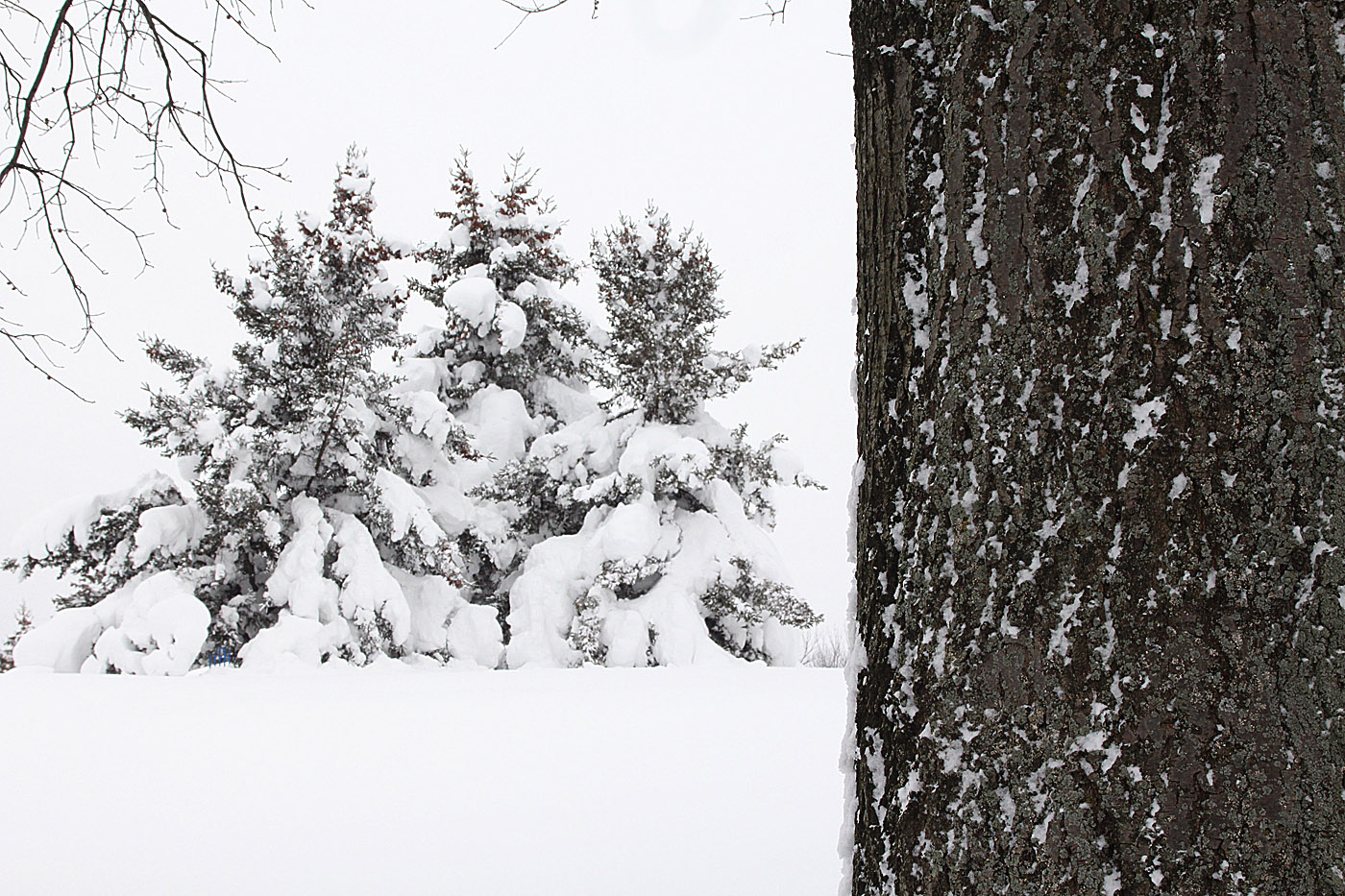
Historic snowfall in Erie, Pennsylvania, Dec. 2017.
In fact, I’m going to post new photos every two hours this weekend. What else do we have to do when it’s this ridiculously cold out?


Photo by Chris Bosak
Historic snowfall in Erie, Pennsylvania, Dec. 2017.
In fact, I’m going to post new photos every two hours this weekend. What else do we have to do when it’s this ridiculously cold out?
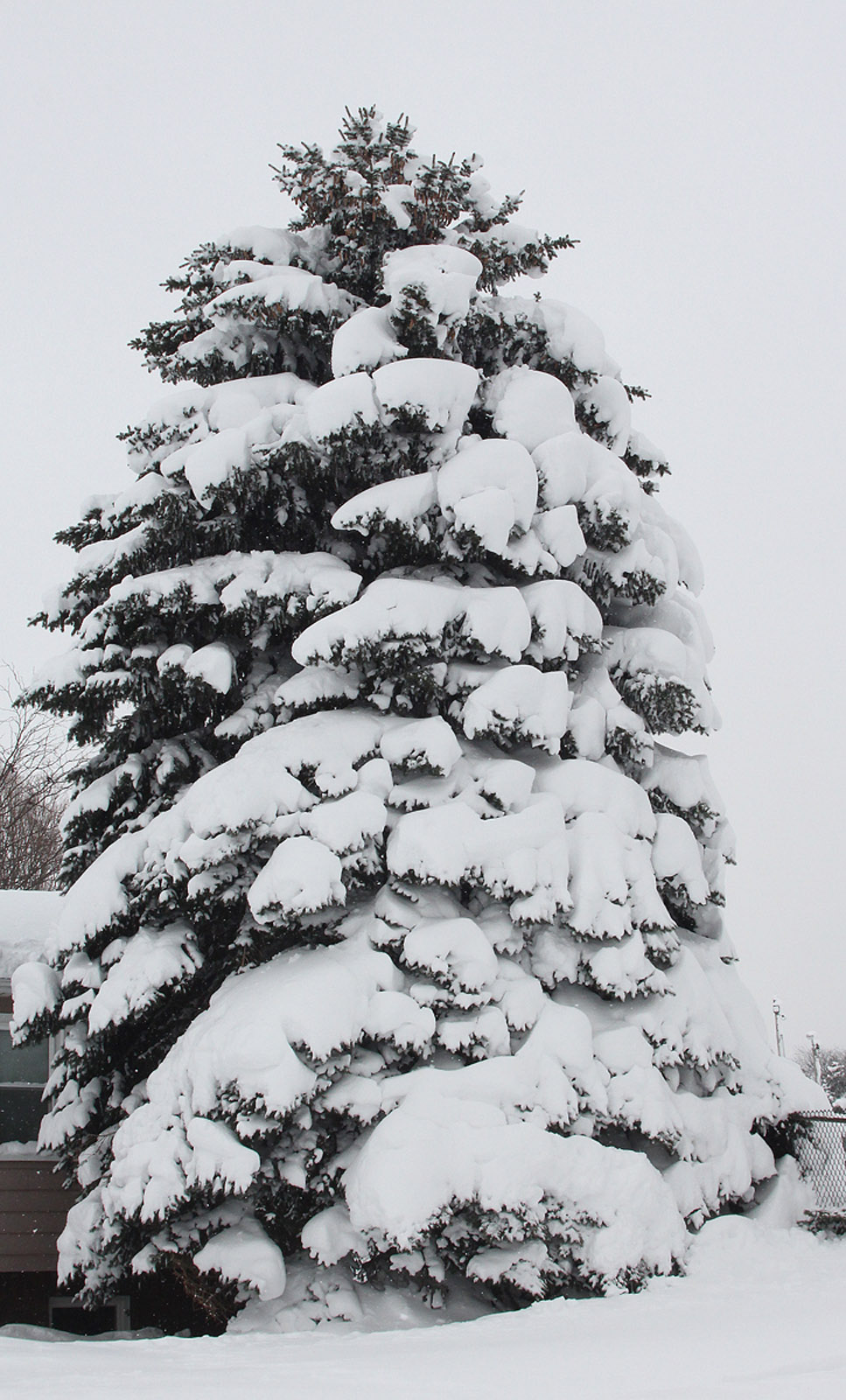
Photo by Chris Bosak
Historic snowfall in Erie, Pennsylvania, Dec. 2017.
Erie, Pennsylvania was socked with a five-foot snowfall that started on Christmas and stopped two days later. A few days after that another foot fell. I saw the national news accounts of the historic snow, but I was also lucky enough to witness it myself.
I grew up just outside of Erie and I still have family there, so this great city is my annual post-Christmas destination. A foreboding forecast didn’t dampen my desire to get “home” for Christmas and to have my boys see their uncles and grandfather. Besides, the snow was forecasted to be centralized right in Erie. True to the weatherman’s word, the first 19/20th of the seven-hour trip was a piece of cake. Half an hour south of Erie the sun was shining and grass blades stuck out through the meager snowfall amount.
For those not familiar with Erie, it is on the shore of Lake Erie. Just like Buffalo, Erie often gets pummeled by lake-effect snow. So as I got closer to the lake, the snow started coming down and it barely stopped the entire time I was there — which, by the way, was supposed to be three days but turned out being six because of the snow.
While I didn’t venture far from my brother’s house, my brother and I did take a short walk to a small park in his neighborhood. Notice I said “short” walk, not quick walk. We covered only about a mile, but trudging through thigh-high snow with no snowshoes proved to be quite a workout.
I didn’t get any bird photos, but did manage to snap a few keepers. So, here’s what five, no six, feet of snow looks like. More photos coming in the coming days, too.
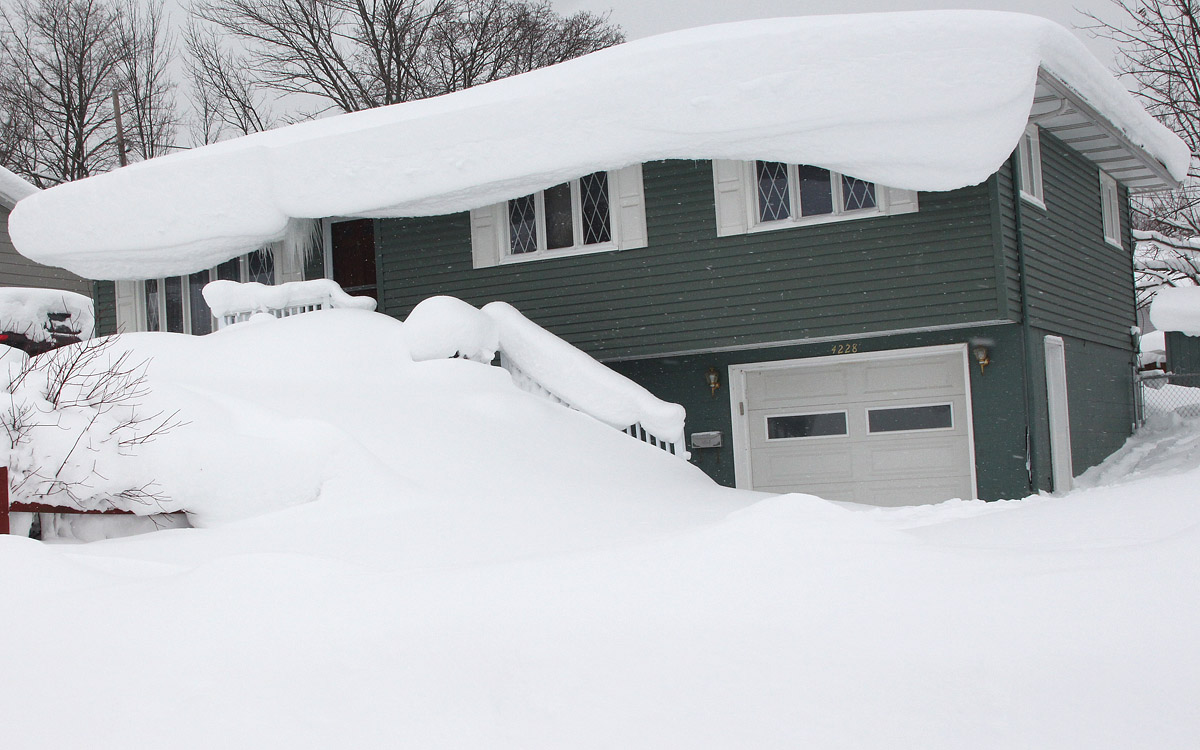
Photo by Chris Bosak
Historic snowfall in Erie, Pennsylvania, Dec. 2017.
Anyone want to catch a baseball game? These are bleachers at a youth baseball field.

Photo by Chris Bosak
Historic snowfall in Erie, Pennsylvania, Dec. 2017.
Here’s the fence in foul territory along the first-base line.
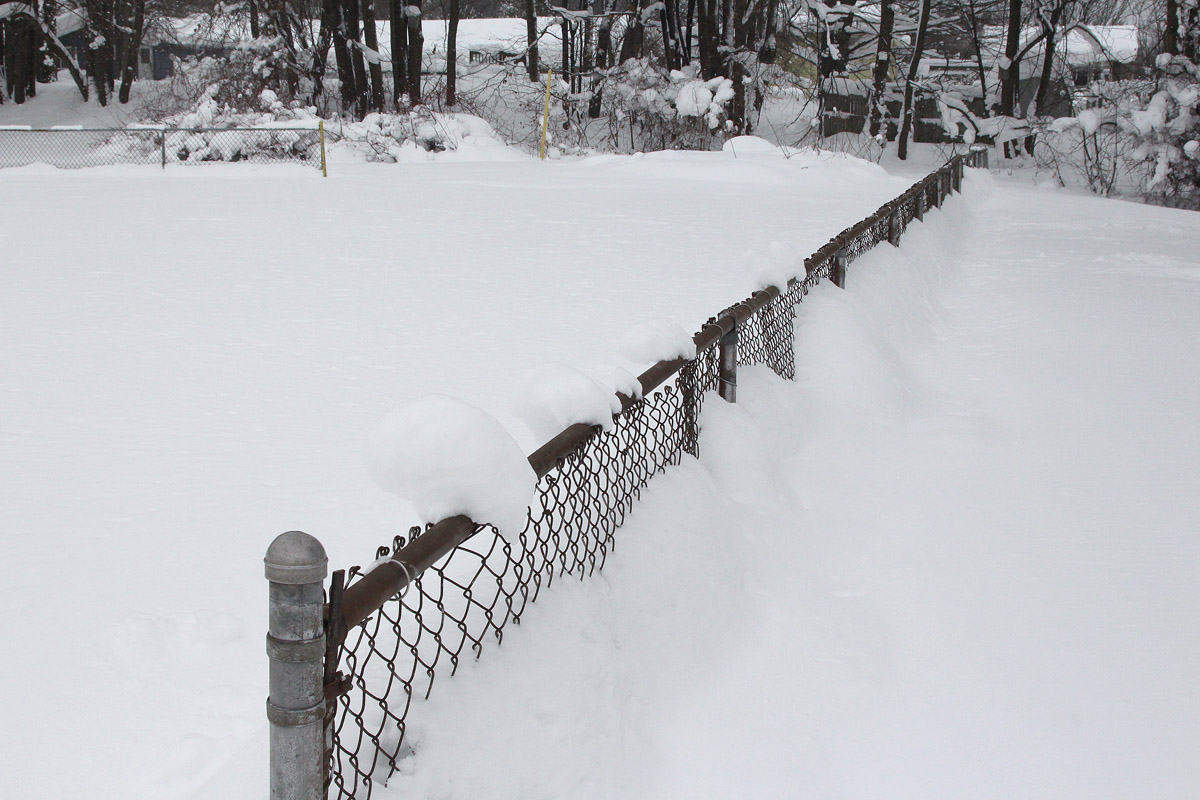
Photo by Chris Bosak
Historic snowfall in Erie, Pennsylvania, Dec. 2017.
I’ll end with a bird-related photo …
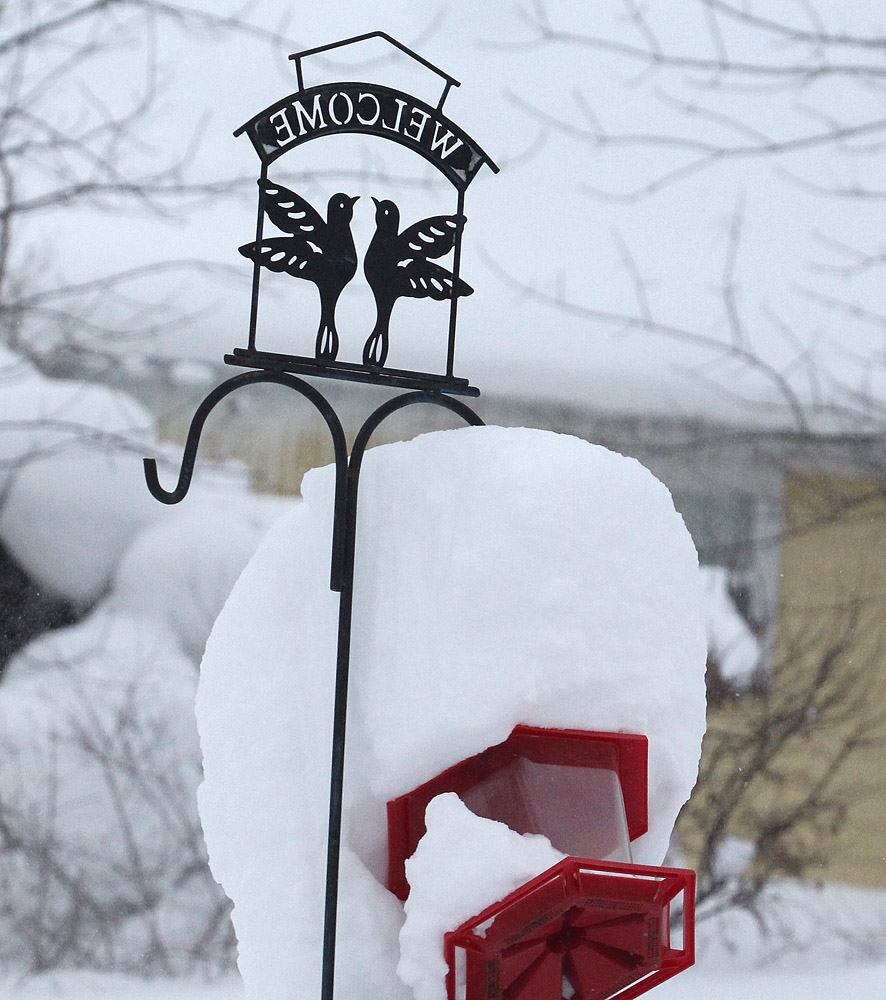
Photo by Chris Bosak
Historic snowfall in Erie, Pennsylvania, Dec. 2017.

Photo by Chris Bosak
A pileated woodpecker searches for food in a dead tree on New Year’s Day 2018.
The weather app on the phone said the temperature was 0 degrees (yes, as in zero). It was New Year’s Day, though, so no excuses: I had to take that walk I promised myself I’d take.

Photo by Chris Bosak
A pileated woodpecker searches for food in a dead tree on New Year’s Day 2018.
As soon as I walked out the door I heard a loud knocking that I strongly suspected was a pileated woodpecker. A quick glance in the direction of the knocking and my suspicion was confirmed. A female pileated woodpecker banged away at a dead tree in the backyard (well, technically not my backyard, but open space that abuts my backyard.)
First bird of 2018 is a pileated woodpecker. Not bad at all.
I watched the crow-sized woodpecker for several minutes and snapped photos until my “shooting” hand froze. That didn’t take long.
I moved on to give the woodpecker some peace and quiet on this frigid day.
The rest of the walk was rather uneventful, but I did see three other types of Continue reading

Photo by Chris Bosak
A white-breasted nuthatch visits a backyard in New England, Dec. 2017.
Merry Christmas and happy holidays from BirdsofNewEngland.com. Wishing you and yours the very best.
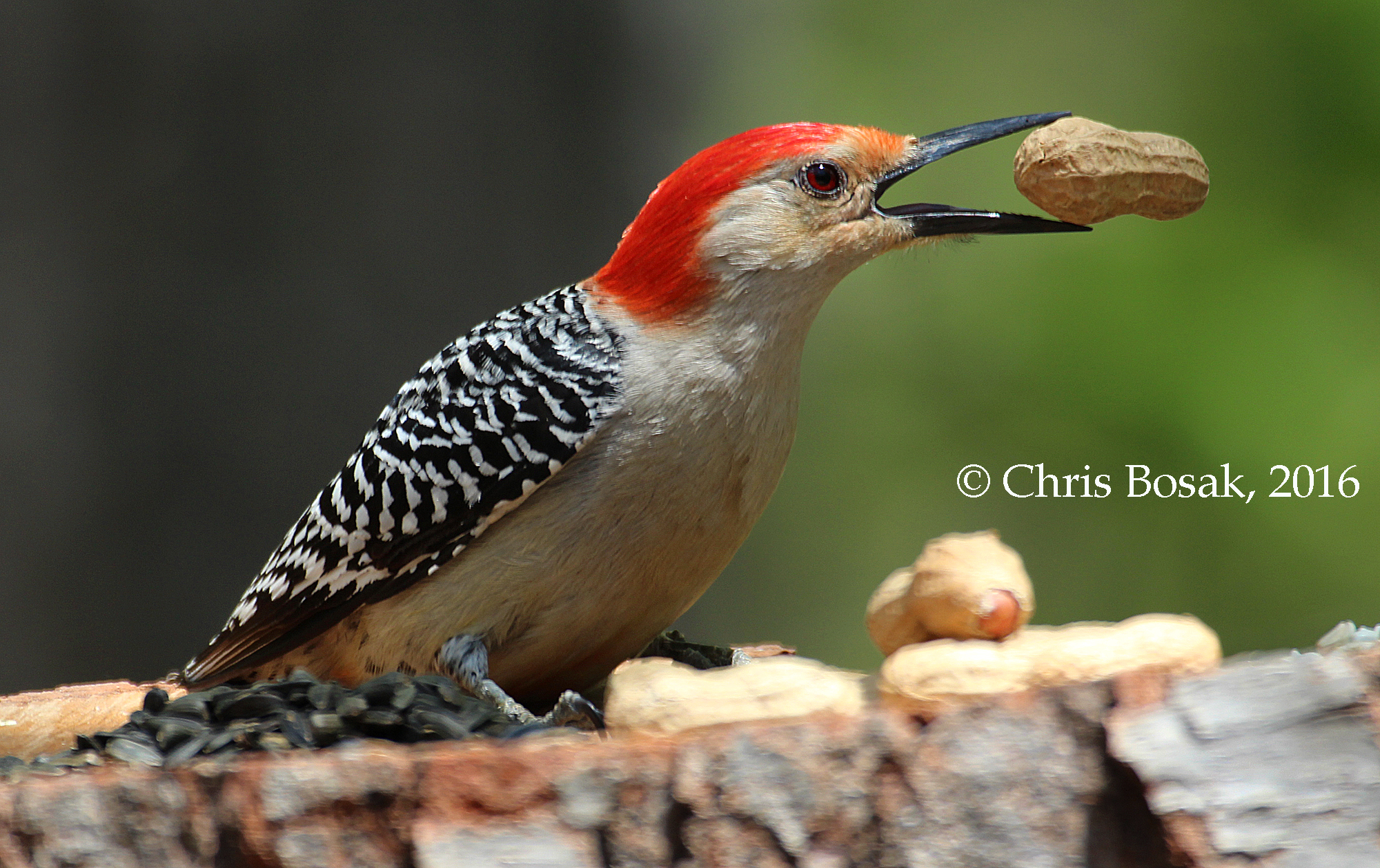
Photo by Chris Bosak
A Red-bellied Woodpecker takes a peanut from a homemade birdfeeder in Danbury, Conn., spring 2016.
Here’s the latest For the Birds column, which runs in several New England newspapers.
…
Some days none of them come, some days some of them come, and some days they all come.
I guess we wake up expecting the middle ground and — somewhere in the back of our minds — we hope for the higher ground. Isn’t it great when we hope for the best and it happens?
That can hold true for just about anything in life, but I’m talking about birds. What else?
One day last weekend was one of those days when all of the birds in the neighborhood were in my backyard. My bedroom window affords views of only the tops of trees and, before heading downstairs to make the morning coffee, I had already seen a downy woodpecker, black-capped chickadee and white-breasted nuthatch.
The birds just kept on coming. There’s a feeder hanging outside of the kitchen window and, before the coffee was done brewing, tufted titmice, house finches and hairy woodpeckers joined the list of bird species I’d seen in my yard that day.
I glanced out the kitchen window onto the backyard and noticed white-throated sparrows and dark-eyed juncos were hopping around the grass and mourning doves were hanging out beneath the feeder. Suddenly, I heard a blue jay and saw it perch on a branch just outside the window.
Not that I was counting, but I had seen 10 species of birds and hadn’t even stepped foot outside yet.
As I was thinking about how nice it was to have seen so many birds already, I looked out a kitchen window that faces a different direction and saw a red-tailed hawk practically right in front of my face. It sensed the movement from inside the house and flew off to a safer perch about three trees away, but still within easy watching distance from the kitchen.
I was surprised that so many of the songbirds were brazenly flitting about when a big, bad hawk was so close by. Had it been a sharp-shinned or Cooper’s hawk, it may have been a different story.
So that made 11 species, including a hawk, and the coffee was just getting poured into the mug. It could have ended there, but I had the whole weekend day ahead of me.
I never set out specifically to look for birds that weekend, but the sightings kept presenting themselves.
I went to get something out of the car and a pair of cardinals hurried into the brush. On my way to the mailbox, a house wren hopped along the stone wall. As I made lunch, minding my own business, I was serenaded to the kitchen window by a Carolina wren singing its heart out, even in winter.
Red-bellied woodpeckers climbed up tree limbs and uttered their strange calls several times throughout the day. It had been days since I’d seen a red-bellied woodpecker in the yard.
It was an odd day, indeed. Odd in a good way, of course. Nothing too out of the ordinary came to the yard, but I was more than happy to welcome the common species that did show.
Sure, it could have been even more spectacular. I didn’t see a brown creeper, goldfinch or kinglet. Come to think of it, a red-breasted nuthatch, fox sparrow or pine siskin wouldn’t have been out of the question during this time of year.
Sure it would have been nice if they would have stopped by, but trust me, I’m not complaining. I had plenty of company that day.
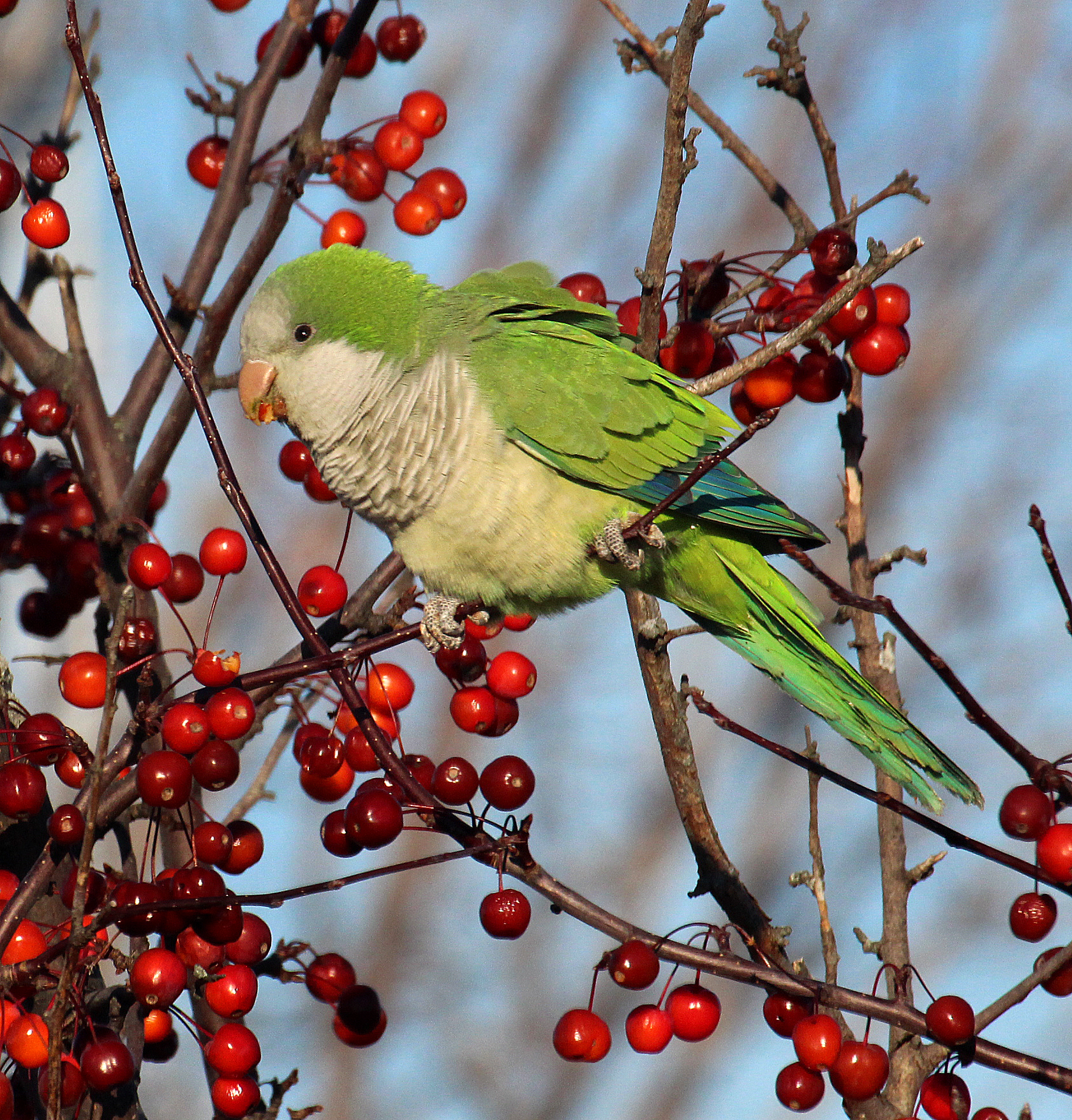
Photo by Chris Bosak A Monk Parakeet seen eating crab apples at Calf Pasture Beach in Norwalk on Sunday during the annual Christmas Bird Count.
The annual Christmas Bird Count has started — officially kicking off Dec. 14. All throughout the U.S. and beyond, people will count birds to add numbers to a database going back to the year 1900.
The Westport Circle, the count in which I participate, is happening tomorrow (Sunday, Dec. 16, 2017), so it’s off to bed early to prepare for a day of counting birds tomorrow. The weather is supposed to be perfect for such a count: sunny and relatively warm. Of course, I count birds along Long Island Sound, so I’m sure the wind will take care of the relatively warm temperatures and make it unpleasant. Oh well, I have participated in this count for about 15 years and faced everything from snow, sleet, rain, bitter cold temps and high winds. There have also been a few warm days thrown in. Tomorrow looks like a seasonably cold day with no precipitation. Perfect.
I’ll let you know how it goes.
(The shot of parakeet was taken during the Christmas Bird Count a few years ago.)

Photo by Chris Bosak
A dark-eyed junco perches on a sled in search for seeds during a snowfall in December 2017.
Here’s a shot I took during last weekend’s snowfall. I always love the first snowfall because the birds come to the feeders nonstop.
If you got some shots of your own, send them along to bozclark@earthlink.net
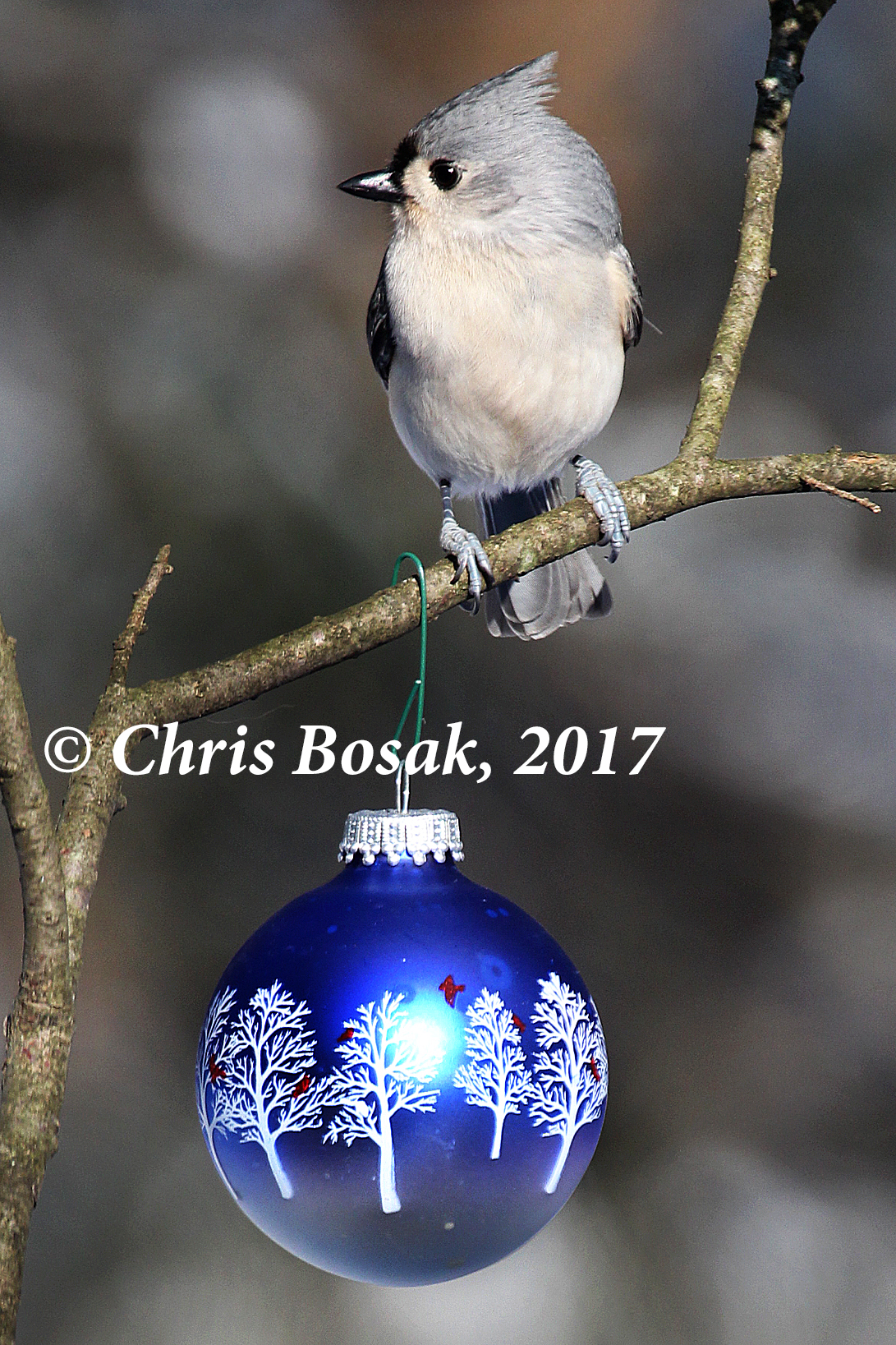
Photo by Chris Bosak
A tufted titmouse perches on a branch after a Dec. 2017 snow fall.
The holiday season is upon us. It can be hard to get into the spirit when you’re still working and you haven’t even started your shopping yet (guilty as charged). But here’s a photo I took after this latest snowfall that I hope gets your holiday season kickstarted. If it didn’t need kickstarting in the first place, then I hope this serves to enhance it. Happy holiday season from http://www.birdsofnewengland.com!
I apologize for the obnoxious placement of the copyright. The internet just makes things too easy these days.
Here is the latest For the Birds column, which runs in several New England newspapers.
…

Photo by Chris Bosak
Black and turkey vultures sit on a hill in Danbury, Conn., fall 2017.

Photo by Chris Bosak
A black vulture sits on a hill in Danbury, Conn., fall 2017.
I hope you enjoyed and made the most of Vulture Week.
What? You didn’t know last week was designated as a celebration of vultures? That’s understandable considering I totally made it up so I could post on my birding blog some vulture photos I had sitting around. Days, weeks and months are designated for all sorts of crazy things, so why can’t www.BirdsofNewEngland.com proclaim Vulture Week?
Well, it was last week anyway, so if anyone has a problem with it, it’s too late.

Photo by Chris Bosak
A turkey vulture sits on a hill in Danbury, Conn., fall 2017.
among the largest in New England. (The posts are still available on the site, of course.)
New England now boasts two species of vultures. The familiar turkey vulture — the one with the reddish/pink head — has been in our region all along. Now, the black vulture — with a blackish/gray head — is becoming more and more common in New England.
The northward range expansion started decades ago, but similar to the expansion of the red-bellied woodpecker and Carolina wren, black vultures are garnering more attention as they become increasingly common.
It is not uncommon for both species to be seen together, offering an easy side-by-side comparison. Aside from the color of their heads, there are other differences. The turkey vulture, for instance, is significantly larger. It is hard to judge its size when it is soaring, but when a close look is afforded, the difference is plain to see. Turkey vultures have a wing span of nearly 70 inches (about 6 feet) compared to the black vulture’s 60 inches (about 5 feet). The underside of the wings is another way to tell them apart. Black vultures have whitish wing tips while the white spreads significantly farther on the wings of turkey vultures.
Both birds have a keen sense of smell, but the turkey vulture has the stronger sniffer. That’s one of the reasons the birds are often found together, I’m sure.
Perhaps that’s how the large flock of vultures I photographed earlier in the fall found the prime spot at which I saw it. I can’t reveal exactly where I saw the vultures because I’m 99.9 percent sure I shouldn’t have pulled my car into that dirt lot. It is state-owned land (I’m not saying which state) and operated by the Department of Transportation. It is right off the highway and the rutted, rocky dirt driveway leading to a huge dirt pile is designed for dump trucks and large machinery, not passenger cars.
But, after seeing huge numbers of vultures on that dirt pile day after day, I couldn’t help myself anymore.
Several dead deer, many with magnificent racks, were spread around the base of the dirt pile. It’s an easy, endless source of food for the birds.
I kept my visit brief. I snapped a few photos, compared the black and turkey vultures, snapped a few more photos and got the heck out of there.
People get excited when they see vultures. Why wouldn’t they? They are huge and, despite their ominous appearance, can be quite endearing. They are less wary than other birds of prey (even though they scavenge instead of hunt) and smart, too.
Now try to tell me they don’t deserve their own week.

Photo by Chris Bosak
Black vultures sit on a hill in Danbury, Conn., fall 2017.
Here is the final photo in my celebration of Vulture Week, a week I totally made up because I had some vulture photos to share. This is a pair of black vultures, which are becoming more common in New England.
Final vulture fun fact: Vultures do not circle their prey, a misconception reinforced by so many Western movies. They do circle, but they do that whether there is prey below or not. If they find prey, they get to it quickly.
As a bonus, check out the Reader Submitted Photos page for a new photo of a soaring turkey vulture.
 Birds of New England.com