Unknown's avatar

About Chris Bosak

Bird columnist and nature photographer based in New England.

Gardening with Melinda: Grow an abundant tomato harvest in a pot

Photo by Gardener’s Supply Company Growing tomatoes in container gardens enables gardeners to jump start the growing season.

Photo by Gardener’s Supply Company
Growing tomatoes in container gardens enables gardeners to jump start the growing season.


By Melinda Myers

Harvest and enjoy the garden-fresh flavor of tomatoes right outside your kitchen.  Grow them in containers set on your patio, balcony, deck or stairs. You’ll enjoy the convenience of harvesting fresh tomatoes just a few feet away from where you prepare your meals. And your guests will enjoy harvesting fresh tomatoes to add to their salad or sandwich.

Tomatoes need warm air and soil to thrive. Containers give you the ability to jump start the season. Plant tomatoes in containers earlier than in the garden and leave them outdoors when it’s warm (but bring them inside whenever there’s a danger of frost.)  Protect your plants with the help of season-extending products like cloches, red tomato teepees or garden fabrics.  These will help warm the soil and air around the plants, reducing the number of days to your first harvest.

Select flavorful and disease-resistant varieties for your container gardens. Consider ‘determinate’ tomatoes that are more compact and generally less than four feet tall. But don’t eliminate your favorite indeterminate tomato. Just provide a strong tall support for these plants that continue to grow six feet and taller throughout the season.

Grow your tomatoes in a sunny spot that receives at least eight hours of direct sunlight.  You’ll grow the biggest harvest and reduce the risk of disease.

Fill your container with a quality well-drained potting mix. Add a slow release organic fertilizer to your potting mix if needed.  This type of fertilizer feeds the plants for several months. Give the plants an additional feeding midseason or as directed on the fertilizer package.

Check soil moisture daily, water thoroughly and often enough to keep the soil slightly moist.  Maintaining consistent soil moisture means healthier plants and fewer problems with blossom end rot. This disorder is not a deadly disease, but it causes the bottom of the first set of fruit to turn black.

Reduce your workload by using self-watering pots like the Gardener’s Revolution® Classic Tomato Planter (gardeners.com). These pots have a 5-gallon reservoir for holding water that moves up into the soil to the plant roots as needed.  This means you’ll be filling the reservoir less often than you would normally water other planters.

Stake or tower your plants to save space, increase air circulation around and light penetration into the plant.  You’ll further reduce the risk of disease and increase productivity by growing vertically.

So start gathering your favorite tomato recipes now, as soon you’ll be harvesting armloads of tomatoes to use in salsas, salads, sauces and of course BLTs.

Melinda Myers has written more than 20 gardening books, including Small Space Gardening. She hosts The Great Courses “How to Grow Anything: Food Gardening For Everyone” DVD set and the nationally syndicated Melinda’s Garden Moment TV & radio segments. Myers is a columnist and contributing editor for Birds & Blooms magazine and was commissioned by Gardener’s Supply Company for her expertise to write this article. Myers’ web site is www.melindamyers.com.

Another winter photo: Tufted titmouse in the snow

Photo by Chris Bosak A tufted titmouse perches on a carabiner that holds up a homemade platform birdfeeder in Danbury, Conn., during the winter of 2016-17.

Photo by Chris Bosak
A tufted titmouse perches on a carabiner that holds up a homemade platform birdfeeder in Danbury, Conn., during the winter of 2016-17.

Just another leftover winter photo.

Before winter gets too far in the rearview mirror

Photo by Chris Bosak A black-capped chickadee perches on a homemade birdfeeder in Danbury, Conn., March 2017.

Photo by Chris Bosak
A black-capped chickadee perches on a homemade birdfeeder in Danbury, Conn., March 2017.

Here are a few leftover bird photos fro this past winter. Signs of spring are everywhere and more are popping up every day, so I’d better get these photos out there now …

This week and next I’ll sprinkle in some “signs of spring” photos, too.

Photo by Chris Bosak A dark-eyed junco perches on a deck railing in Danbury, Conn., March 2017.

Photo by Chris Bosak
A dark-eyed junco perches on a deck railing in Danbury, Conn., March 2017.

Gardening with Melinda: From the garden to the party

Melinda Myers Add a bit of color and interest to salads with edible flowers like nasturtium.

Melinda Myers
Add a bit of color and interest to salads with edible flowers like nasturtium.

By Melinda Myers

Make every meal a special event by bringing the garden to the table. Serve your favorite dishes made from homegrown ingredients. Then allow guests to add their own herbal seasonings right from the garden or container.

Start by growing the ingredients for your favorite recipes and beverages. Consider those, like tomatoes, that taste best fresh from the garden.  Or create a salad bar by filling window boxes and raised beds with greens, hot peppers, green onions and more. Just hand your guests a plate and let them create their own fresh salad.

Dress up the table or balcony with a few containers of herbs on your patio, deck or near the grill.  Use small herb containers as edible centerpieces. Just include a pair of garden scissors and allow your family and guests to season the meal to their taste.

Add a bit of color to your meal with edible flowers.  Try nasturtium and daylily blossoms stuffed with cream cheese, calendula petals sprinkled on your salad and mint leaves a top a slice of chocolate cake.

Include a few herbs and vegetables that can be blended, muddled or added to your favorite beverage. Use the hollow stems of lovage as a straw for your tomato juice or bloody Mary.  You’ll enjoy the celery flavor this edible straw provides. Or pluck a few mint or rosemary leaves to flavor iced tea and lemonade. Continue reading

An icy claw only a birdwatcher would notice

Photo by Chris Bosak An icicle resembling a claw hangs from a home in Danbury, Conn, in March 2017.

Photo by Chris Bosak
An icicle resembling a claw hangs from a home in Danbury, Conn, in March 2017.

I would have never noticed this icicle hanging from my gutter last week if I weren’t a birdwatcher, but since I’m attuned to such things …

For the Birds column: Here’s the full story on that owl

Photo by Chris Bosak A Great Gray Owl perches in a pine tree in Newport, N.H., in March 2017.

Photo by Chris Bosak
A Great Gray Owl perches in a pine tree in Newport, N.H., in March 2017.

Here is the latest For the Birds columns, which runs weekly in several New England newspapers.

I don’t typically chase rare birds around the region.

It’s not that I don’t want to see the birds, but either family or work obligations usually prohibit me from taking long drives to see a bird. I am often envious of the people who can drop everything, drive eight hours to wherever and look at a cool bird that is not typically seen in New England.

But a great gray owl in under four hours? That’s an effort I have to make. It is the largest owl in the world, by length anyway, and its flat, disc face elevates owl coolness to another level.

I still had work, however, but couldn’t risk waiting until the weekend should the bird decide to take off and not be found again. So I pulled a maneuver I used to do fairly often before I had kids: I basically pulled an all-nighter.

I slept restlessly from midnight to 2:15 a.m. Thursday morning and drove three hours to Keene to pick up my old friend Steve Hooper, of Sentinel photo department fame. Then we drove another 40 minutes to Newport, where this awesome bird had been seen in the same field each day for about a week straight. (I knew that thanks to the ABA rare bird alert.) Hoop and I followed the directions we found online and arrived at the scene at about 6:20 a.m. A rare bird alert message posted at 6:15 a.m. confirmed that the bird was indeed there. Thanks to Dylan Jackson of Sunapee for that update. I was minutes away from seeing my first great gray owl.

Continue reading

Gardening with Melinda: Family Gardening Provides More Than a Bountiful Harvest

Gardening can be a great family activity and children exposed to the outdoors and gardening are more focused, have less issues with attention deficit and score higher on tests.

Mother And Daughter Working On Allotment Together With Vegtables And Watering Can Smiling

By Melinda Myers

Gardeners know digging, planting, harvesting and even viewing a garden is good for the mind, body and spirit. It improves strength and flexibility, lowers blood pressure and elevates our mood. And this is true for all members of the family from the very young to the more seasoned.

Plan on sharing these benefits with yours or a friend’s children, grandchildren, nieces and nephews this growing season. Children, and even adults, who grow their own vegetables are more likely to eat them.  But gardening does even more to help our children. Research shows children exposed to the outdoors and gardening are more focused, have less issues with attention deficit and score better on tests. Girls exposed to gardens and green spaces are more confident and better able to handle peer pressure.

Here are a few ways to make gardening with family more fun and memorable.

Involve the whole family when planning the garden. Talk about the flowers everyone wants to grow and vegetables you all like to eat. Then break out the paper, old catalogs, scissors, crayons, pencils and rulers.  Young children can cut out pictures of their favorite vegetables and flowers and glue them on the paper. Older children can draw the garden to scale on graph paper and plot their choices in the garden. Continue reading

One more heron shot, this one a closeup

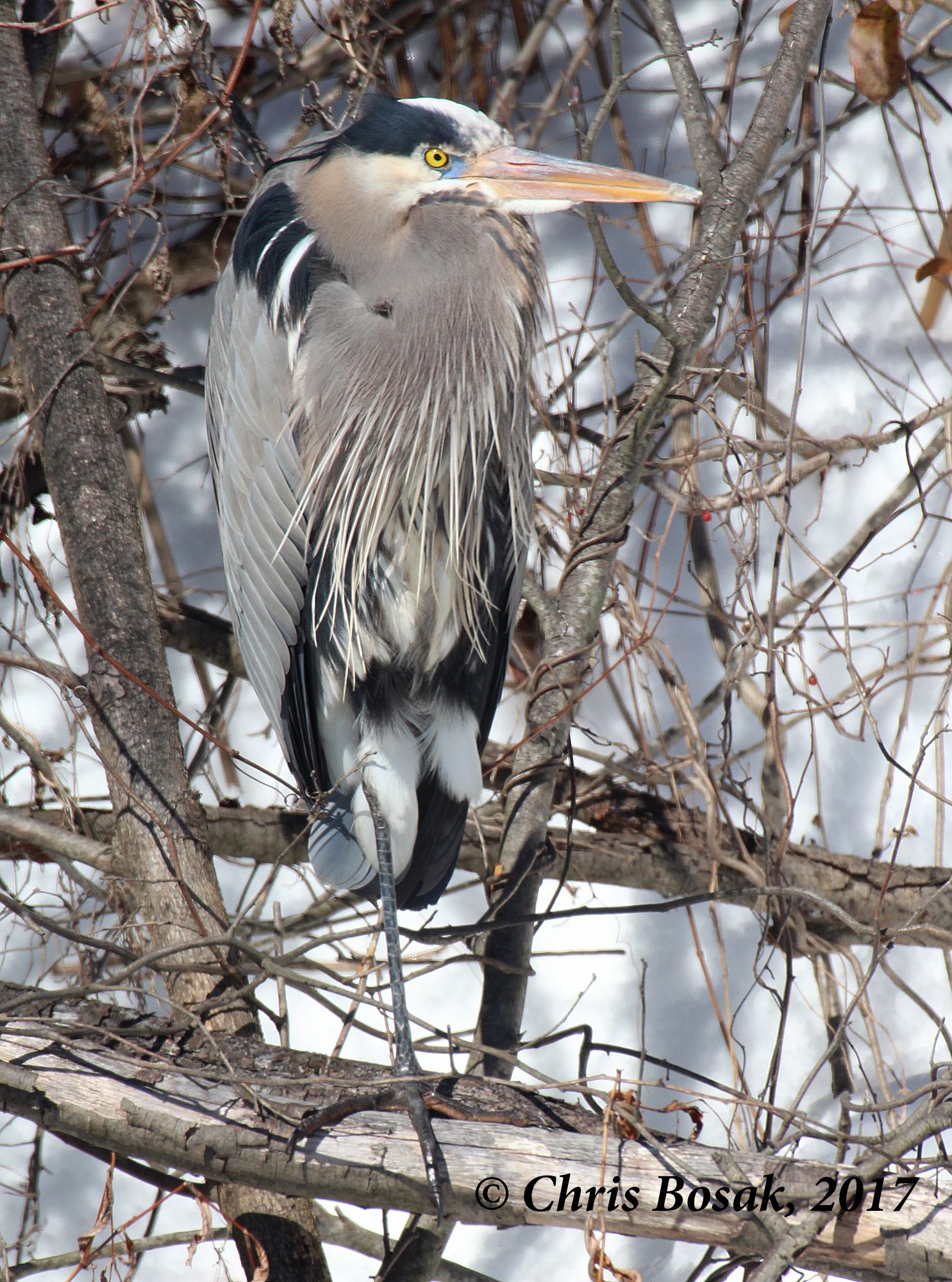
Photo by Chris Bosak  A Great Blue Heron stands in a pond in Danbury, Conn., March 2017.

Photo by Chris Bosak
A Great Blue Heron stands in a pond in Danbury, Conn., March 2017.

You got the medium shot, the full-length shot and, finally, here’s the closeup. I’ve been a million great blue herons and would love to see a million more.

Full length shot of the heron; check out those legs

Photo by Chris Bosak A Great Blue Heron rests on a log in a pond in Danbury, Conn., March 2017.

Photo by Chris Bosak
A Great Blue Heron rests on a log in a pond in Danbury, Conn., March 2017.

Well, you can see one leg anyway. The other is tucked into its feathers as a way to regulate blood flow and keep extremities from freezing — a ploy used by many birds. I like the spot of blue by the heron’s eye.

More heron photos to come shortly. Another heron was hanging out nearby, too. More on that one soon.

Gardening with Melinda: Grow a bigger garden in a smaller space

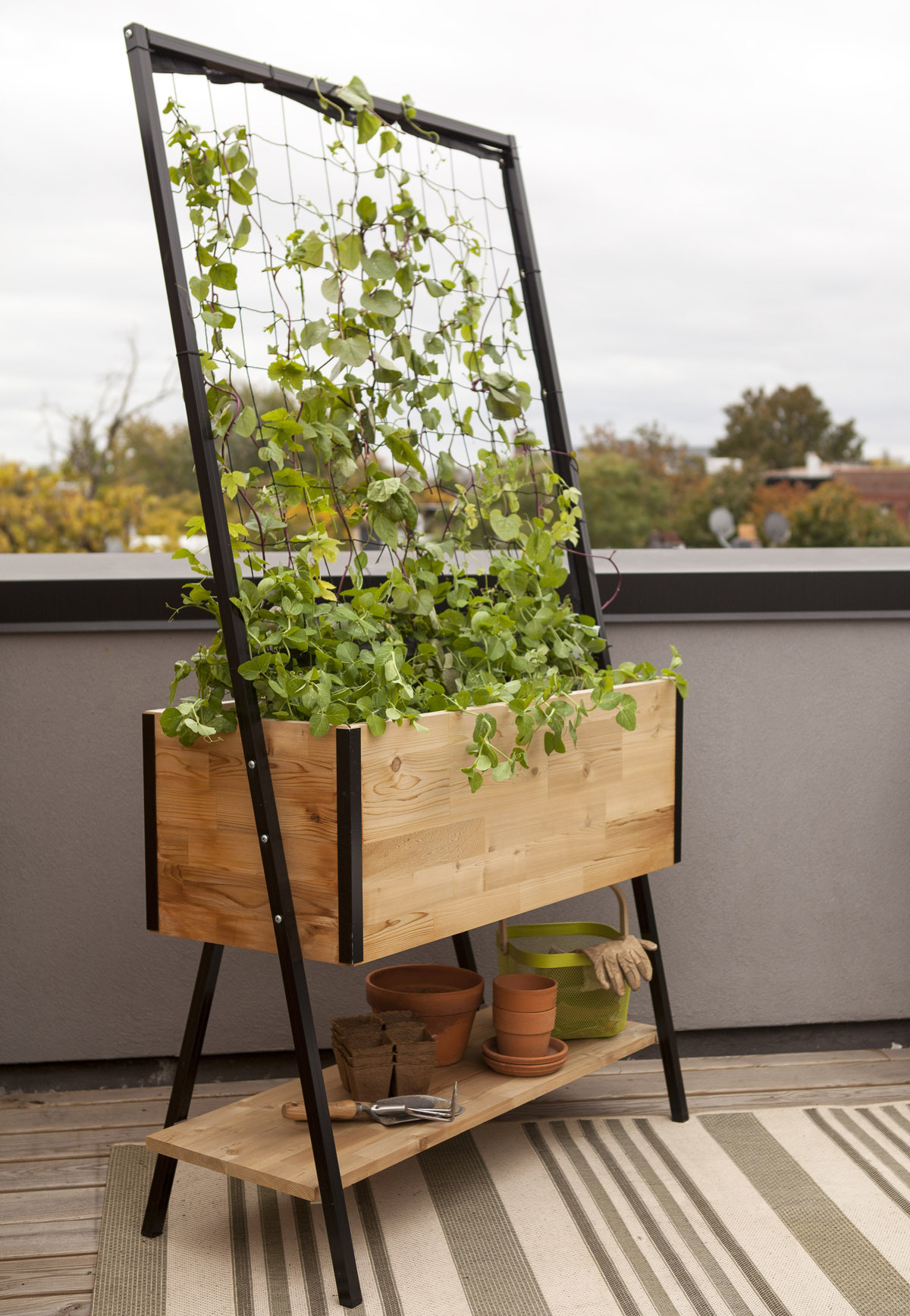
Gardener’s Supply Company Planter boxes with built-in trellises like this Apex trellis planter enable gardeners to maximize their garden space for growing vegetables and flowers.

Gardener’s Supply Company
Planter boxes with built-in trellises like this Apex trellis planter enable gardeners to maximize their garden space for growing vegetables and flowers.

By Melinda Myers

Whether in the ground or on a balcony or deck, there’s always room to grow your own garden-fresh produce and beautiful flowers.  Space saving gardening techniques and products can help you increase productivity in any available space.

Consider elevated gardens and planter carts that not only save space, but make gardens more accessible. Movable carts like the Demeter Mobile Planter Cart allow you to grow flowers and produce in narrow spaces, store garden accessories and move the garden into the sunlight or out of the way of guests as needed.

Save more space by going vertical.  Look for containers and raised garden beds with built-in trellises and plant supports.  Just plant your pole beans, peas, cucumbers or tomatoes and attach them to the supports as they grow.  Support the large fruit of squash and melons with cloth or macramé slings. Just cradle the fruit in the sling and secure it to the trellis. You’ll not only save space, but reduce disease problems and make harvesting a breeze. Continue reading