Unknown's avatar

About Chris Bosak

Bird columnist and nature photographer based in New England.

Interesting habitat story about New England by the AP

Photo by Chris Bosak Common Loon

Photo by Chris Bosak
Common Loon

Here’s an interesting story from the Associated Press. I hope the proposal goes through and comes to fruition.

CONCORD, N.H. (AP) — The U.S. Fish and Wildlife Service is proposing to establish the “Great Thicket National Wildlife Refuge,” areas of New England and New York to preserve more shrubland and young forests for numerous species, such as the New England cottontail.

The agency has identified areas in New Hampshire, Connecticut, Maine, Massachusetts, New York and Rhode Island. The goal is to gain up to 15,000 acres.

The agency says many areas across the Northeast have been cleared for development or have grown into mature forests. Private landowners and conservation groups have worked with state wildlife agencies to restore and protect land for 65 songbirds, mammals, reptiles and other wildlife, but more land is needed.

The Service is accepting comments on the proposal through March 4.
Here’s the rest of the story from AP. 

Latest For the Birds column: Gearing up for National Bird Feeding Month

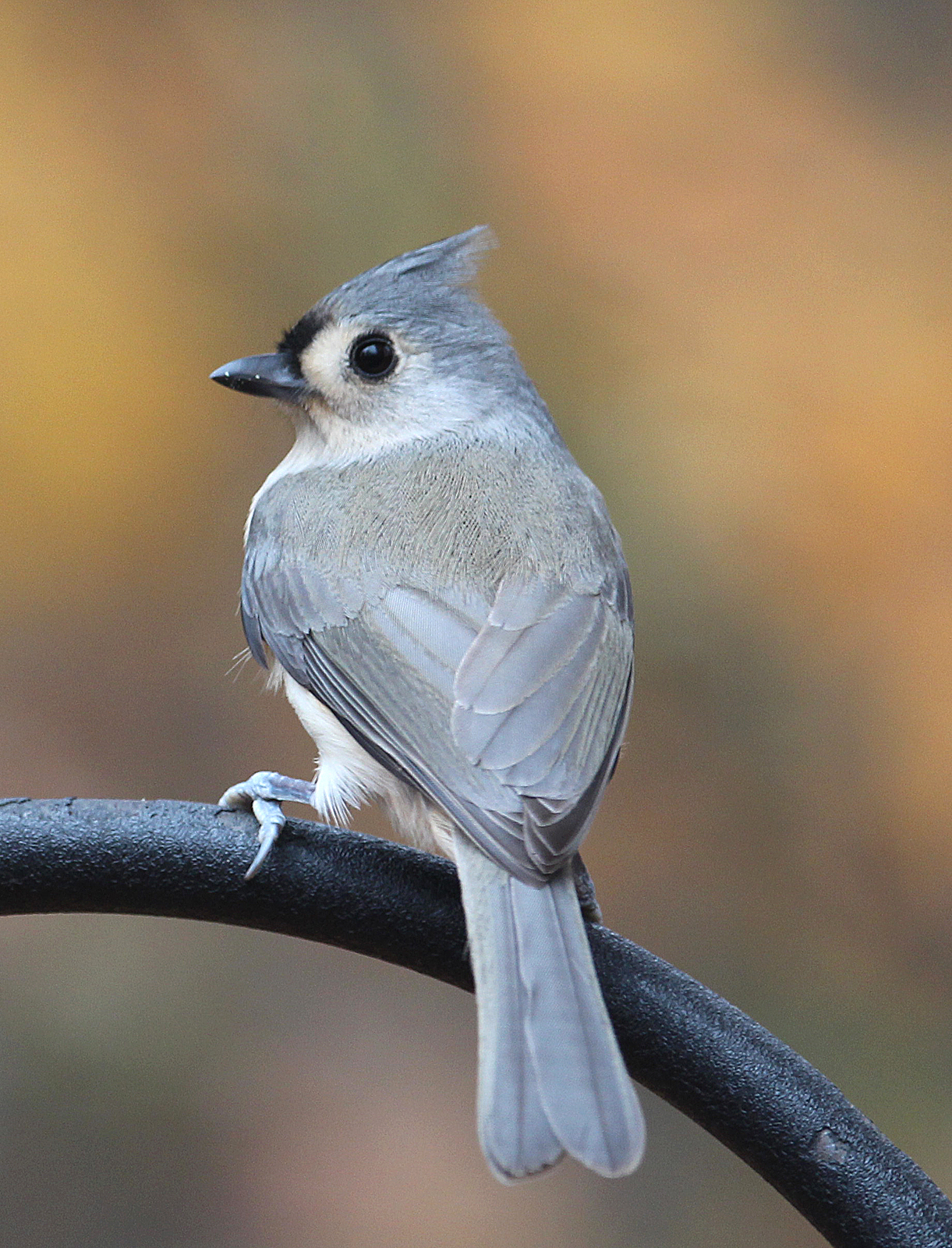
Photo by Chris Bosak A Tufted Timouse perches near a feeding station in New England, fall 2015.

Photo by Chris Bosak
A Tufted Timouse perches near a feeding station in New England, fall 2015.

February may be a few weeks away, but there’s no harm in being prepared for what’s in store.

February is a big month in the birdwatching world. It’s a cold month in the middle of winter, but a little birding and bird feeding will help make the cold more tolerable.

First of all, February is National Bird Feeding Month. I don’t normally get too excited about national this month or that, but I’ll celebrate anything that gives me an excuse to do more birdwatching. National Bird Feeding Month was first proclaimed in 1994.

Also, February is always the month of the Great Backyard Bird Count. I’ll write more about this citizen science project in a later column, but just so you can mark your calendars, this year it will be held the weekend of Feb. 12-15.

For now, in honor of National Bird Feeding Month, here are a few tips on how to attract birds to your yard in the typically cold month of February.

Suet is a must. Whether you use pre-packaged suet cakes or make your own out of beef fat (the store-bought cakes are much, much easier), suet should be an offering in the winter. I can count on one hand the number of minutes a bird is not at my suet feeder. Usually it’s a Downy Woodpecker, but also seen are Hairy Woodpeckers, Red-breasted Woodpeckers, White-breasted Nuthatches, and Carolina Wrens. Occasionally, chickadees and titmice visit the suet as well.

Who knows? You may even get lucky and have a Pileated Woodpecker come visit. I had one at my suet feeder about 10 years

Click here for the rest …

Merganser Lake: Quick walk in the snow – finally

Photo by Chris Bosak Oak leaves covered in a light coating of snow on Thursday, Jan. 14, 2016, in Danbury, Conn.

Photo by Chris Bosak
Oak leaves covered in a light coating of snow on Thursday, Jan. 14, 2016, in Danbury, Conn.

Snow has been scarce in southern New England this winter so when I woke up to an unexpected covering of the white stuff this morning, I couldn’t wait to take the quick walk through the woods to Little Merganser Lake.

After I got the boys off to school, I set out. It was colder than I expected but it was still a pleasant and scenic walk. Any walk in the snow is scenic and rejuvenating.

Here are a few more iPhone shots of the walk. Continue reading

Merganser Lake: Carolina Wren — Backyard entertainer

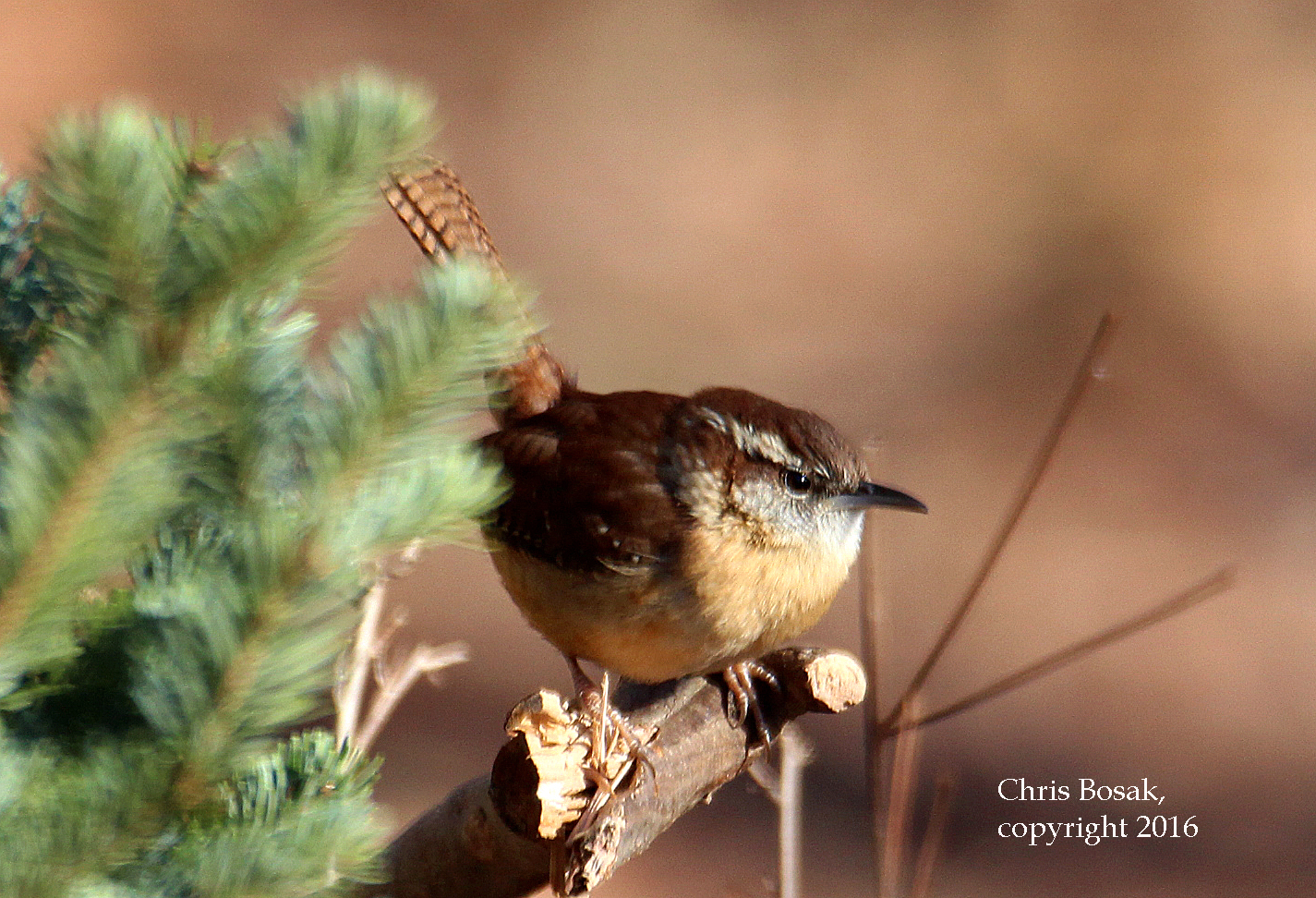
Photo by Chris Bosak A Carolina Wren perches near an evergreen at Merganser Lake in Connecticut, January 2016.

Photo by Chris Bosak
A Carolina Wren perches near an evergreen at Merganser Lake in Connecticut, January 2016.

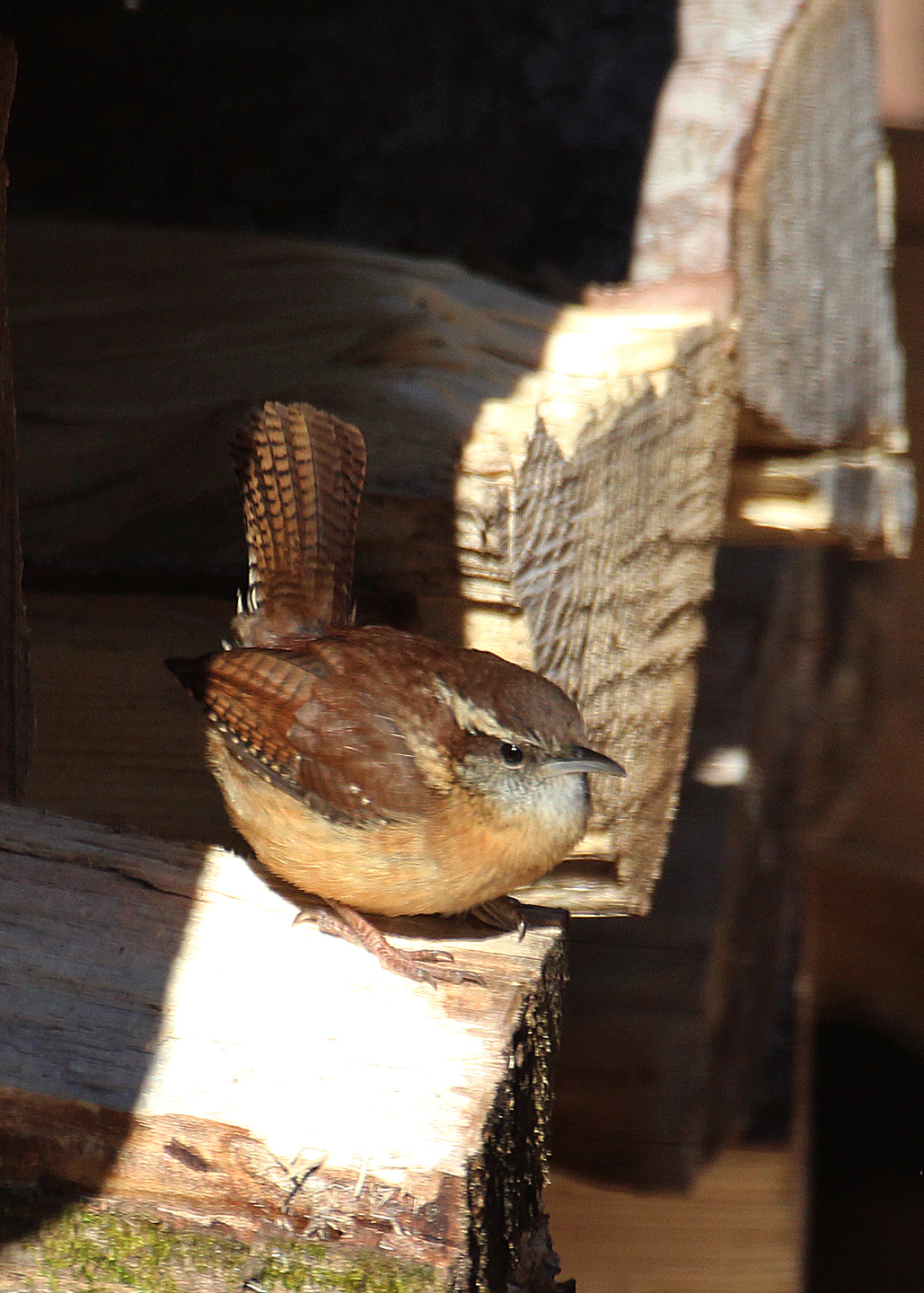
Not many backyard birds are as entertaining as the Carolina Wren. They sing, they chatter, they dart to and fro. And they are a handsome bird. One of these Carolina Wrens entertained me today at my new place at Merganser Lake. It perched on a stack of logs that my son Andrew split, then flew over the Christmas tree I put outside to provide shelter for birds. Here are few photos of this little charmer.

https://birdsofnewengland.com/wp-content/uploads/2016/01/carolina-wren-on-wood1.jpg

Photo by Chris Bosak
A Carolina Wren perches on a stack of wood at Merganser Lake in January 2016.

My top birding moments of 2015

Here is my latest column for The Hour (Norwalk, CT) and Keene Sentinel (Keene, N.H.) It’s my favorite column of the year to write: my top 10 list.

Photo by Chris Bosak An Osprey carries a fish along the Norwalk River in Norwalk, CT, summer 2015.

Photo by Chris Bosak An Osprey carries a fish along the Norwalk River in Norwalk, CT, summer 2015.

Not sure how it happened so quickly, but it’s time for me to write another year-end birding column. Each year at about this time I sit down and think about my top 10 birding experiences of past year. It’s not necessarily about the best birds I’ve seen, but rather the birding moments that most impacted me in one way or another.

What will be missing from this year’s list for the first time in about 10 years is my Thanksgiving “Duck Hunt” with my boys. The hunt is an annual tradition whereby we wake up early on Thanksgiving and visit a bunch of beaches and fresh-water bodies of water to count duck species. We try to get 10 species, but for me, the real thrill is being out with the boys looking for birds. This year I was so sick I couldn’t even get out of bed so we put the annual “duck hunt” on hold. Perhaps I’ll revisit it for another occasion. Maybe for the Great Backyard Bird Count. Or maybe just some random day this winter.

So here’s what did make the list …

10. Having the featured photo on The Birding Wire. The weekly e-newsletter features a photo in each edition and in early December it featured my photo of Pine Warblers squabbling at my suet feeder. I look at The Birding Wire each week, so it was neat to see my work as one of the featured items.

9. Having chickadees eat out of my hand. I noticed that each time I took down the feeders to fill them at my new house the chickadees would still land on the pole that holds the feeders, even though I was only a few feet away. I decided to hold off on putting the feeders back up immediately and instead extended my arm and held a handful of sunflower seeds out for the birds. They hesitated, but eventually landed and happily (if not nervously) took a seed and flew off.

8. A week-long summer camping trip with the boys. We went to the northern most part of New Hampshire and took the most remote site we could find. Gray Jays visited the camp and a Common Loon swam in the pond near the site. Of course, the call of the loon echoing at night capped off the experience.

7. Seeing a Bald Eagle nest off the coast of Norwalk. Ultimately the nest at Chimon Island did not result in young eagles being fledged, but it was still a thrill knowing they were out there. The unsuccessful nesting attempt is not surprising as many first-year nests fail. The nest still stands

Click here for the rest. 

Continue reading

Some photos from the Christmas Bird Count 2015

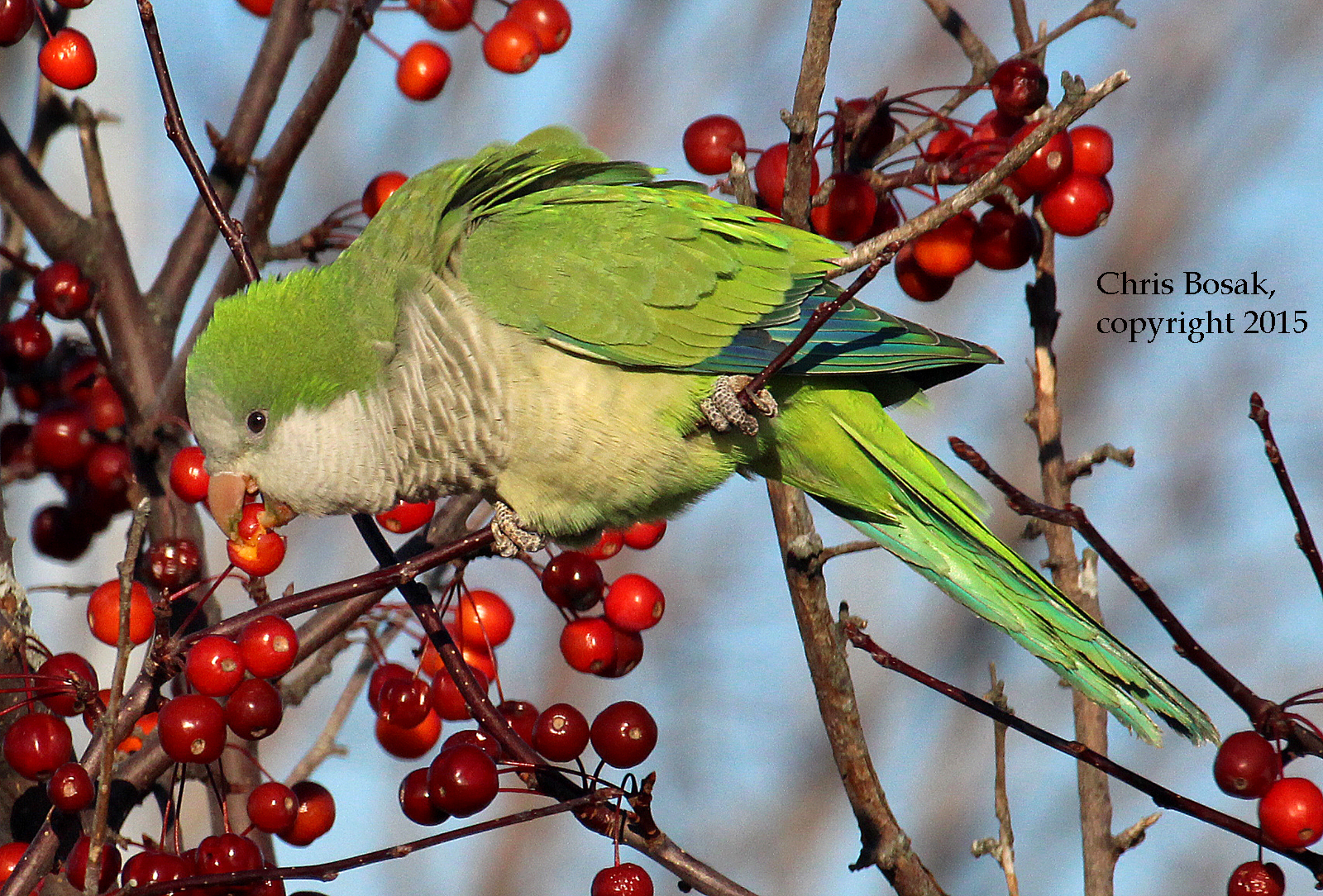
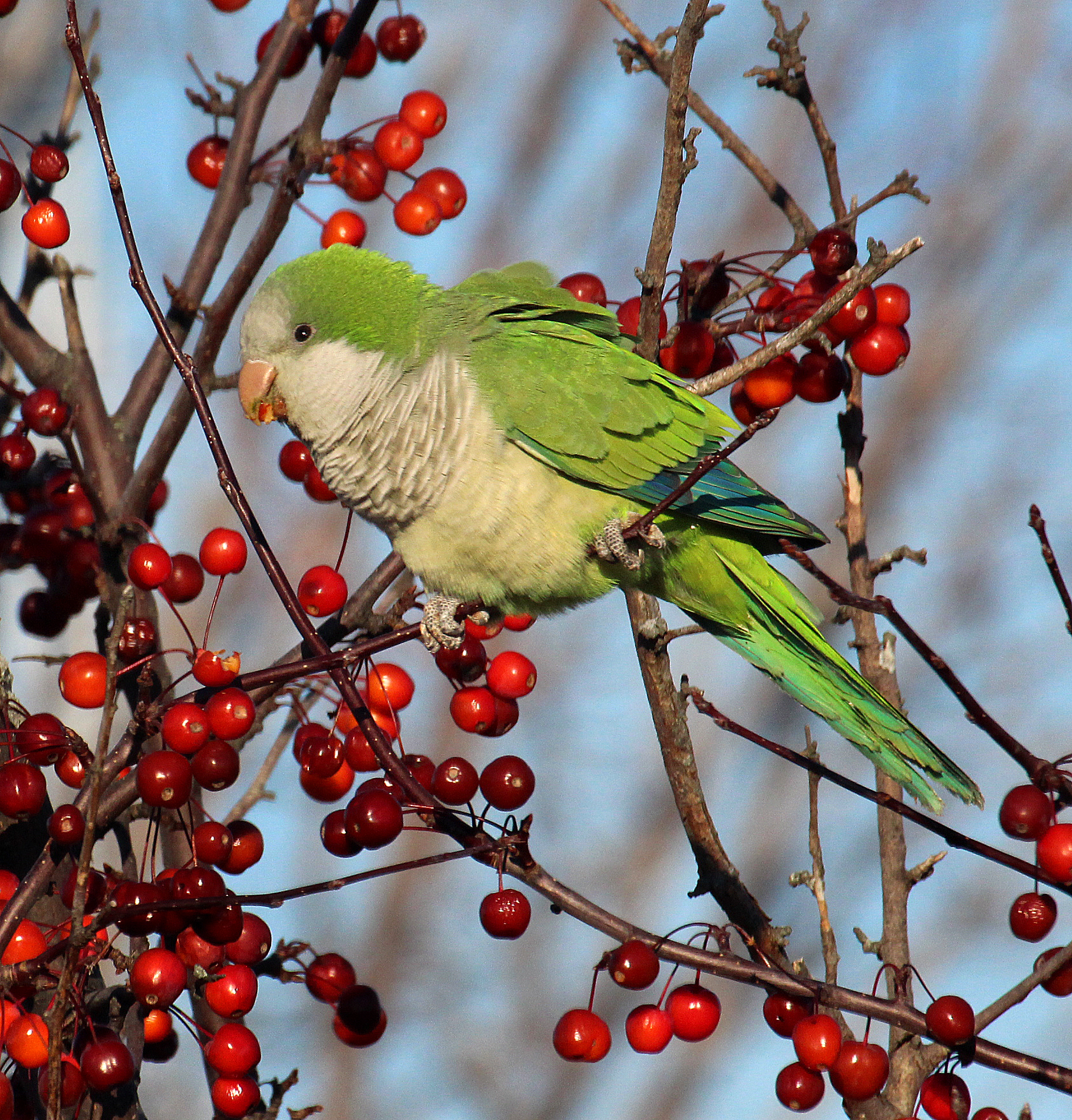
Photo by Chris Bosak A Monk Parakeet seen eating crab apples at Calf Pasture Beach in Norwalk on Sunday during the annual Christmas Bird Count.

Photo by Chris Bosak
A Monk Parakeet seen eating crab apples at Calf Pasture Beach in Norwalk on Sunday during the annual Christmas Bird Count.

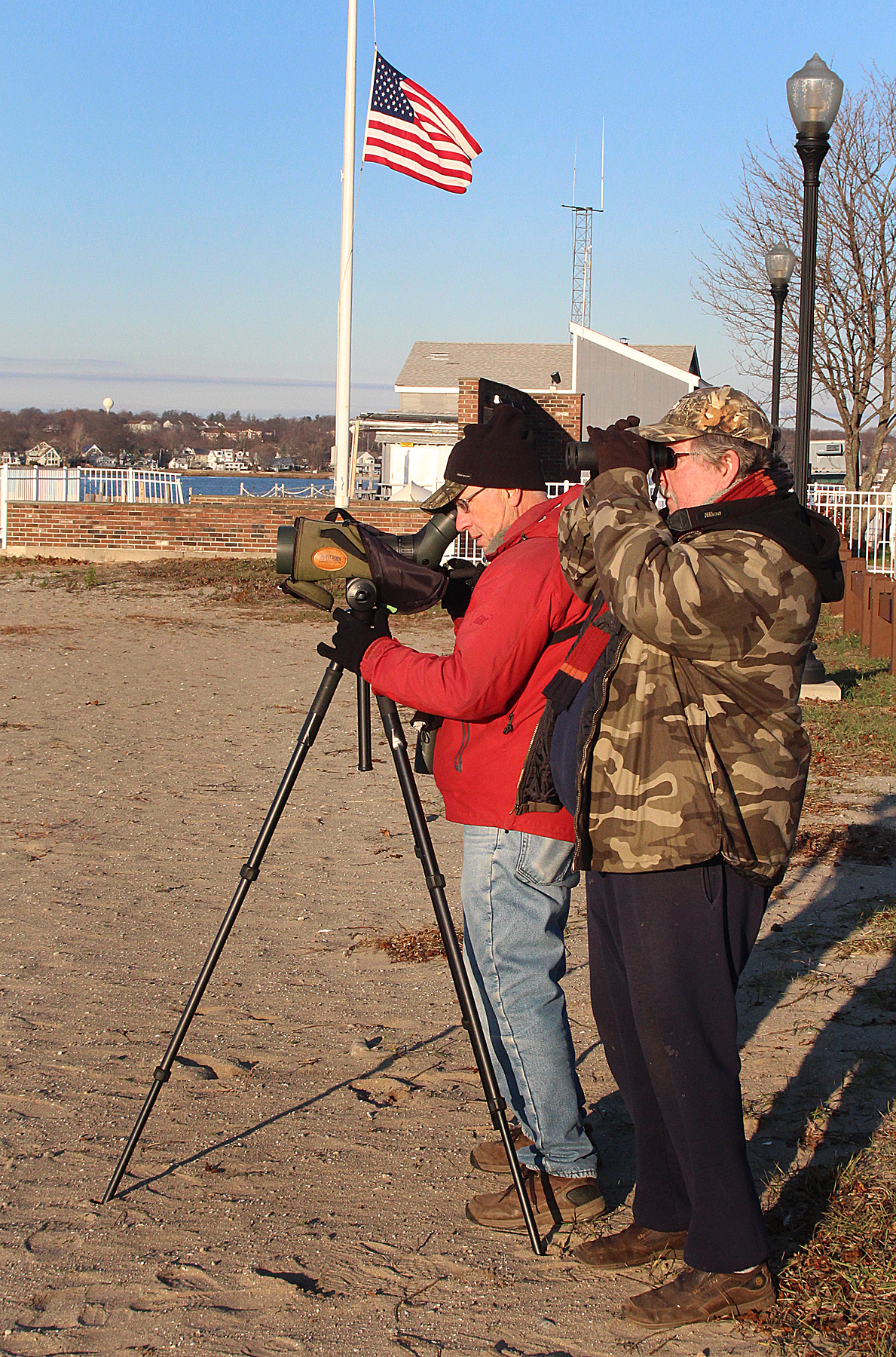
Here are some photos of the annual Christmas Bird Count held locally (Westport, Connecticut, Circle) on Sunday. I did the Count with old friends Frank Mantlik and Larry Flynn. Highlight species included: American Woodcock; Orange-crowned Warbler; Nashville Warbler; Northern Shoveler; Gray Catbird; and Wood Duck (about 12 of them).

The above bird is indeed a New England bird. Well, at least it is now. A group of Monk Parakeets bound for the pet stores were believed to have escaped from JFK airport and established wild populations throughout the coastal regions of Long Island Sound. Some people don’t like them because they are non-native and very noisy. They do make good photo subject on occasion, though.

Here are some more photos from Sunday:

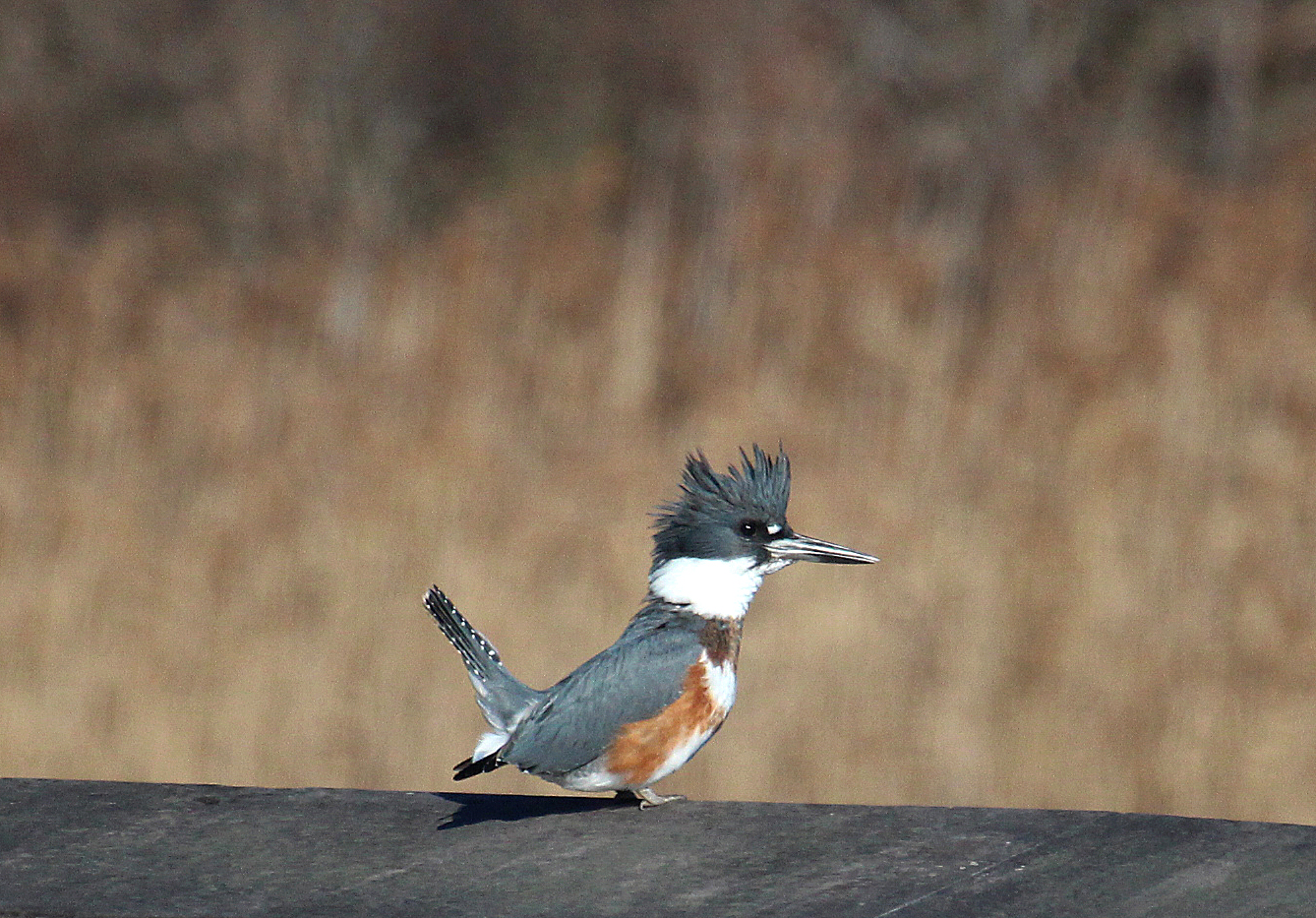
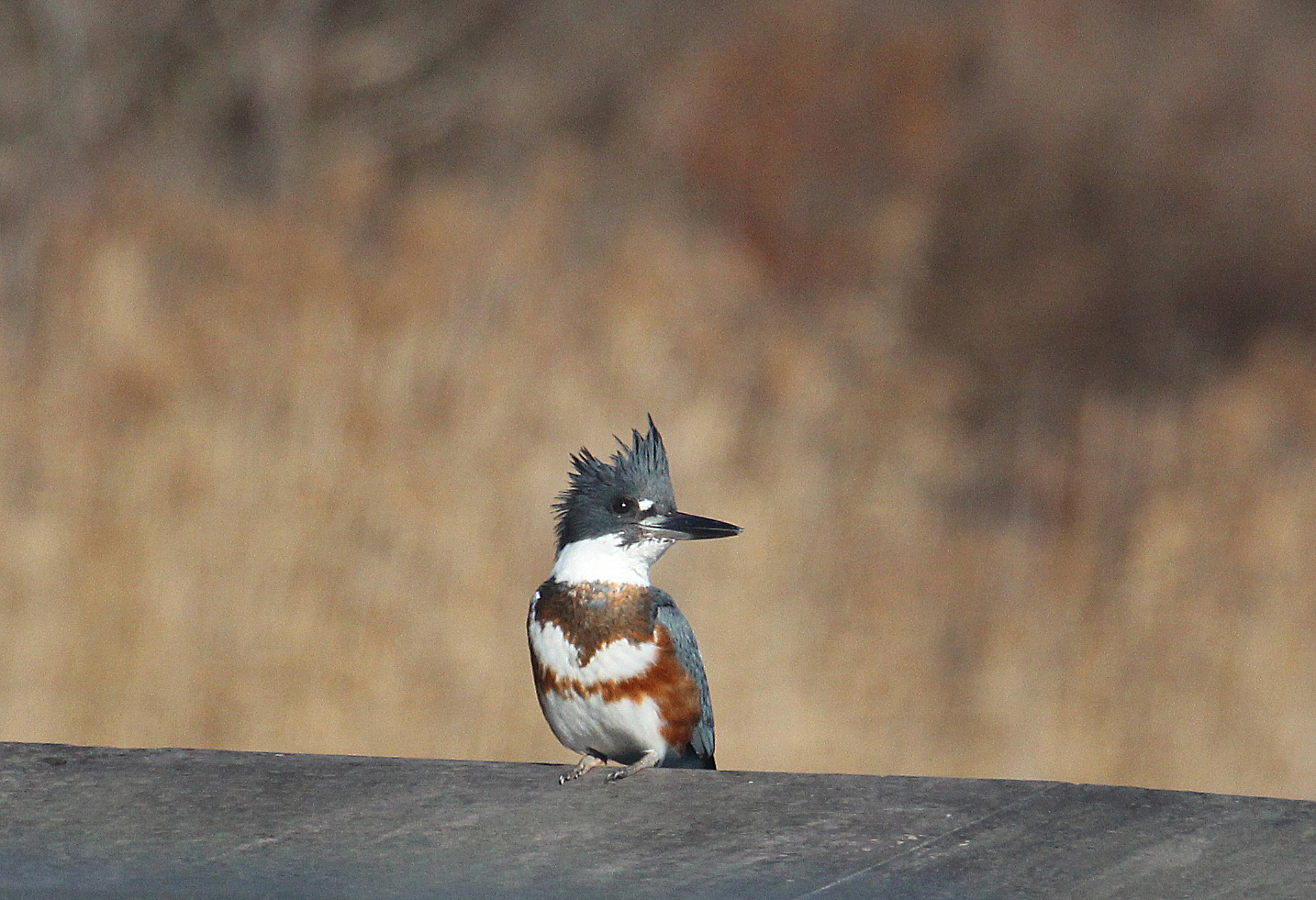
Photo by Chris Bosak A Belted Kingfisher seen near the Maritime Aquarium at Norwalk on Sunday during the annual Christmas Bird Count.

Photo by Chris Bosak
A Belted Kingfisher seen near the Maritime Aquarium at Norwalk on Sunday during the annual Christmas Bird Count.

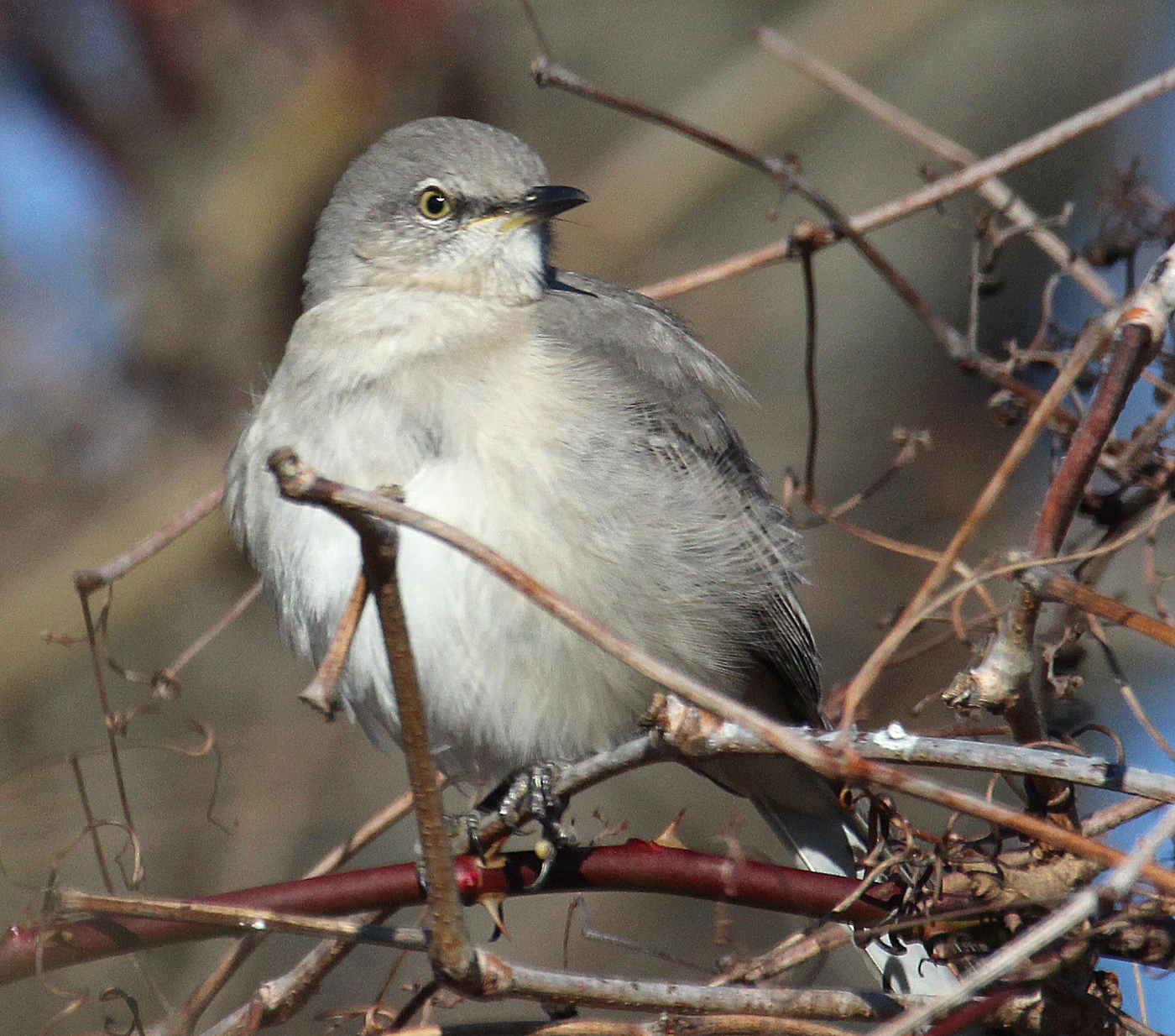
Photo by Chris Bosak A Northern Mockingbird seen Sunday at Taylor Farm in Norwalk during the annual Christmas Bird Count.

Photo by Chris Bosak
A Northern Mockingbird seen Sunday at Taylor Farm in Norwalk during the annual Christmas Bird Count.

Hour photo/Chris Bosak A Belted Kingfisher seen near the Maritime Aquarium at Norwalk on Sunday during the annual Christmas Bird Count.

Hour photo/Chris Bosak
A Belted Kingfisher seen near the Maritime Aquarium at Norwalk on Sunday during the annual Christmas Bird Count.

Hour photo/Chris Bosak A Monk Parakeet seen eating crab apples at Calf Pasture Beach in Norwalk on Sundayt during the annual Christmas Bird Count.

Hour photo/Chris Bosak
A Monk Parakeet seen eating crab apples at Calf Pasture Beach in Norwalk on Sundayt during the annual Christmas Bird Count.

Photo by Chris Bosak Frank and Larry scan Long Island Sound.

Photo by Chris Bosak
Frank and Larry scan Long Island Sound.


A few book ideas for last-minute shoppers

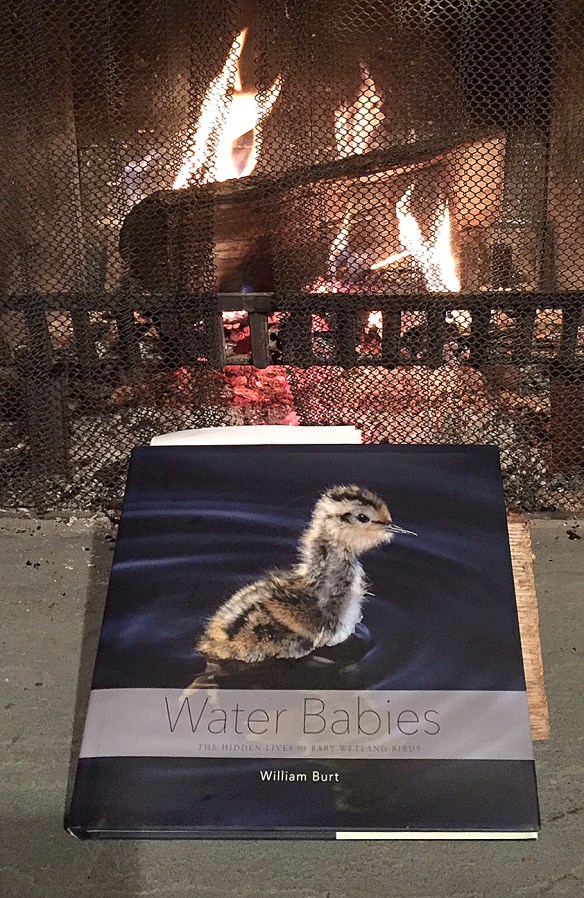
Photo by Chris BosakCover of Water Babies by William Burt.

Photo by Chris Bosak Cover of Water Babies by William Burt.

I’m not sure if they can still be ordered online and arrive in time for Christmas, but here are some book ideas for those last-minute shoppers with a birder on their list. A simple Internet search of the title will yield plenty of ways to find the books.

In my “Bird Book Look” posts, I don’t give full reviews but rather post a photo of the cover and include a little information about the book. On occasion I offer a little personal insight.

Two bonuses on this post (hey, it is almost Christmas): I’ll include four books; and the photos were taken by my fireplace with a fire going _ my favorite way to read.

Here are the books.

The book pictured above is Water Babies by William Burt, a Connecticut-based nature photographer. I am also a Connecticut-based nature photographer, but I have never had the opportunity to meet William. Perhaps some day.

Duck, of course, are a favorite of mine so I love this book. It is a photo book with a lot information about the birds and the quests to photograph them on their breeding grounds. As the title suggests, it is mostly photos of baby ducks and other water birds.

Here’s the description from Amazon:

“Never-before-seen photographs of baby birds of the marshlands from a noted birding photographer

Naturalist William Burt is known for seeking out wild places and elusive birds―and none fit the bill quite so well as the creatures featured in this book. This may well be his break out book, featuring the downy young of the wetlands, Continue reading

Long Island Sound loses champion in Terry Backer

Terry Backer

Terry Backer

I’ve done a fair amount of birding on Long Island Sound over the years. The waters off the shores of New England are rich in ducks in the winter and shorebirds in the summer. For more than 10 years now, I’ve scoured Long Island Sound (either on a boat or from the shore) for birds during the Christmas Bird Count. In short, Long Island Sound is a vital habitat for for birds and other wildlife.

Long Island Sound lost one of its most passionate championship this week with the passing of Terry Backer, the Soundkeeper. I had the privilege of speaking with Terry several times, including interviews for newspaper stories, as a guest on my former Bird Calls Radio talk show and just shooting the breeze. Terry will be missed by Continue reading