Photo by Chris Bosak
A pair of loons at Second Connecticut Lake in Pittsburg, NH, June 2025.
It had been several years since I had been to Pittsburg, NH, a place I used to visit three times a year or more back in the day.
My visits gradually became more infrequent as I got older, gained work and family responsibilities and grew less inclined to make the long drive. Besides, moose sightings had become increasingly rare up there, while they used to be a sure thing. Moose had always been the main attraction for me and many others who visit there.
Even so, the area has retained a special place in my heart, and I often long to be there. I just wish I could teleport there with my truck, canoe and camping equipment.
Photo by Chris Bosak
An American robin eats border privet berries in New England, January 2025.
I was finishing up a bird walk the other day when I came across another birder just starting their day’s adventure. She asked a question common among birdwatchers: “Did you see anything good out there?”
Of course, all birds are good, but the underlying question is whether anything rare or uncommon was spotted. I shared that there were a few warblers and songbirds around, but I hadn’t seen anything too noteworthy.
I started naming off some of the highlights. I had found a bluebird nest in a snag (dead tree) and the parents were busy feeding the youngsters. The warblers included American redstart, common yellowthroat, yellow warbler, ovenbird and black-and-white warbler. I had spotted a few rose-breasted grosbeaks and Baltimore orioles, but no scarlet tanagers or indigo buntings.
Photo by Chris Bosak
A Canada warbler in Pittsburg, NH, June 2025.
Here are a few warblers I saw on my trip up north. Previously, I had posted photos of loons and an eagle. Canada warblers and magnolia warblers are similar looking with their bright yellow chests and bellies streaked with black. There some obvious differences, such as the eyes. Canada warblers have an obvious eye ring, while magnolia warblers have a black mask with less obvious broken eye ring.
Photo by Chris Bosak
A magnolia warbler in Pittsburg, NH, June 2025.Photo by Chris Bosak
A Canada warbler in Pittsburg, NH, June 2025.
Photo by Chris Bosak – Common loons in Pittsburg, NH.
I took a trip to Pittsburg, NH, near the Canadian border over the weekend. I’ve been going up there for more than 30 years now, although the frequency of my visits has dwindled in the past few years. While the moose sightings have decreased dramatically in the last 10 years or so, the other wildlife never seems to disappoint. Here is a shot of a loon pair I got one extremely foggy morning from my canoe. More photos will follow in the coming days.
Photo by Chris Bosak
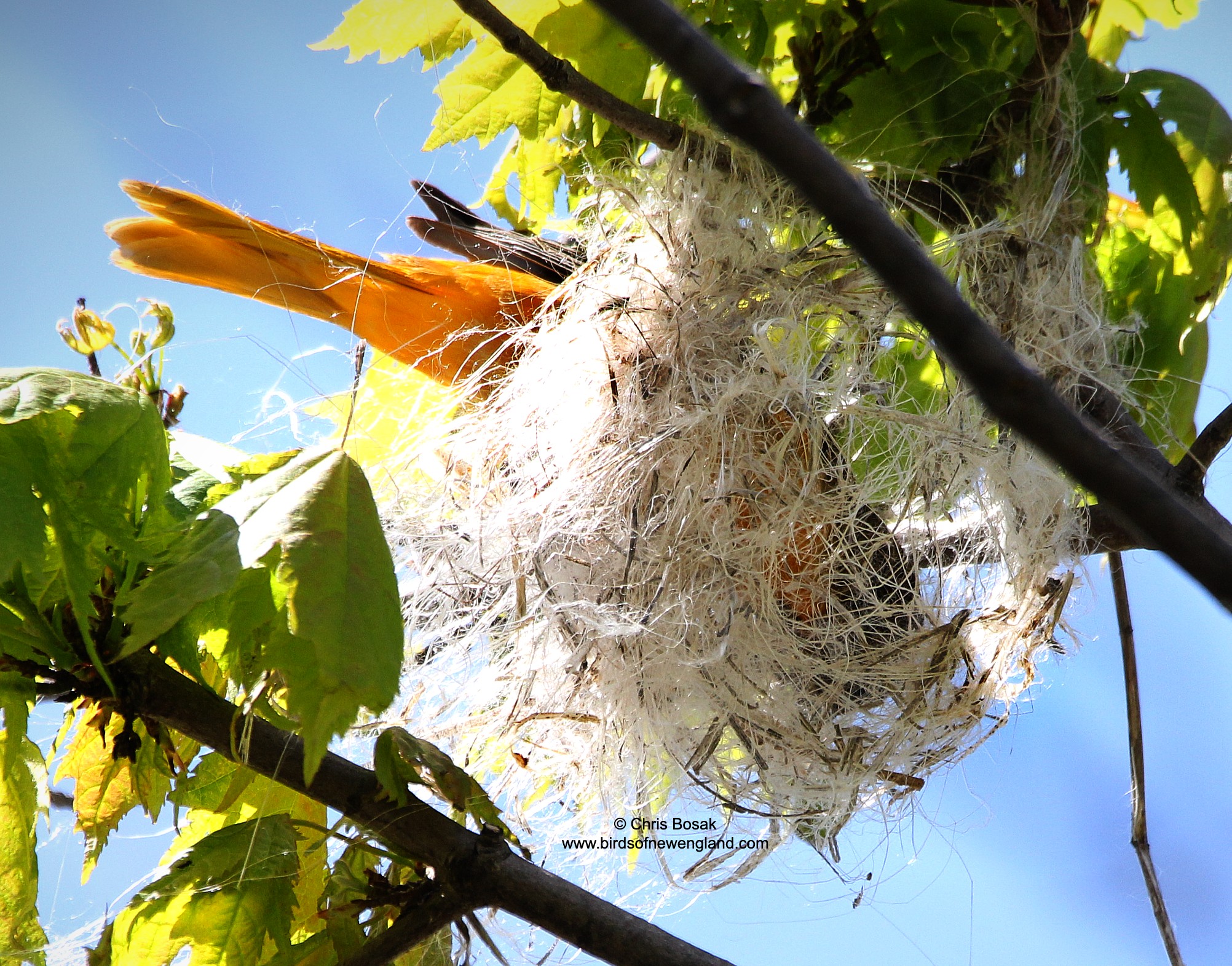
A Baltimore oriole builds a nest at Presque Isle State Park, Erie, Pa., May 2025.
Everything about a Baltimore oriole nest is ingenious. From the design and materials to the location selection, the nest is a perfect haven to raise young birds safely from predators (for the most part).
Fall is the best time to find oriole nests, after the leaves have fallen. Of course, by that time, the orioles are long gone, and the nest is a mere relic of the past breeding season, but it’s still interesting to see one of the pouch-like nests dangling from the end of a branch.
The other week, I was lucky enough to watch a female oriole build one of those remarkable nests. I was walking along a trail that was teeming with yellow warblers, catbirds, and Baltimore orioles when I glanced up and saw an oriole perched at the end of a branch overhead.
Photo by Chris Bosak
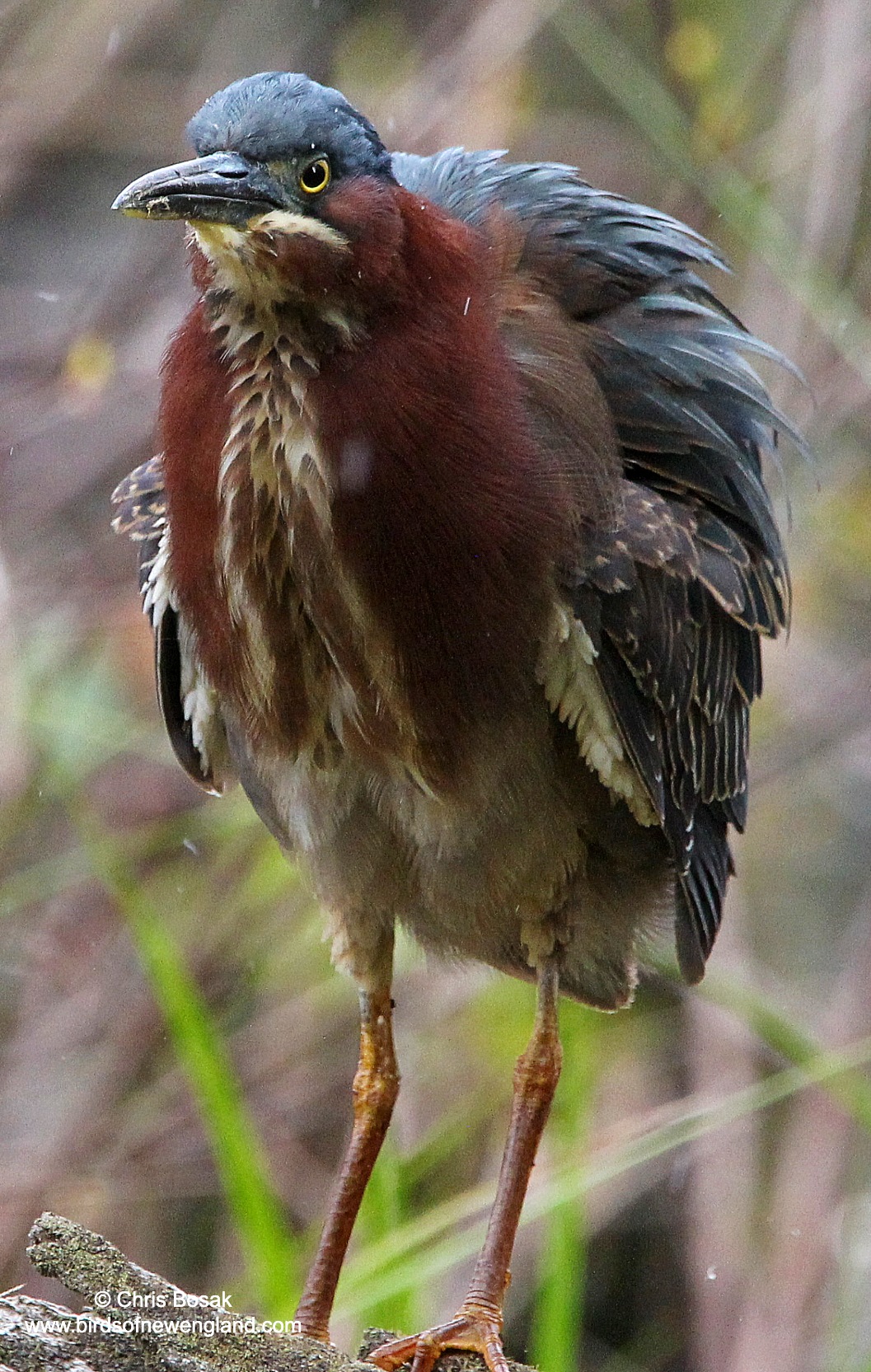
Green heron at Presque Isle State Park, Erie, Pa., May 2025.
I missed an opportunity to photograph a least bittern (it would have been my first photos of that species) when I noticed it too late, and it quickly and silently disappeared into the reeds never to be seen again.
A few hours later, I found this green heron as a consolation prize. Not that I consider the heron a lesser bird, but I already had plenty of photos of green herons. A light rain was falling and at one point the heron shook its body to get rid of the excess water.
One day I’ll get that least bittern.
Photo by Chris Bosak
Green heron at Presque Isle State Park, Erie, Pa., May 2025.Photo by Chris Bosak
Green heron at Presque Isle State Park, Erie, Pa., May 2025.
Photo by Chris Bosak
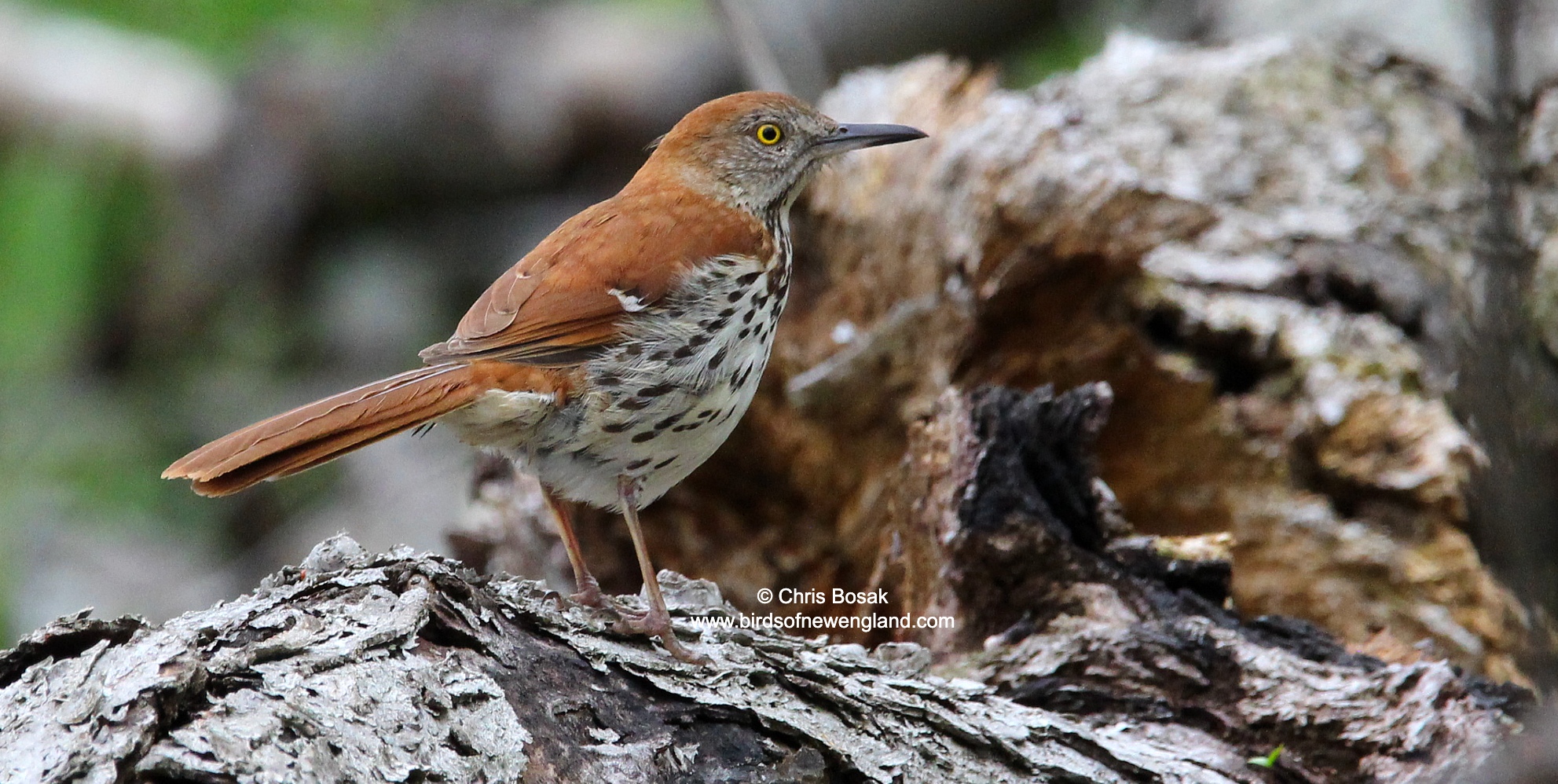
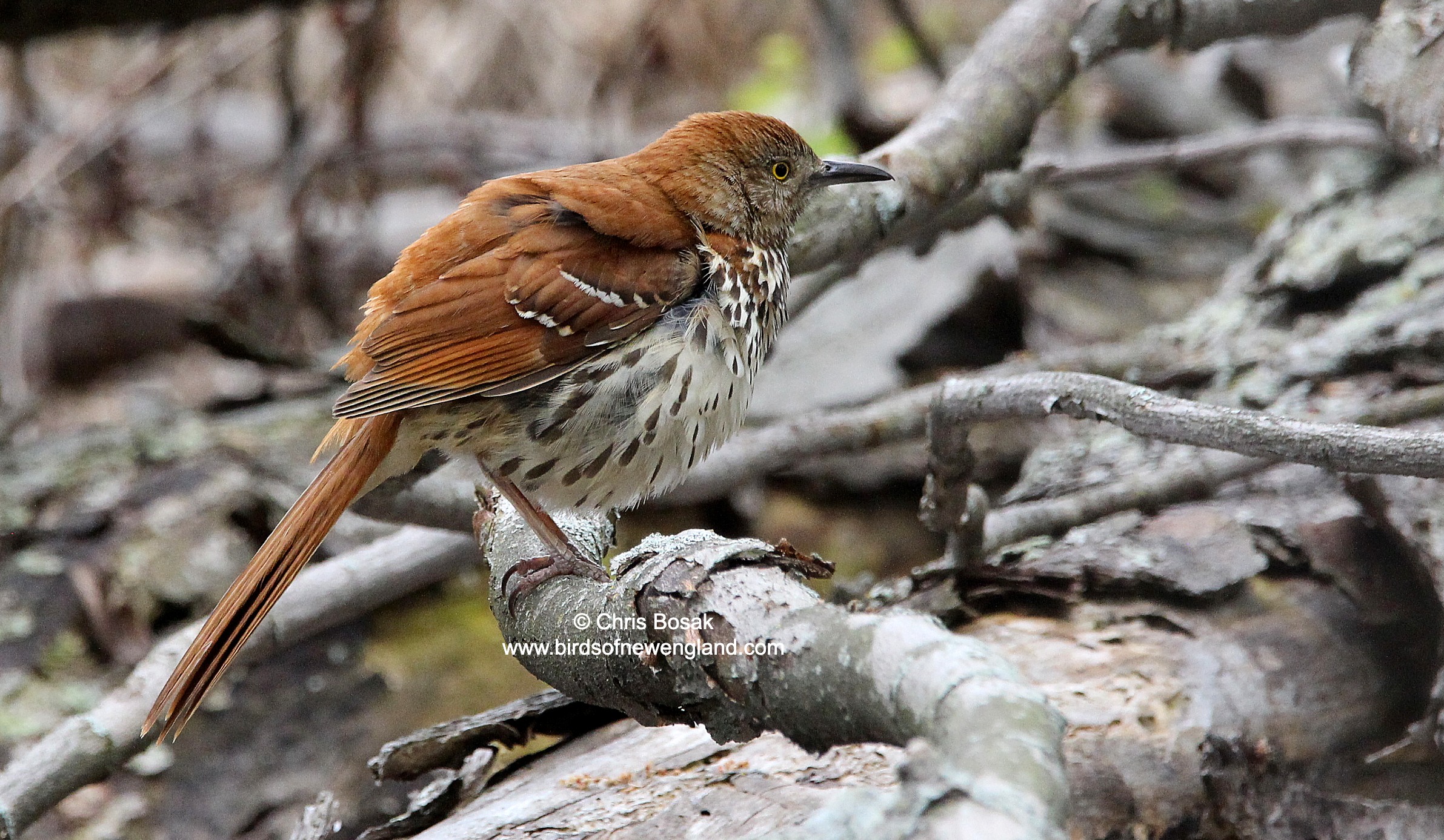
Brown thrashers at Presque Isle State Park, Erie, Pa., May 2025.
Brown thrashers are one of my favorite birds. I think I’ve now said that about 88 birds or more. But, really, brown thrashers are one of those birds that make me stop in my tracks every time I see one. In this case, I saw two. Thrashers are usually quite timid and do not allow for a close approach. I didn’t even try to get closer to these birds because I knew what the result would be. So, I let my zoom lens do the work from a distance that would not disturb the birds.
Below are a few shots of just one thrasher. (Just the name itself is awesome.)
Photo by Chris Bosak
Brown thrasher at Presque Isle State Park, Erie, Pa., May 2025.Photo by Chris Bosak
Brown thrasher at Presque Isle State Park, Erie, Pa., May 2025.Photo by Chris Bosak
Brown thrashers at Presque Isle State Park, Erie, Pa., May 2025.
Photo by Chris Bosak
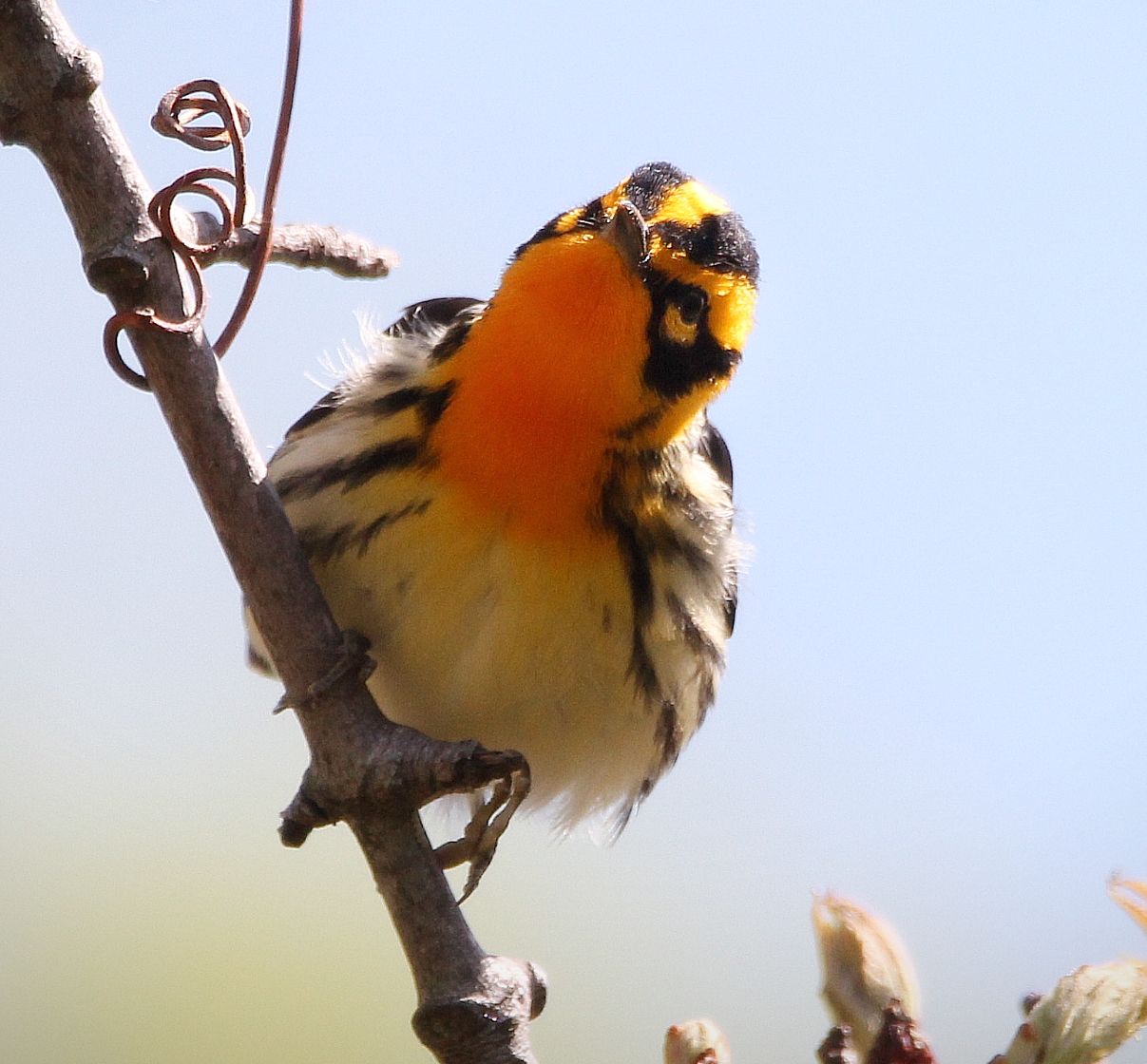
Blackburnian warbler at Presque Isle State Park, Erie, Pa., May 2025.
Here are a few warbler photos I took earlier this month and never got around to posting, until now. The photos don’t do it justice, but the blackburnian warbler is one of the more strikingly colored birds that pass through New England. The warbler migration is winding down, but the ones that nest in our region will keep us busy and occupied for the next few months.
Photo by Chris Bosak
Blackburnian warbler at Presque Isle State Park, Erie, Pa., May 2025.Photo by Chris Bosak
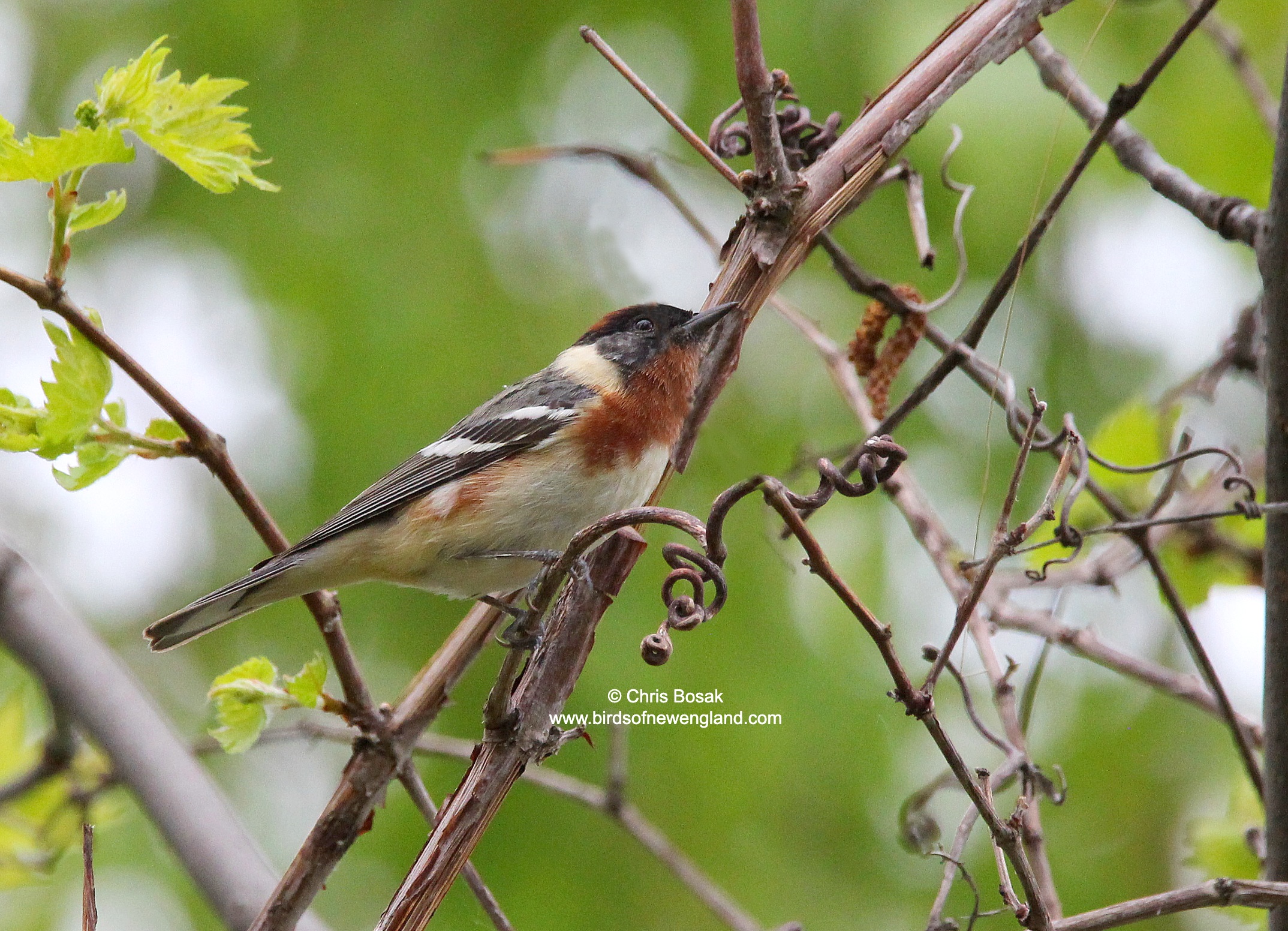
Bay breasted warbler at Presque Isle State Park, Erie, Pa., May 2025.Photo by Chris Bosak
Chestnut-sided warbler at Presque Isle State Park, Erie, Pa., May 2025.Photo by Chris Bosak
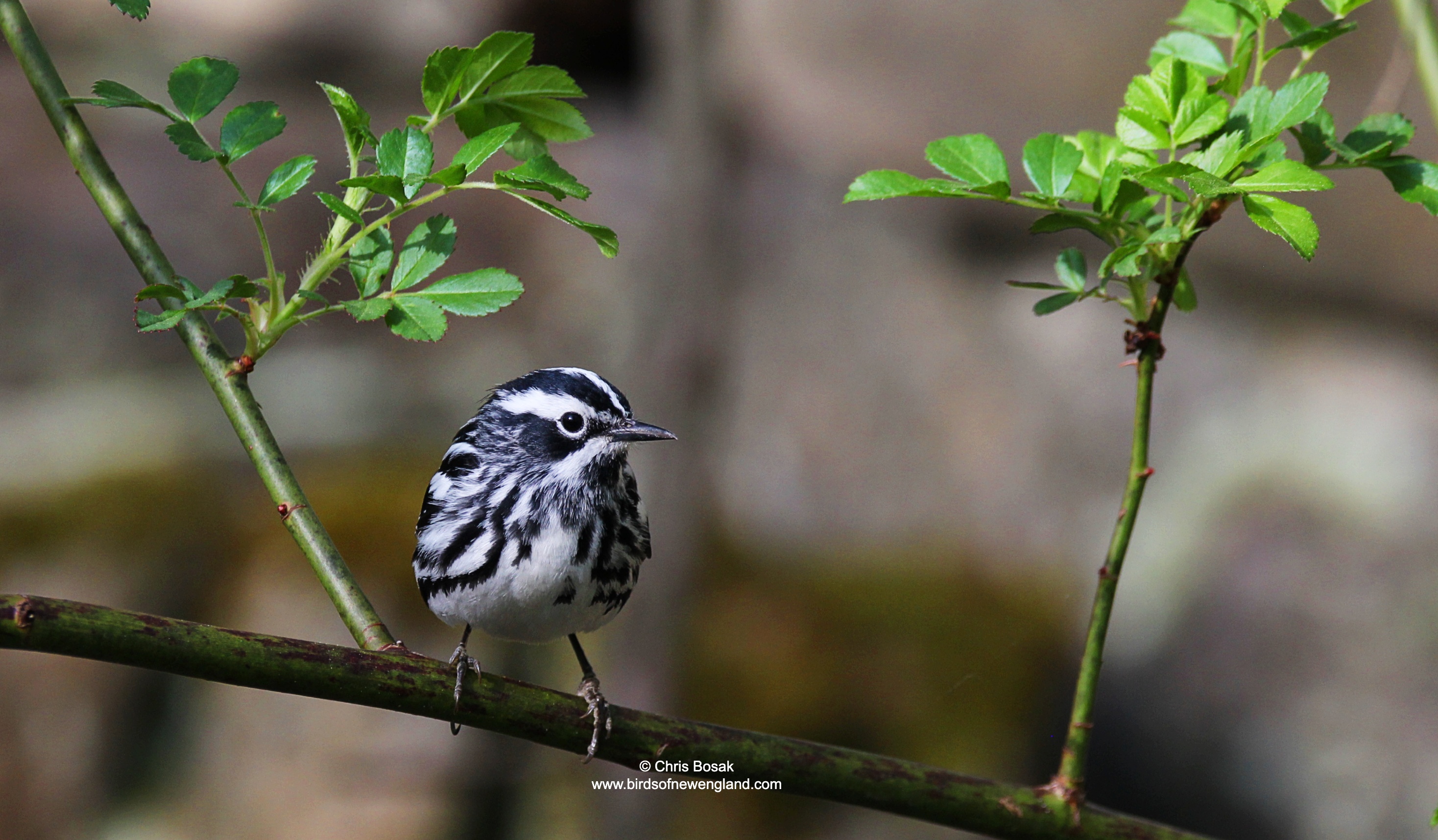
Black-and-white warbler, New England, spring 2025.Photo by Chris Bosak
Blackburnian warbler at Presque Isle State Park, Erie, Pa., May 2025.
Sandhill crane, Presque Isle, Erie, Pa., May 2025.
What is rare and causes excitement in one area is often commonplace and taken for granted in other areas.
For instance, a roseate spoonbill caused quite a stir in southern New England a few years ago. People came from all over the region to see it. If you visit the right places in Florida, however, roseate spoonbills, while I’m sure still appreciated, are no big deal to the locals.
Conversely, there are birds common to New England that sometimes stray into other regions where they are not common and are a thrill for the people in that region.
Last week, while visiting my brother in Erie, Pennsylvania, I had one of those out-of-place bird experiences. We were walking along a trail looking for warblers and other migrating songbirds when I heard in the distance a very loud song from a bird that I did not recognize. Even though I didn’t know what the song was right away, I knew it was something special as I was certain I had never heard it before. The call was extremely distinctive, loud and carried a long way.
My brother had his Merlin app activated and sandhill crane came up. I had no idea that there were sandhill cranes at Presque Isle State Park as we have visited there frequently and had never seen, heard or even heard mention of the large birds being there before.








 Birds of New England.com