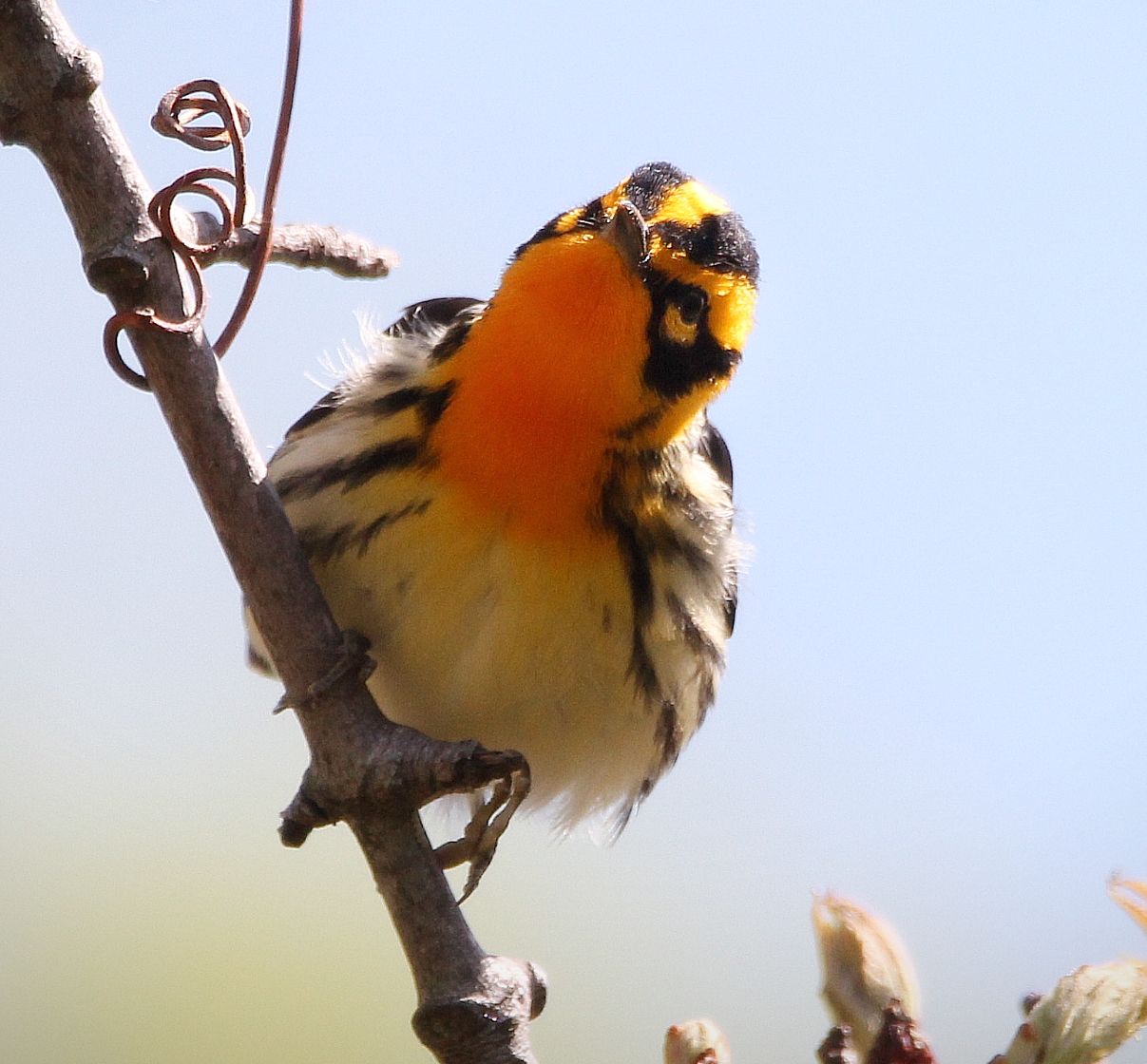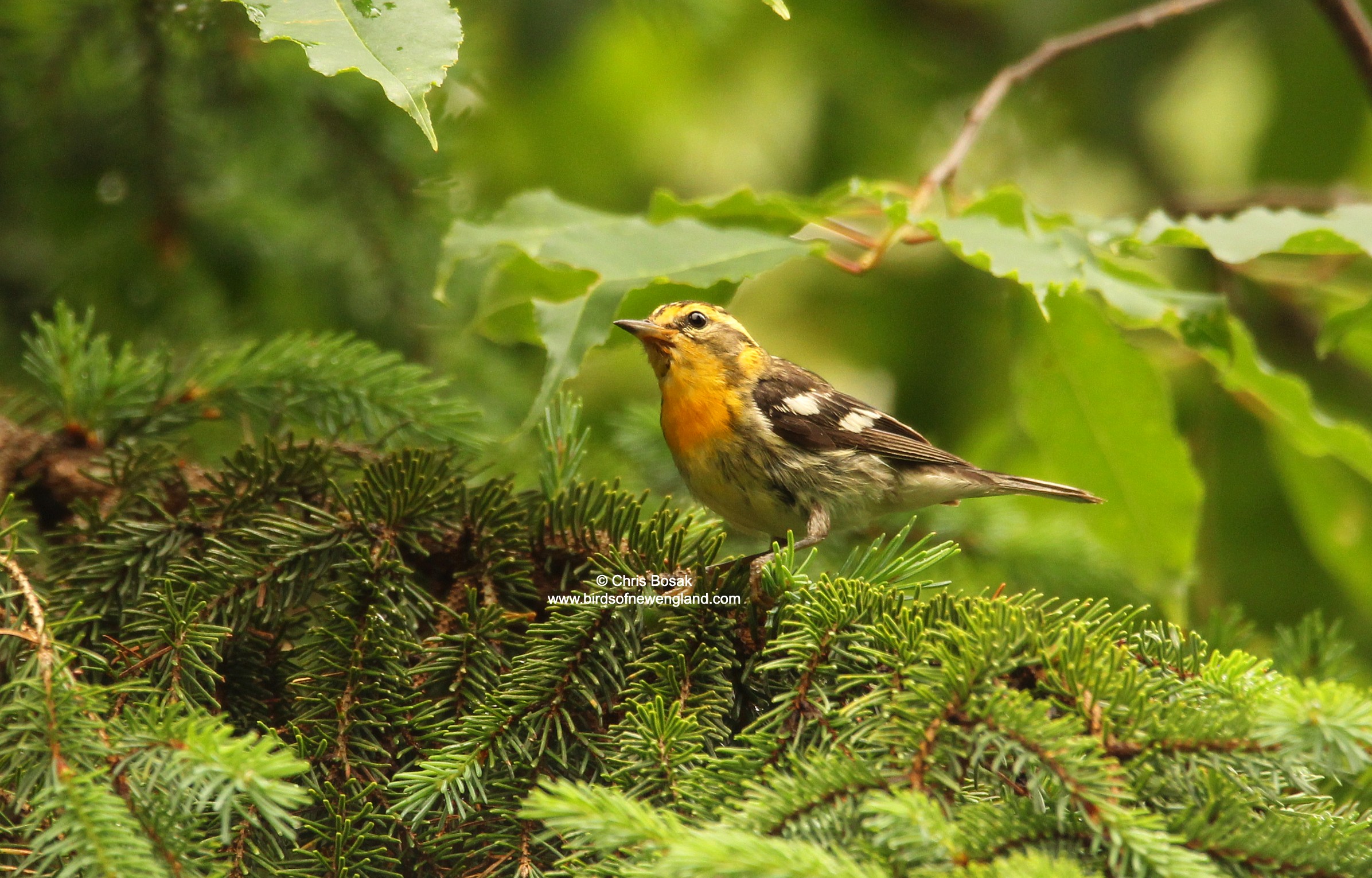
A blackburnian warbler in Pittsburg, NH, summer 2026.
The birding action was relatively slow as we tromped along a skid trail used recently by loggers in the wilds of northern New Hampshire.
It was mid-afternoon in July, so the lack of birds was not a surprise. Merlin, the app that identifies bird sounds, picked up the calls of a magnolia warbler and a golden-crowned kinglet, and we found both of them with little effort.
Another bird, not detected by Merlin, flitted among the top of a spruce. Before lifting the binoculars, I would have guessed it was a magnolia warbler because I noted some yellow in the plumage, and magnolias had been plentiful the entire trip.
Through the binoculars, it was evident the bird in question was a blackburnian warbler. It lacked the brilliant fiery color of a breeding male, so it was either a female, first-year bird, or male transitioning to non-breeding plumage. Such is the challenge (and frustration) of summer and fall warbler identification.
Continue reading