Unknown's avatar

About Chris Bosak

Bird columnist and nature photographer based in New England.

For the Birds: The other bird families that highlight spring in New England

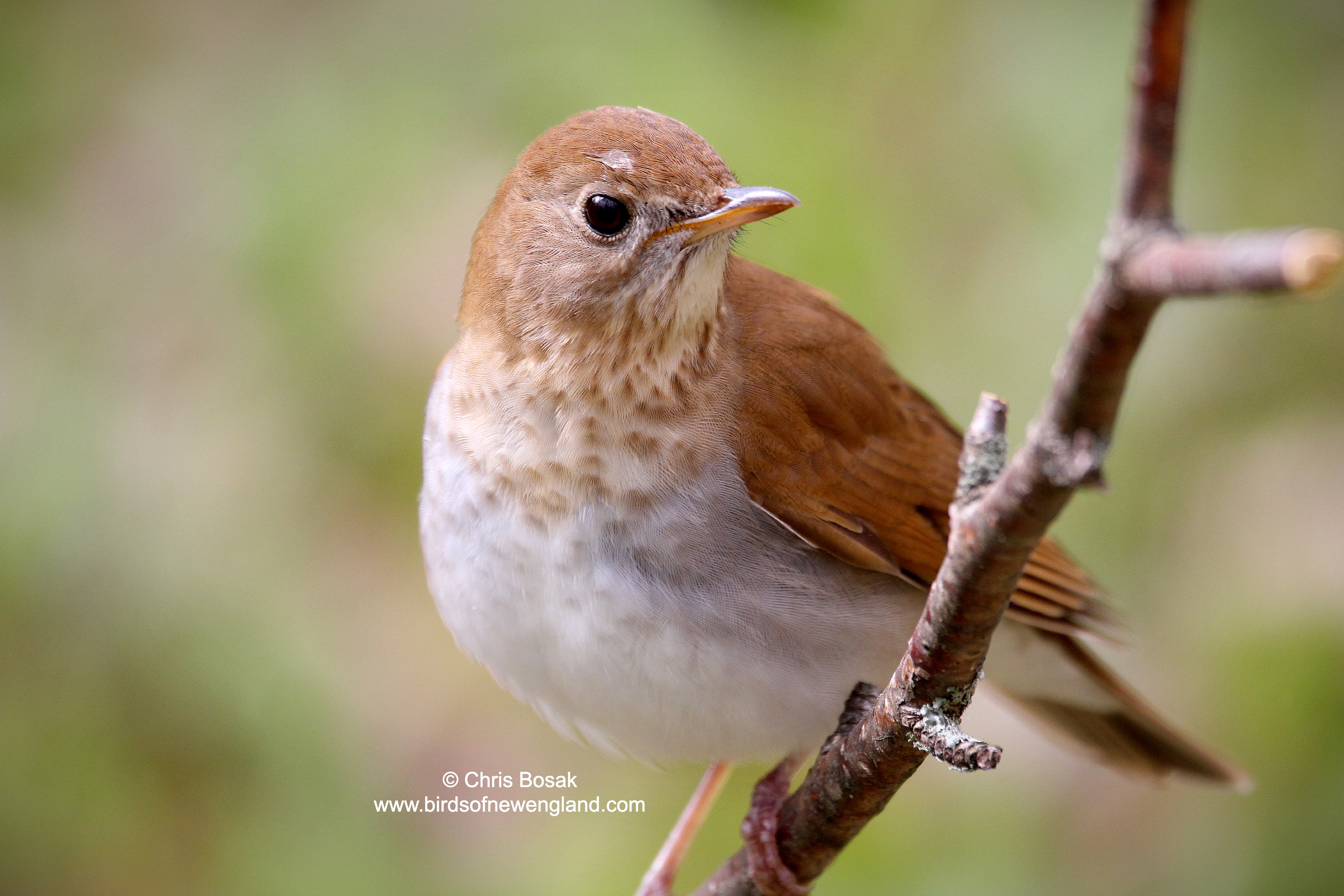
Photo by Chris Bosak – A veery stakes out territory in New England, spring 2025.

Warblers get all the press, but they are hardly the only bird family that passes through in great numbers in the spring. 

I’m guilty myself of fixating on warblers, both in my birdwatching and writing. It’s hard not to as they are a fascinating family of birds and a joy to see in the spring. They come in a wide variety of colors, which is a welcome sight after a long, gray New England winter. 

But enough about warblers, at least for now. Let’s focus on some of the other families that brighten our spring.

The other day, during a morning walk, I saw a great-crested flycatcher, wood thrush, red-eyed vireo and field sparrow. They are all members of families that have several species that either migrate through or nest in New England. 

We don’t often think of sparrows as migrants as several types remain here all winter. I also think house sparrows are so ubiquitous that they are the only birds some people think about when they hear the word sparrow. But over the past few days, I’ve seen chipping sparrows, swamp sparrows and field sparrows. Don’t forget that eastern towhees are sparrows too. I’m growing more and more fond of the sparrow family as time goes on – house sparrows excluded. 

Continue reading

Singing in the spring: Warbling vireo

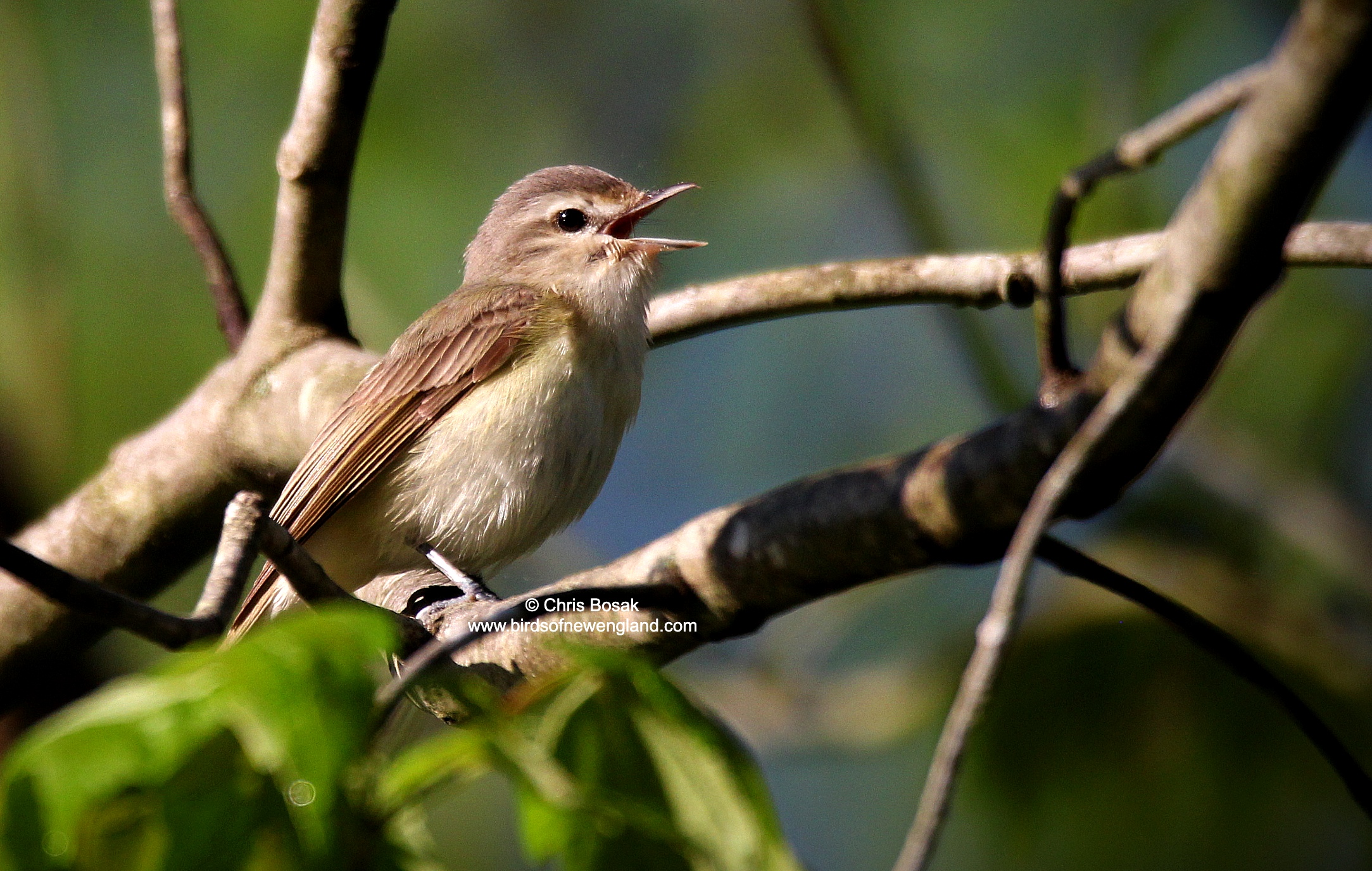
Photo by Chris Bosak A warbling vireo sings from a branch in New England, spring 2025.

It’s not surprising to get a photo of a warbling vireo, as these birds sing constantly. A bird that is true to its name.

Singing in the Spring: Blue-winged warbler

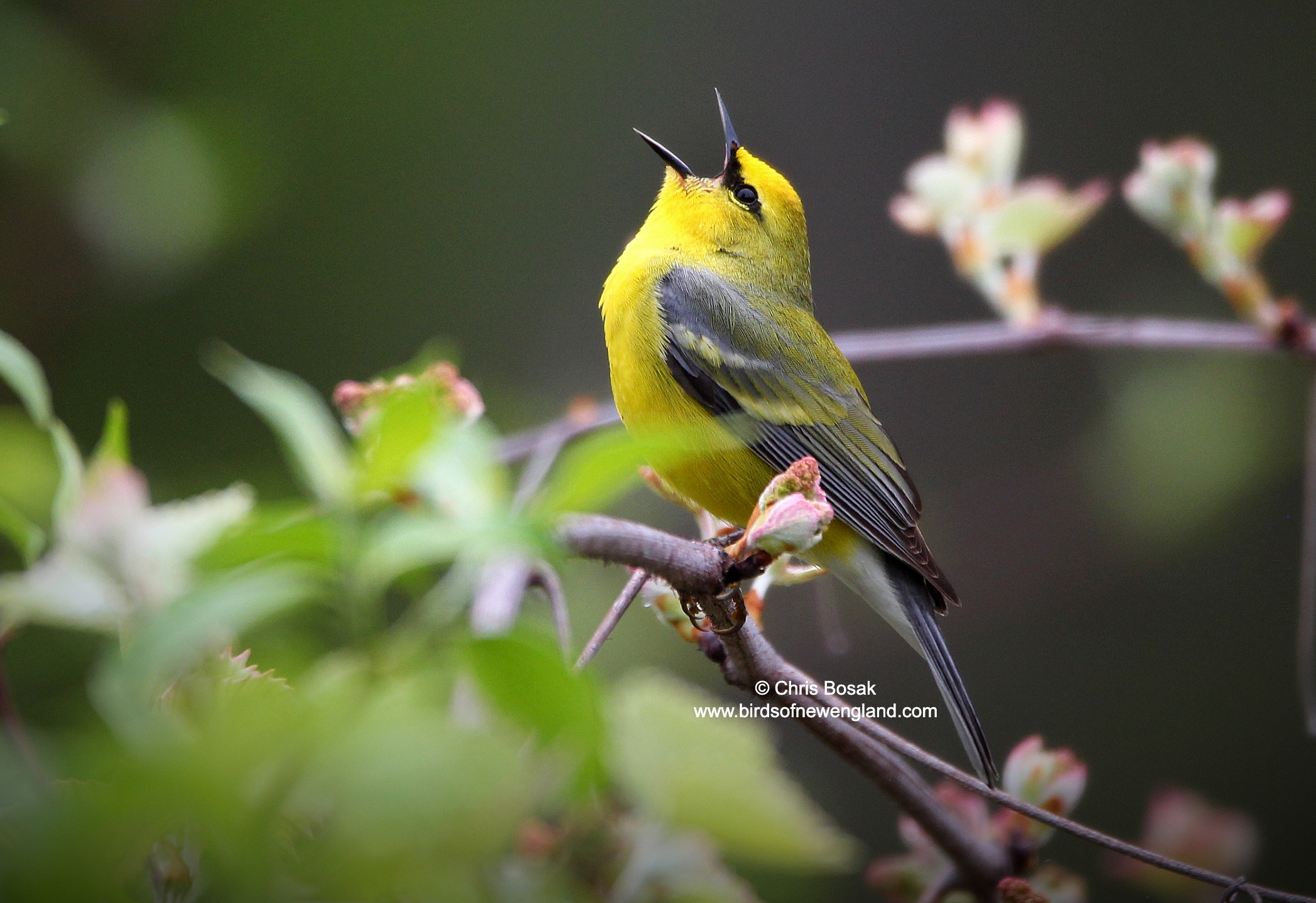
Photo by Chris Bosak A blue-winged warbler sings in New England, spring 2025.

Here is the latest photo in the Singing in the Spring series: the blue-winged warbler. One of my favorite warblers, blue-winged warblers arrived back in New England over the last two weeks. They nest in New England and have a song that sounds more insect-like than bird-like.

A few bonus rose-breasted grosbeak photos

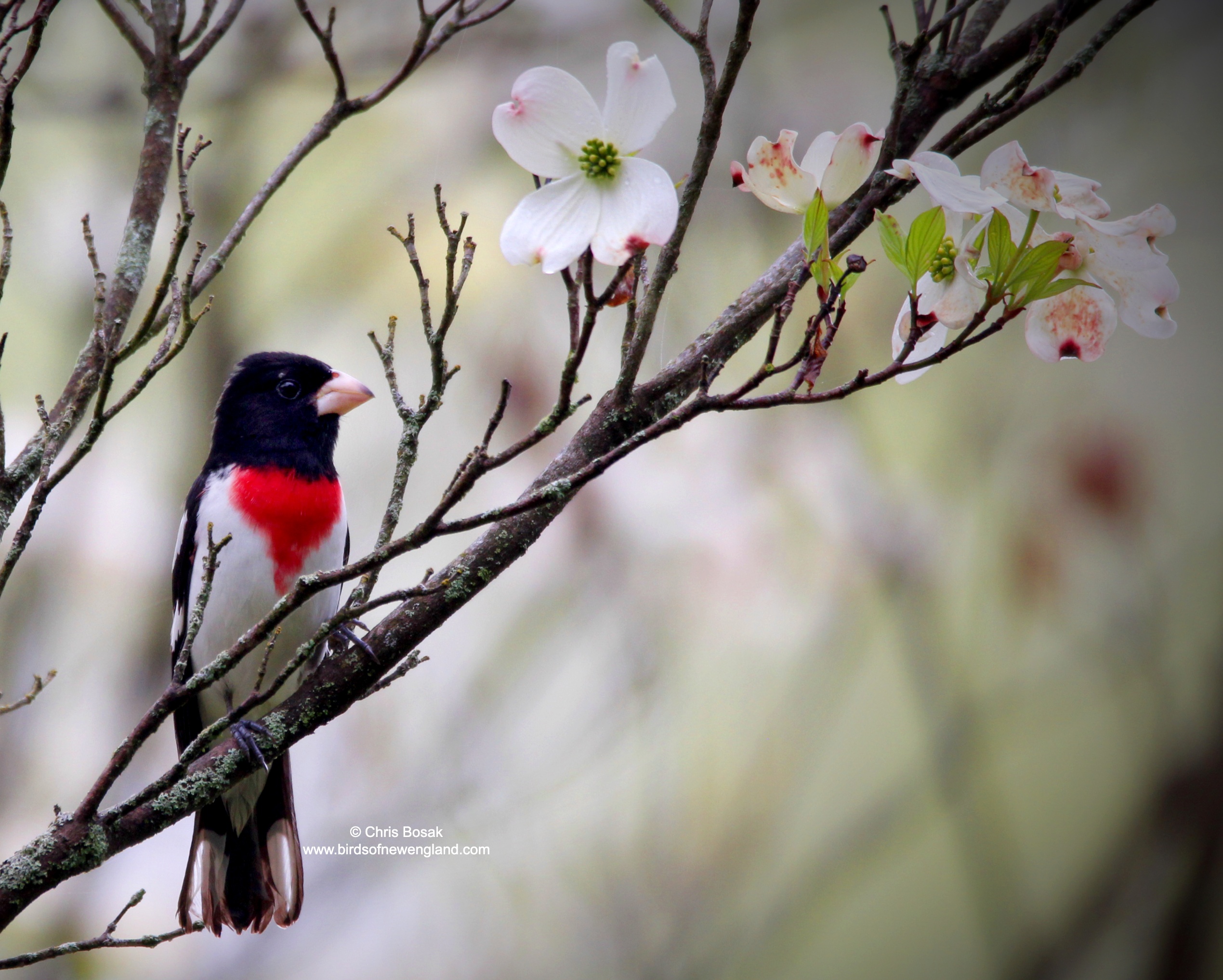
Photo by Chris Bosak A rose-breasted grosbeak perches in a dogwood tree, New England, spring 2025.

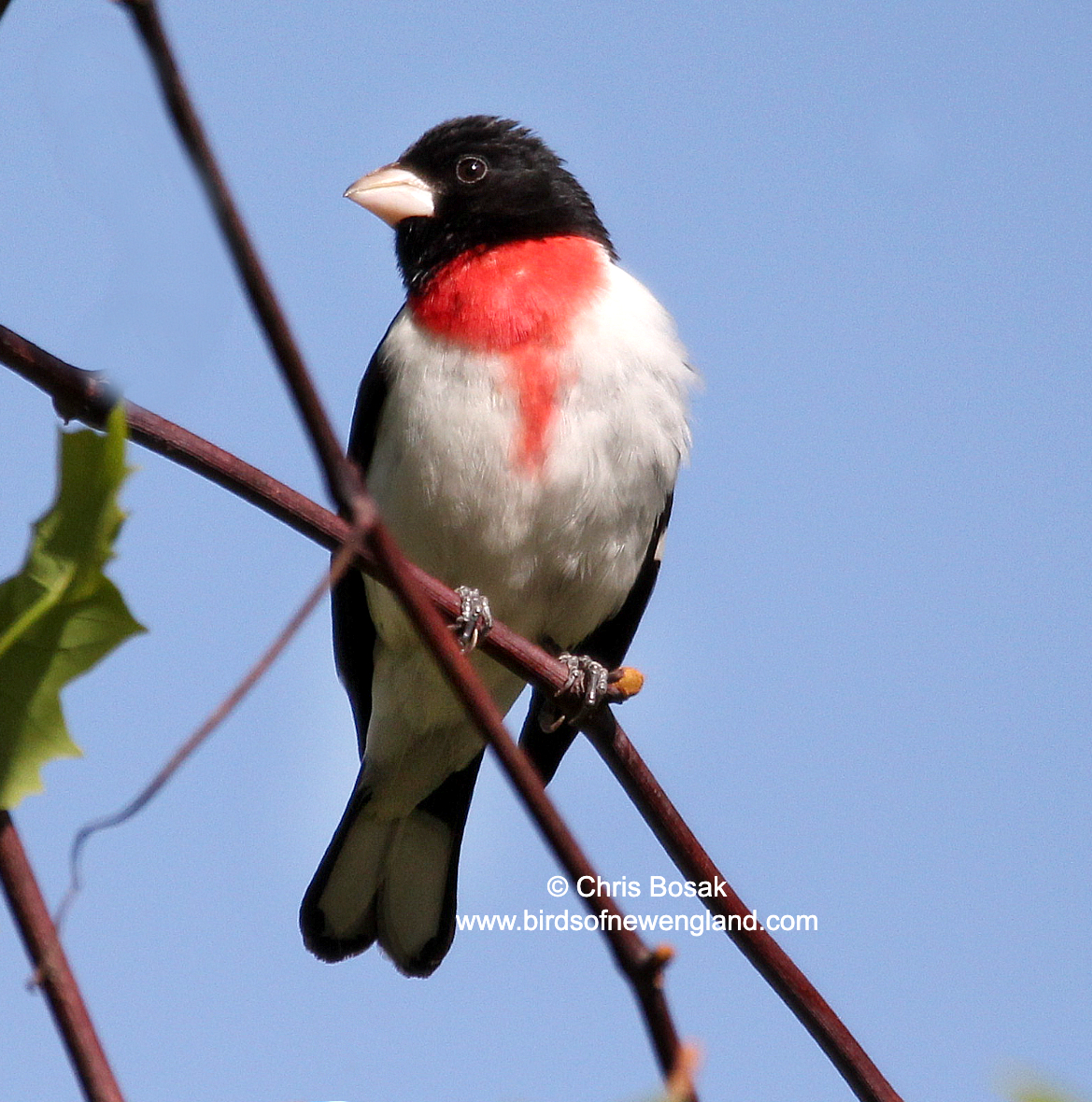
Yesterday, I used a photo of a rose-breasted grosbeak for my Singing in the Spring series. Today, I’m including a few bonus shots of a male rose-breasted grosbeak. You gotta love spring migration.

Photo by Chris Bosak Rose-breasted grosbeak, New England, spring 2025.
Photo by Chris Bosak A rose-breasted grosbeak perches in a dogwood tree, New England, spring 2025.

Singing in the spring: Rose-breasted grosbeak

Photo by Chris Bosak – Rose-breasted grosbeak sings in New England, spring 2025.

What can you say about rose-breasted grosbeaks? They’re awesome in every way.

Singing in the spring: Black-and-white warbler

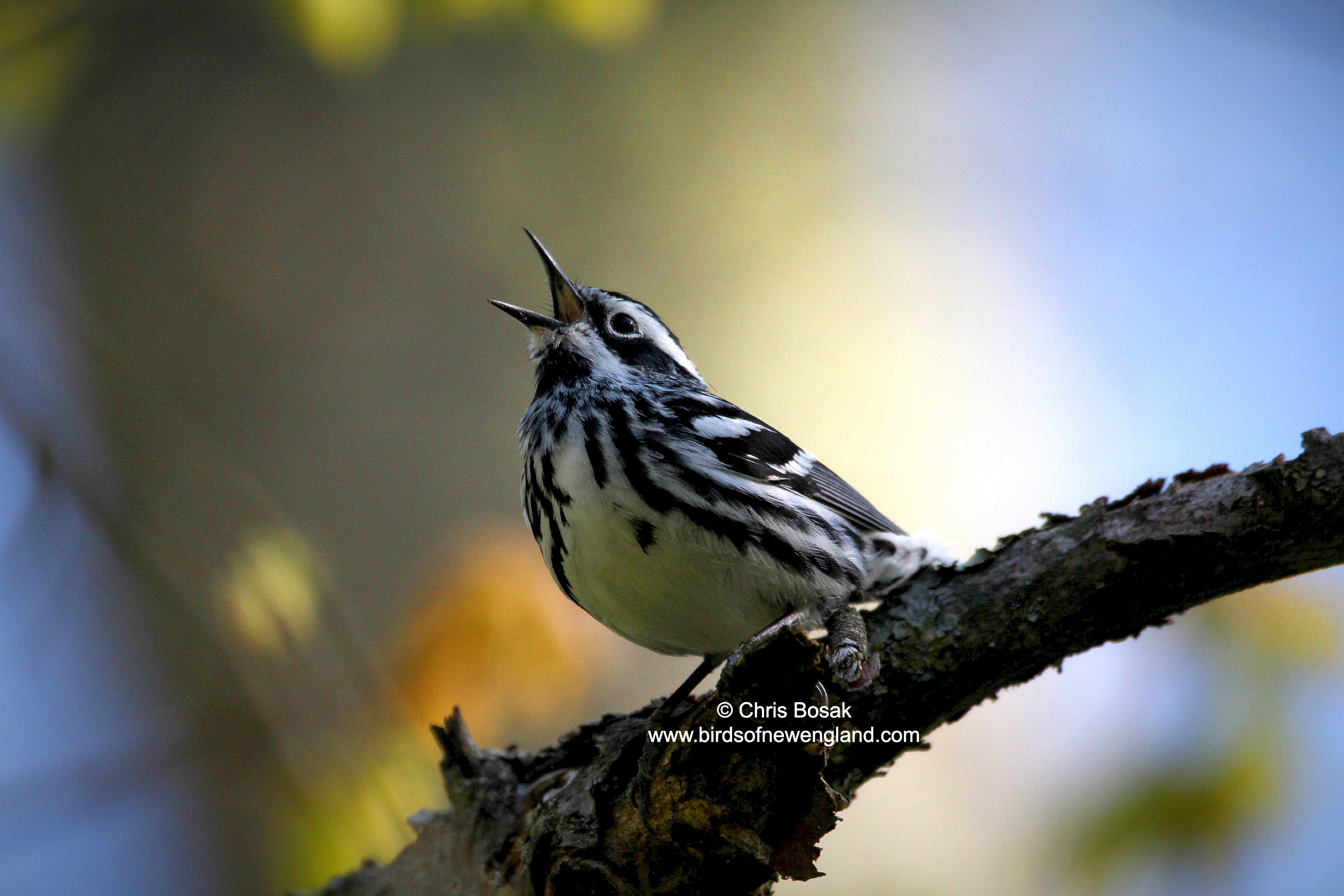
Photo by Chris Bosak – A black-and-white warbler sings in New England, spring 2025.

Black-and-white warblers sound like squeaky wheels when they sing. Their song can be ubiquitous in the New England woods depending on the time of year.

For the Birds: A not-so-good first of the year

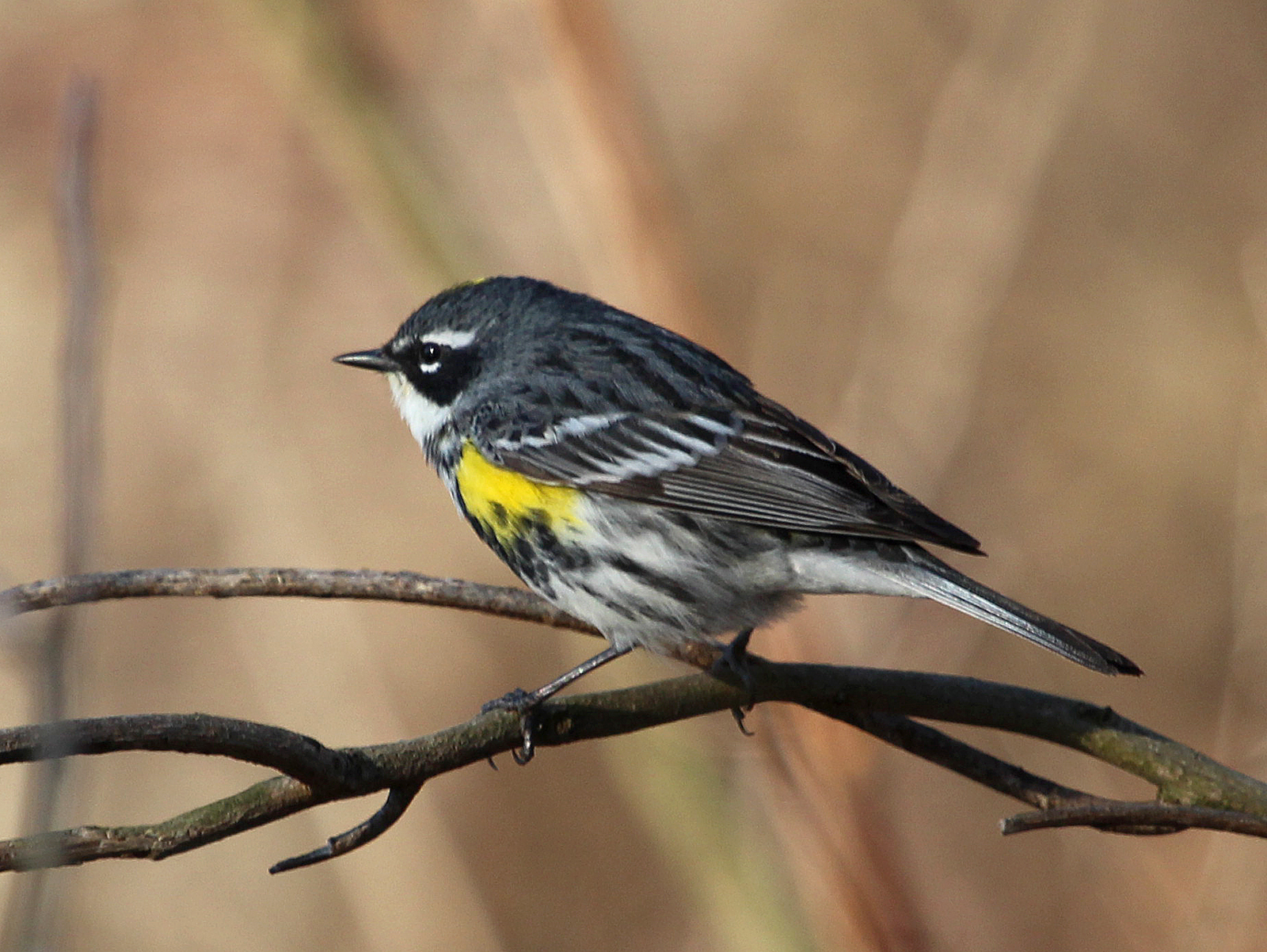
Photo by Chris Bosak Yellow-rumped Warbler at Selleck's Woods in Darien, Conn., April 2014.
Photo by Chris Bosak Yellow-rumped warblers are one of the first warbler species to arrive in New England in the spring.

Birdwatching firsts are usually good things.

A new birdwatcher sees a scarlet tanager for the first time. The first warblers show up in the spring. An evening grosbeak visits a feeder for the first time. (I’m still waiting for that one, by the way.) Witnessing a unique behavior, like an eagle harassing an osprey into dropping a fish, for the first time is always a thrill.

But not all firsts are cause for celebration. Some firsts are best avoided if at all possible. I was reminded of this last week when I woke up and found this year’s first deer tick embedded in my thigh.

I should have known better, of course. But there I was tromping through waist-high grass trying to get a better look at a swamp sparrow. It will be okay, I thought, it’s still early in the season, and it hasn’t really warmed up yet. Every year, it takes this lesson for me to realize that ticks emerge before I think they will.

I returned to the car after my unsuccessful attempt to close in on the swamp sparrow. As I sat down and got ready to turn the key, I noticed a deer tick on my pants, its tiny black-and-red body slowly crawling as it searched for a way to get to my blood.

Continue reading

Singing in the Spring: Field sparrow

Photo by Chris Bosak A field sparrow sings from the grasses at Huntington State Park in Redding, Connecticut, spring 2025.

Here’s the second installment of Singing in the Spring. The field sparrow looks more like a typical sparrow than the previously featured eastern towhee, but a close look reveals a handsome bird with subtle beauty.

Singing in the spring: Eastern towhee

Photo by Chris Bosak An eastern towhee sings from a perch, spring 2025 at Huntington State Park in Redding, Connecticut.

Here’s the start of a new birdsofnewengland.com mini series called Singing in the Spring. It will feature, all together now, birds singing in the spring. The posts will appear randomly throughout this spring.

I’ll kick it off with an eastern towhee. Although a member of the sparrow family, which features mostly small brownish birds, the towhee is larger and much more decorated.

For the Birds: Good time to think about preventing bird window strikes

Photo by Chris Bosak – Dark-eyed junco that did not survive a window strike.

I’ve had the unpleasant experience of finding dead birds under windows several times in my life. 

Whether at home, work or elsewhere, it’s always a sad sight to see a lifeless bird that has struck a window and become a statistic. It is estimated that more than a billion birds die each year in window collisions. That’s a billion with a b, as my dad used to say.

It’s even more horrific if you think about the bird’s final moment. One second, the bird is migrating, searching for food, fleeing from a predator, or simply going from point A to point B, and the next second, it’s dead on the ground. That’s if the bird is “lucky.” The unlucky ones are the ones that strike the window, fall to the ground and die painfully and slowly. 

Continue reading