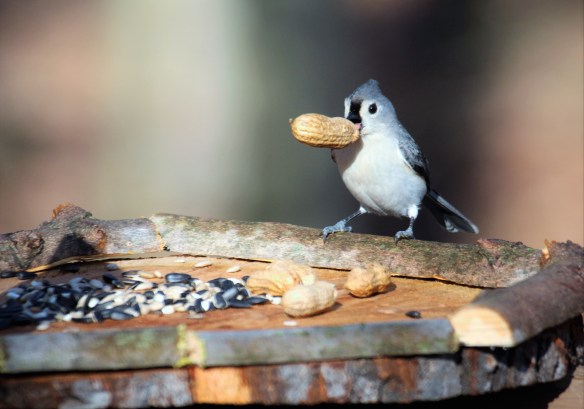
Nuthatch after spring snow in New England

Photo by Chris Bosak A White-breasted Nuthatch takes a peanut from a feeder following a spring snow fall in New England in March 2016.

Photo by Chris Bosak
A White-breasted Nuthatch takes a peanut from a feeder following a spring snow fall in New England in March 2016.

The snow that covered the ground as New Englanders woke up on Monday morning seems like a distant memory. Sunshine and rising temperatures took care of the white stuff by the time afternoon rolled around.

But the morning certainly did look pretty and gave anyone who might be obsessed with photographing birds another chance to “shoot” them with a snowy background. Being of that ilk, I took advantage of the freshly fallen snow in the morning. I didn’t venture far. In fact, I focused on my feeders as they were particularly busy.

Here’s one shot from this morning — a White-breasted Nuthatch at my apple-shaped feeder. More to come, including additional photos of that homemade feeder being used.

Thanks for checking out http://www.birdsofnewengland.com

New homemade bird feeder works right away

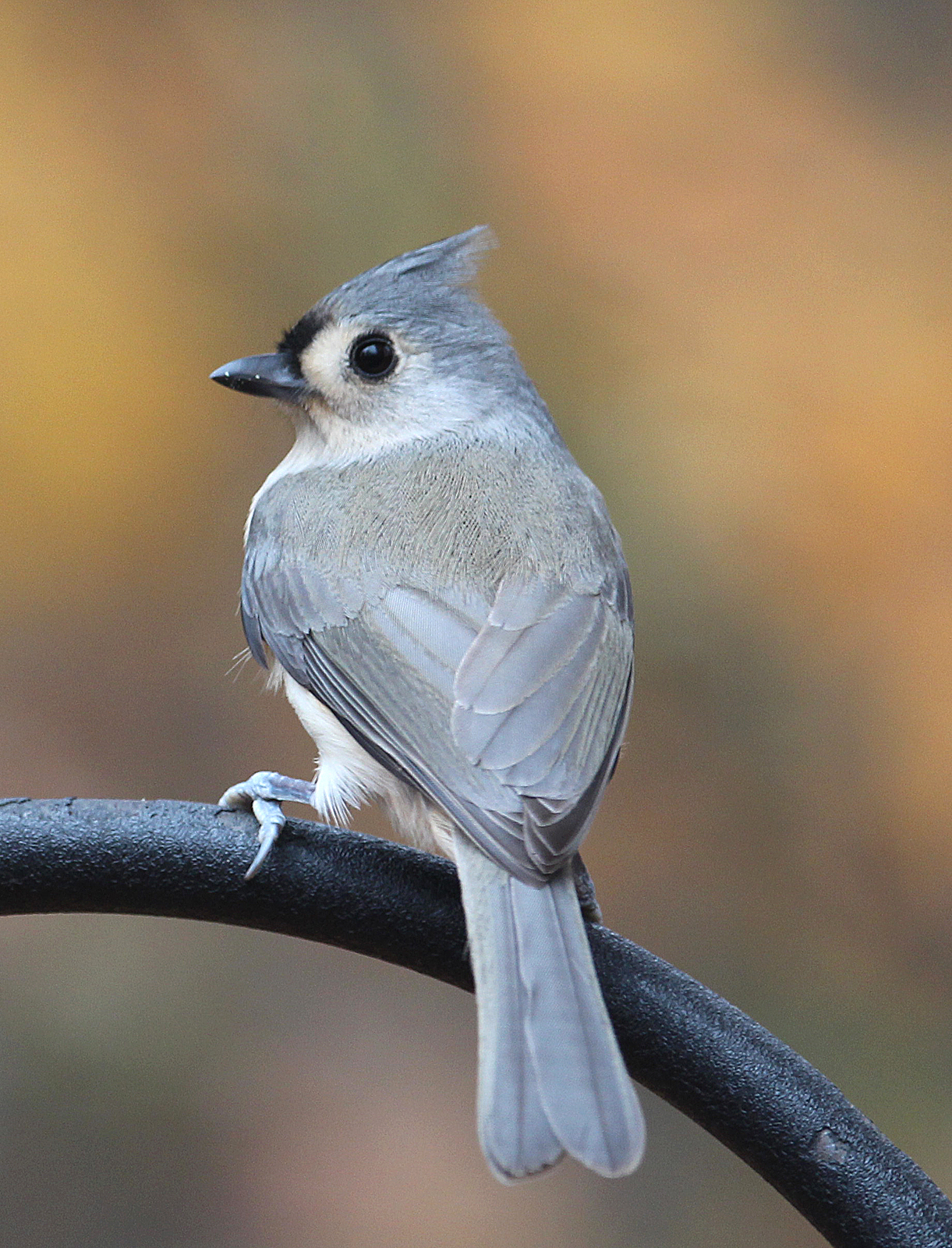
Photo by Chris Bosak A Tufted Titmouse takes a peanut from a new bird feeder in Danbury, Conn., March 2016.

Photo by Chris Bosak
A Tufted Titmouse takes a peanut from a new bird feeder in Danbury, Conn., March 2016.

Andrew, my 12-year-old son, has the week off of school. We did some traditional school’s-out activities, such as going to the movies, bowling, and just hanging around, but we set aside one day to work in the yard. (Well, I set it aside. He likely would not have chosen chopping and stacking wood as a day-off activity.)

But there we were: Chopping away and stacking them up. I broke out the chainsaw to cut some logs to fireplace length. There was one particularly large piece of wood so I decided to cut off a thin circle to make it into a homemade bird feeder. I had been wanting a platform feeder, but it seemed silly to spend money on something with such a simple design. I’m not big on making things and my “handy skills” are OK, but certainly not great. People who know me may even think that “OK” is pushing it.

But how hard could this be? A platform feeder is basically a large base and sides to keep the seeds from spilling out. Once I cut the circle, I cut in half some small pieces of a maple we recently took down as it was too close to the house. As I did that, Andrew drilled holes in the circle for drainage. We put a nail through the bottom of the circle near the edge, then pounded a piece of maple onto the nail. We continued until the circle was completely lined. It looks … well, let’s say rustic. That’s the look I was going for anyway.

I didn’t have chains or hooks to hang it up yet, so for the time being I just rested it on the railing of the deck. Andrew and I cleaned up the yard for the day and finally I put a handful of seed and a few peanuts on our new feeder.

I went inside for a long drink of water and to wash my hands. After drying my hands, I glanced out the window and two Tufted Titmice were already on the new feeder. It took all of about five minutes for it to get used. It is placed near the regular feeding station so it’s not like it had to be discovered, but it was still neat to see it being used _ especially so quickly.

Over the next 15 minutes or so, chickadees, Downy Woodpeckers, White-breasted Nuthatches and even American Goldfinches gave it a shot. The squirrels came later, of course.

Not a bad way to finish off a day of working in the yard.
A bunch of Downy Woodpeckers

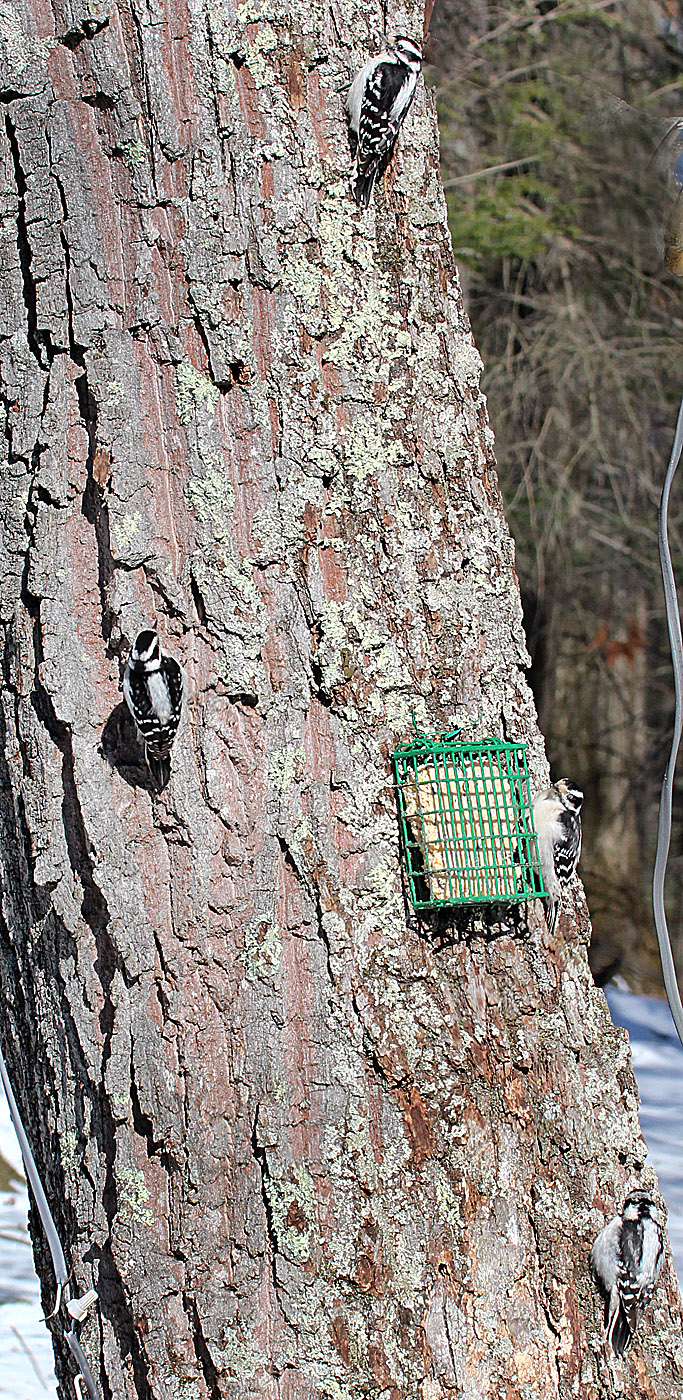
Photo by Chris Bosak Four Downy Woodpeckers gather around a suet feeder attached to an oak tree in Danbury, Conn, Feb. 2016.

Photo by Chris Bosak
Four Downy Woodpeckers gather around a suet feeder attached to an oak tree in Danbury, Conn, Feb. 2016.

OK, a group of Downy Woodpeckers is probably not called a “bunch,” but at any rate, here’s a photo I took a few days ago of four of them around a single suet feeder. This is the same feeder/tree that attracted two Brown Creepers a few weeks ago. Interestingly enough, the Downys all seem to be female. (Where was that bar when I was in my 20s? Ha.)

I’ve seen Downys come and go at a suet cake and perch nearby, but never 4 in one tree.

Not the best quality photo, but a pretty neat sighting.

Thanks, as always, for checking out http://www.birdsofnewengland.com


American Goldfinch at window feeder

American Goldfinch at window feeder.

American Goldfinch at window feeder.

99.9 percent of the birds that visit the window feeder right over
my desk are either titmice or chickadees. 
I love seeing them, but a little variety would be nice. 
So it was a nice surprise to see these American Goldfinches pay a 
visit the other day. 
Photo taken with iPhone.

More photos of the Yellow-bellied Sapsucker

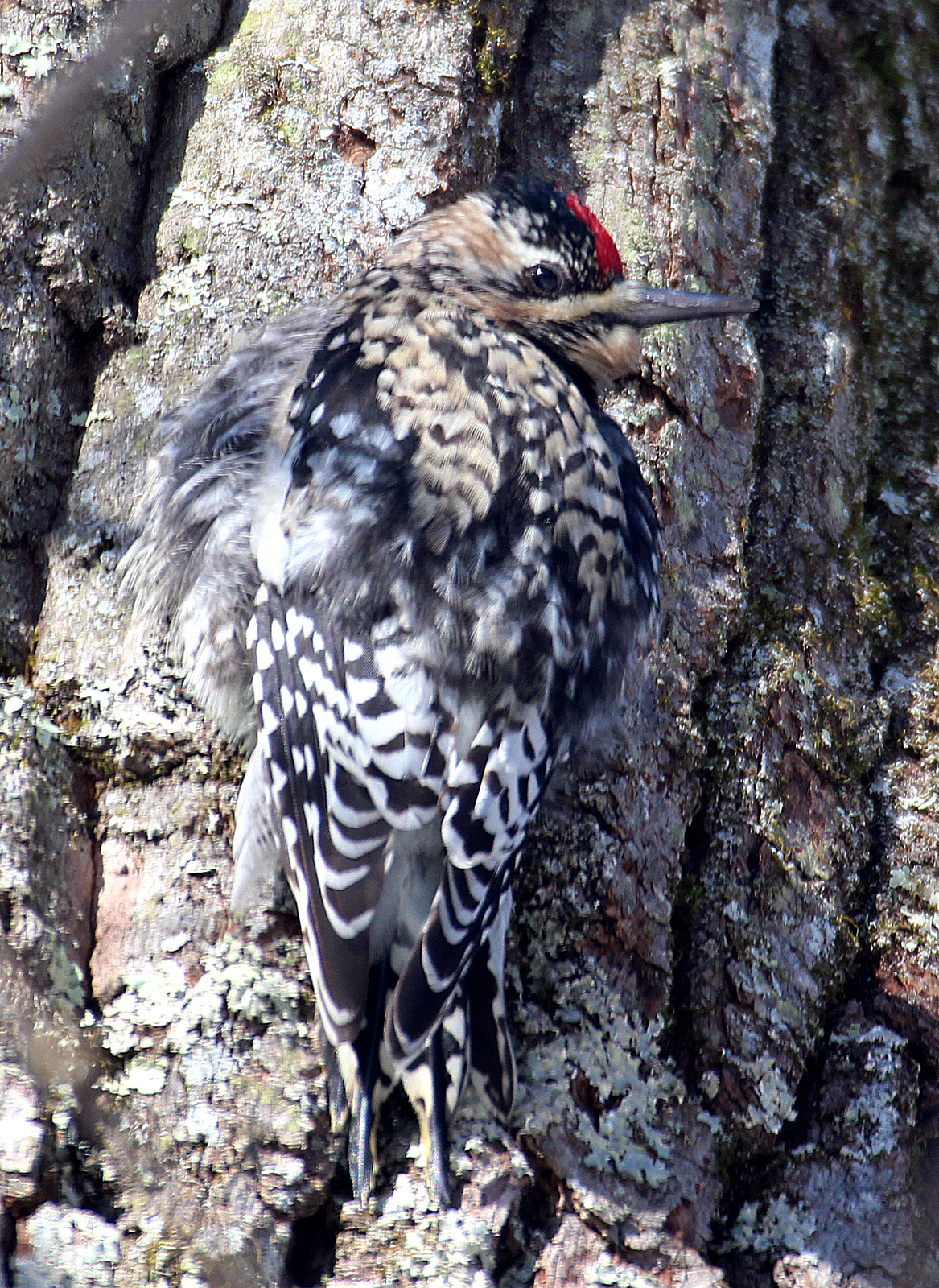
Photo by Chris Bosak A Yellow-bellied Sapsucker clings to a tree during a cold snap in Danbury, Conn., Feb. 2016.

Photo by Chris Bosak
A Yellow-bellied Sapsucker clings to a tree during a cold snap in Danbury, Conn., Feb. 2016.

Yes, the Yellow-bellied Sapsucker is a real bird. And I had one on my suet feeder this weekend during the cold snap in New England.

It was the first time I had ever had a sapsucker on a feeder of mine in about 20 years of birdfeeding. Plenty of other woodpeckers, but never a sapsucker before. I have, however, seen plenty of them in the woods among my wanderings, but never on a feeder before. Here are a few more photos of my visitor, none of Continue reading

More Brown Creeper photos from #GBBC

Photo by Chris Bosak A Brown Creeper finds food at the base of a tree during a cold snap in February 2016, Danbury, Connecticut.

Photo by Chris Bosak
A Brown Creeper finds food at the base of a tree during a cold snap in February 2016, Danbury, Connecticut.

Here are some more shots of the Brown Creeper that visited my yard during the cold snap experienced in New England over the weekend. With temperatures at or even below zero for much of the weekend, it wasn’t easy snapping photos of birds in the yard, but the thrill of seeing these energetic, albeit rather nondescript, birds made me forget about the cold for the time being.

Brown Creepers may not be much to look at with their small size and white and brown coloring, they are a thrill to see nonetheless. They are rather common in New England, but it’s not a bird you see every day, or in great n Continue reading

Brown Creeper and Yellow-bellied Sapsucker pay a visit

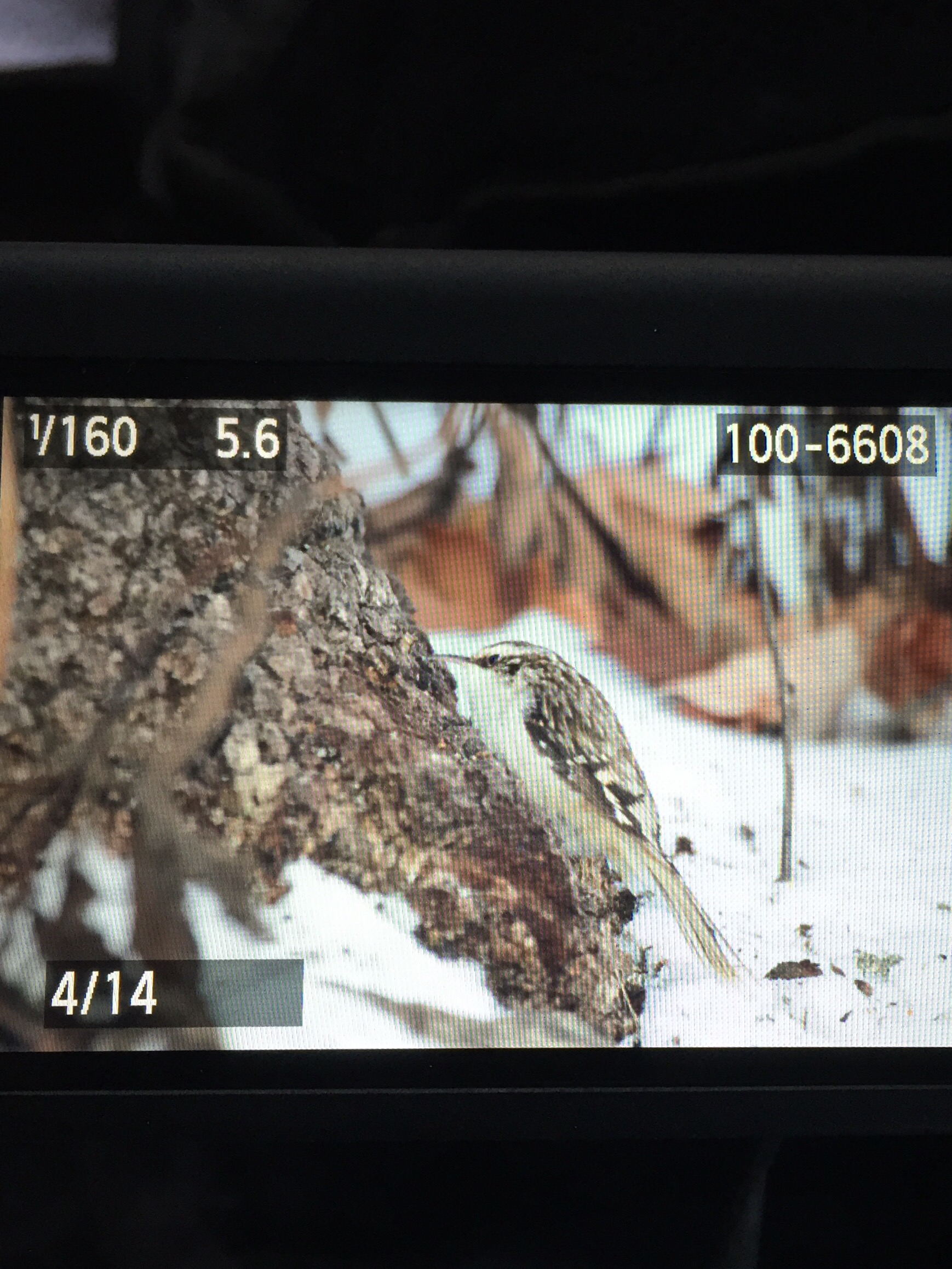
Photo by Chris Bosak Brown Creeper at base of tree.

Photo by Chris Bosak
Brown Creeper at base of tree.

At one point today a Yellow-bellied Sapsucker was on the suet feeder and a Brown Creeper crept along the base of an adjacent tree. Neither are earth-shattering sightings, but both are rather unusual in my part of New England at Merganser Lake. In fact, it was the first time I had ever seen a sapsucker at one of my feeders. I even managed to get a decent photograph of the Brown Creeper, a species that can be tricky to shoot.

The photos accompanying this post, admittedly, don’t look that great. They are merely photos I took with my iPhone of the display screen of my camera. When I have more time I’ll get to a computer and download the photos, but for now the mediocre iPhone will have to do. Thanks for your patience. I wanted to post this as soon as possible as this is Great Backyard Bird Count weekend. It runs through Monday, so maybe this posting will inspire others to participate. For more information, click here.

Photo by Chris Bosak Yellow-bellied Sapsucker on suet feeder.

Photo by Chris Bosak
Yellow-bellied Sapsucker on suet feeder.

For the Birds column: Snow is no problem for birds

Photo by Chris Bosak A Tufted Titmouse and White-breasted Nuthatch share a feeder during a snowstorm in Danbury, Conn., Jan. 23, 2016.

Photo by Chris Bosak
A Tufted Titmouse and White-breasted Nuthatch share a feeder during a snowstorm in Danbury, Conn., Jan. 23, 2016.

Here’s the latest For the Birds column, which runs weekly in The Hour (Norwalk, Conn.) and Keene (NH) Sentinel:

One of my favorite times to watch birds is when the snow is falling. Not a driving snow with icy temperatures and high winds, but an otherwise rather pleasant day with frozen crystals falling from the sky and covering everything with a fresh coat of white.

I do not shy away from taking walks to look for birds when the snow is actively falling, in fact I thoroughly enjoy walks at such times. But I also enjoy very much watching the activity at the feeders during snow falls.

As long as the snow is not falling at too fast a rate, the birds will continue coming to feeders. Indeed, during light and moderate snow falls the birds may be seen at higher-than-usual …

Click here for the rest


The full story on the Painted Bunting

Here’s an article I wrote for The Hour newspaper about the Painted Bunting in Stamford, Conn.

Photo by Chris Bosak A Painted Bunting visits a yard in Stamford, Conn., on Jan. 22, 2016.

Photo by Chris Bosak
A Painted Bunting visits a yard in Stamford, Conn., on Jan. 22, 2016.

STAMFORD — For the second consecutive year, one of America’s most colorful birds has flown off course and ended up in a yard in Stamford.

A male Painted Bunting, a five-inch songbird resplendent in bright blue, green, yellow and red plumage, has been seen daily since Jan. 21 in the Cove Road yard of David and Ginger Winston.

It is presumed to be the same bird that visited the Winstons’ yard last year from March to April. It is not, however, likely the same Painted Bunting that garnered national media attention in November by visiting Prospect Park in New York City.

“You never get tired of looking at it,” Stefan Martin, a birdwatcher from Stamford said Monday while looking for the bird.

David Winston, a birdwatcher and nature photographer, said about 80 people have visited in the last week in hopes of getting a look at the vibrantly colored bird. Last year, 330 people visited to see the bird. “People came from Maine, New Hampshire, Verm …

Click here for the rest of the story


Latest For the Birds column: Gearing up for National Bird Feeding Month

Photo by Chris Bosak A Tufted Timouse perches near a feeding station in New England, fall 2015.

Photo by Chris Bosak
A Tufted Timouse perches near a feeding station in New England, fall 2015.

February may be a few weeks away, but there’s no harm in being prepared for what’s in store.

February is a big month in the birdwatching world. It’s a cold month in the middle of winter, but a little birding and bird feeding will help make the cold more tolerable.

First of all, February is National Bird Feeding Month. I don’t normally get too excited about national this month or that, but I’ll celebrate anything that gives me an excuse to do more birdwatching. National Bird Feeding Month was first proclaimed in 1994.

Also, February is always the month of the Great Backyard Bird Count. I’ll write more about this citizen science project in a later column, but just so you can mark your calendars, this year it will be held the weekend of Feb. 12-15.

For now, in honor of National Bird Feeding Month, here are a few tips on how to attract birds to your yard in the typically cold month of February.

Suet is a must. Whether you use pre-packaged suet cakes or make your own out of beef fat (the store-bought cakes are much, much easier), suet should be an offering in the winter. I can count on one hand the number of minutes a bird is not at my suet feeder. Usually it’s a Downy Woodpecker, but also seen are Hairy Woodpeckers, Red-breasted Woodpeckers, White-breasted Nuthatches, and Carolina Wrens. Occasionally, chickadees and titmice visit the suet as well.

Who knows? You may even get lucky and have a Pileated Woodpecker come visit. I had one at my suet feeder about 10 years

Click here for the rest …