5 New England ‘poster birds’ for climate change

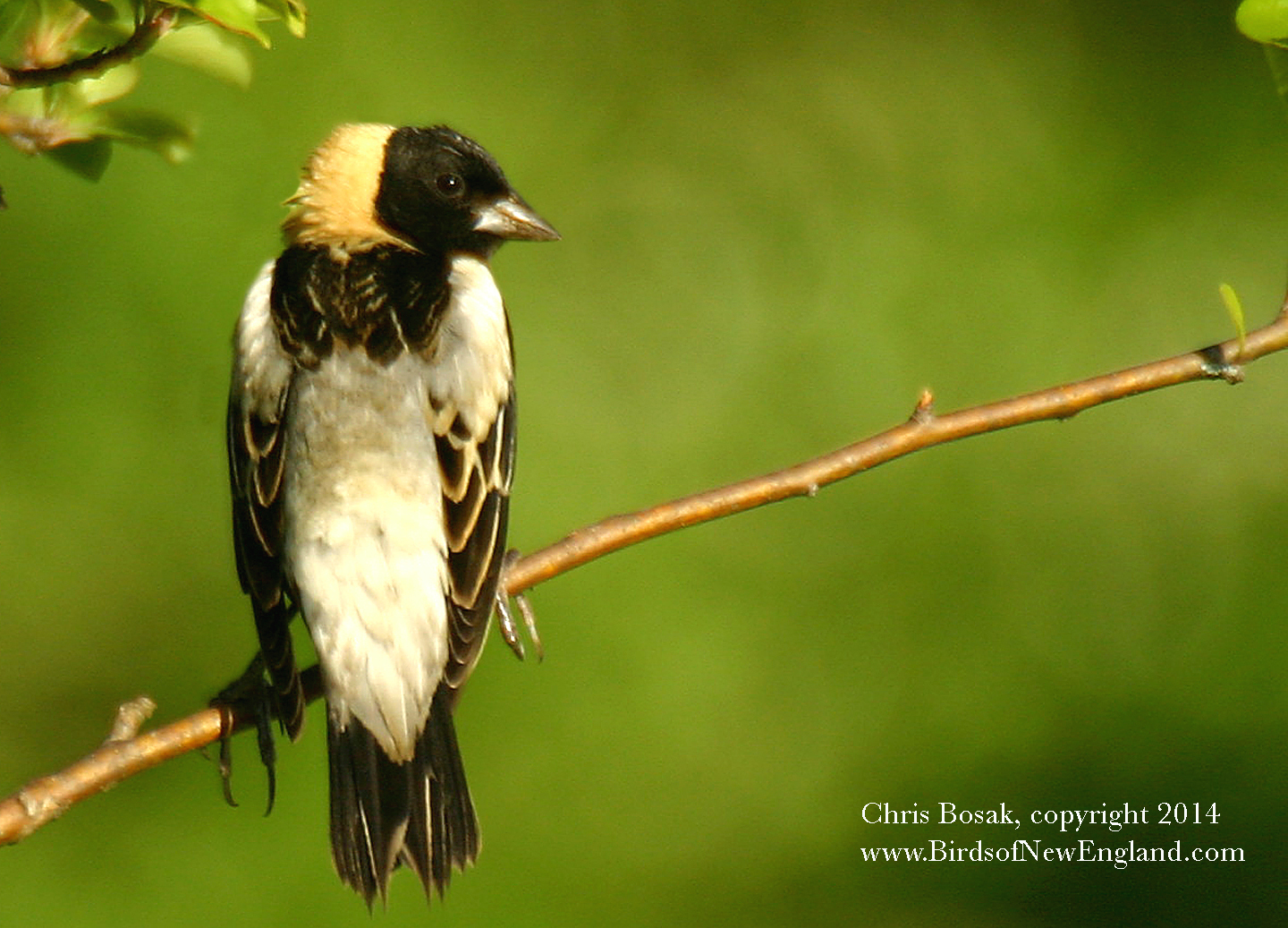
Photo by Chris Bosak Bobolink

Photo by Chris Bosak
Bobolink

In response to the recently released State of the Birds 2014 report, Patrick Comins, the director of bird conservation with Audubon Connecticut, spoke about the 5 “poster birds” that will be most affected by climate change and the accompanying shifts in bird population. He was speaking specifically about Connecticut, but certainly all of New England will see this impact.

Comins spoke during a telephone conference to journalists on Wednesday.

Here are the birds he picked:

Saltmarsh Sparrow: Currently breeds in Connecticut, but has difficulty with rising sea levels and high tides. Rising tides will only become worse over the next several decades.

Bobolink: This meadow nester will likely not nest or be seen often in Connecticut over the next several decades.

Dunlin: This handsome shorebird currently nests and may be seen throughout winter along the New England coast. It’s nesting ability in Connecticut, as Comins put it, will “become zero.” It will move its range north and perhaps New England will get some winter views of this bird.

Blue-winged Warbler: This handsome bright yellow warbler will “move up and out.”

Veery: Comins almost picked the Wood Thrush for his final bird, but chose the Veery. It will become scarce in New England.

The phrase “over the next several decades” may give some people cause to relax and think “I’ll never notice it” or “maybe things will change.” But the “next several decades” will be here before we know it. There have been staggering declines in bird populations over the last 40 years. We’re talking some species dropping in number by 50, 60 even 80 percent. That’s just the last 40 years. That’s basically yesterday evolutionarily speaking. Jeez, I can remember 40 years ago. It bothers me to think this decline all happened in my lifetime.

Hopefully the State of the Birds report will get the attention it deserves and affect positive change for birds and all wildlife.

The full report may be found here.

Are birds in our future? State of the Birds 2014 Report

Photo by Chris Bosak A Piping Plover preens at Milford Point in spring of 2014.

Photo by Chris Bosak
A Piping Plover preens at Milford Point in spring of 2014.

The State of the Birds 2014 report was released this week. It is a comprehensive look at how our bird populations are faring and how they might fare in the future. It’s fascinating stuff and a must read for anyone interested in birds and conservation.

Here’s my column on it, with input from Connecticut Audubon officials. 

Visit www.stateofthebirds.org for the full report.

Connecticut State of the Birds Report

Hour photo/Chris Bosak Milan Bull of Connecticut Audubon speaks during the press conference to introduce the 2014 Connecticut State of Birds report Monday at Trout Brook Valley conservation area in Easton.

Hour photo/Chris Bosak
Milan Bull of Connecticut Audubon speaks during the press conference to introduce the 2014 Connecticut State of Birds report Monday at Trout Brook Valley conservation area in Easton.

Habitat, its proper maintenance, and its importance to a variety of birds is the topic of the 2014 Connecticut State of the Birds Report released Monday by Connecticut Audubon Society at an event at Trout Brook Valley.

As usual, the report — this year titled “Connecticut’s Diverse Landscape: Managing Our Habitats for Wildlife” — is full of valuable research and information about a topic regarding birds.

Here’s my story at http://www.thehour.com, click here.

What do Purple Martins eat?

Photo by Chris Bosak Purple Martins (female on left) perch near their gourd colony with dragonflies at Sherwood Island State Park in Westport, Conn., in summer 2014.

Photo by Chris Bosak
Purple Martins (female on left) perch near their gourd colony with dragonflies at Sherwood Island State Park in Westport, Conn., in summer 2014.

People love Purple Martins because the birds eat mosquitoes. Clearly that’s not all they eat — in fact, they eat far fewer mosquitoes than people think . Usually their prey is much larger.

Photo by Chris Bosak A Purple Martin swallows a dragonfly at Sherwood Island State Park in Westport, Conn., in summer 2014.

Photo by Chris Bosak
A Purple Martin swallows a dragonfly at Sherwood Island State Park in Westport, Conn., in summer 2014.

Last week, while attending a banding event at Sherwood Island State Park, I watched as the busy adult Purple Martins flew around and perched at the gourd colony. Without question, the main meal on the menu for these martins was dragonflies. Dragonflies are known as superb fliers and hunters of mosquitoes themselves, but they were no match for these determined Purple Martin parents. Some of the martins even brought back small butterflies to eat.


Photo by Chris Bosak A volunteer from Department of Energy and Environmental Protection holds a young Purple Martin while she identifies the age during a Purple Martin banding event held Thursday, July 10, 2014, at Sherwood Island State Park in Westport, Conn.,

Photo by Chris Bosak
A volunteer from Department of Energy and Environmental Protection holds a young Purple Martin while she identifies the age during a Purple Martin banding event held Thursday, July 10, 2014, at Sherwood Island State Park in Westport, Conn.,

Purple Martins banded at Sherwood Island

Photo by Chris Bosak A volunteer from Department of Energy and Environmental Protection holds a young Purple Martin while she identifies the age during a Purple Martin banding event held Thursday, July 10, 2014, at Sherwood Island State Park in Westport, Conn.,

Photo by Chris Bosak
A volunteer from Department of Energy and Environmental Protection holds a young Purple Martin while she identifies the age during a Purple Martin banding event held Thursday, July 10, 2014, at Sherwood Island State Park in Westport, Conn.,

Sometimes fun news assignments come across our offices at The Hour newspaper. If it has to do with birds it usually ends up being forwarded to my email address by everyone else who receives it. Not that I mind, of course.

Photo by Chris Bosak A volunteer from Department of Energy and Environmental Protection holds a young Purple Martin while she identifies the age during a Purple Martin banding event held Thursday, July 10, 2014, at Sherwood Island State Park in Westport, Conn.,

Photo by Chris Bosak
A volunteer from Department of Energy and Environmental Protection holds a young Purple Martin while she identifies the age during a Purple Martin banding event held Thursday, July 10, 2014, at Sherwood Island State Park in Westport, Conn.,

Such was the case this week when the Friends of Sherwood Island (a state park in Westport, Conn.) sent a release announcing a Purple Martin banding project. I attended the event, of course, and marveled as staff and volunteers from state Department of Energy and Environmental Protection and Friends of Sherwood Island took young martins from their nest, fitted them with bands, weighed and measured them, recorded data and returned them to the nests.  As all this was going on, the adult martins fearlessly and undaunted continued to hunt for insects to bring back to the colony.

I even got to return five baby Purple Martins to their gourd. It was the first time I’ve ever held a Purple Martin. Very cool.

For the complete story and photos from The Hour photographer Erik Trautmann, click here.

Photo for next For the Birds column

Photo by Chris Bosak A Least Tern flies over its nesting grounds at Milford Point in Milford, CT, in June 2014.

Photo by Chris Bosak
A Least Tern flies over its nesting grounds at Milford Point in Milford, CT, in June 2014.

Here’s a sneak peek at the photo that will accompany my next For the Birds column that will appear in The Hour (Norwalk, CT) tomorrow (Thursday, July 10) and The Keene Sentinel on Monday, July 14. Check those newspapers’ respective websites to see the column soon.

If you live in New England and your local newspaper does not carry “For the Birds,” give the editor a call and suggest that they pick it up. They can contact me via this website. Thanks!

Good news on the duck front; populations and habitat improve


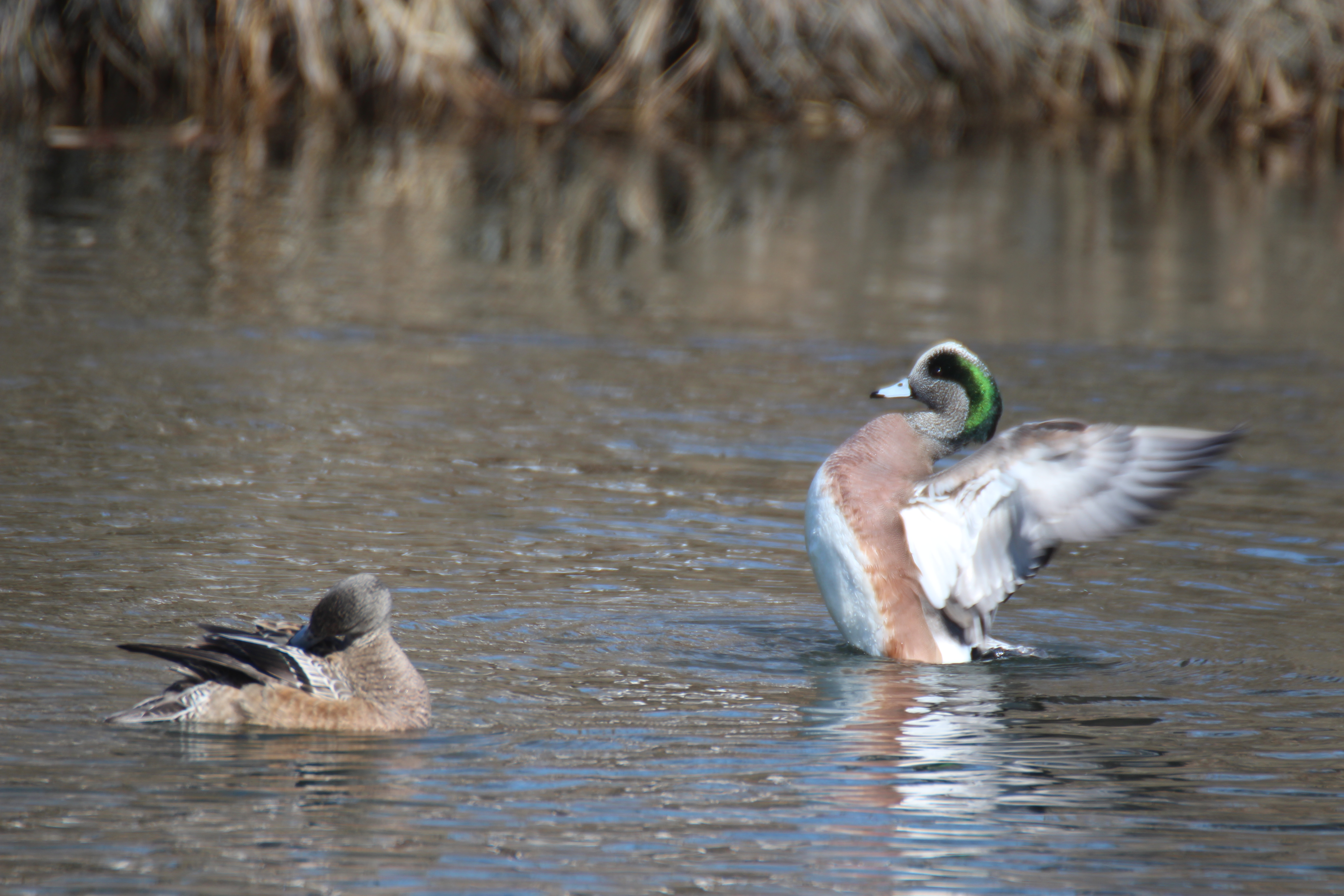
Photo by Chris Bosak American Wigeon in Norwalk.

Photo by Chris Bosak
American Wigeon in Norwalk.

As much as I love all birds, ducks are my favorite types of birds to watch. I’ve said that plenty of times. So when good news from that front crosses my desk, I’m eager to share it.

Here it is, shamelessly stolen from a U.S. Fish and Wildlife Service press release sent to my at my office:

“Duck populations have increased in overall abundance over last year, and their habitat conditions have improved, according to the U.S. Fish and Wildlife Service’s Trends in Duck Breeding Populations 2014 report released today. These conclusions are based on the 2014 Waterfowl Breeding Population and Habitat Surve Continue reading

Guarding their gourd

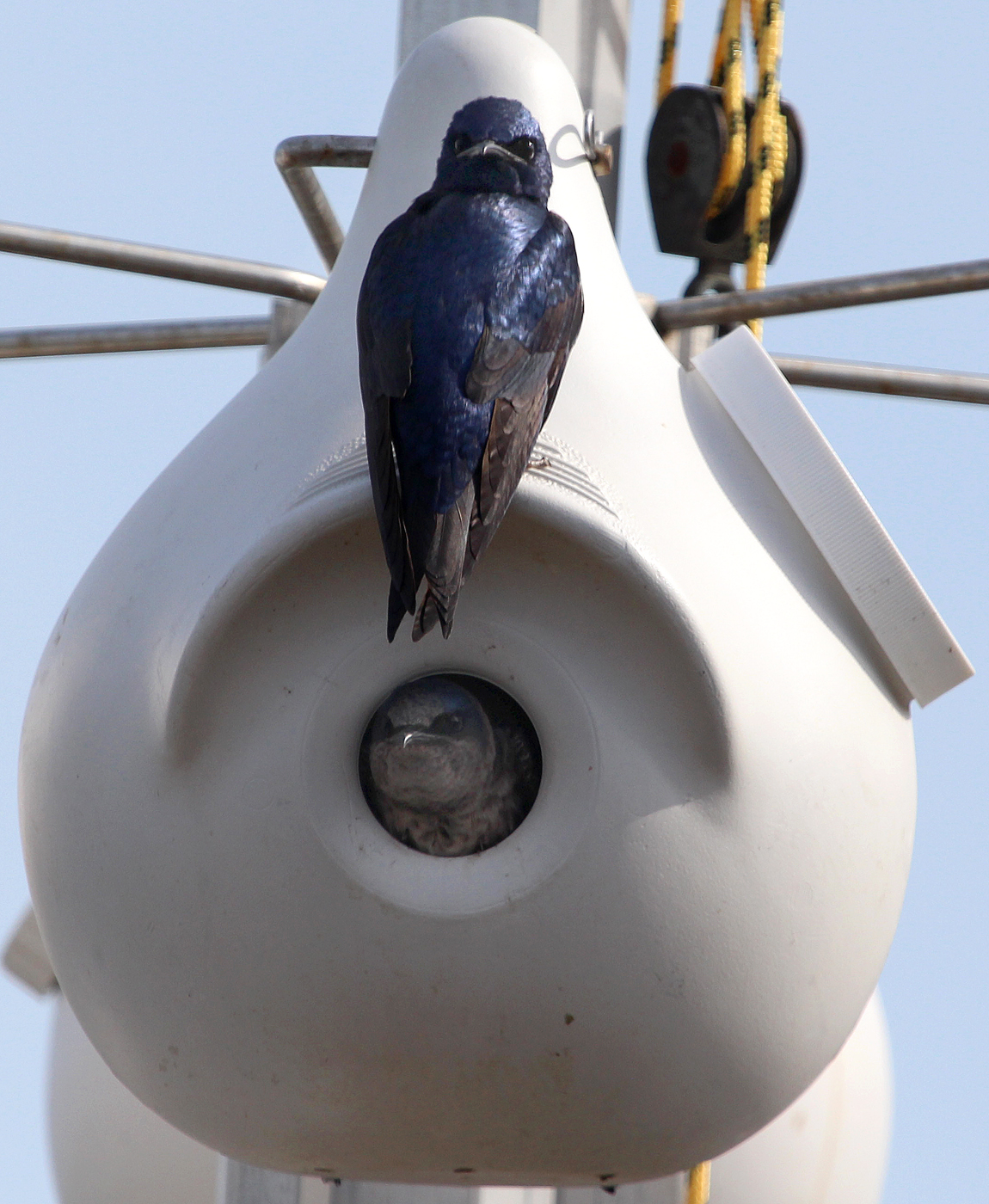
Photo by Chris Bosak Purple Martins stand guard on their gourd homes in Milford, Conn., May 2014.

Photo by Chris Bosak
Purple Martins stand guard on their gourd homes in Milford, Conn., May 2014.

Here’s a shot I took of a Purple Martin pair a few weeks ago keeping watch at their gourd as part of the colony at Milford Point. Purple Martin colonies are excellent for insect control in people’s yards, but the conditions need to be just right to attract them.

On the East Coast, Purple Martins are completely dependent upon human-offered housing.

Check out this website for more information on attracting them.

PurpleMartin.org

Warbler season chugging along; lots of warbler photos

Photo by Chris Bosak A Black-throated Green Warbler perches in a tree at Selleck's/Dunlap Woods on Sunday, May 4, 2014.

Photo by Chris Bosak
A Black-throated Green Warbler perches in a tree at Selleck’s/Dunlap Woods on Sunday, May 4, 2014.

The New England spring warbler season is upon us in a big way and my favorite hang out, Selleck’s Dunlap Woods in Darien, Conn., is no exception. On Sunday, I counted 11 warbler species — with huge numbers of Black-and-white Warlbers and Black-throated Green Warblers — in addition to plenty of Baltimore Orioles, Gray Catbirds, and two vireo species.

Warblers are small, often colorful songbirds that winter in Central or South America and return to New England and points north each spring to breed. The spring warbler season is the highlight of the year for many birdwatchers.

It was a good day photographically, too, as I was able to get some decent shots for the first time of several species. So here, in no particular order, are a slew of spring migrant songbird photos — all taken either Sunday, May 4, or Monday, May 5.

I will be leading a walk from 7:30 to 9 a.m. on Saturday, May 10, at Selleck’s/Dunlap Woods. It is presented by the Darien Land Trust and open to all. Hope to see you there.

Lots more photos below. Click “continue reading.”

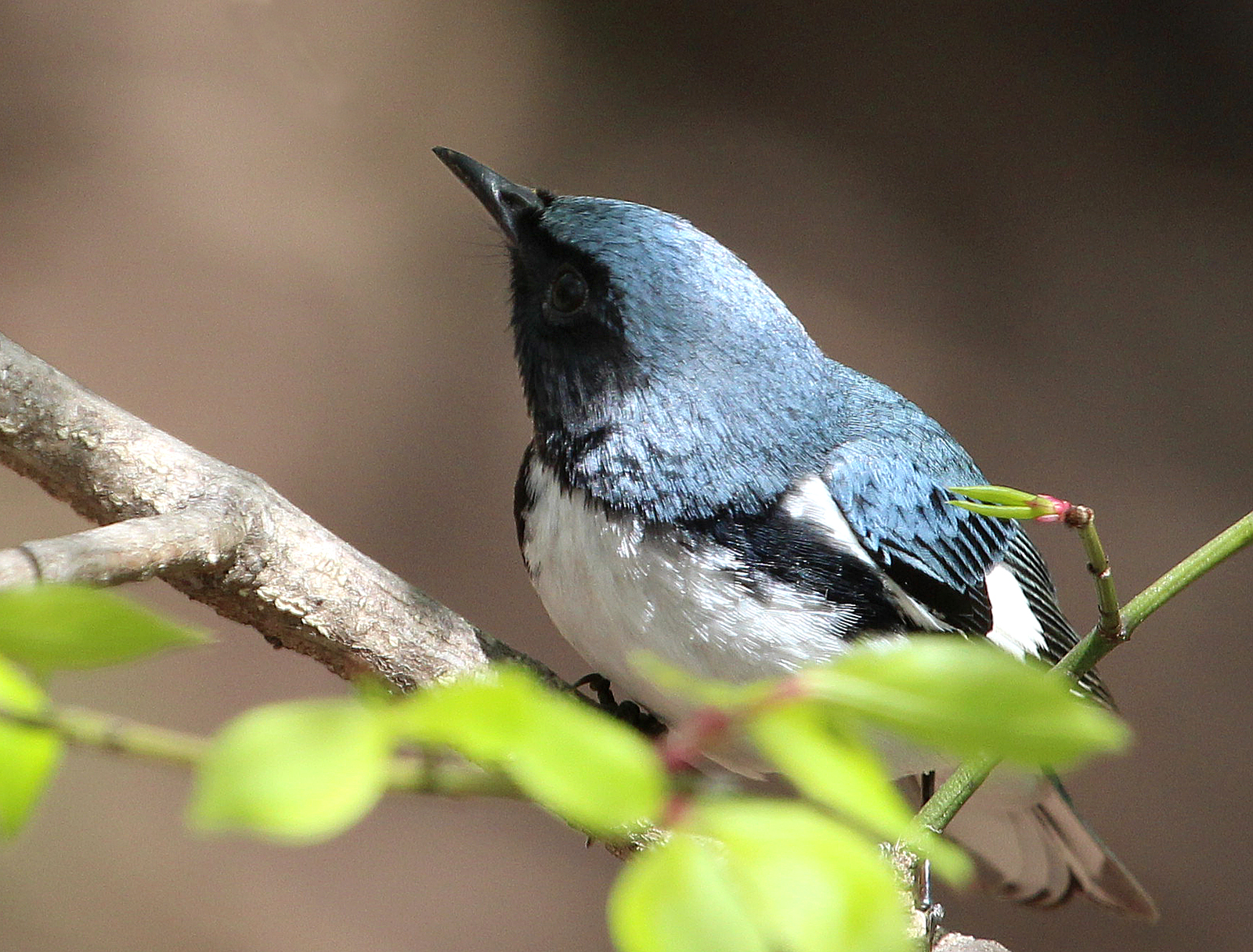
Photo by Chris Bosak A Black-throated Blue Warbler perches in a tree at Selleck's/Dunlap Woods on Sunday, May 4, 2014.

Photo by Chris Bosak
A Black-throated Blue Warbler perches in a tree at Selleck’s/Dunlap Woods on Sunday, May 4, 2014.

Continue reading

The brighter side of starlings

Photo by Chris Bosak European Starling visits feeding station in May, 2014.

Photo by Chris Bosak
European Starling visits feeding station in May, 2014.

Yes, European Starlings are overpopulated, outcompete native species for nesting sites, take over birdfeeding stations, destroy crops and really don’t belong in the United States in the first place, but … they sure can be a handsome bird in the breeding season, especially if the light hits them just right.

Starlings look markedly different from one season to the next. Their breeding plumage, seen above, features an array of dots, lines and colors, such as green, purple, blue and, of course, black.

I don’t often have good things to say about European Starlings, but this visitor to my feeder this morning at least temporarily softened my stance.

The story about how starlings ended up in the United States in the first place is very interesting. Here it is, from Wild Birds Unlimited:

“The European Starling was introduced into North America when the “American Acclimatization Society” for European settlers released some 80-100 birds in Central Park (New York City) in 1890-91. The head of this particular organization, Eugene Scheiffelin, desired to introduce all birds ever mentioned in the works of William Shakespeare.”

Read more by clicking here.