Wood Duck in mixed company with Mallards

Photo by Chris Bosak A Wood Duck hangs out with a flock of Mallards at Wood's Pond in Norwalk, Dec. 2014.

Photo by Chris Bosak
A Wood Duck hangs out with a flock of Mallards at Wood’s Pond in Norwalk, Dec. 2014.

Several years ago (10 maybe), during a visit to Central Park in New York City, I noticed a very tame male Wood Duck hanging out with a flock of Mallards. I’ve spent hours upon hours on remote New England ponds trying to get decent photographs of Wood Ducks and here was one acting like it was a tame Mallards. The behavior struck me as odd because Wood Ducks, in all my previous observations, are usually extremely wary.

I had pretty much forgotten about this sighting until the other day when I visited Wood’s Pond in Norwalk, Conn., a frequent haunt of mine. A lingering Great Blue Heron

(click “continue reading” for another photo of the female Wood Duck)

Continue reading

Mallards: Common as dirt, but lookers none the same

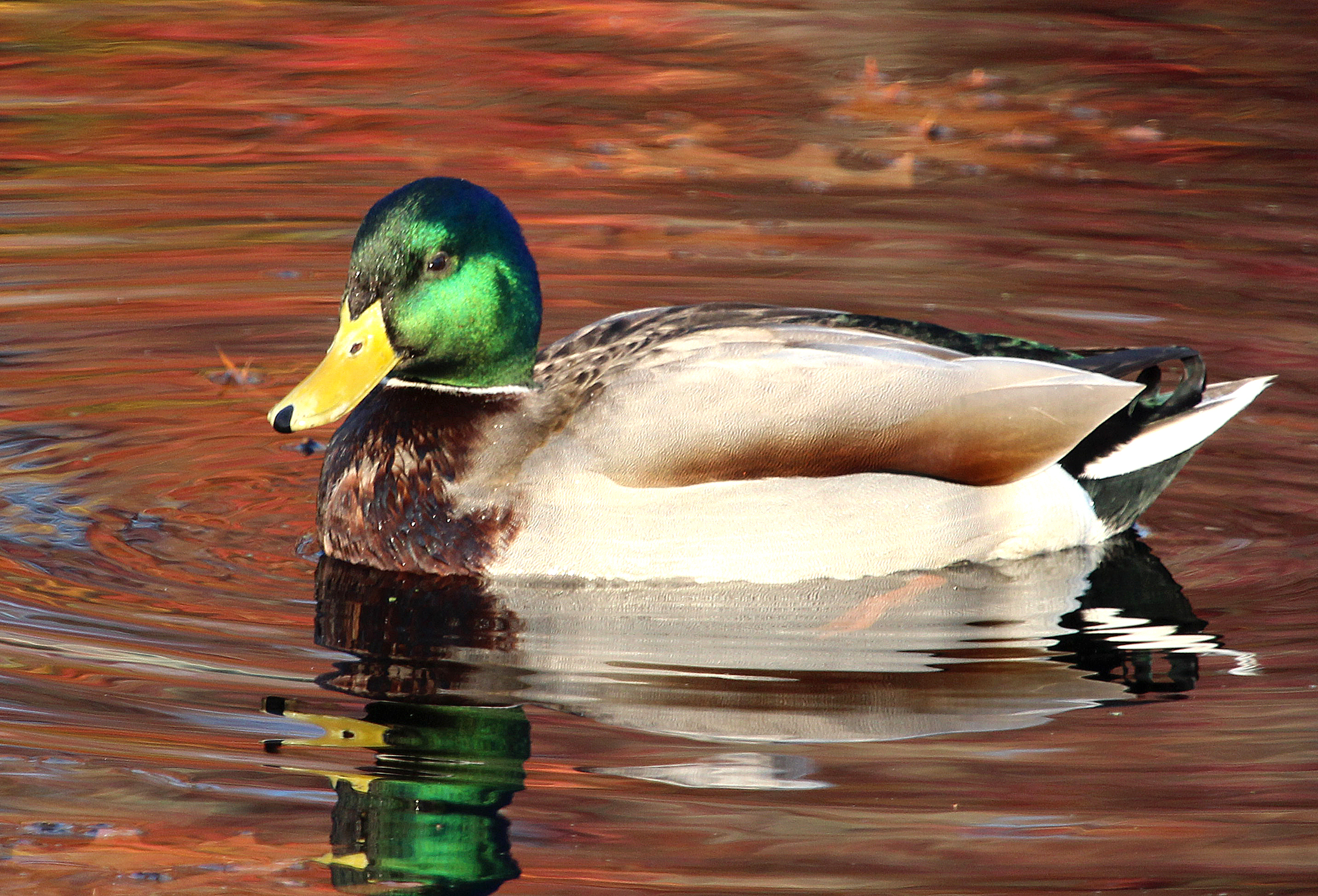
Photo by Chris Bosak A Mallard swims in a small pond in Darien, Conn., Dec. 2014.

Photo by Chris Bosak
A Mallard swims in a small pond in Darien, Conn., Dec. 2014.

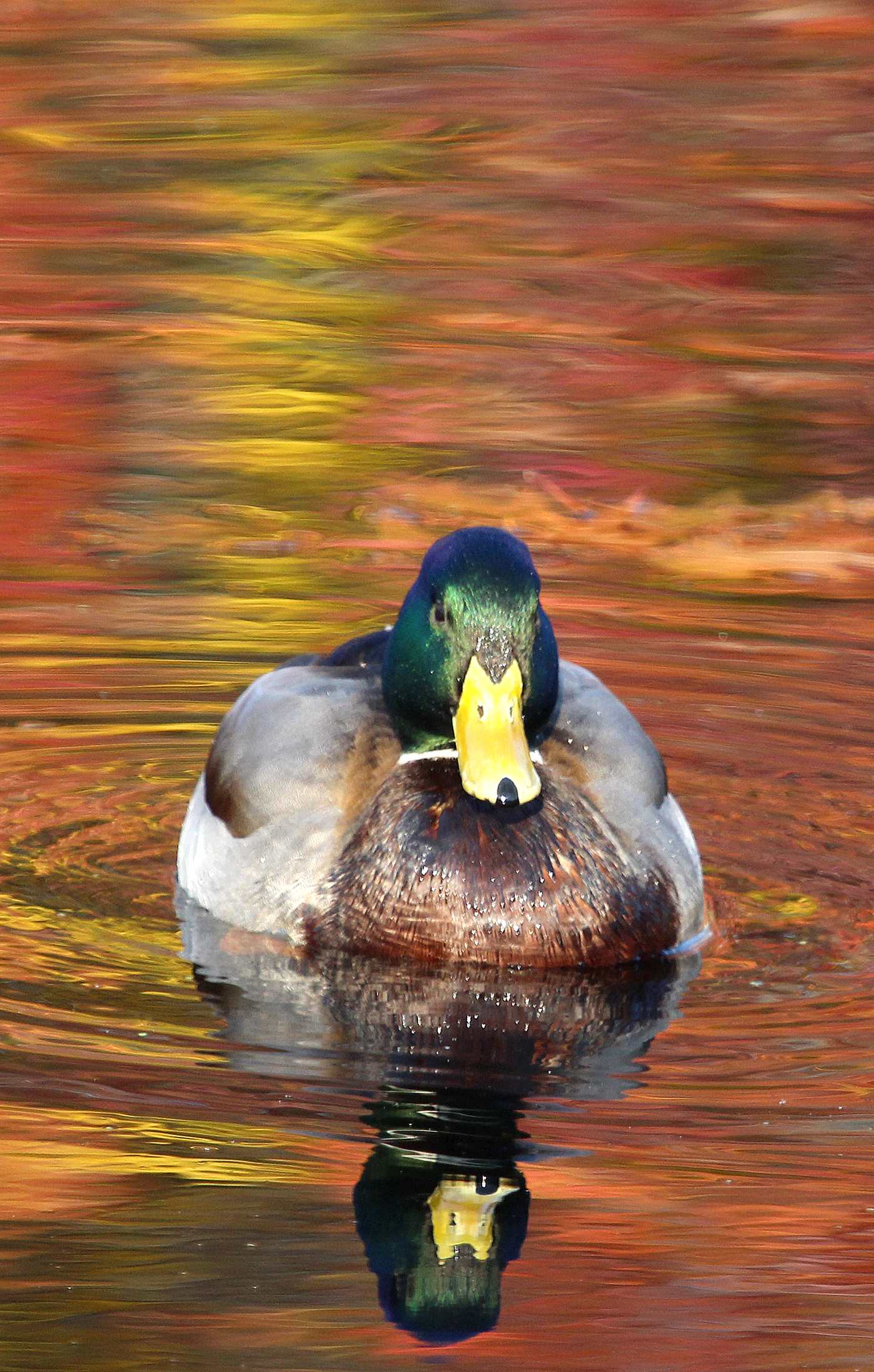
Everyone has seen Mallards. In fact, everyone has probably seen thousands upon thousands of Mallards. Even so, every once in a while I see Mallards in a setting that catches my eye and I have to pull out the camera to try to capture the scene. Such was the case the other day when I visited a small pond in Darien, Conn. A tree on the shoreline still had its colorful leaves on it — long after most of the leaves have fallen already — and the colors were reflected in the section of the pond where the Mallards were swimming. So, yes, they are common, but they are also picturesque.

Photo by Chris Bosak A Mallard swims in a small pond in Darien, Conn., Dec. 2014.

Photo by Chris Bosak
A Mallard swims in a small pond in Darien, Conn., Dec. 2014.

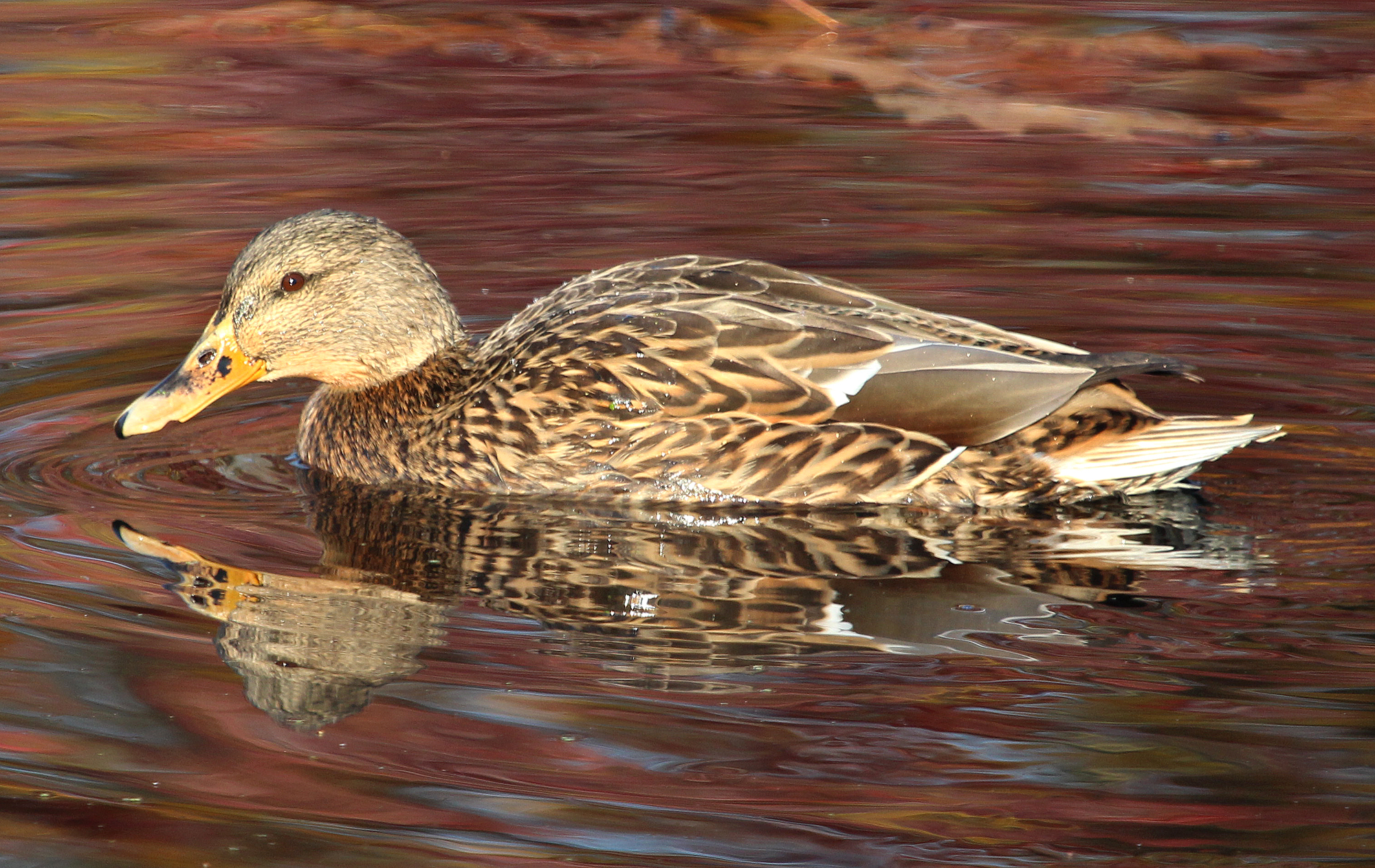
Photo by Chris Bosak A female Mallard swims in a small pond in Darien, Conn., Dec. 2014.

Photo by Chris Bosak
A female Mallard swims in a small pond in Darien, Conn., Dec. 2014.

Duck (watching) season begins in New England

Photo by Chris Bosak A female Bufflehead swims in Gorham's Pond, Nov. 2014.

Photo by Chris Bosak
A female Bufflehead swims in Gorham’s Pond, Nov. 2014.

Ducks are my favorite family of birds to watch in New England. The migration starts in October and many waterfowl may be seen in open water right up through April. For me, it makes our harsh winters that much more bearable.

With that said, here’s the first of what will likely be plenty of waterfowl photos I take (and post) this fall/winter/early spring season. It’s not a great photo, but it’s a start.

Female Buffleheads are much less dramatic looking their male counterparts, which feature contrasting black (or, depending on the sun’s angle, blue, purple or green) and white plumage.

Good news on the duck front; populations and habitat improve


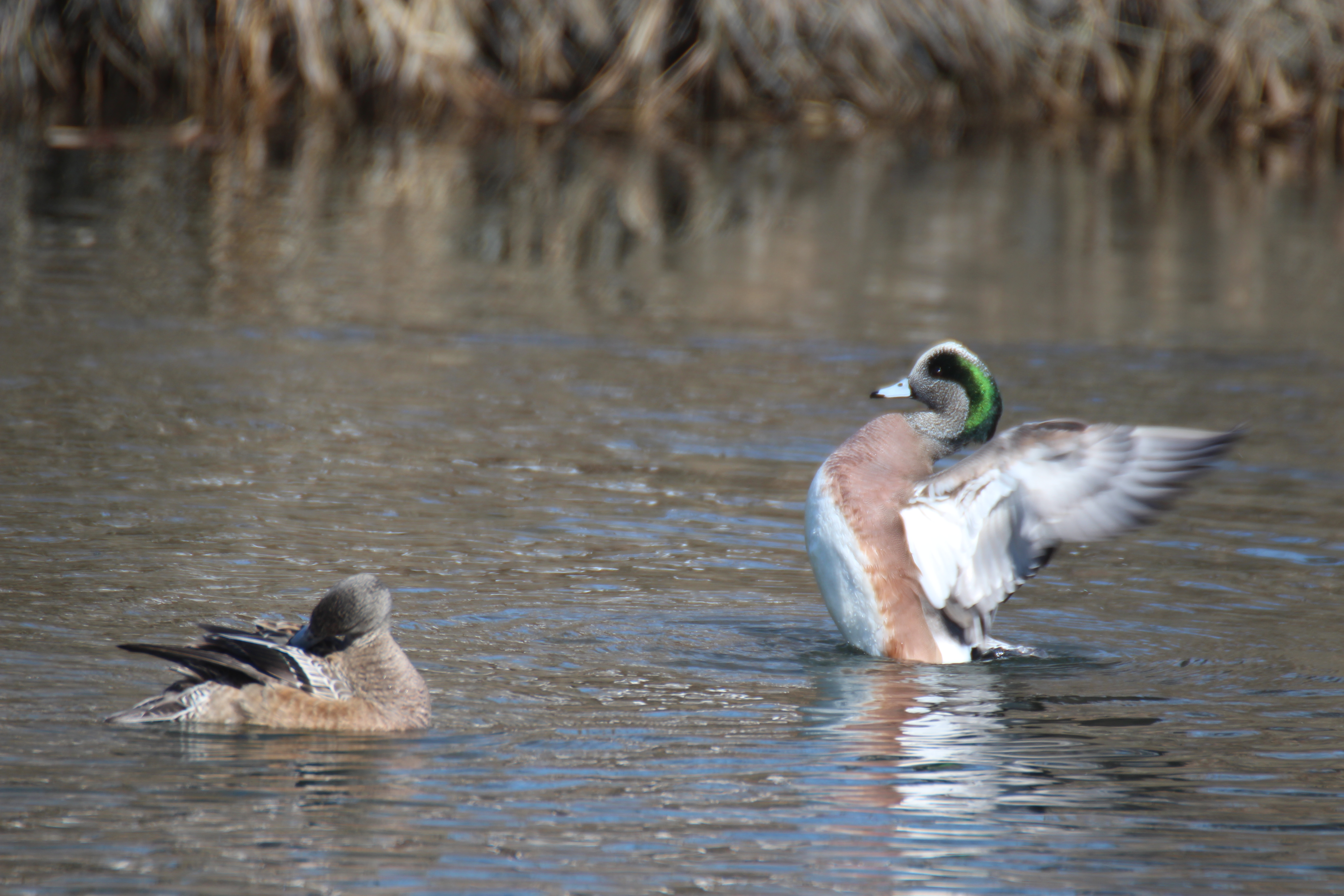
Photo by Chris Bosak American Wigeon in Norwalk.

Photo by Chris Bosak
American Wigeon in Norwalk.

As much as I love all birds, ducks are my favorite types of birds to watch. I’ve said that plenty of times. So when good news from that front crosses my desk, I’m eager to share it.

Here it is, shamelessly stolen from a U.S. Fish and Wildlife Service press release sent to my at my office:

“Duck populations have increased in overall abundance over last year, and their habitat conditions have improved, according to the U.S. Fish and Wildlife Service’s Trends in Duck Breeding Populations 2014 report released today. These conclusions are based on the 2014 Waterfowl Breeding Population and Habitat Surve Continue reading

White-winged Scoter hanging out with shorebirds

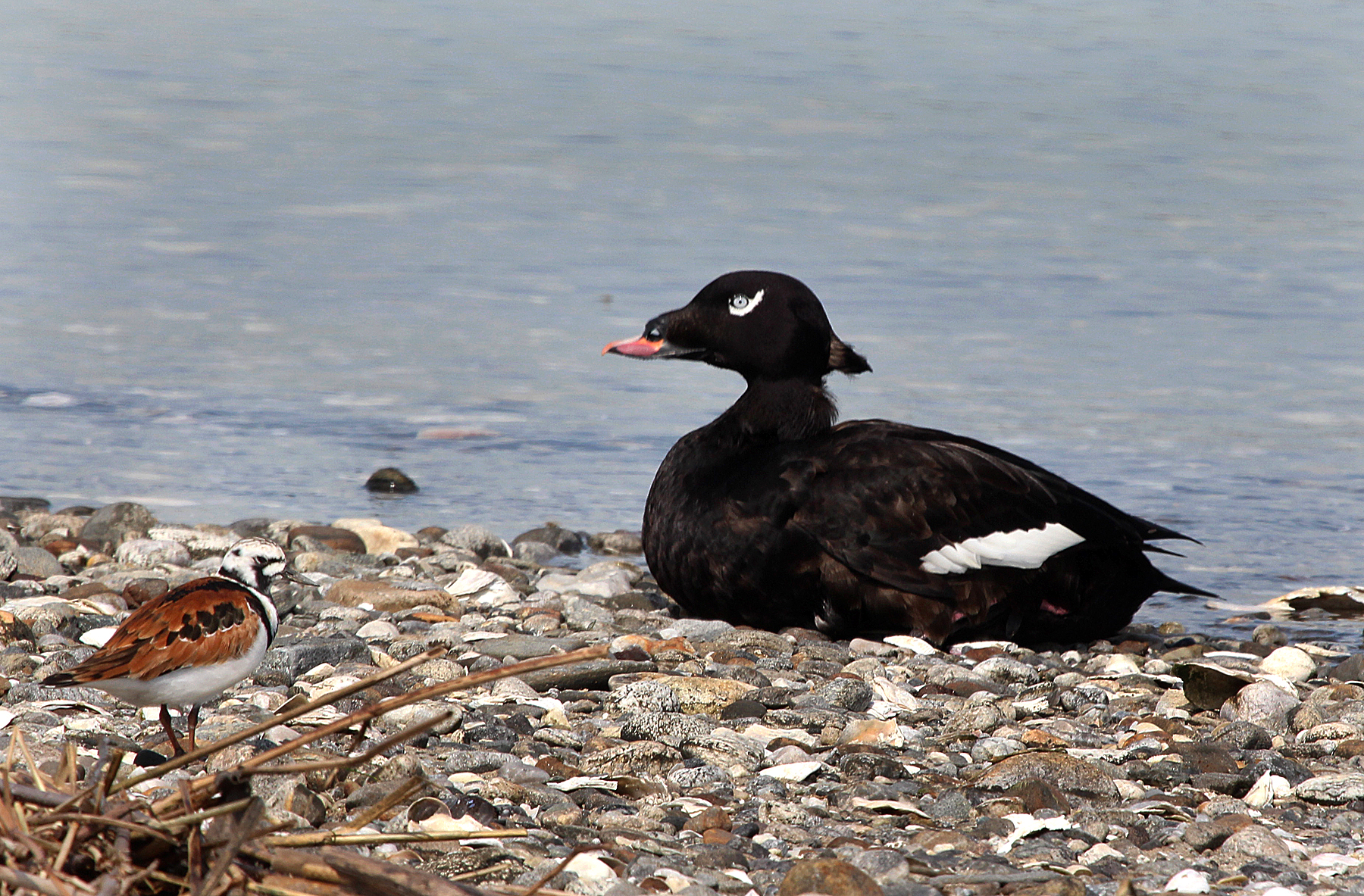
Photo by Chris Bosak A White-winged Scoter rests on the beach as a Ruddy Turnstone shares the area at Coastal Center at Milford Point on Monday, May 12, 2014.

Photo by Chris Bosak
A White-winged Scoter rests on the beach as a Ruddy Turnstone shares the area at Coastal Center at Milford Point on Monday, May 12, 2014.

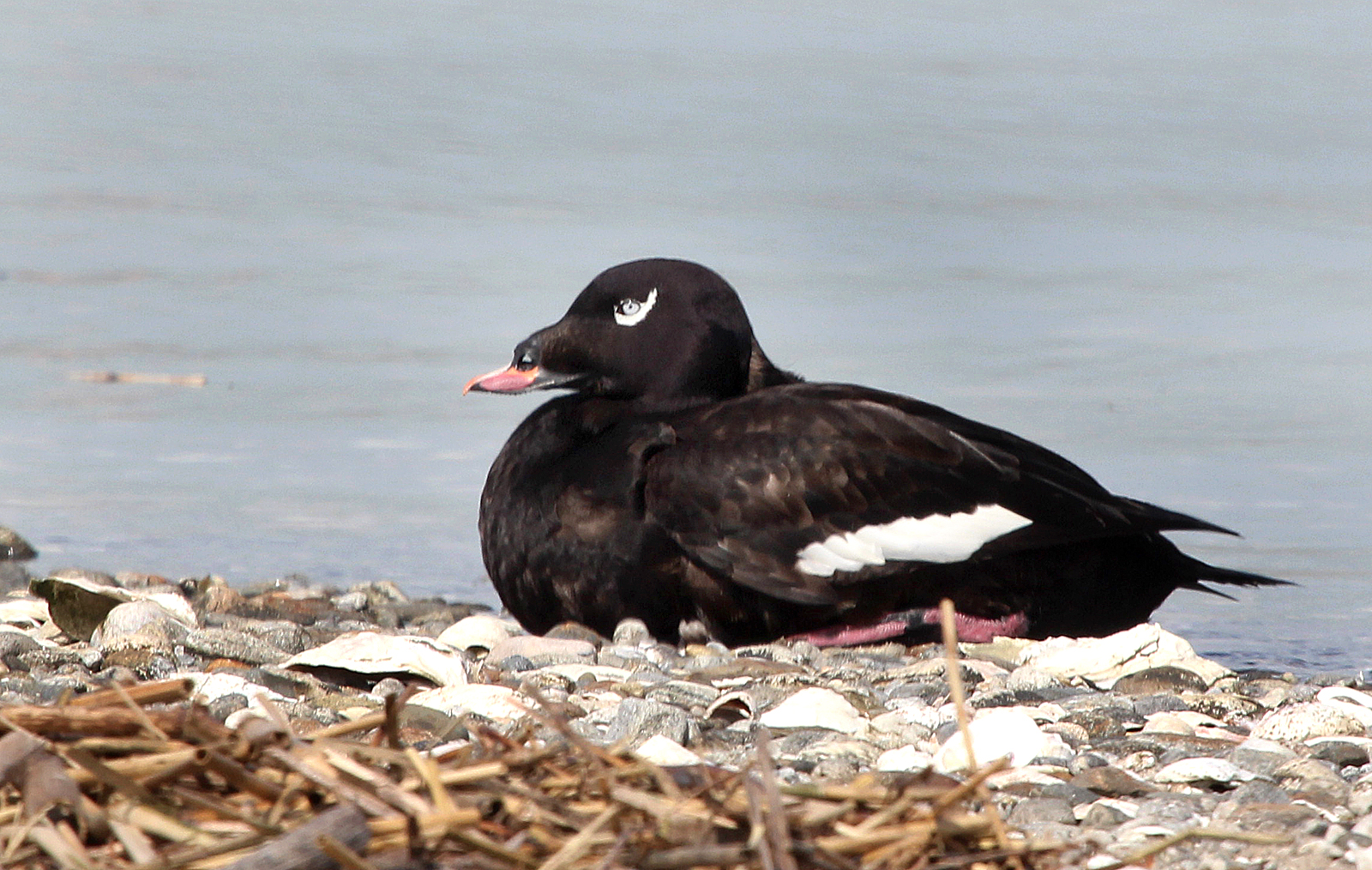
While doing my weekly volunteer shorebird monitoring at Coastal Center at Milford Point, I came across a surprise bird on the beach. A White-winged Scoter, usually a bird I see in the distance on the waters of Long Island Sound during the winter, was sitting on the beach with dozens of little (in comparison) shorebirds.

It was an odd scene to see the scoter resting on the beach as Ruddy Turnstones, Dunlin and Semipalmated Plovers scampered all around it.

Scoters are large sea ducks. Three types are seen along the New England coast: Surf; Black; and White-winged.

The day also included sightings of Peregrine Falcon (a young one sitting on the beach), Least Terns, Brant, American Oystercatcher, Piping Plover, Lesser Yellowlegs, and other shorebirds.

Photo by Chris Bosak White-winged Scoter at Milford Point, Connecticut, May, 2014.

Photo by Chris Bosak
White-winged Scoter at Milford Point, Connecticut, May, 2014.

Happy Easter weekend from BirdsofNewEngland.com

Photo by Chris Bosak A baby mallard stays dry during a rainfall by huddling under its mother's wing.

Photo by Chris Bosak
A baby mallard stays dry during a rainfall by huddling under its mother’s wing.

Here’s one of my favorite Mallard shots. The chick with its head sticking out was one of several tucked under the mother’s wing during a light rain. Even common subjects such as Mallards have their photographic moments. Happy Easter weekend from http://www.birdsofnewengland.com

A few late ducks — and other fowl sightings

Photo by Chris Bosak Horned Grebe at Cove Island Park in Stamford, CT, April 2014.

Photo by Chris Bosak
Horned Grebe at Cove Island Park in Stamford, CT, April 2014.

While watching a small flock of Ruddy Ducks at Cove Island Park in Stamford, CT, a Horned Grebe made an appearance. The grebe was in a transitional plumage and will look quite different a few weeks from now.

Most of our “winter ducks” have flown north already, but some still linger. The Ruddy Ducks were a good sighting and there are still several Red-breasted Mergansers around. Soon, It will be mallards and black ducks for southern New England.

The Ruddy Duck photos are below:

Continue reading

Some ducks still hanging on in southern New England

Photo by Chris Bosak Greater Scaup in Norwalk Harbor, March 2014.

Photo by Chris Bosak
Greater Scaup in Norwalk Harbor, late March 2014.

April, for me anyway, is a bittersweet month for birdwatching. I love watching ducks, so the period from when the “winter ducks” arrive in fall to the time they depart in the spring is perhaps my favorite time of year for birdwatching. Well, that time in spring is approaching. The ducks _ other than mallards and a few others _ will soon depart southern New England for their breeding grounds up north.

The flip side of that, of course, is that the songbirds, shorebirds, birds of prey and other spring migrants will be here soon (if they haven’t arrived already.)

I’ve been seeing fewer and fewer ducks at my normal haunting grounds over the last week or so. Remember my post last week when a Redhead shared a pond with Hooded Mergansers, Ring-necked Ducks and Wood Ducks? Well, that pond is now vacant. No winter ducks or any other ducks for that matter. I’m sure the mallards and hopefully some Wood Ducks will return. But the other ducks will likely not be seen there for another seven or eight months.

Long Island Sound and its harbors are slowing down, too, but not shutting down. I saw a few Long-tailed Ducks, Bufflehead, Red-breasted Mergansers and Greater Scaup on a recent visit to Norwalk Harbor _ but not in the numbers that I saw them just a few weeks ago. In a few more weeks, only a few straglers will be left _ until next fall, that is.
Why it’s called a Ring-necked Duck (even though ring-billed would make more sense)

Photo by Chris Bosak Ring-necked Duck in Darien, March 2014.

Photo by Chris Bosak
Ring-necked Duck in Darien, March 2014.

It took years for me to start calling this duck by it’s proper name: Ring-necked Duck. I would invariably blurt out “Look, Ring-billed Duck.” But, unlike the Ring-billed Gull, this bird is not named for an obvious ring around its bill.

Instead it is named after a hardly-noticeable ring around its neck. Conditions, including the posture of the duck, need to be right to even see the neck ring. The ring around the bill, however, is obvious in most conditions, unless the duck is sleeping with its bill tucked into its back feathers. Even the female, which is mostly brown in color, has a ring around her bill. (She also has a faint ring around her neck.)

So why Ring-necked Duck? Ornithologists in the 1800s named many birds by studying dead specimens. Apparently with the bird so close the chestnut colored neck band is more obvious, so it was named as such. It doesn’t make a lot of sense to the average birder (like me) in the field, but it is what it is. The above photo shows both the ringed neck and ringed bill of the beautiful duck.

Ring-necked Ducks are seen throughout New England, mostly in fresh-water ponds and lakes, from late fall through early spring.

Photo by Chris Bosak A pair of Ring-necked Ducks rest at a pond in Darien, March 2014.

Photo by Chris Bosak
A pair of Ring-necked Ducks rest at a pond in Darien, March 2014.

Wood Ducks not happy with Redhead

Photo by Chris Bosak A Redhead swims alongside a Ring-necked Duck in Darien in March 2014.

Photo by Chris Bosak
A Redhead swims alongside a Ring-necked Duck in Darien in March 2014.

In a previous post I mentioned I had seen a Redhead at Spring Grove Cemetery in Darien, Conn. It was the first time I had seen a Redhead at this small pond and it shared the water with Ring-necked Ducks, Hooded Mergansers, Wood Ducks, Canada Geese and Mallards.

At one point or another, I saw the Redhead “cross paths” with each of the other kinds of ducks. With one exception, the other ducks and geese basically paid no attention to the Redhead. In fact, at one point it was diving among a small flock of Canada Geese. It resurfaced next to a different goose every time and none of the geese seemed to mind.

It hung around the Ring-necked Ducks quite a bit and my suspicion is that it arrived with those ducks and will likely depart with them as well. Just a guess.

Five Hooded Mergansers passed the Redhead at one point with no drama.

Photo by Chris Bosak A flock of Hooded Mergansers swims past a Redhead at a Darien pond in March 2014.

Photo by Chris Bosak
A flock of Hooded Mergansers swims past a Redhead at a Darien pond in March 2014.

But the Wood Ducks did not like the Redhead getting too close. The Redhead drifted over from one side and the Wood Ducks from the other. When they got close enough, the male Wood Duck lowered its head and snapped repeatedly at the Redhead. Then the female Wood Duck did the same thing. The Redhead casually drifted away from the Woodies, but apparently not fast enough as the male Wood Duck reacted even more strongly to shoo away the somewhat rare New England visitor.

Fun stuff, this birdwatching hobby.

Photo by Chris Bosak A pair of Wood Ducks show their displeasure with a nearby Redhead in Darien in March 2014.

Photo by Chris Bosak
A pair of Wood Ducks show their displeasure with a nearby Redhead in Darien in March 2014.