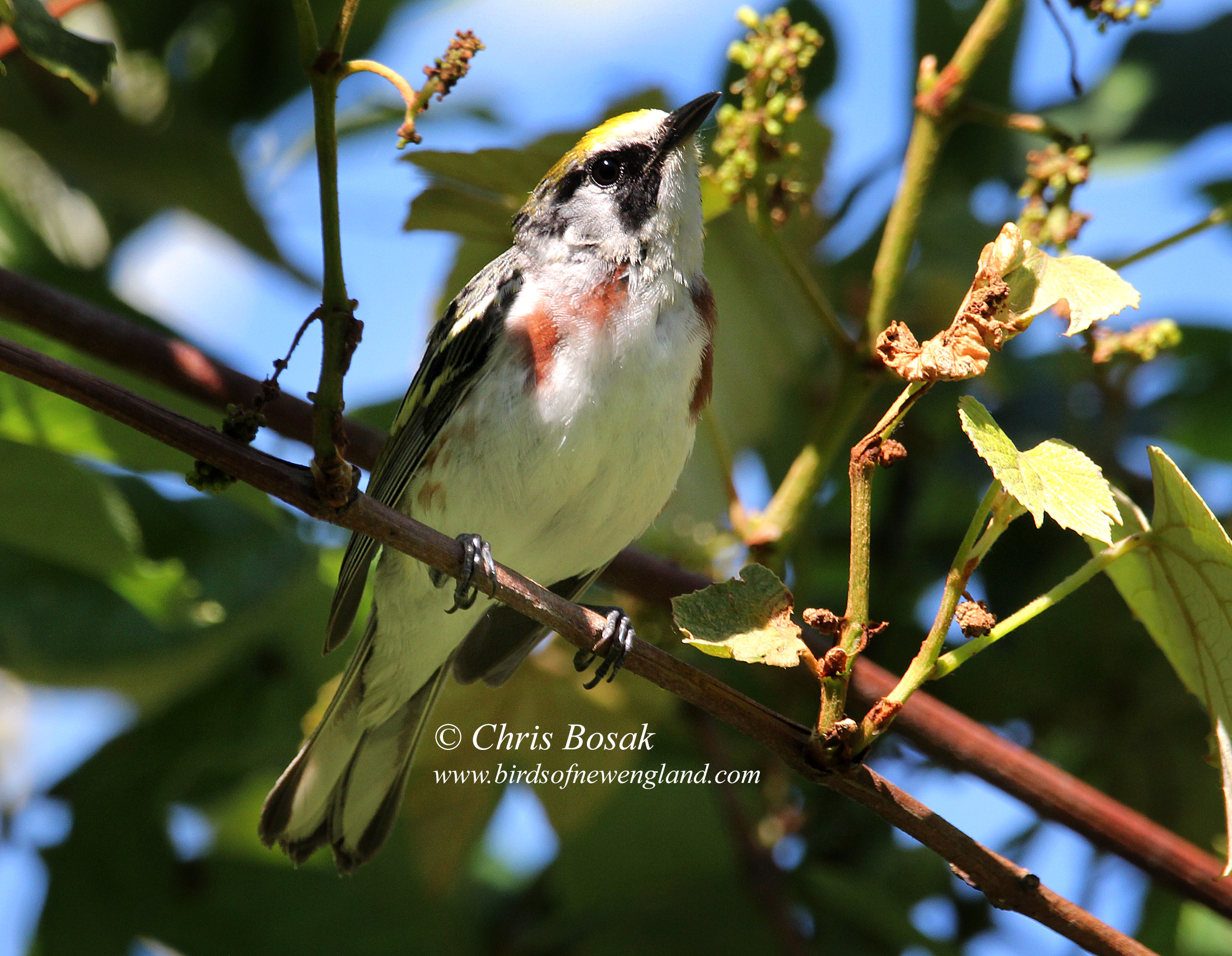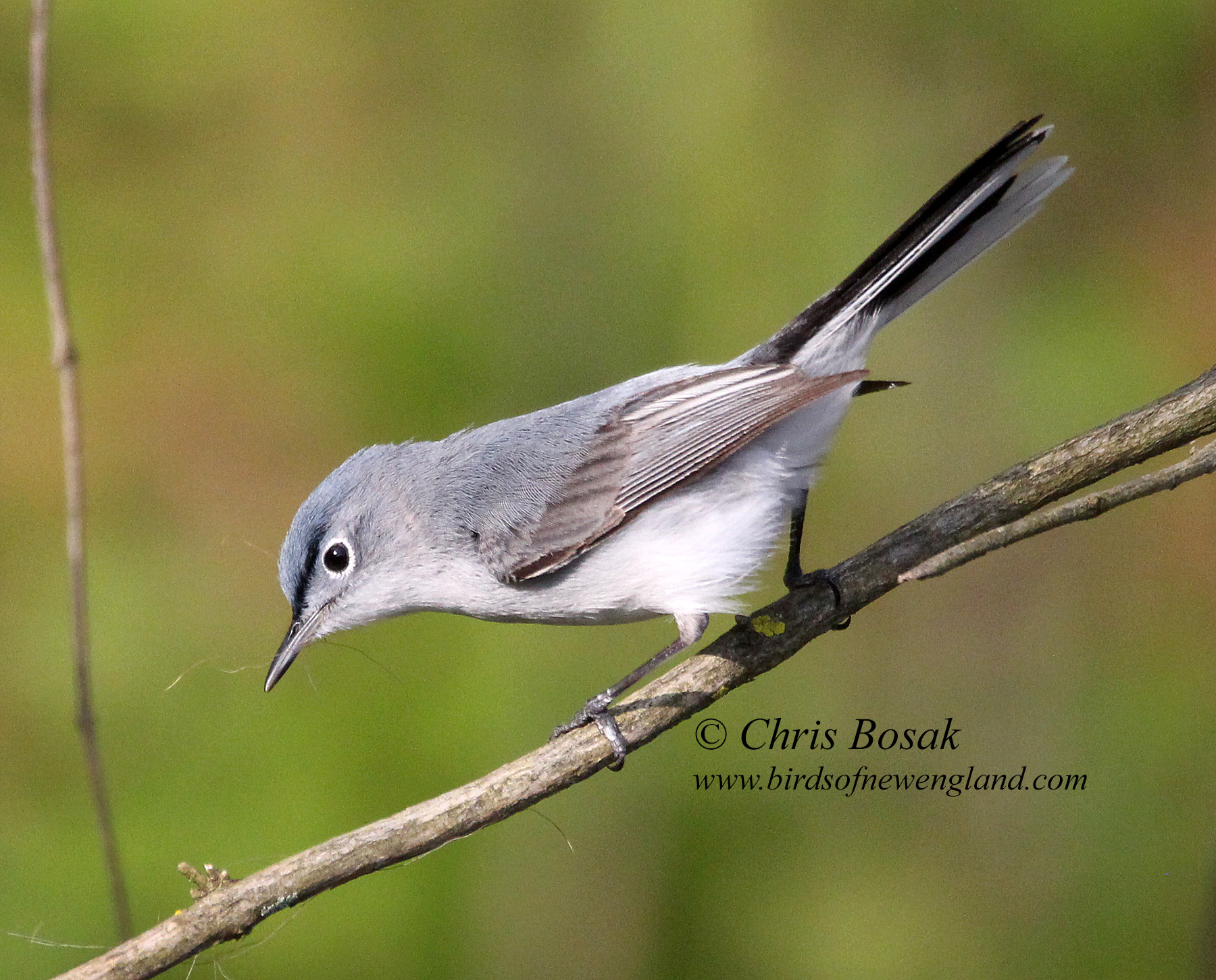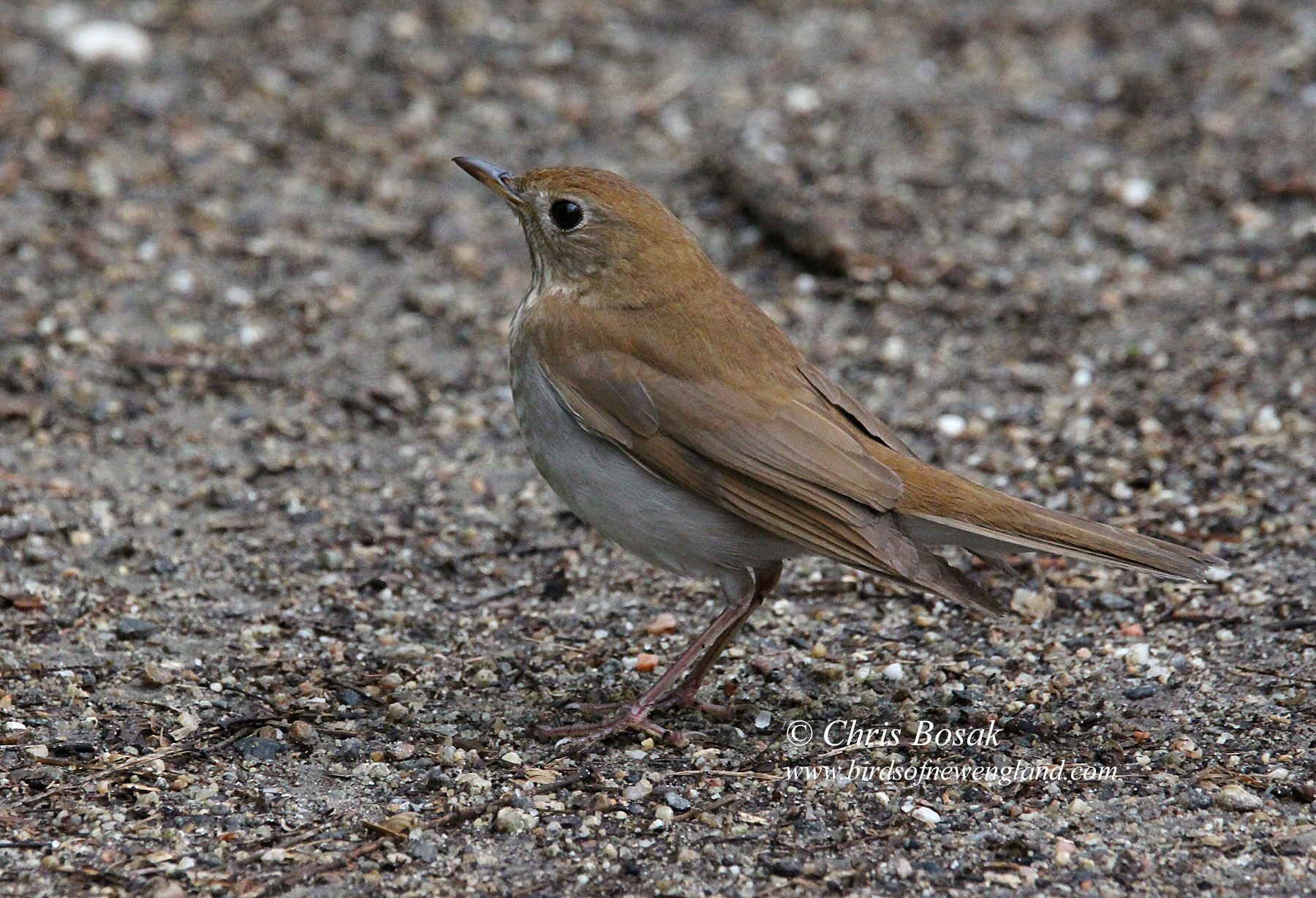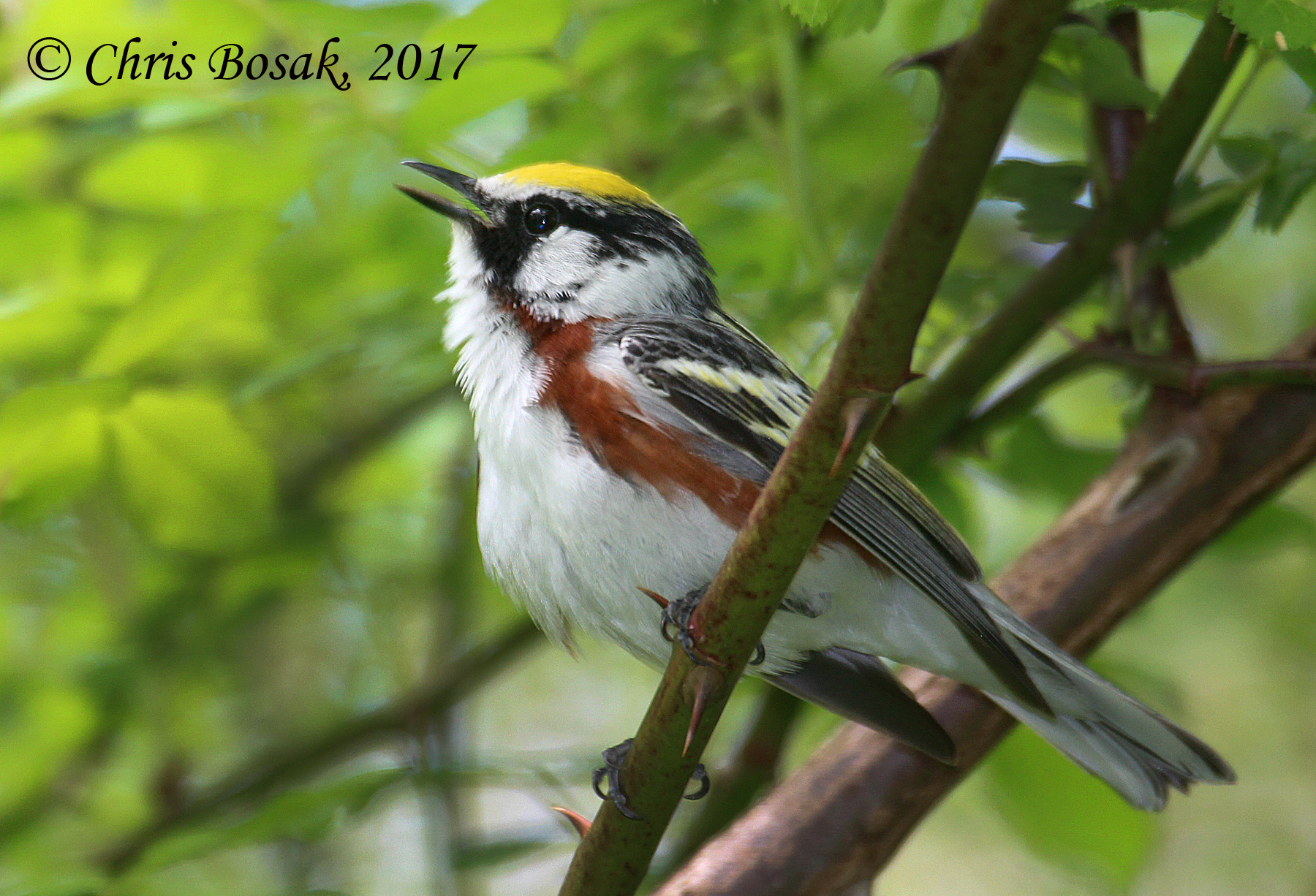
Photo by Chris Bosak
A white-throated sparrow eats a crabapple in New England, January 2024.
When I was just starting out in the hobby of birdwatching and bird photography, I saw a photo of a bird (I don’t recall the species) eating a berry. It became my mission to get a photo of a bird eating berries. But how would I ever get such a shot, I thought to myself at the time.
In the years that followed, I have had plenty of opportunities to get that coveted shot that once seemed so elusive. I’ve been lucky enough to photograph birds such as yellow-rumped warblers, blackburnian warblers, cedar waxwings, robins, catbirds, hermit thrushes, purple finches, house finches and song sparrows eating berries.
Photo by Chris Bosak – A hermit thrush in New England, January 2024.
For the past two weeks, I’ve written about surprise winter bird sightings such as the catbirds, hermit thrushes, yellow-bellied sapsuckers and purple finches I’ve seen on my recent walks.
It could be shaping up to be an interesting Great Backyard Bird Count this year with all these birds that typically migrate out of New England still hanging around. Who knows what other surprises will show up on the checklists of birders throughout the region, and the world for that matter?
The 27th annual Great Backyard Bird Count takes place from Friday, Feb. 16 through Monday, Feb. 19. Birders of all skill levels may participate in the Count. Simply count birds – alone or with a group – for at least 15 minutes and enter the birds able to be identified and the location at the GBBC website www.birdcount.org. While the results must be submitted online, the birding itself can take place anywhere: a park, backyard, conservation area.
Photo by Chris Bosak — A yellow-bellied sapsucker taps on a tree in New England, January 2024.
The woods seem to be full of surprises this winter.
Last week I wrote about the gray catbird I have been seeing on my walks this winter. On a walk last week, which was done when it was about 15 degrees outside, I had four species that were marked as “unusual” by eBird, a maassive database of bird sightings. That doesn’t necessarily mean that the birds are rare, but rather they are not commonly seen in New England during the winter. The species were: catbird, hermit thrush, purple finch and yellow-bellied sapsucker.
The catbird, thrush and finch were all species I had seen on previous walks this winter. In fact, it seems as though I typically find a hermit thrush or two each winter in New England. Like the catbird, hermit thrushes typically migrate south of New England before winter, but some remain in our region, opting to tolerate the cold weather rather than take on the risks of migration.
Photo by Chris Bosak – A gray catbird at Huntington State Park in Connecticut during a January 2024 snowfall.
Some things just don’t seem to go together. Peanut butter and tuna fish. Flip-flops on a treadmill. And hearing a catbird when it is 25 degrees and snowing during a New England winter.
I mentioned in last week’s column that I had seen a gray catbird during a recent bird walk. I returned to the same spot several days later. This time, snow was falling all around, painting the beautiful landscape in a covering of pristine white.
Mallards sit on a branch overhanging a pond in New England.
For just a moment, I was in their world.
As I stood there I could see nothing but branches, sticks and stubborn brown leaves that refused to fall off the low trees. Then I crouched like a baseball catcher and there they were: a flock of mallards taking a midday break in the tangled trees growing out of a small pond.
Normally mallards would not make for a memorable birdwatching outing, but this time was different.
A fairly busy road was no more than 50 yards away and my car was about 50 feet away, but I felt as if I were visiting the ducks’ world. The area was thickly wooded and a dark canopy of towering branches hung over the pond’s edge, adding to the feeling of seclusion. It was as if the world was reduced to the woods, the mallards and me.
It was a neat sensation, one that I’ve experience only a handful of times before — usually in extreme northern New Hampshire.
Photo by Chris Bosak A northern cardinal grabs a seed from a feeder in Danbury, CT.
I wanted to do something a little different for my annual Christmas column this year.
I typically do a gift guide column, but I will keep that part of the article brief, only to say that giving someone a membership to a conservation organization, particularly a local one, is always a great gift for your birder. Material gift ideas, such as binoculars or spotting scopes, are readily available online.
For this year, I want to do something that is perhaps a bit corny, but fun anyway. I am going to break down the classic carol The Twelve Days of Christmas and relate each of the days to birdwatching in New England.
Here we go …
12 drummers drumming. My first thought was to use the ruffed grouse as it makes a drumming sound by flapping and rotating its wings in the woods to claim territory. I am, however, going to save the grouse for later. So the 12th day will be the drumming of New England woodpeckers. Hopefully the image you have of drumming is a woodpecker drumming on a tree in the woods rather than drumming on the side of your house.
Photo by Chris Bosak – black vultures in a tree on the side of a road in New England.
Birders are trained to find things that look out of place. It is a self-training that happens naturally over the course of many years of looking for birds.
A slight movement in the bushes likely means a bird or small mammal. That bump on a fence railing or post is probably a small perching bird taking a rest. If you are canoeing and the expanse of calm water ahead of you is broken by barely distinguishable ripples, a diving duck may soon reappear on the surface.
This gift that birders have, I think, is most often on display while driving. Most people will drive by a hawk perched on a branch along the road and not even notice it. Birders, on the other hand, see the blob in the tree from a mile away. A positive identification of the blob is made as you zoom past at 65 miles an hour. Just the other day, I noticed a bald eagle perched along a river. From the road, however, it was largely hidden by branches, but something just didn’t look quite right.
This gift is most evident when driving or walking along a familiar route. If you’ve walked a trail through the woods a thousand times, you get to know where every rock, root and upturned tree is. Anything that looks out of the ordinary is immediately noted and inspected to see if it’s a bird or animal.
New England’s ospreys left the region weeks ago for warmer temperatures in the south. That doesn’t mean, however, that they are forgotten.
The return of the osprey from dangerously low numbers is another hugely successful conservation story. Last week, in honor of Thanksgiving, I talked about the turkey reintroduction and how wild turkey numbers went from zero to goodness knows how many in New Hampshire over just the last 50 years or so. Ospreys have a similar successful conservation story.
Ospreys were at critically low numbers in the 70s and slowly started making a comeback due to conservation efforts on many fronts. The osprey population is now to the point where it is safe to say it is wildly successful.
I recall working for a newspaper in southern Connecticut in the early 2000s, and a pair of ospreys building a nest on a light tower at a local beach was literally front-page news. Ospreys hadn’t nested in that city in several decades. Now that town, Norwalk, has several dozen osprey pairs nesting in it. A similar story can be told about osprey up and down the Connecticut coast along Long Island sound. Inland osprey numbers are thriving as well.
Photo by Chris Bosak
Hummingbirds are migrating now and will be throughout the rest of the month.
The hummingbird season got off to a slow start for me this year.
I didn’t see a single hummingbird at my feeder in April or May. I saw a few in the backyard in June, but they zipped by my feeding station like it wasn’t even there. That contrasts with last year when a few hummingbirds visited daily from spring through fall.
This year’s fortunes have changed, thankfully, as hummingbirds became a regular occurrence once August hit. I believe the visits are coming from a combination of a hummingbird family that nested nearby and some southward migrants.
Ruby-throated hummingbirds, the only hummingbird species that regularly occurs in the eastern U.S., start their southward migration out of New England in August (some as early as late July.) Just like adult males were the first to arrive in the spring, they are the first to leave on the southward journey.
Plenty of adult male hummingbirds remain in New England. My most frequent visitor over the last few weeks has been a male. They will mostly be gone by the end of the month. Females and first-year birds will mostly be gone by the middle or end of September. Hummingbird feeders can remain up into October as the stragglers heading out of New England will need to fuel up too.
Hummingbirds need plenty of fuel as these tiny birds make their way to Central America for the winter. The arduous nonstop flight across the Gulf of Mexico takes a lot out of the birds. Whether a bird’s route takes it directly across the gulf or a more coastal route, it’s still a long, perilous journey. Their typical weight is just over three grams. They bulk up to about six grams for the journey and are between two and three grams when they get to the other side of the gulf.
Which species come to mind when you think of urban birds?
For me, pigeons, sparrows, starlings and crows immediately come to mind. There have been times when I have seen some surprise birds in urban areas, such as the yellow-rumped warbler I saw while I was sitting in a downtown restaurant. There are also stories, of course, of birds such as hawks and falcons nesting in skyscrapers.
The aforementioned species, however, are perhaps the most common urban birds. A new study by scientists − based on data, research and observations from six continents and 379 cities − looks at how these species thrive in such an environment. Importantly, it also looks at how to maintain as much biodiversity as possible in urban areas. The study was published in the journal Nature Communications.
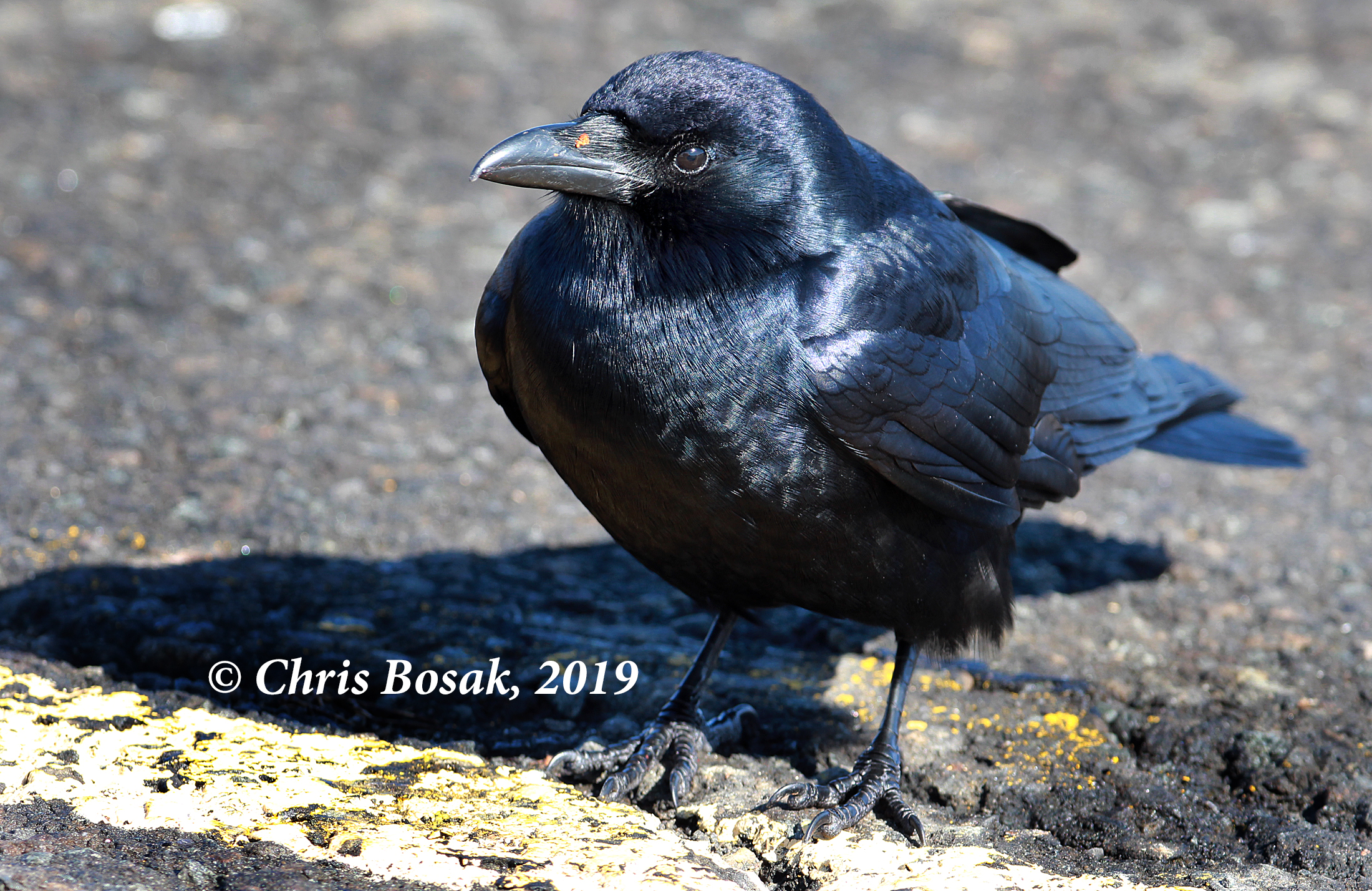
One takeaway seems rather obvious in that birds that thrive in urban ecosystems eat a variety of foods. I’ve seen house sparrows begging for French fries at fast-food restaurants. I’ve seen crows flying with pizza crust in their bills. Starlings will eat whatever is offered at the feeder – seeds, suet, fruit, mealworms, whatever.