For the Birds: Just a little more patience

Photo by Chris Bosak – A yellow-rumped warbler perches on a branch in New England, spring 2022.

It was a classic early spring walk.

Expectations were high to see a lot of migrants, but those expectations did not match the calendar. Mid-April can be a tough time for birdwatchers. We know the migrants are coming any day, and we have waited so long that the anticipation gets the better of our waning patience. It’s like the feeling children get on December 22 and 23. The decorations and tree have been up for weeks already, but it’s still not time to celebrate.

This is not to say it wasn’t a fruitful walk. I saw a handful of migrants including my first warblers of the season. But instead of dozens of species and 100s of individual birds, as we will get in a few weeks, it was more like a few species and about a dozen individuals.

It was a good warm-up to the upcoming peak of spring migration. Let’s put it that way.

Continue reading
For the Birds: ‘FOYs’ abound in spring

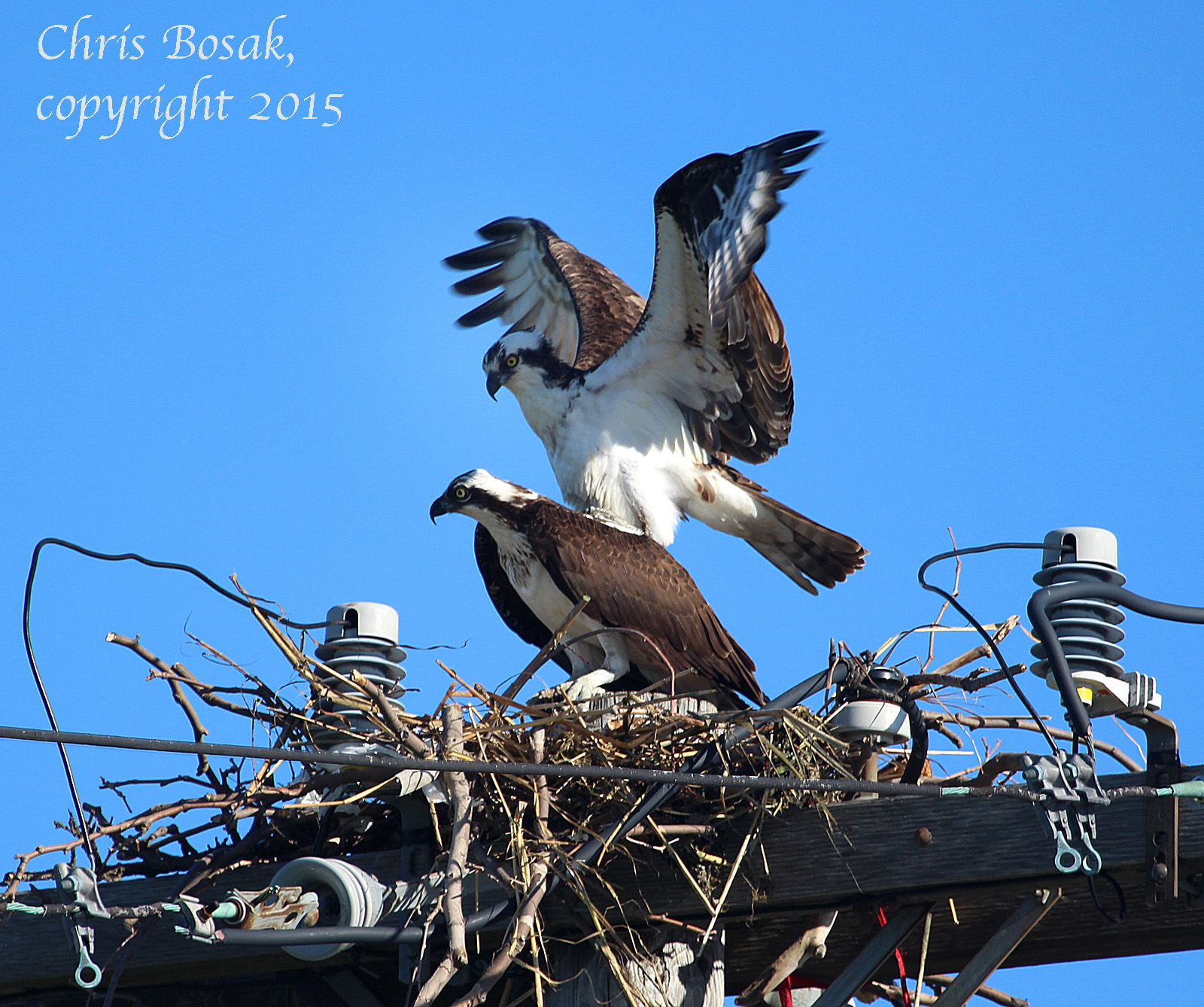
Photo by Chrisi Bosak A male Osprey flies above a female Osprey at Veterans Park in Norwalk, Conn., April 29, 2015.

I’m not a big keeper of lists. I don’t have a bird life list, U.S. list or state list. I do, however, keep a yard list and work list.

My yard list was very robust at my former house in the woods. Now that I live close to downtown in a small suburban town, my yard list is not very impressive. My work list is growing, however. We recently got new offices and I now look out into a patch of woods instead of a parking lot. My daily sprinkling of seeds and nuts in the crevices of the downed trees at the wood’s edge enhances the view and draws in extra birds.

The other day, a hermit thrush hopped along the ground near where I place the seeds. It wasn’t eating the seeds, of course, but it was slowly walking among the leaves and looking curious as hermit thrushes often do.

Continue reading

For the Birds: Turkeys worth a roadside stop

I’ve missed countless photo opportunities while driving because I did not have my camera with me.

This time I was well-armed.

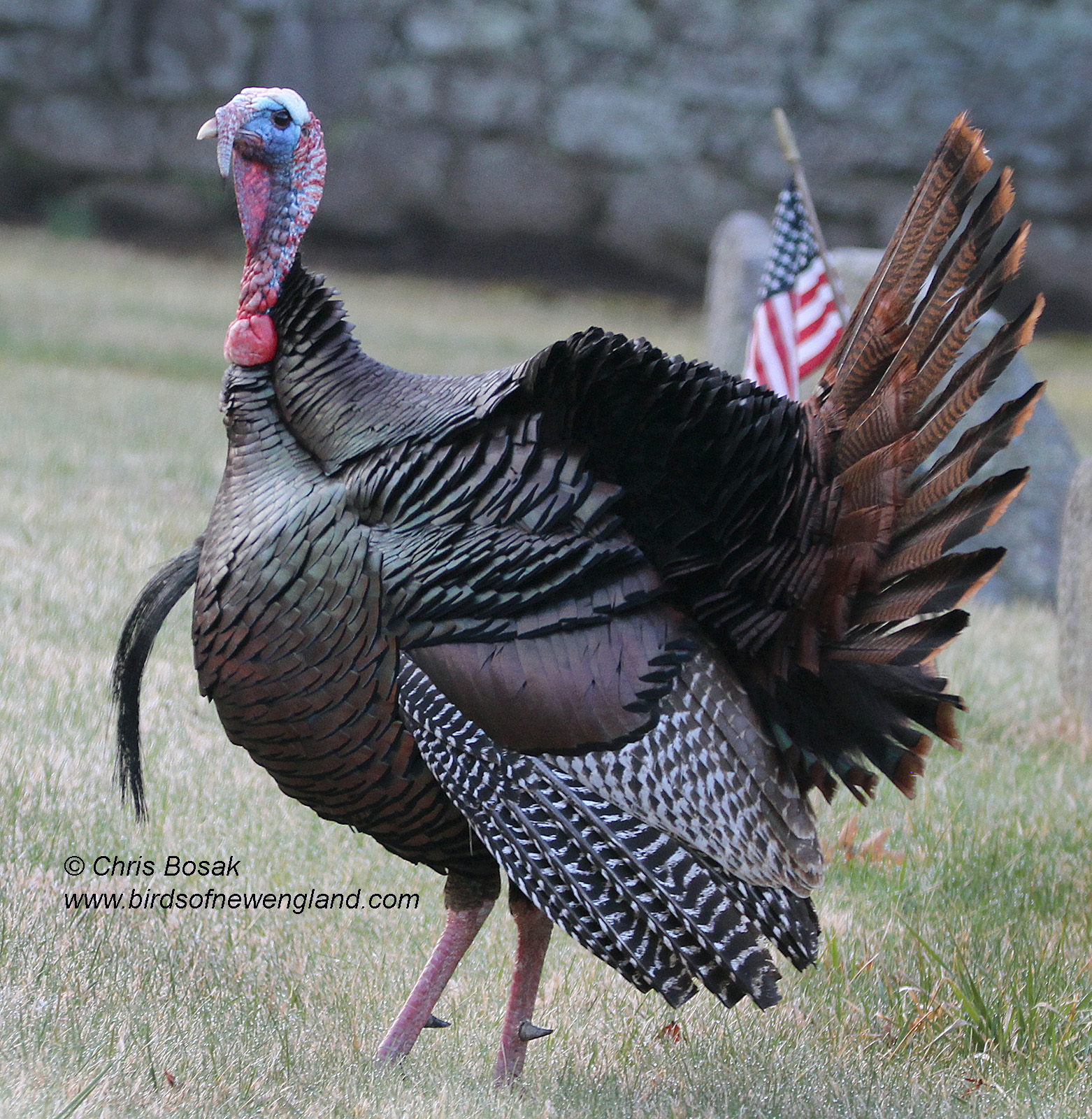
I was driving to work along my usual route when I passed a small, historic cemetery that I have passed hundreds of times before. On this day, I noticed a flock of turkeys among the grave markers as I sped past. I found the nearest safe place to turn around and headed back to the cemetery.

Here’s where my stories usually end with “but they were gone.”

Continue reading

For the Birds: Robins hunting is a good sign of spring

Photo by Chris Bosak An American robin perches in a tree in New England, June 2020. Merganser Lake.

I think we can officially call it spring now.

The myth that robins are the harbinger of spring has been debunked several times over. I have even mentioned that as being the case in this column several times. But, I’m going to backtrack a bit and say that I still consider the robin to be a harbinger of spring of sorts.

Many robins stay in New England throughout the winter, which is why it is not a true harbinger of spring as you can see them in January or February as well as March or April.

Continue reading

For the Birds: Patience is key to spring migration

Photo by Chris Bosak An Eastern Phoebe perches on a branch in Selleck's Woods in Darien, Conn., in late March 2015.
Photo by Chris Bosak A red-winged blackbird sings from the top of a tree at Happy Landings in Brookfield, Conn., spring 2017.

Late March and early April can be a tough time for birdwatchers as we are in the slow build up to spring migration.

The spring migration actually starts sometime in February when the first male red-winged blackbirds arrive. It’s a nice sight (and sound) when they return to our swamps, but it’s pretty much just a tease as we know winter will continue, and it will be several weeks until other birds start to show up.

American woodcocks and eastern phoebes return to New England around the middle of March. A few weeks later, ospreys arrive. The build up can be excruciatingly

Continue reading

For the Birds: March is an interesting time for birdwatchers

Photo by Chris Bosak A red-winged blackbird sings from the top of a tree at Happy Landings in Brookfield, Conn., spring 2017.

March is a crazy and unpredictable month for wildlife watching.

One day you’re completely absorbed by winter. You bundle up, head outdoors and see all the nature that our coldest months have to offer.

The next day it appears as if spring has the upper hand. The winter birds seem to have disappeared and early migrants, such as red-winged blackbirds and eastern phoebes, fill the warm air with breeding and territorial songs. In the evening, the chorus of spring peepers dominates the airwaves.

Continue reading

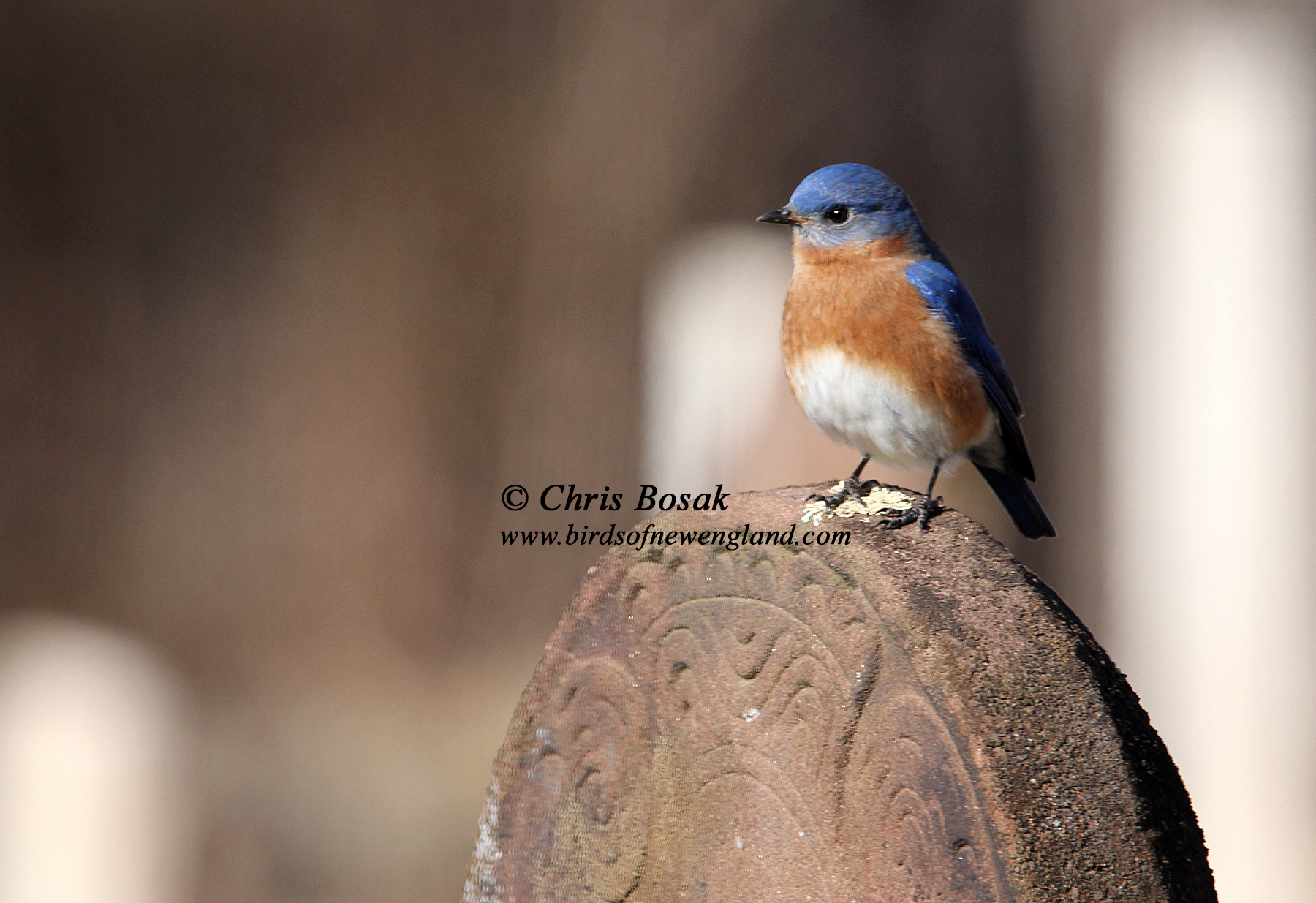
For the Birds: Winter of the Bluebird – again

It looks like another Winter of the Bluebird.

In recent years, I have proclaimed our coldest season as the Winter of … whatever bird is being seen in unusually high numbers that winter. I remember the Winter of the Snowy Owl in 2014 and the Winter of the Barred Owl in 2019 (that winter was crazy with all the owls being seen throughout New England.) Juncos and robins have also made the list.

But this year, for the second time in three years, it has to be the Winter of the Bluebird. It is the first repeat selection. I should probably mention here that this is strictly my own proclamation based on my personal experiences and emails received from readers. There is absolutely nothing scientific about this.

I’ve seen bluebirds in a variety of locations this winter. I haven’t been lucky enough to attract them to my house, but I have received several emails from readers who have seen bluebirds in their yards. Many readers have sent along photos, which I appreciate and post to my blog.

Continue reading

For the Birds: March is a good time for ducks

Digiscoped photo of a hooded merganser.

March is a good time to look for ducks, assuming, of course, there is some open water.

I took a short drive the other day to a large reservoir and found that the water was still largely frozen. There were plenty of open spots, however, and one, in particular, caught my attention. I saw mallards from a distance and zeroed in to see if anything else was lurking there.

The mallards I had seen were not mallards at all but a pair of American black ducks. Male and female black ducks resemble female mallards from a distance with their overall bland coloring and similar size and shape. A closer look revealed the black duck’s darker coloration. Male black ducks also have a yellow bill, similar to a male mallard’s bill. The females of both species have duller bills.

Continue reading

For the Birds: Robins are bountiful this winter

American robin on snowy branches in New England, Feb. 2022.

It appears to be a good winter for juncos, blue jays and goldfinches, based on feedback from readers. Other than a few reports of pine siskins, it doesn’t seem to be a particularly strong winter for the typical irruptive species as sightings of redpolls, grosbeaks and red-breasted nuthatches have been scarce.

I’ll add American robin to the list of birds that have been seen in abundance this winter. This doesn’t mean that spring is here already, of course. As I write this, a winter storm is predicted for the next day. Several more weeks of winter-like weather are ahead of us, I’m sorry to say.

Continue reading

For the Birds: More of what readers are seeing

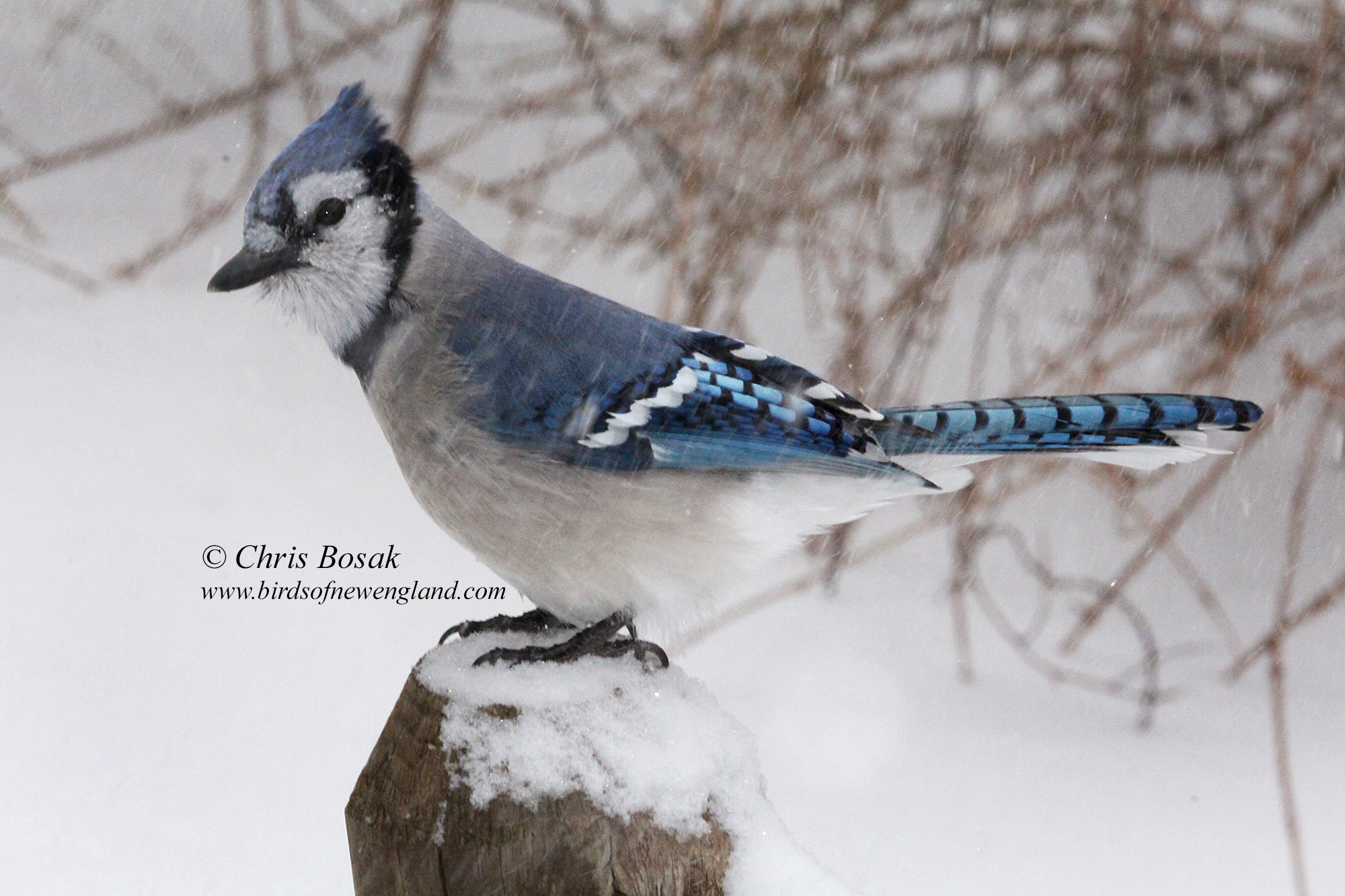
Photo by Chris Bosak A blue jay stands on a fence post during a snowstorm in New England, Jan. 2022.

The reports keep coming in, so why not dedicate another column to what our neighbors are seeing in their yards?

Eric from Surry wrote to say he can’t keep up with the goldfinches and pine siskins and their appetites for thistle (Nyjer) seed. He said it’s been a while since goldfinches have visited his yard in large numbers, but this winter has been different.

Eric also has a few Carolina wrens that have been around all winter, while juncos have been around in large numbers. The juncos, as well as a handful of cardinals visit early, so Eric has to make sure the feeders are filled before dawn. Now that’s dedication to the birds and this great hobby. He also gets the usual woodpeckers in addition to red-bellied woodpeckers and yellow-bellied sapsuckers.

Continue reading