Are birds in our future? State of the Birds 2014 Report

Photo by Chris Bosak A Piping Plover preens at Milford Point in spring of 2014.

Photo by Chris Bosak
A Piping Plover preens at Milford Point in spring of 2014.

The State of the Birds 2014 report was released this week. It is a comprehensive look at how our bird populations are faring and how they might fare in the future. It’s fascinating stuff and a must read for anyone interested in birds and conservation.

Here’s my column on it, with input from Connecticut Audubon officials. 

Visit www.stateofthebirds.org for the full report.

Photo for next For the Birds column

Photo by Chris Bosak A Least Tern flies over its nesting grounds at Milford Point in Milford, CT, in June 2014.

Photo by Chris Bosak
A Least Tern flies over its nesting grounds at Milford Point in Milford, CT, in June 2014.

Here’s a sneak peek at the photo that will accompany my next For the Birds column that will appear in The Hour (Norwalk, CT) tomorrow (Thursday, July 10) and The Keene Sentinel on Monday, July 14. Check those newspapers’ respective websites to see the column soon.

If you live in New England and your local newspaper does not carry “For the Birds,” give the editor a call and suggest that they pick it up. They can contact me via this website. Thanks!

Good news on the duck front; populations and habitat improve


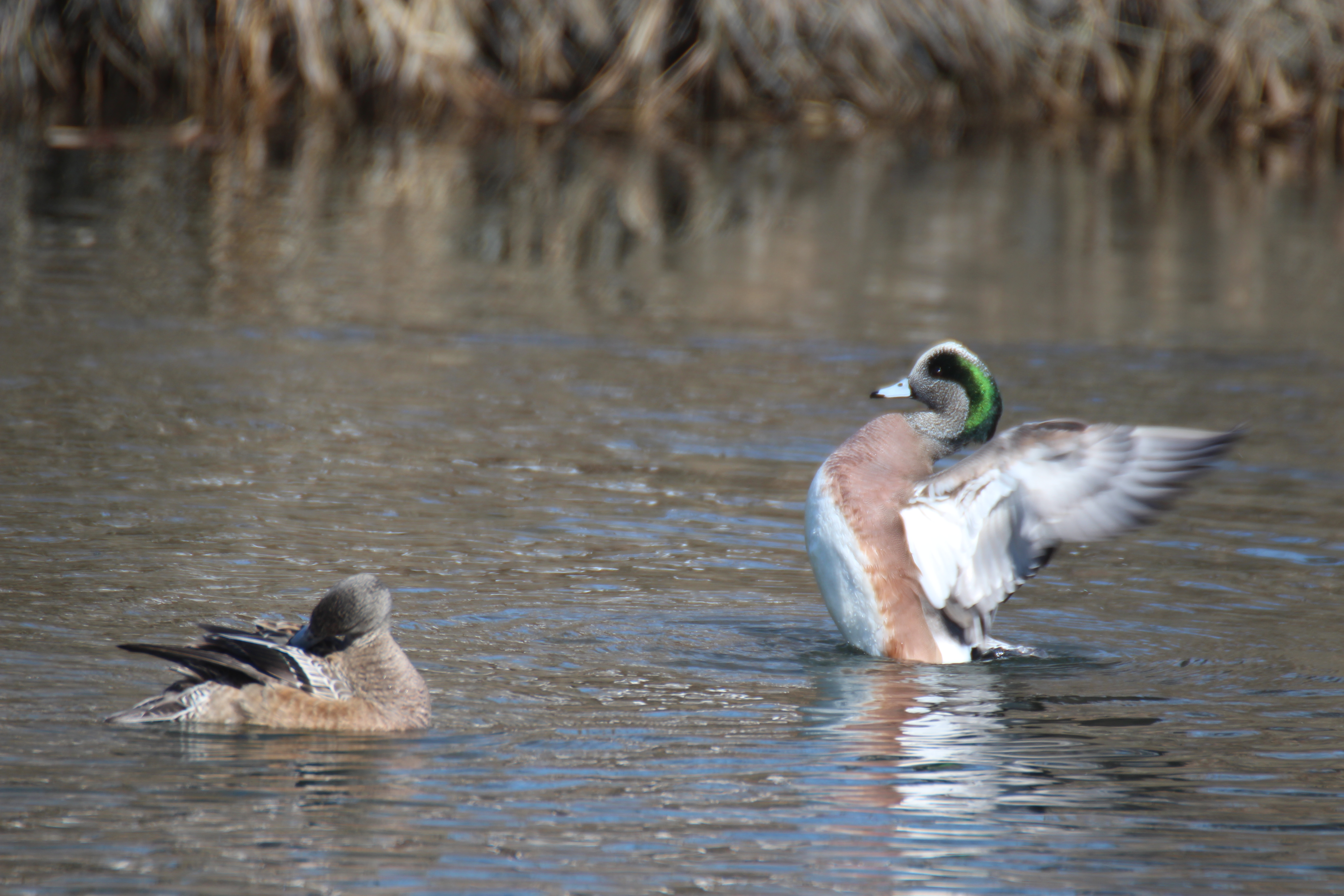
Photo by Chris Bosak American Wigeon in Norwalk.

Photo by Chris Bosak
American Wigeon in Norwalk.

As much as I love all birds, ducks are my favorite types of birds to watch. I’ve said that plenty of times. So when good news from that front crosses my desk, I’m eager to share it.

Here it is, shamelessly stolen from a U.S. Fish and Wildlife Service press release sent to my at my office:

“Duck populations have increased in overall abundance over last year, and their habitat conditions have improved, according to the U.S. Fish and Wildlife Service’s Trends in Duck Breeding Populations 2014 report released today. These conclusions are based on the 2014 Waterfowl Breeding Population and Habitat Surve Continue reading

Volunteers for osprey monitoring sought in Connecticut

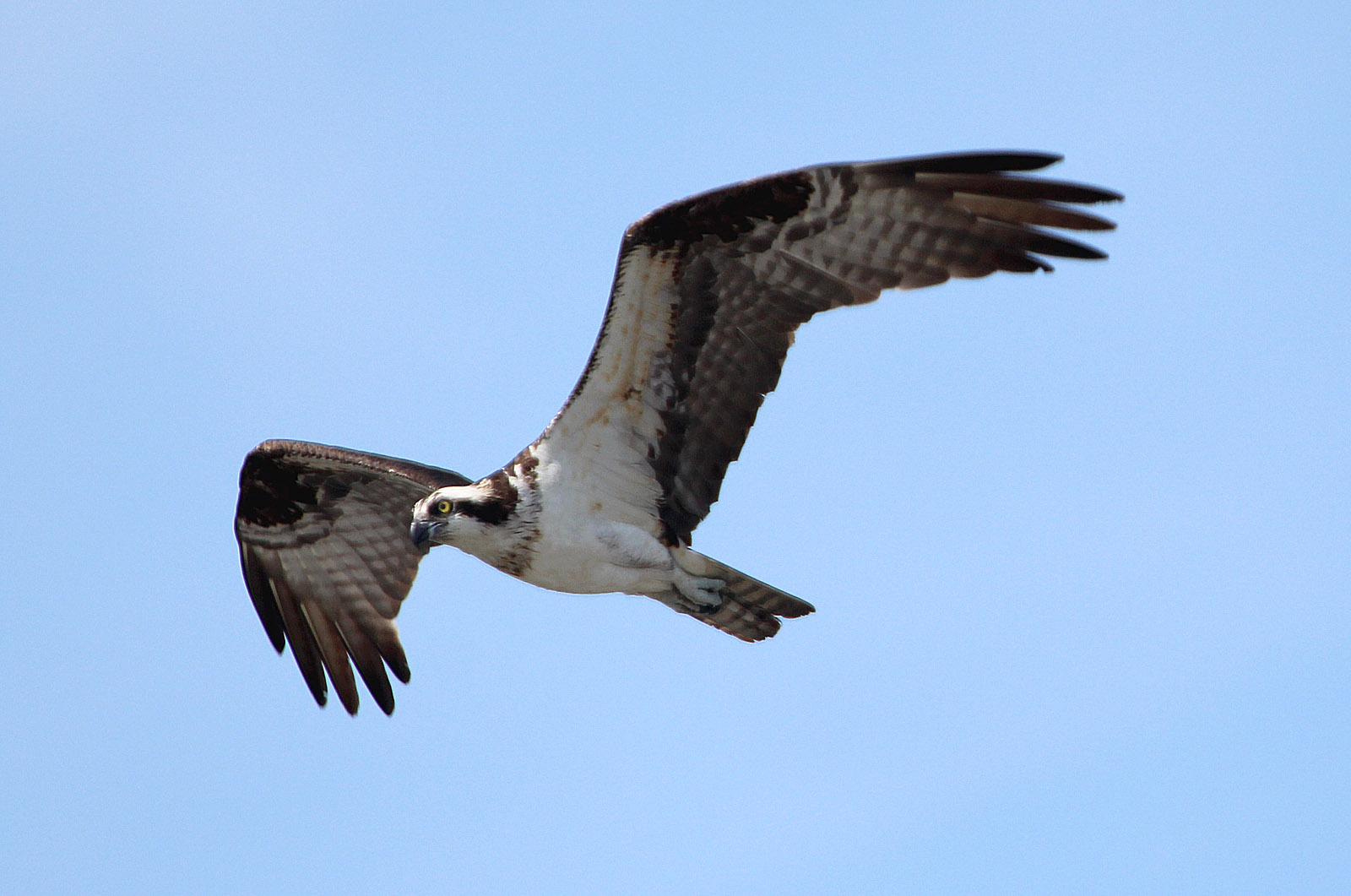
Photo by Chris Bosak An Osprey soars over the Norwalk River this summer.

Photo by Chris Bosak
An Osprey soars over the Norwalk River this summer.

The Osprey population in Connecticut, especially along the coast, is booming. That’s a good thing, of course, as Osprey are considered a keystone species, meaning they are at the top of the food chain and rely on the health of an environment at all levels. It speaks well for Long Island Sound.

Connecticut Audubon Society is calling on volunteers to help monitor this burgeoning population. Click below to learn more about the project and how you may be able to help.

Click here for more information.

Never mind Waldo, where’s the sandpiper?

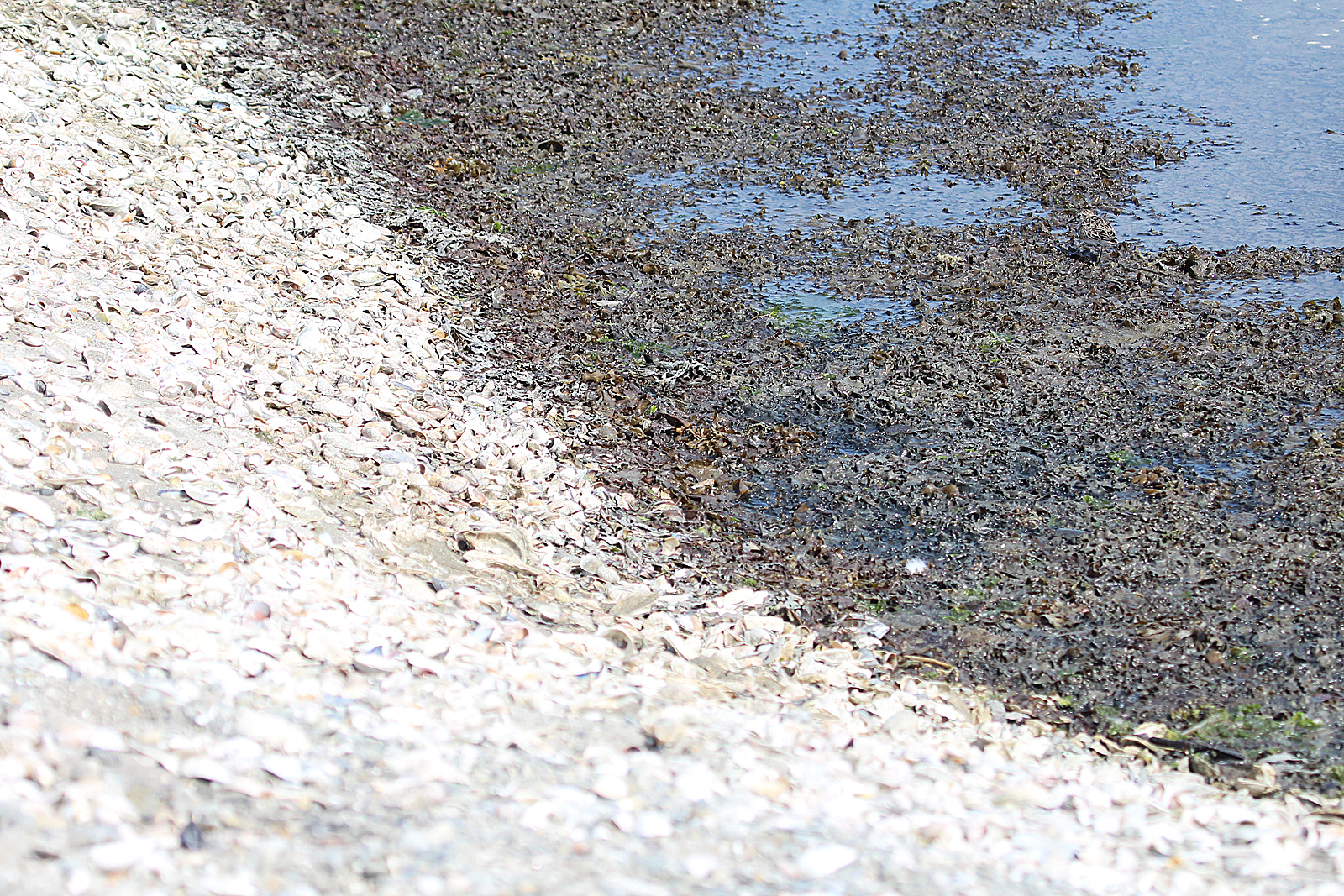
Photo by Chris Bosak Where's the Least Sandpiper in this photo?

Photo by Chris Bosak
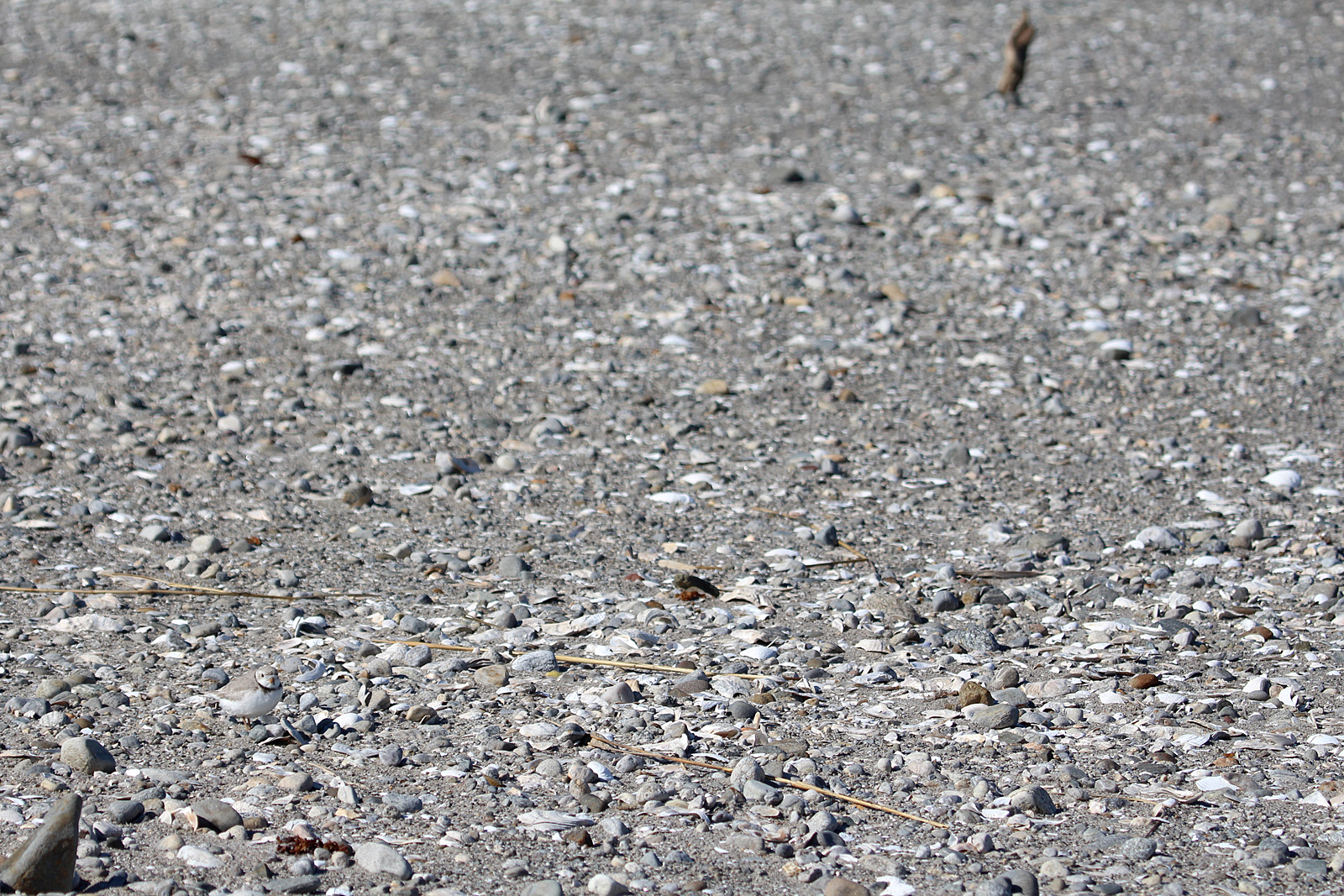
Where’s the Least Sandpiper in this photo?

You all did so well on the last “find the bird” quiz, that I figured I’d give you another one. This one, I have to say, is much more difficult with its two distinct sides of the photo (a dry side and wet side.)

I grabbed this photo of a Least Sandpiper while volunteering to monitor Piping Plovers and Least Terns at Coastal Center at Milford Point in Milford, CT. It demonstrates the challenges birdwatchers have when it comes to finding and identifying shorebirds. It’s no wonder why so many people refer to them all simply at “peeps.” The camouflage is remarkable. The eggs laid by shorebirds are even more amazingly camo’d.

More importantly, it demonstrates how well their coloration and markings make it difficult for predators, such as Peregrine Falcons, to spot them.

So good luck in finding the bird. As a small hint, the bird is small in the photo, but not impossible to find. I’ll post the answer in a few days. If you can’t wait and need more hints, drop me a line at bozclark@earthlink.net

If you missed the last one — in which a Piping Plover was hidden in the photo — here it is.

Thanks for checking out http://www.birdsofnewengland.com.

Osprey flying with fish in talons

Photo by Chris Bosak An Osprey flies with a fish at Milford Point in Milford, CT, June 2014.

Photo by Chris Bosak
An Osprey flies with a fish at Milford Point in Milford, CT, June 2014.

I saw the shadow in the sand and knew it was something big. I wheeled around and saw the Osprey flying with the fish and scrambled to try to get the bird in the view finder of my camera. I didn’t nail the photo by any stretch of the imagination, but the scene was pretty neat so I figured I’d share the subpar photo anyway.

This Osprey was photographed at Milford Point in Milford, CT, on Monday, June 16. It was flying the large fish back to its nest not far from the beach. The fish was plucked from Long Island Sound.

Osprey catch their fish and in midair adjust the catch in their talons to make it more aerodynamic.

Help protect shorebirds on the beaches this Memorial Day Weekend

Photo by Chris Bosak An American Oystercatcher walks along the beach at Coastal Center at Milford Point this spring.

Photo by Chris Bosak
An American Oystercatcher walks along the beach at Coastal Center at Milford Point this spring.
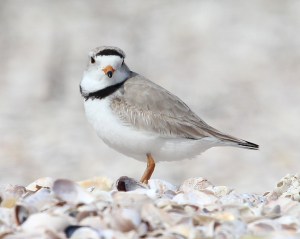
Photo by Chris Bosak Piping Plover at Coastal Center at Milford Point, April, 2014.

Photo by Chris Bosak
Piping Plover at Coastal Center at Milford Point, April, 2014.

I’ve been volunteering to monitor shorebirds at a Connecticut beach this spring. This involves looking for Piping Plovers, American Oystercatchers and other birds that rely on coastal areas to raise their families. I’ve found several nests of plovers and oystercatchers and it’s a thrill to know they are using our beaches to raise the next generation of shorebirds. The areas are roped off and nests are further protected by fencing.

Until now, traffic has been fairly light on the beaches. A few beach walkers, some with dogs on leashes, are all I’ve come across. (Of course I monitor the birds on Monday mornings, so beach traffic is expected to be light.) But with the Memorial Day weekend upon us, beach traffic will increase tremendously — just at a time when the birds are most vulnerable with eggs and babies to take care of.
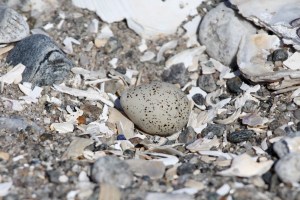
Photo by Chris Bosak Piping Plover egg. Plovers typically lay four eggs in their nest, which is nothing more than a small depression in the ground.

Photo by Chris Bosak
Piping Plover egg. Plovers typically lay four eggs in their nest, which is nothing more than a small depression in the ground.

When you visit beaches this weekend and throughout the summer, please keep in mind that shorebirds may be nesting nearby and to give them a wide berth. The most vulnerable areas along our beaches are roped off, so mind the barriers and keep dogs on leashes (if dogs are even allowed at your favorite beach.) The crowded beaches are not likely to have nesting shorebirds, but be mindful when visiting the less traveled coastal areas.

Thank you and have a great weekend.

Here’s more information from the American Bird Conservancy on protecting shorebirds.
 

White-winged Scoter hanging out with shorebirds

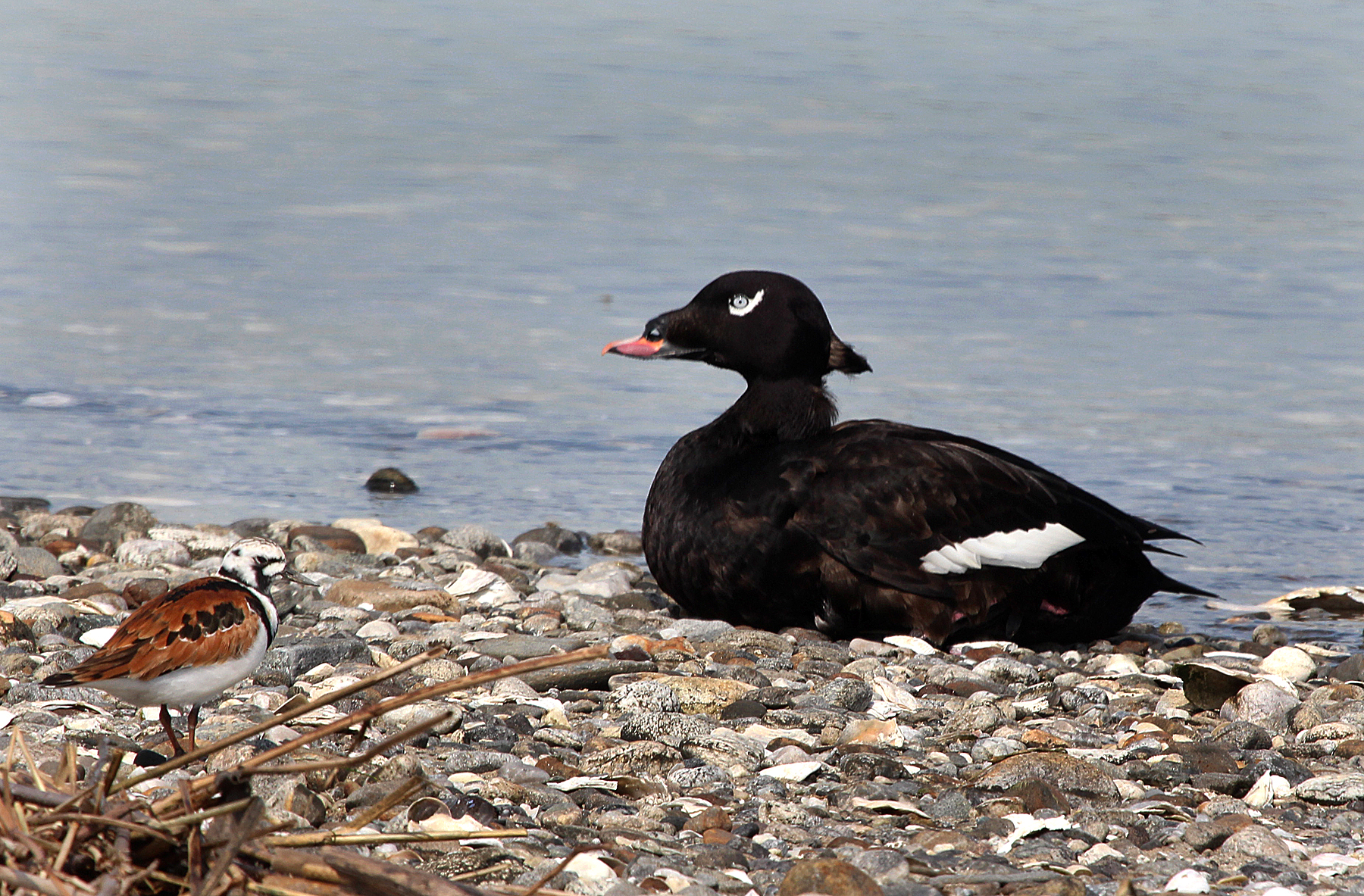
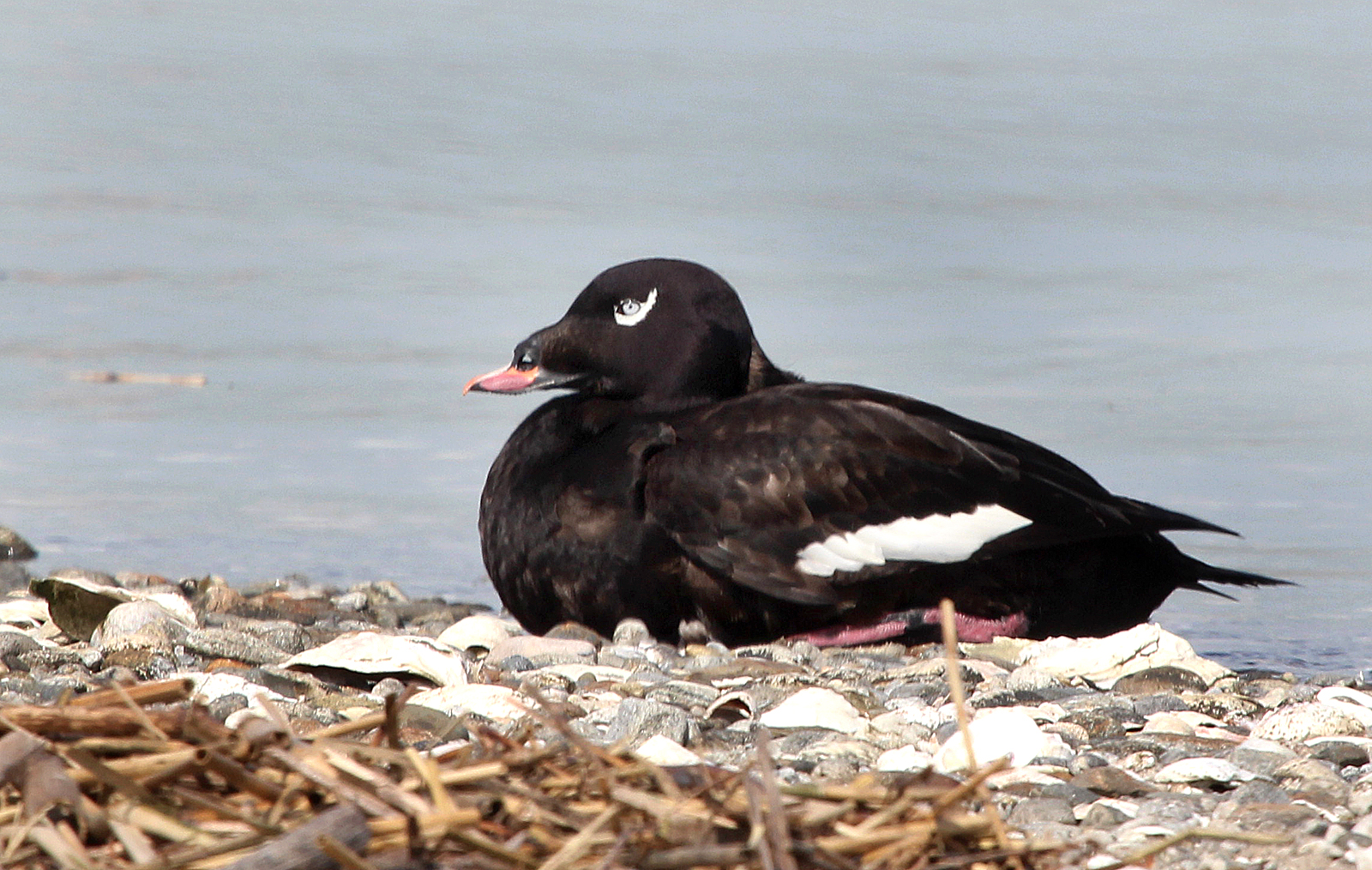
Photo by Chris Bosak A White-winged Scoter rests on the beach as a Ruddy Turnstone shares the area at Coastal Center at Milford Point on Monday, May 12, 2014.

Photo by Chris Bosak
A White-winged Scoter rests on the beach as a Ruddy Turnstone shares the area at Coastal Center at Milford Point on Monday, May 12, 2014.

While doing my weekly volunteer shorebird monitoring at Coastal Center at Milford Point, I came across a surprise bird on the beach. A White-winged Scoter, usually a bird I see in the distance on the waters of Long Island Sound during the winter, was sitting on the beach with dozens of little (in comparison) shorebirds.

It was an odd scene to see the scoter resting on the beach as Ruddy Turnstones, Dunlin and Semipalmated Plovers scampered all around it.

Scoters are large sea ducks. Three types are seen along the New England coast: Surf; Black; and White-winged.

The day also included sightings of Peregrine Falcon (a young one sitting on the beach), Least Terns, Brant, American Oystercatcher, Piping Plover, Lesser Yellowlegs, and other shorebirds.

Photo by Chris Bosak White-winged Scoter at Milford Point, Connecticut, May, 2014.

Photo by Chris Bosak
White-winged Scoter at Milford Point, Connecticut, May, 2014.

Shorebird quiz time: Find the Piping Plover

Photo by Chris Bosak Piping Plover at Coastal Center at Milford Point, Conn., April 2014.

Photo by Chris Bosak
Piping Plover at Coastal Center at Milford Point, Conn., April 2014.

My latest For the Birds Column focuses on the Audubon Alliance for Coastal Waterbirds, or in other words, volunteering to monitor Piping Plovers, Least Terns, American Oystercatchers and other shorebirds. The program is important in order to help protect these threatened birds. (See the column here.)

To give you an idea of the challenges faced by volunteers in finding Piping Plovers, here’s a fun little quiz for everybody. When on the beach you really have to look for motion in order to find the birds most of the time as they blend in so terrifically with their beach surroundings. With that in mind … the task of the quiz is simple: find the Piping Plover in the above photo.

Let me know how you did. I’ll post the answer later this week for those who can’t find it.

Look who’s back on the bridge (Peregrine Falcon)

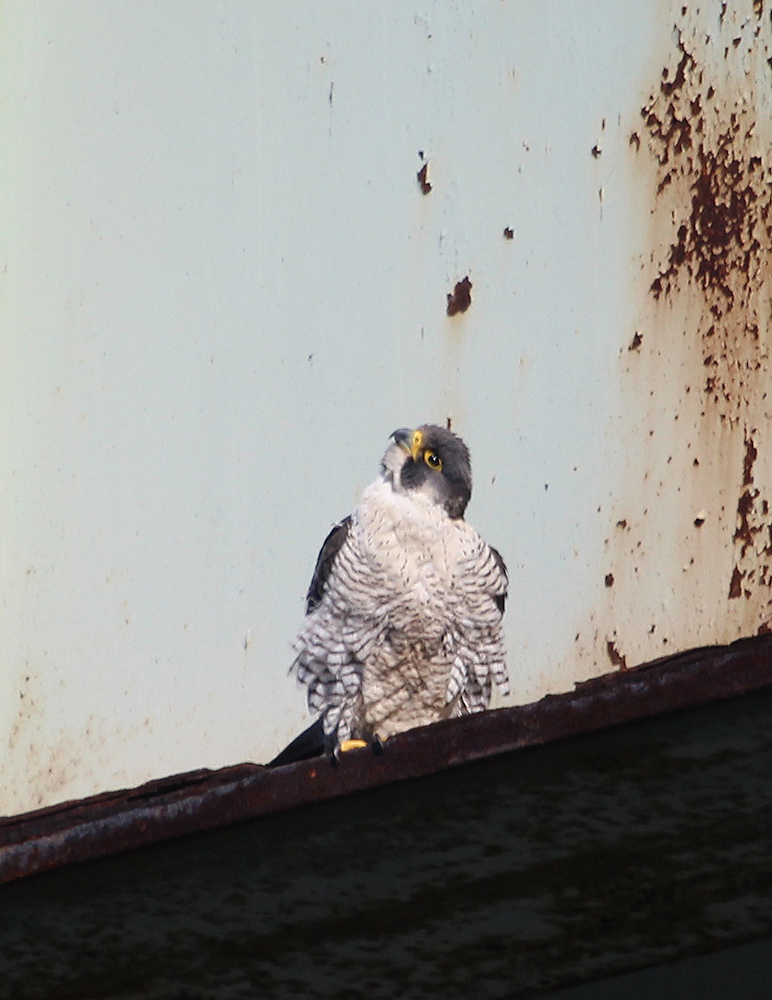
Photo by Chris Bosak Peregrine Falcon on Yankee Doodle Bridge on I-95 in Norwalk, Conn., April 2014.

Photo by Chris Bosak
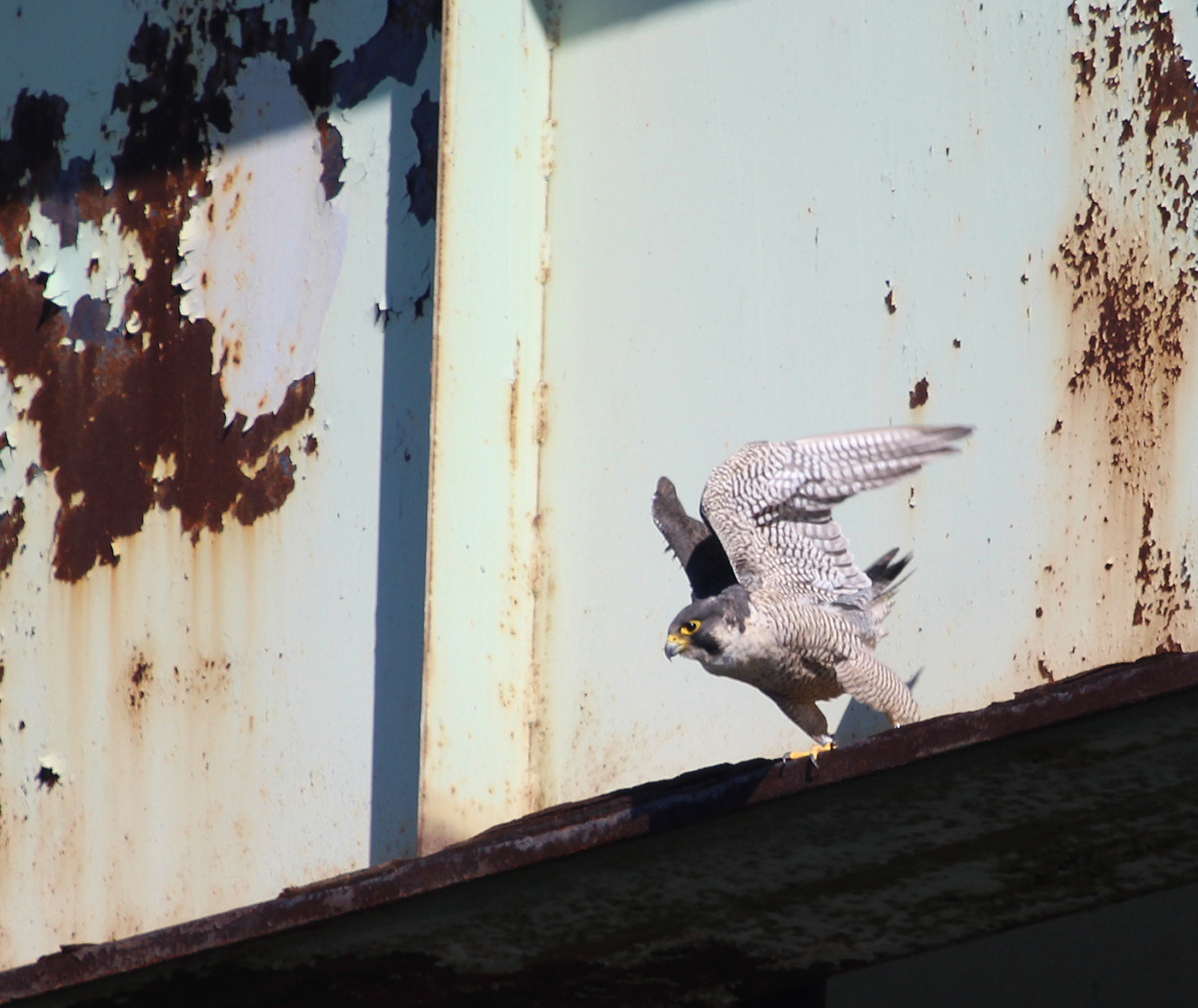
Peregrine Falcon on Yankee Doodle Bridge on I-95 in Norwalk, Conn., April 2014.

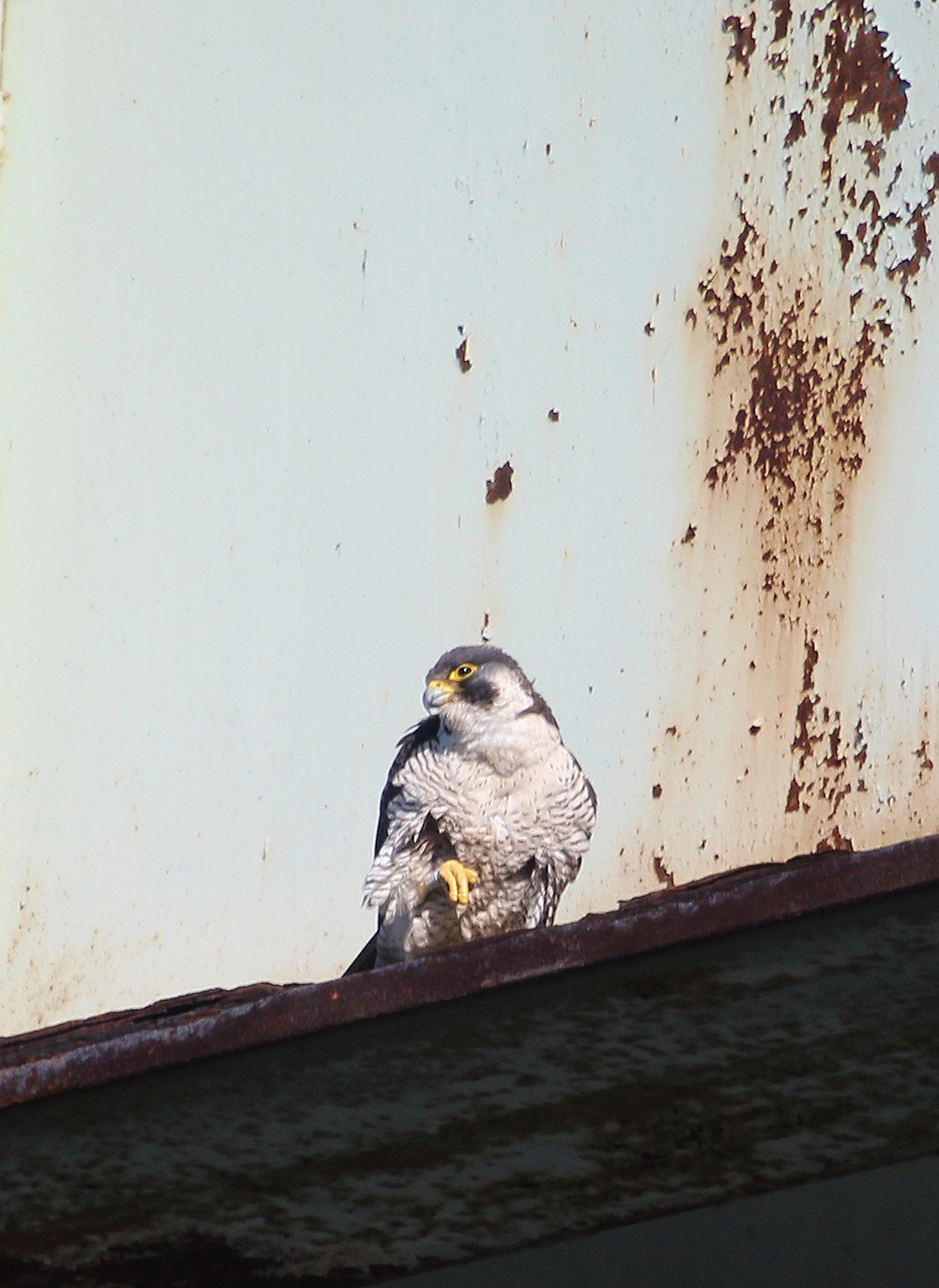
Two years ago a Peregrine Falcon pair nested and fledged two chicks under the bridge right next to where I work in Norwalk, Conn. I was lucky enough to see the birds every day as they flew, hunted and screeched around the Yankee Doodle Bridge (I-95).

The birds do not nest there anymore — which surprises me because they were successful when they tried two years ago — but they do come to the bridge fairly often. It’s a rare week that I don’t see them and typically it’s a few times a week I see them perched on the bridge. I like my work anyway, but seeing the falcons gives me another thing to look forward to as I start my days.

What birds brighten your days? Comment or email me to let me know.

More photos:

Photo by Chris Bosak Peregrine Falcon on Yankee Doodle Bridge on I-95 in Norwalk, Conn., April 2014.

Photo by Chris Bosak
Peregrine Falcon on Yankee Doodle Bridge on I-95 in Norwalk, Conn., April 2014.

Photo by Chris Bosak Peregrine Falcon on Yankee Doodle Bridge on I-95 in Norwalk, Conn., April 2014.

Photo by Chris Bosak
Peregrine Falcon on Yankee Doodle Bridge on I-95 in Norwalk, Conn., April 2014.