For the Birds: Nothing like finding migrating American oystercatchers

Photo by Chris Bosak
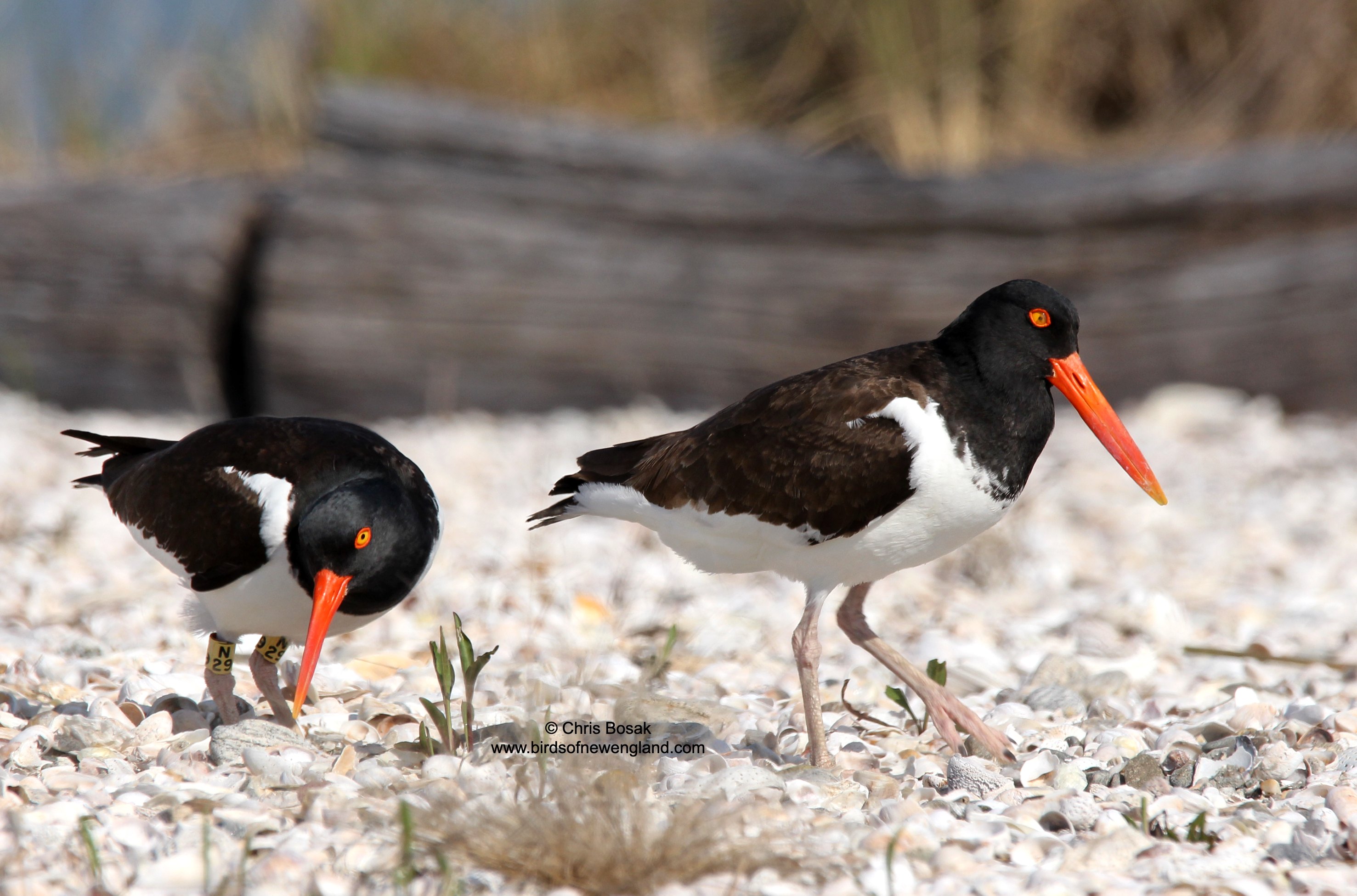
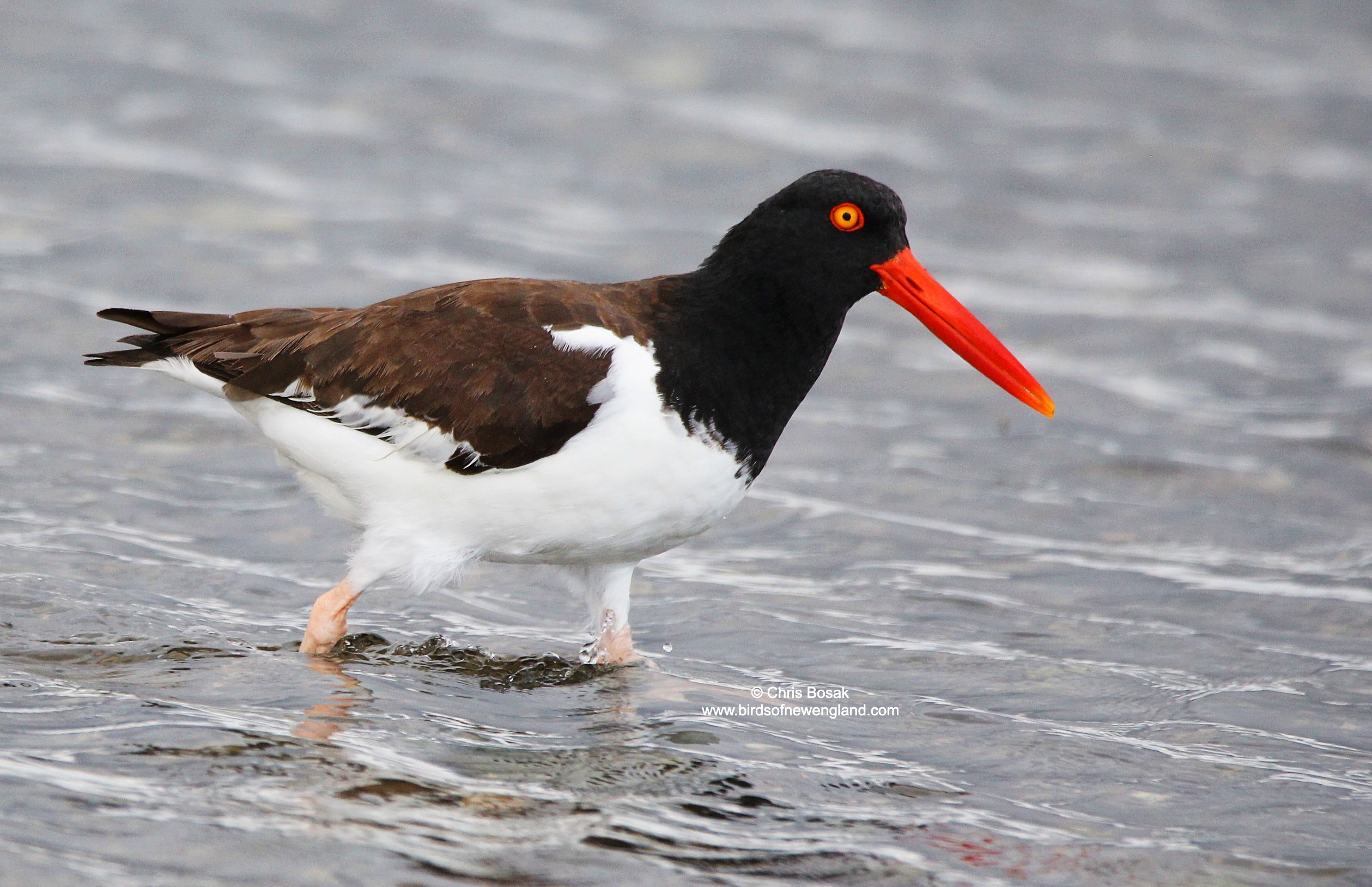
American oystercatcher, summer in New England.

A few weeks ago, I previewed the fall hawk watch season and encouraged anyone interested in seeing that spectacle to head to the nearest hawk watch site.

Mid-September is the prime time for hawk watches, so get out there now if you can.

There is a lot more to fall birdwatching than hawk watches, of course. Songbirds are heading south in large numbers too. Presumably, there are many more songbirds passing through New England in the fall than in the spring with all the first-year birds making their initial southward journey.

With all the excitement around hawks and songbirds, it’s easy to forget about the shorebird migration, which can be equally as fun. Shorebirds are an often underrated category of birds and it’s understandable considering most people do not live near the coast. Sure, certain shorebirds may be found along the edges of lakes, ponds and rivers, but they are usually found as individuals or pairs. On the other hand, the coasts of the ocean and Long Island Sound may hold flocks of dozens or even hundreds of shorebirds. 

I visit from time to time a preserve on Long Island Sound in southern New England. American oystercatchers, among other birds, nest there and may be seen in pairs in the spring and summer. If a pair is successful in raising young, then, of course, the family unit will swell to three or four birds.

If a visit is timed right during fall migration, however, a dozen or more oystercatchers may be seen together on the shore poking around for food to fuel their southern migration. 

Such was the case the other day when my friend Wayne and I visited the preserve. We hadn’t had a lot of luck on our previous walks in the woods looking for songbirds, but the trip to the shore more than made up for the previous birdless walks. 

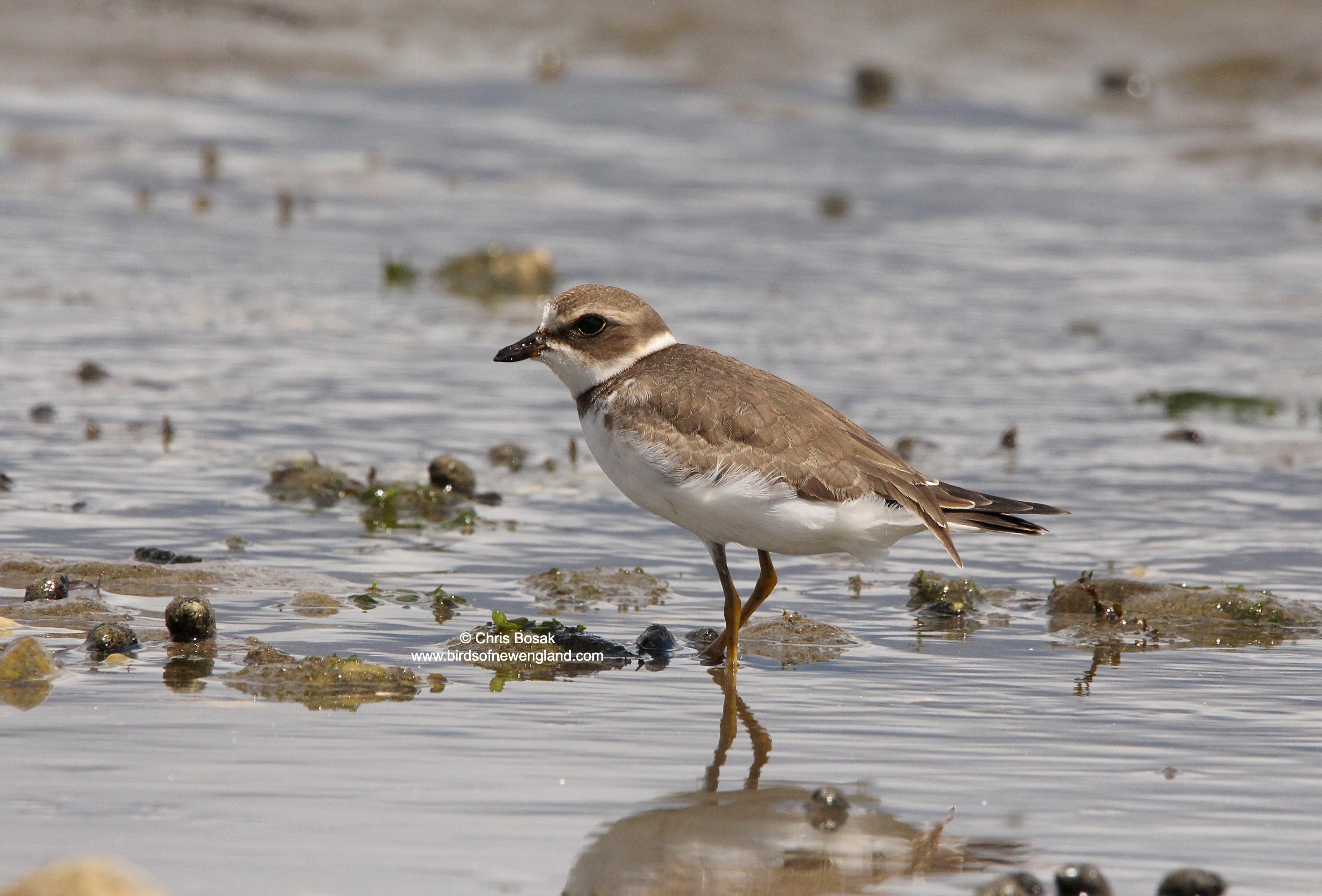
The walk along the shore got off to a slow start as well. We had walked about 15 minutes before we saw our first bird, a semipalmated plover. They are small shorebirds that could easily be mistaken for a killdeer. 

As it turns out, there were three plovers foraging together, not a single bird. That happens often when looking for shorebirds. What starts out as a sighting of one bird quickly turns into several birds as they eventually all come into view as they move among the rocks, shells and sand.

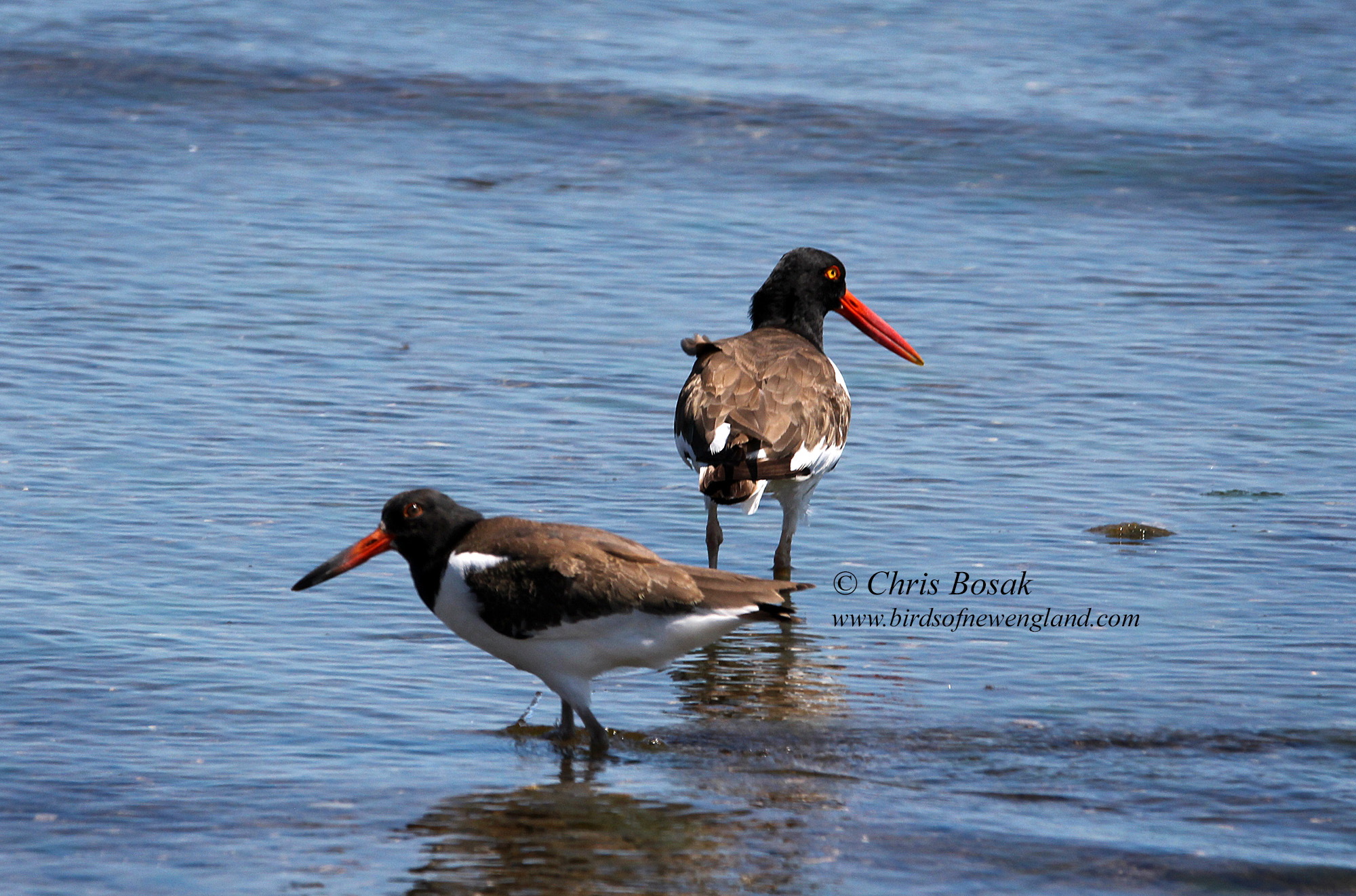
Finally, as we neared the end of the out-and-back walk, we spotted the oystercatchers. It started as a lone bird flying across the scene, uttering its high-pitched, repetitive call. We followed that bird until it landed on the mudflats. Once our eyes were trained on the shallow pool, one of several pools left over from high tide, we saw the rest of the oystercatchers. There were a dozen or more of the flashy, large shorebirds.

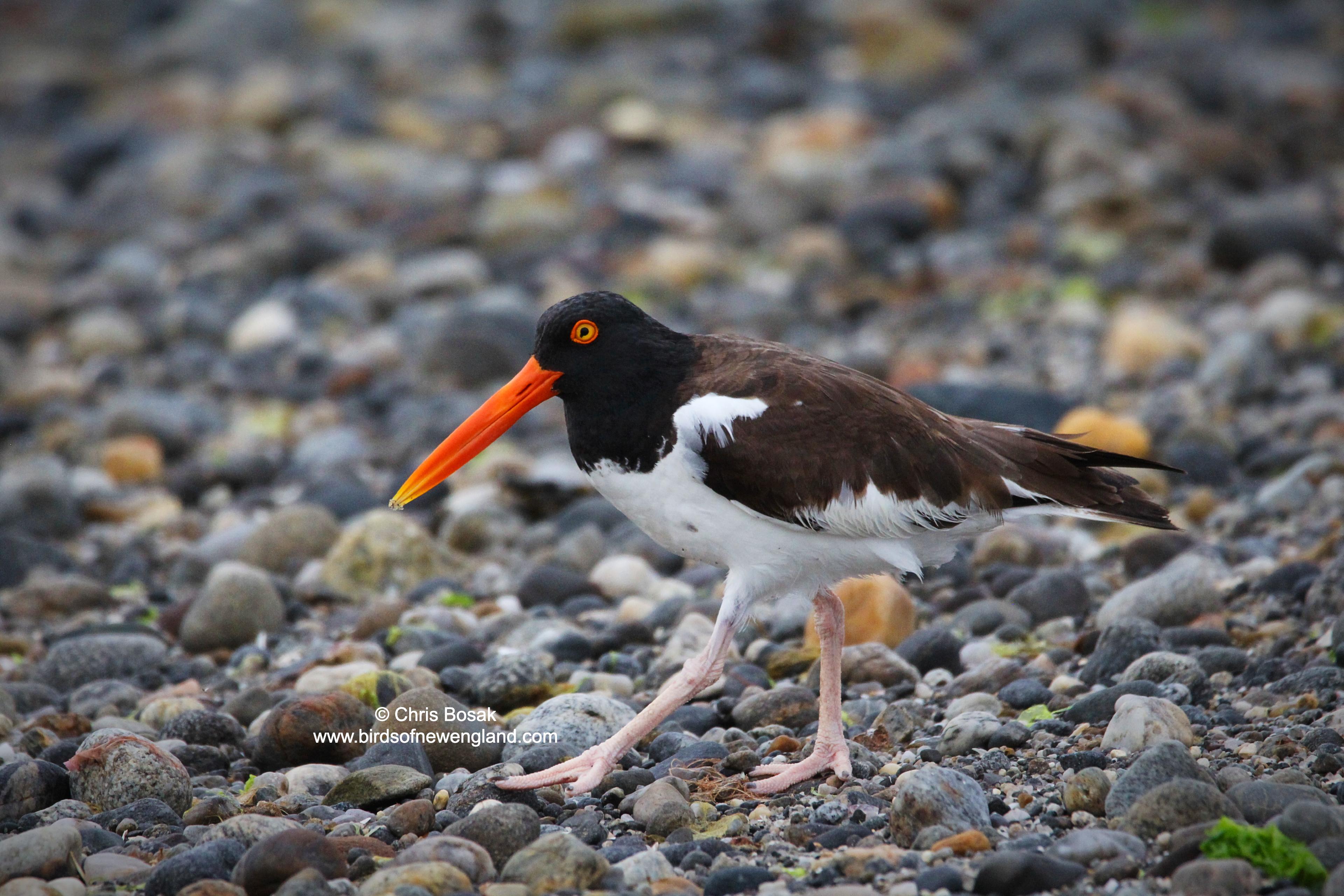
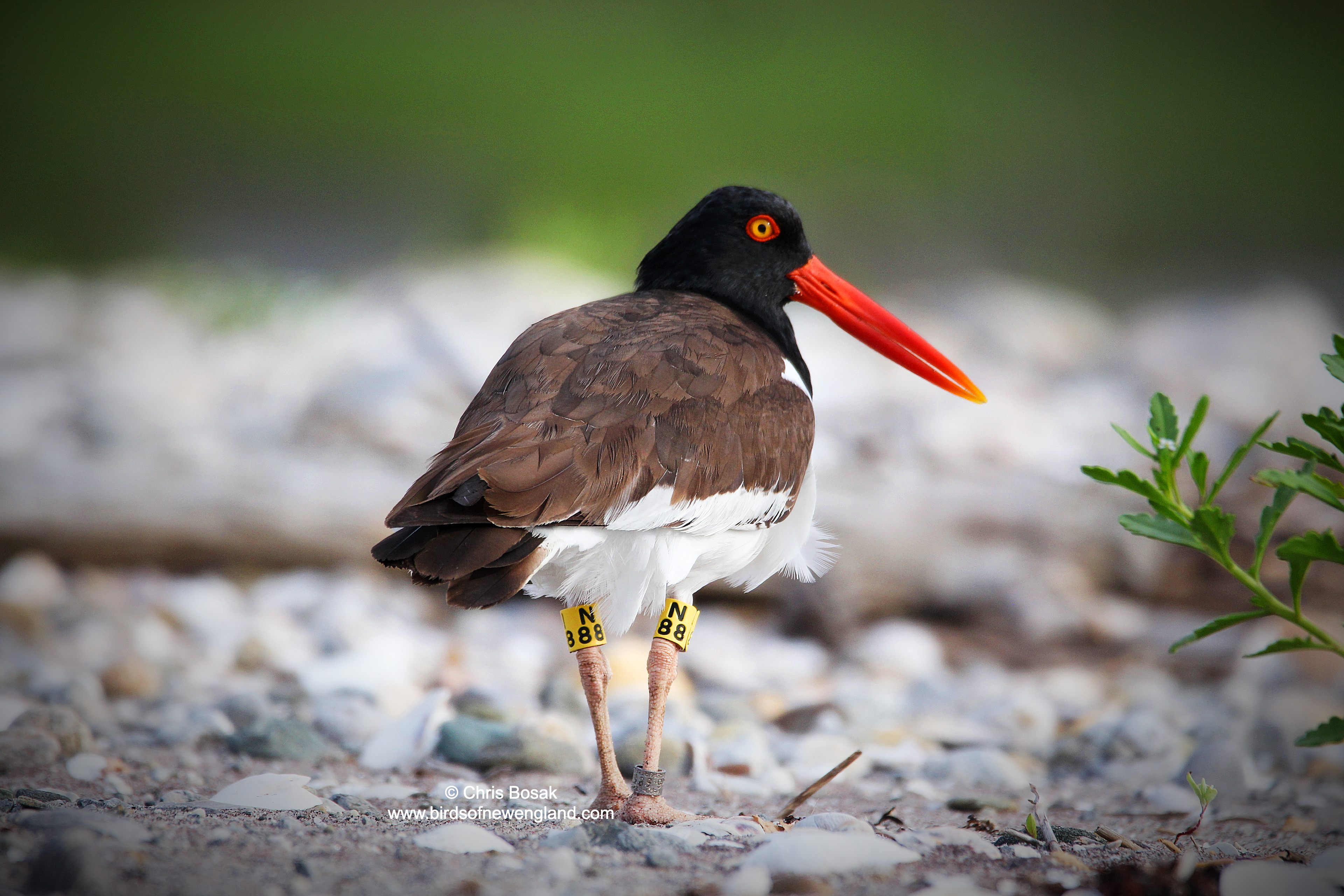
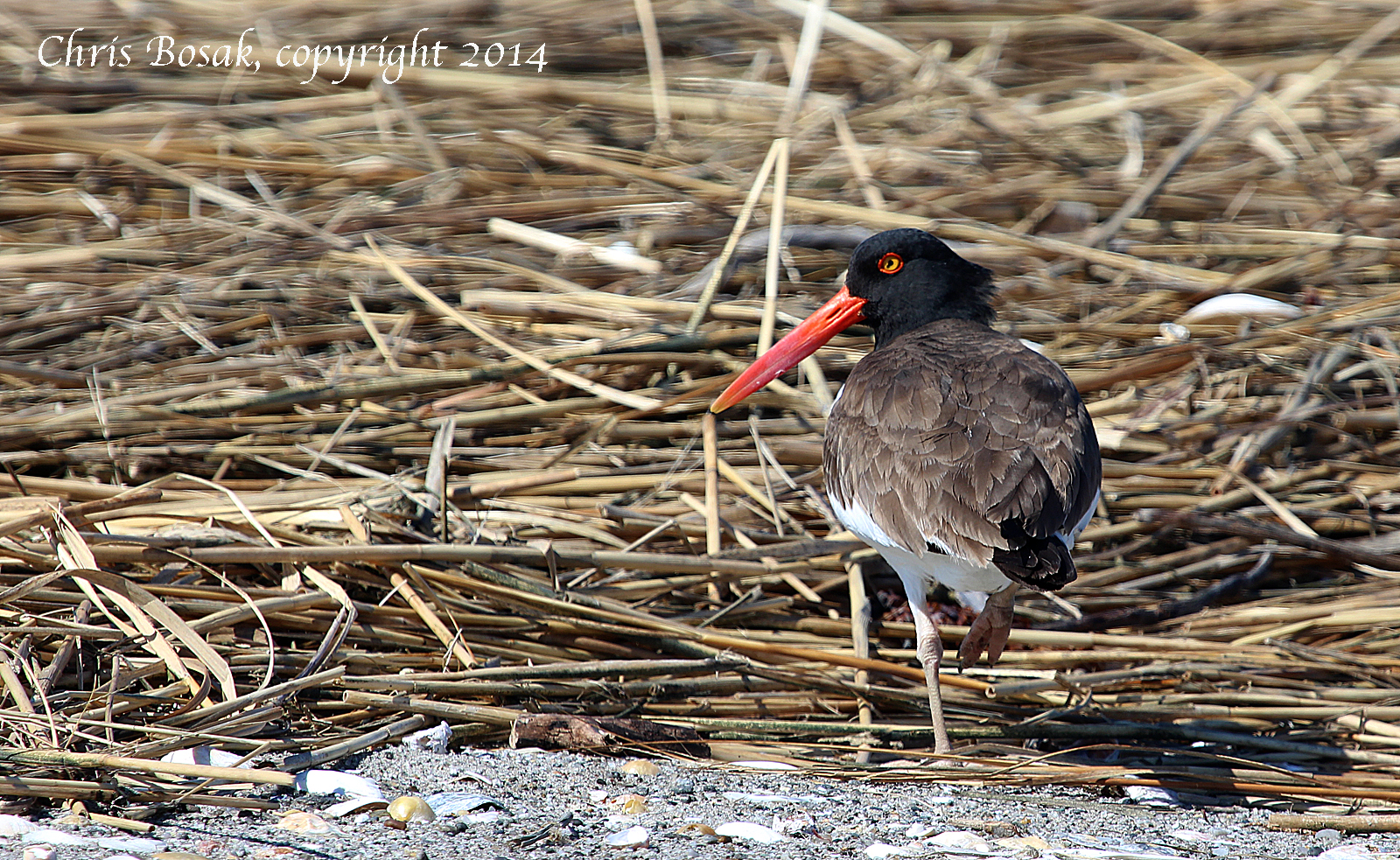
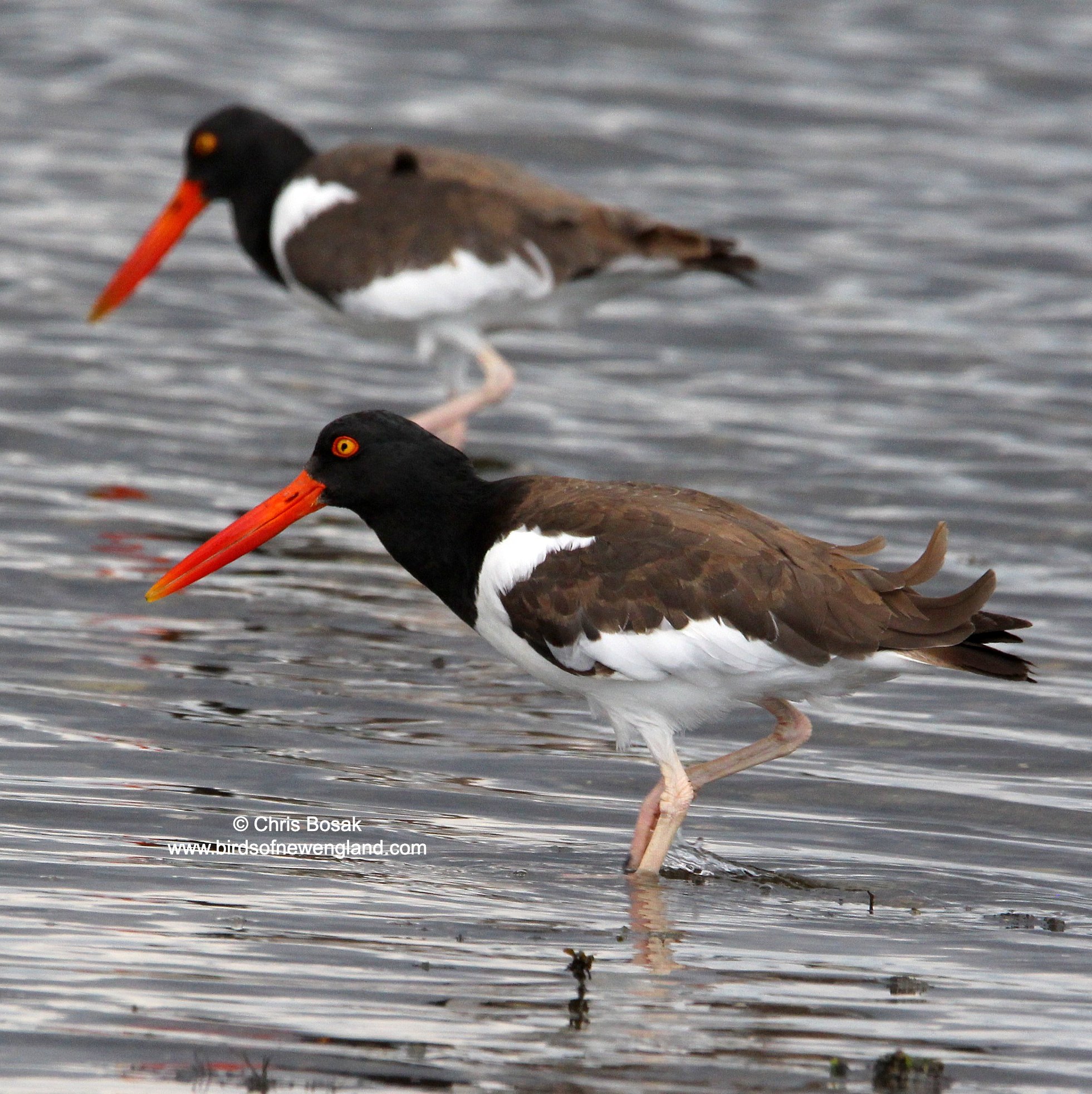
American oystercatchers have black heads and chests, brown backs and wings, and white underparts. The interesting parts of the oystercatcher are the eyes and bill. They have yellow eyes with a black middle and noticeable red eyering. The bills are long, sturdy and bright orange. To see a dozen or more together is a magical sight. 

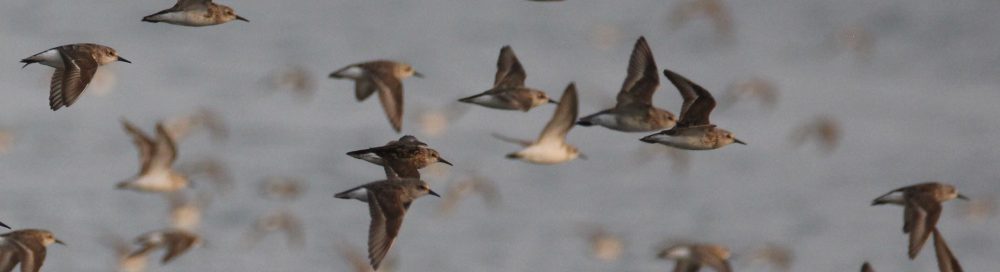
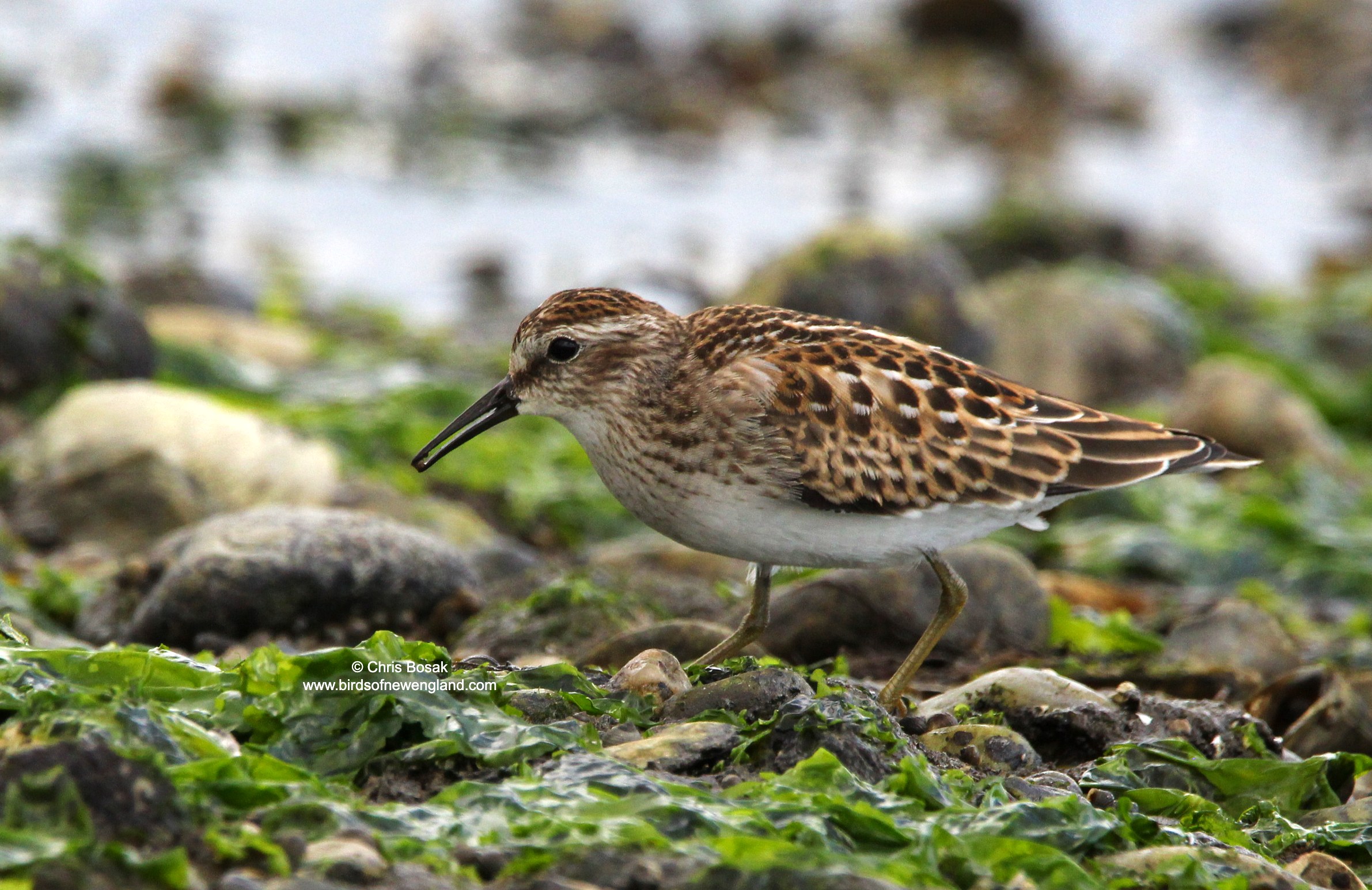
As we walked along the mudflats toward the oystercatchers, I was again reminded how well some shorebirds blend in with their environment. At one point, I got to within about five feet of a least sandpiper before it quickly scurried away from me. If it hadn’t moved, I probably would have walked right past it. Then, of course, five or six more least sandpipers suddenly appeared, seemingly out of nowhere.

Eventually, I got close enough to photograph the oystercatchers. The first couple photos I got were of banded birds with two coded rings around each leg. The others were not banded. A lone black-bellied plover joined the oystercatchers on the hunt, while a few snowy egrets worked the shoreline a few yards away.

American oystercatchers are one of those birds I never tire of seeing and, no matter how many times I’ve seen them before, it’s always like I’m seeing them for the first time. Loons evoke a similar emotion. To catch them during migration in large numbers is that much better.
A few shorebirds from Labor Day Weekend walk

Photo by Chris Bosak
American oystercatcher, summer in New England.

My friend Wayne and I took a walk at a preserve along the coast of southern Connecticut on Labor Day Weekend and found a dozen or more American oystercatchers, three semipalmated plovers, a small flock of least sandpipers, and a black-bellied plover. A few waders (snowy egret, great egret, yellow-crowned night heron) were around too.

Photo by Chris Bosak
Least sandpiper, late summer in New England.
Photo by Chris Bosak – Semipalmated plover, late summer New England.

For the Birds: The shore comes through again

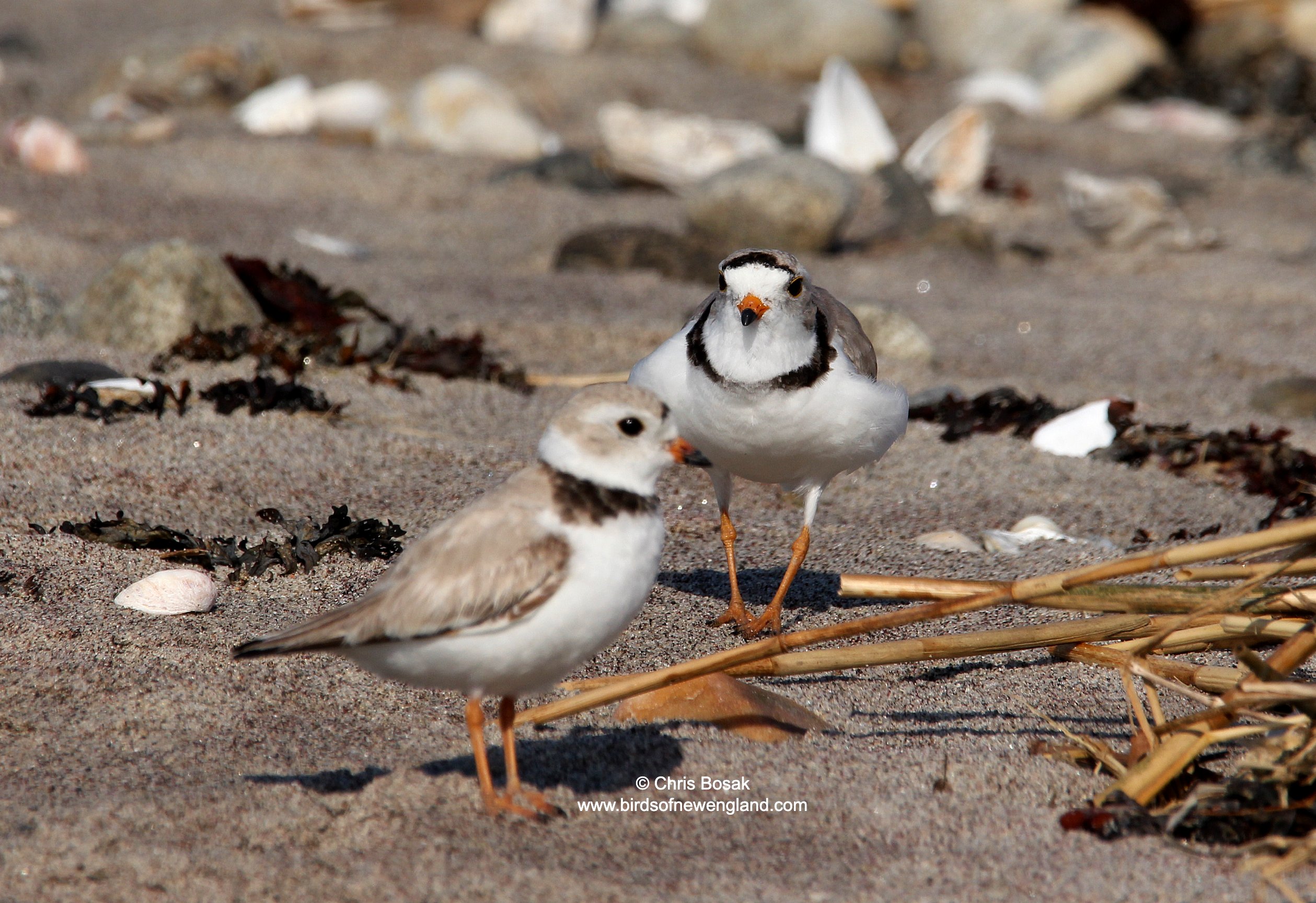
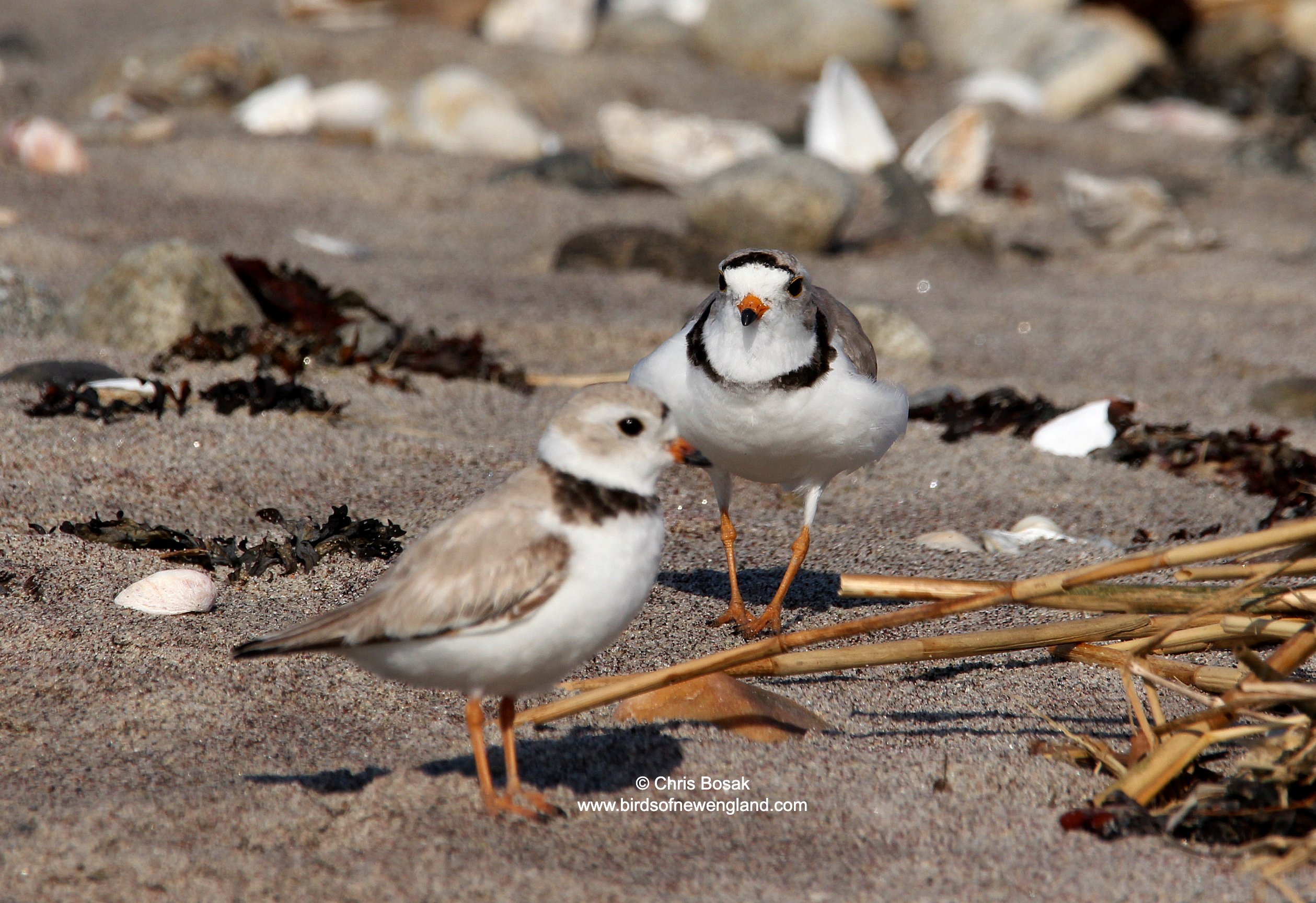
Photo by Chris Bosak – A male piping plover (background) moves toward a female plover at Milford Point, April 2026.

The spring migration has certainly begun, but it is still in the building-up phase.

I took a few walks in the woods over the last few days and saw some very welcomed migrants, such as pine warbler, palm warbler, yellow-rumped warbler and Louisiana waterthrush. 

When migration is just picking up, however, the action can be hit or miss. In a few weeks, the action will be all hits all the time, and I’m sure we are all looking forward to that.

While those first migrants are great to see after a long winter, they also whet the appetite to see more spring migrants. The woods will be hit or miss for the next several days anyway, so the other day I went to a spot where I knew I would see a few old feathered friends that I hadn’t seen since last summer.

Continue reading →

Piping plovers and oystercatchers highlight trip to shore

Photo by Chris Bosak
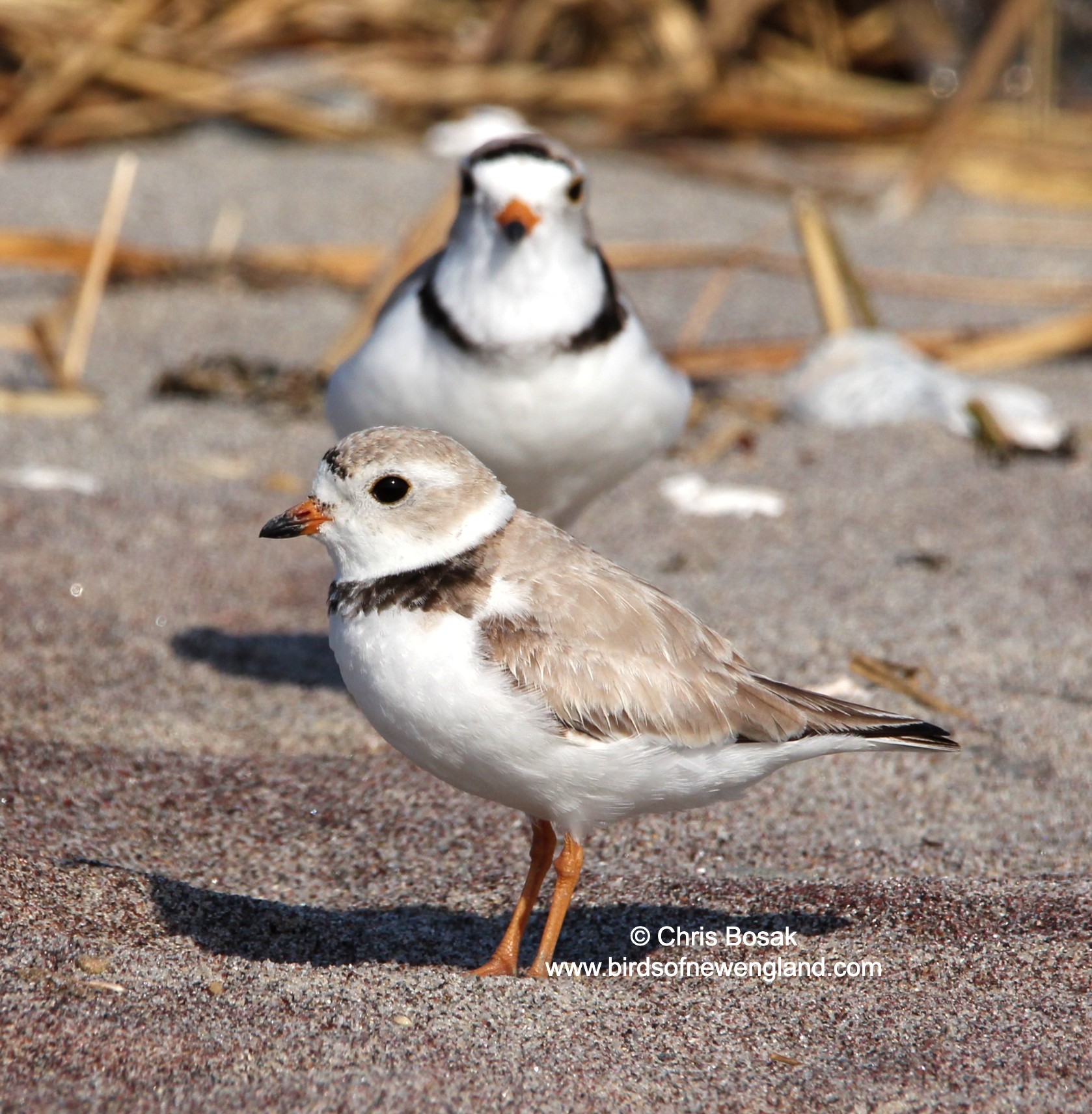
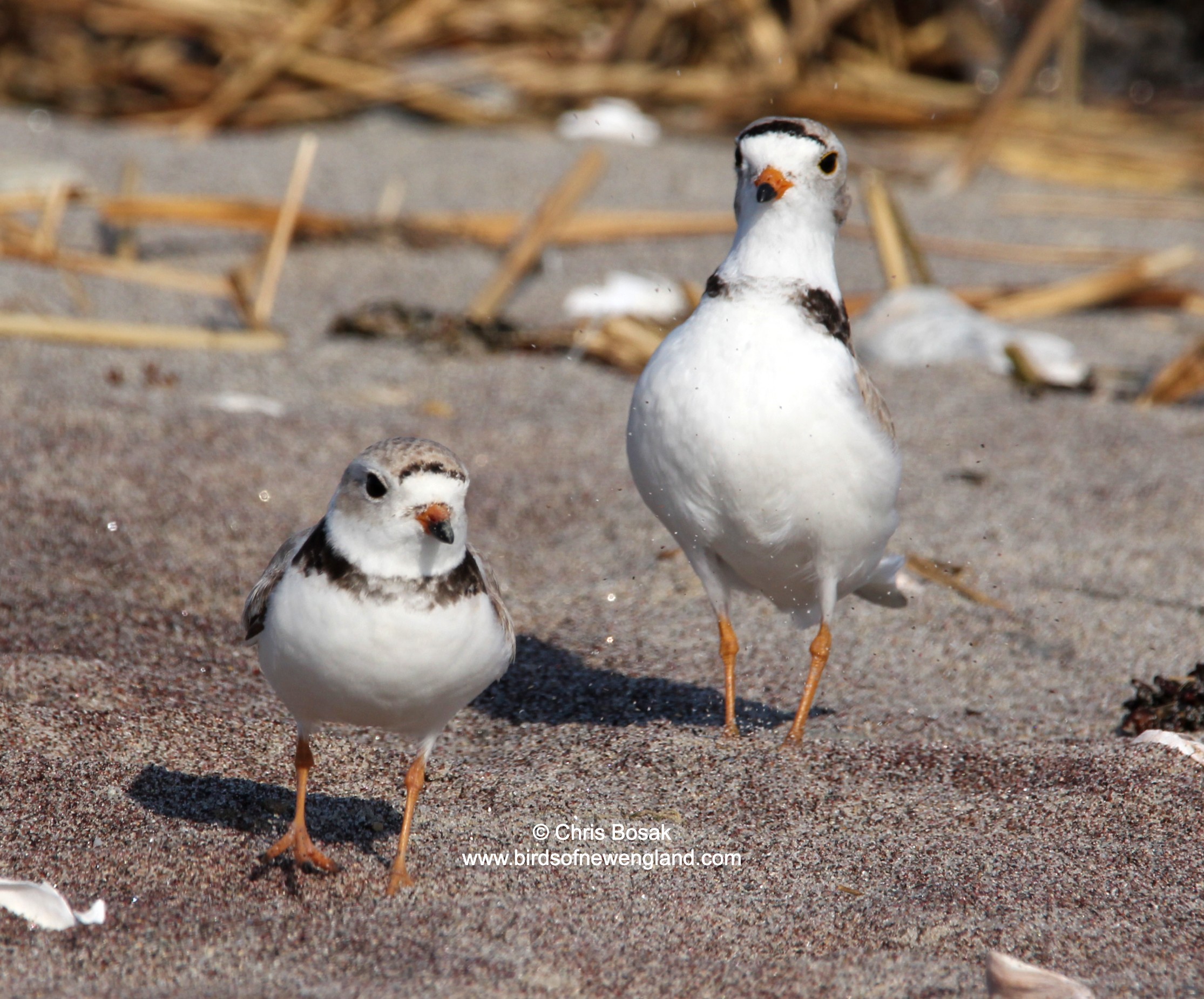
A male piping plover (back) pursues a female at Milford Point in New England, April 16, 2026.

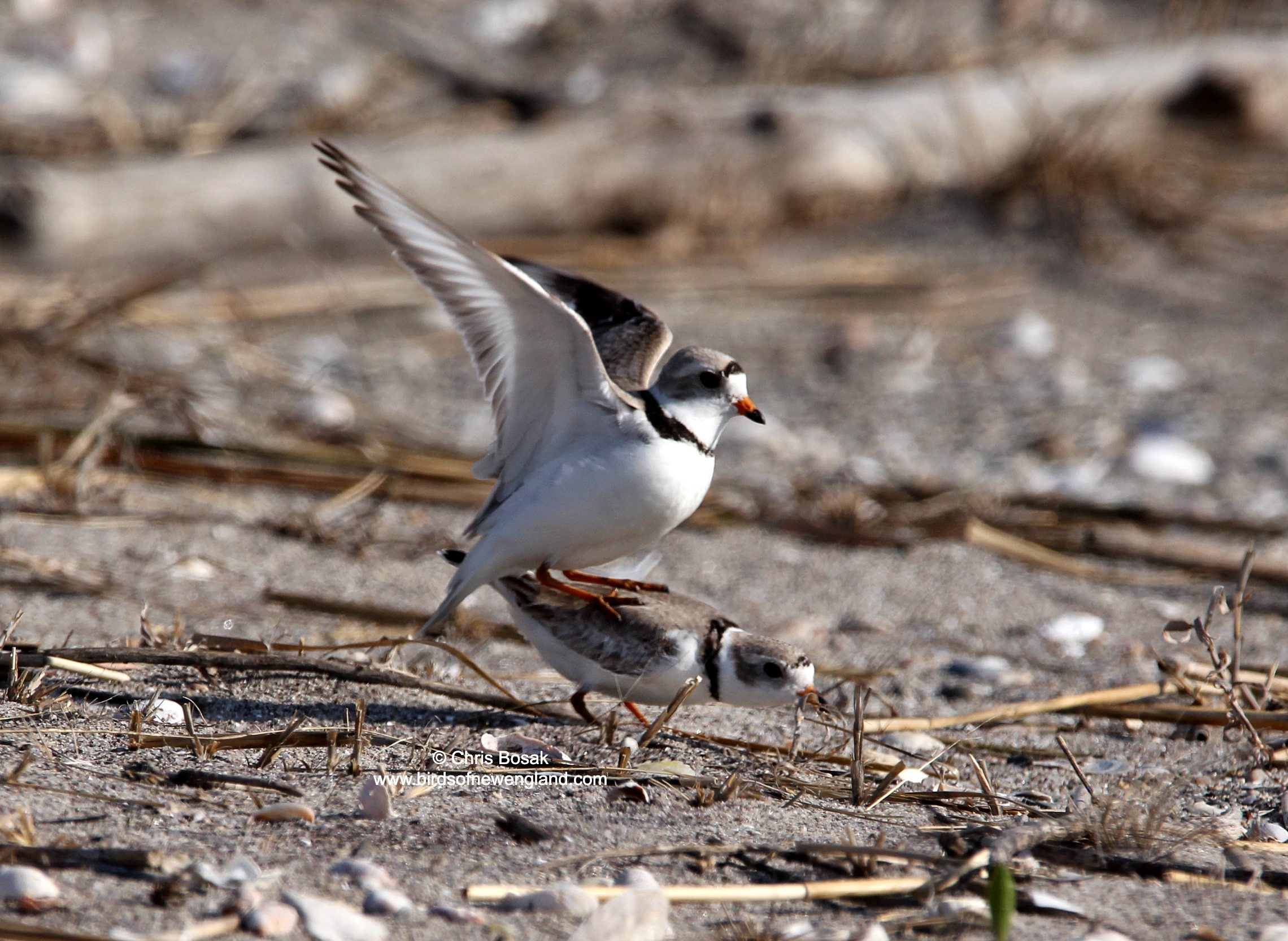
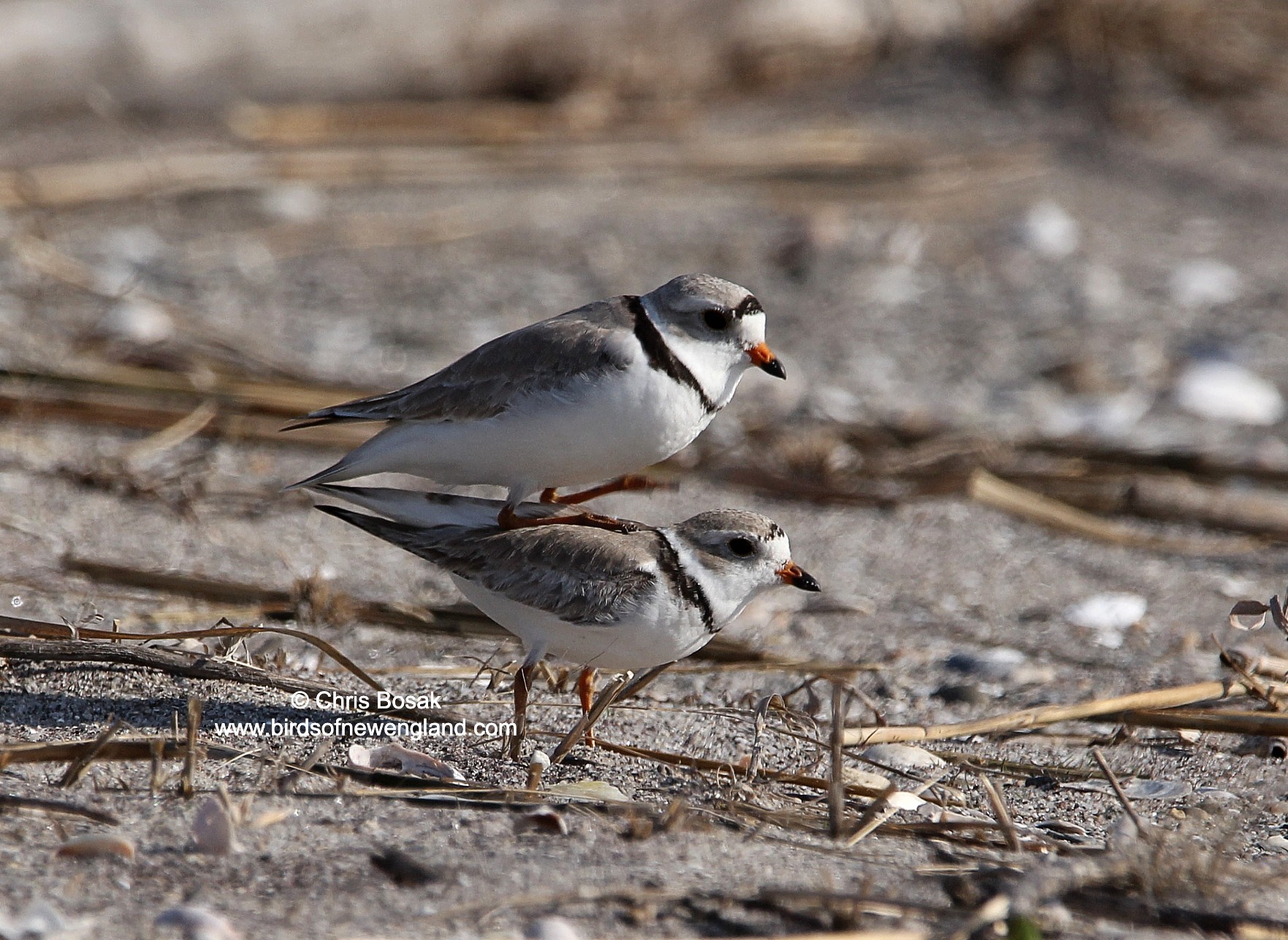
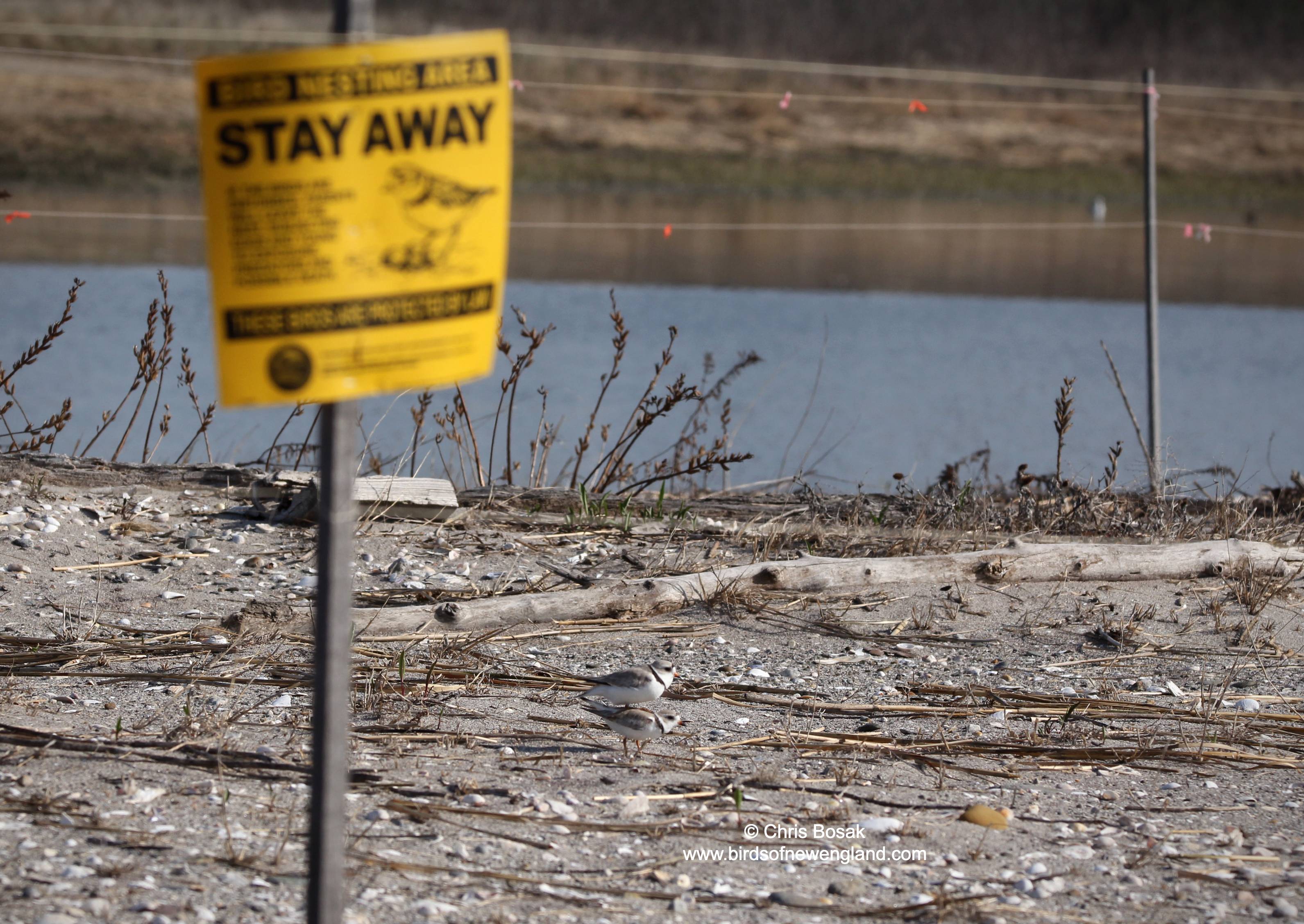
I took a trip to the Connecticut Audubon Society Coastal Center at Milford Point today to see piping plovers, American oystercatchers, and whatever else may be around. I timed it nicely, as I found several piping plover pairs doing their mating ritual and even saw one pair copulating.

The male plovers followed the females around the rocks and sand, standing tall and performing a type of stomp dance with their feet and legs. It was quite entertaining.

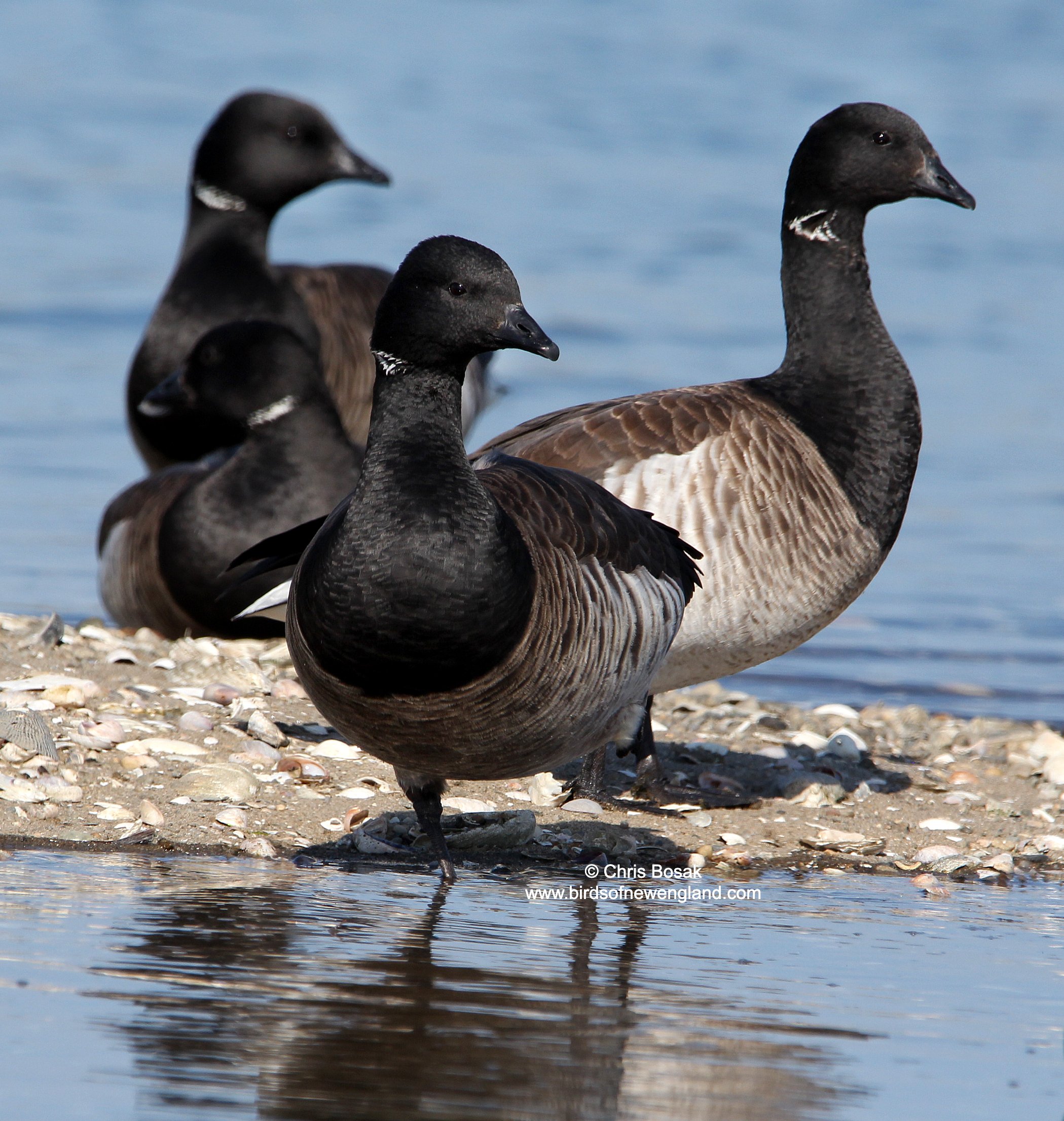
While the plovers and oystercatchers were the highlight, there were dozens (hundreds maybe) of brant still hanging around New England.

Photo by Chris Bosak
A male piping plover (back) pursues a female at Milford Point in New England, April 16, 2026.
Photo by Chris Bosak
A male piping plover (back) pursues a female at Milford Point in New England, April 16, 2026.
Photo by Chris Bosak
Piping plovers copulate at Milford Point in New England, April 16, 2026.
Photo by Chris Bosak
Piping plovers copulate at Milford Point in New England, April 16, 2026.
Photo by Chris Bosak
Piping plovers copulate at Milford Point in New England, April 16, 2026.
Photo by Chris Bosak
American oystercatcher pair at Milford Point in New England, April 16, 2026.
Photo by Chris Bosak
Brant at Milford Point in New England, April 16, 2026.
Photo by Chris Bosak
A male piping plover (back) pursues a female at Milford Point in New England, April 16, 2026.

A few more oystercatcher photos

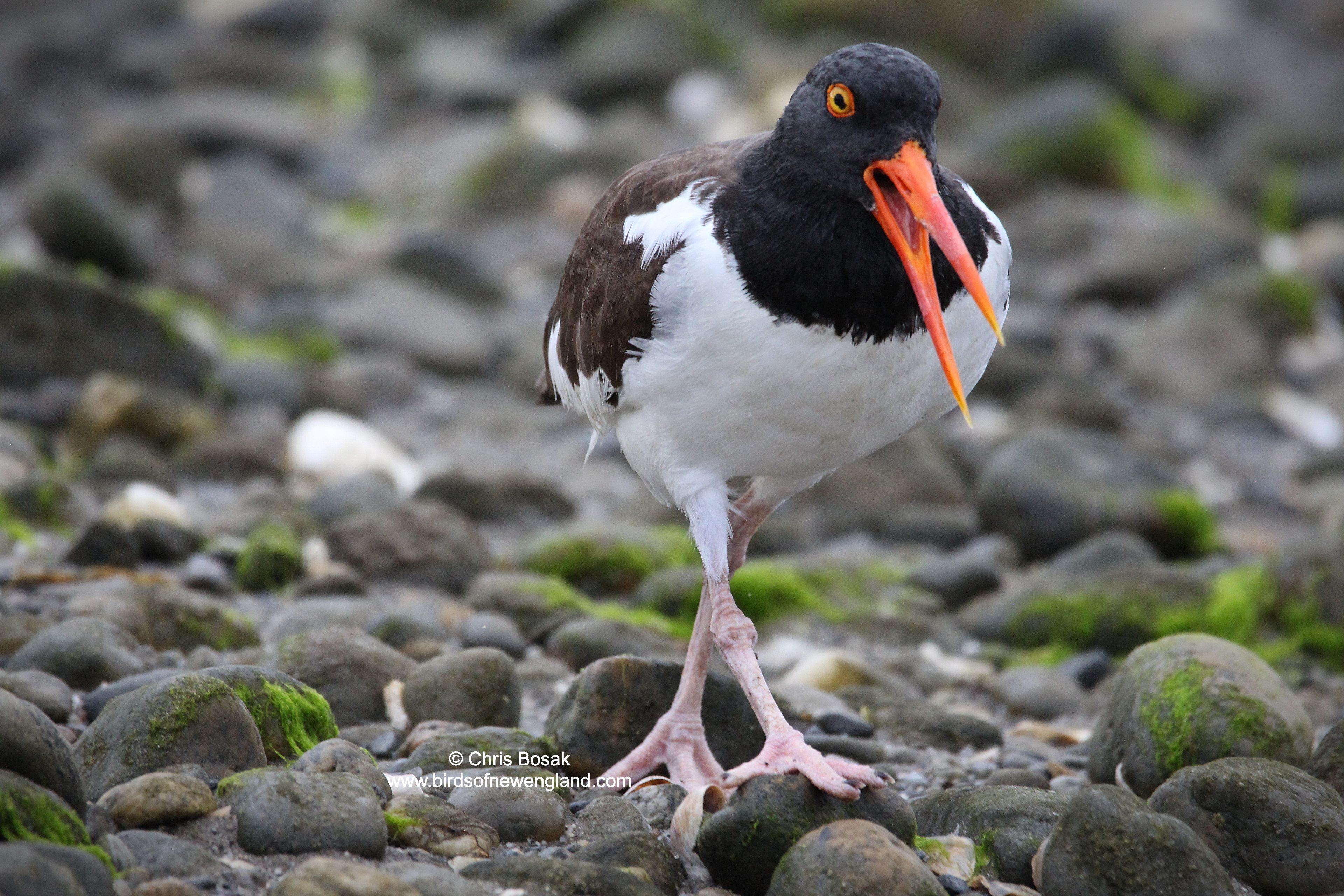
Photo by Chris Bosak American oystercatcher, Milford, Connecticut, summer 2025.

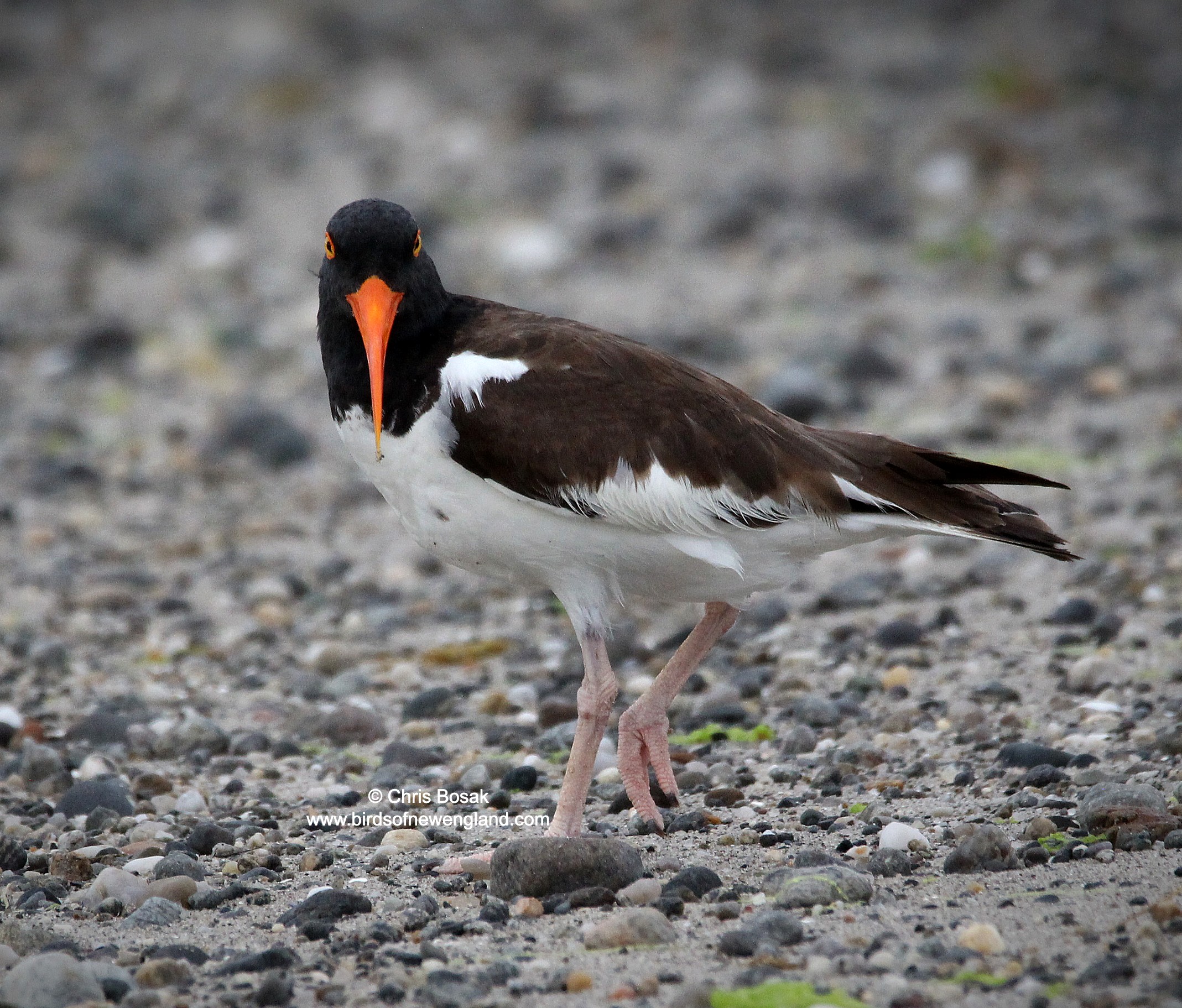
Following up on yesterday’s post, here are a few more American oystercatcher photos. I find both of these photos rather humorous. The top photo looks like an unhappy customer storming away from the counter. The bottom photo looks like an oystercatcher giving someone the evil eye.

Here’s the original post with more photos, including an oystercatcher chick.

Photo by Chris Bosak American oystercatcher, Milford, Connecticut, summer 2025.

Hard to beat an American oystercatcher sighting

Photo by Chris Bosak American oystercatcher, Milford, Connecticut, summer 2025.

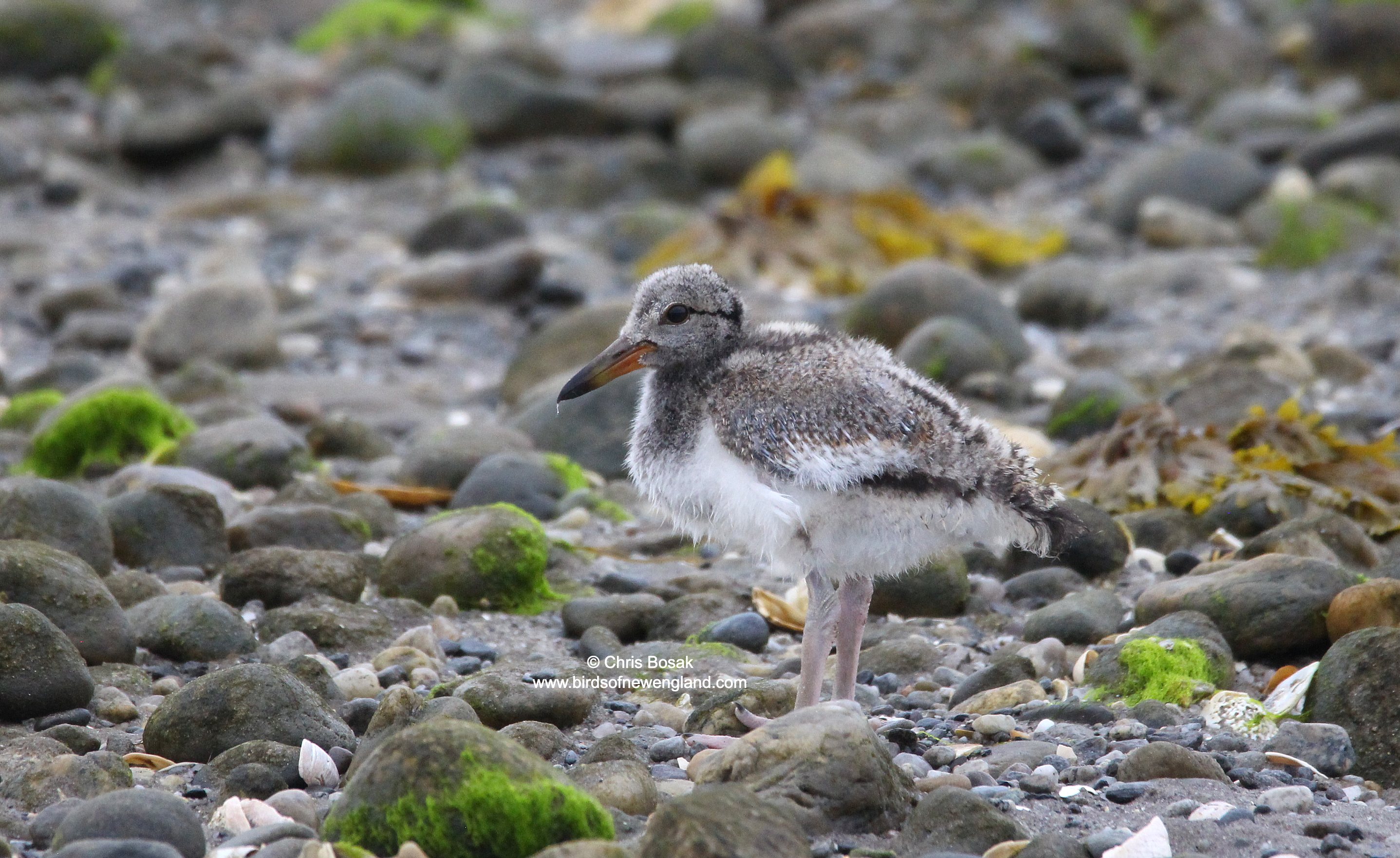
They aren’t particularly rare, especially if you know where to look, but American oystercatchers are always a thrill to see. I saw these beauties during a short birdwalk at Connecticut Audubon Society Coastal Center at Milford Point the other day. One of the coolest looking birds in New England, if you ask me. Check out the youngster below.

More information about the American oystercatcher may be found here.

Photo by Chris Bosak American oystercatcher, Milford, Connecticut, summer 2025.
Photo by Chris Bosak American oystercatcher chick, Milford, Connecticut, summer 2025.

For the Birds: A day at the beach

Photo by Chris Bosak American oystercatcher along the shore of Long Island Sound, summer 2023.

Last week I wrote about the joys of birding in the sweltering August heat. A few days after writing the column, I took my own advice and visited a beach on Long Island Sound in southern Connecticut.

It turns out that I actually know what I am talking about every so often as I had a great time looking at the birds along the shore. The action started before I walked out of the parking lot as three ospreys soared overhead. Their “ki-ki-ki” call drew my attention and subconsciously turned my eyes upward to the sky.

As I walked along the shrubby area to get to the beach, a catbird and a few song sparrows provided a warm-up for the birding action that lay just ahead.

Continue reading →

Long Island Sound V

Photo by Chris Bosak An American Oystercatcher walks along the beach at Milford Point in Connecticut, April 2014.
Photo by Chris Bosak
An American Oystercatcher walks along the beach at Milford Point in Connecticut, April 2014.

Here’s another shot taken on or near Long Island Sound, in recognition of the Connecticut Audubon Society’s 2019 State of the Birds report. The press release that summarizes the findings may be found here. The full report will be available via PDF on January 1.

Here’s the link to my original posting, which explains why I’m posting so many photos of the Sound.

For the Birds: The amazing oystercatcher

Here is the latest For the Birds column, which runs in several New England newspapers.

An American Oystercatcher seen at Milford Point during the summer.

An American Oystercatcher seen at Milford Point during the summer.

Most birds make a statement with their plumage, be it with bright and flashy colors or muted, subtle tones.

Some birds stand out from the crowd with other features, such as the heron’s long legs, the Atlantic puffin’s oversized bill, an owl’s huge eyes, or the northern mockingbird’s incredible repertoire of songs.

One New England bird seems to make a statement with everything it does. The American oystercatcher is large, has handsome brown, black and white plumage, has strikingly colorful features, and is loud and conspicuous.

Despite all this, the oystercatcher still seems to fly under the radar of the birding world’s consciousness. It is strictly a coastal bird and is somewhat wary, Continue reading →

Clearing out my 2014 photos, Take 1: American Oystercatcher

Photo by Chris Bosak An American Oystercatcher walks along the beach at Milford Point in Connecticut, April 2014.

Photo by Chris Bosak
An American Oystercatcher walks along the beach at Milford Point in Connecticut, April 2014.

I was trying to find something on my computer’s desktop recently and just couldn’t find it for the life of me. I knew it was there and I knew I kept somehow looking right past it. Yet, it escaped my view.

My eyes eventually fixed upon it, but the whole experience got me thinking. Why did I have such a hard time trying to find that damn file? The answer was blatantly obvious. I have way too much sh … stuff on my desktop. I looked at the contents of my desktop and many are folders of photos I took during 2014. Some contained photos I used for one reason or another, and some contained photos that never saw the light of day: not in a column, website posting, nothing.

So with this posting, I’ll start showing some of the photos that I “never got around to” in 2014. It will force me to go through the folders, clean up my desktop and, hopefully, give visitors to this site some nice, until now never-before-seen New England wildlife photos. I’ll post several photos over the next few days. I hope you like these almost-forgotten photos.