
Here’s the second installment of Singing in the Spring. The field sparrow looks more like a typical sparrow than the previously featured eastern towhee, but a close look reveals a handsome bird with subtle beauty.

Here’s the second installment of Singing in the Spring. The field sparrow looks more like a typical sparrow than the previously featured eastern towhee, but a close look reveals a handsome bird with subtle beauty.

It won’t be long until white-throated sparrows become more scarce as they head north and become less conspicuous for the breeding season. Until then, there are still photo opportunities like this …


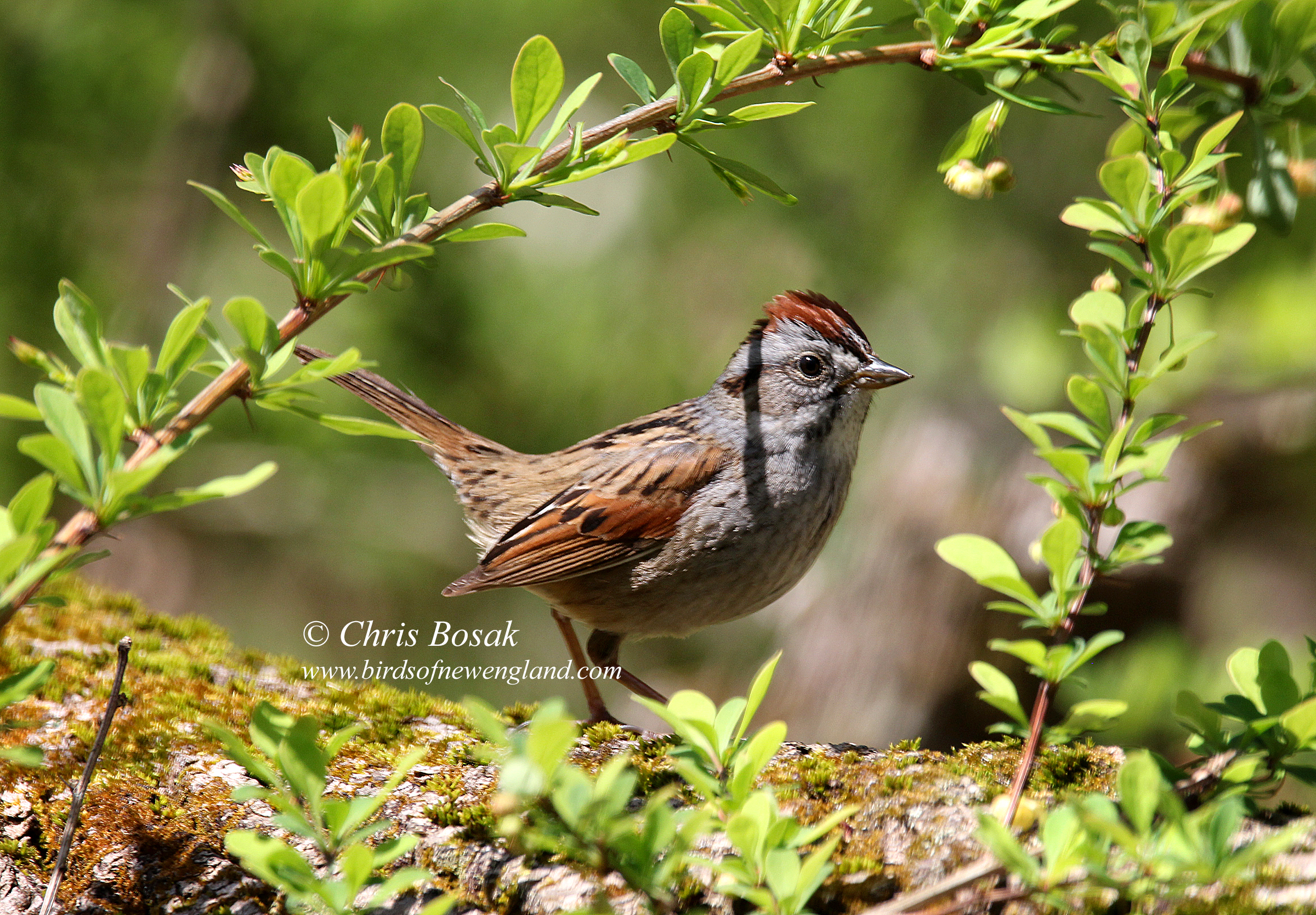
Yesterday, we looked at the field sparrow, and discussed how habitat is often an important factor in identifying sparrows. Today, it’s the swamp sparrow. I found this bird lurking near a swampy (no surprise there) area during a recent walk.
Again, borrowing a description from allaboutbirds.org, here’s what they say about the habitat of the swamp sparrow: “Swamp Sparrows nest only in wetlands. In the northern parts of the range, they use fens and bogs that have patches of open water, especially those dotted with shrubs. They also nest in peat bogs with little open water. Through most of the breeding range, look for them in freshwater marshes with cattail, sedges, and other tall reeds, rushes, or grasses; these areas often have willows or alders around their edges.” More information may be found here.
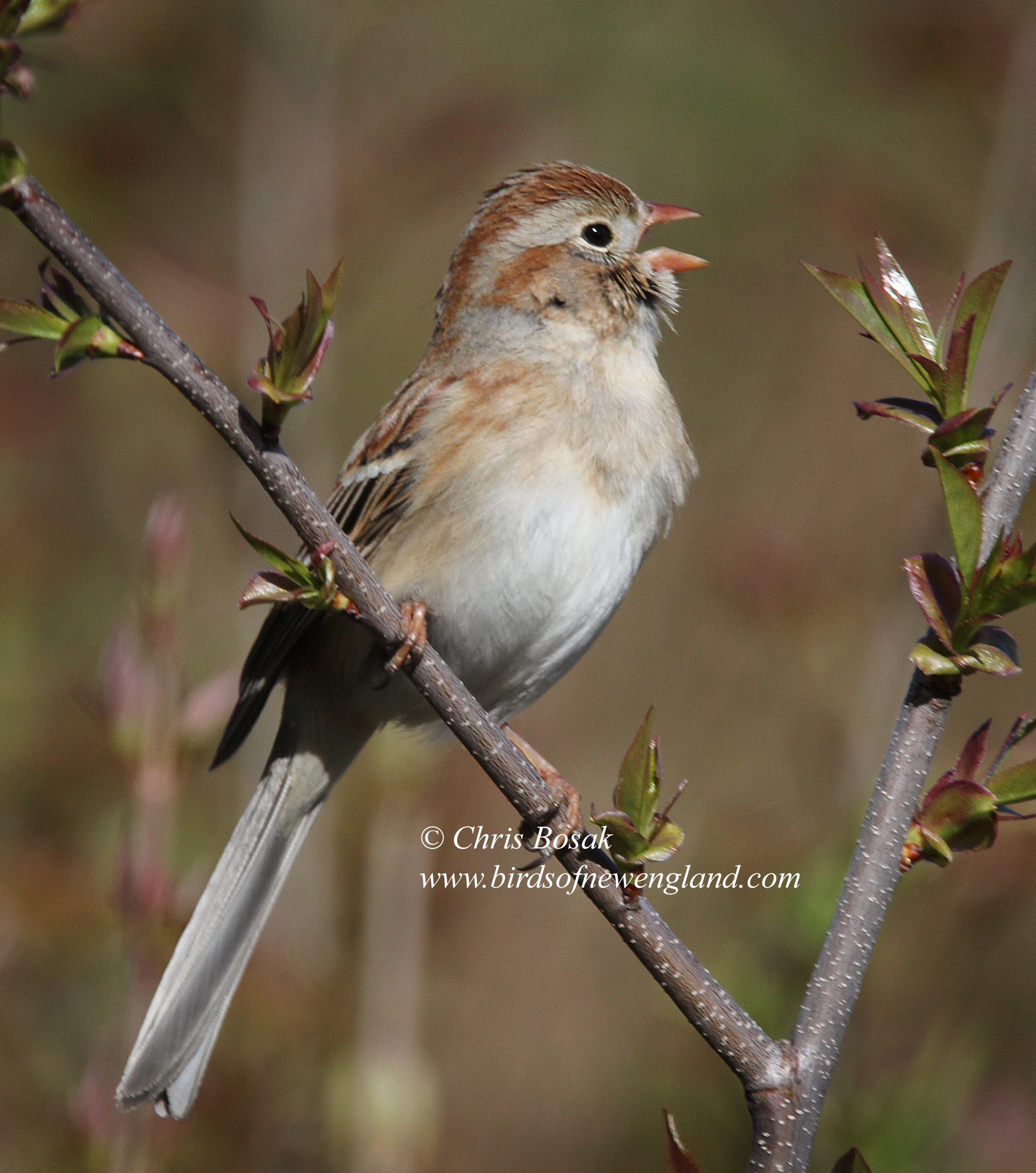
Here are a few more photos of a field sparrow I got during a recent walk.
Habitat is an important factor when determining what sparrow you are looking at. This one, obviously enough, was found in a field. Here’s a description of their habitat from allaboutbirds.org: “Field Sparrows seek out open habitat with low perches, such as abandoned agricultural fields and pastures, fencerows, road and forest edges, and openings in wooded areas. You may also spot them occasionally in Christmas tree farms, orchards, and nurseries.” Ream more.
Tomorrow, we’ll look at another handsome sparrow named for its preferred habitat.


Not as many migrants as I expected, but a good walk nonetheless at Huntington State Park in Redding, Conn. I heard only one warbler (black-and-white), but I have heard and seen dozens of eastern towhees over the last two days. It’s (arguably) the best time of year to be out there. No excuses! (I’m talking to myself too). The bald eagle flyover was a bit of a surprise, hence the lousy photo.


The other day, I posted a photo of a white-throated sparrow. Song sparrows are another frequent visitor to my yard. From a distance, many sparrows look drab, but closer inspection yields an interesting mix of colors.
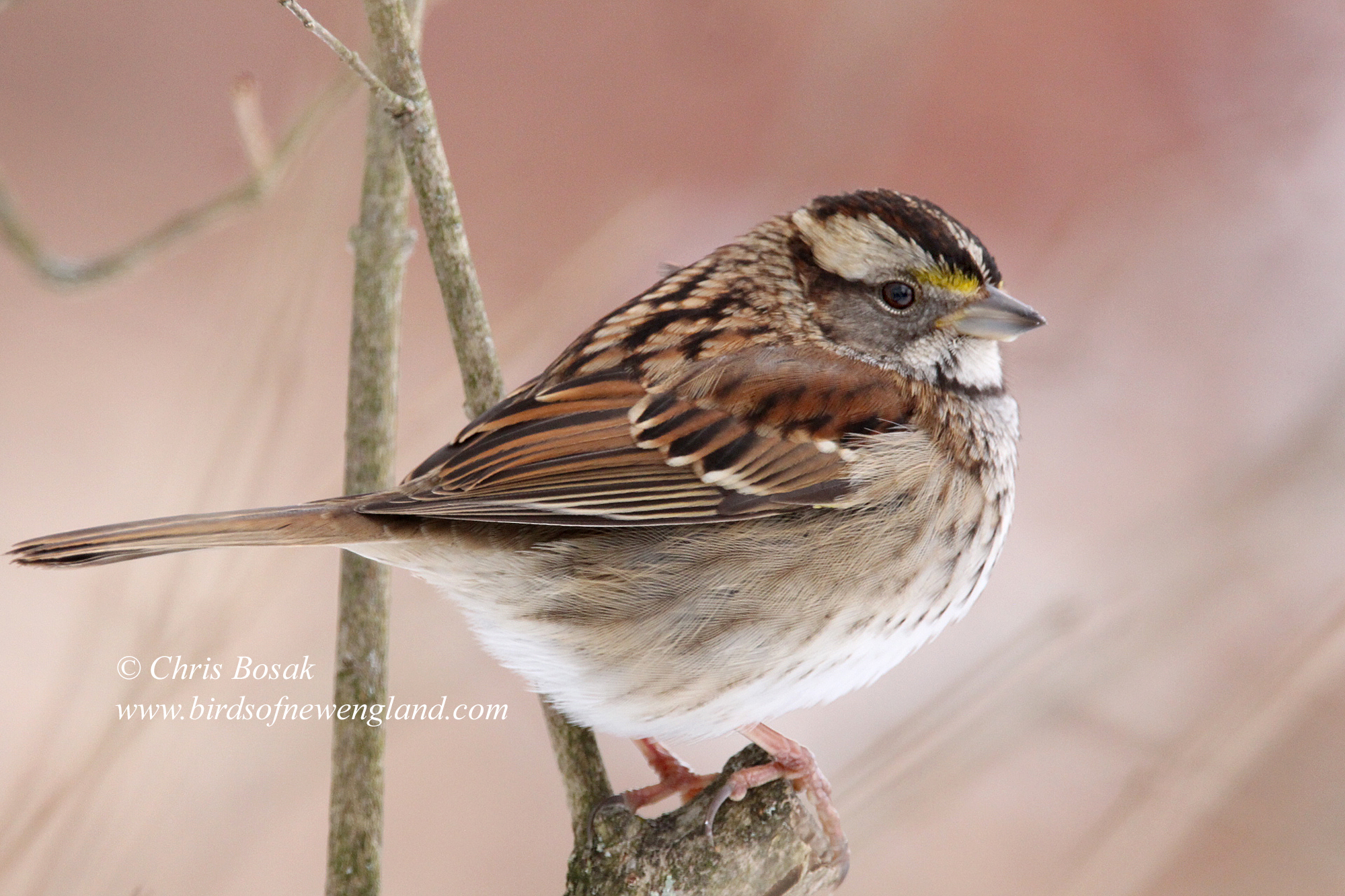
Sometimes you get lucky and the background turns out to enhance the photo. (You can also plan for that, of course, but in this case I was lucky.) I like the soft red/pink color of the background. I don’t even know what the red is. Other than a few small berries remaining from fall, there’s nothing red the background where this photo was taken following a recent snowfall in New England. The colors of the white-throated sparrow stand out with the light, pastel-like background.

A Day on Merganser Lake
This chipping sparrow likes to land on one of my garden stakes that supports my snow peas. If only it and its friends would take care of the caterpillars ravaging my Brussels sprouts.

A Day on Merganser Lake
The tiny and cute chipping sparrow is one of the more commonly seen sparrows this time of year in New England. I have found a few nests over the years (including this year) and I’m always amazed at how small the nests are. I’ve never ventured close enough to see the eggs but I can imagine they are quite small, maybe jelly bean or marble sized. Spring migration may be over (for the most part) but the nesting season is exciting in its own right.

A Day on Merganser Lake IX
For whatever reason I don’t get a lot of white-throated sparrows visiting my yard. I have a good property for them, too, with edge-of-woods habitat and a few brush piles for shelter. I get tons of juncos, but few white-throated sparrows. So when I looked up and saw this guy perched in a branch right outside my window yesterday, I had to take action. He is in crisp breeding plumage and was a cooperative subject. It’s easy to see why it is called a white-throated sparrow.
(Repeat text for context: I’m running out of COVID-19 lockdown themes so from now until things get back to some semblance of normalcy, I will simply post my best photo from the previous day. You could say it fits because of its uncertainty and challenge. I’ll call the series “A Day on Merganser Lake,” even though that’s not the real name of the lake I live near in southwestern Connecticut, it’s just a nod to my favorite duck family.)
 Birds of New England.com