You don’t see this every day

Photo by Chris Bosak  A luna moth clings to a screen in Danbury, Conn., during spring 2018.

Photo by Chris Bosak
A luna moth clings to a screen in Danbury, Conn., during spring 2018.

I went to fill the feeders the other morning when something caught my eye on the outside of the bathroom window screen. It was a luna moth, a first for my house in Danbury and only about the second sighting overall for me. The first came at a gas station, of all places. I may have found a dead one at some point, too, but I can’t remember for sure.

There was no denying this handsome moth, though. There it was in all its awesomeness, just clinging to the screen. It hung around all day and evening, but was gone by the next morning.

Two interesting facts I learned about luna moths since this sighting: The adult form, which this is, of course, lives for only a week. Secondly, the adult form doesn’t have mouthparts and doesn’t eat. Its sole purpose is to mate.

Photo by Chris Bosak
A luna moth clings to a screen in Danbury, Conn., during spring 2018.

Photo by Chris Bosak
A luna moth clings to a screen in Danbury, Conn., during spring 2018.


Another scarlet tanager shot

Photo by Chris Bosak A scarlet tanager sings from an oak tree in Danbury, Conn., spring 2018.

Photo by Chris Bosak
A scarlet tanager sings from an oak tree in Danbury, Conn., spring 2018.

Another scarlet tanager shot .. just because.

Scarlet tanager joins the group

Photo by Chris Bosak  A scarlet tanager perches in an oak tree in Danbury, Conn., spring 2018.

Photo by Chris Bosak
A scarlet tanager perches in an oak tree in Danbury, Conn., spring 2018.

First the rose-breasted grosbeak and the indigo bunting, now this … a brilliant male scarlet tanager visits the yard this spring. Sure, it didn’t visit the feeder, but it was in the oak trees above the house. Good enough for me. Happy birding everyone.

Another indigo bunting shot

Photo by Chris Bosak  A male indigo bunting eats seeds from a platform feeder in Danbury, Conn., in May 2018.

Photo by Chris Bosak
A male indigo bunting eats seeds from a platform feeder in Danbury, Conn., in May 2018.in

Here’s another shot of that male indigo bunting, just because …

The next day this came …

Photo by Chris Bosak  A male indigo bunting eats seeds from a platform feeder in Danbury, Conn., in May 2018.

Photo by Chris Bosak
A male indigo bunting eats seeds from a platform feeder in Danbury, Conn., in May 2018.

I posted my latest For the Birds column yesterday. The day after writing that column — in which I write about seeing my first indigo bunting at a feeder — this guy showed up. Yes, another indigo bunting, but this one a mature male in his awesome breeding plumage. If you recall, the first indigo bunting was a first-year male and sported blotchy plumage (not that I was complaining.) But this new guy really stood out at my feeding station.

Latest For the Birds column: Another backyard first

Here is the latest For the Birds column, which runs in several New England newspapers.

Photo by Chris Bosak An indigo bunting visits a feeder in New England, spring 2018.

Photo by Chris Bosak
An indigo bunting visits a feeder in New England, spring 2018.

No matter how long you’ve been at it, birdwatching always presents firsts.

Wait, I used that sentence to start my column a few weeks ago. Oh well, another birding first happened this week, so I’m going with it again.

This time, it was a new bird to my feeding station. I’ve been feeding birds for a long time, and I’ve seen some great birds eating seeds or suet in my backyard.

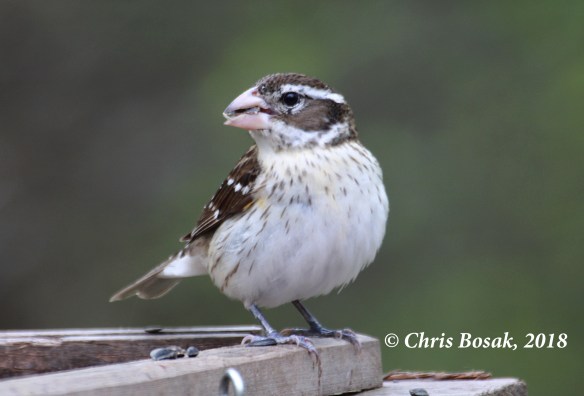
Every year I’m thrilled when the rose-breasted grosbeaks show up. This year, a male and female have paid periodic visits for the last couple days.

It took years for me to attract hummingbirds, but now — knock on wood — it seems they are annual visitors.

A few Octobers ago, a small group of pine warblers discovered my suet feeder and stuck around the yard for about three days.

The other day, a new arrival. Settling into my lounge chair on the deck, I noticed a bright blue blotch among the leaves on the branch used by “my” Continue reading

Good backyard visitors so far this spring

Photo by Chris Bosak A male rose-breasted grosbeak visits a feeder in Danbury, Conn., during the spring of 2018.

Photo by Chris Bosak A male rose-breasted grosbeak visits a feeder in Danbury, Conn., during the spring of 2018.

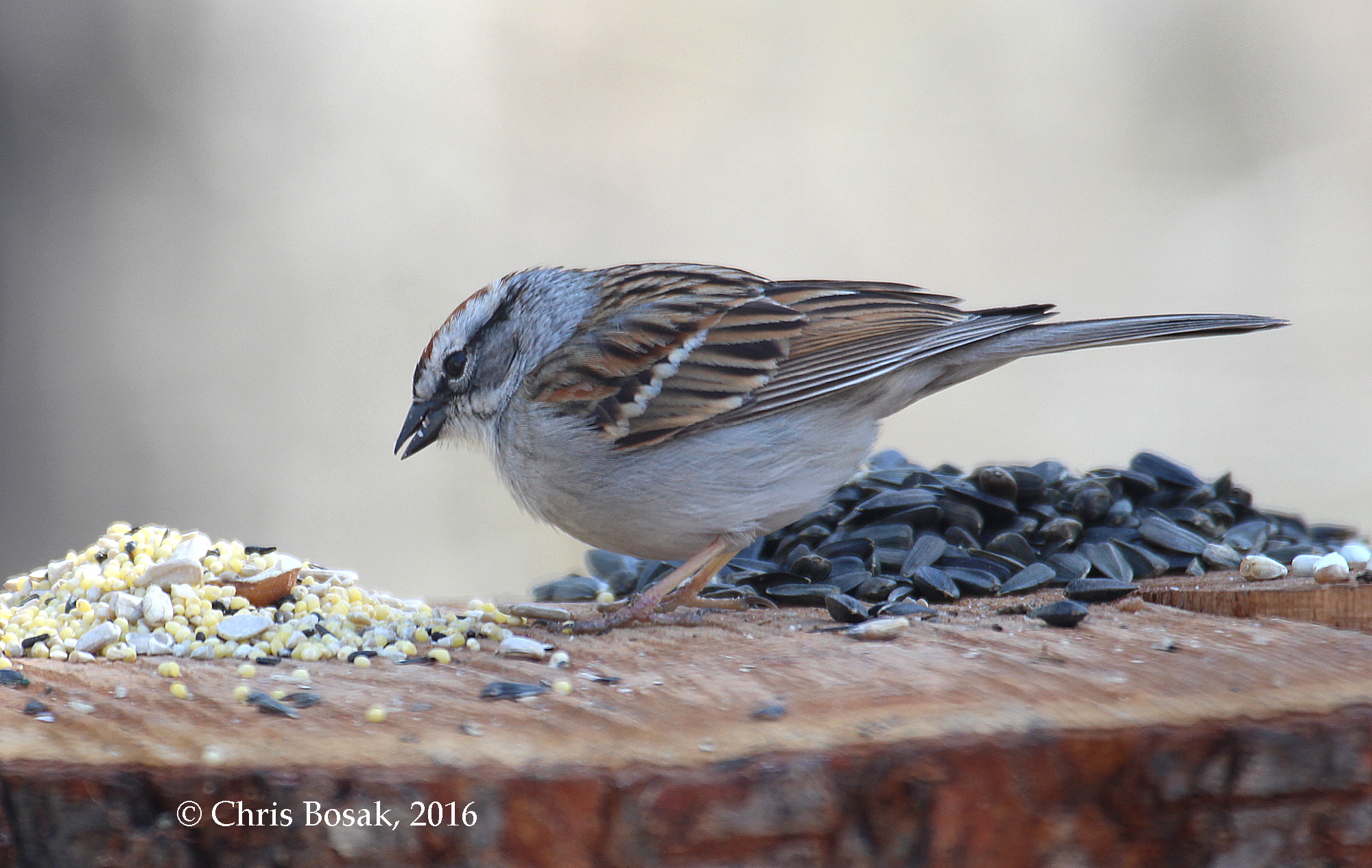
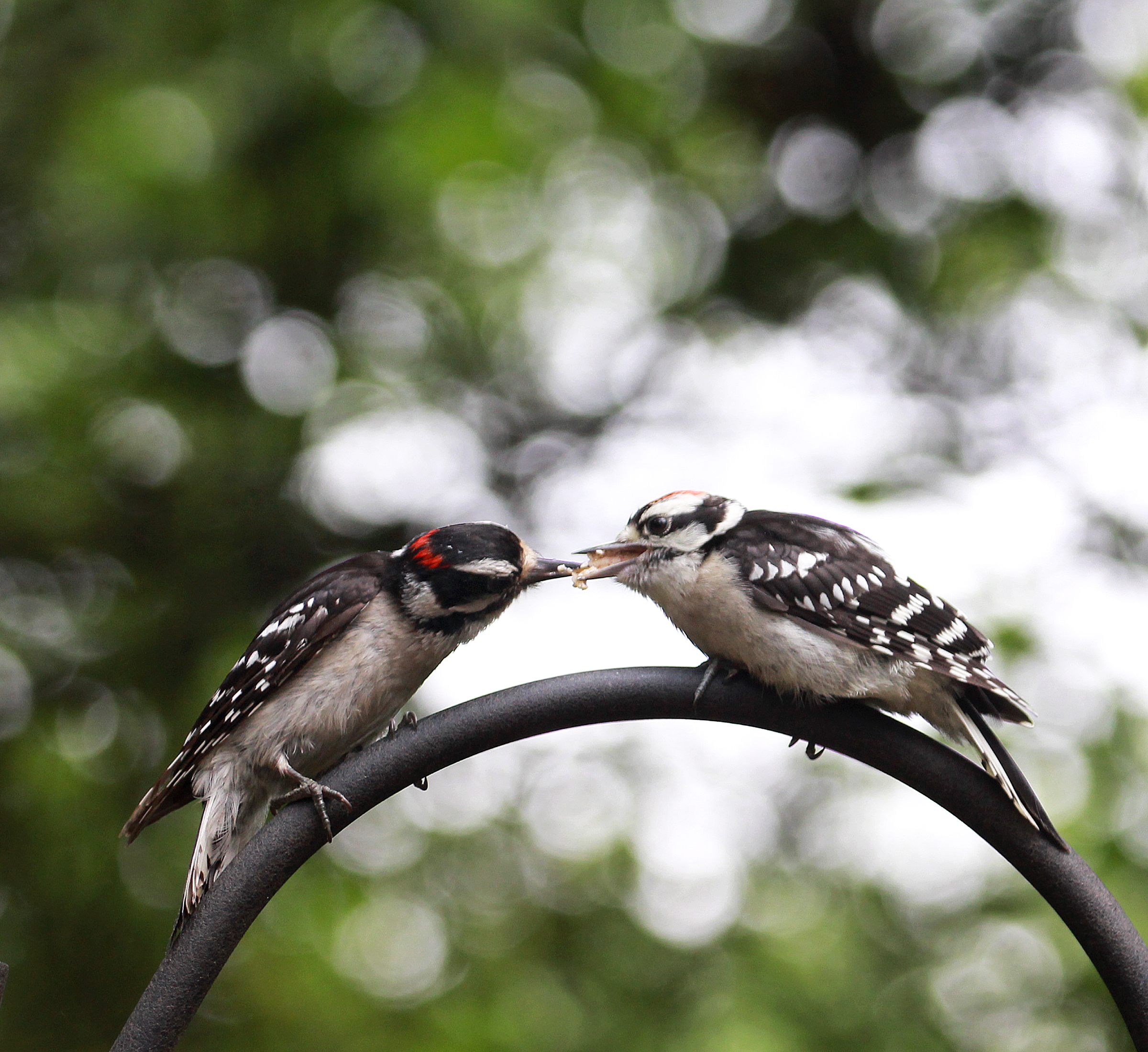
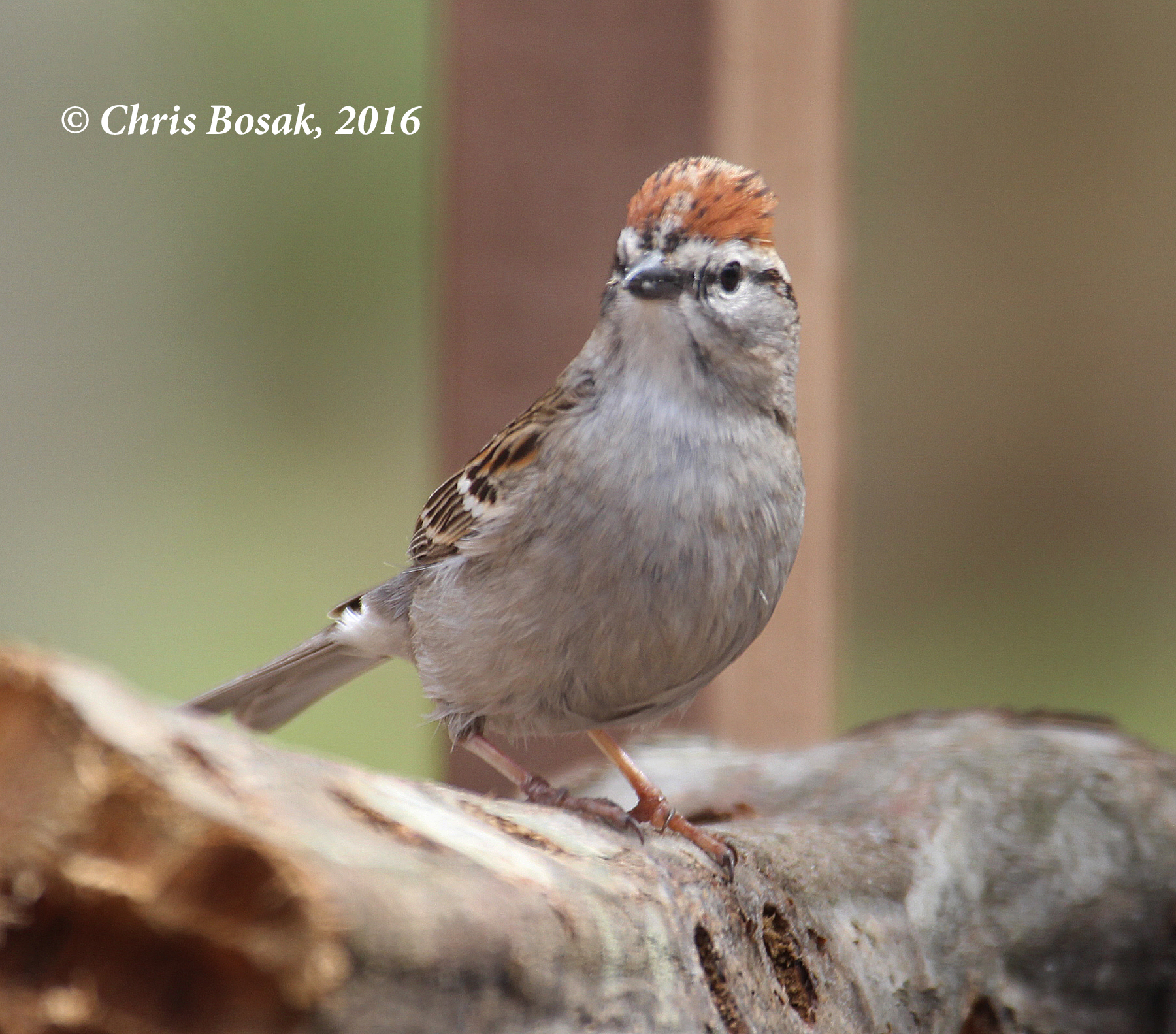
We still have a few weeks left of peak spring migration, so this list is not inclusive (I hope not anyway), but the feeder has been active recently with the following birds: rose-breasted grosbeak (male and female); chipping sparrow; goldfinch; gray catbird; blue jay; cardinal (male and female); indigo bunting (first spring male); red-bellied woodpecker; white-breasted nuthatch; tufted titmouse; black-capped chickadee; downy woodpecker; hairy woodpecker; mourning dove; house finch; ruby-throated hummingbird (male and female); wild turkey; and probably one or two more that aren’t coming to mind at the moment. I bought a new oriole feeder, but no luck yet with that one. What’s been visiting your feeders? Feel free to comment with your list.

Photo by Chris Bosak  A female rose-breasted grosbeak visits a feeder in Danbury, Conn., during the spring of 2018.

Photo by Chris Bosak
A female rose-breasted grosbeak visits a feeder in Danbury, Conn., during the spring of 2018.

Hummingbirds return to New England

Photo by Chris Bosak A male ruby-throated hummingbird visits a feeder in Danbury, Conn., spring 2018.

Photo by Chris Bosak
A male ruby-throated hummingbird visits a feeder in Danbury, Conn., spring 2018.

I saw my first hummingbird of the year about 10 days ago. It paid my feeder a quick visit in the morning and I never saw it again. He must have been on his way northward and stopped for a quick pitstop. But now, the hummingbirds are back for real. A male has been visiting my feeder about every 20 minutes for the last three days. A few times it had to fight off a few rivals to keep its territory. Hummingbirds are small and cute, but fiercely territorial.

Here’s a shot a took over weekend. Welcome back.

A few snapping turtle iPhone photos

Young snapping turtle, by Chris Bosak

Camera phones have come a long way. They are not necessarily practical for bird photography yet, but if you get a cooperative subject like these snapping turtles and pickerel frog, phones can be great for nature photography. They are handy for when opportunities present themselves in the woods or during a drive.
Speaking of snapping turtles, keep an eye on the roadways during this time of year for those gorgeous reptiles. Remember, if you see a turtle in the road, snapping or otherwise, and are in a position to safely help, move it to the side of the road in the direction it was Continue reading

For the Birds: Wood ducks in the trees — another first

Here is the latest For the Birds column, which runs in several New England newspapers.

Photo by Chris Bosak Male wood duck.

Photo by Chris Bosak
Male wood duck.

No matter how long you’ve been at it, birdwatching always presents new firsts.

This latest first happened to take place right in my backyard. I’ve watched videos and seen photographs of wood ducks perched in trees before, but I’ve never witnessed it myself. I’ve seen plenty of wood ducks on the water and even under people’s birdfeeders, but never perched high in trees before.

I came close once. I was canoeing within the Bashakill Wildlife Management Area in New York years ago and dozens, maybe even hundreds, of wood ducks could be seen and heard in the distance. I focused my binoculars on a dead tree about 100 yards away and saw a huge gathering of these handsome ducks. Most of them were in the water, but a few of them perched on the snag’s low-hanging branches.

Photo by Chris Bosak A Wood Duck mother swims with one of her babies at Woods Ponds in Norwalk, Conn., spring 2016.

Photo by Chris Bosak
A Wood Duck mother swims with one of her babies at Woods Ponds in Norwalk, Conn., spring 2016.

I don’t count this as having seen them perched in trees because the dead, leafless tree was more an extension of the water than anything.

The other day, though, I walked out of the sunroom and onto the deck to fill the feeders. As the door closed behind me I heard the unmistakable “oo-eek, oo-eek” call of a wood duck coming from a tall oak in the backyard.

Then I noticed two ducks flush from the tree and head into the woods. It was a male and female and they made a big circle weaving through the trees and came back to the large oak. A very cool first, especially since it took place in the backyard.

Despite the proliferation of wood duck boxes on the edges of ponds, many wood Continue reading