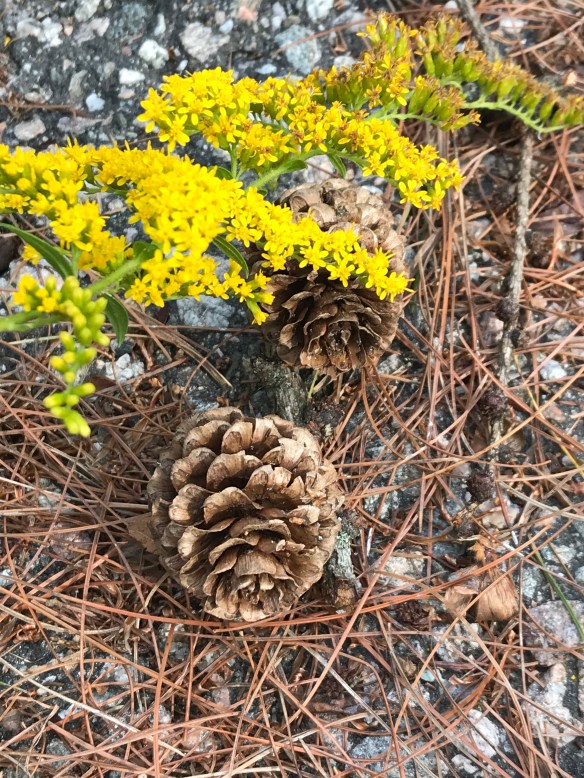
I know it’s not fall officially until Tuesday, but this scene certainly makes me think of fall.
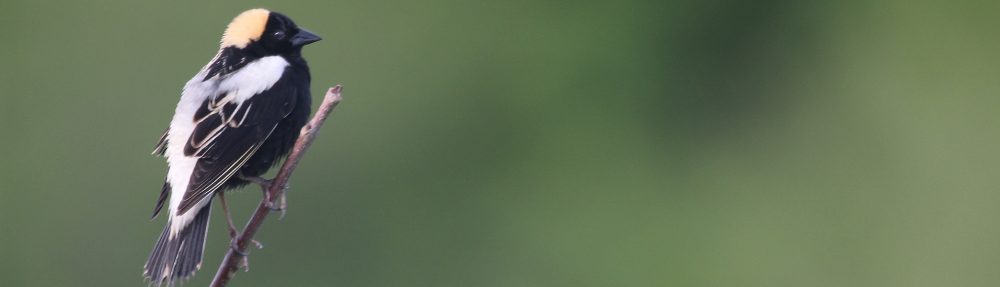
I know it’s not fall officially until Tuesday, but this scene certainly makes me think of fall.
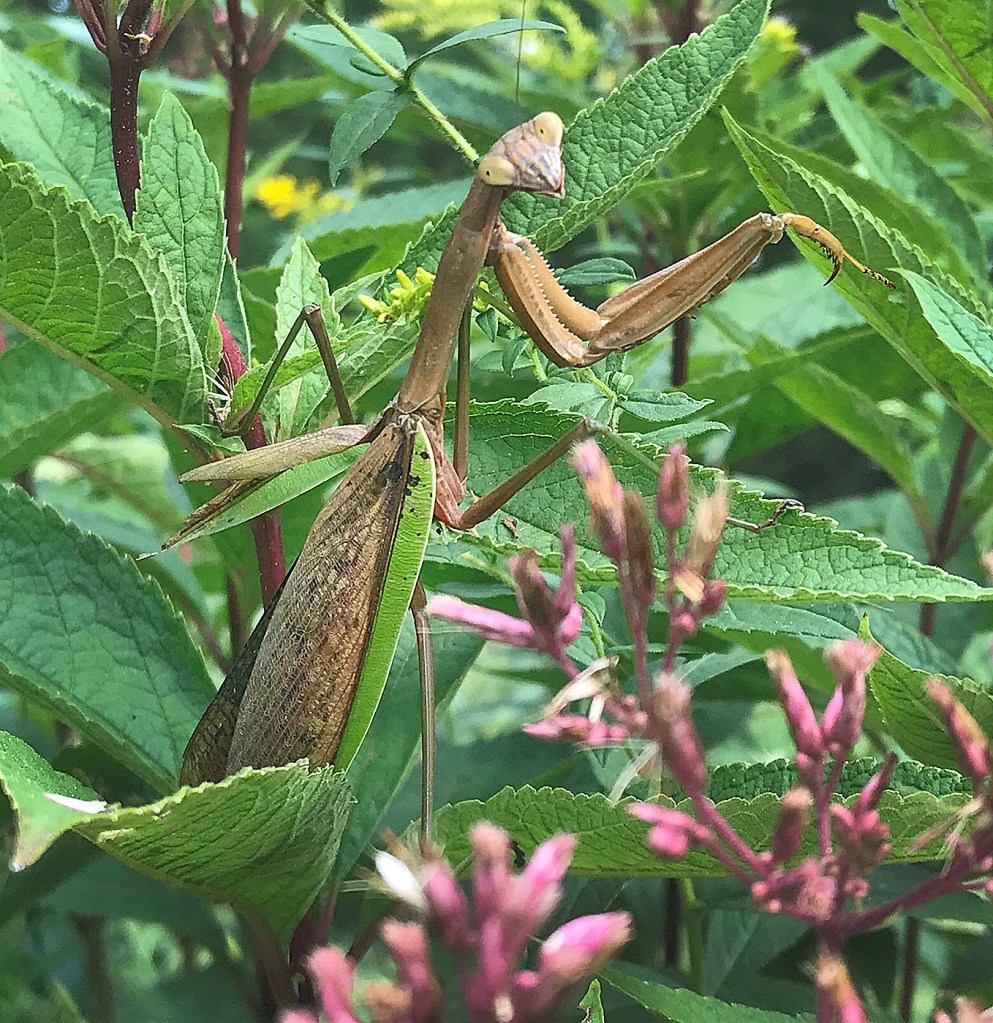
I had mentioned in an earlier post that praying mantises were being seen frequently this summer. Well, here’s another one I found the other day. Here’s the original post.
Here’s some interesting information about praying mantises I found on the Daily Hampshire Gazette website:
“In Massachusetts there are two species of praying mantises, the Chinese mantis, Tenodera aridifolia, and the European mantis, Mantis religiosa. As you can guess from their common names, neither of these insects is native to North America. Both species were introduced over 100 years ago, likely by gardeners looking to control pests.“
The article has plenty more interesting facts about these fascinating insects, including why some are green and some are brown. You’ll note the mantis shown in this post is much more brown the one in my previous mantis post. Here’s the link to the Daily Hampshire Gazette article.

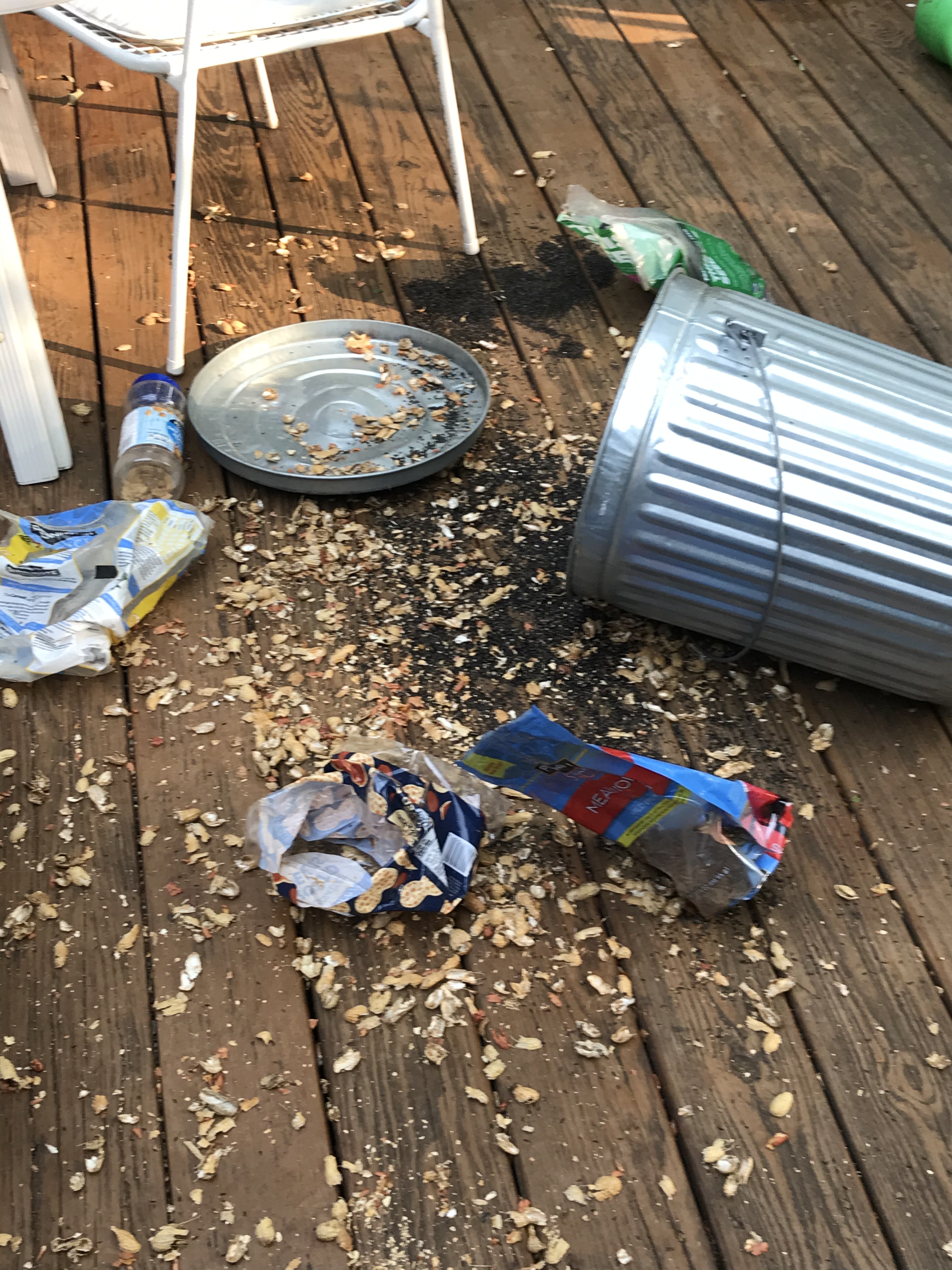
I didn’t see the culprits, but I know damn well it was raccoons. The locking handle was engaged and everything. Those bast… animals are smart and persistent.

(Note: This post has been updated from its original content to correct information about the hummingbird moth caterpillar.)
I was all set to follow my last column about fall migration with a closer look at some of the songbirds, including warblers, that are heading south now and will be for the next several weeks.
That column has been put on hold as I saw something in the garden last week that just can’t wait. Experienced vegetable gardeners have likely seen this before, but it was a first for me and I was amazed at the gruesome details when I researched it online.
First, a little background. It is a first-year garden plot. I dug it during April at the height of the COVID-19 outbreak in the Northeast. More than anything else, it was a diversion from the nuttiness going on in the world; something to keep my mind and body occupied during quarantine. I’ve never had a green thumb and I had little hope in the garden ever yielding impressive crops.
As it turns out, my pessimism was warranted. Once the leaves popped on the giant oaks that surround my property, the garden didn’t stand a chance. Tomato plants require how much sunlight? Continue reading

As promised, here are a few more shots of birds near my salvia blooms. Click here for the original post if you missed it.
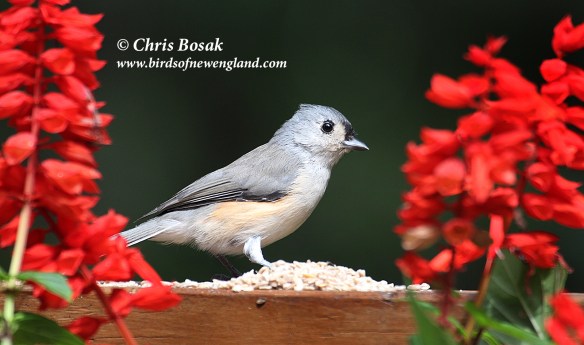

A few years ago I purchased a few bunches of coneflower late in the season and they made for a perfect setting for bird photos on my deck in the fall. This year, the salvia I purchased early this spring has grown enough to make a nice setting for birds eating seeds off the deck railing. The hummingbirds like the salvia too! Click here for one of those coneflower photos. Click here for some hummingbird drinking from salvia shots.
I’ll post a few more salvia shots tomorrow.


The hummingbirds that haven’t flown south yet will likely do so soon. Here are a few shots of “my” hummingbirds that are still hanging around.


There have been a few mornings recently that have felt an awful lot like fall. Cool temperatures, low humidity, the occasional falling leaf.
The bird world is following suit in New England, ever so slowly. I’ve seen a few passing warblers in the backyard over the past few weeks and the hummingbirds are feeding with an added urgency to fatten up for their journey south.
I’m not trying to rush the end of summer, and we still have a few weeks until it is officially over. The end of August and beginning of September is a fun transition time in the bird and nature world. A walk through a New England meadow this time of year yields butterflies, dragonflies and all sorts of crazy-looking insects that make you think of summer. Then, you notice the goldenrod in bloom and a hawk soaring overhead reminiscent of fall.
The fall migration starts as early as July when young shorebirds work their way southward along the New England coast. It really begins in earnest in the middle of September when the hawk migration gains a head of steam. September is when a visit to a hawk Continue reading
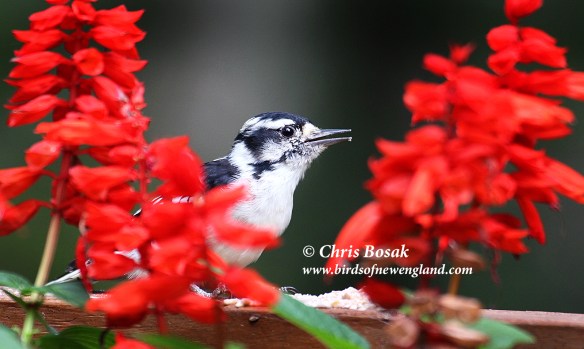
Here’s a random happy bird photo to kick off your Labor Day Weekend. It’s a female downy woodpecker between salvia stalks. Salvia is an annual that is good for attracting hummingbirds with their red, tubular flowers. Have a great long weekend!
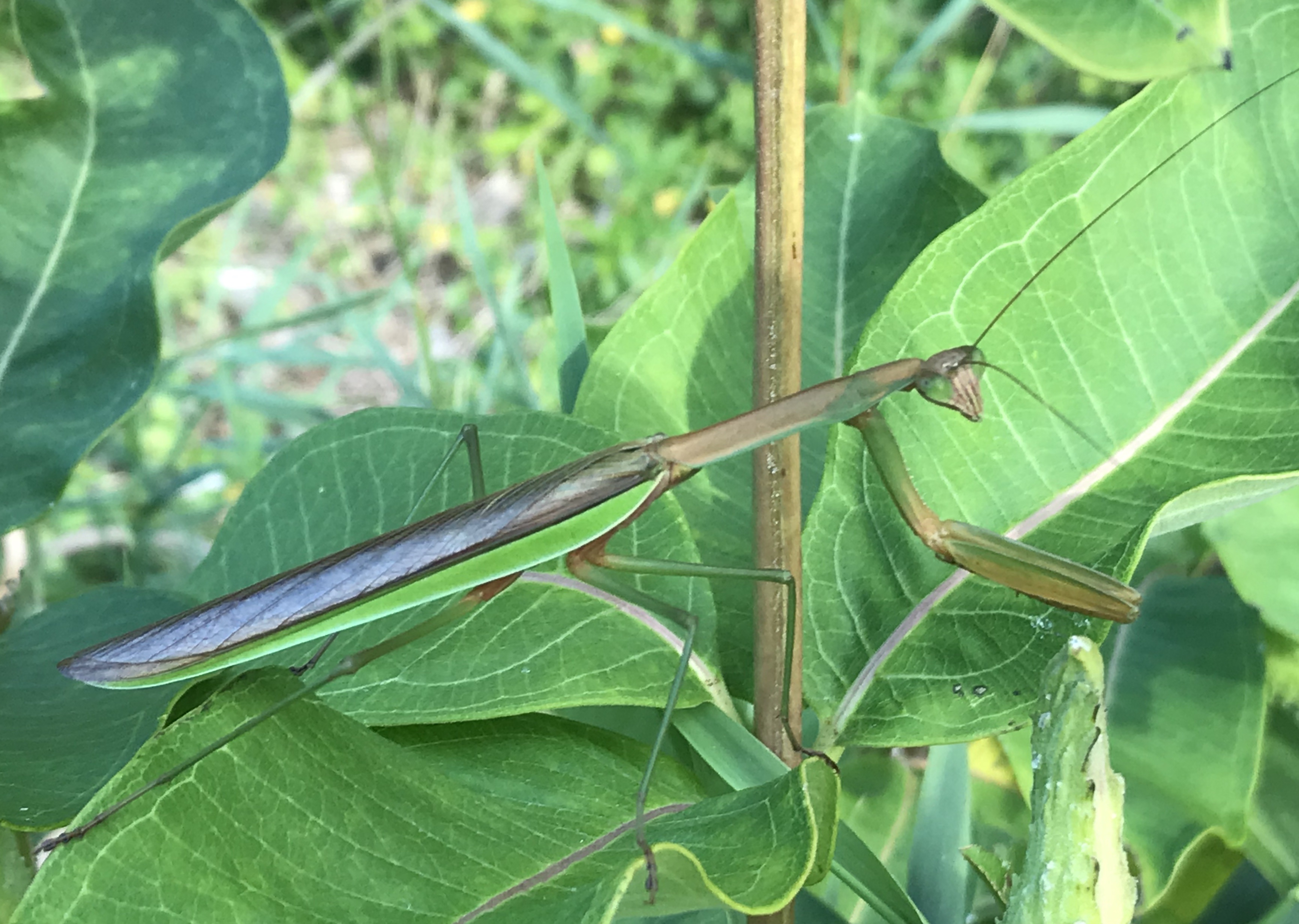
I was checking milkweed plants for monarch caterpillars and came across this instead. I’ll take it. I’ve seen a lot of Facebook posts lately featuring praying mantises. I guess it was my turn.
 Birds of New England.com