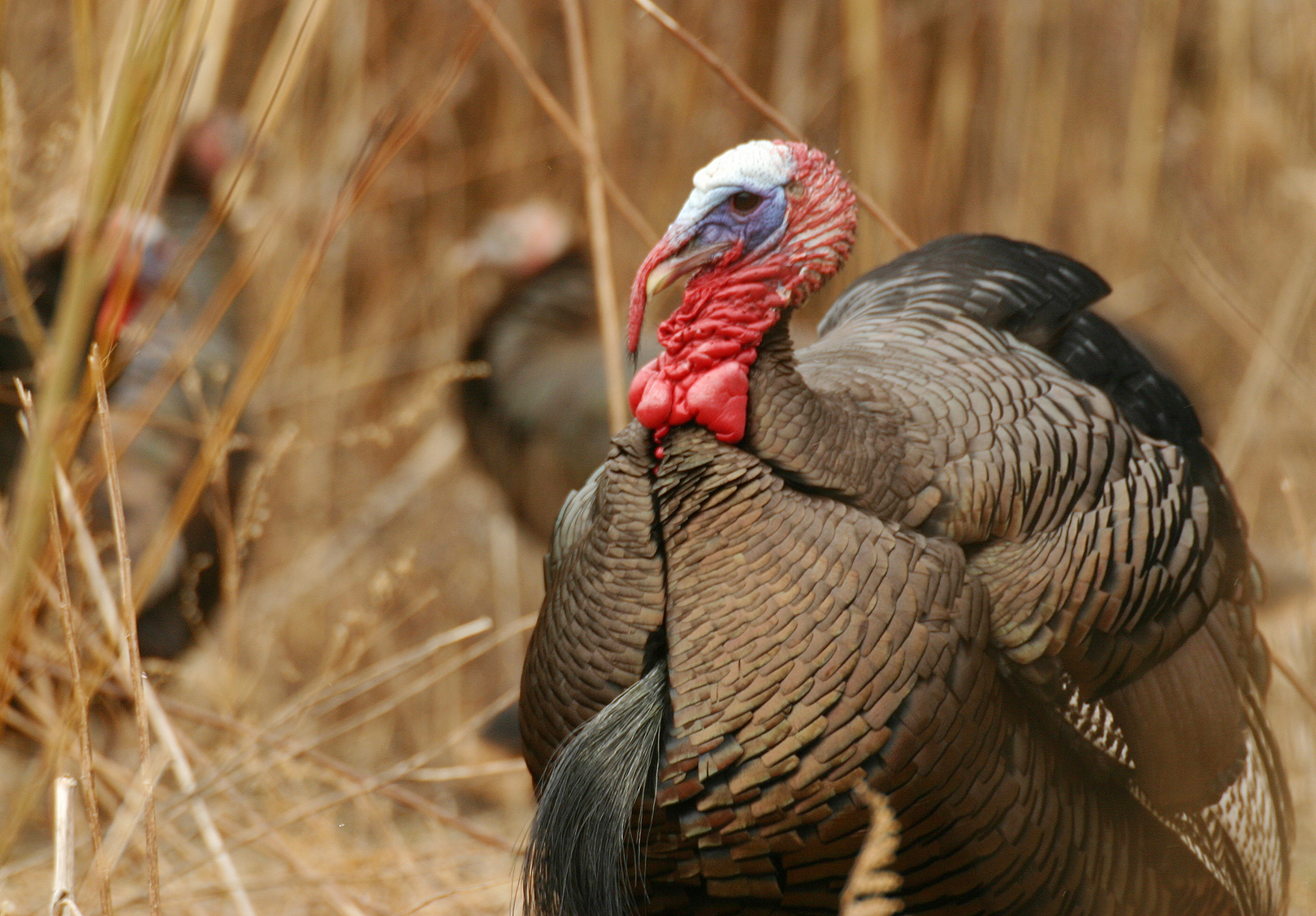
Enjoy your holiday everyone, and stay safe! I’m thankful for all your support of http://www.birdsofnewengland.com

Enjoy your holiday everyone, and stay safe! I’m thankful for all your support of http://www.birdsofnewengland.com
The recent stretch of beautiful weather aside, November can be a tough month for birdwatchers.
Frigid temperatures, cold rain and even some snow has many of us longing for the more pleasing fall weather of September and October. Most of the migrants, such as hawks and songbirds, are gone by November. The last of the leaves have fallen off the trees, except for a few hangers-on, erasing most of the color from the landscape. With most of the flowers long gone too, brownish-gray tree trunks and dark green foliage of evergreens dominate the landscape.
Birders, however, are eternal optimists and always find bright spots. For me, November means that the waterfowl migration has begun in earnest. It starts slowly in October and hits its stride in November. Ducks, as I have written for years, are my favorite type of bird to watch, so I never dread November.
My first duck migration sighting of the year came a few weeks ago when I spotted four male hooded mergansers swimming away from the shoreline as I approached a neighborhood pond. It was a beautiful thing to see and the first of many similar sightings that will occur for the next several months.
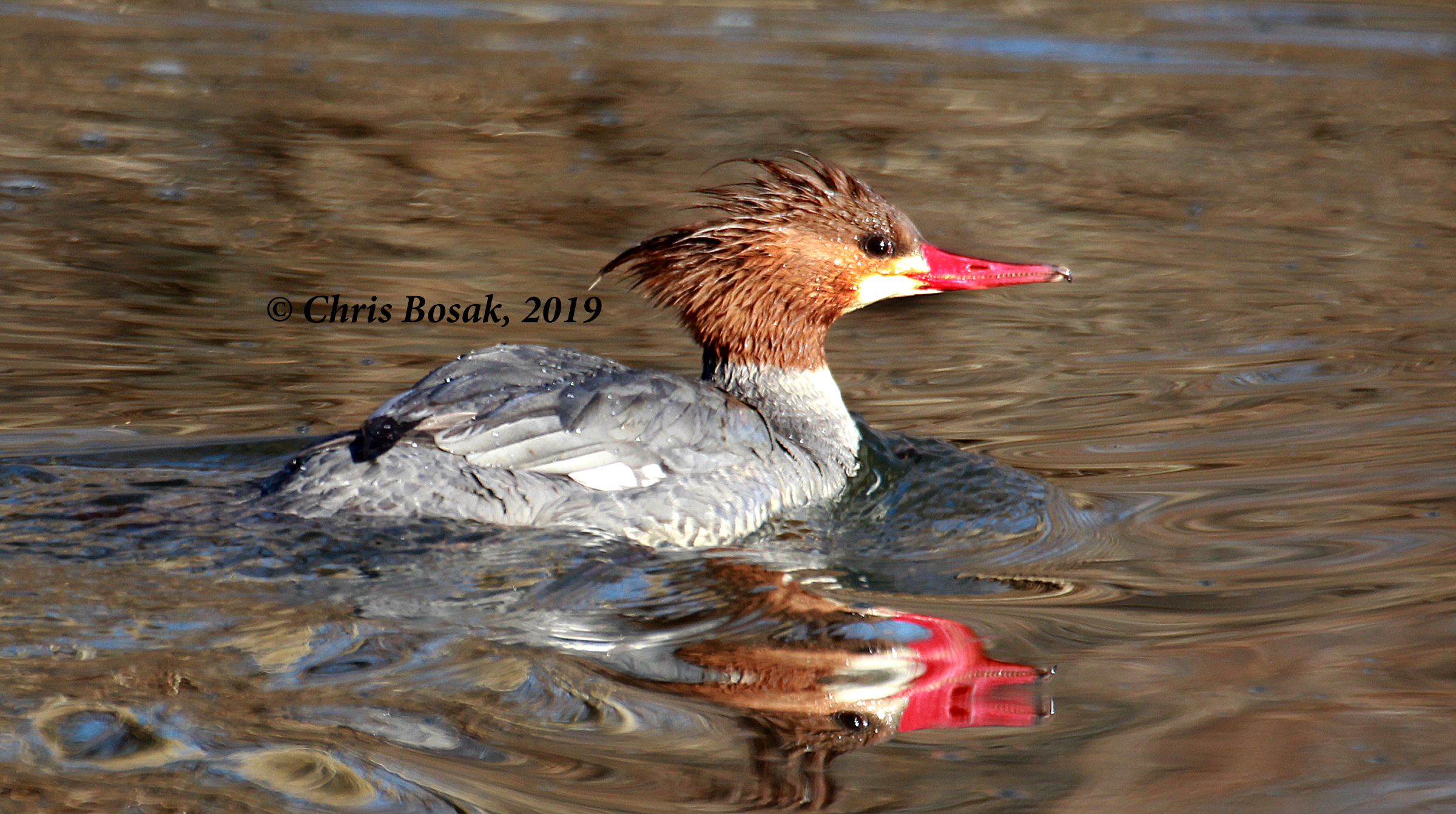
I received an email last week from Amy, who wrote that she had seen a flock of more than 70 common mergansers on Childs Bog in Harrisville.
Common mergansers often form huge flocks and may be seen throughout late fall and winter on our lakes and large ponds. Smaller flocks and individual mergansers are often seen as well, including on smaller ponds and rivers.
The merganser family, which also includes the red-breasted merganser, is an interesting family to study in New England. They are divers, meaning they dive underwater for their food as opposed to dabbling, and they have serrated bills to keep the food from slipping away as they surface.
Mergansers, especially common mergansers, are extremely wary, at least in my experience. Occasionally, I have come across a slightly less timid hooded merganser, but I have yet to find a common merganser that is not ultra-wary.
Of course, the merganser family just scratches the surface of all the ducks we will see passing through New England for the next several months. Bodies of fresh water will attract a different variety than salt water. There are some species that will readily go to fresh, brackish or salt water, but many species have a preference. Loons are interesting in that they breed on large freshwater bodies of water but are mostly found on salt or brackish water in the winter. Long Island Sound off the coast of Rhode Island and Connecticut is an excellent place to find common and red-throated loons in the winter. They are not the flashy birds that they are in the summer but rather a much more dull-colored version of themselves. They are still a thrill to see regardless of what plumage they are sporting.
With the duck season just picking up pace now, there will be plenty to write about in the next several months. I look forward to sharing my experiences. As always, feel free to drop me a line and let me know what you are seeing as well.
I heard from Mark from avibirds.com and he asked if I’d be interested in sharing his video on house sparrows. Of course, I would. It’s a short and informative video on one of our most common and overlooked birds. Check out www.avibirds.com for other videos, photos and bird profiles.

I never did post this photo of a siskin that visited a few weeks ago. It showed up on the same day that the purple finch did. The finch stayed for only about an hour, while this siskin remained for a few days before disappearing. Here’s the story regarding those visits.
Here are a few more recent shots from this fall …

In case you missed the post last week, there is now a collection of bird books for sale on this site. There is only one copy of each book as I’m cleaning house and want the books to go to a good home. I’ve added a few books, including a few field guides that would make a valuable addition to any bird book collection. I’ve searched for each book elsewhere online and lowered the price substantially on each title. Find the page here, or click on “Bird Books for Sale” on the menu at the top of this page.

The regular flow of feeder birds continued this past week, but they were joined by a few newcomers.
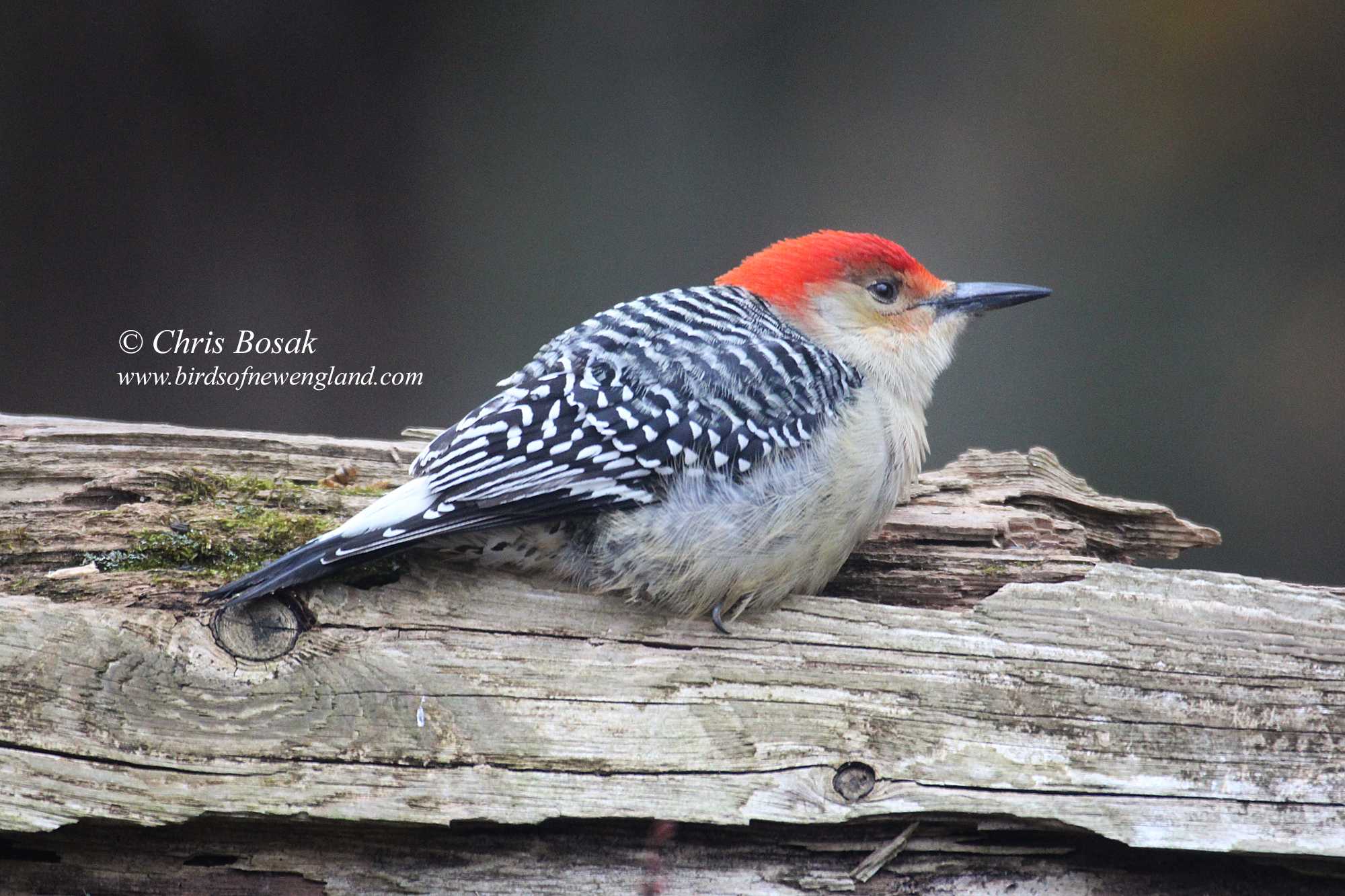
Two weeks ago, it was a lone red-breasted nuthatch that showed up and stayed for a day. This past week, a lone purple finch and a lone pine siskin joined the usual gang of backyard birds. The purple finch stayed for only one day — a few hours, to be more precise. The pine siskin, however, has visited daily ever since it first arrived on the scene.
Pine siskins are notorious for showing up in large numbers and cleaning out thistle feeders. I am surprised this siskin has not been joined by others of its kind, but so far it has been just the one. It mixes with a large group of American goldfinches and can be quite feisty when another bird tries to steal its perch. Pine siskins often flock with American Continue reading

I keep seeing reports of more and more pine siskins and purple finches being seen throughout New England and farther south. I guess the Winter Finch Forecast was right about these species.
The Winter Finch Forecast also predicted a strong year for movements of red-breasted nuthatches, which started as early as August. The red-breasted nuthatch, of course, is not a finch but is included in the annual forecast because of its irregular migration patterns.
While I haven’t personally seen siskins or purple finches this year, I have seen a few r Continue reading
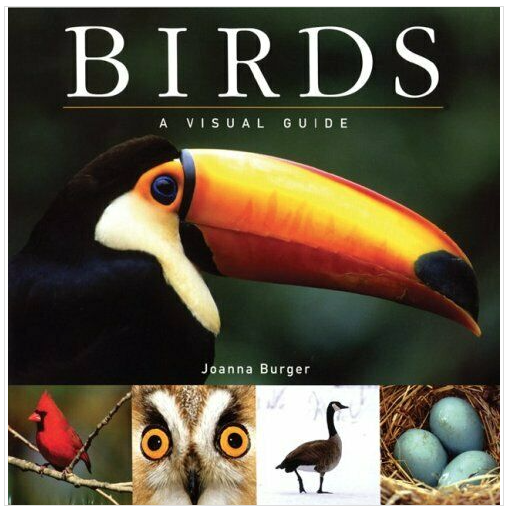
As a new feature to http://www.birdsofnewengland.com, I am offering several birding or nature books for sale. They are gently used books that I have enjoyed and want to pass on to a good, nature-loving home, hence the low prices. Prices include cost of shipping. There is only one copy of each book. Once it is purchased, I will delete the listing. Just in time for winter, Christmas and the next round of quarantine.
Some of the prices may seem high, but I took the lowest Amazon price and shaved off several dollars. I believe some of the books are out of print, which is why they are selling for so much.
Click on “Bird books for sale” in the top menu, or click here: https://birdsofnewengland.com/bird-books-for-sale/
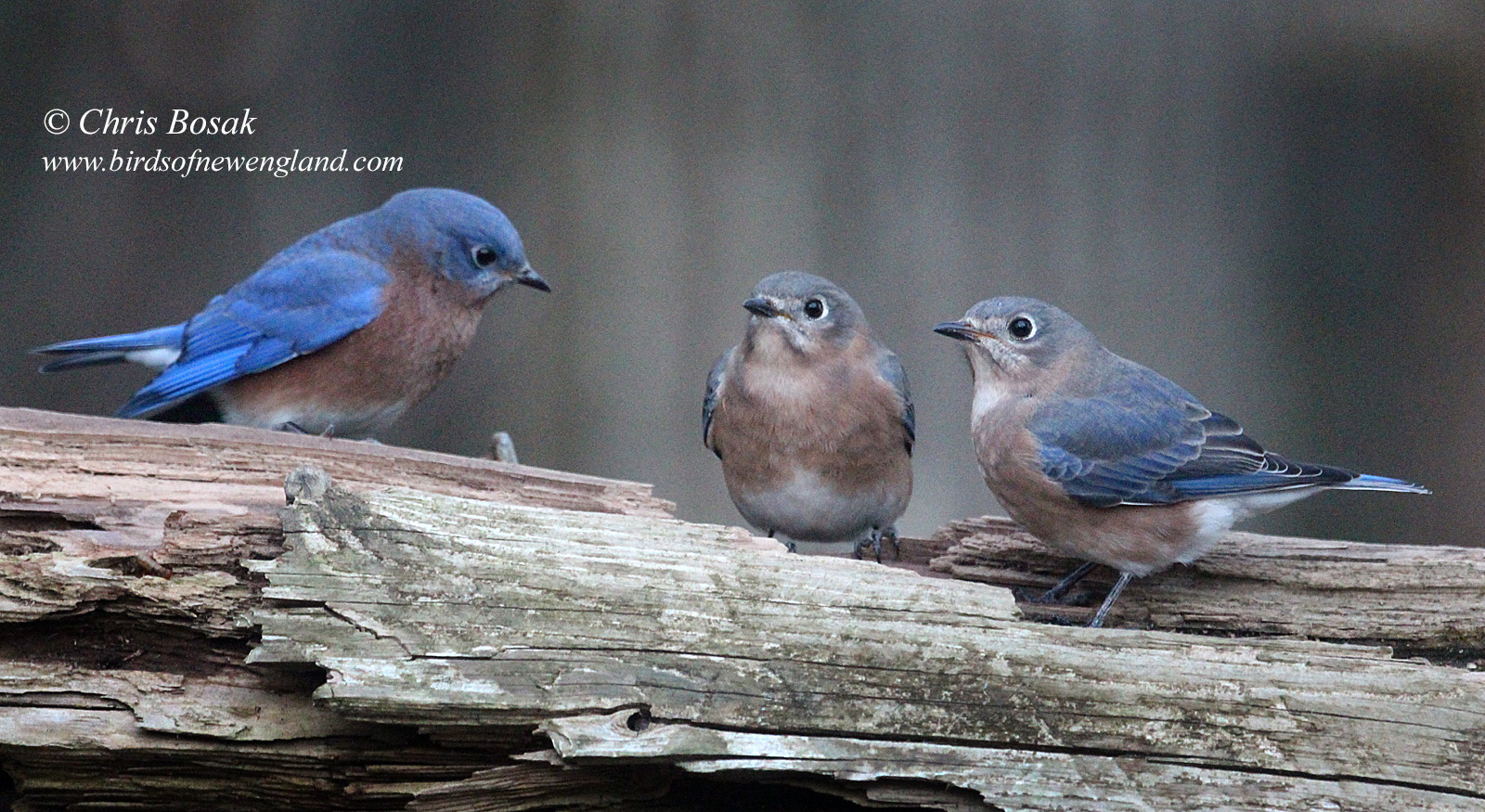
I hadn’t seen bluebirds at my feeder since May, but back they came earlier this week. They stayed for about 10 minutes and were gone. I haven’t seen them since. I had a few other surprise visitors to the feeder this week. More on that Continue reading
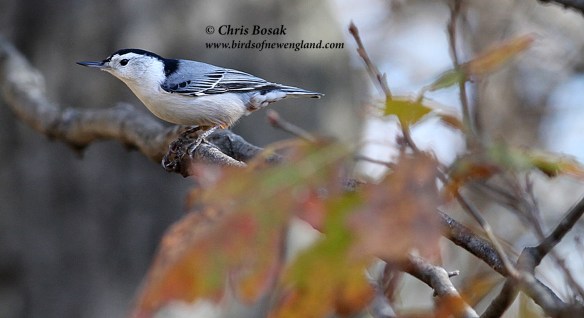
Have you noticed an exceptional number of white-breasted nuthatches at your feeders this fall? If so, you’re not alone and migration is the likely reason.
We don’t typically think of white-breasted nuthatches as migratory birds. They are reliable backyard feeder birds and year-round residents, just like chickadees and tufted titmice. Do they really migrate?
I’ll get to a recent article that describes the white-breasted nuthatch’s irregular migration Continue reading

