Photo by Chris Bosak An eastern bluebird visits a backyard feeder for mealworms in New England, Feb. 2020.
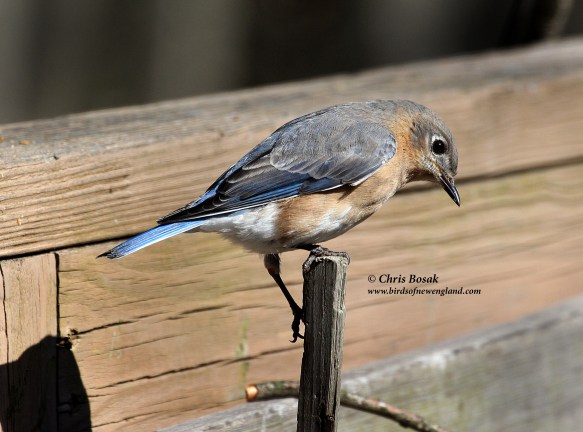
Here’s one of the females perched on a stick in my container garden. I think that stick helped to support a “volunteer” sunflower that grew from a seed that the birds (and squirrels, chipmunks, raccoons and whatever else shows up at night) somehow missed. Have a great weekend everybody!
Photo by Chris Bosak An eastern bluebird perches on a branch in New England, February 2020.
You had to have known it was coming. I’ve been praising bluebirds all winter, even before “mine” started to visit about a month ago, so why not make them the next subject of my bird photo series? Did I mention I’ve had bluebirds in my backyard for the last month? I did? Oh, so you can imagine how many photos I have of them by now. Over the next several days, I’ll post one to help you get through this not-so-happy time in our history.
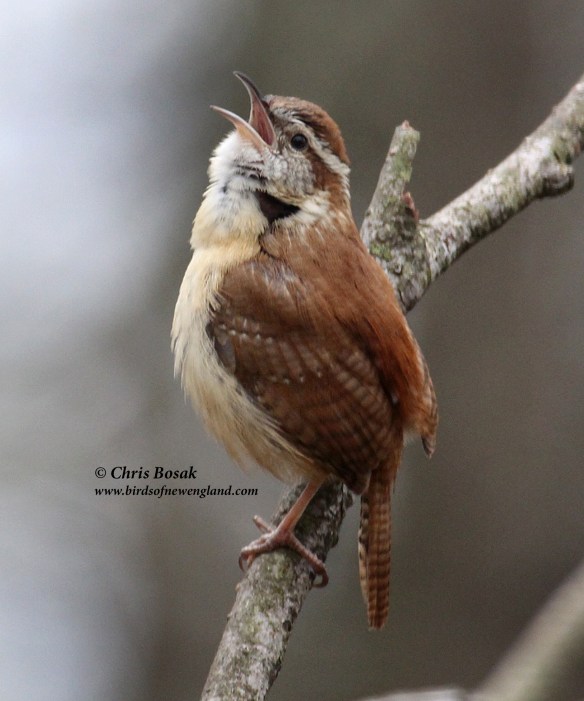
Photo by Chris Bosak A Carolina wren sings on a branch this spring in New England.
I’ll start another series of photos tomorrow, but I figured I’d bridge the gap with the latest For the Birds column. The answer to yesterday’s Birding Quiz is at the bottom of this post.
…
Spring is in the air and it couldn’t have come at a better time with global anxiety sky high and most of us living in relative isolation.
The other day, while on a video conference call while working from home, I had to unplug my laptop and go to a different room because a Carolina wren was making such a racket outside the window. “Tea-kettle, tea-kettle, tea-kettle!” It was a pleasant disruption, for sure.
Later, it was a northern cardinal distracting my work with one of his beautiful, clear spring songs. I’ve been hearing that more and more. Thankfully.
The other day while walking in the woods I heard the much more subtle song of the eastern phoebe, one of the first songbirds to return to New England each spring. Phoebes are named after their song, just like the chickadee, whip-poor-will, bobwhite, pewee and many others. Last year, a phoebe pair built a nest under my raised deck. I hope they come back this spring.
Late March is also a good time to look for American woodcock. This strangely awesome bird does a dazzling aerial dance at dusk, coupled with an odd “peent” call. Woodcock are back in New England already. I received an email from Tricia from Alstead who heard the peent call while taking a walk with a neighbor. The neighbor later found the woodcock, or timberdoodle, in her yard hunting for worms. Woodcock are Continue reading →
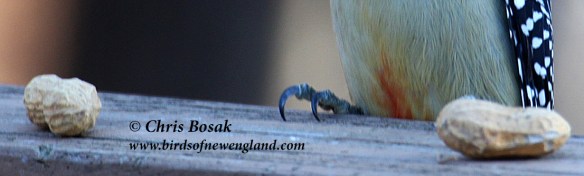
Relatively easy one today. Here’s a big hint too … what is showing in the photo is not often seen but is part of the bird’s name. Thanks for playing along.
Here’s yesterday’s answer, and yes, someone got it right, so you’re 2-for-2 so far.
Here’s yesterday’s photo:
Here’s a few frames prior …
Those who guessed black-capped chickadee were right!
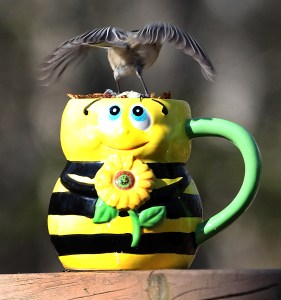
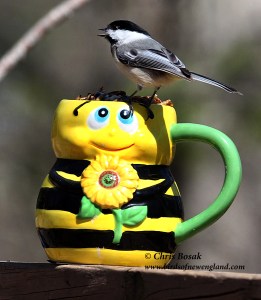
So far, yinz are 1-for-1 in guessing the Bird Quiz. The answer to yesterday’s quiz is below. Today’s question, obviously, is: What bird is flying away from the coffee mug?
If you’re scratching your head over what “yinz” means, you’re definitely not from the Pittsburgh area. Yinz (sometimes pronounced yunz) is a word that refers to several people, sort of like “you guys” or the southern preference “y’all.” The black and yellow from the mug made me think of the Steelers, hence the Pittsburgh reference. Anyway, I hope you all, I mean yinz, are doing well and handling this crisis as best as possible.
Here’s yesterday’s answer.
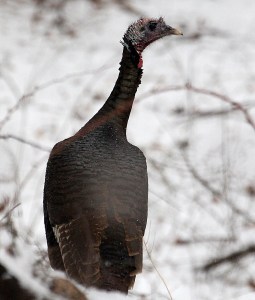
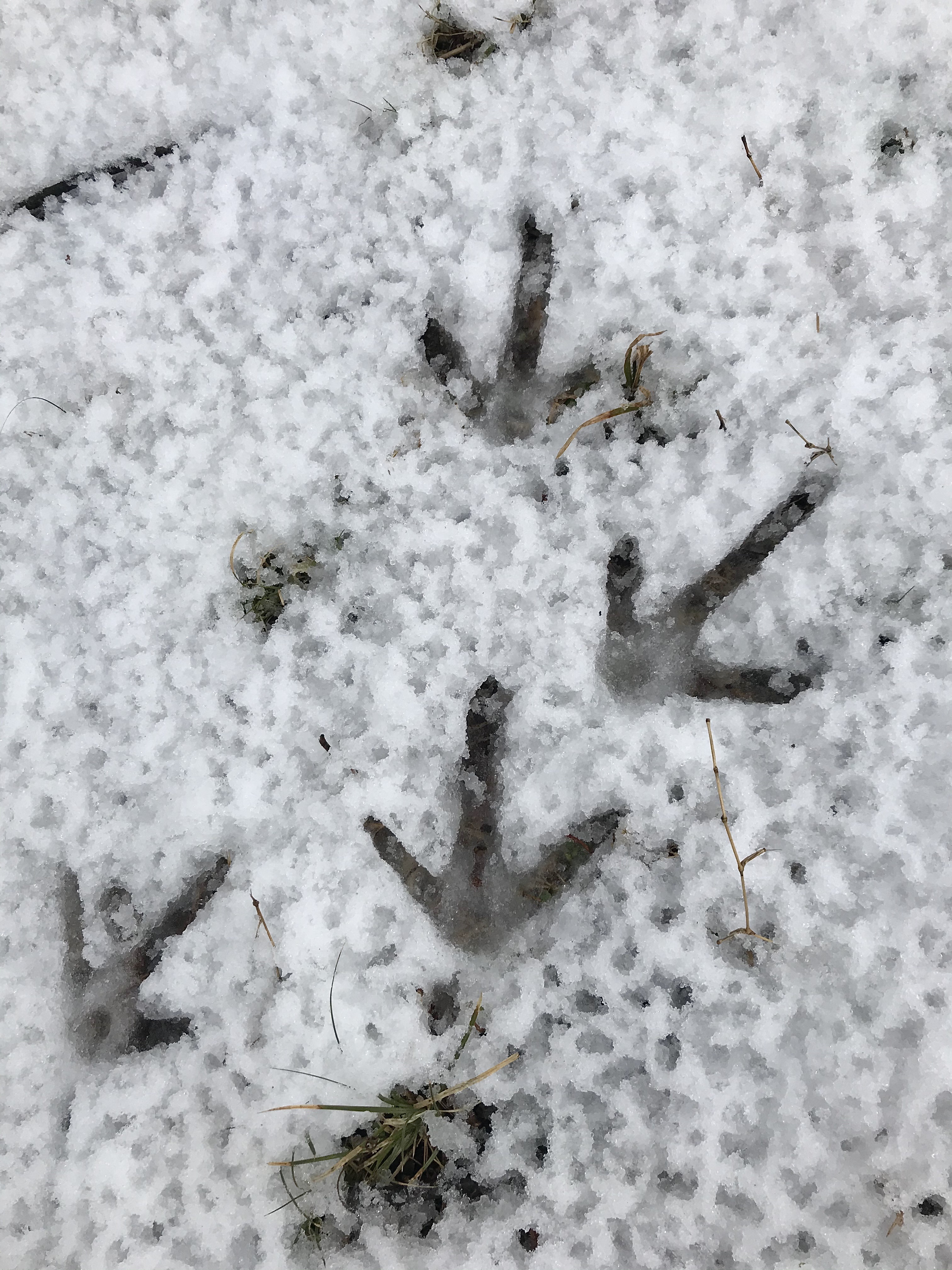
Above are the tracks made a few moments before the three turkeys walked down the hill and into the woods …
I’m going to shift themes again. I’ve already covered social distancing and cleanliness, now I will tackle the uncertainty aspect of coronavirus. I am not using coronavirus as an overarching theme to make light of this crisis, but rather to highlight the indomitable human spirit and bring a bit of levity to these trying days.
Therefore, with this post I kick off a run of Birding Quiz posts. I’ll reveal the answers in the next day’s post. Thanks for playing along and for supporting BirdsofNewEngland.com.
The first question is: What is in the above photo?
Here’s an oldie but a goodie. This is one of my favorite birdbath photos I’ve taken, even though it’s about 10 years old at this point.
(Repeat text from yesterday) With many of us working from home or otherwise “physical distancing” as we combat COVID-19, I will post a series of photos that are at least vaguely related to our dealing with the crisis. I’ve already done commingling species as a nod to social distancing. This week’s theme is birdbaths to highlight the need for handwashing. (Even though most birds in this series will be drinking and not bathing.)
Photo by Chris Bosak An eastern phoebe sits on a sign near at the edge of Deer Pond in Sherman, CT, fall 2019.
Coronavirus may have robbed us of our schools, normal work routine, hand sanitizer and toilet paper, but it hasn’t taken away our enjoyment of the outdoors yet. Hopefully it won’t even as scientists and officials put additional regulations on our lives almost daily.
Not that I am questioning or making light of the regulations. I understand the reasoning behind social distancing and sheltering in place. It is important to not let the virus get even more out of hand.
Experts have said that being outdoors is fine and even encouraged during this time. They do suggest avoiding crowds and maintaining a six-foot buffer between you and the next person, even outdoors.
That is fine for birdwatchers. Many of us like to enjoy our hobby either alone or with only a few people anyway, so avoiding crowds and maintaining distance is not a problem. The coronavirus crisis may even lead more people into this great hobby Continue reading →








 Birds of New England.com