Photo by Chris Bosak
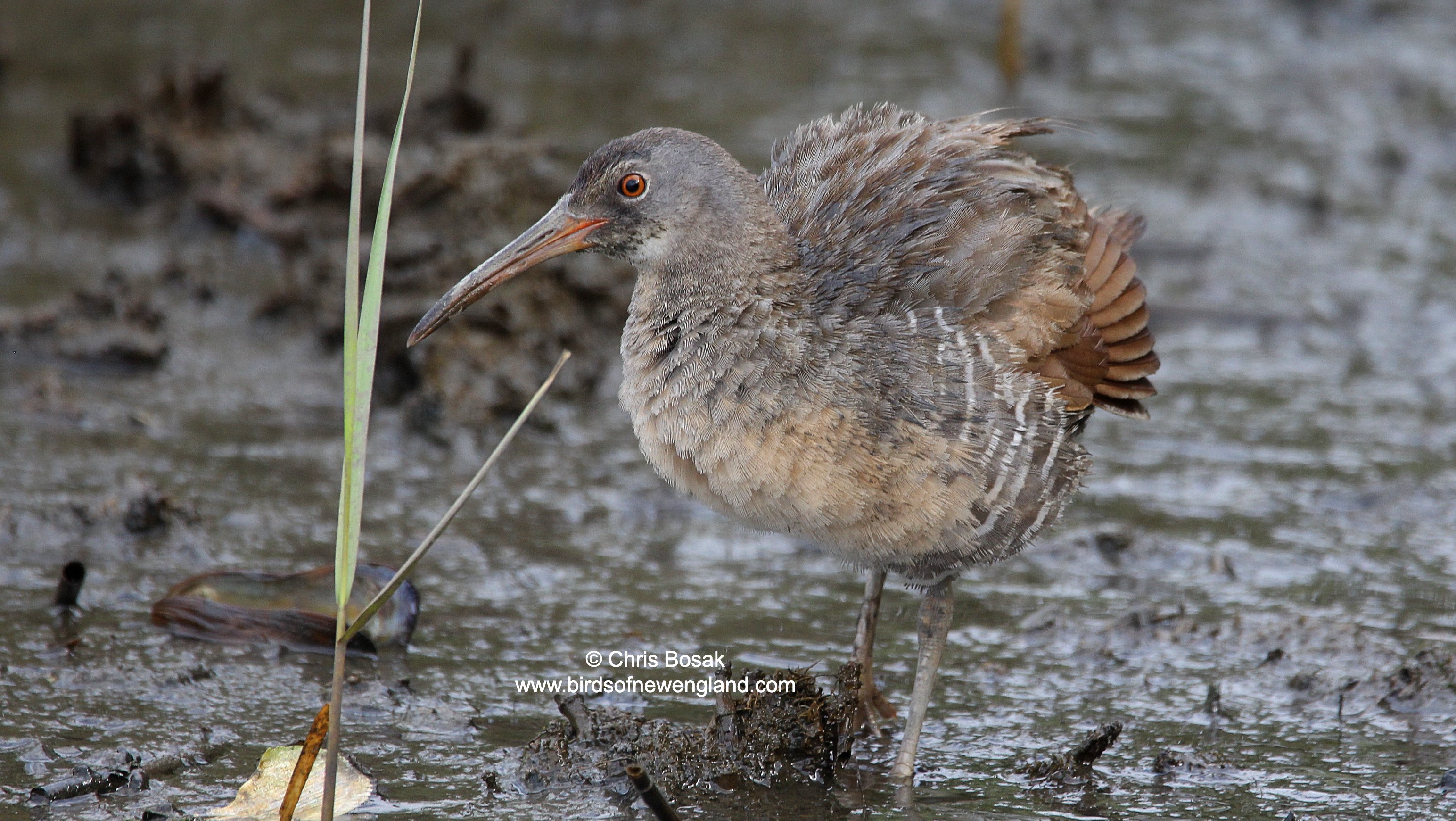
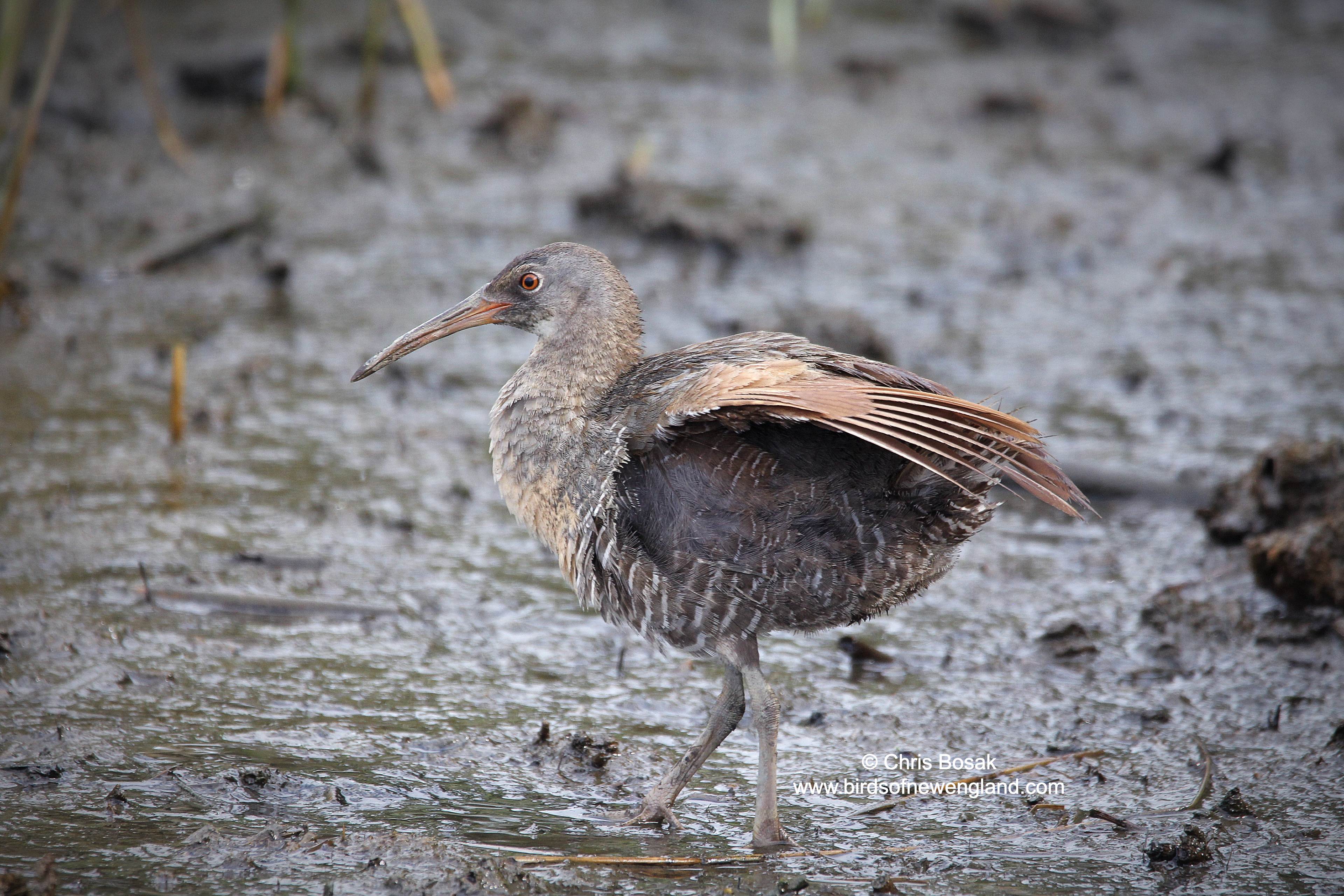
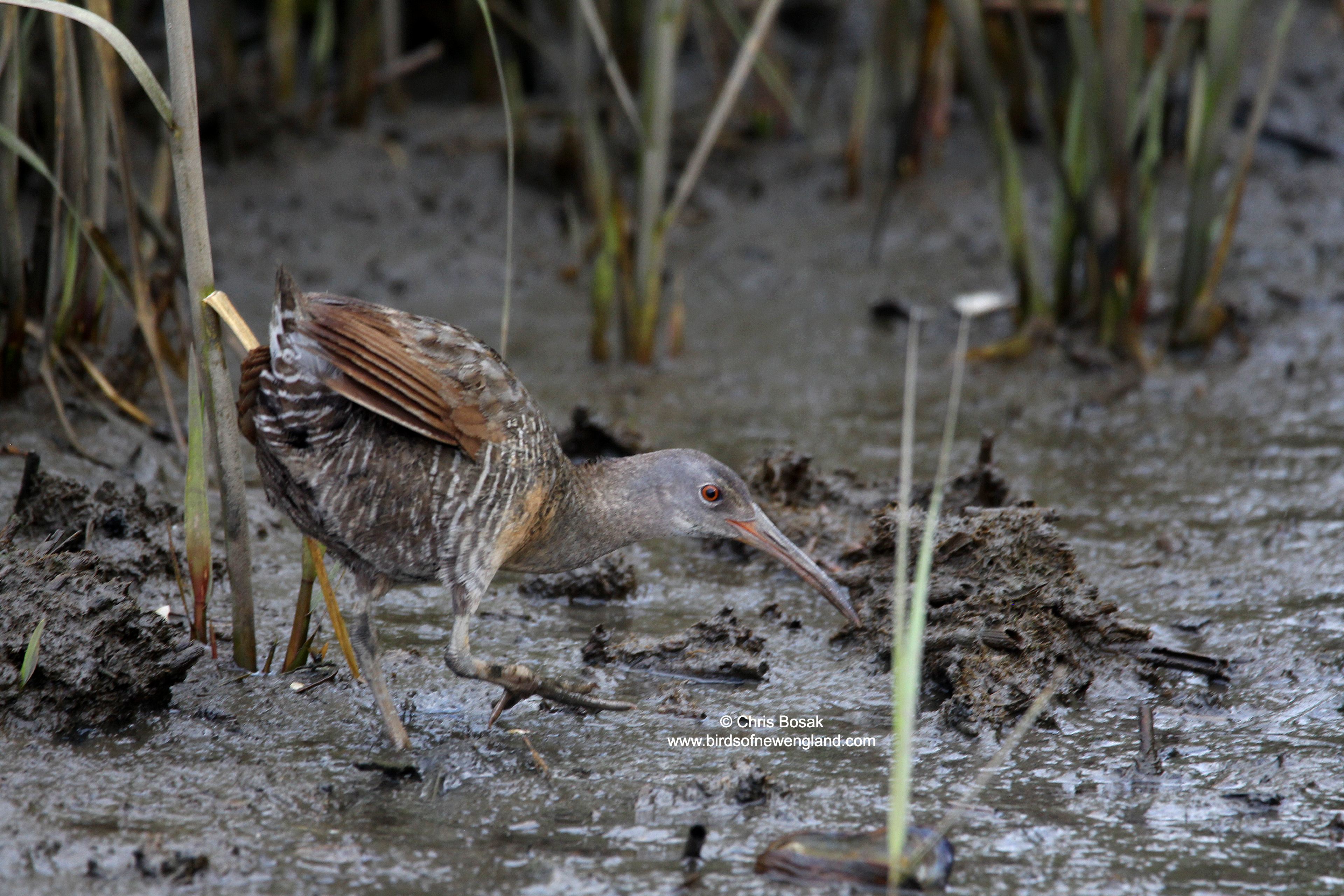
Clapper rail in Milford, Connecticut, summer 2025.
Rails are shy birds of the marshlands. Clapper rails are usually heard before they are seen, if they are seen at all. I stood in the muck at low tide for several minutes, and finally, this clapper rail decided to come out of the vegetation and walk along the mud for a few seconds. Several rails were calling back and forth in the marsh.
Photo by Chris Bosak
Clapper rail in Milford, Connecticut, summer 2025.Photo by Chris Bosak
Clapper rail in Milford, Connecticut, summer 2025.
Photo by Chris Bosak
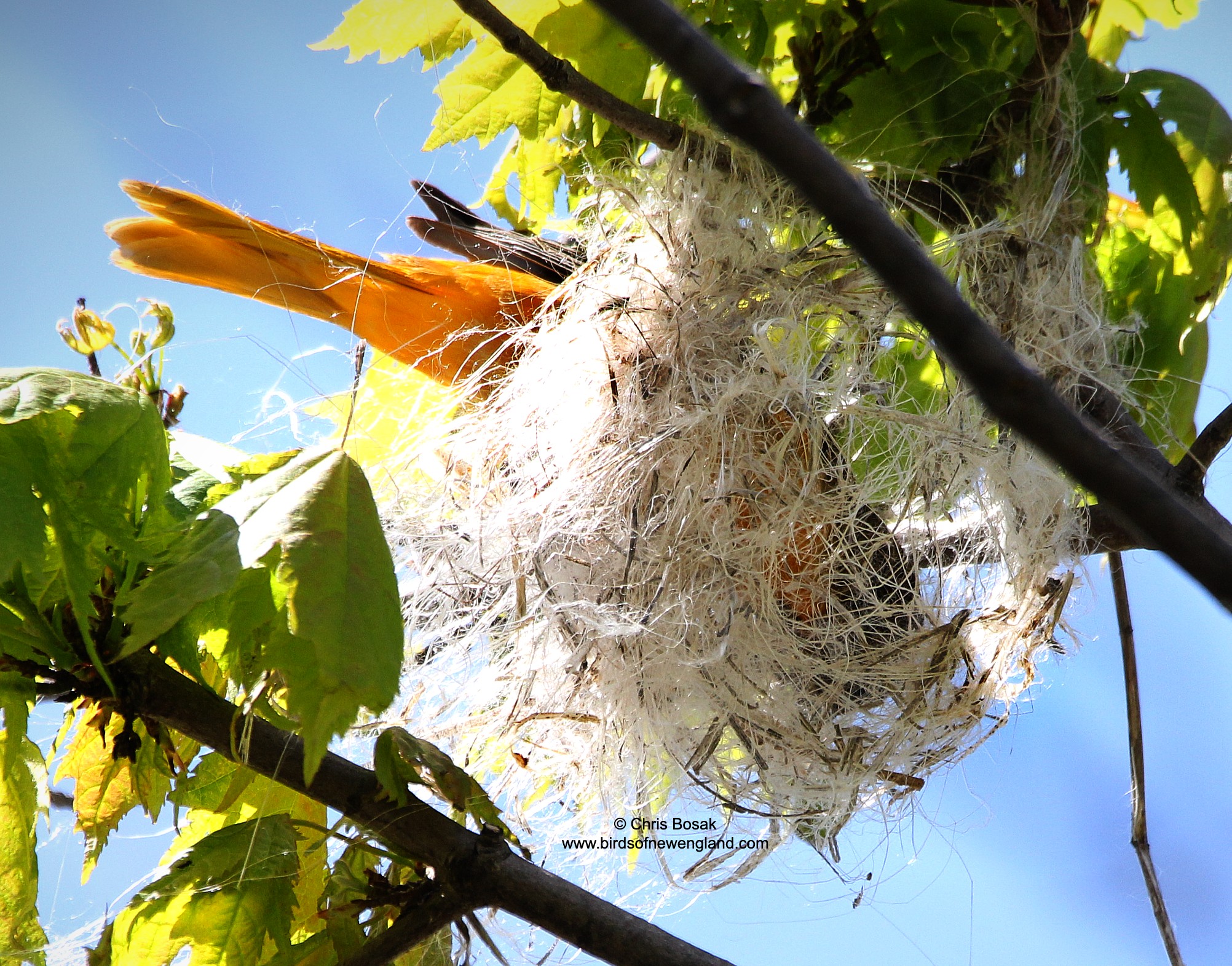
A Baltimore oriole builds a nest at Presque Isle State Park, Erie, Pa., May 2025.
Everything about a Baltimore oriole nest is ingenious. From the design and materials to the location selection, the nest is a perfect haven to raise young birds safely from predators (for the most part).
Fall is the best time to find oriole nests, after the leaves have fallen. Of course, by that time, the orioles are long gone, and the nest is a mere relic of the past breeding season, but it’s still interesting to see one of the pouch-like nests dangling from the end of a branch.
The other week, I was lucky enough to watch a female oriole build one of those remarkable nests. I was walking along a trail that was teeming with yellow warblers, catbirds, and Baltimore orioles when I glanced up and saw an oriole perched at the end of a branch overhead.
Photo by Chris Bosak
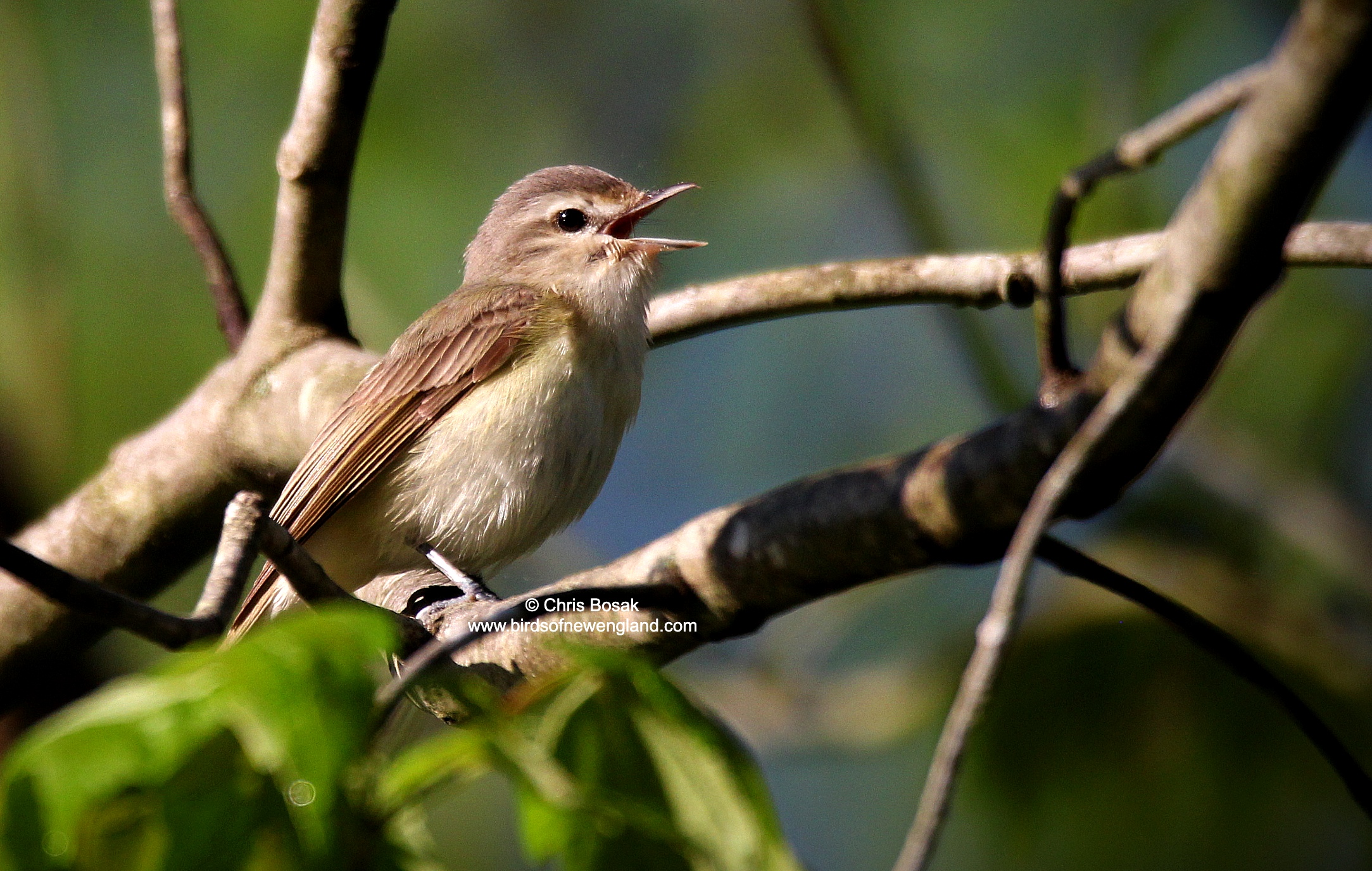
A warbling vireo sings from a branch in New England, spring 2025.
It’s funny how you can still discover new things after so many years.
I’m sure that applies to most hobbies, but it certainly applies to birdwatching. I have only recently “discovered” the warbling vireo. The small, loquacious bird, of course, has been around for far longer than I have been birdwatching, but I am only recently taking notice of it.
Part of the reason I may not have paid it much mind previously is that it is a small, fairly nondescript bird that typically hangs out in the middle to upper branches among the leaves. It is not like some birds that take an obvious perch somewhat low in the trees or brush and are easily found on a birdwalk.
Over the last couple of years, however, I have come to know warbling vireos not only because the males sing constantly, but I am finding them almost everywhere I go in the spring.
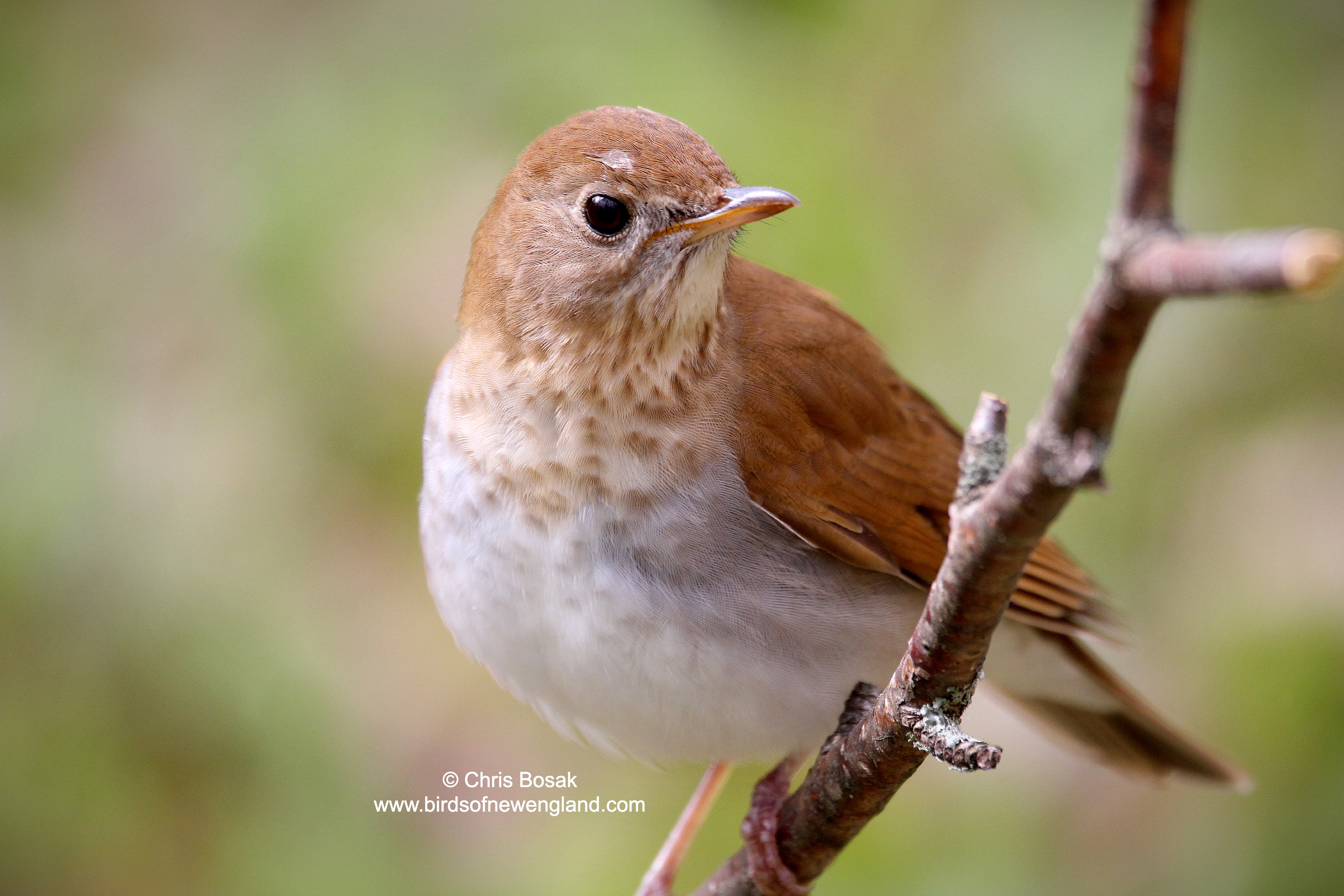
Photo by Chris Bosak – A veery stakes out territory in New England, spring 2025.
Warblers get all the press, but they are hardly the only bird family that passes through in great numbers in the spring.
I’m guilty myself of fixating on warblers, both in my birdwatching and writing. It’s hard not to as they are a fascinating family of birds and a joy to see in the spring. They come in a wide variety of colors, which is a welcome sight after a long, gray New England winter.
But enough about warblers, at least for now. Let’s focus on some of the other families that brighten our spring.
The other day, during a morning walk, I saw a great-crested flycatcher, wood thrush, red-eyed vireo and field sparrow. They are all members of families that have several species that either migrate through or nest in New England.
We don’t often think of sparrows as migrants as several types remain here all winter. I also think house sparrows are so ubiquitous that they are the only birds some people think about when they hear the word sparrow. But over the past few days, I’ve seen chipping sparrows, swamp sparrows and field sparrows. Don’t forget that eastern towhees are sparrows too. I’m growing more and more fond of the sparrow family as time goes on – house sparrows excluded.
Photo by Chris Bosak
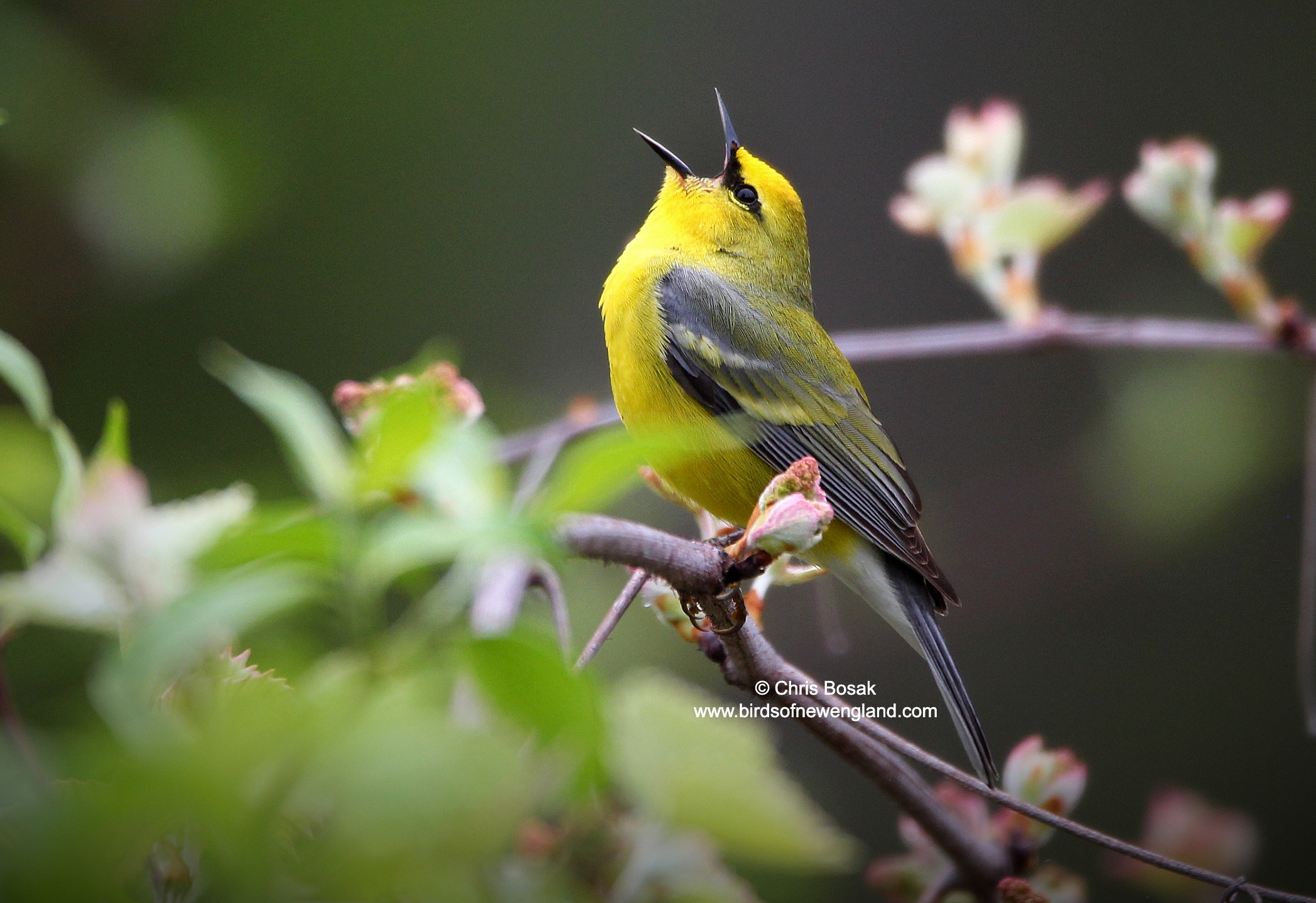
A blue-winged warbler sings in New England, spring 2025.
Here is the latest photo in the Singing in the Spring series: the blue-winged warbler. One of my favorite warblers, blue-winged warblers arrived back in New England over the last two weeks. They nest in New England and have a song that sounds more insect-like than bird-like.
Photo by Chris Bosak
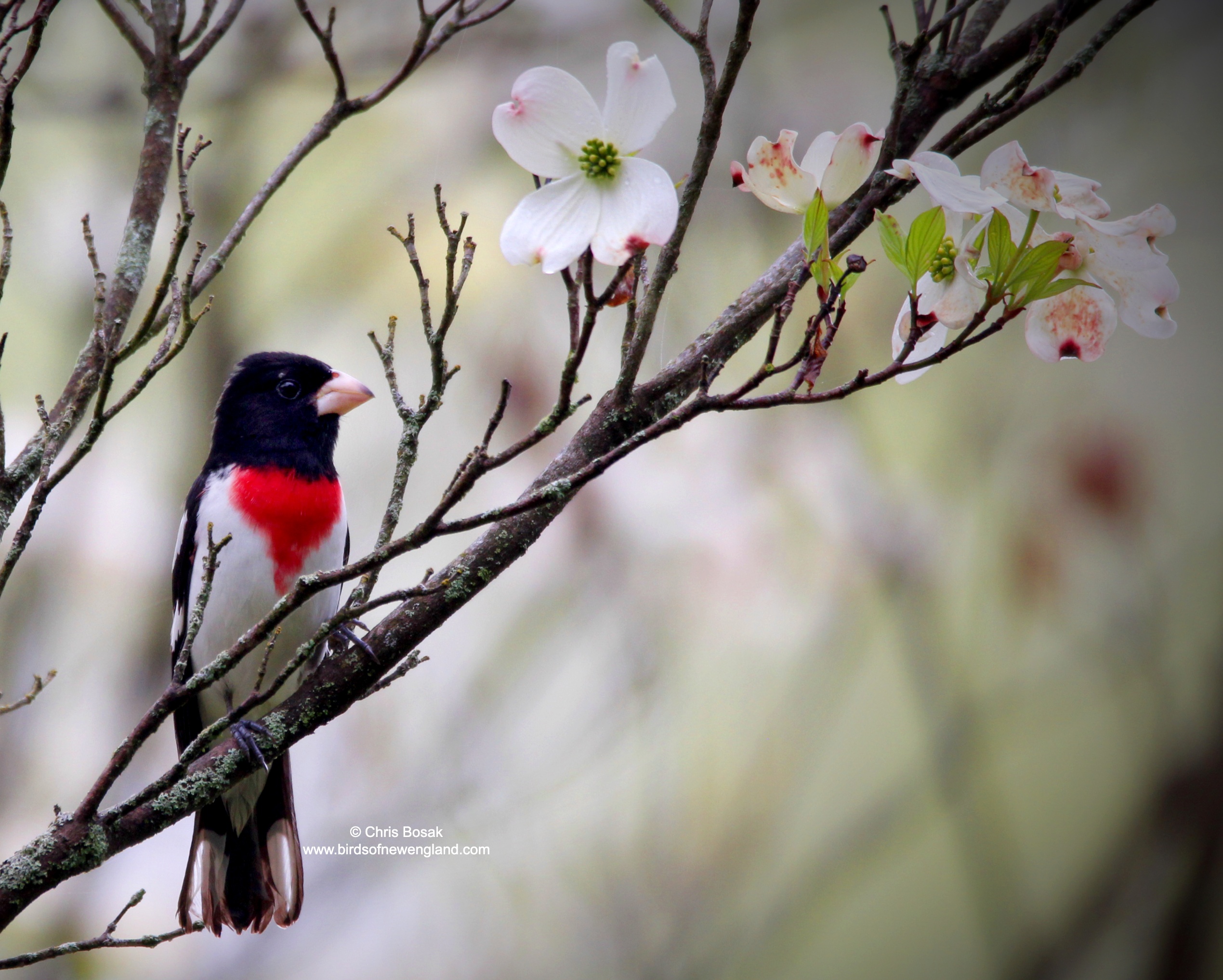
A rose-breasted grosbeak perches in a dogwood tree, New England, spring 2025.
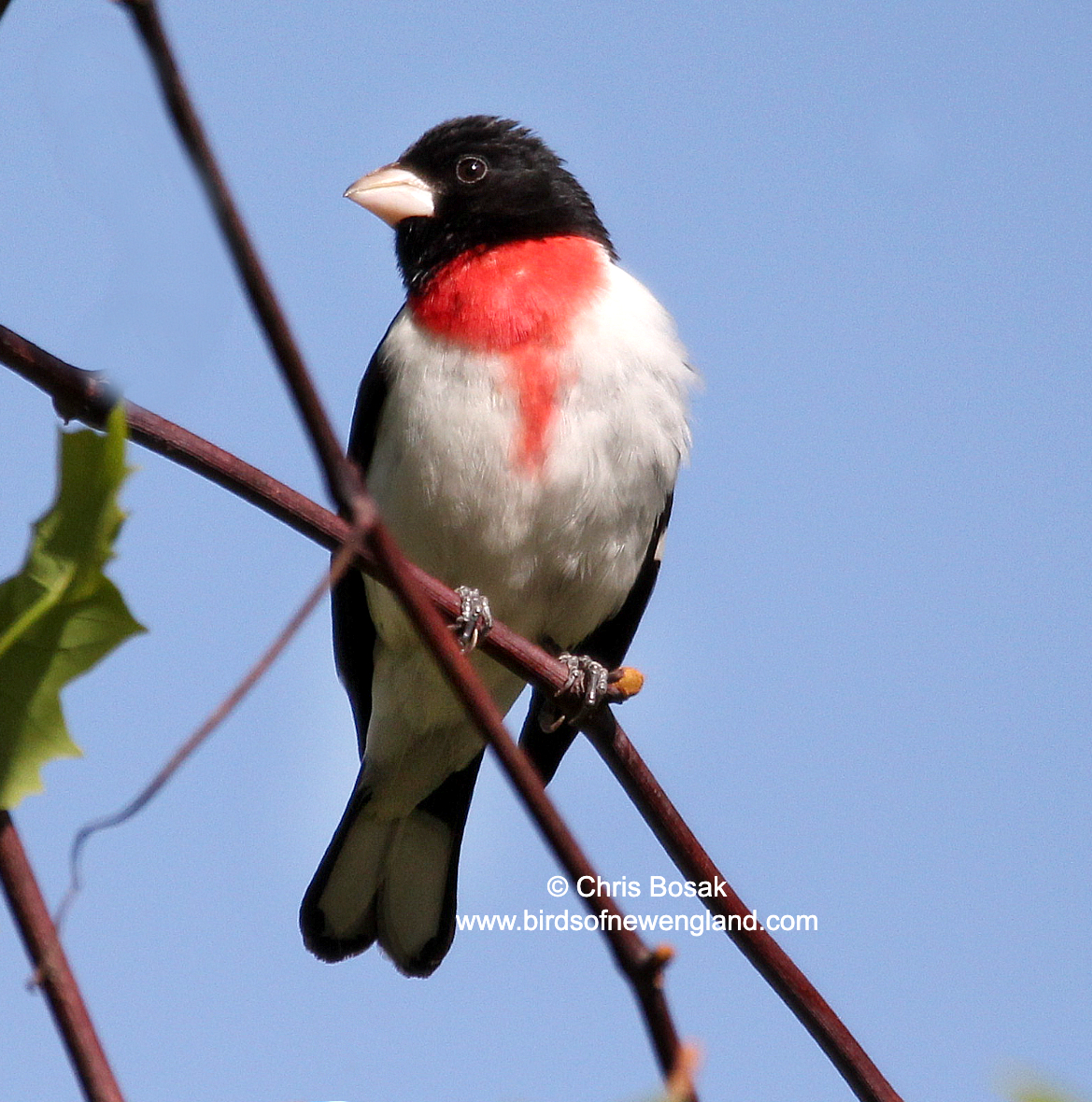
Yesterday, I used a photo of a rose-breasted grosbeak for my Singing in the Spring series. Today, I’m including a few bonus shots of a male rose-breasted grosbeak. You gotta love spring migration.
Photo by Chris Bosak
Rose-breasted grosbeak, New England, spring 2025.Photo by Chris Bosak
A rose-breasted grosbeak perches in a dogwood tree, New England, spring 2025.
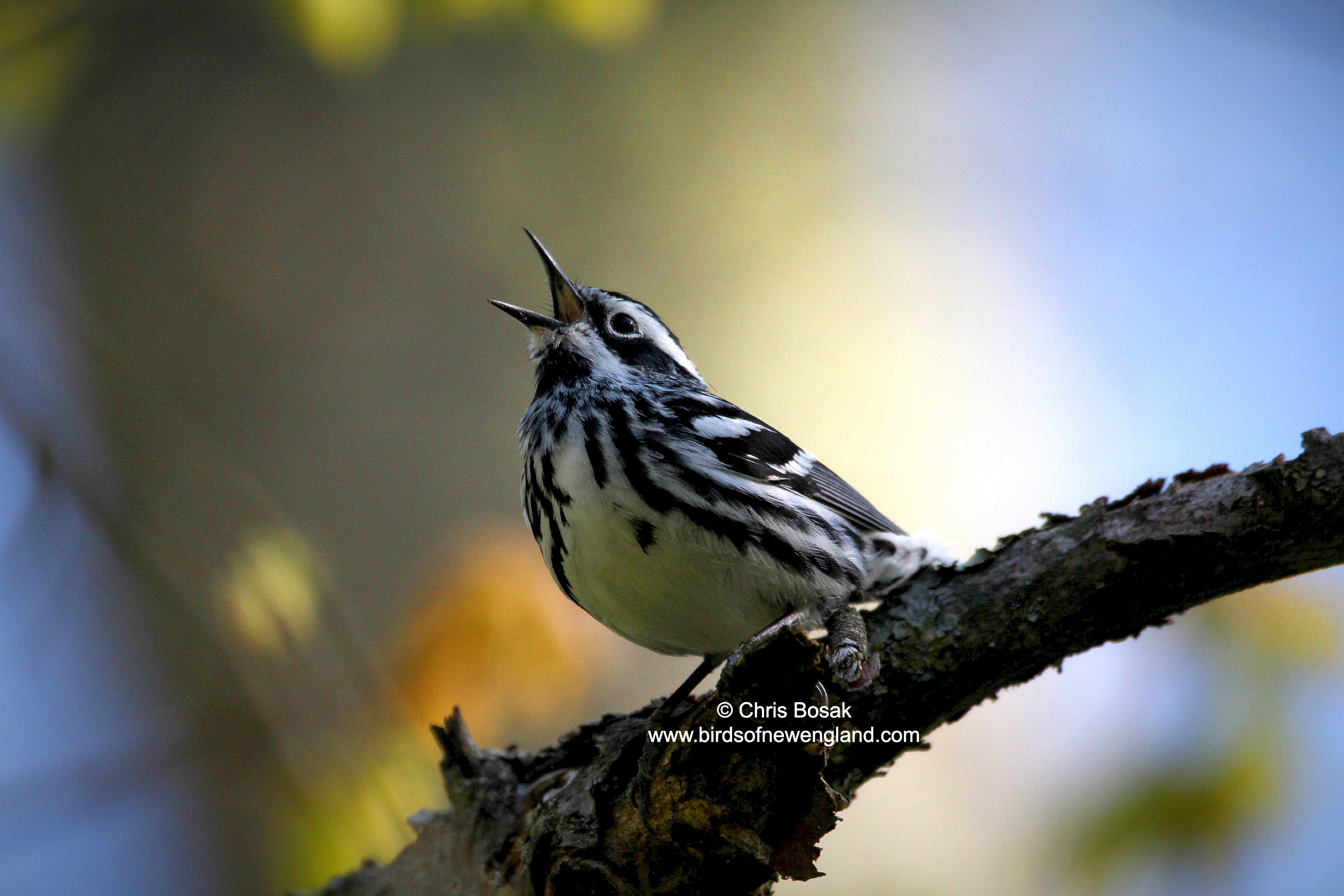
Photo by Chris Bosak – A black-and-white warbler sings in New England, spring 2025.
Black-and-white warblers sound like squeaky wheels when they sing. Their song can be ubiquitous in the New England woods depending on the time of year.
Photo by Chris Bosak
A field sparrow sings from the grasses at Huntington State Park in Redding, Connecticut, spring 2025.
Here’s the second installment of Singing in the Spring. The field sparrow looks more like a typical sparrow than the previously featured eastern towhee, but a close look reveals a handsome bird with subtle beauty.


 Birds of New England.com