Hey, a hawk’s gotta eat, too

Photo by Chris Bosak A Red-tailed Hawk eats a Gray Squirrel in a cemetery in Darien, Oct. 2014.

Photo by Chris Bosak
A Red-tailed Hawk eats a Gray Squirrel in a cemetery in Darien, Oct. 2014.

A local cemetery is often fruitful when it comes to finding birds. This day was no exception as literally hundreds of juncos and other small sparrows scattered as I drove slowly along the narrow roads.

I almost missed the highlight of the short birding trip, though. I glanced to my right just in time to see a Red-tailed Hawk on the ground a few dozen yards away. I hit the brakes and backed up just a touch. A Red-tailed Hawk on the ground usually means it is eating. Such was the case as this raptor was picking apart a freshly-killed Gray Squirrel. I watched for a bit, snapped a few photos and left the hawk to its meal. They aren’t called birds of prey for nothing.

More photos below:

Continue reading

Love this White-breasted Nuthatch photo

Photo by Chris Bosak White-breasted Nuthatch at backyard feeder, Oct. 2014.

Photo by Chris Bosak
White-breasted Nuthatch at backyard feeder, Oct. 2014.

Sometimes when photographing birds (or anything for that matter) you never really know what you’ll get. You should always be mindful of the background, but sometimes it’s tough to determine exactly how the photo will look until you take it. Honestly I got kind of lucky with this shot with the jet black background, which really makes the White-breasted Nuthatch standout. I’m not even sure what in the background was so black. Oh well, I’ll take it.

This is the third in a series of photographs celebrating our common backyard feeder birds.

Tricky fall migration

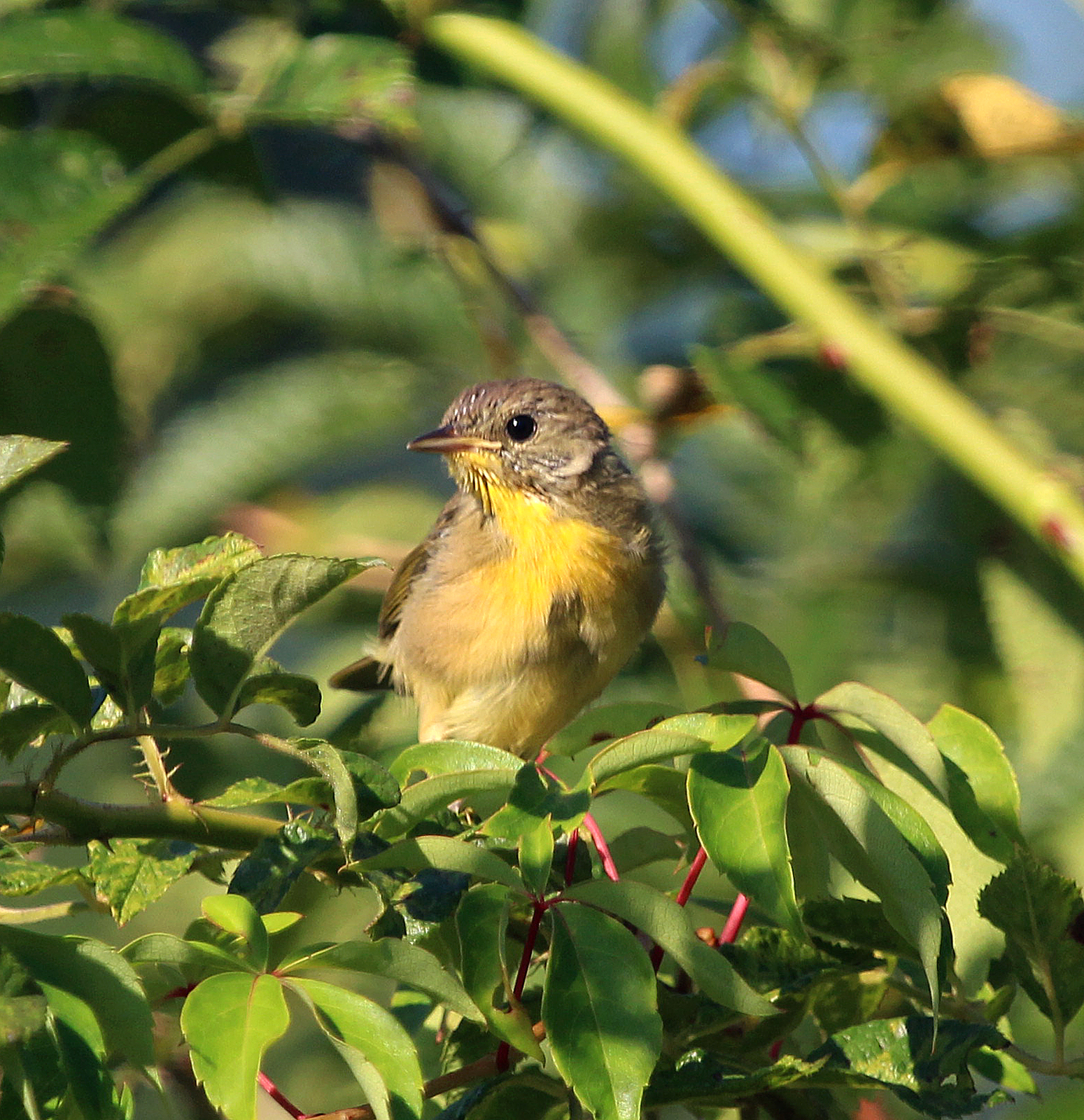
Photo by Chris Bosak A female Common Yellowthroat perches in a tree in West Norwalk late this summer.

Photo by Chris Bosak
A female Common Yellowthroat perches in a tree in West Norwalk late this summer.

Here’s the latest For the Birds column, which runs weekly in The Hour (Norwalk, CT) and The Keene Sentinel (Keene, N.H.)

I’ve mentioned before that the fall migration, for the most part, is less ballyhooed by the birding community.

There are many reasons for this. The spring migration is so eagerly anticipated because it follows winter (usually a harsh one in New England) and birders are itching to see signs of rejuvenation in the natural world. The early flowers do a good job of heightening our spirits, but there’s nothing like the birds’ returning to really get us out of the winter doldrums.

The spring migration is also marked with a wide variety of colorful birds, most notably the warblers and other songbirds that pass through in April and May. The males are in their bright breeding plumage and singing their hearts out. The females are not as brightly colored and not as vocal, but are still a sight for sore eyes in the spring. The birds have a real sense of urgency in the spring migration, too. They need to get to their breeding grounds to get a good nesting spot and get down to th Continue reading