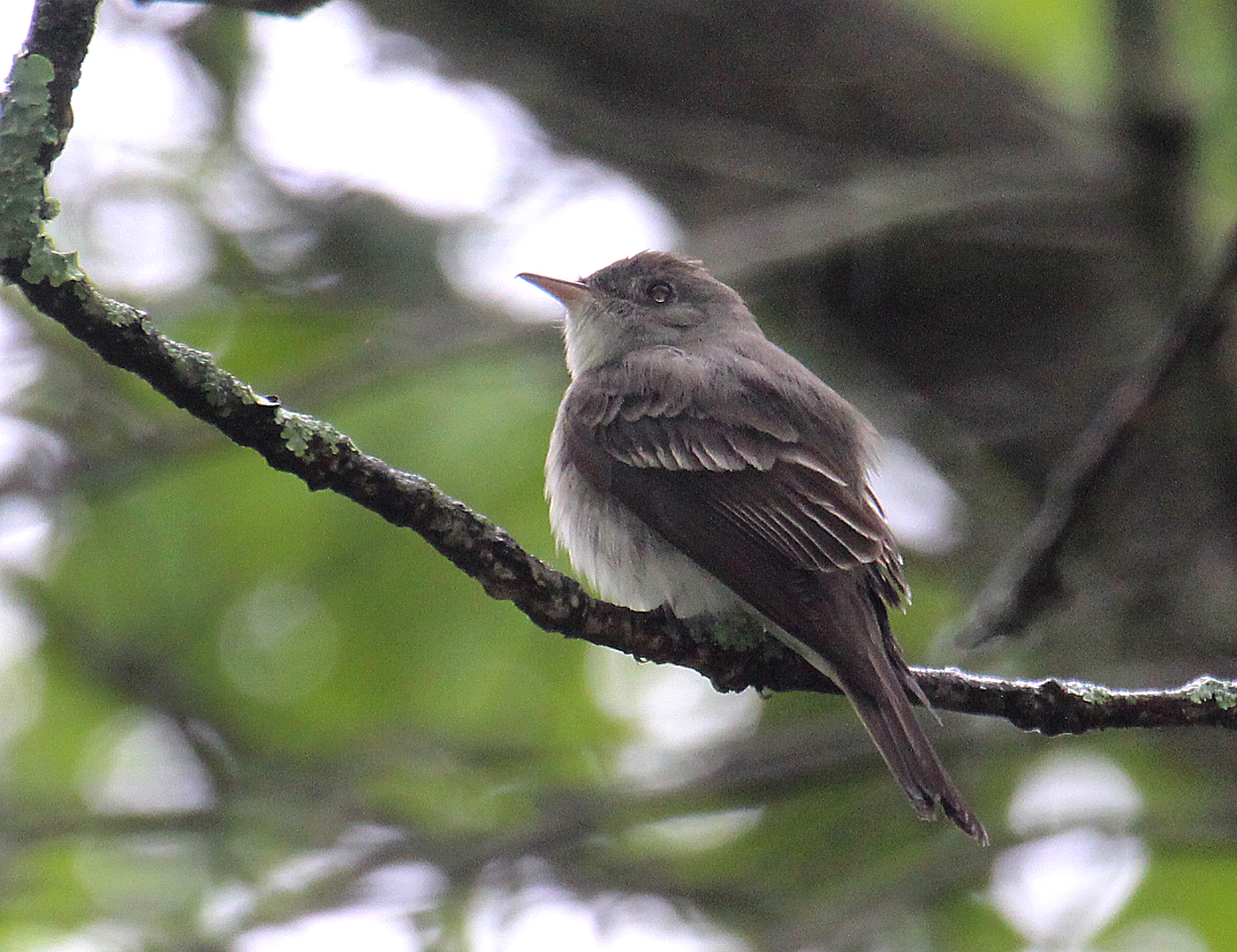
What’s an eastern wood-pewee look like anyway?

Photo by Chris Bosak An eastern wood-pewee perches on a branch in Danbury, Conn., summer 2017.

Photo by Chris Bosak
An eastern wood-pewee perches on a branch in Danbury, Conn., summer 2017.

I stepped out onto the back deck this morning, coffee in one hand and a freshly cleaned and filled hummingbird feeder in the other. The din of a distant interstate highway and the song of an eastern wood-pewee were the only sounds I heard. The high-pitched “pe-weee” is ubiquitous in the summer in my woods. On mid-summer afternoon walks, sometimes that song is the only sign of birdlife to be experienced.

But while the eastern wood-pewee is often heard in New England woods, it isn’t seen as often. The woods are thick with vegetation and leaves in the summer, providing cover for the birds. Lighting is poor in the woods as those same leaves block the sun from illuminating the scene. Finally, eastern wood-pewees are small, nondescript birds. They don’t exactly stand out in a crowd.

So for the casual birder, and even some more experienced ones, eastern wood-pewees are often heard and rarely seen. Earlier this year, I found a stunned pewee on my front porch. It had hit my storm door and fell to the ground. Luckily it was only stunned and I picked it up, held it in my hand for a few minutes and watched it fly off to a nearby perch. As it collected its wits on the branch for a few moments, I had the opportunity to grab a few photos of it before it flew off to parts unknown.

I posted a few months ago a few photos of the bird while it was in my hand. Click here for that posting. Here are a few photos of an eastern wood-pewee in a more natural setting. Now you can see why they are so tough to find in the shaded woods.
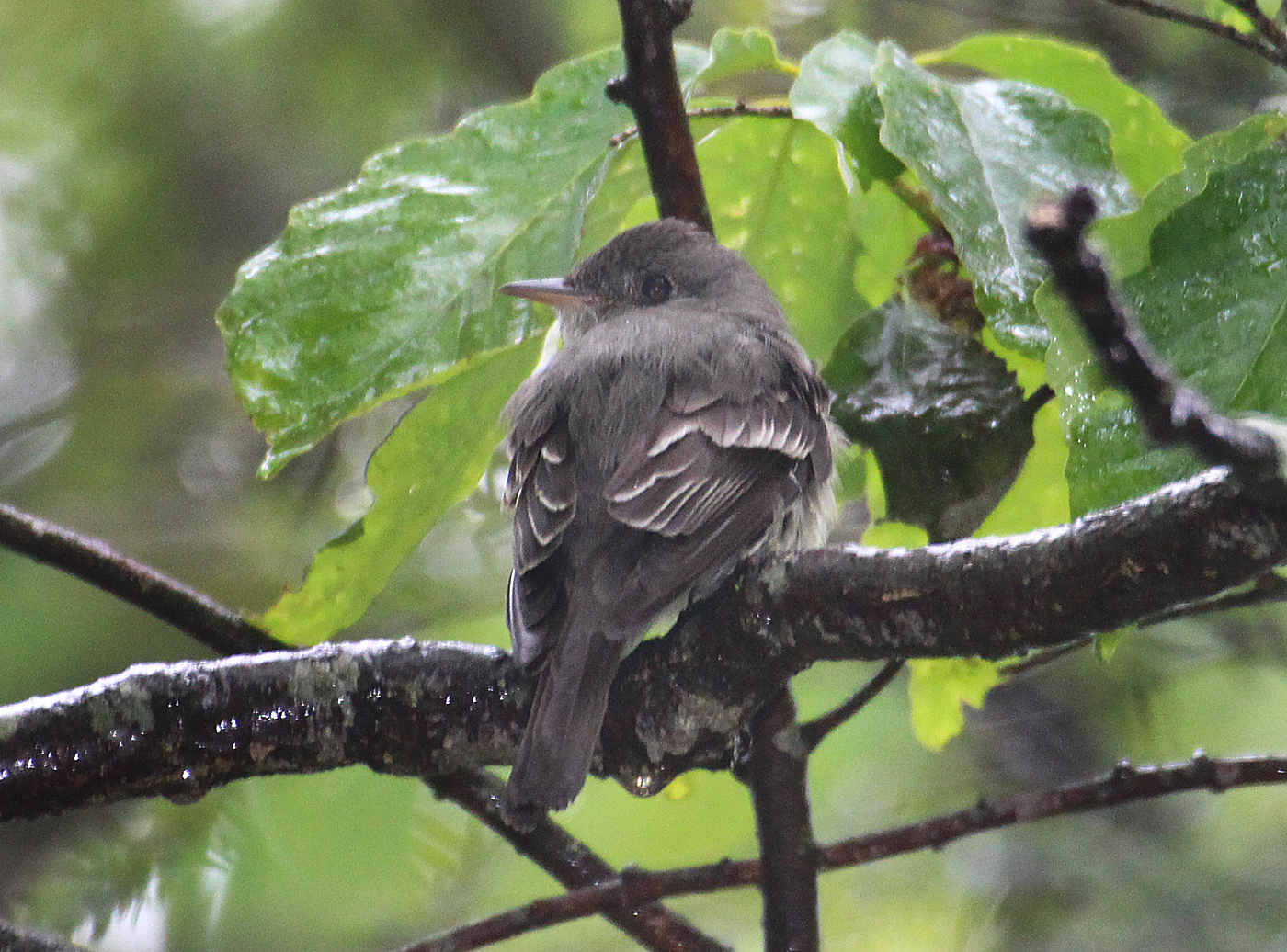
Photo by Chris Bosak An eastern wood-pewee perches on a branch in Danbury, Conn., summer 2017.
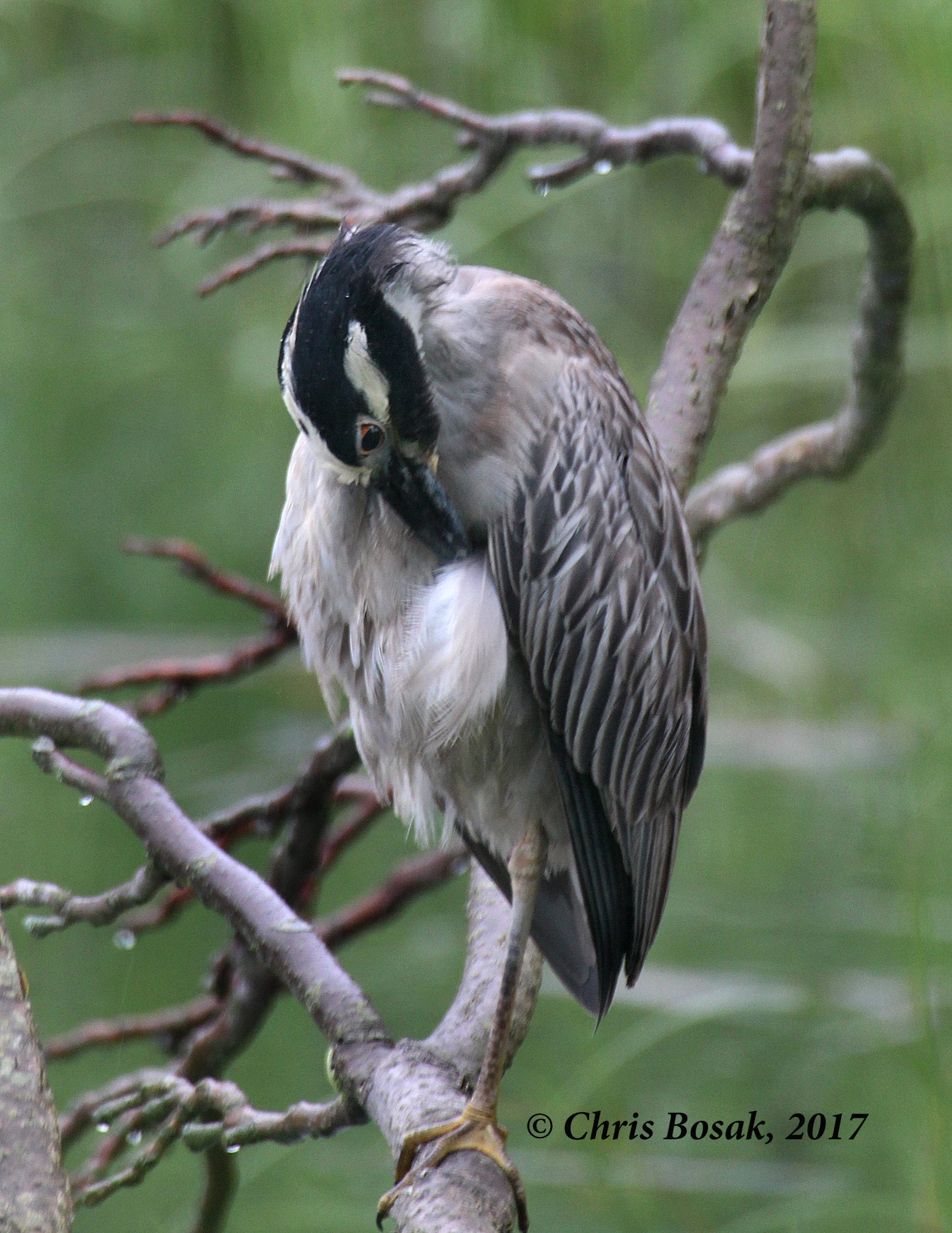
Photo by Chris Bosak
An eastern wood-pewee perches on a branch in Danbury, Conn., summer 2017.
Yellow-crowned Night Heron preening

Photo by Chris Bosak  A yellow-crowned night heron preens in Norwalk, Conn., summer 2017.

Photo by Chris Bosak
A yellow-crowned night heron preens in Norwalk, Conn., summer 2017.

Birds preen to keep their feathers clean, strong and in order. The barbs sometimes come unattached and, amazingly enough, they can reattach the barbs with their bills.

Here’s a shot of a yellow-crowned night heron caught in the act.

Busy summer for hummingbirds

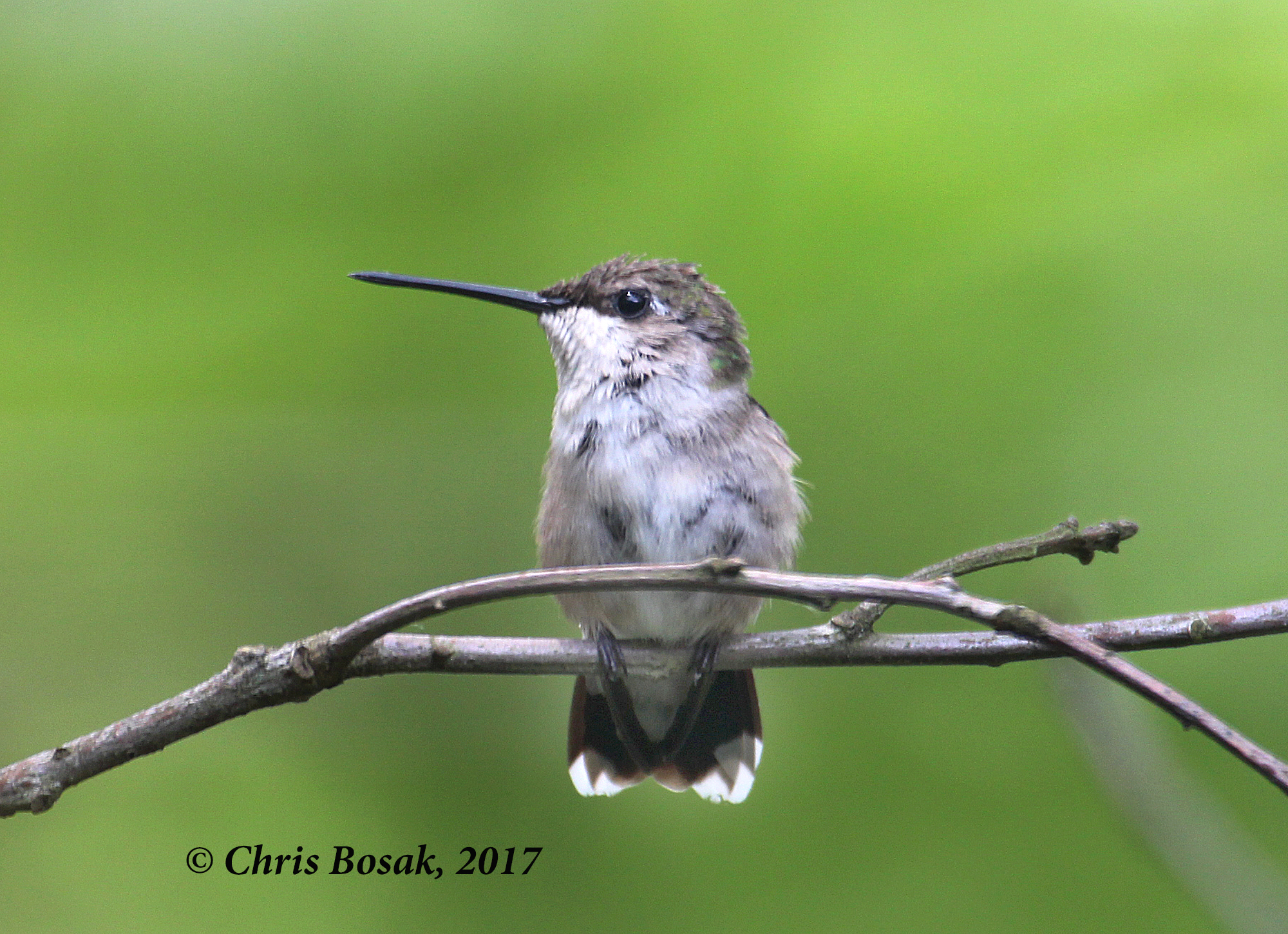
Photo by Chris Bosak A ruby-throated hummingbird perches on a branch near a feeder at Merganser Lake, Danbury, Conn.

Photo by Chris Bosak
A ruby-throated hummingbird perches on a branch near a feeder at Merganser Lake, Danbury, Conn.

I’ve complained often over the years about the lack of hummingbirds I attract to my yard. Well, this is year is finally different. I’ve got males, females and first-year birds (both male and female presumably) and they visit frequently. I have a feeder in the backyard with the rest of the feeding station, and a suction cup feeder stuck to my office window. Both are busy all day, every day. It’s been a lot of fun watching them. Here are some shots of my visitors. (Females and first-year ruby-throated hummingbirds look very similar. I’m guessing this is an adult female because it is very territorial.)

Photo by Chris Bosak A ruby-throated hummingbird perches on a branch near a feeder at Merganser Lake, Danbury, Conn.

Photo by Chris Bosak
A ruby-throated hummingbird perches on a branch near a feeder at Merganser Lake, Danbury, Conn.

For the Birds: Growing up quickly in the bird world

Here is the latest For the Birds column, which runs in several New England newspapers.

Photo by Chris Bosak Young Blue Jay at birdbath

Photo by Chris Bosak
Young Blue Jay at birdbath

They grow up fast, don’t they?

I’m not even talking about my own boys, who are eating me out of house and home with their darn growth spurts. I’m talking about the other youngsters growing up on my property — the birds, or course.

Watching the activity at the birdbath recently has been an education in just how quickly birds grow. I was watching a blue jay the other day and it took me a while to realize the bird looked a little different from the blue jays I was used to seeing. Mostly around the face, the bird just didn’t look right.

It was a youngster, or a fledgling to be more scientific. It doesn’t take long before young blue jays look just like their parents. It takes even less time before they are the size of their parents. This bird was in that short in-between phase when it was the size of an adult, but didn’t quite obtain the adult plumage.

The juvenile plumage disappears quickly in most songbirds, unlike some other types of birds when it can take years. A bald eagle, for instance, doesn’t obtain its white head for four or five years. But in songbirds, it’s a matter of a few short weeks.

The juvenile blue jay I watched tried a defense mechanism Continue reading

Yellow-crowned Night Heron chilling out

Photo by Chris Bosak A Yellow-crowned Night Heron in Norwalk, Conn., summer 2017.

Photo by Chris Bosak
A Yellow-crowned Night Heron in Norwalk, Conn., summer 2017.

Here’s a shot I got of a Yellow-crowned Night Heron just chilling out on a branch in a marsh last week. Yellow-crowned Night Herons are good at chilling out as that’s usually what I see them doing. Good for them.

Yellow-crowned Night Herons are birds of the marshes and other tidal areas. They look similar to their cousin, the Black-crowned Night Heron, which is found around brackish and fresh water. Black-crowned Night Herons are a bit more stocky, however.

OK, one more shot from Pittsburg, N.H.

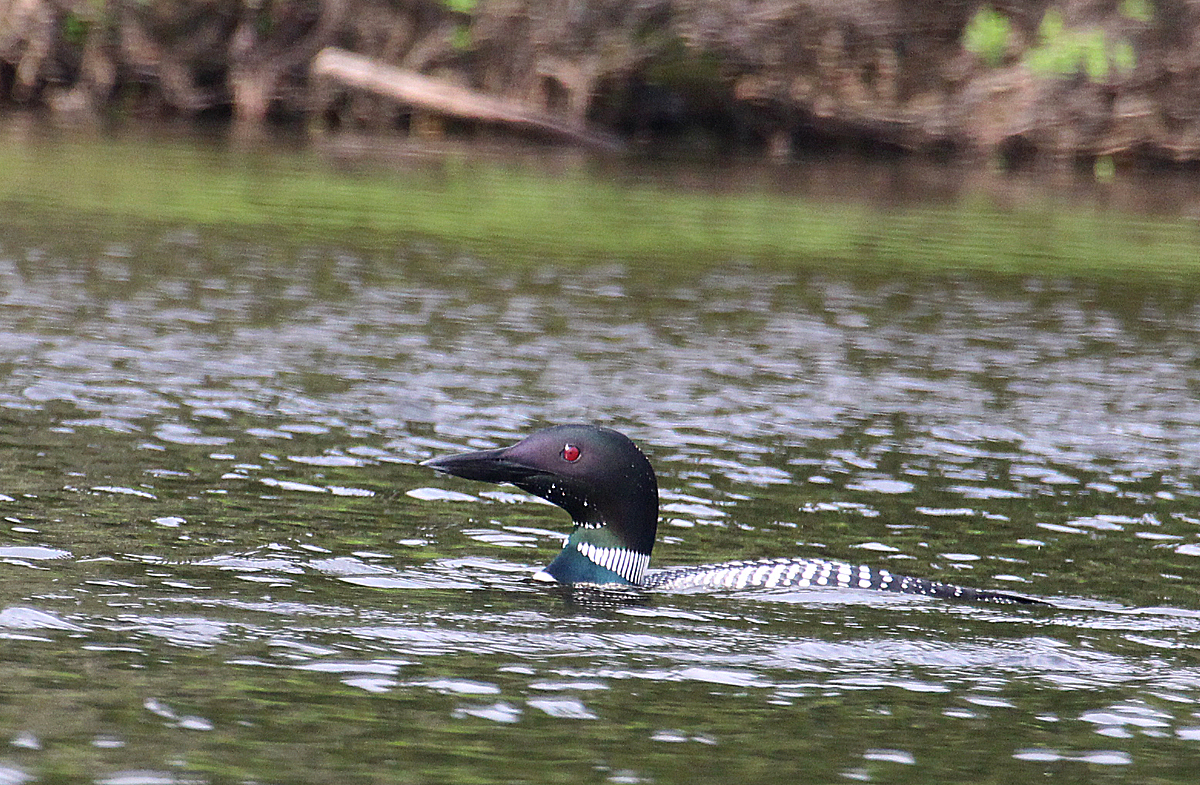
Photo by Chris Bosak A common loon in Pittsburg, N.H., summer 2017.

Photo by Chris Bosak
A common loon in Pittsburg, N.H., summer 2017.

OK, so I fibbed a bit in my last post. Here’s the last photo from my recent trip to Pittsburg, N.H. What’s a photo compilation of a trip to northern New Hampshire without a loon?

And just a few more photos from Pittsburg, N.H.

Photo by Chris Bosak Black-throated green warbler in Pittsburg, N.H., summer 2017.

Photo by Chris Bosak
Black-throated green warbler in Pittsburg, N.H., summer 2017.

This post will put a lid on my recent trip to Pittsburg, N.H.

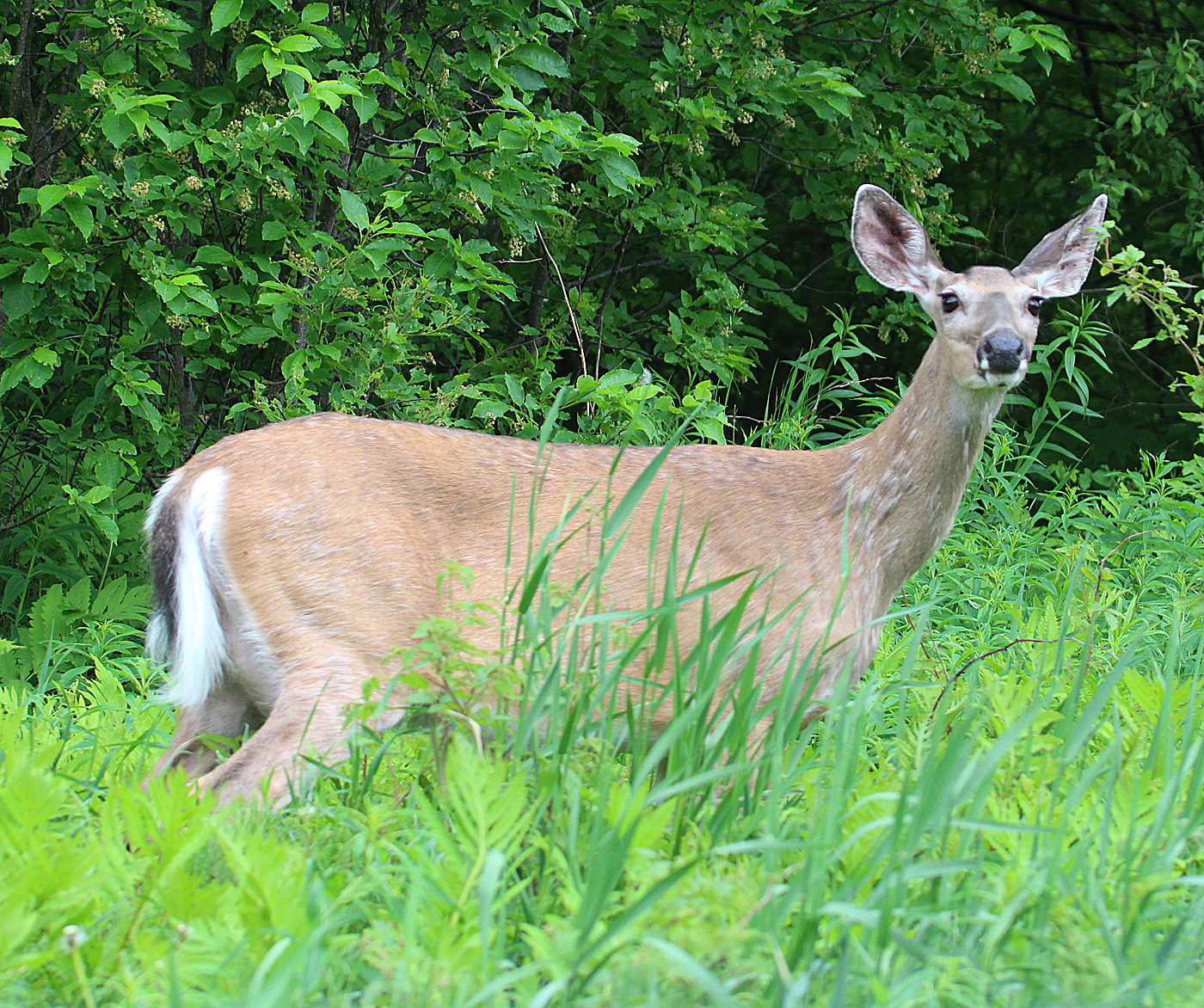
Photo by Chris Bosak White-tailed deer in Pittsburg, N.H., summer 2017.

Photo by Chris Bosak
White-tailed deer in Pittsburg, N.H., summer 2017.

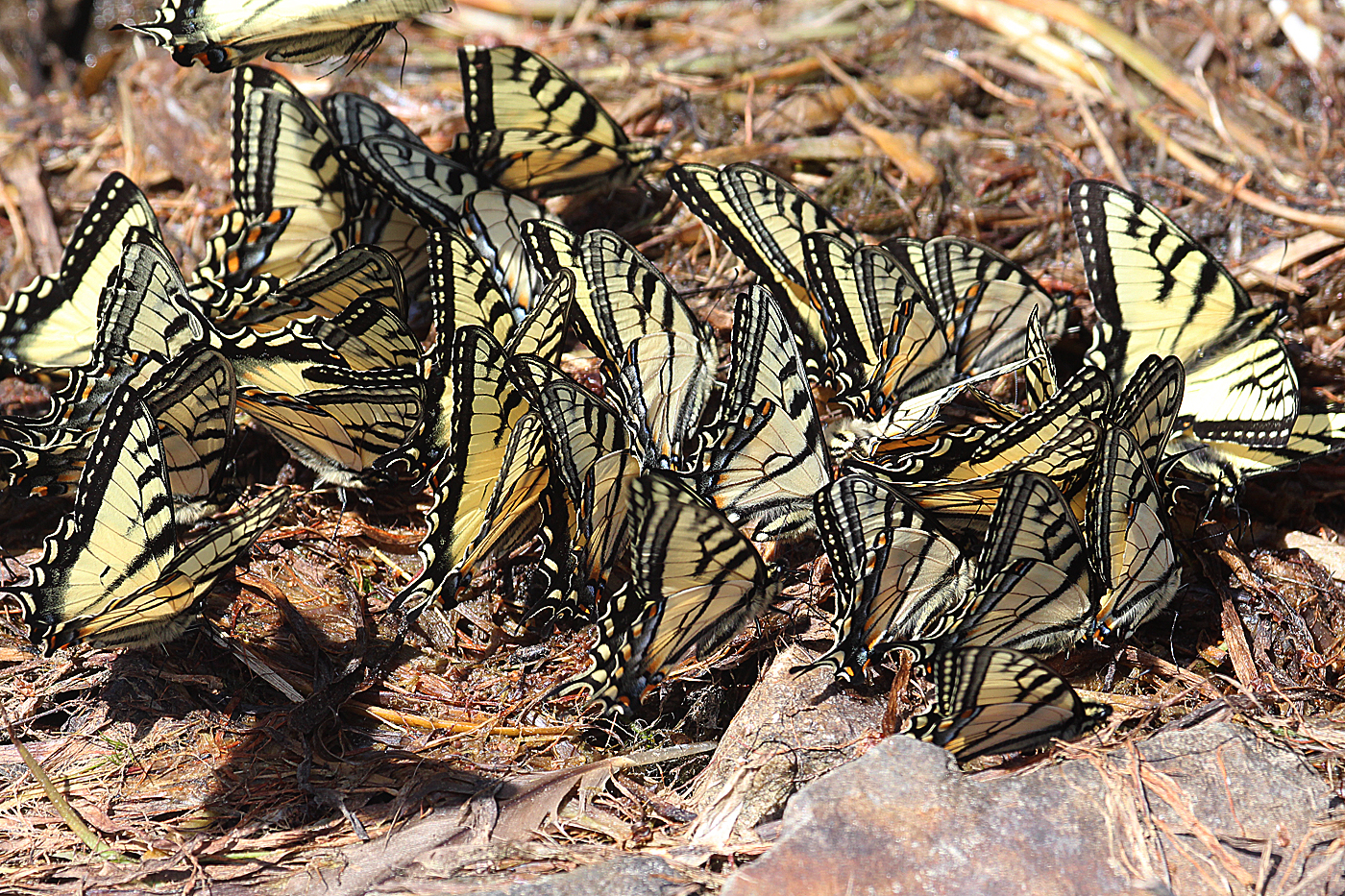
Photo by Chris Bosak Tiger Swallowtails gather at the edge of the pond at Deer Mountain Campground in Pittsburg, N.H., in summer 2017.

Photo by Chris Bosak
Tiger Swallowtails gather at the edge of the pond at Deer Mountain Campground in Pittsburg, N.H., in summer 2017.

Photo by Chris Bosak Family of Canada Geese in Pittsburg, N.H., summer 2017.

Photo by Chris Bosak
Family of Canada Geese in Pittsburg, N.H., summer 2017.

More photos from Pittsburg, N.H., trip

Photo by Chris Bosak Beaver in Pittsburg, N.H., summer 2017.

Photo by Chris Bosak
Beaver in Pittsburg, N.H., summer 2017.

Here are some more photos from my recent trip up north to Pittsburg, N.H. Admitted some shots aren’t great, but I didn’t have as much time to photograph wildlife as I would have liked — remember from the last bird column, I had two 14-year-old boys to keep an eye on, too.

The moose shot is particularly bad, but the moose population is having a tough time of it in New England, so I didn’t want to do anything to chase it off and potentially put it in danger.

Here are the shots. Always fun to visit the Great North Woods.

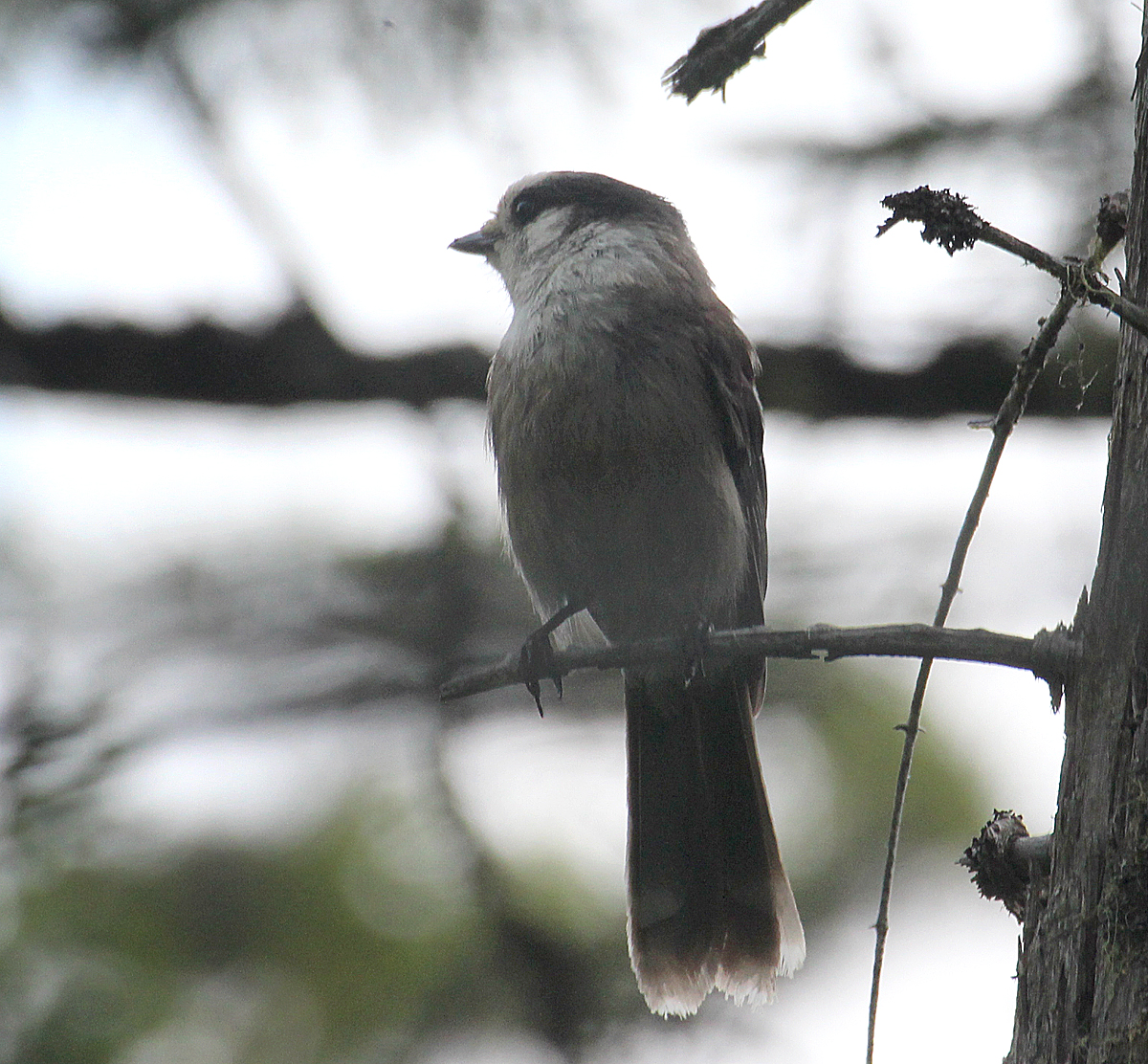
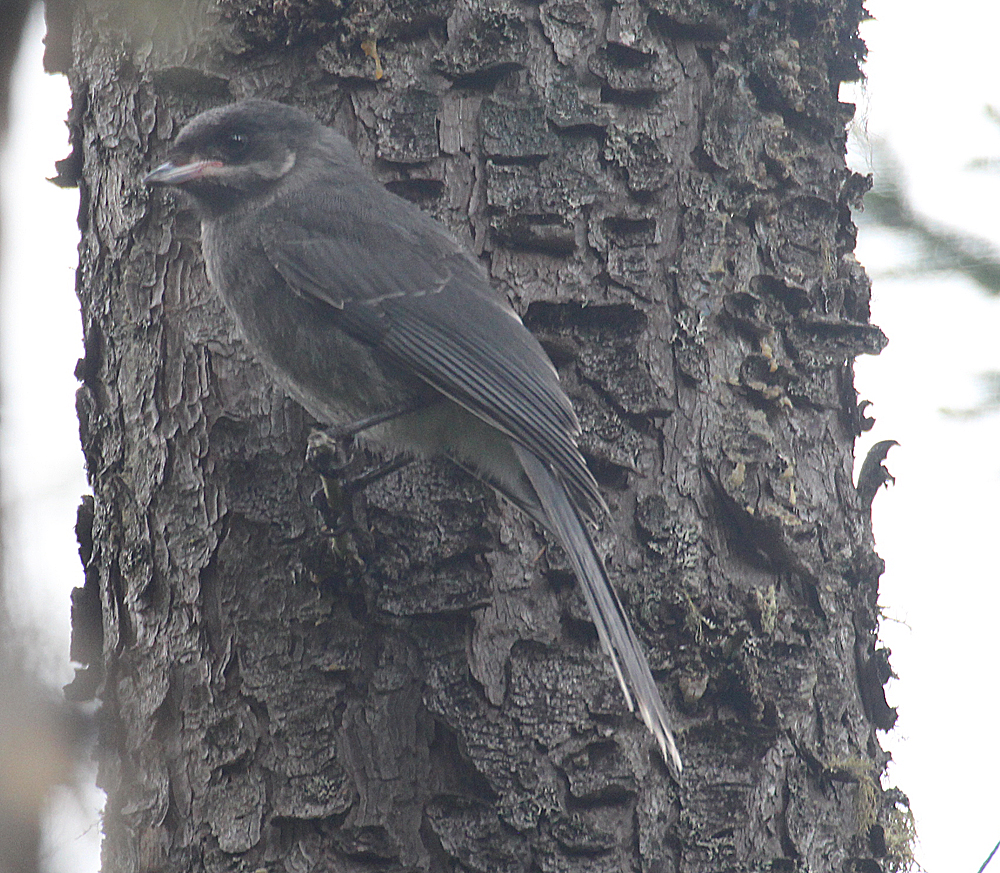
Gray Jay in Pittsburg, N.H., summer 2017.

Gray Jay in Pittsburg, N.H., summer 2017.

Photo by Chris Bosak Immature Gray Jay in Pittsburg, N.H., summer 2017.

Photo by Chris Bosak
Immature Gray Jay in Pittsburg, N.H., summer 2017.

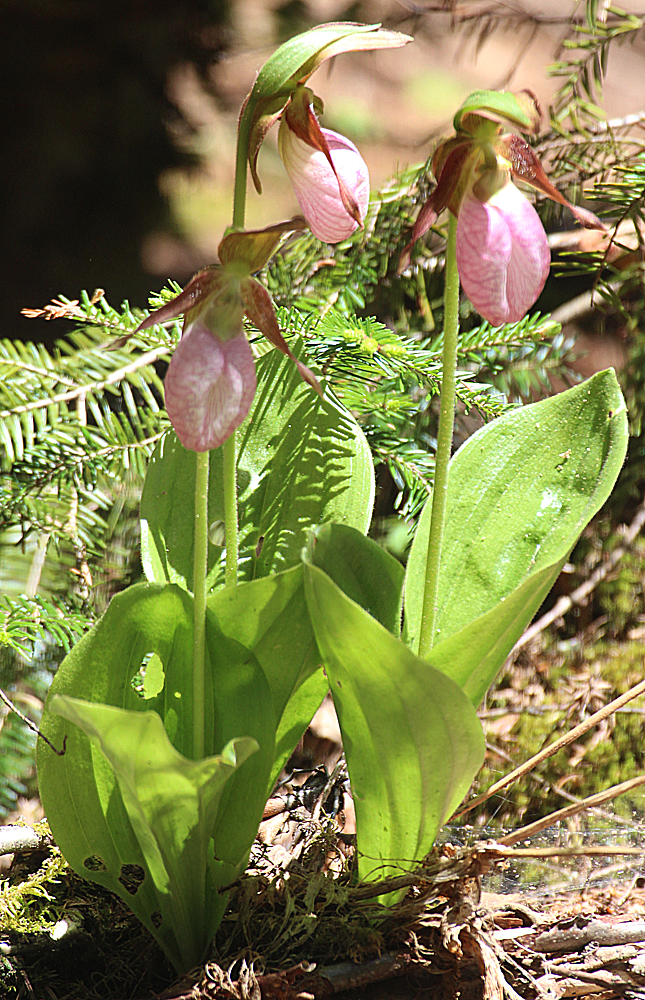
Photo by Chris Bosak Lady's slipper flower in Pittsburg, N.H., summer 2017.

Photo by Chris Bosak
Lady’s slipper flower in Pittsburg, N.H., summer 2017.

Moose in Pittsburg, N.H.

Moose in Pittsburg, N.H.

For the Birds column: A return to Pittsburg

Here is the latest For the Birds column, which runs in several New England newspapers.

Photo by Chris Bosak Tiger Swallowtails gather at the edge of the pond at Deer Mountain Campground in Pittsburg, N.H., in summer 2017.

Photo by Chris Bosak
Tiger Swallowtails gather at the edge of the pond at Deer Mountain Campground in Pittsburg, N.H., in summer 2017.


My trips, or as I like to call them pilgrimages, to the Great North Woods have changed over the years.

Back when I was making the trips alone, I would have a hard time sleeping the night before so I would eventually just get out of bed and hit the road around 2 or 3 in the morning. That would get me to my destination, usually Pittsburg, N.H., shortly after sunrise.

On one of those overnight drives I saw the most spectacular sunrise while driving through the White Mountains.

Lately, however, I have been making the trip with one or both of my sons. They are excited to get up there, but do not share my neuroses about it and can sleep through the night. Even so, I usually toss and turn most of the night wishing we could just get on the road already. I typically allow them to sleep until 5:30 or 6 before I start rallying the troops.

Such was the case a few weeks ago, when I made my first trip of the year up north. My older son, Andrew, now 14, Continue reading

Gardening with Melinda: Work with Nature to Manage Garden Pests and Mosquitoes

By Melinda Myers, LLC A bee pollinating a coneflower.

By Melinda Myers, LLC
A bee pollinating a coneflower.

By Melinda Myers

A garden filled with flowers, birds, bees and butterflies is a sight to behold. These winged beauties add color, sound and motion to our gardens. Plus, they help maximize a garden’s productivity by pollinating plants and managing plant-damaging pests.

But what about those unwanted visitors to the garden? The aphids, mites and cabbage worms that feed upon our plants or the mosquitoes that feed upon us.  There are ways to have a beautiful garden and at the same time enjoy the outdoors when we work with nature to manage our landscape.

Add a birdbath, a few birdhouses and plants for the birds. They’ll repay Continue reading