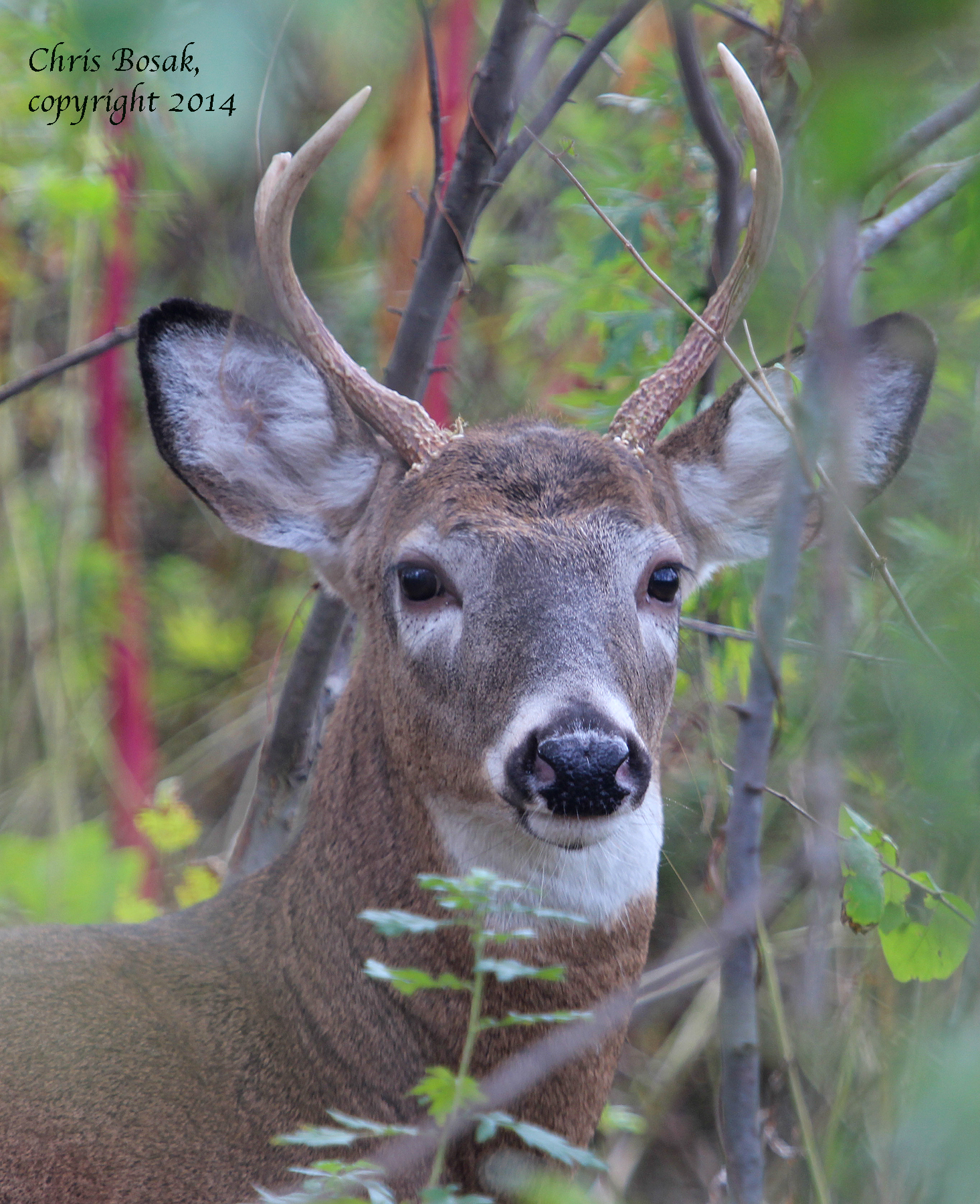
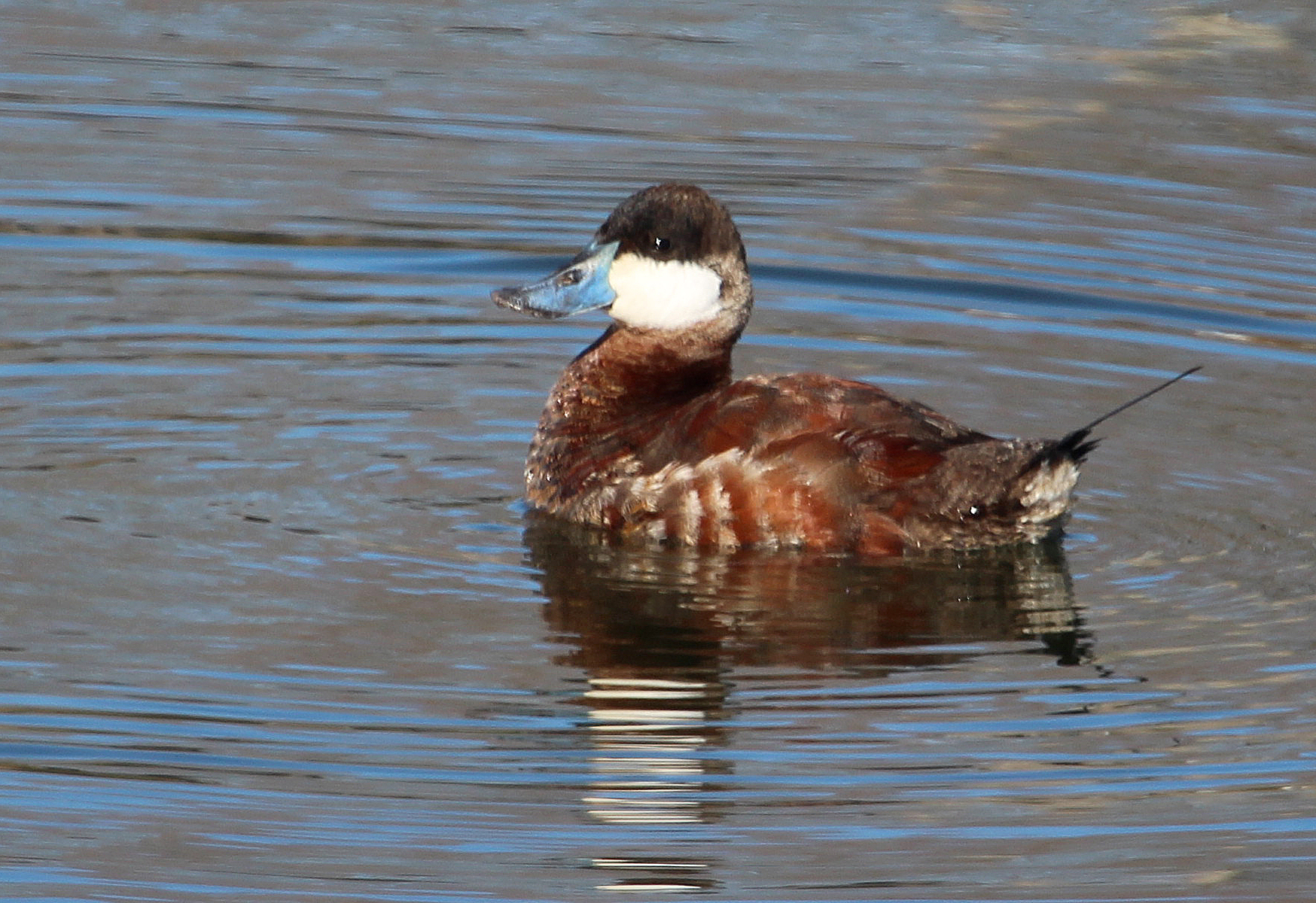
After watching a few snowy college football games yesterday, I figured I’d get us ready for the white stuff by throwing in a few photos from years past. Today is warm and windy in New England, but that can change at any moment …
Author Archives: Chris Bosak
Protected: Special Place photos
For the Birds: Not so colorless afterall
Here is the latest For the Birds column, which runs in several New England newspapers.
Oak leaves, at least the ones in my yard, turned directly from green to brown and fell in droves during the windy days of the past week.
The trees are largely bare, most of the flowers that survived the fall have now perished in the year’s first frost and big, brown oak leaves cover many of the open spaces in the region.
There’s not a lot of color to be seen these days, except for evergreens and the occasional blue sky.
Chickadees, titmice, nuthatches and downy woodpeckers may not be the most dynamic birds in terms of color but fall and winter is their time to shine. The subtle oranges on the titmice and chickadees, the gray-blue backs of the nuthatches, and the red on the heads of male downeys seem to be noticed more as the number of bird species we see at our feeders dwindles.
Even the white throat and yellow lore – the region between the eyes and nostrils — of a white-throated sparrow appears to glow brighter during these days.
Plant-based essential oils boost the mind, body and spirit during the holidays

Gardener’s Supply Company
Warming wraps infused with essential oils can provide relief to those suffering from sore shoulder and neck muscles.
By Melinda Myers
Ease into the hectic holiday season with the help of aromatherapy. The fragrances of plant-derived essential oils have long been used to improve the health of our mind, body and spirit.
Boost your energy and increase your focus as you work to balance work, family and holiday fun. Peppermint has long been prized for this and so much more. You’ll find it also helps relieve headaches and indigestion.
Freshen your home with the scent of grapefruit. It’s the perfect solution when unexpected guests drop by for a visit. You may also find the grapefruit aroma, along with your company, help to lighten your mood.
Use eucalyptus essential oil in the fight against colds and flu this winter. Just place a few drops into a diffuser on your desk at work, in your bedroom or family room. The diffusers come in a wide array of shapes and sizes. Some use heat, ultrasonic vibrations, fans or wood wicks to disperse the fragrance throughout the room. Others, like the Eden Aroma Diffuser, allow the fragrance to seep through the porous portion of the diffuser pot and into the room.
Or use a eucalyptus eye mask to help relieve sinus pressure and sooth tired eyes. Just gently heat or cool the mask, cover your eyes and relax into a bit of relief.
End your day with relaxing lavender. It helps reduce anxiety, relieves headaches and improves sleep. Turn up the heat and fragrance Continue reading
For the Birds: In the world of mallards
Here is the latest For the Birds column, which runs in several New England newspapers.
…
For just a moment, I was in their world.
As I stood there I could see nothing but branches, sticks and stubborn brown leaves that refused to fall off the low trees. Then I crouched like a baseball catcher and there they were: a flock of mallards taking a mid-day break in the tangled trees growing out of a small pond.
Normally mallards would not make for a memorable birdwatching outing, but this time was different.
It was a neat sensation, one that I’ve experience only a handful of times before — usually in extreme northern New Hampshire.
It was the way the mallards acted. They didn’t flee when my feet crunched the crispy leaves as I approached. They didn’t plop into the water and swim away slowly when I crouched for my view. They stirred only slightly as I settled in for a closer look and found a more comfortable position. (The catcher’s stance lasts only so long these days for me.) Most importantly, the mallards didn’t approach me looking for a handout. That definitely would have ruined it.
I watched as the mallards simply went about their day. The average person would have been bored silly in about 30 seconds, but I was fascinated.
A drake had the best seat in the house, hogging a gnarled tree all to himself. Just off to the right was a leaning tree with half a dozen mallards sitting next to each other. Four of them were sleeping, heads turned around with their bills nestled into their backs — eyes closed. The two wakeful mallards paid no attention to me. At least eight other mallards occupied trees or branches in the same area.
Looking back, it would have been even more memorable had the birds been wood ducks or hooded mergansers — both of which were also at the pond that day — but I can’t complain about the mallards. Besides wood ducks or mergansers would have been long gone at the first snap of a twig.
Another drake swam onto the scene. It bypassed the crowded leaning tree and tried to join the male that was sitting alone. Big mistake. The duck leaned forward, hissed and snapped at the newcomer, shooing him away. It found a place nearby to roost.
A minute or two later, one of the hens left the crowded tree, took a few graceful paddles through the shallow water and climbed aboard the gnarled tree with the ornery male. The male shifted slightly, but let the hen stay. After about three minutes, the drake’s charitable mood changed and he nipped at the female, sending her away.
The mallards’ mid-afternoon break outlasted mine. I was already late for work and, knowing that, the feeling of being in a different world faded away.
It was back to the real world. But I had the dirty pants and muddy shoes to prove that I had been elsewhere.

For the Birds: Bountiful time in the birding world
Here is the latest For the Birds column, which runs in several New England newspapers.
…
There’s so much I like about this time of year.
I know, I know, I could block-save those words and start every other column with them.
Mid to late fall does have a lot to offer birdwatchers, though, despite the falling temperatures and fleeting daylight.
Right off the bat, it’s time for waterfowl migration. As far as I’m concerned, you can’t go wrong when there’s migrating waterfowl around. One glimpse of a merganser, ring-necked duck or bufflehead and it’s a successful day, regardless of what else happens.
Finding and seeing waterfowl is no problem in mid fall, especially if you have a spotting scope. Basically, all you do is find water. Getting close looks or trying to photograph or hunt the creatures is a different matter; unless it’s a nonmigratory mallard or Canada goose, waterfowl are wary.
Gardening with Melinda: Brighten the indoors with amaryllis

Credit: Longfield-Gardens.com
‘Red Pearl,’ a newer variety of amaryllis, has huge red velvety flowers that are deep crimson, overlaid with burgundy and maroon.
By Melinda Myers
Brighten those gray winter days with a few colorful, easy-care amaryllis. The 6- to 10-inch trumpet shaped blossoms are sure to generate a smile and brighten your mood. And consider sharing the fun of growing these beauties with friends and families. Watching the bulbs transform into beautiful blossoms is an experience everyone will enjoy – and it’s a gift that requires no dusting.
When buying amaryllis, purchase large bulbs for the biggest and longest lasting floral display. One jumbo bulb will send up multiple flower stems over several weeks. Smaller bulbs can be planted two or three to a pot to create a living bouquet.
Try some of the newer varieties like ‘Lagoon’ and ‘Red Pearl’. Their ten-inch blossoms are sure to enliven any indoor decor. Grow the ‘Nymph’ series of double amaryllis if you prefer large flowers on shorter stems. ‘Cherry Nymph’ has a rose-like beauty with layers of fire engine red petals.
And for something different, grow amaryllis ‘Evergreen’ with long Continue reading
For the Birds: Slow days happen in the fields and woods, too
Here is the latest For the Birds columns, which runs weekly in several New England newspapers.
…
Last week I wrote about the disappearance of birds in people’s backyards. I had received a lot of letters from people concerned that their feeders were not getting visited any longer.
Although there are several possible explanations, I had concluded that the warm and dry fall made for a bounty of natural foods on which the birds were feasting. Therefore, the birds did not need the supplemental food offered from feeders. That was my conclusion, anyway, not necessary the real reason.
I stick to that assertion, however I also visited a park the other day that was rich in natural food sources and guess what? Hardly any birds. The birds I did see were all fairly ordinary species. Not that I don’t appreciate the ordinary species too, but a song sparrow or two and a mockingbird was about the extent of my bird sightings that day.
Mid to late fall can be a tricky time for birdwatching. The feeders, as my readers pointed out, can be scarcely visited and the woods can be very quiet as well. The migration, for the most part, is finished and we are waiting for our winter birds such as juncos and white-throated sparrows to arrive en masse.
I have been lucky that my feeders, as long Continue reading
For the Birds: Where are the birds?
Here is the latest For the Birds column, which runs weekly in several New England newspapers.

Photo by Chris Bosak
A tufted titmouse perches on a homemade birdfeeder in Danbury, Conn., March 2017.
It started with one, like nearly all things do. Then another came in, and they kept coming.
“Where are the birds?” was the similar question in the emails and phone calls.
Here are few examples:
“Why am I not seeing as many birds at my feeders for the last two to three weeks?”
“I’ve probably seen a woodpecker or two since the beginning of September! What is going on? Why don’t the birds find us again?”
“The birds I feed here in Richmond have disappeared. Myself and my neighbors haven’t seen them for several weeks.”
Becky of New Hampshire offered some hope, however. She said crows were more numerous than in past years and that the smaller birds stopped coming.
“They are just lately slowly reappearing,” she wrote.
So they are coming back. My guess is that all of the writers asking where the birds have gone will soon get their birds back.
Why do yards with bird feeders go through slow Continue reading
Gardening with Melinda: Plant easy-care daffodils now for added spring beauty
By Melinda Myers
Daffodils have a cheery presence in the spring garden and are a surefire way to chase away the winter blues. These fall-planted bulbs are also reliable perennials that require no maintenance and are not bothered by deer or other pests. The National Garden Bureau has declared 2017 the Year of the Daffodil, and with the fall planting season right around the corner, now is the time to choose your favorites.
Yellow trumpet daffodils are classics, but there are many other flower styles and colors to choose from. Double-flowering types like white and yellow Lingerie and long lasting lemon-yellow Sherbourne feature multiple rows of petals and some varieties look more like peonies than daffodils.
Multi-flowering varieties like Beautiful Eyes, display several flowers on each stem. This variety’s white and orange blossoms have a gardenia-like fragrance. Miniature Continue reading