A couple winter birds

Photo by Chris Bosak A female Downy Woodpecker perches next to a birdfeeder in New England, Jan. 2015.

Photo by Chris Bosak
A female Downy Woodpecker perches next to a birdfeeder in New England, Jan. 2015.

Yesterday (Saturday) coastal southern New England had its first significant snow of the year. And even so, it wasn’t that much of an event as we woke up to about four inches of snow and nothing else fell during the day (except some light rain off and on). But it was nice to see snow finally (I’m sure not everyone shares that opinion) and, for me, that always means checking out the feeding stations for photos opps.

I didn’t do so well in that department as the birds were surprisingly somewhat scarce. White-throated Sparrows were the most plentiful species, with 10 to 12 under the feeders at all times. A Downy Woodpecker showed up frequently, too. There were infrequent visits from cardinals, juncos and titmice. That’s about it. The Carolina Wren Continue reading
Carolina Wrens come a’singing — even in winter

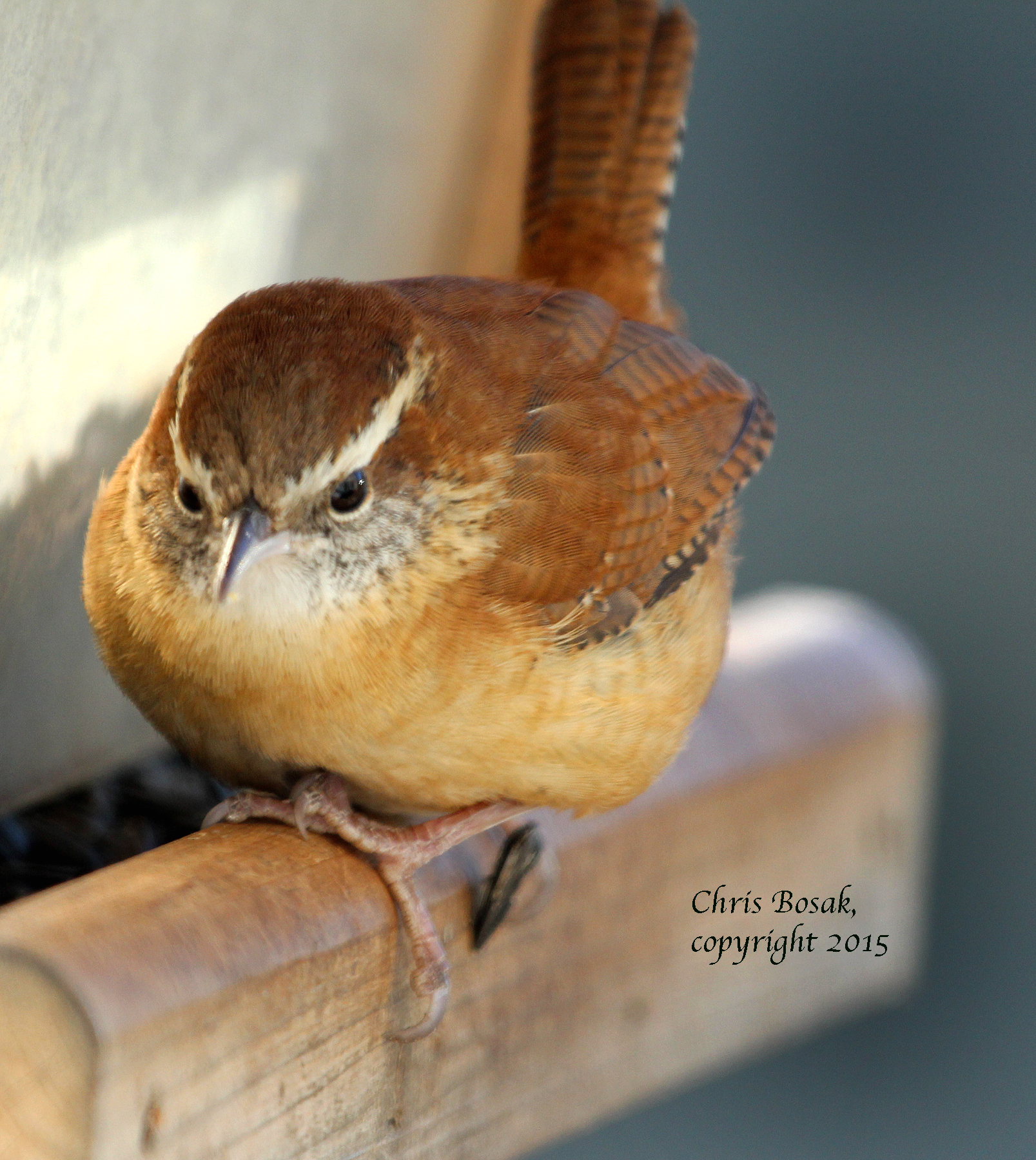
Photo by Chris Bosak A Carolina Wren perches on a feeder in New England in January 2015.

Photo by Chris Bosak
A Carolina Wren perches on a feeder in New England in January 2015.

I was sitting in my bedroom doing some work on the computer when I heard a familiar song behind me. It wasn’t coming from the clock radio. It wasn’t even that type of song. It was a bird song, of course, and it was being belted out richly by a Carolina Wren.

“Tea-kettle, tea-kettle, tea-kettle!” Loud and strong.

It was nice to hear the song. It’s been a long time since we’ve heard a lot of birdsong in New England. I’ve heard plenty of bird calls — non-melodic chips often coming from cardinals and White-throated Sparrows — but not a lot of songs. But this Carolina Wren was in full voice. Why? I’m not exactly sure. I’ve heard Carolina Wrens sing in the winter before, plenty of times. My guess is that it’s territorial posturing. That’s part of why birds sing in the spring, mostly over breeding territories. I think this wren was protecting his feeding station.

(Story continues below, with more photos, too.)

Continue reading

Clearing out my 2014 photos, take 7: Northern Cardinal

Photo by Chris Bosak A Northern Cardinal perches on a branch in New England in spring 2014.

Photo by Chris Bosak
A Northern Cardinal perches on a branch in New England in spring 2014.

Here’s my next photo in the series of 2014 photos that I never got around to looking at and posting.

Everybody loves Northern Cardinals. I took this shot in 2014, but to be perfectly honest, I don’t really remember the details. I found it in a random folder and only sort of remembered even taking the photo. Some days of shooting are like that: The action is so fast it’s hard to keep track of what you’re shooting. Other days, of course, not so much.

I believe I took this shot at Cove Island Wildlife Sanctuary, but it was definitely in 2014. Trust me on that one.

Eastern Towhee under feeder, nice start to 2015

Photo by Chris Bosak An Eastern Towhee searches a garden for food in Jan. 2015.

Photo by Chris Bosak
An Eastern Towhee searches a garden for food in Jan. 2015.

This weekend I was looking at the regular visitors to my birdfeeders, which in my case include Tufted Titmice, Black-capped Chickadee, Downy Woodpecker, Hairy Woodpecker and White-throated Sparrow (at least this time of year). Then I noticed another bird on the ground under the feeder: a male Eastern Towhee. Towhees are not typical feeder birds and this bird wasn’t necessarily around the feeder looking for sunflower seeds. It scratched under leaves and sticks in the garden for other seeds and any insects that may still be around. Towhees also eat berries during the winter.

Most towhees have flown south by now, but a few are still around trying to stick out the New England winter. I remember seeing several last winter, too.

I’ve been seeing more and more towhees over the last few years. Hopefully that means they are doing well overall as a species.

An Eastern Towhee in the garden in January: Not a bad way to start 2015.

Photo by Chris Bosak An Eastern Towhee searches a garden for food in Jan. 2015.

Photo by Chris Bosak
An Eastern Towhee searches a garden for food in Jan. 2015.

Clearing out my 2014 photos, Take 3: Mourning Dove close up

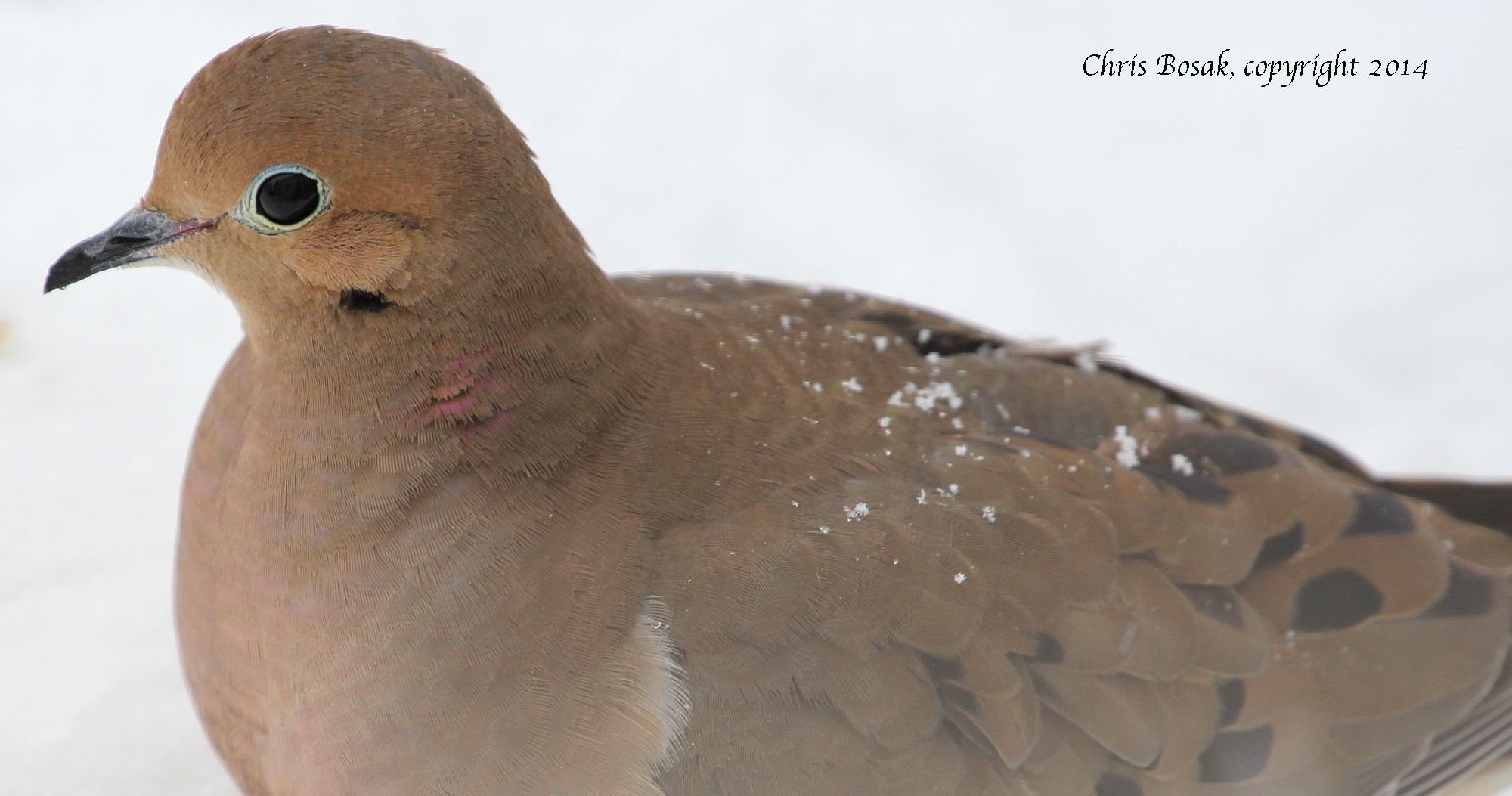
Photo by Chris Bosak A Mourning Dove looks for seeds under a feeder during a snowy day in Jan. 2014.

Photo by Chris Bosak
A Mourning Dove looks for seeds under a feeder during a snowy day in Jan. 2014.

Here’s my next photo in the series of 2014 photos that I never got around to looking at and posting. Here’s a Mourning Dove looking for food under my birdfeeder during a snowy day last winter. The photo was taken in January 2014. Check out the subtle colors in this beautiful bird.

Here’s the starling in winter


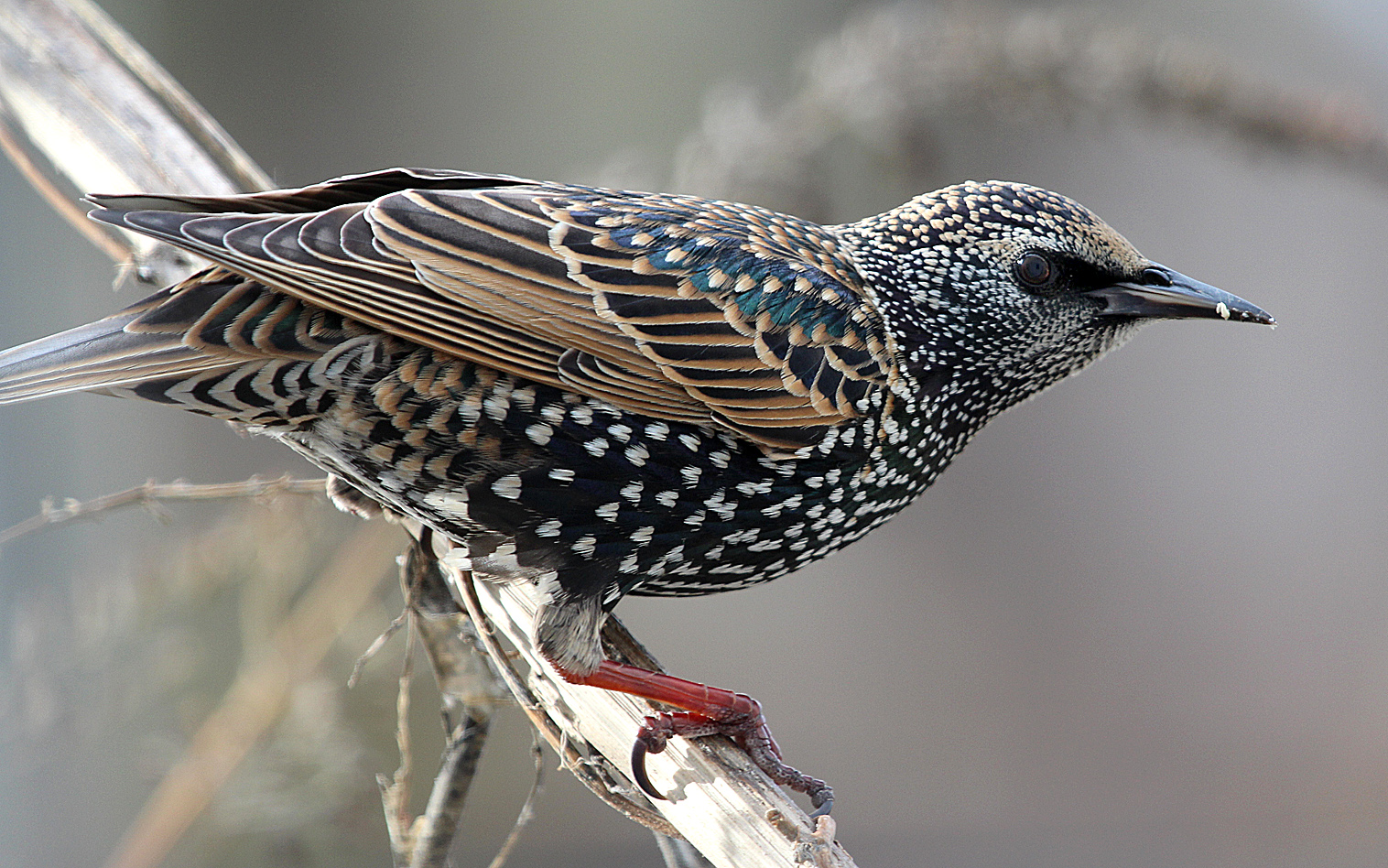
Photo by Chris Bosak A European Starling in winter plumage perches on an old sunflower stalk, Dec. 2014.

Photo by Chris Bosak
A European Starling in winter plumage perches on an old sunflower stalk, Dec. 2014.

This spring I wrote a post about starlings. Starlings are an invasive species to the United States and very numerous. In the spring, however, I saw a starling near my birdfeeder that caught my eye as visually striking. Well, it happened again. This time the starling was in its winter plumage, which is different from its breeding plumage.
The winter plumage is not always shown in field guides, so it causes confusion with some new birders. I have received emails from readers of my bird column asking what type of bird is in the photo they have attached and it is a starling in winter plumage.
So in this post you have a starling in its winter plumage. Still a striking bird. Click on the link below to see the bird in its breeding plumage.

Click here.

Northward expansion of the Red-bellied Woodpecker

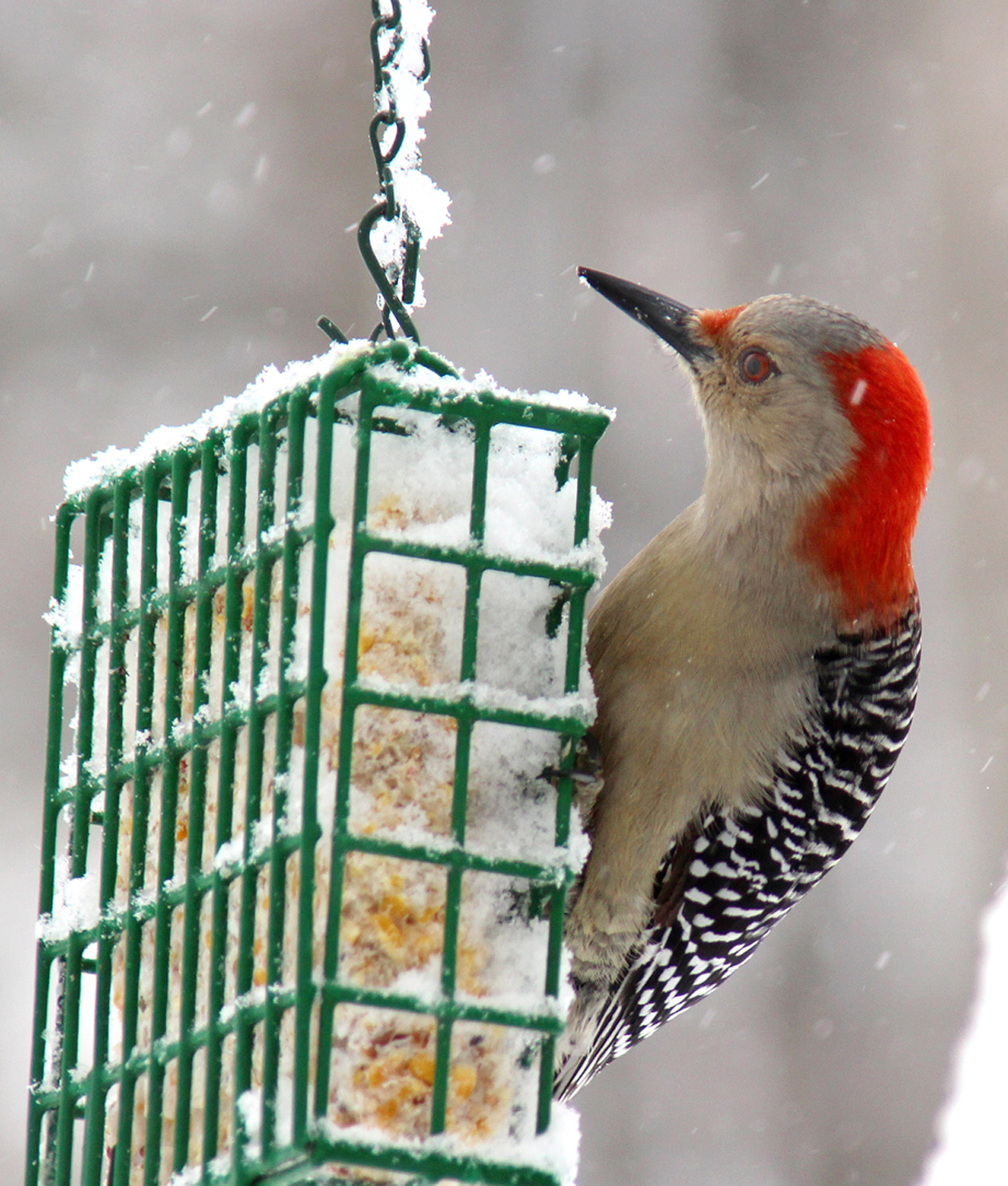
Photo by Chris Bosak A Red-bellied Woodpecker visits a suet feeder during a snow storm.

Photo by Chris Bosak
A Red-bellied Woodpecker visits a suet feeder during a snow storm.

Here’s my latest For the Birds column that appeared in last week’s The Hour (Norwalk, Ct) and this week’s The Keene (N.H.) Sentinel. It is about the northward movement of the territory of the Red-bellied Woodpecker, a large and handsome woodpecker that has been common in southern New England but scarce in middle New England. That seems to be changing.

Here’s the link to the story.

Today at the feeder

Photo by Chris Bosak

Photo by Chris Bosak
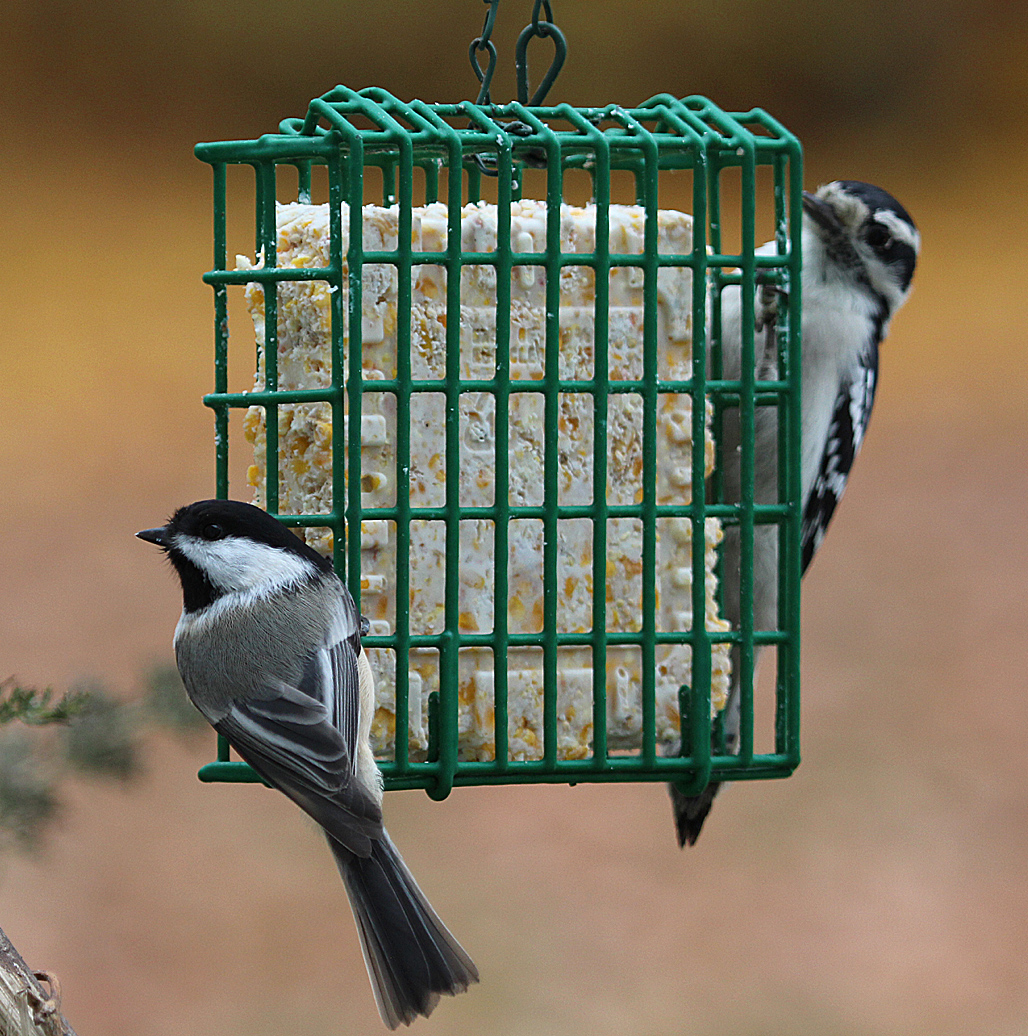
A Black-capped Chickadee and Downy Woodpecker share the suet feeder, Nov. 16, 2014.

It’s been a particularly busy day at the feeder today. There haven’t been any out of the ordinary species, just lots of backyard favorites. Here are a few photos from the action. Not pictured, but seen visiting today are: American Goldfinch; Northern Cardinal; Hairy Woodpecker, Red-bellied Woodpecker; Dark-eyed Junco; White-throated Sparrow; Blue Jay and American Crow. No nuthatches today yet … odd.

(Author’s note: OK, got my nuthatch. All is good.)

More photos are below. Click on “continue reading.”

Thanks for visiting http://www.birdsofnewengland.com

Continue reading

A few more Hermit Thrush photos; and a link to column

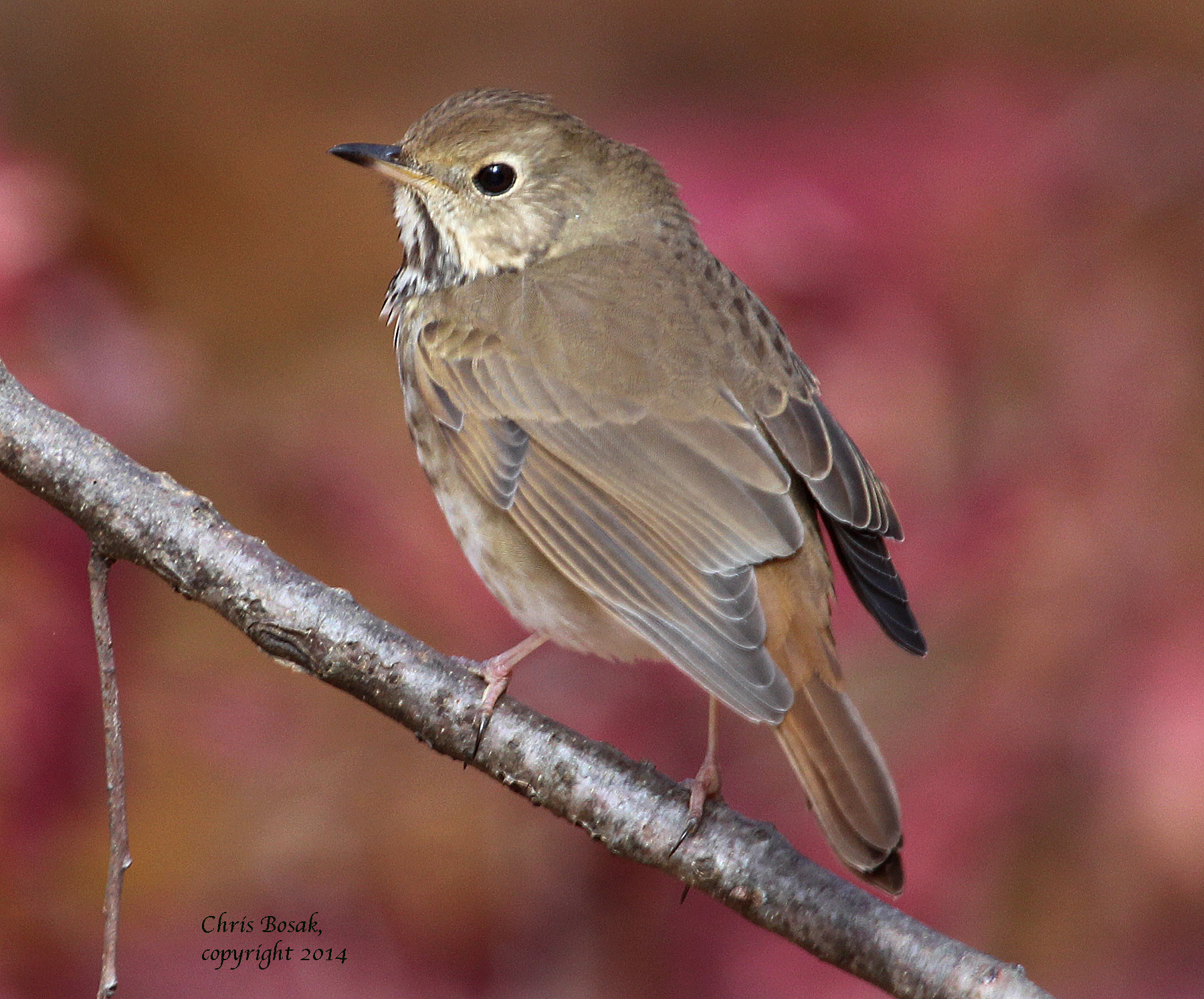
Photo by Chris Bosak A Hermit Thrush perches on a branch at Selleck's/Dunlap Woods this fall.

Photo by Chris Bosak
A Hermit Thrush perches on a branch at Selleck’s/Dunlap Woods this fall.

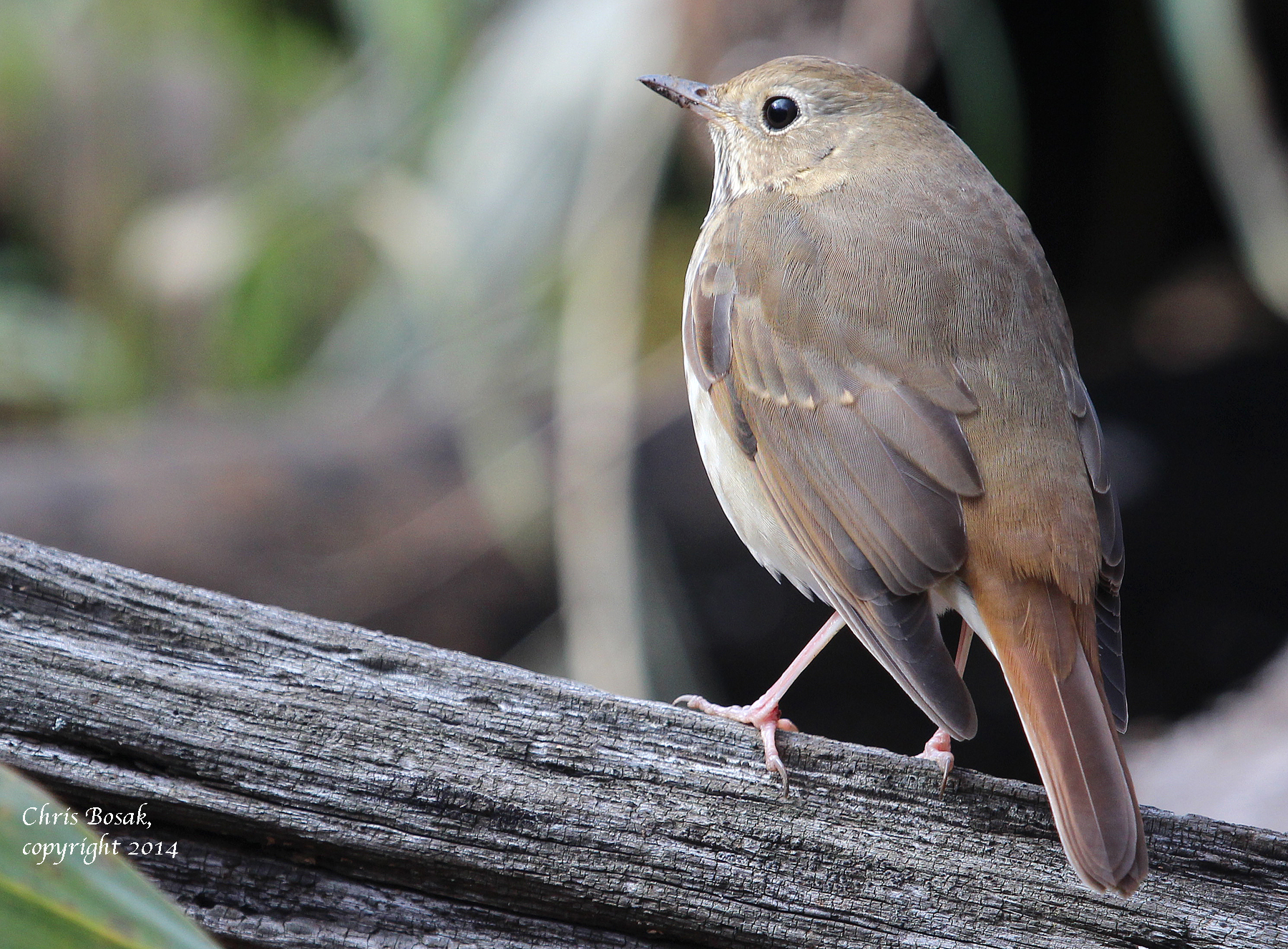
Here are a few more photos of Hermit Thrushes, a species profiled in my last post a few days ago. Also below is a link to my latest For the Birds column, which appears weekly in The Hour (Norwalk, CT) and The Keene Sentinel (Keene, N.H.)

Here’s the link.

Photo by Chris Bosak A Hermit Thrush rests on a log at Selleck's/Dunlap Woods this fall.

Photo by Chris Bosak
A Hermit Thrush rests on a log at Selleck’s/Dunlap Woods this fall.

We need more Titmice

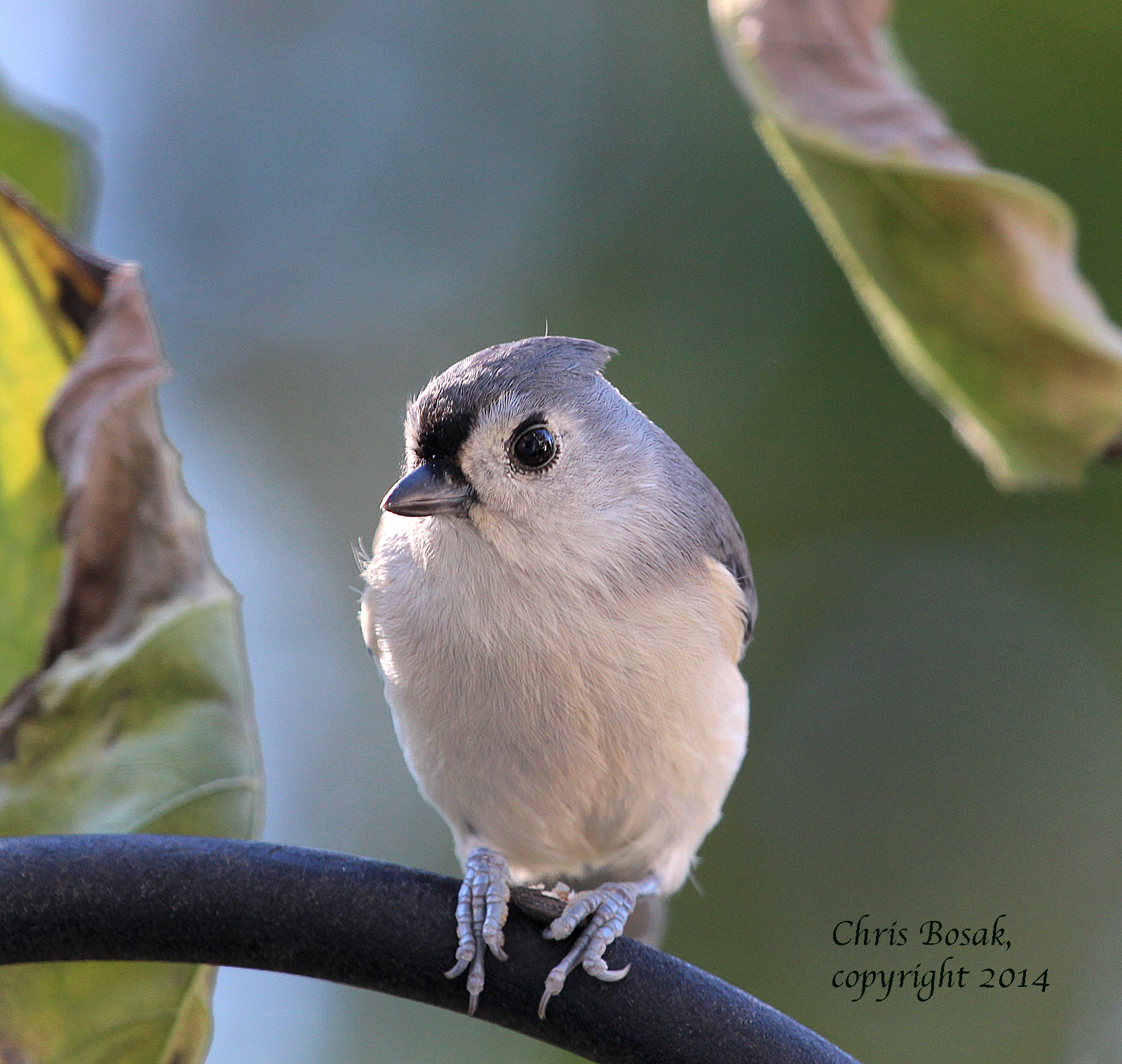
Photo by Chris Bosak A Tufted Titmouse perches on a pole near a birdfeeding station, Oct. 2014.

Photo by Chris Bosak
A Tufted Titmouse perches on a pole near a birdfeeding station, Oct. 2014.

Last week I posted a photo of Tufted Titmouse that I saw outside my window at my birdfeeding station. It kicked off a short series of photos I posted of common backyard feeder birds.

But, of course, I had more than just one photo of Tufted Titmice. So here are a few more photos of this small and lovable blue-gray bird. So far this fall Tufted Titmice have been the most numerous and reliable birds at my feeder. I can’t complain about that.

More photos below:

Continue reading